What It Means When Powdery Mildew Coats Your Pennsylvania Pumpkins Overnight
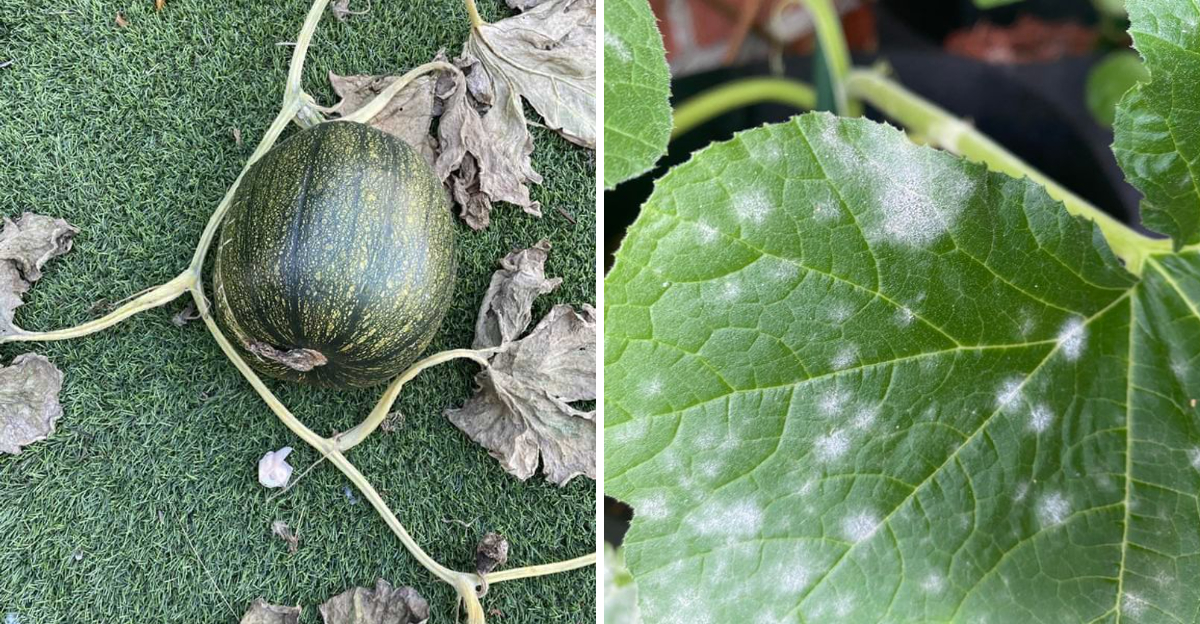
A pumpkin patch can change dramatically between one Pennsylvania evening and the next morning.
Green leaves that looked normal at sunset may suddenly appear dusted with white, almost as though flour settled across the vines overnight.
That coating is powdery mildew.
The fungus was already developing before you could see it. Tiny colonies establish on leaf surfaces, expand quietly, and eventually become obvious once enough white growth covers the foliage.
By that point, spores may already be moving through other parts of the patch.
So what does the sudden white layer actually mean?
It signals that conditions have favored the disease for several days, often through warm temperatures, humid nights, crowded vines, and limited airflow.
Older leaves usually show trouble first, then the infection can move toward newer growth.
The crop is not automatically lost.
Early cleanup, better airflow, careful watering, and timely protection can slow the spread and help healthy leaves keep feeding pumpkins through the final stretch toward harvest before autumn closes the season down across Pennsylvania gardens.
1. Recognize White Powder As Fungal Growth
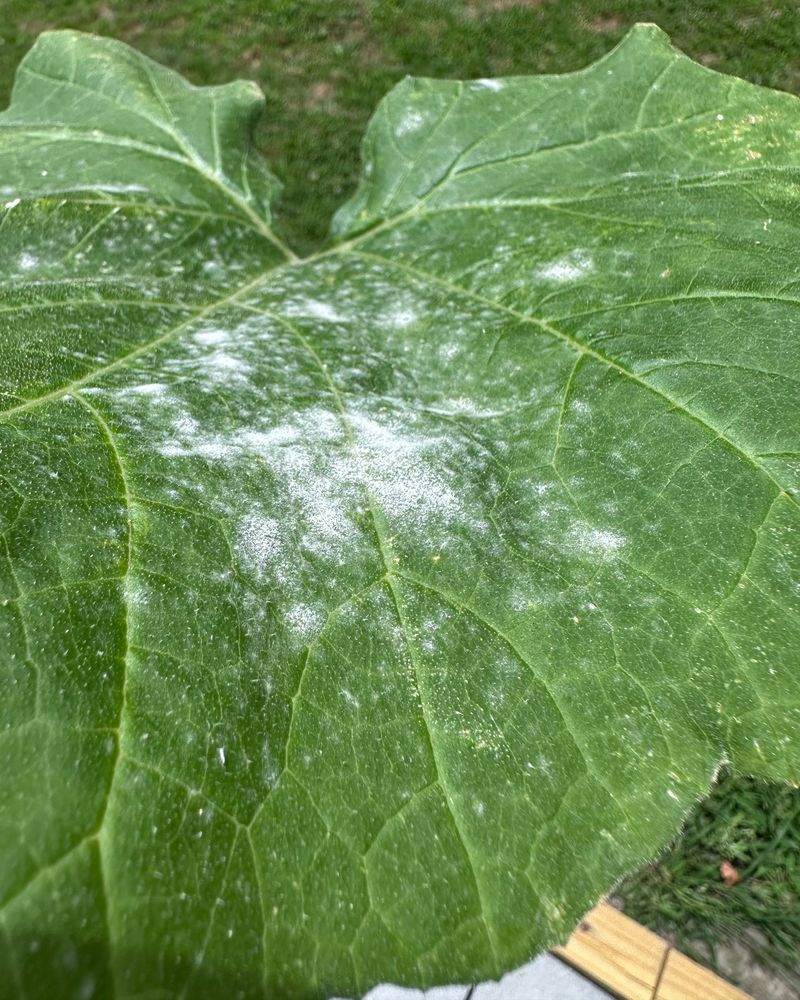
That floury coating is not dust from the garden path or residue left behind by hard water.
Powdery mildew creates visible fungal growth across pumpkin leaves. The white patches contain mycelium and spores that sit largely on the leaf surface while feeding structures draw nutrients from plant cells below.
Early colonies can look small and harmless.
A few round white patches may appear on one older leaf, then expand and merge until much of the surface turns pale gray or white. Stems and leaf undersides can develop the same coating as pressure builds.
The important clue is how quickly new patches appear.
Wiping away some of the powder may make the leaf look cleaner for a moment, but the established fungus remains. Fresh visible growth can return as the colony continues developing.
Check nearby squash and cucumbers too.
Powdery mildew commonly affects cucurbit crops, so one pumpkin plant with obvious symptoms deserves a wider garden inspection rather than attention to that vine alone.
Avoid reaching immediately for fertilizer.
This is not a leaf-color problem caused by simple hunger. The white coating itself is the diagnosis clue.
Once the pumpkin patch starts wearing what looks like a layer of baking flour, the fungus has already moved past introductions. The useful next step is finding how far it has spread and protecting the clean foliage that remains.
2. Expect Older Leaves To Show It First
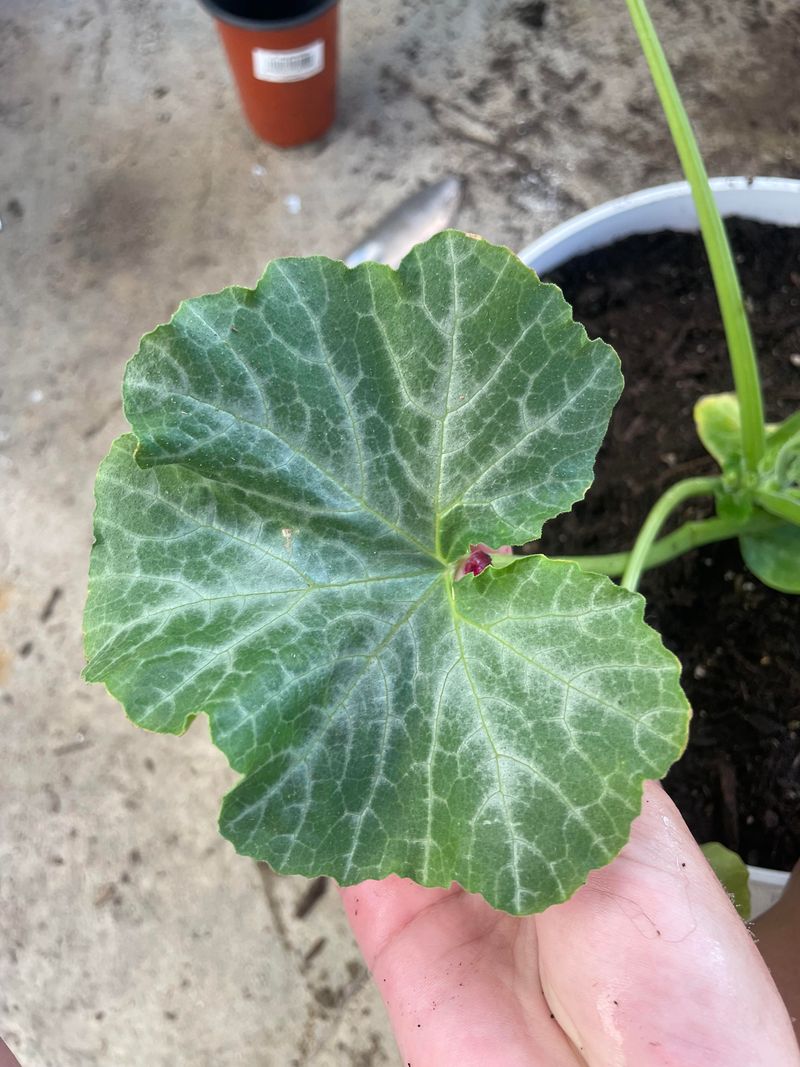
The oldest pumpkin leaves often become the first visible casualties.
They have been exposed to drifting spores longer than fresh growth near the vine tips, and they usually sit deeper in the canopy where air movement is weaker. That combination gives powdery mildew plenty of opportunity to settle in.
Start inspections near the base of each vine.
Look across both sides of mature leaves, especially those partly shaded by newer foliage. Tiny white circles can be easier to spot there before they merge into a larger coating.
Do not assume clean growing tips mean the problem is minor.
Your Pennsylvania Garden Changes Every Week. Your Plan Should Too.
Gardening in Pennsylvania changes quickly throughout the season. Every Friday you’ll receive a simple weekly plan showing exactly what to plant, prune, fertilize, harvest, and protect so you never miss the right timing.
Older leaves can already be producing spores while the newest foliage still looks perfectly green. Those spores can move with air currents and establish farther along the vine as conditions remain favorable.
The pattern gives you useful timing information.
Heavy coating on older foliage with clean tips suggests the disease has established but has not yet overwhelmed the newest growth. That is a much better moment for cleanup and protection than waiting until every leaf looks pale.
Remove only the worst leaves when practical.
Keep enough healthy green foliage to support fruit development and shade pumpkins from excessive sun.
Older leaves are basically the patch’s early-warning system. They have spent the longest time on duty, so they often show the first evidence that powdery mildew has entered the garden and started making itself comfortable.
3. Blame Humid Air More Than Rain Alone
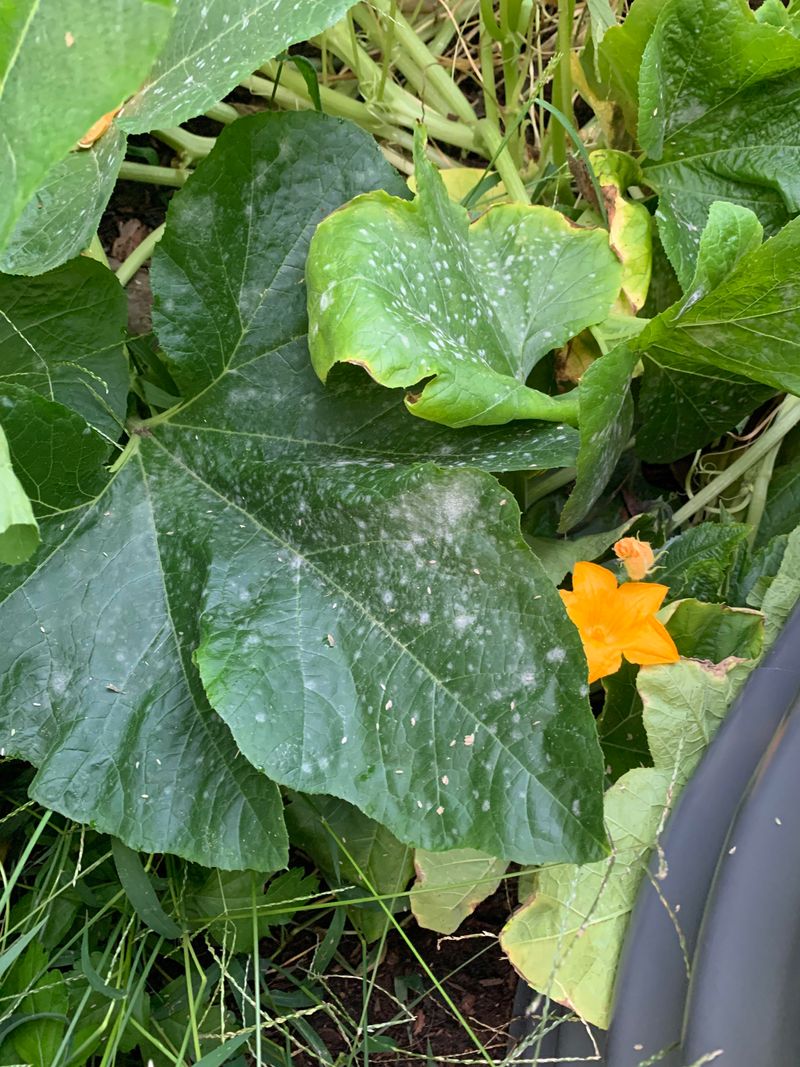
Powdery mildew does not need a soaking rainstorm to take off.
That surprises gardeners who associate every fungal disease with dripping leaves. This fungus can develop under warm, humid conditions while the foliage itself appears relatively dry.
Pennsylvania summer nights provide plenty of opportunity.
Warm days followed by cooler, humid evenings can keep moisture levels in the air high around a dense pumpkin canopy. Spores landing on suitable leaves can establish during those stretches without waiting for a thunderstorm.
That explains the seemingly overnight appearance.
The colony may have been expanding for days before enough fungal growth became visible from a few steps away. One muggy night can make an existing problem much easier to notice, even though it did not begin during those few hours.
Heavy rain can occasionally knock some spores from exposed leaf surfaces, but the relief does not last once established colonies remain nearby.
Watch nighttime humidity and canopy conditions rather than rainfall alone.
Several sunny days do not guarantee that disease pressure has disappeared. A still, humid patch can stay favorable even under blue skies.
This matters for treatment timing too.
Waiting for another wet forecast can leave you several days behind the fungus.
Powdery mildew is less interested in the rain gauge than many gardeners expect. The air around your pumpkin leaves can provide all the encouragement it needs.
4. See Crowded Vines As A Disease Advantage
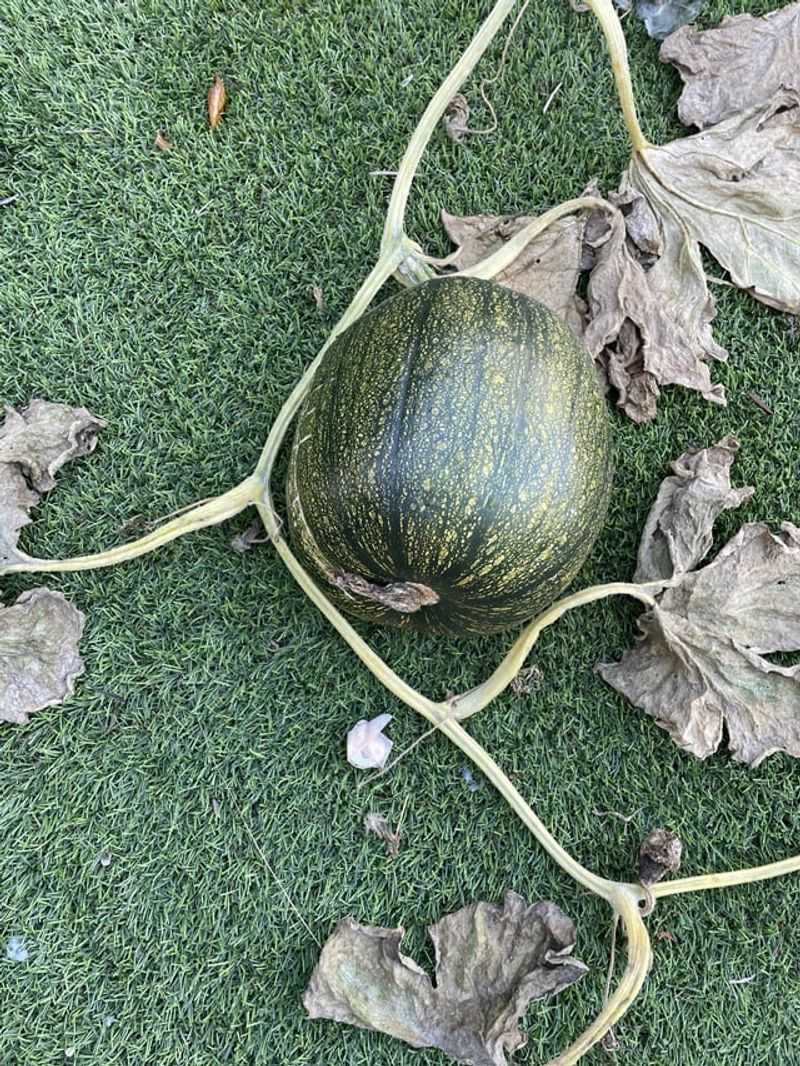
Pumpkin vines are very good at turning open ground into a leafy maze.
That abundance looks productive, but overlapping leaves create pockets of still, humid air beneath the canopy. Powdery mildew gains an advantage when those pockets persist through warm Pennsylvania days and damp nights.
Look into the center of the patch.
Leaves stacked over one another dry and exchange air more slowly than foliage spread across open ground. Weeds and tall grass around the edges can make the problem worse by blocking movement near soil level.
Crowding also hides early symptoms.
A white patch beneath three overlapping leaves can produce spores for days before anyone notices it from above. By the time outer foliage looks dusty, the interior may already carry much heavier growth.
Give vines room during planting whenever possible.
Spacing depends on the pumpkin variety, but sprawling plants need generous territory. Training main vines outward as they lengthen can reduce pileups without sacrificing healthy leaves.
Keep paths and bed edges reasonably open.
The goal is not a manicured patch with every vine lined up like a parade. You simply want enough separation for moving air to reach more of the foliage.
Powdery mildew loves a crowded room where nobody opens a window.
A little vine direction and weed control can make the patch far less comfortable without cutting away the leaves pumpkins still need.
5. Open The Patch For Better Airflow
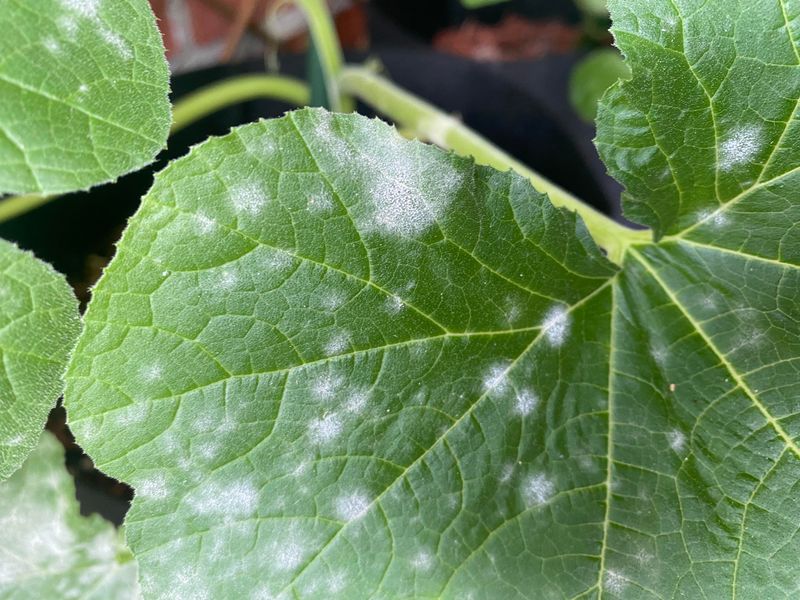
Once powdery mildew appears, improving airflow becomes one of the easiest changes available.
Start with foliage that is already badly coated, yellowing, or no longer doing much useful work. Removing a limited number of those leaves can open the canopy and reduce some active spore production at the same time.
Keep the pruning selective.
A pumpkin needs plenty of green leaf area to build sugars and finish developing fruit. Stripping the vine bare in the name of airflow can weaken the plant far more than a few mildew patches would.
Redirect healthy vines instead.
Move crowded runners gently outward and separate leaves that have piled into thick layers. Soft garden ties can help guide a vine around a path or bed edge without pinching the stem.
Clear weeds around the patch too.
Tall vegetation can hold humid air against the lower canopy and reduce the breeze reaching older leaves.
Work once foliage is dry.
That makes stems and leaves easier to handle and reduces the chance of spreading other plant problems through wet tissue.
Then step back and look through the canopy.
Some open space should be visible between major sections of foliage.
The patch does not need a professional haircut. It needs breathing room. A few smart adjustments can help healthy leaves dry and make conditions less favorable for the fungus as pumpkins continue toward maturity.
6. Keep Irrigation Focused On The Soil
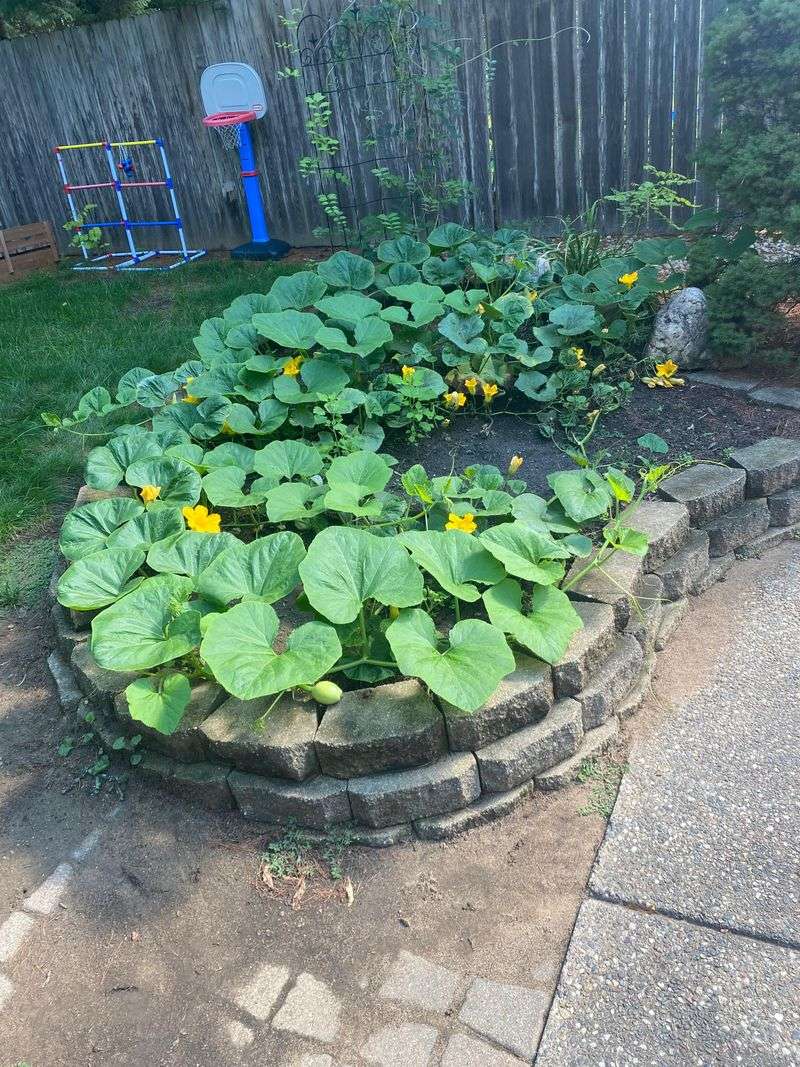
Powdery mildew can develop without free water sitting on a leaf, so keeping foliage dry will not erase the disease by itself.
It still makes sense to keep irrigation focused on the roots.
Overhead sprinklers wet the entire canopy and can leave dense pumpkin leaves damp for long periods, especially late in the day. That extra moisture can favor other diseases at the same time powdery mildew is already stressing the patch.
Use drip lines or soaker hoses where practical.
They deliver water close to the soil while leaving flowers, stems, and leaves out of the irrigation cycle. That also reduces water lost to evaporation on hot afternoons.
Morning is the better window for unavoidable overhead watering.
Leaves have daylight and warmer moving air available afterward, which helps them dry before another humid Pennsylvania night settles over the garden.
Keep soil moisture steady rather than saturated.
Pumpkins need dependable water to fill fruit, but roots also need oxygen. Check the soil before adding another long irrigation cycle after summer rain.
Aim water beneath the leaves rather than spraying across them for convenience.
That one habit supports the entire patch, not just mildew management.
The fungus may not require a wet leaf, but your pumpkin plant certainly does not benefit from spending every evening wearing one. Put the water where the roots can actually use it.
7. Remove Badly Coated Leaves When Practical
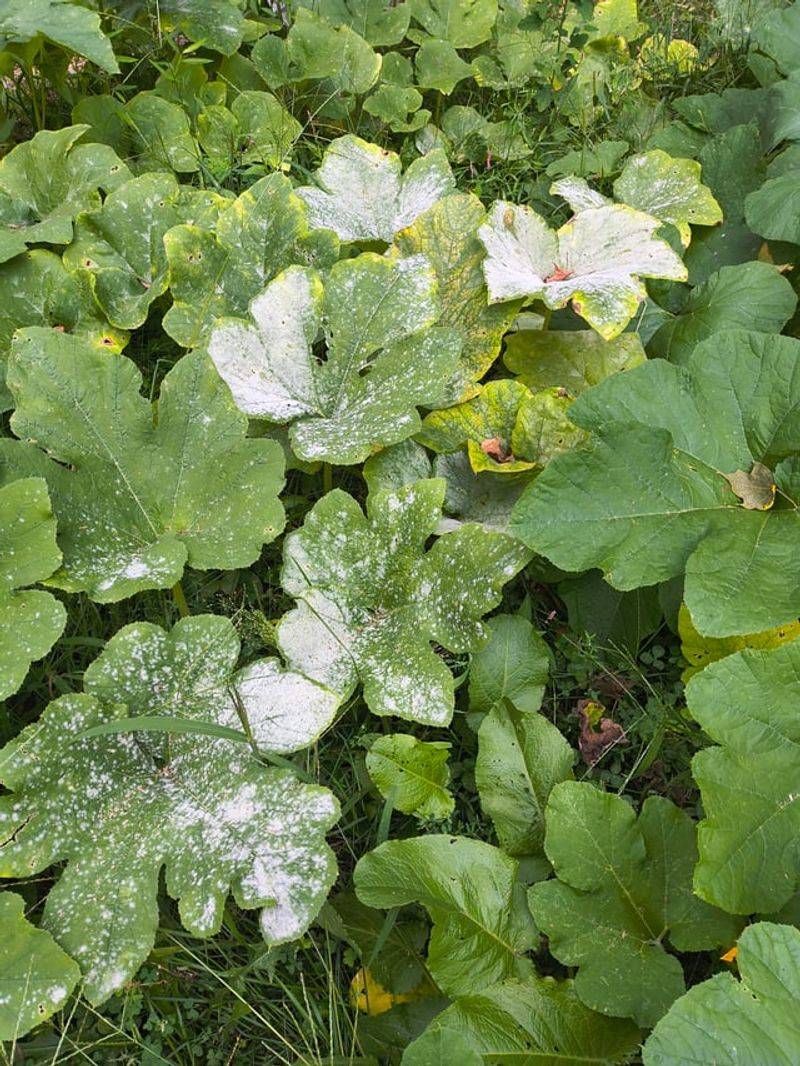
A leaf covered from edge to edge in white growth is doing less useful work and producing plenty of new spores.
Removing some of those leaves can lower disease pressure, especially while the infection remains concentrated on older sections of the vine.
Use clean, sharp pruners.
Cut the leaf stem cleanly without tearing the main vine, then carry the affected material out of the patch rather than dropping it on the soil beneath healthy foliage.
Dispose of heavily infected leaves away from the growing area.
Do not rely on a cool home compost pile to solve the problem quickly. Keeping diseased debris out of the immediate garden reduces one more source of spores around the crop.
Stop before cleanup becomes defoliation.
A pumpkin with fruit still maturing needs green leaves for photosynthesis. Once mildew covers most of the canopy, removing every visibly affected leaf would leave too little plant behind to support the harvest.
At that stage, focus on preserving the healthier foliage that remains.
Sanitation works best early, while a few badly coated leaves can come out without dismantling the plant.
Clean the pruners between plants and keep your hands from brushing repeatedly through healthy foliage after handling infected leaves.
One ugly leaf is easy to sacrifice.
Half the canopy is not. Remove the worst spore factories while the plant still has enough clean green machinery to keep the pumpkins moving toward harvest.
8. Start Protection Before The Canopy Is Covered
Once most pumpkin leaves look heavily dusted, the easiest management window has already passed.
Powdery mildew is much easier to slow near the beginning than after colonies cover the canopy. That makes next season’s prevention just as important as the cleanup happening now.
Start with variety choice.
Pumpkin cultivars described as resistant or tolerant to powdery mildew can slow disease development and keep useful foliage greener longer under the same garden conditions. Resistance does not mean complete immunity, but it can buy valuable time.
Scout before symptoms become dramatic.
Check older leaves regularly once summer reaches the part of the season when mildew usually appears. Tiny white colonies deserve attention long before the whole vine looks pale.
Home gardeners using labeled fungicides also get better results from early protection than from trying to reverse advanced infection.
Products vary, so follow the label for the crop, timing, rate, reapplication interval, and safety directions. Avoid random mixtures that have never been labeled for use on pumpkins.
Keep cultural controls in place at the same time.
Spacing, airflow, clean irrigation habits, and removal of badly infected foliage reduce the pressure any product has to handle.
The overnight flour effect is dramatic, but it is also a reminder.
Powdery mildew rewards gardeners who notice the first teaspoon, not the moment the whole bag appears to have landed on the patch.