The August Hydrangea Mistake Connecticut Gardeners Keep Making
Impulse strikes many gardeners in late summer, urging an ill-timed move. Connecticut yards experience this same pattern every single year without fail.
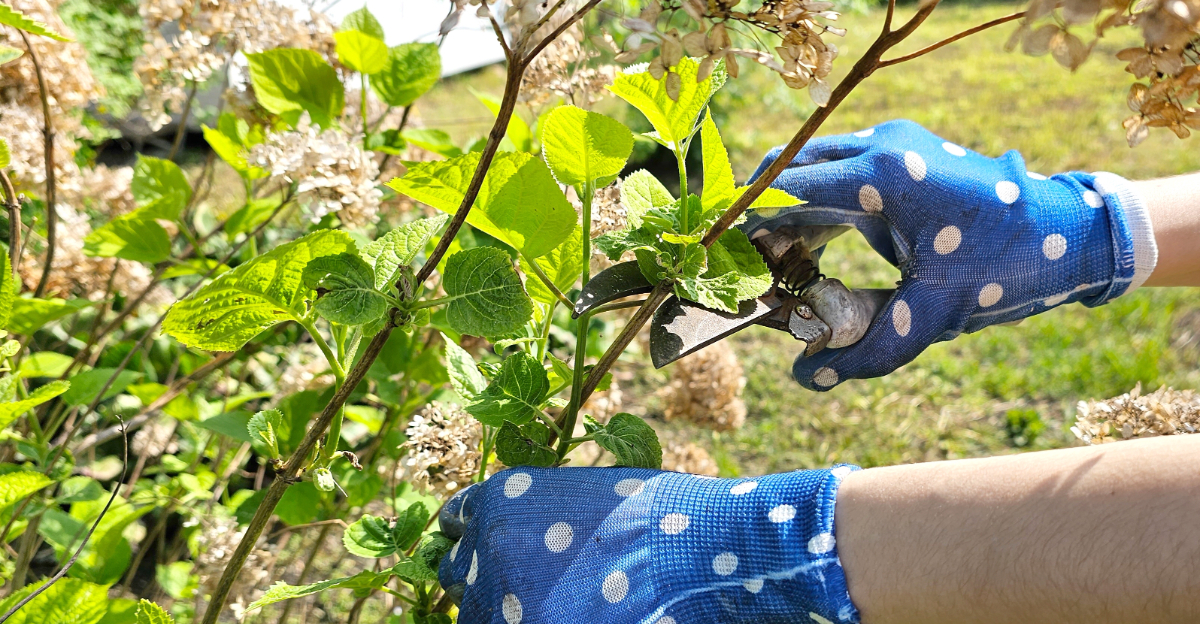
Gardeners grab their shears, trim hydrangeas, and quietly lose next year’s blooms. Timing controls everything with these shrubs, far more than soil or sunlight.
Cutting stems now removes the buds already forming beneath the surface. Bigleaf varieties store next season’s entire flower show inside wood grown this year.
Smooth hydrangeas follow completely different rules, confusing even experienced longtime growers. Connecticut’s shifting climate adds pressure, pushing plants into unpredictable rhythms.
Acting without knowing the variety carries risk here, especially once shears land in hand. Understanding what your plant is quietly doing internally changes everything about your approach.
Knowing the real difference between varieties spares you from lasting disappointment later. This process leaves little room for guesswork or good intentions alone. You will need to wait a full year if those buds are gone.
Why August Pruning Is The Wrong Move

Put the shears down. August feels like the perfect moment to tidy up your hydrangeas, but it is one of the worst times to cut them.
The August hydrangea mistake Connecticut gardeners keep making starts exactly here, with good intentions and bad timing. Your plant looks overgrown, maybe a little wild, and the urge to shape it up is completely understandable.
Here is the problem. By August, most hydrangeas have already begun forming next year’s flower buds. Those buds are sitting right there on the stems you are about to remove.
Pruning in August means you are cutting off the blooms before they ever get a chance to open. You will not notice the damage until May or June, when your shrub leafs out beautifully but produces no flowers.
That is a long time to wait for a disappointing result. Connecticut summers are short enough without losing an entire bloom season to a single bad cut.
The frustrating part is that the plant looks completely healthy after you prune it. There are no warning signs, no wilting, nothing to suggest you made a mistake. The consequences are hidden until spring arrives.
Gardeners often blame the weather or the soil when their hydrangeas do not bloom. The real culprit is often that August trim.
Understanding why this happens starts with knowing what kind of hydrangea you actually have growing in your yard.
Understanding Old Wood Versus New Wood Varieties
Not all hydrangeas play by the same rules. The single most important thing you can learn about these shrubs is whether yours blooms on old wood or new wood.
Old wood bloomers set their buds in late summer on stems that grew the previous season. Classic Bigleaf hydrangeas, also called Hydrangea macrophylla, fall into this group along with Oakleaf varieties.
If you prune those stems in August, you are removing wood that already contains next year’s buds. The plant cannot replace those buds before winter arrives.
Your Connecticut Garden Changes Every Week. Your Plan Should Too.
Gardening in Connecticut changes quickly throughout the season. Every Friday you’ll receive a simple weekly plan showing exactly what to plant, prune, fertilize, harvest, and protect so you never miss the right timing.
New wood bloomers are a different story. Smooth hydrangeas like Annabelle and Panicle hydrangeas like Limelight produce flowers on stems that grow fresh each spring. You can cut those much more aggressively without losing blooms.
The August hydrangea mistake hits old wood varieties the hardest. Many Connecticut gardeners have Bigleaf hydrangeas without realizing how sensitive they are to late-season pruning.
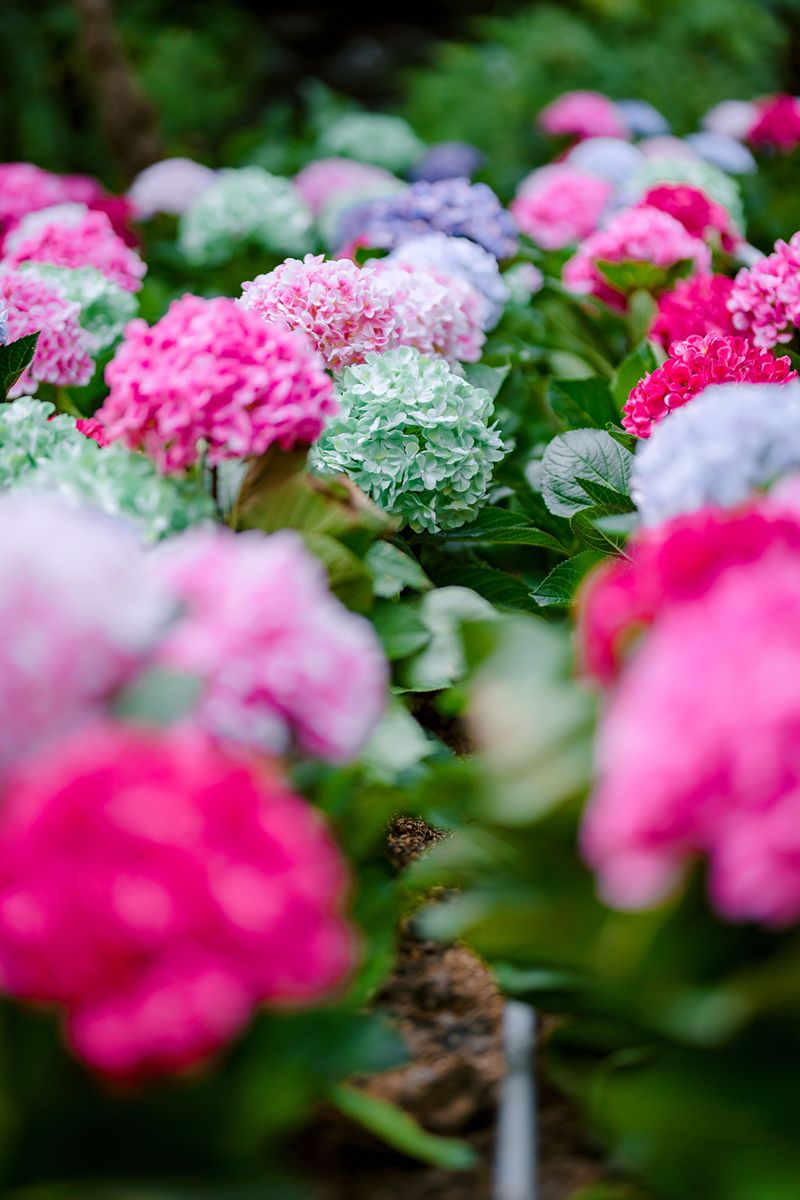
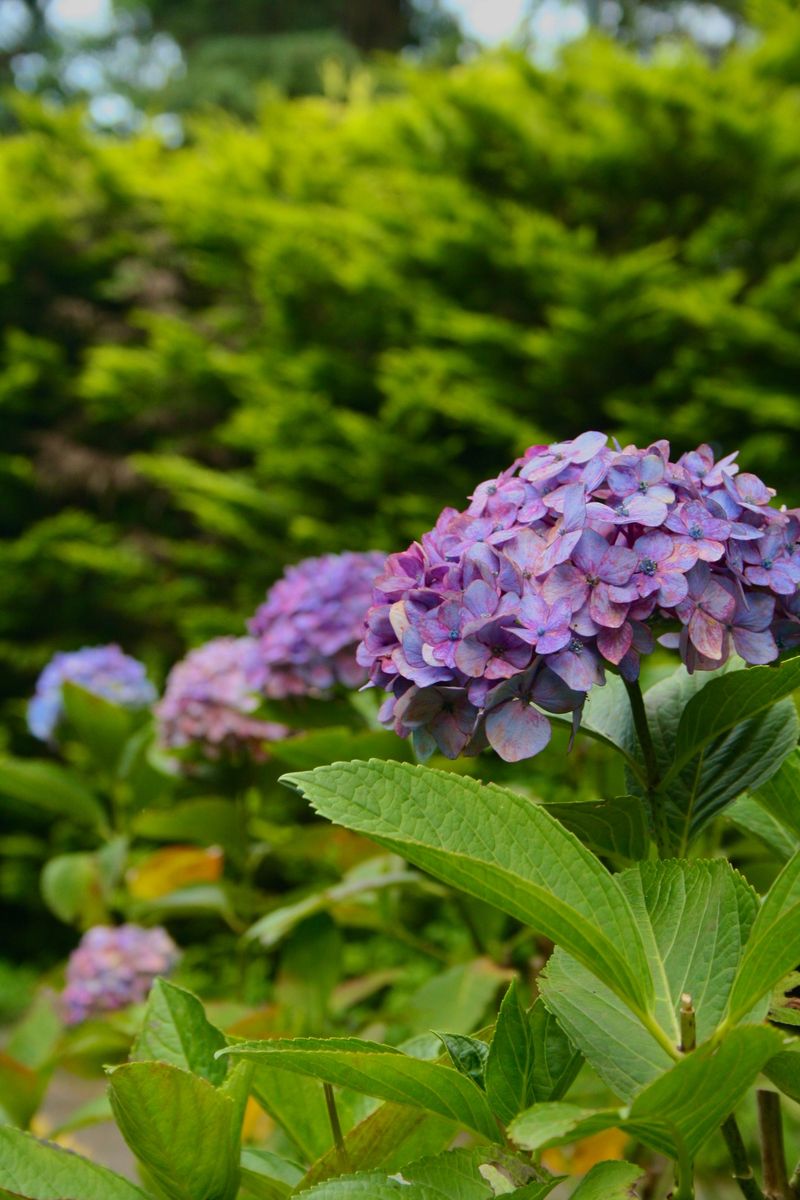
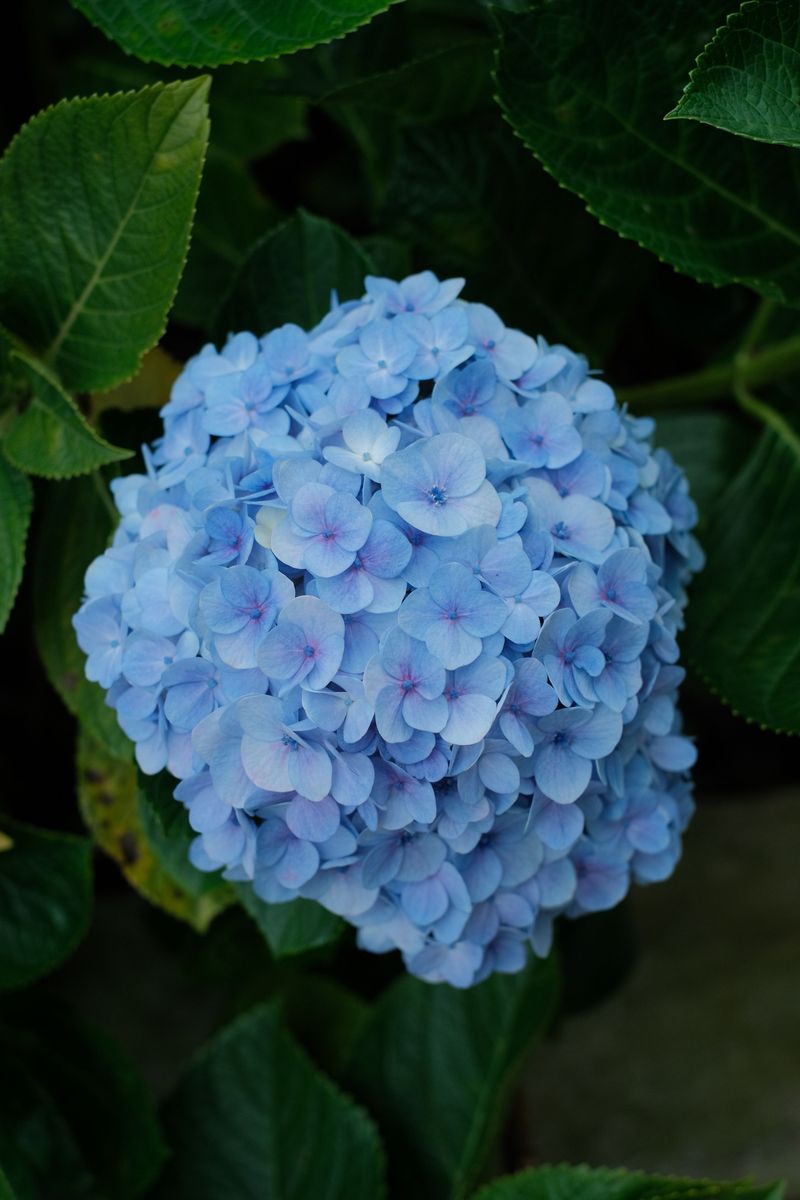
A simple way to figure out your variety is to look at the flower shape. Bigleaf types produce big round mophead or flat lacecap blooms. Panicle types have cone-shaped clusters that often fade to pink or tan.
Knowing your variety changes everything about how you care for the plant. Once you identify what you have, the right pruning schedule becomes obvious and your bloom seasons will improve dramatically.
What Happens When You Prune Too Late

Spring arrives and your hydrangea looks fantastic. The leaves are full, the color is rich, and you are excited for the blooms to follow.
Then weeks pass and nothing happens. No buds swell, no flowers open, and that familiar feeling of confusion sets in. This is the delayed consequence of late-season cutting.
When you remove stems in August on an old wood bloomer, the plant responds by pushing out new growth. That new growth looks healthy and vigorous going into fall.
The problem is that the fresh stems have no time to mature before the first frost hits Connecticut. Immature wood cannot support bud formation, so the plant essentially skips its bloom cycle.
Some gardeners try to compensate by fertilizing heavily in spring, hoping to trigger flowering. Extra nutrients will not bring back buds that were never allowed to form in the first place.
The plant is not broken and it is not diseased. It is simply responding to what happened to it seven or eight months earlier. Patience is not the solution here because the season is already lost.
One missed bloom year can feel minor, but it often leads to repeated pruning mistakes as gardeners try to fix a problem they do not fully understand. Recognizing the root cause is the first step toward getting those beautiful blooms back on track.
Recognizing Signs Buds Are Already Set
Your hydrangea is already planning for next year. Right now, in August, something quiet and important is happening on those stems.
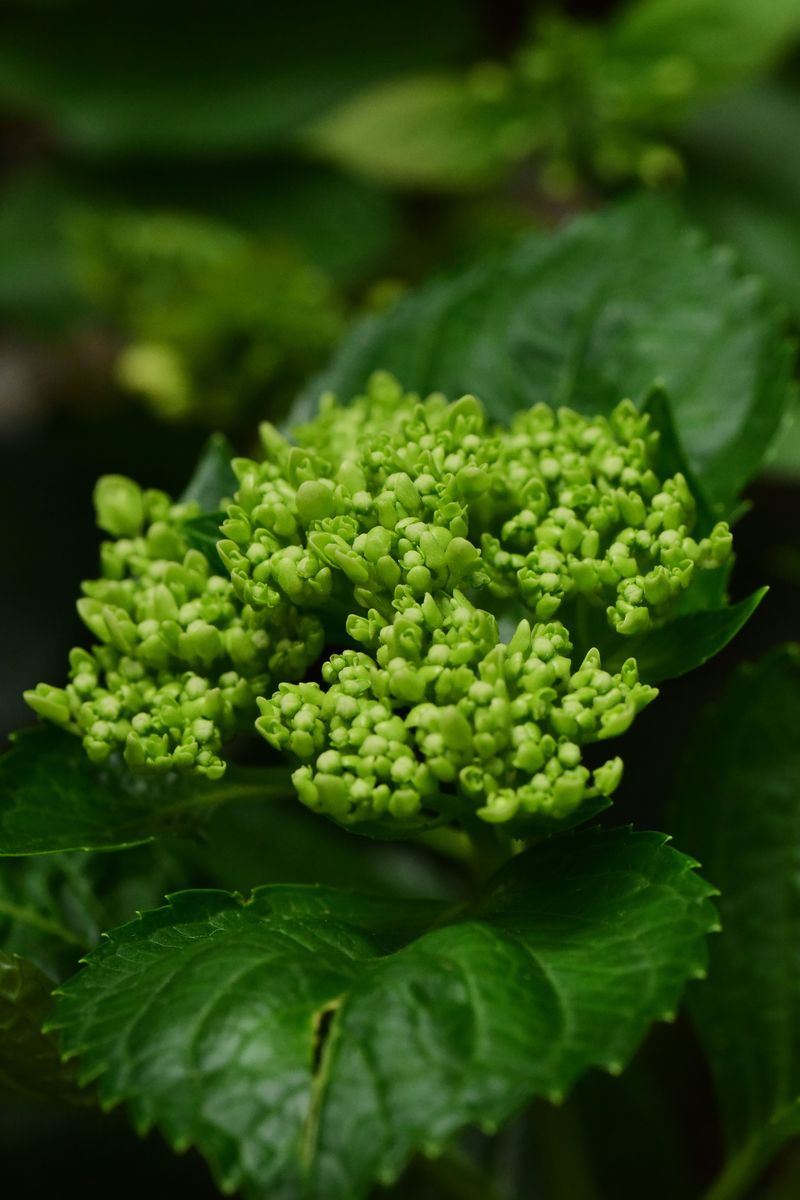
Look closely at the nodes along each branch, the spots where leaves attach to the stem. You may notice small, slightly swollen bumps forming between the leaf base and the main stem.
Those bumps are next year’s flower buds. They are tender, tiny, and incredibly easy to remove without realizing what you are doing.
Bud set for Bigleaf hydrangeas generally begins in late summer, though exact timing can vary by cultivar and local conditions.
By the time your plant starts looking a little shaggy, the buds have often already formed, depending on the variety and season.
A useful test is to gently bend a stem tip. If it snaps cleanly with a crisp sound, the wood has hardened and bud set is likely underway. Soft, flexible stems suggest growth is still active.
You can also look at the overall plant shape. A hydrangea that has stopped producing new leaf pairs at the stem tips is usually shifting its energy toward bud development. Growth slowdown is a visible signal.
Once you start noticing these signs, you will never look at your hydrangea the same way in August. The plant is not dormant, it is busy, and the best thing you can do is leave it completely alone until the right season arrives.
Steps To Take Instead This August
August is not wasted time in the garden. There is plenty you can do for your hydrangeas right now that will actually help them thrive.
Start with deep watering. Connecticut summers can turn hot and dry fast, and hydrangeas are thirsty plants that struggle when the soil dries out completely.
Water slowly and deeply at the base of the plant rather than spraying the leaves. Wet foliage in summer heat can invite powdery mildew, which weakens the plant heading into fall.
Adding a fresh layer of mulch around the base is another smart August move. A two to three inch layer of shredded bark or wood chips holds moisture in the soil and keeps roots cooler during late summer heat spikes.
Skip any fertilizer applications right now. Late-season feeding pushes tender new growth that will not harden before frost, making the plant more vulnerable to winter damage across Connecticut.
If you see any lifeless or damaged stems from earlier in the season, those are safe to remove without affecting next year’s buds. Just avoid cutting into healthy green or woody growth.
Removing spent blooms on new wood varieties like Annabelle is also fine this time of year. Focus your energy on soil health, hydration, and protection rather than cutting. Your hydrangeas will reward that restraint with an impressive bloom display next summer.
Proper Timing For Future Pruning
Good news: pruning hydrangeas is not complicated once you know the calendar. The August hydrangea mistake Connecticut gardeners keep making is easy to avoid with a simple seasonal plan.
For old wood varieties like Bigleaf and Oakleaf hydrangeas, the ideal pruning window opens right after the plant finishes blooming. This timing can vary by garden and season. Check with a local extension office like UConn for precise timing in your area.
Cutting immediately after bloom gives the plant the entire rest of the growing season to develop new stems and set buds for next year. You get to tidy the shrub and protect next year’s flowers at the same time.
Another option is to prune in very early spring, just as the first buds begin to swell. At that point you can see exactly which stems made it through winter and which ones did not. Remove only the lifeless wood and leave everything else alone.
For new wood bloomers like Panicle and Smooth hydrangeas, late winter or very early spring pruning works beautifully. Cut these back hard if you want, since they will push fresh flowering stems from the base as temperatures rise.
Mark your calendar now so you do not forget next season. A simple sticky note on your garden shed door that reads “no hydrangea pruning after July” can save you an entire lost bloom year.
Timing is one of the most important factors with these shrubs, and now you have what you need to get it right.