Don’t Skip This Perennial Task In Connecticut Gardens This August
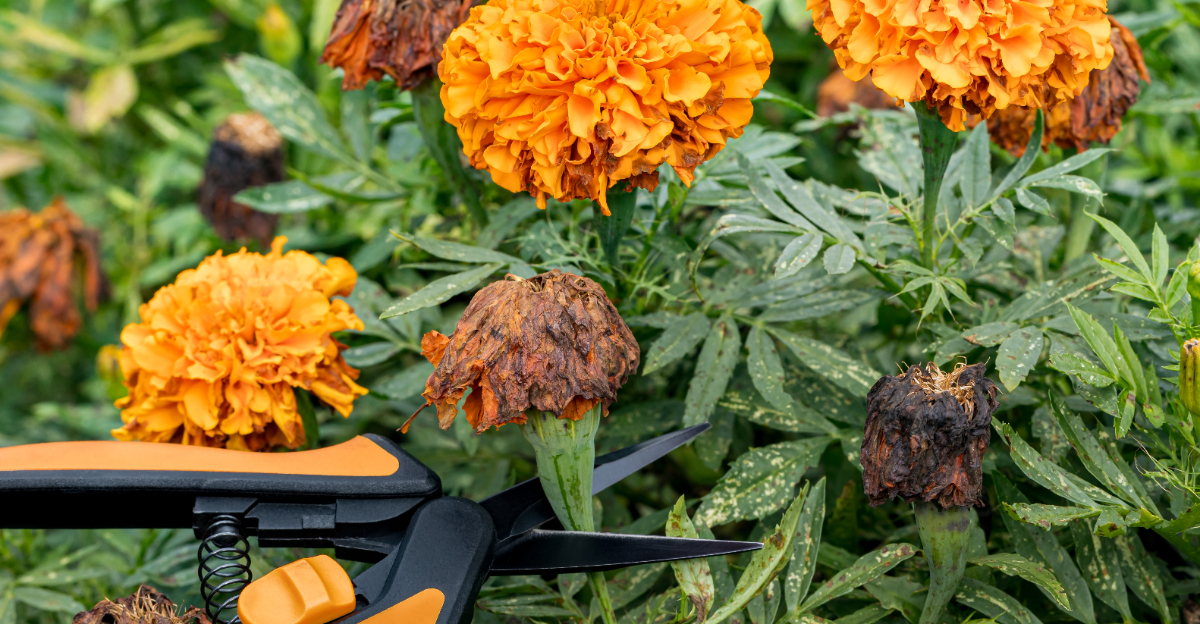
Your garden is quietly holding back its best color now. Faded blooms are pulling energy your plants truly need. Connecticut summers push perennials hard before autumn ever arrives.
Leaving spent flowers behind slows your whole garden down. Removing them sends power straight toward stronger roots. Growth never stops for you here, it simply shifts direction.
Coneflowers and black-eyed susans respond fast once trimmed properly. Wait too long and your spring pays a price. Gardeners across Connecticut notice fuller blooms after regular trimming.
Sharper color returns to your beds almost immediately afterward. Every cut you make now shapes tomorrow’s blooms. None of this demands special tools or extra hours.
You already have everything required sitting in your hands. Skip this task and weeds gain the upper hand.
Trim wisely now and blooms multiply faster than expected. What comes next determines whether your entire garden thrives or struggles through the winter ahead.
Why August Is A Critical Month For Connecticut Gardens

August hits differently in a garden. The days are long, the humidity is thick, and your perennials are at a crossroads between peak bloom and decline.
This month is when plants begin deciding where to send their energy. If spent blooms are still attached, the plant shifts focus toward seed production instead of new flowers.
Trimming spent blooms in August is one of the most powerful things a gardener can do right now. It redirects energy back into the roots and the plant itself.
Connecticut gardens face a specific challenge in August: the heat stresses plants while the days slowly shorten. That combination tells perennials that the season is ending.
When you remove old flower heads, you send the opposite signal. The plant thinks, “I still have work to do,” and pushes out fresh buds.
Many gardeners wait until September to tidy up, but by then the window for new blooms has mostly closed. Acting now gives your garden a genuine second act.
Perennials like black-eyed Susans, coneflowers, and daylilies respond especially well to late-summer attention. These are staples in Connecticut yards for good reason.
The soil is warm, the roots are active, and the plants are still capable of rebounding fast. August is not the end of the show.
Think of this month as halftime. Your garden still has a whole second half ahead of it, and the moves you make right now determine how it finishes.
The Task Most Gardeners Overlook This Time Of Year
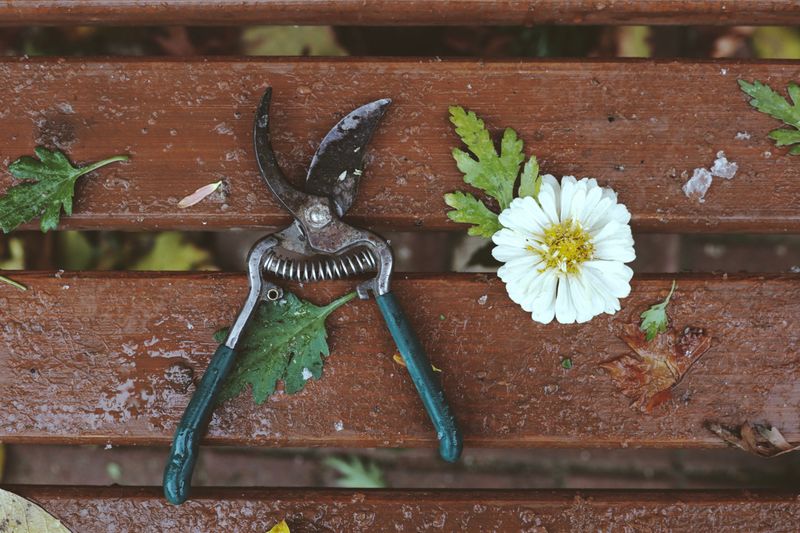
Nobody talks about it at the garden center. You buy the plants, you water them, and you admire the blooms, but then what?
Trimming spent blooms from perennials gets skipped more often than any other summer task. It looks optional, but it is not.
Most people assume that once a flower fades, nature just handles the rest. That thinking costs gardeners weeks of potential color and plant health.
The truth is that a faded flower left on the stem is a drain on the plant. It pulls resources away from roots and new growth.
Your Connecticut Garden Changes Every Week. Your Plan Should Too.
Gardening in Connecticut changes quickly throughout the season. Every Friday you’ll receive a simple weekly plan showing exactly what to plant, prune, fertilize, harvest, and protect so you never miss the right timing.
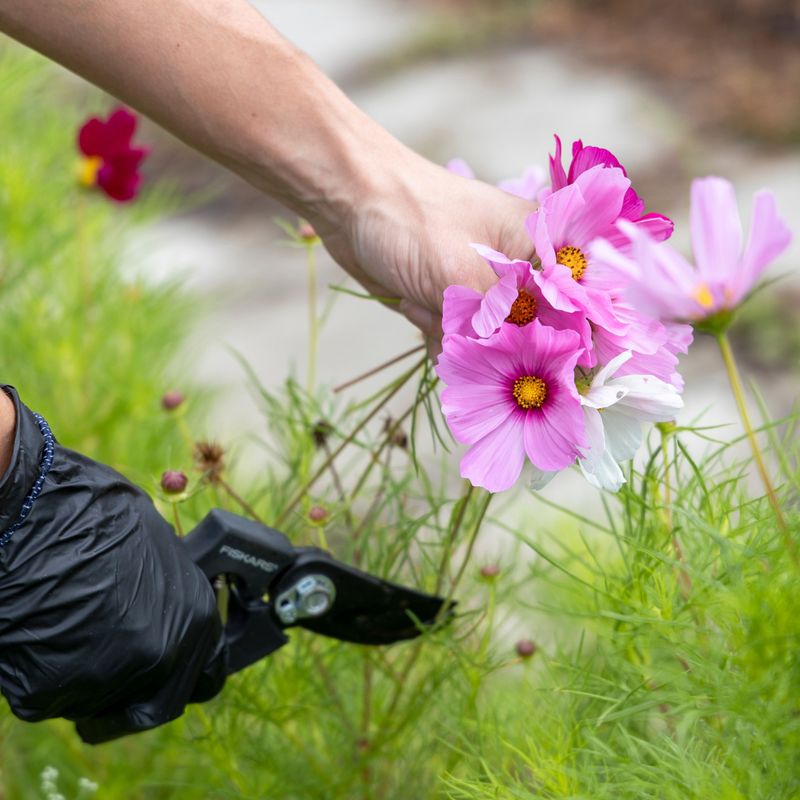
Trimming spent blooms is genuinely simple. You just snip the spent flower head off just below the base of the bloom, using clean garden scissors or pruning shears.
Some plants, like salvia and catmint, will almost immediately push out a second flush of flowers after a good trim. The turnaround can happen surprisingly fast.
Gardeners who skip this step often wonder why their beds look tired by mid-August. The answer is almost always the same: the plants are exhausted from seed-making.
You do not need special tools or a lot of time. A short session of focused trimming can noticeably improve how your garden looks in the following weeks.
Start with the plants that look the most worn out. Give them a clean cut, step back, and watch what happens over the next ten days. You will be glad you did not wait.
What Happens When You Skip It
Picture a garden that started strong but has visibly declined since mid-July. That is what skipping trimming looks like by August.
When spent blooms stay on the plant, seeds begin to form. The plant pours all of its remaining energy into finishing that job.
New flower buds get deprioritized. The plant is focused on reproduction, not on putting on a show for you or your neighbors.
Over time, the whole bed can start to look uneven and overgrown. Stems lean, dried heads rattle in the breeze, and the garden loses its summer energy.
There is also a pest problem that comes with neglect. Old, dried flower heads can sometimes attract insects looking for shelter in late summer.
Fungal issues can also develop more easily when moisture gets trapped around old plant material, creating conditions where disease spreads faster.
Some aggressive perennials, like coneflowers, will self-seed heavily if you let them go. That sounds fine until you have a hundred seedlings crowding out everything else next spring.
Skipping the task once is understandable. Skipping it every August can mean your garden shows fewer blooms in the following seasons.
The good news is that most of the setback from one skipped season can usually be corrected. But catching it in August, rather than October, gives your plants the best shot at bouncing back before the frost arrives.
Signs Your Perennials Need Attention Now
Your garden is always talking to you. The trick is knowing what to look for before things get out of hand.
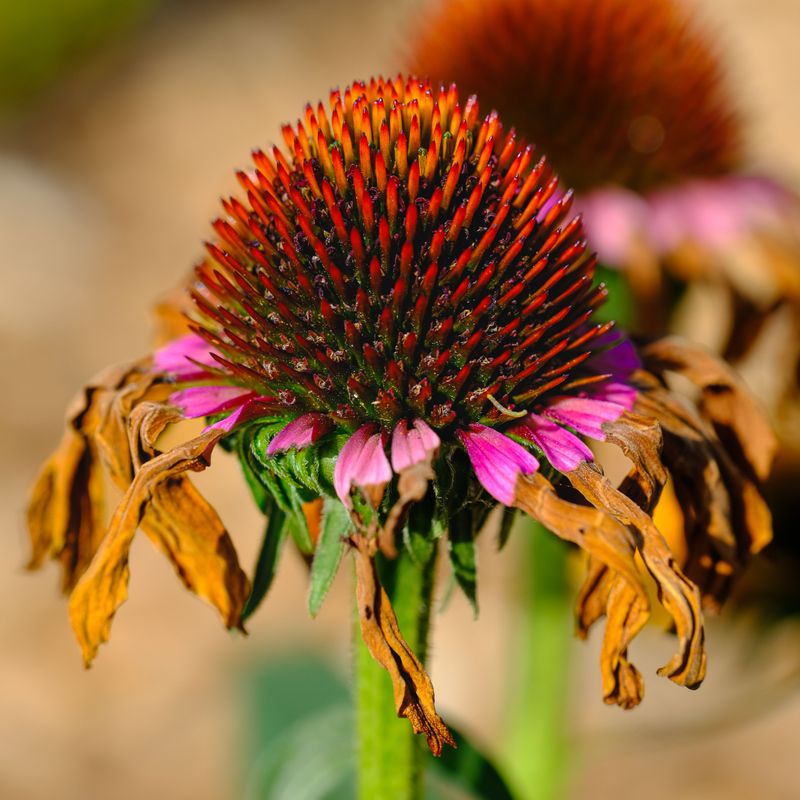
The most obvious sign is a flower head that has gone brown or papery. If you touch it and it crumbles, it is well past its prime.
Another clue is a plant that has stopped producing new buds entirely. When blooming stalls out mid-season, spent flowers are usually the reason.
Look at the stems below the old blooms. If they look stretched, pale, or slightly bent, the plant is struggling under the weight of unneeded material.
Yellowing leaves near the base of a perennial can also signal that the plant is under stress. It is redirecting nutrients upward to support seed development.
Check your coneflowers, phlox, and rudbeckia closely this month. These are among the most common perennials in Connecticut gardens and the ones most likely to need a trim right now.
If you notice a sour or musty smell near a plant, that can mean rotting plant tissue. Old blooms trapped against leaves in humidity are often to blame.
A healthy perennial in August should still have some green, firm stems and signs of new bud formation. If yours does not, trimming spent blooms is the first step to fixing that.
Trust your eyes and your hands. A quick walk through the garden with a sharp pair of snips can reveal exactly which plants are asking for help right now.
Steps To Get Your Garden Back On Track
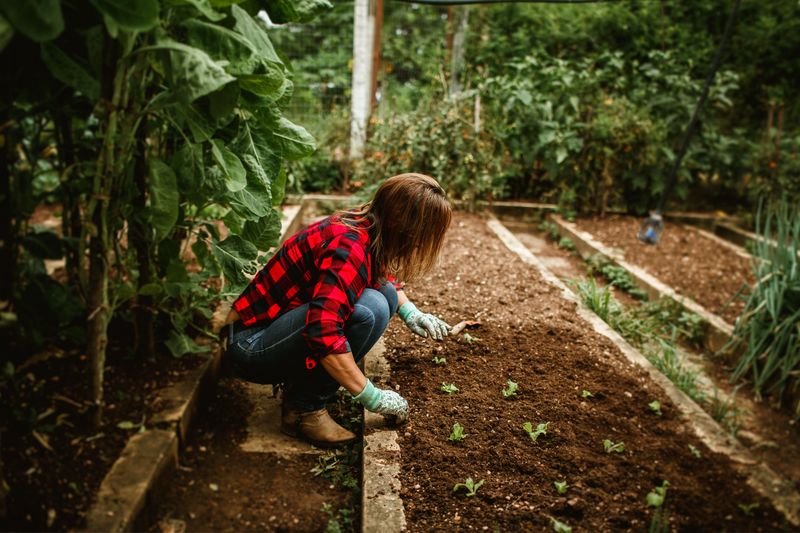
Getting started is easier than it looks. Grab a pair of clean, sharp pruning shears and a small bucket for the clippings.
Walk the garden first without cutting anything. Take a mental note of which plants look the most worn and which still have fresh blooms to protect.
Start with the worst offenders. Plants that are entirely done blooming can be cut back by about one-third of their total height.
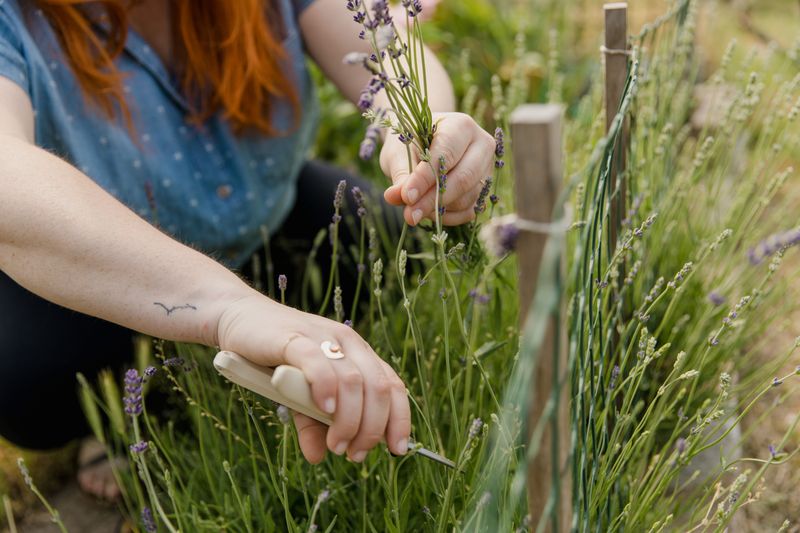
For plants still producing some flowers, be selective. Snip only the spent heads, cutting just below the base of the faded bloom where the stem is still green.
Always cut at a slight angle, just above a leaf node or a set of leaves. This encourages the plant to branch and produce more flower stems.
Clean your shears between plants with a quick wipe of rubbing alcohol. This simple habit prevents the spread of any disease from one plant to the next.
Do not compost diseased material. Bag it and toss it in the trash to keep problems from recycling back into your garden next season.
Water your perennials well after trimming. A deep soak helps the roots respond to the pruning and push out new growth faster.
Add a light layer of balanced fertilizer if your soil is looking depleted. Your plants just got a signal to grow again, and they will need fuel to follow through on that promise.
Simple Habits To Improve Next Year’s Blooms
The best gardeners are not the ones with the most time. They are the ones with the best habits built into their weekly routine.
Set a reminder on your phone for the first Saturday of every August. Call it “bloom check” and spend just fifteen minutes walking your beds with shears in hand.
Trimming does not have to be a big project. Catching spent blooms early, before they go fully dry, makes the whole process faster and less overwhelming.
Keep a pair of small garden scissors near your back door. When you walk outside each morning, grab them and snip anything that looks past its peak.
Track which perennials needed the most attention this August. A simple notes app on your phone works perfectly for this kind of seasonal record-keeping.
Knowing which plants are high-maintenance lets you plan smarter next year. You can place them in more accessible spots or choose lower-maintenance varieties instead.
Consider adding self-cleaning perennials to your garden over time. Some newer perennial varieties are bred to drop spent petals more easily, which can reduce maintenance. Check with your local nursery for options suited to your garden.
Talk to neighbors who garden. Shared tips about what works in your specific neighborhood can save you hours of trial and error across seasons.
Building these habits now means that trimming spent blooms will feel effortless by next August. Your garden will thank you with more color, stronger plants, and noticeably less maintenance by fall.
Your August Garden Deserves A Strong Finish
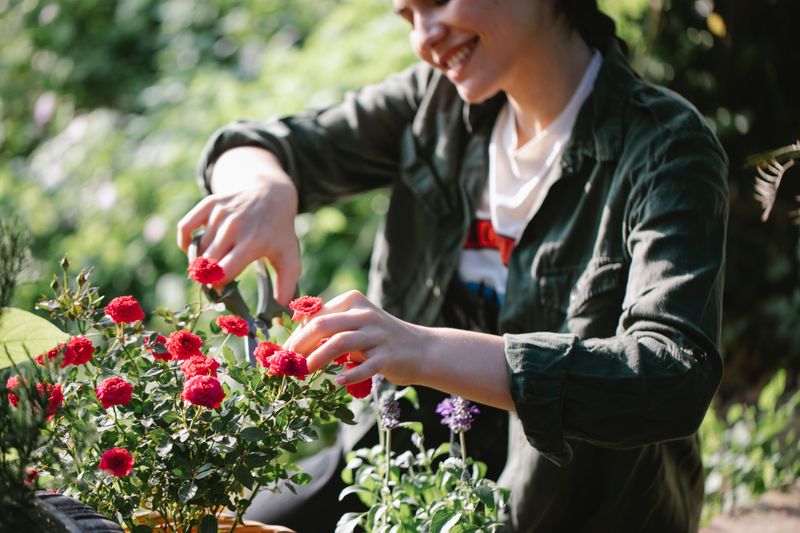
August does not have to feel like a season of decline. With the right attention, your garden can look just as good in late summer as it did in June.
Trimming spent blooms is the single most impactful thing you can do for your perennials right now. It is low-cost, low-tech, and high-reward.
Think about how you want your garden to look in September. That vision starts with the choices you make this month, not the next one.
Perennials are built for the long game. They come back year after year, and every August you care for them, you are investing in seasons of beauty ahead.
The act of trimming also gives you a chance to really look at your plants up close. You will spot issues early and feel more connected to what is growing.
Gardening is one of the few hobbies where ten minutes of focused effort can change how an entire outdoor space feels. That is a pretty good deal.
Share what you learn this season with someone else. Whether it is a neighbor, a friend, or a family member, spreading the habit of trimming spent blooms can help more gardens in the community look their best.
Your perennials have been working hard since spring. Give them the boost they need now, and they will reward you with noticeably fuller color through the rest of the season.
August is a good time to take action. Your garden is ready for its second wind, and all it needs is you and a good pair of shears.