Don’t Make This Mistake With Your Potted California Citrus Trees This Week
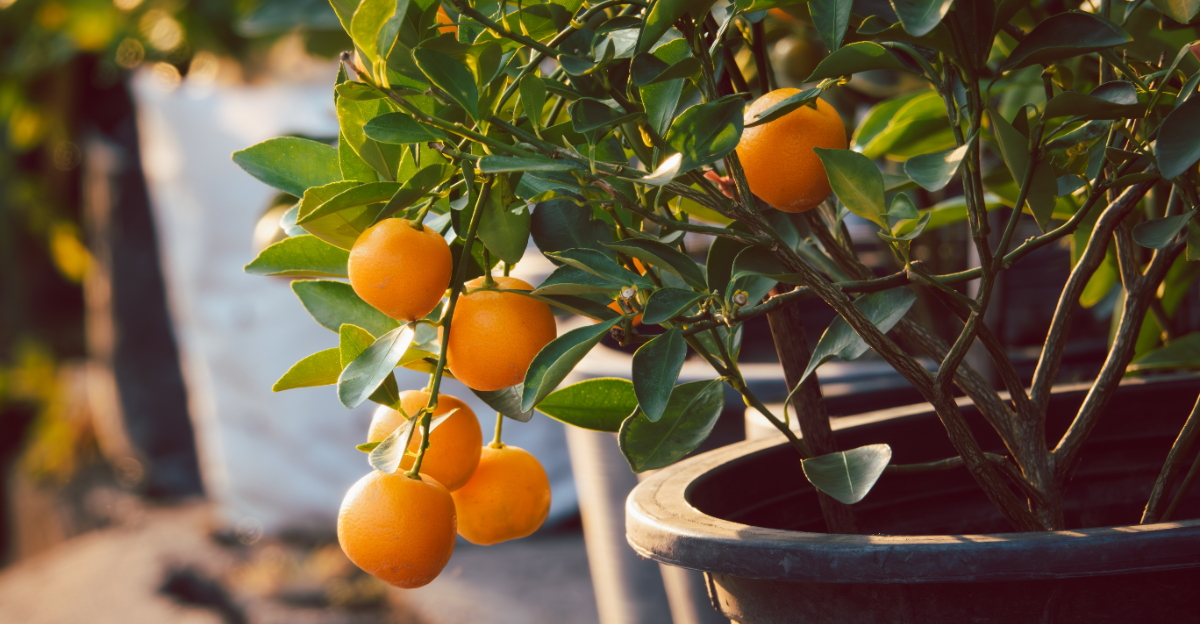
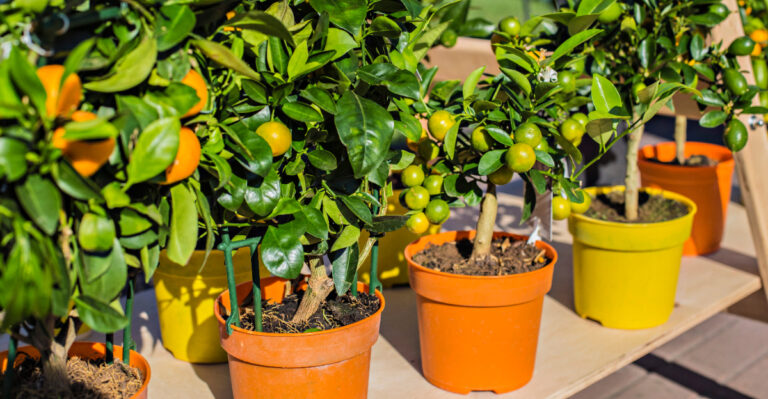
Potted citrus can become surprisingly sensitive during a hot California week, even when the tree has looked healthy all summer.
Containers change the way roots experience heat, moisture, and daily temperature swings, so a routine that normally works may suddenly stop being helpful.
The first signs can be subtle, with leaves looking slightly tired or fruit development slowing before anything seems seriously wrong.
That makes this a good time to pay closer attention instead of assuming the tree will simply power through.
Small care decisions matter more when the pot is sitting in intense sun for hours at a time. The challenge is knowing which habit needs adjusting before stress becomes harder to reverse.
If your citrus is spending this week in a container, one common mistake is worth avoiding until conditions settle down.
1. Do Your Best To Avoid This
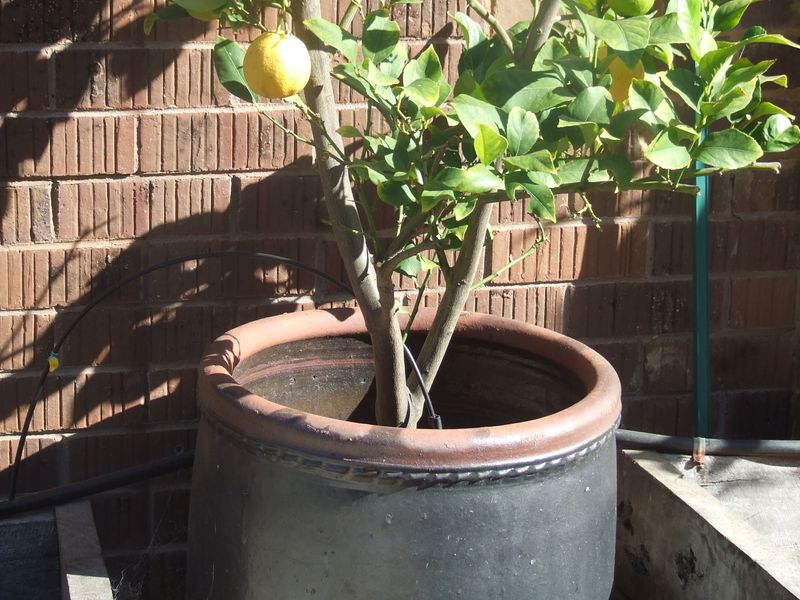
Most people think more sun always means better fruit. That is true for the leaves and branches, but the roots inside a pot are a completely different story.
Afternoon California sun in summer can push pot temperatures well past what roots can handle.
When a pot sits in full sun from noon to sunset, the soil inside can reach temperatures above 120 degrees Fahrenheit. Citrus roots prefer soil temperatures between 60 and 80 degrees.
Once things heat up too much, the roots stop working properly and cannot send water or nutrients up to the rest of the tree.
You might notice the leaves starting to curl, yellow, or look tired even though you just watered. That is not a watering problem.
That is a root temperature problem. The fix is simple: block the afternoon sun from hitting the pot directly.
Try moving the pot to a spot that gets morning sun but is shaded after 1 or 2 in the afternoon. Morning light is gentler and gives the tree energy without baking the roots.
A few hours of shade in the afternoon can make a huge difference. Your tree will look perkier and stay more productive through the hottest weeks of summer.
2. Hot Containers Can Cook Citrus Roots Fast
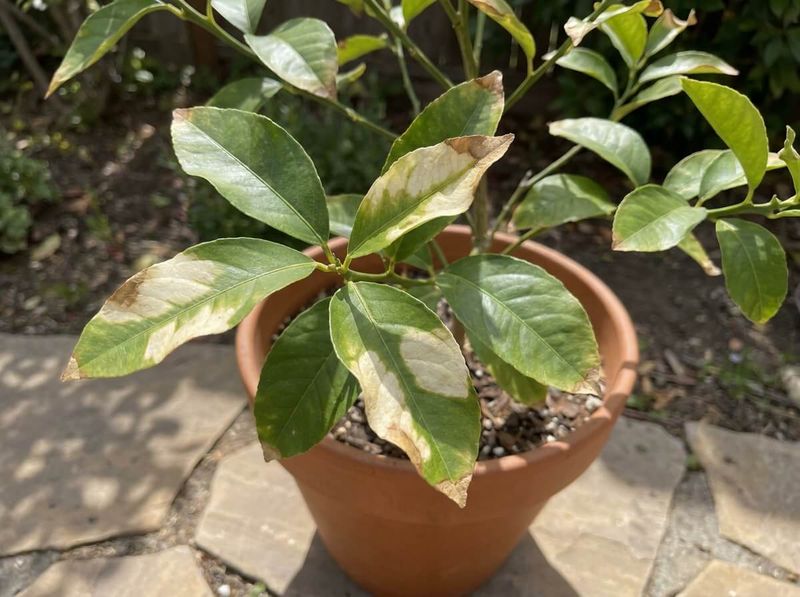
Here is something surprising: the outside of your pot can get hot enough to fry an egg on a summer afternoon. That heat does not just stay on the surface.
It moves straight through the container walls and into the soil where the roots live.
Terracotta pots are porous and breathe a little better than plastic, but they still heat up quickly in direct sun. Thin plastic nursery pots are even worse because they absorb heat fast and hold it for hours.
Glazed ceramic pots can also trap heat, especially in darker colors.
Roots that get too hot stop absorbing water efficiently. The tree tries to protect itself by slowing down, which means less fruit and weaker growth.
In really bad cases, roots near the edge of the pot can be seriously damaged without any visible signs on the outside of the tree for days.
One easy solution is to wrap your pot with a light-colored cloth or burlap. This reflects some of the sun and slows down heat transfer.
Your California Garden Changes Every Week. Your Plan Should Too.
Gardening in California changes quickly throughout the season. Every Friday you’ll receive a simple weekly plan showing exactly what to plant, prune, fertilize, harvest, and protect so you never miss the right timing.
You can also place a larger, lighter-colored pot around the outside of your main container to create an insulating air gap. Small changes like these protect roots without requiring you to move the whole tree.
Give it a try this week and watch the difference it makes.
3. Black Pots Heat Up More Than You Think
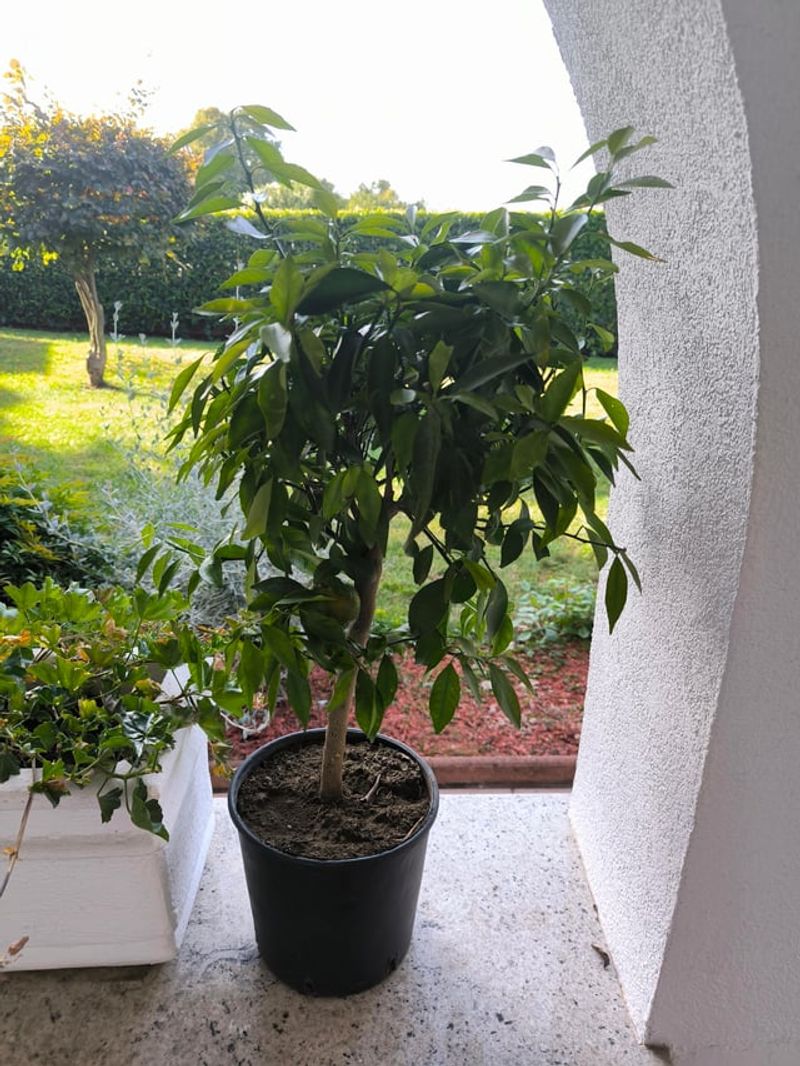
Color matters more than most gardeners realize when it comes to container gardening. Black pots absorb nearly all the sunlight that hits them, turning that energy into heat.
On a sunny summer day, a black pot can reach surface temperatures of 130 to 150 degrees Fahrenheit or more.
That extreme heat radiates inward, warming the soil and stressing the roots from the sides and bottom. Even if you water regularly, the roots inside a scorching black pot struggle to stay cool enough to function.
The tree may look fine in the morning but start to wilt by mid-afternoon, which is a classic sign of root heat stress.
Switching to a white, cream, or light gray pot is one of the best moves you can make. Light colors reflect sunlight instead of absorbing it, which keeps the soil inside noticeably cooler.
Studies on container gardening have shown that light-colored pots can keep soil up to 20 degrees cooler than black ones on hot days.
If you already have a black pot and do not want to repot your tree right now, try painting the outside of the pot with white exterior paint. It sounds simple, but it genuinely works.
You can also wrap it with a white or silver reflective material. Protecting root temperature is one of the highest-impact things you can do for your potted citrus this summer.
4. Wilted Leaves May Be A Root Problem
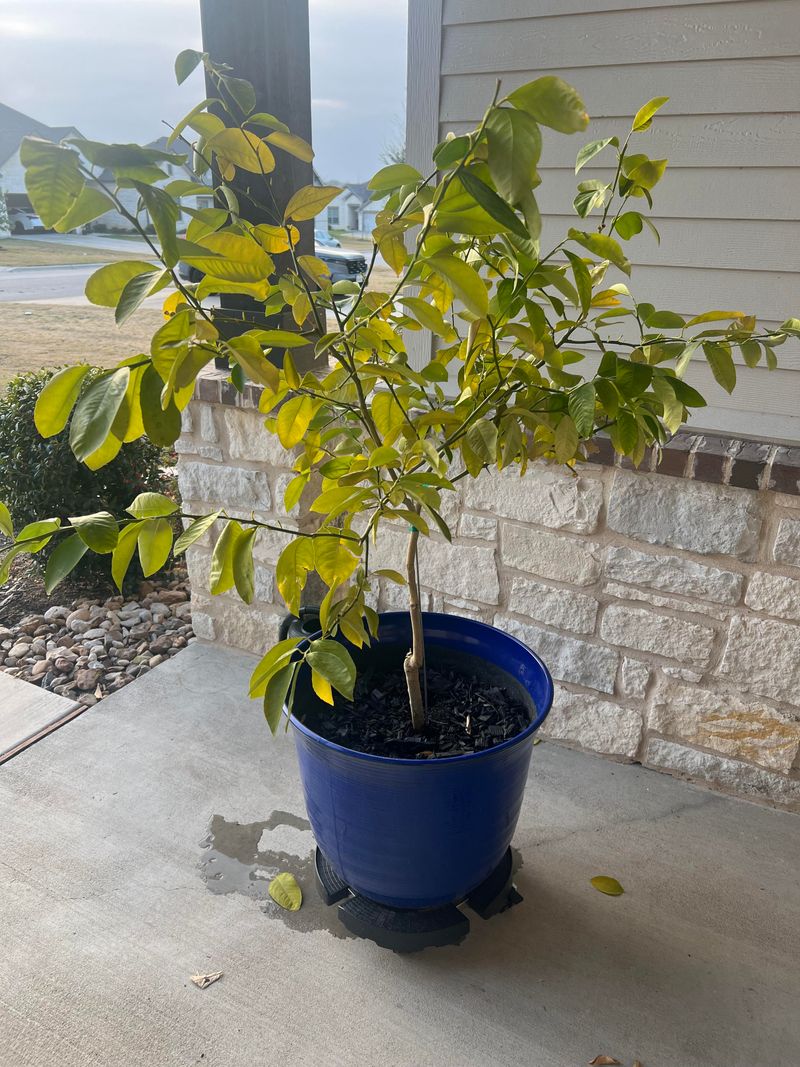
Wilted leaves on a potted citrus tree almost always get blamed on lack of water. It seems logical.
The plant looks thirsty, so you water it more. But overwatering an already heat-stressed tree can actually make things worse, not better.
When roots get too hot, they lose their ability to absorb and transport water efficiently. So even if the soil is moist, the leaves may still wilt because the roots are too stressed to do their job.
Adding more water to hot, compacted soil can also cause root problems by reducing oxygen in the soil.
Before reaching for the hose, check the soil temperature. Push a finger two inches into the soil.
If it feels very warm or hot to the touch, heat is likely your main issue, not drought. Move the pot to a cooler spot or shade the container before watering again.
Also check the top inch of soil. If it is still moist and the leaves are still wilting, root heat stress is almost certainly the culprit.
Give the roots a chance to cool down first. Once the temperature drops in the evening, water slowly and deeply so moisture reaches the root zone.
Wilting that shows up in the afternoon but disappears by morning is a strong sign that heat, not thirst, is the real issue your tree is dealing with.
5. Moving Pots Before The Hottest Hours Hit
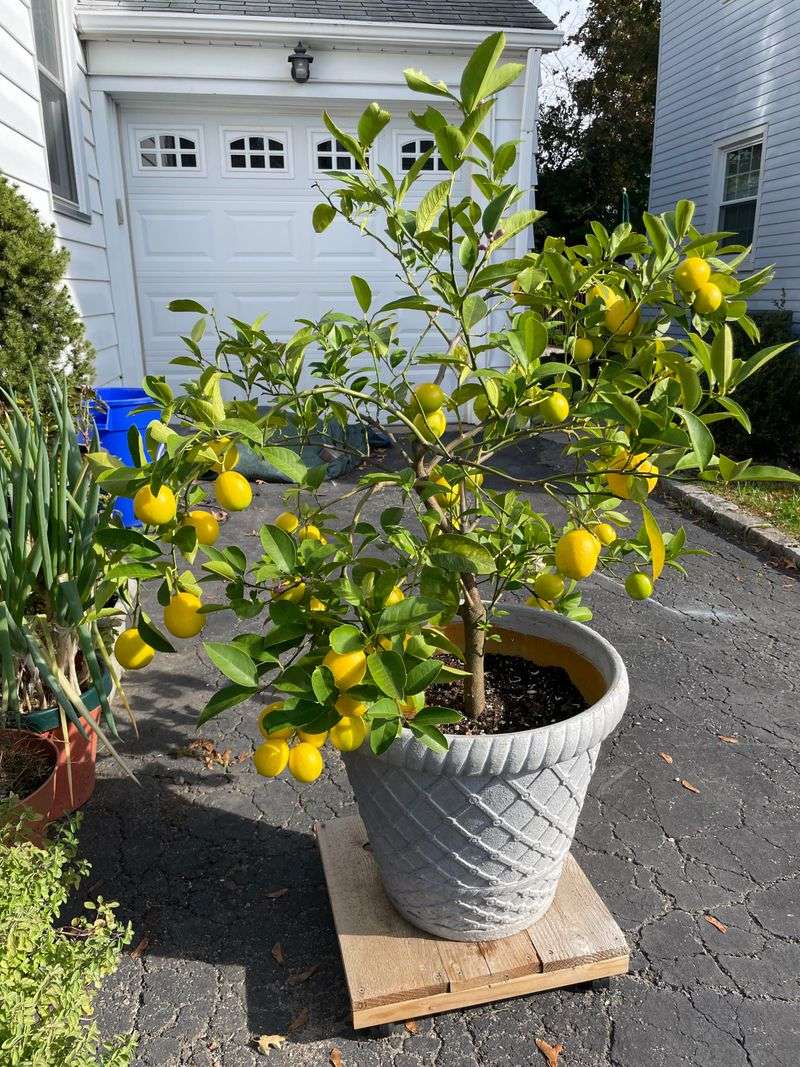
Timing is everything during a heat wave. Moving your potted citrus tree after it has already been baking in the sun for hours is helpful, but moving it before the heat peaks is even better.
Prevention beats recovery every single time when it comes to root stress.
The hottest part of the day is usually between 11 in the morning and 4 in the afternoon. If you can get your tree into a shaded or semi-shaded spot before 10 a.m., you give the roots a much better chance of staying in their comfort zone throughout the day.
Morning is also the best time to water because the soil stays moist longer when temperatures are still rising slowly.
Heavy pots can be tough to move, but a wheeled plant caddy makes the job much easier. These are inexpensive and can hold pots up to 100 pounds or more.
Keeping your citrus tree on one of these all season means you can adjust its position daily with very little effort.
Think of it like moving a pet out of a hot car. You would not wait until the animal was overheated to act.
The same logic applies here. Check the forecast each morning and plan where your tree will spend the afternoon.
A little planning goes a long way in keeping roots cool and the tree productive all summer.
6. Giving Roots Shade Without Shading The Whole Tree
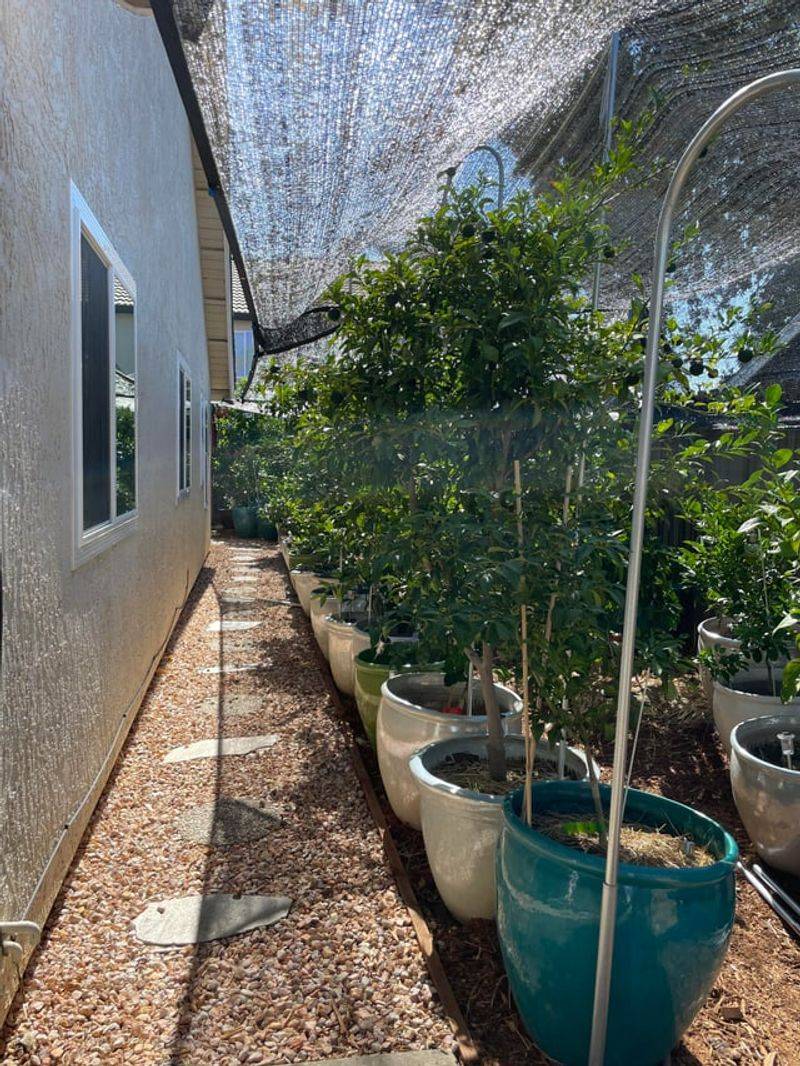
Here is a challenge that every container citrus grower faces: the tree needs plenty of sunlight on its leaves to grow and produce fruit, but the roots inside the pot need to stay cool.
Solving both needs at the same time takes a little creativity, but it is very doable.
One great trick is to use other plants to shade the pot. Surround your citrus container with shorter, bushy potted plants.
They block direct sun from reaching the sides of the pot while leaving the citrus canopy fully exposed to sunlight above. This creates a natural microclimate that keeps root temperatures lower.
You can also build a simple shade barrier using a piece of burlap, cardboard, or a wooden board placed on the sunny side of the pot.
Position it so it blocks afternoon sun from hitting the container walls without casting shadow over the leaves and branches above.
It takes just a few minutes to set up and can reduce pot temperature significantly.
Another option is to place the pot inside a larger decorative planter that has an air gap between the two containers. That gap acts like insulation, slowing down heat transfer from the outside surface to the inner pot.
Whichever method you choose, the goal is the same: keep the roots comfortable while giving the top of the tree all the light it needs to thrive and fruit well.
7. Keeping Containers Off Heat-Trapping Concrete
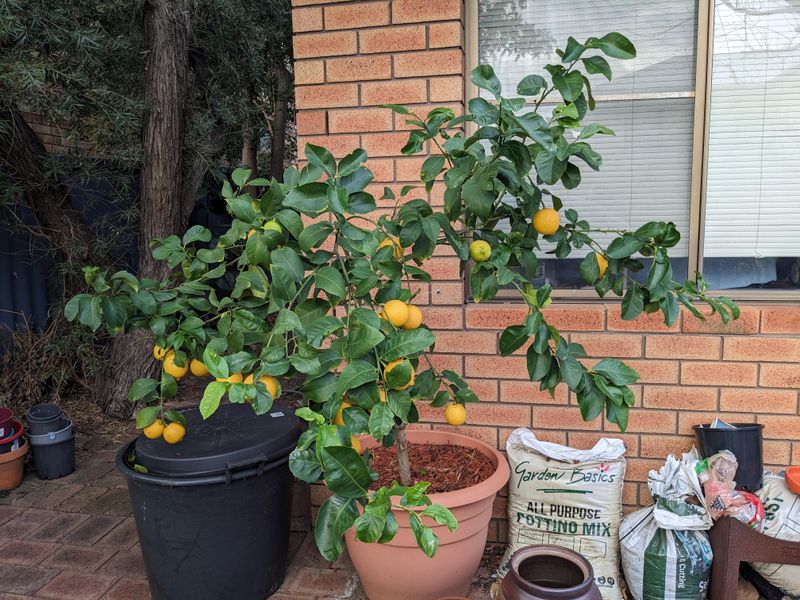
Concrete is one of the worst surfaces to place a potted citrus tree on during California summer. It absorbs heat from the sun all day and then radiates that heat back upward for hours, even after the sun goes down.
A pot sitting directly on hot concrete is getting hit with heat from above and below at the same time.
Ground-level concrete in full sun can reach surface temperatures of 150 degrees or higher on a hot day. That heat transfers straight up into the bottom of your pot, warming the soil from underneath.
Roots near the base of the container are especially vulnerable because they have no escape from the heat below them.
Raising the pot off the concrete makes a noticeable difference. A wooden plant stand, a few bricks, or even a thick rubber mat can create a buffer between the hot surface and the bottom of your container.
Wooden surfaces stay much cooler than concrete because wood does not absorb and hold heat the same way.
If you can move the pot to a grassy area, a shaded deck, or a gravel surface, that is even better. Grass stays relatively cool even on hot days.
Gravel also drains heat more quickly than solid concrete. Small adjustments to where you place your pot can protect the roots from a constant source of heat that many gardeners never even think about.
8. Watering More Will Not Fix Overheated Roots
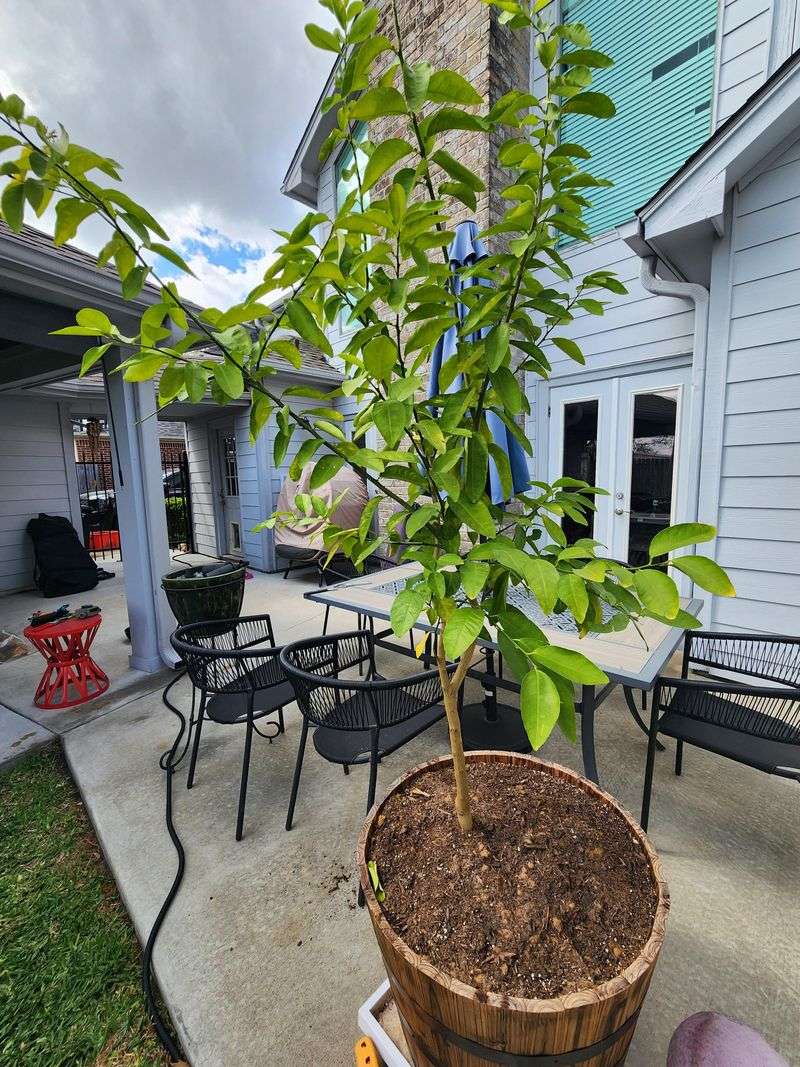
When a tree looks stressed, the instinct is to water it. That makes sense most of the time, but not when heat is the root cause of the problem.
Pouring more water into a pot with overheated roots can actually create new problems on top of the existing ones.
Overwatered soil pushes out the oxygen that roots need to breathe. When roots are already weakened by heat, adding soggy conditions makes recovery even harder.
You can end up with a tree that has both heat-stressed and oxygen-starved roots at the same time, which is a tough situation to come back from.
The right approach is to cool the roots first and then water appropriately. Move the pot to a shaded area and let it rest for a few hours.
In the evening, when temperatures drop, water slowly and deeply until water drains from the bottom of the pot.
That kind of deep, thorough watering is far more effective than frequent shallow watering throughout a hot day.
You can also try misting the outside of the pot with cool water to bring the container temperature down quickly.
Some growers place a frozen water bottle on top of the soil near the roots for temporary cooling relief on extremely hot days.
The key takeaway here is simple: fix the heat problem first, then address watering. More water is not always the answer, and knowing the difference can save your tree.