The Late-Summer Plants California Nurseries Discount That Are Actually Worth Buying
Late-summer clearance tables can look like a graveyard of tired plants, but some of the best garden bargains of the year are hiding there.
California nurseries often mark down stock as the season winds down, and not every discounted plant is headed for trouble.
Some simply look rough after months in containers or have finished their main bloom cycle. With the right timing, those overlooked plants can settle in before cooler weather and return stronger the following season.
The challenge is knowing which bargains are genuinely worth rescuing and which ones are likely to become expensive disappointments.
A faded flower display is not always a warning sign, but damaged roots or serious pest problems are.
For shoppers willing to look past perfect nursery presentation, late summer can be a surprisingly smart time to buy.
1. California Fuchsia Just Getting Started In Late Summer
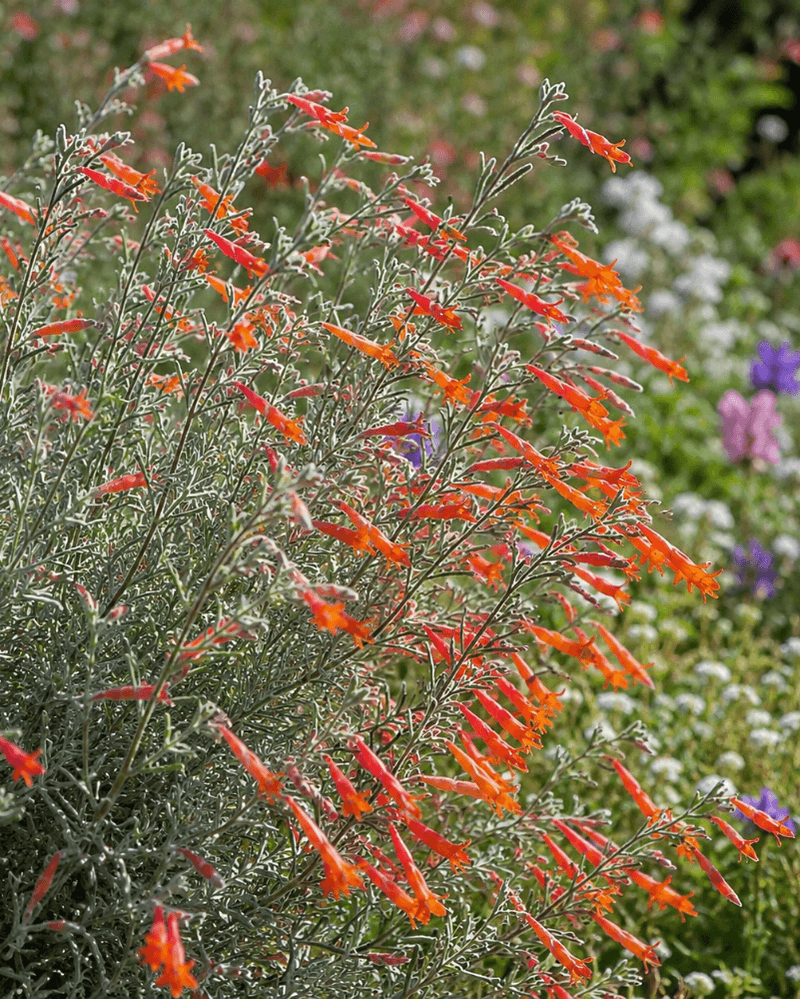
Most plants are winding down by August, but California Fuchsia is just warming up. This native wildflower bursts into its boldest color right when everything else starts fading.
The tubular red-orange blooms are like tiny trumpets, and hummingbirds absolutely cannot resist them.
You will often find this plant heavily discounted at nurseries in late summer simply because it looks scraggly in a pot. Do not let that fool you.
Once it goes into the ground, it spreads quickly and fills in bare spots with silvery foliage and vivid color. It handles poor, dry soil without complaint.
Gardeners in dry climates love this plant because it asks for almost nothing once established. No extra fertilizer, no fuss, and very little water after the first season.
It is drought-tolerant, deer-resistant, and practically self-sufficient. Plant it along a slope or in a xeriscape design for best results.
The Latin name is Epilobium canum, and it is native to the western United States. It spreads by underground runners, so give it room to roam.
Cutting it back hard in late winter keeps it tidy and encourages even stronger blooms the following year. Grabbing one at a discount now is genuinely one of the smartest late-summer garden moves you can make.
2. Yarrow Looking Tired But Still Worth Bringing Home
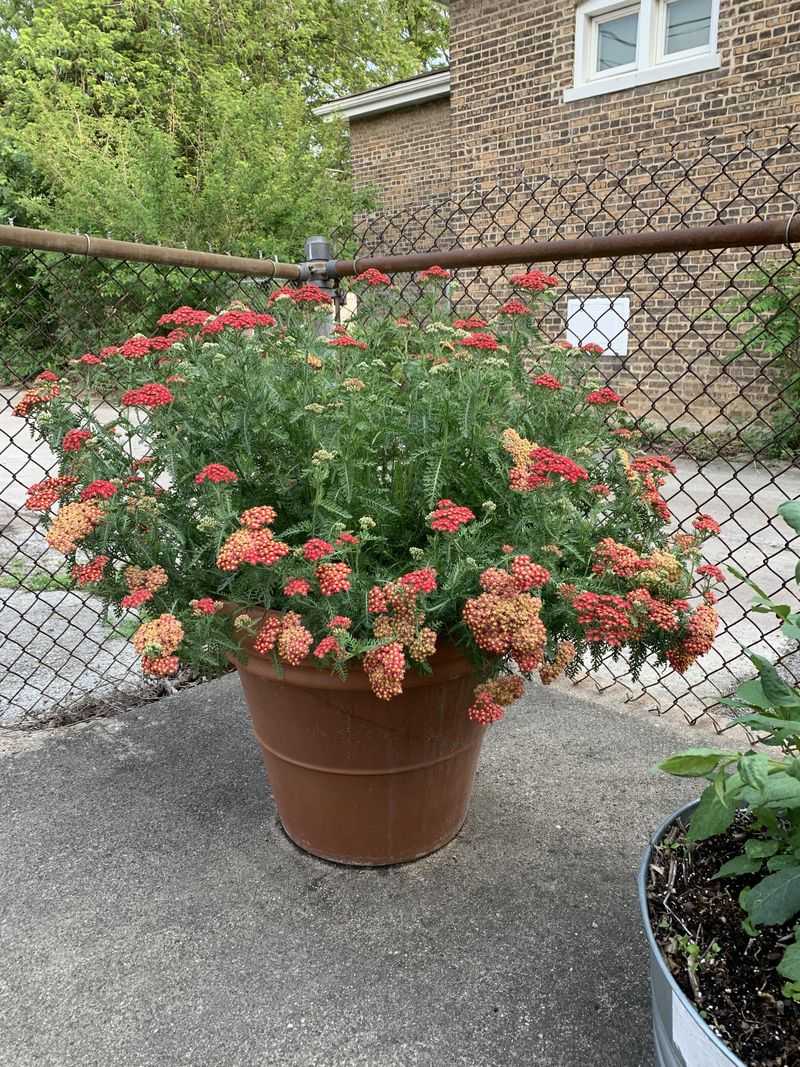
By late summer, yarrow at the nursery often looks like it has seen better days. The blooms may be spent, the stems a little floppy, and the whole plant kind of dusty.
That is exactly when you should buy it, because it is also exactly when nurseries mark it way down.
Yarrow is one of the toughest perennials you can grow in a warm, dry garden. It thrives in poor soil, handles drought well, and comes back stronger every year.
The feathery, aromatic foliage stays attractive even when the flowers are done. And once fall arrives, you may get a second flush of color before the season ends.
There are many varieties available, from classic yellow to soft pink, white, and deep red. All of them attract beneficial insects like ladybugs, hoverflies, and native bees.
That makes yarrow a fantastic choice for anyone building a pollinator-friendly space. It pairs beautifully with ornamental grasses and native sages.
Your California Garden Changes Every Week. Your Plan Should Too.
Gardening in California changes quickly throughout the season. Every Friday you’ll receive a simple weekly plan showing exactly what to plant, prune, fertilize, harvest, and protect so you never miss the right timing.
Planting yarrow in late summer gives the roots time to settle before cooler weather arrives. Water it in well and then back off.
Overwatering is actually the one thing that can cause problems for this plant. Once it is in the ground and comfortable, it practically takes care of itself season after season with very little help from you.
3. Salvia Ready For Another Push Of Fall Growth
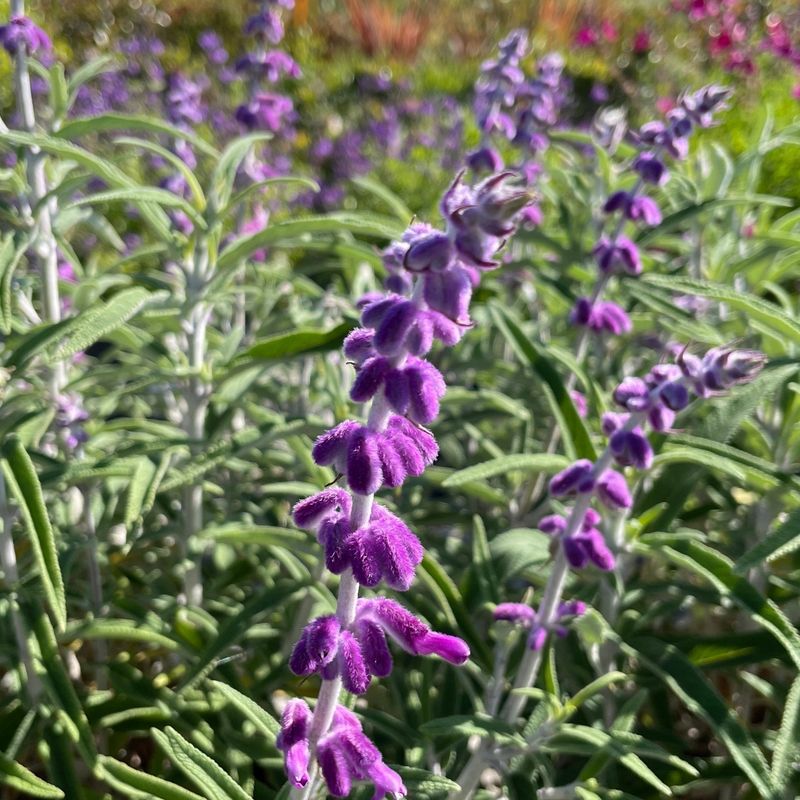
Few plants earn their keep in a dry garden the way salvia does. By late summer, many salvia varieties at the nursery have already bloomed once and are sitting quietly in pots, looking like they are done.
But they are not done at all. They are resting and getting ready.
Cut them back by about a third when you plant them, water them in well, and watch what happens. As temperatures begin to cool slightly in September and October, salvias push out a fresh round of blooms that rivals anything they did in spring.
The timing is almost perfect for fall garden color.
There are dozens of salvia species that do well in warm, dry gardens. Salvia clevelandii, Salvia leucantha, and Salvia greggii are all excellent choices.
They range from deep violet to coral pink to snowy white. Each one attracts hummingbirds and native bees with remarkable consistency.
One of the best things about buying salvia at a late-summer discount is that you get a more mature plant for less money. A plant that has already gone through one bloom cycle often has a stronger root system than a fresh spring transplant.
That means faster establishment, better drought tolerance, and more reliable performance heading into the cooler months ahead. Salvia is genuinely a smart buy right now.
4. Coneflowers Still Building Strong Roots After Bloom
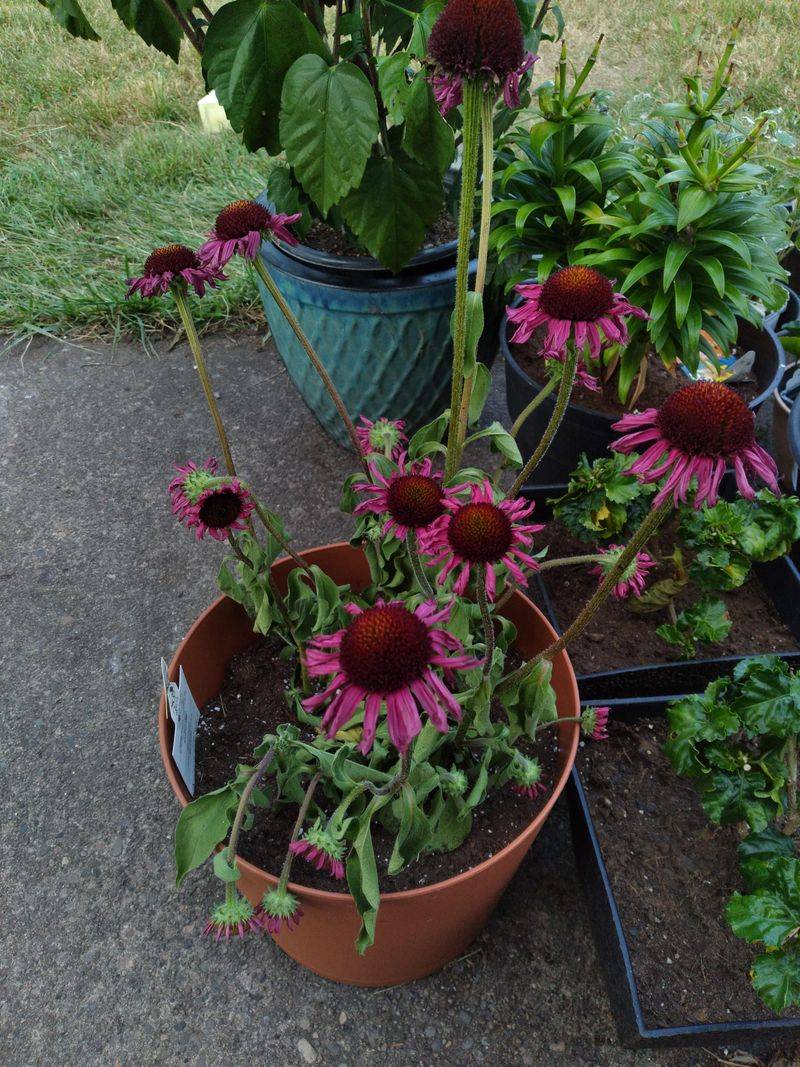
After the big summer bloom is over, coneflowers at the nursery get overlooked fast. The petals droop back from the spiky center cone, and shoppers walk right past them.
That is a mistake worth avoiding, because coneflowers bought now are actually in a great position for long-term success.
Echinacea, the genus name for coneflowers, is a powerhouse perennial. Even after blooming, the plant keeps directing energy into its root system.
Planting it in late summer means those roots have weeks to anchor before winter arrives. By spring, you will have a well-established plant ready to bloom with real vigor.
The seed heads that form after flowering are also a bonus. Birds like goldfinches and chickadees visit them regularly through fall and into winter.
So even a plant that looks past its prime is still doing important work in the garden ecosystem. Leaving the seed heads in place is both low-effort and wildlife-friendly.
Coneflowers are heat-tolerant, drought-resistant once settled, and come back reliably every year. They work well in borders, meadow-style plantings, and cottage gardens.
Purple coneflower is the classic, but newer varieties offer shades of orange, yellow, red, and white. Buying a few discounted plants now and spacing them well gives you a fuller, more natural-looking patch by next summer.
The value is hard to beat at clearance prices.
5. Sedums Heading Into Their Best Late-Season Show
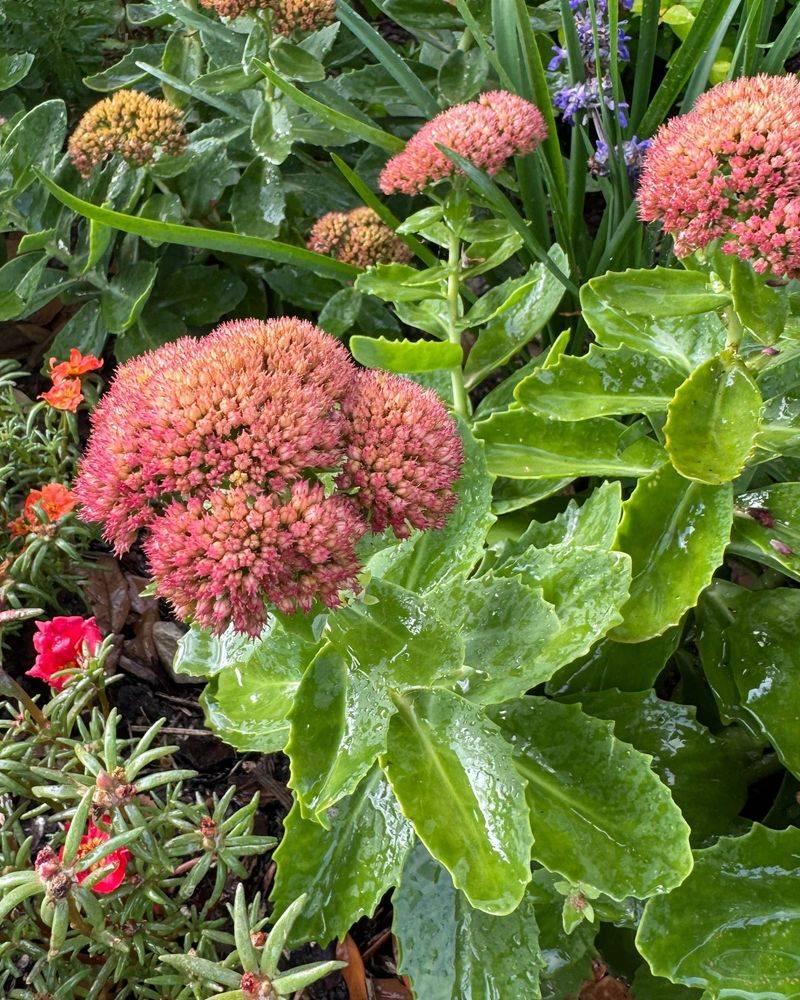
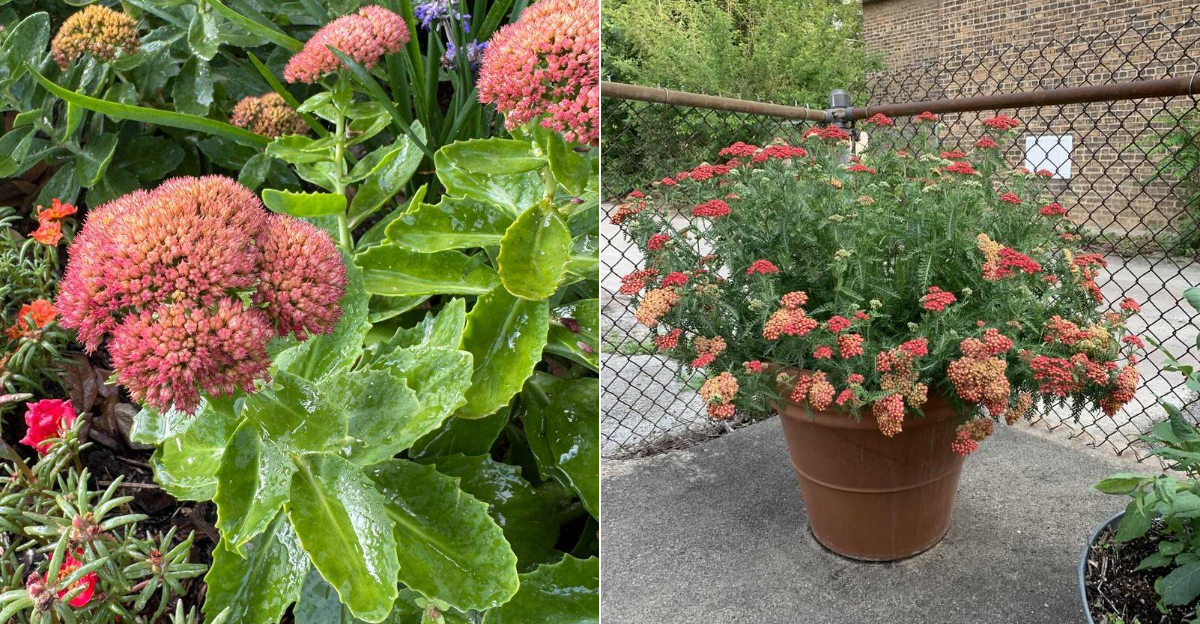
Here is a fun plant fact: while most perennials are wrapping up their seasonal display, sedums are just reaching their peak.
Late summer and early fall is when upright sedums like Sedum spectabile and the popular Autumn Joy variety put on their most impressive show.
Buying them now at a discount is genuinely good timing.
The thick, succulent leaves of sedum store water efficiently, which makes this plant nearly bulletproof in hot, dry conditions. It handles neglect surprisingly well.
You can forget to water it for a couple of weeks, and it will still look fine. That resilience makes it a great fit for busy gardeners or anyone just getting started with perennials.
Butterflies love sedum flowers deeply. Monarchs, painted ladies, and swallowtails all visit the flat-topped flower clusters for nectar.
Planting sedum now means you could attract migrating butterflies as they pass through in September and October. That alone makes it worth adding to your cart at the nursery.
Sedums also look great with ornamental grasses and late-blooming asters. The combination creates a layered, naturalistic look that carries the garden through to the first frost.
These plants are also easy to divide and share with neighbors once they fill in. A discounted sedum in late summer is one of those purchases that keeps giving back year after year without demanding much in return.
6. Foothill Penstemon Worth Buying Past Peak Bloom
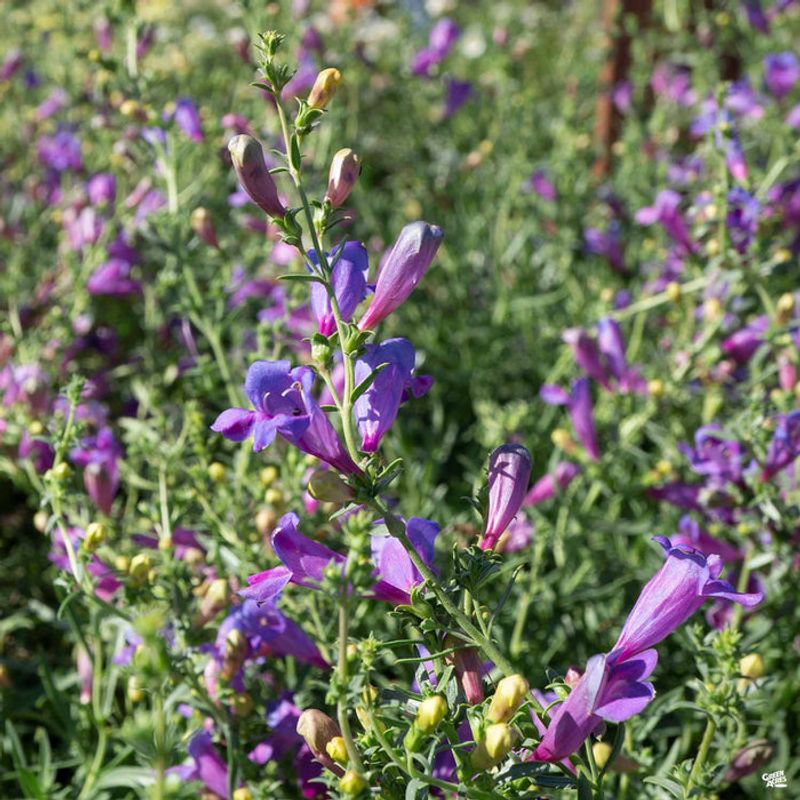
Penstemon heterophyllus, commonly called Foothill Penstemon, gets passed over at the nursery once its spring and early summer blooms fade. Shoppers see a plant with no flowers and assume it is not worth the trouble.
But experienced gardeners know better, and that is why they scoop these up when the price drops.
This native perennial is built for the kind of dry, rocky, sun-baked conditions that are common in many western gardens. It does not need rich soil or frequent watering.
In fact, too much water or too much fertilizer can actually cause more harm than good. Plant it lean and dry, and it thrives.
The blooms that do appear are a gorgeous mix of blue, violet, and purple with a hint of pink at the base. Hummingbirds are drawn to the tubular flowers from a surprising distance.
Even after the main bloom period, the plant maintains a tidy, low mound of narrow green leaves that looks clean and attractive in the garden.
Buying Foothill Penstemon in late summer gives it time to root into its new spot before the rainy season begins. Once established, it can survive almost entirely on natural rainfall in many dry-summer climates.
That means zero supplemental irrigation after the first year. For anyone building a low-water, wildlife-friendly garden, this plant at a clearance price is an opportunity worth taking without hesitation.
7. California Goldenrod Saving Its Best Show For Late Summer
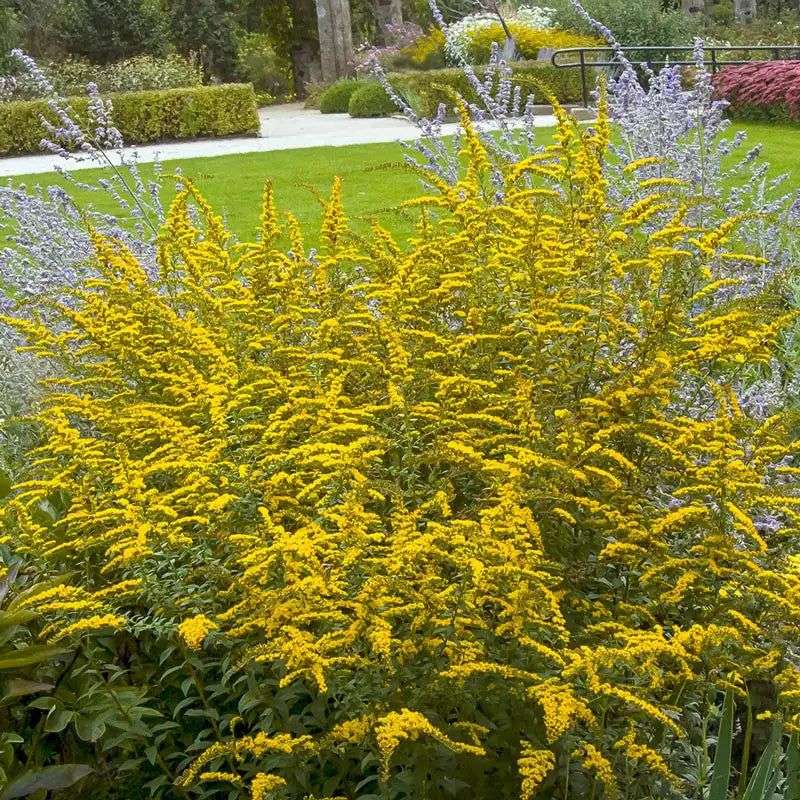
There is something almost theatrical about how goldenrod times itself. While the rest of the garden starts looking tired in August, Solidago velutina ssp. californica is gearing up for its biggest moment of the year.
The tall, arching stems erupt in plumes of tiny golden flowers that light up the late-season garden.
Nurseries often discount goldenrod in late summer because it has not yet bloomed in its pot. It looks like a plain green plant with no obvious appeal.
But that is the moment to grab it, because you are about to get the full show for a fraction of the cost. Timing is everything with this one.
Pollinators go absolutely wild for goldenrod. Native bees, honeybees, and butterflies all flock to the flowers in large numbers.
It is one of the most ecologically valuable plants you can add to a garden in the western United States. Planting it near a seating area means you get to watch the pollinator action up close every afternoon.
Goldenrod grows vigorously once established and can spread through rhizomes, so give it a bit of space or plant it in a contained area. It pairs well with purple coneflower, native grasses, and asters for a late-season wildflower display.
Cutting the stems back after flowering keeps it tidy and manageable. At a late-summer discount price, this native gem is one of the best value plants you will find at any nursery right now.