6 North Carolina Plants To Cut Back Before Fall And 3 You Should Leave Alone
Knowing which plants to cut back before fall, and which to leave standing, makes a real difference for North Carolina gardens heading into cooler months. Bee balm benefits from cutting back to prevent powdery mildew from lingering into next season.
Daylilies can be trimmed once foliage yellows, cleaning up beds without harming next year’s growth. Salvia responds well to a late summer trim, encouraging one more round of blooms before frost.
Peonies should have foliage removed once it yellows to reduce disease risk over winter. Hostas benefit from cutting back after frost damages their leaves naturally.
Ornamental grasses can be trimmed lightly if they look particularly ragged. On the other hand, coneflowers should stay standing, since their seed heads feed birds through fall and winter.
Asters need to remain untouched to finish their essential late season blooming. Joe pye weed also should stay put, providing important habitat through the colder months ahead.
1. Cut Back Catmint After Its Main Bloom
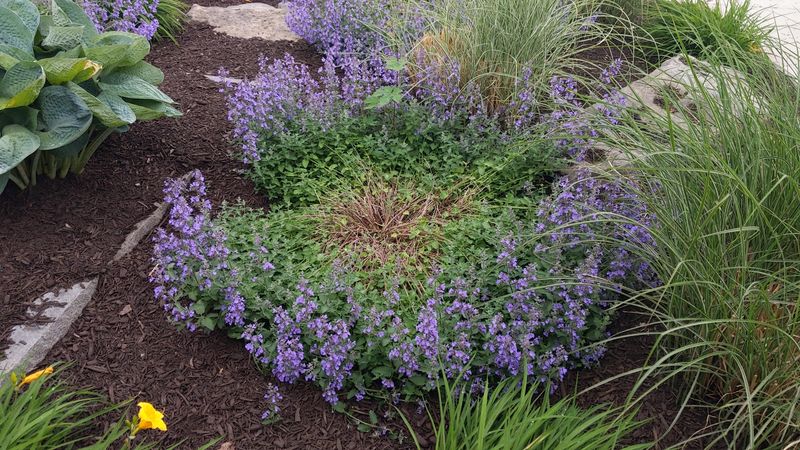
Few plants put on a show quite like catmint does in late spring and early summer. Those long, lavender-blue flower spikes are a magnet for bees and butterflies, and the silvery-green foliage smells absolutely wonderful when you brush against it.
But once that first big flush of blooms starts to fade, the plant can look a little tired and floppy, especially in North Carolina’s summer heat.
Shearing catmint back by about one-half to two-thirds right after the main bloom finishes is one of the best things you can do for it.
Use a pair of clean hedge shears or pruning scissors and cut the whole plant back to just above the basal foliage, which is the low clump of leaves sitting near the ground. It sounds drastic, but catmint is incredibly tough and bounces back fast.
Within a few weeks, you will notice fresh new growth pushing up from the base. That new growth often produces a second, sometimes even a third, round of flowers before the first frost arrives.
In North Carolina, where summers can stretch well into October, this second flush can look gorgeous right alongside fall-blooming plants. Keeping catmint tidy also prevents it from sprawling too far and smothering nearby plants.
Water it lightly after shearing and give it a small boost of balanced fertilizer to help it recover quickly. Catmint is a low-maintenance powerhouse that truly rewards a confident cut.
2. Trim Meadow Sage Back To Its Basal Leaves
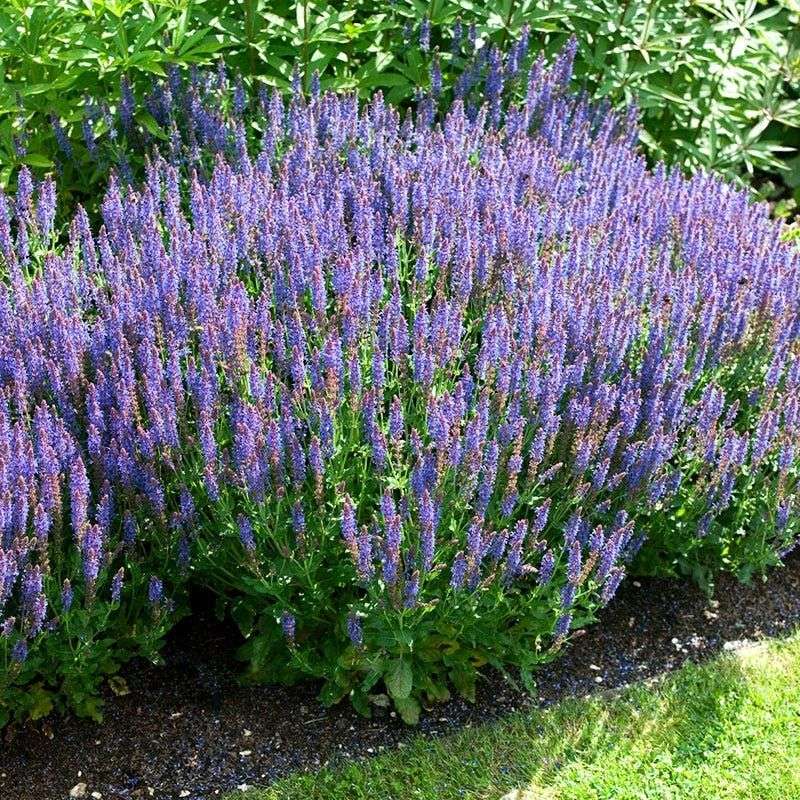
Meadow sage, also known as Salvia nemorosa, is one of those garden workhorses that earns its place every single year.
The upright purple or violet flower spikes are stunning in late spring and early summer, and the plant is perfectly happy in North Carolina’s clay-heavy soils as long as it gets decent drainage and plenty of sun.
However, once those flower spikes go brown and the stems start leaning or looking untidy, it is a clear signal that the plant is ready for a reset.
Cutting meadow sage back to its basal leaves after the main bloom is a simple but highly effective technique. The basal leaves are the low rosette of foliage that sits close to the ground, and they stay green and healthy long after the flower stems have finished.
Your North Carolina Garden Changes Every Week. Your Plan Should Too.
Gardening in North Carolina changes quickly throughout the season. Every Friday you’ll receive a simple weekly plan showing exactly what to plant, prune, fertilize, harvest, and protect so you never miss the right timing.
Use clean, sharp pruners and remove all the spent stems down to just above that low clump of leaves. The whole process takes only a few minutes per plant.
After trimming, meadow sage almost always responds with a flush of fresh foliage, and in many North Carolina gardens, it will produce a second round of flowers in late summer or early fall.
That second bloom may not be quite as tall or dramatic as the first, but it is still beautiful and very attractive to pollinators.
Keeping the plant tidy also improves air circulation around the foliage, which helps prevent powdery mildew during humid North Carolina summers. Meadow sage is a plant that truly gives back when you put in a little effort.
3. Shear Mouse-Eared Tickseed In Late Summer
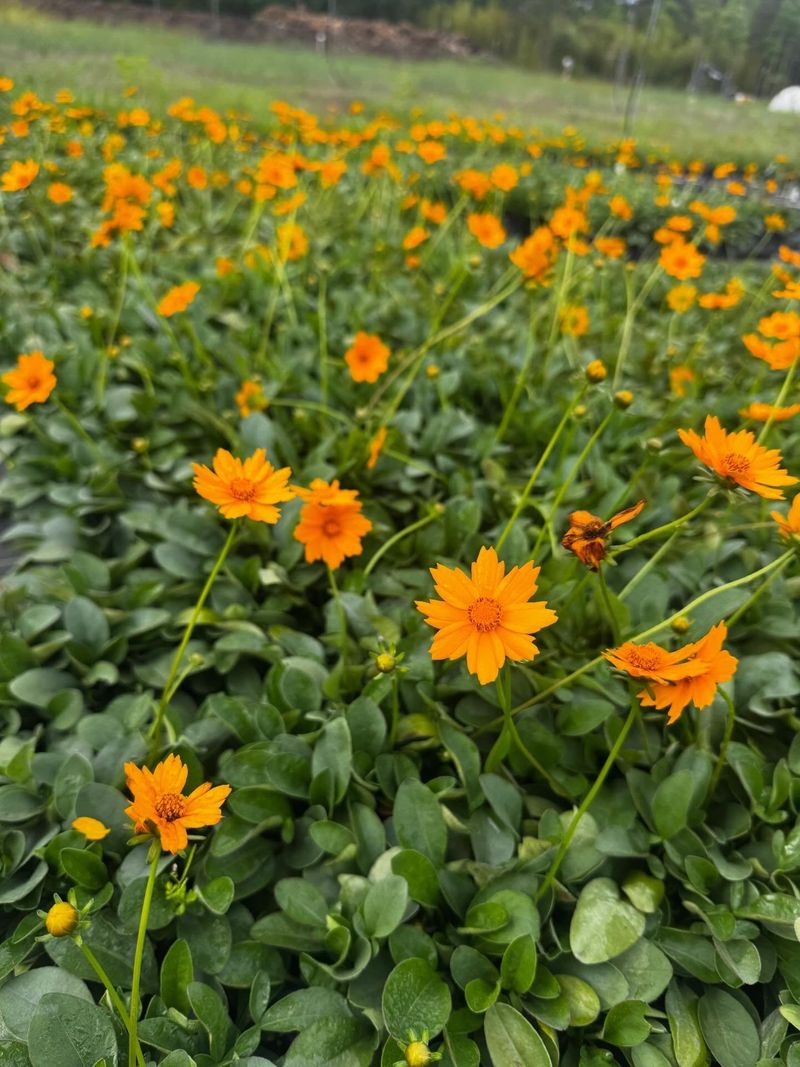
Mouse-eared tickseed, or Coreopsis auriculata, is a charming little native plant that spreads slowly along the ground and produces cheerful yellow daisy-like flowers in spring and early summer.
It is a fantastic option for North Carolina gardeners because it tolerates heat, handles drought reasonably well once established, and plays nicely with other native plants.
The one downside is that by late summer, it can start to look a bit scraggly and spread in directions you did not plan for.
A light shearing in late summer does wonders for this plant. Use hedge shears or even a pair of sharp scissors to trim the whole plant back by about one-third to one-half.
Focus on cutting away any stems that have gone past their blooming stage and any foliage that looks yellowed or damaged from the summer heat. You do not need to be precise here. A quick, even shear across the top of the plant is all it needs.
After shearing, the plant will tighten up into a neater clump and often push out a fresh wave of foliage.
In some cases, especially in North Carolina’s longer growing season, you may even see a second flush of flowers appear in fall. This is a nice bonus that makes the shearing very much worth the effort.
Mouse-eared tickseed is also a great ground cover for shady spots under trees, and keeping it tidy helps it fill in evenly rather than spreading in patchy, uneven clumps. A small effort in late summer leads to a much prettier plant come fall.
4. Cut Woolly Yarrow Back After Flowering
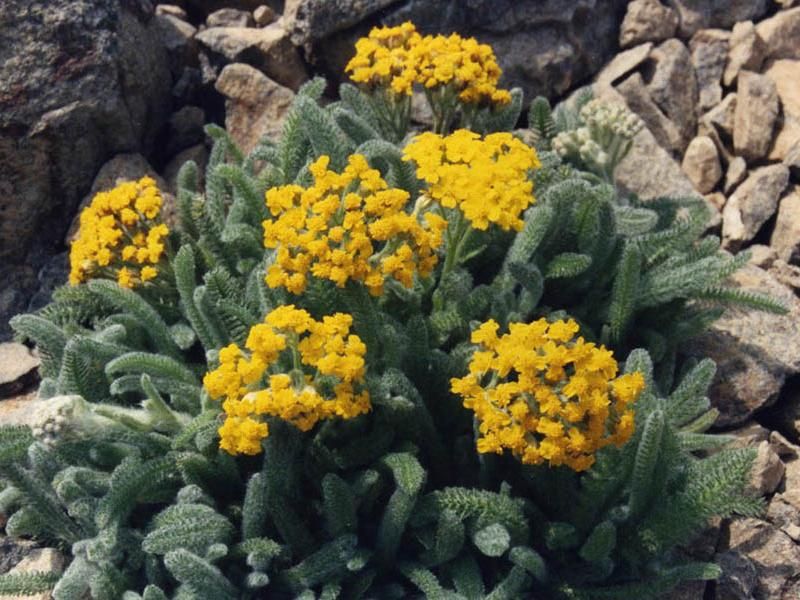
Woolly yarrow is one of those plants that looks almost too pretty to touch, with its flat-topped clusters of tiny yellow flowers and soft, feathery silver-green foliage that feels velvety underfoot.
Native to dry, sunny areas and perfectly suited to North Carolina’s warmer inland regions, woolly yarrow is a tough plant that handles heat and poor soil with ease.
But after the flowers finish, the spent heads can turn brown and make the whole plant look worn out.
Cutting the finished flower stems back to the basal leaves is the right move once blooming is done. The basal leaves are the low, soft mat of foliage at the base of the plant, and they stay attractive even when the flower stems above them look tired.
Use clean pruners or small scissors to snip the stems just above that low foliage mat. Removing the spent blooms also prevents woolly yarrow from self-seeding excessively, which can lead to it popping up in spots where you did not plant it.
One of the most exciting things about cutting woolly yarrow back is the possibility of a second round of flowers before fall arrives.
North Carolina’s long growing season gives this plant enough time to recover and rebloom, especially if you trim it in late July or early August.
Give the plant a light watering after cutting and make sure the soil around it is not waterlogged, since woolly yarrow strongly prefers well-drained conditions.
With just a little attention after its first bloom, woolly yarrow can stay a standout feature in your garden well into autumn.
5. Shear Wild Geranium When Summer Foliage Declines
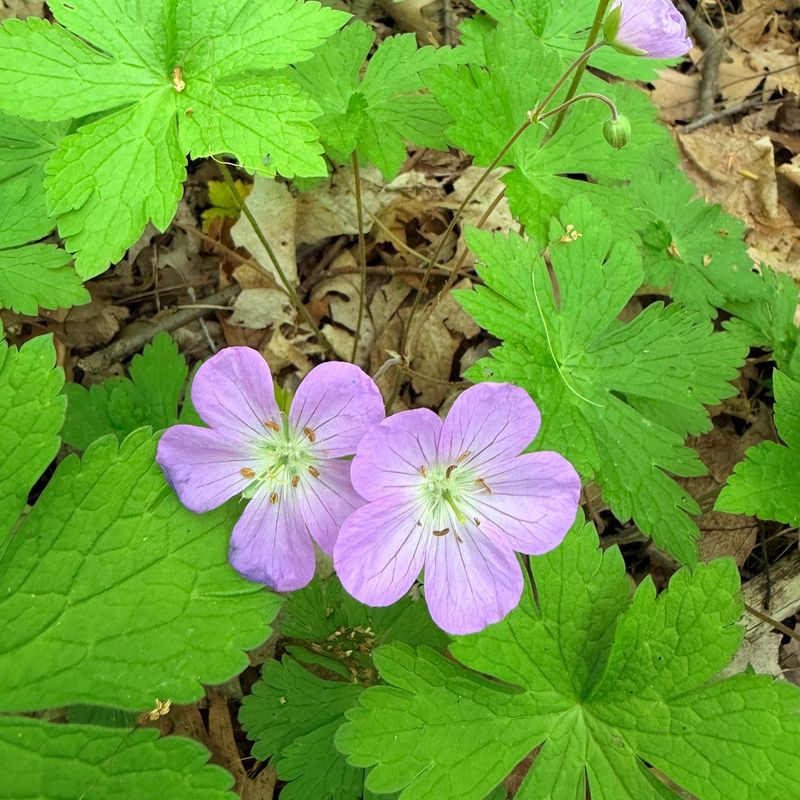
Wild geranium, known botanically as Geranium maculatum, is a beloved native woodland plant that puts on a lovely show of pink-purple flowers in spring.
After blooming, the foliage stays attractive through early summer, providing nice texture in shaded garden beds.
But once the heat of a North Carolina summer really kicks in, wild geranium foliage tends to yellow, brown at the edges, and generally look unhappy. This is completely normal behavior for this plant, not a sign that something is wrong.
When you notice the foliage starting to decline, that is your cue to grab the shears. Cut the whole plant back close to the ground, removing all the yellowed or tattered leaves.
Wild geranium is a geophyte, meaning it stores energy in its roots and underground structures, so cutting the tired foliage away does not harm the plant at all.
In fact, it encourages the plant to push out a fresh set of leaves once temperatures cool slightly in late summer or early fall.
Reshaping wild geranium also keeps your garden bed looking tidy during the dog days of summer, when it can be tempting to let things go.
In North Carolina, late August and September often bring slightly cooler nights, which is exactly when wild geranium will reward your patience with a fresh flush of attractive foliage.
The new leaves are typically greener and more vigorous than the tired summer growth. Wild geranium pairs beautifully with ferns, hostas, and other shade-loving plants, and a mid-summer shear helps it hold its own in those combinations right through fall.
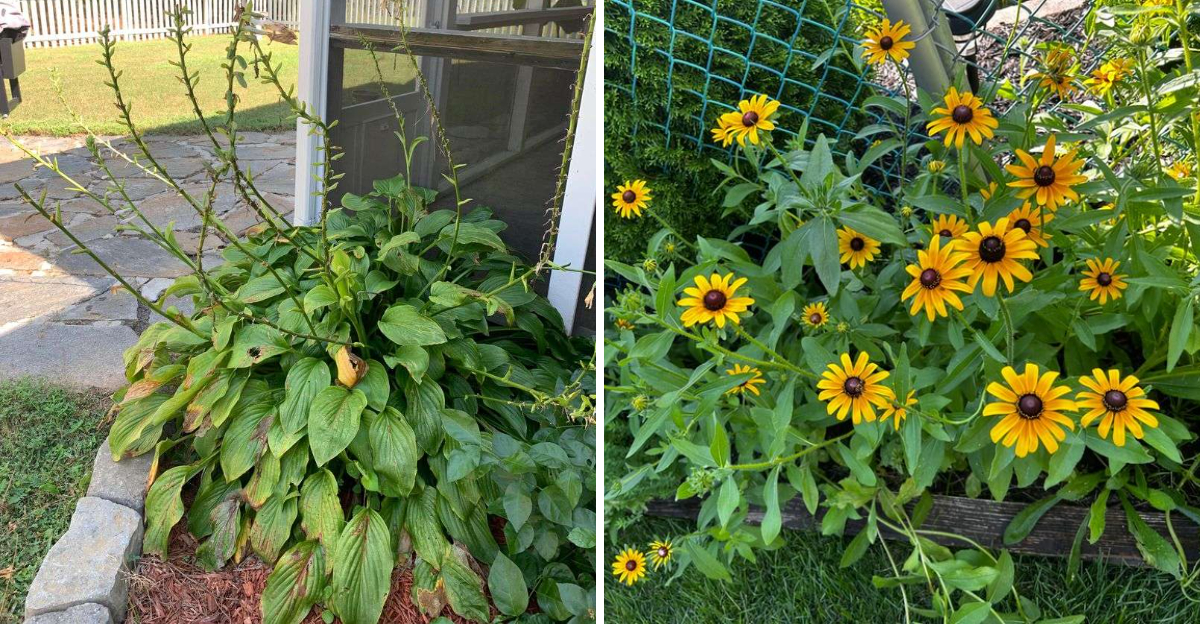
6. Remove Finished Hosta Flower Stems
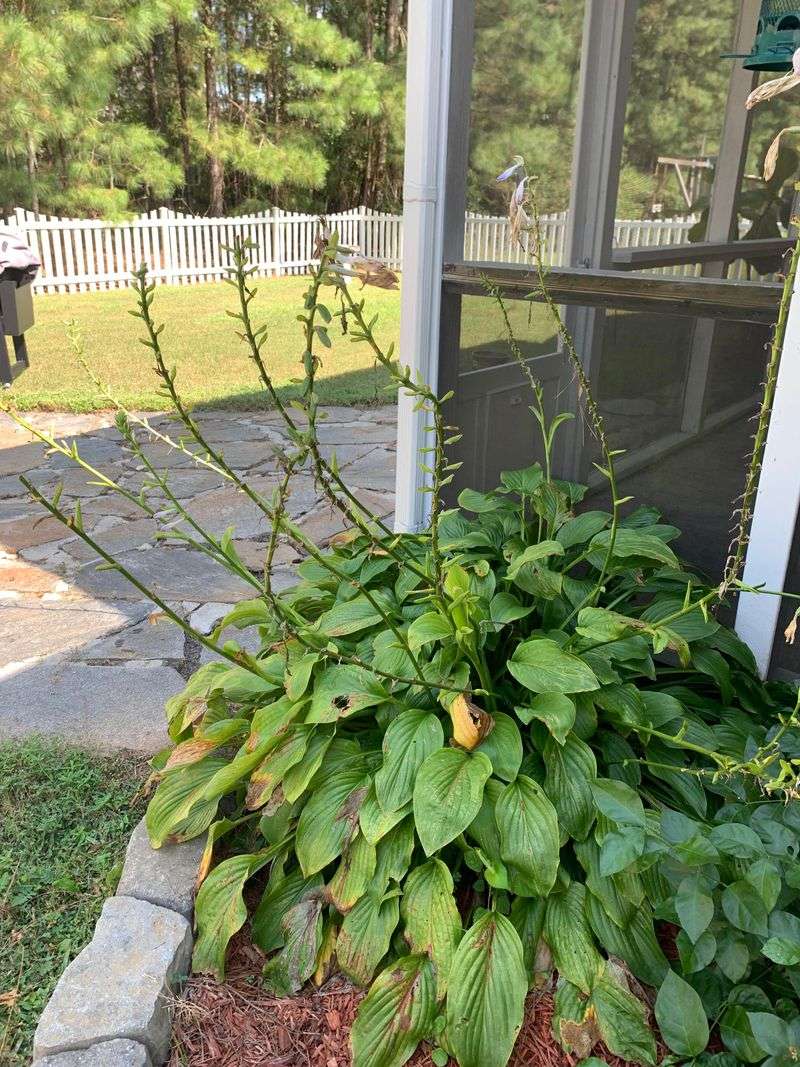
Hostas are practically the royalty of shaded North Carolina gardens, and for good reason. Their bold, sculptural leaves come in every shade of green, blue, and gold, and they form tidy mounds that look great from spring all the way through fall.
When summer arrives, hostas send up tall flower stalks topped with tubular white or lavender blooms that are lovely for a few weeks. But once those flowers fade, the stems can look awkward and out of place among the beautiful foliage.
Removing finished hosta flower stems is a quick and simple task that makes a big visual difference.
Once the flowers have fully faded and the stems start to turn yellow or brown, simply cut them off at the base where the stem meets the main clump of leaves.
Use clean pruners or scissors and make a smooth cut close to the ground. There is no need to cut back the leaves themselves at this point, as the foliage is still actively photosynthesizing and storing energy in the roots for next year.
Leaving the healthy leaves intact is actually very important for the long-term vigor of your hosta plants.
Those big leaves are doing serious work right up until the first frost arrives, so removing them early would rob the plant of the energy it needs to perform well the following spring.
Let the leaves stay until they naturally yellow and collapse on their own as temperatures drop in late fall. At that point, you can gently pull them away or cut them back.
Keeping the foliage as long as possible is one of the simplest ways to grow bigger, healthier hostas year after year.
7. Leave Purple Coneflower Seed Heads Alone
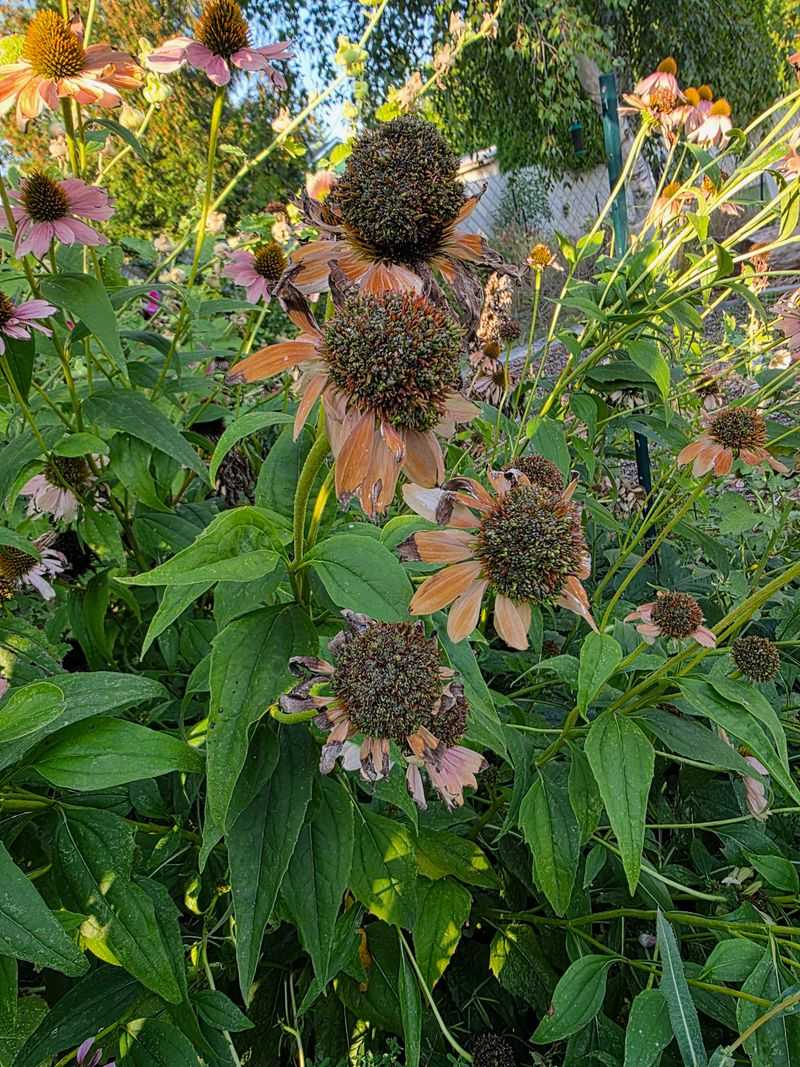
Purple coneflower, or Echinacea purpurea, is one of the most recognizable wildflowers in North Carolina, and its value does not stop when the petals drop.
Once the blooms fade, the spiky, dome-shaped seed heads remain on the plant through fall and winter, and they are absolutely packed with small seeds that birds go crazy for.
Goldfinches in particular are known to flock to coneflower seed heads, clinging to the spiky centers and picking out seeds one by one.
Leaving coneflower seed heads standing through fall and winter is one of the easiest ways to support local wildlife in your garden.
Birds like finches, chickadees, and sparrows rely on these seed heads as a reliable food source when insects and berries become scarce.
Beyond the wildlife benefit, the upright seed heads also add wonderful structure and texture to the winter garden, especially when dusted with frost or a light snow. They look striking alongside ornamental grasses and other seed-bearing perennials.
From a gardening standpoint, leaving coneflowers standing also allows them to self-seed naturally, which means you may find new seedlings popping up around the base of the plant the following spring.
This is a great way to expand your coneflower patch for free over time. If you want to control where they spread, you can collect a few seed heads in late fall before the birds get to them and scatter the seeds where you want new plants to grow.
Either way, resisting the urge to cut these plants back before fall is a win for your garden and for local wildlife.
8. Leave Black-Eyed Susan Standing
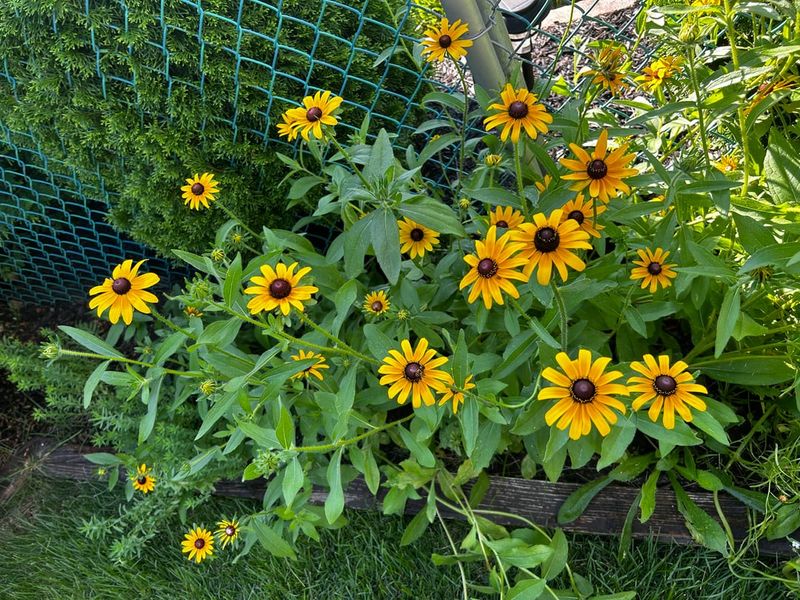
Black-eyed Susans are a staple of North Carolina meadows and garden beds, brightening up summer with their golden-yellow petals and dark chocolate-brown centers.
By late summer, the petals drop and the seed heads remain, sitting atop sturdy stems that stay upright for months.
At this point, many gardeners feel the urge to tidy things up and cut the plants back before fall. But holding off on that cleanup is actually the better choice for your garden and for the creatures living in it. Those seed heads are a genuine goldfinch magnet.
American goldfinches, in particular, time their late-summer movements around the availability of seeds from plants like black-eyed Susan, and your garden can become a regular stop on their route if you leave the seed heads standing.
Sparrows and other small songbirds also visit regularly, and watching them work through the seed heads is one of the most enjoyable parts of having a wildlife-friendly garden.
Beyond the bird benefit, black-eyed Susan stems also provide overwintering habitat for beneficial insects.
Certain native bees and small insects shelter inside hollow or pithy stems during the colder months, and cutting the plants back in fall removes that habitat before they have a chance to complete their life cycle.
Leaving the stems standing through winter and cutting them back in early spring instead gives those beneficial insects the time they need.
Black-eyed Susans also self-seed readily, so leaving them up increases the chances of new plants filling in your garden naturally next year. It is a simple choice with a long list of rewards.
9. Leave Little Bluestem Until Late Winter
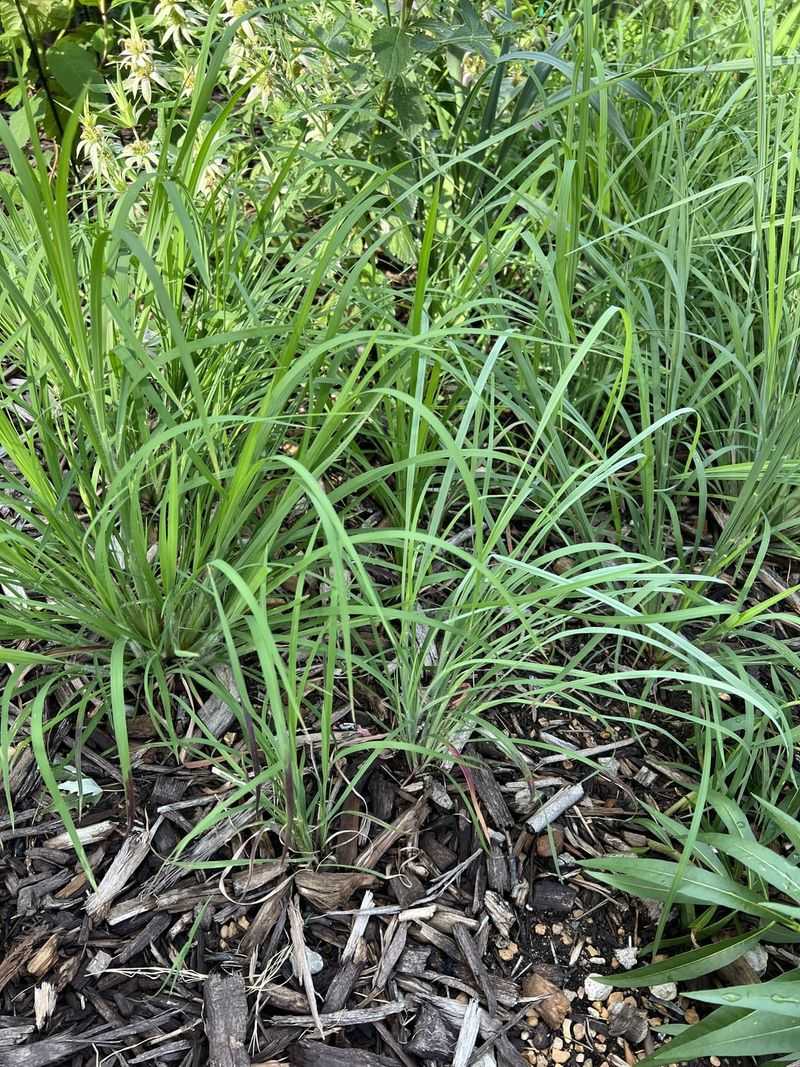
Little bluestem, or Schizachyrium scoparium, is one of North Carolina’s most beautiful native grasses, and it truly hits its stride in fall and winter when most other plants have faded.
During the growing season, the upright blades are a soft blue-green color, but as temperatures cool, they transform into stunning shades of copper, bronze, and rust.
The fluffy white seed heads catch the light beautifully, especially on clear winter mornings when they seem to glow against a blue sky.
Cutting little bluestem back before fall or even in early winter would mean missing the best part of its show.
The plant looks absolutely spectacular from October through February, providing color and movement in the garden during the months when most other plants are dormant.
The seed heads are also a food source for small birds, including juncos and sparrows, who visit the plant regularly throughout winter to pick out seeds. Leaving the grass standing means you get a beautiful, functional garden feature all season long.
The right time to cut little bluestem back is in late winter or very early spring, just before new growth begins to emerge from the base.
At that point, cut the old stems down to about four to six inches above the ground to make room for the fresh new growth coming up underneath.
Avoid cutting too early, as late cold snaps can damage exposed new growth if the old stems are removed before the worst of winter has passed.
Little bluestem is one of the most rewarding native plants you can grow in North Carolina, and patience is the only thing it asks of you.