This Florida-Friendly Groundcover Is Replacing Patchy Grass During Water Restrictions
Florida lawns are struggling this summer, and every yard on the block shows it. Watering days keep shrinking, budgets stretch thinner, and grass browns out no matter how carefully you plan around the restrictions.
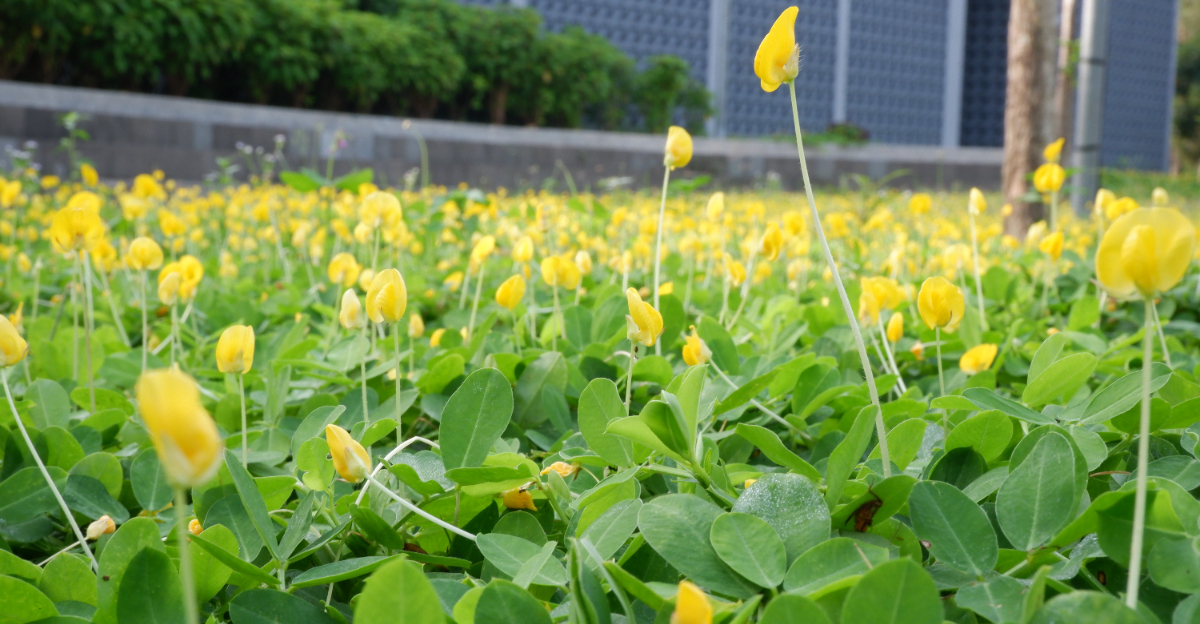
Something low and unexpected is filling the gaps left behind. A spreading groundcover with cheerful yellow blooms is quietly taking over yards that used to depend on constant watering just to look presentable.
This plant handles long dry stretches without missing a beat. It holds its color through the harshest heat, crowds out weeds on its own, and settles into a routine that barely calls for extra water once established.
If your lawn has turned into a season-long chore, this small, golden-flowered groundcover might be the easier path you have been looking for, patchy grass included.
A Legume That Feeds Itself Nitrogen While Choking Out Weeds
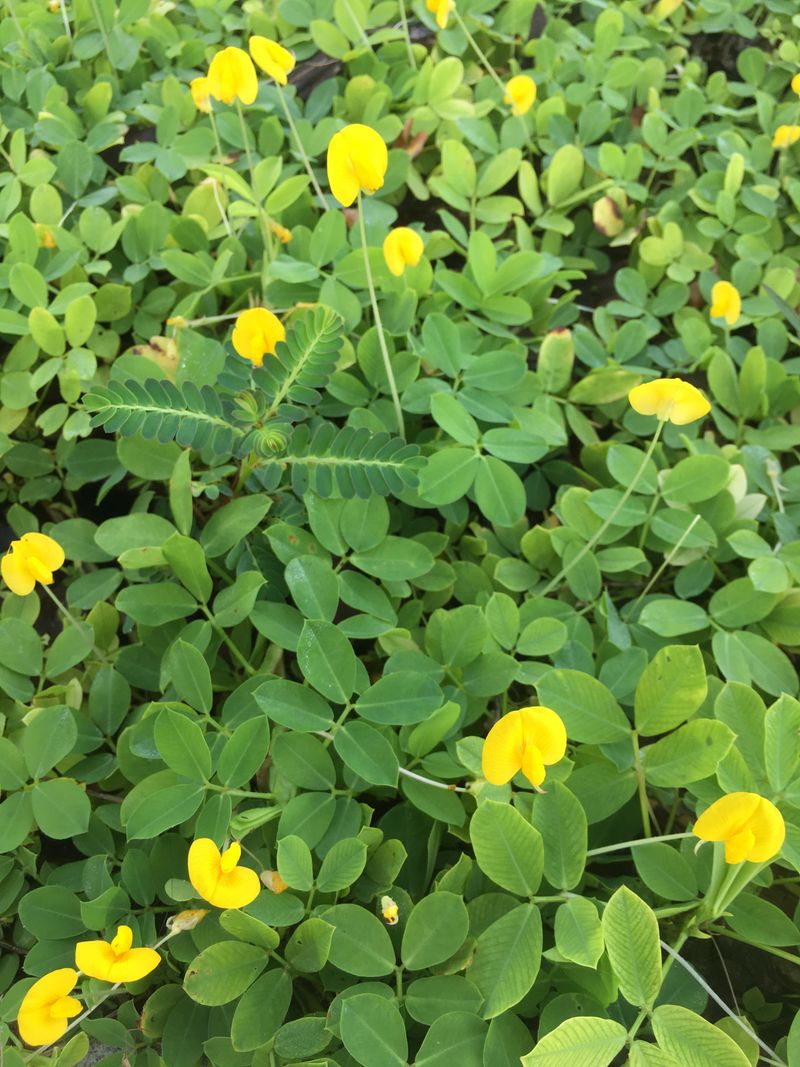
Perennial peanut is not your average groundcover. It belongs to the legume family, which means it pulls nitrogen straight from the air and locks it into the soil beneath your feet.
That self-feeding trick makes a real difference in sandy Florida soil. Most grasses need regular fertilizer applications to stay green, but perennial peanut builds its own nutrient supply underground.
Farmers have known about this nitrogen-fixing talent for decades. Ranchers in the South planted it alongside pasture grasses to improve soil health without buying bags of synthetic fertilizer.
Now homeowners are catching on. When the plant fixes nitrogen, it essentially feeds itself and improves the ground around it at the same time.
The dense mat it forms is another secret weapon. Perennial peanut grows so thick and low that sunlight cannot reach weed seeds waiting in the soil below.
Without light, most weed seeds stay dormant instead of taking hold. You end up with a carpet of coverage that handles its own weed control naturally.
Pulling weeds by hand on a hot August afternoon is nobody’s idea of fun. This plant eliminates most of that miserable chore entirely.
The yellow blooms that pop up throughout the growing season are a bonus. They attract pollinators, add color, and make the yard look intentional rather than neglected.
Choosing a plant that works with nature instead of against it pays off in the long run. Fewer inputs, fewer headaches, and a yard that finally holds its own.
Perennial Peanut Thrives With Just Full Sun And Sandy Soil
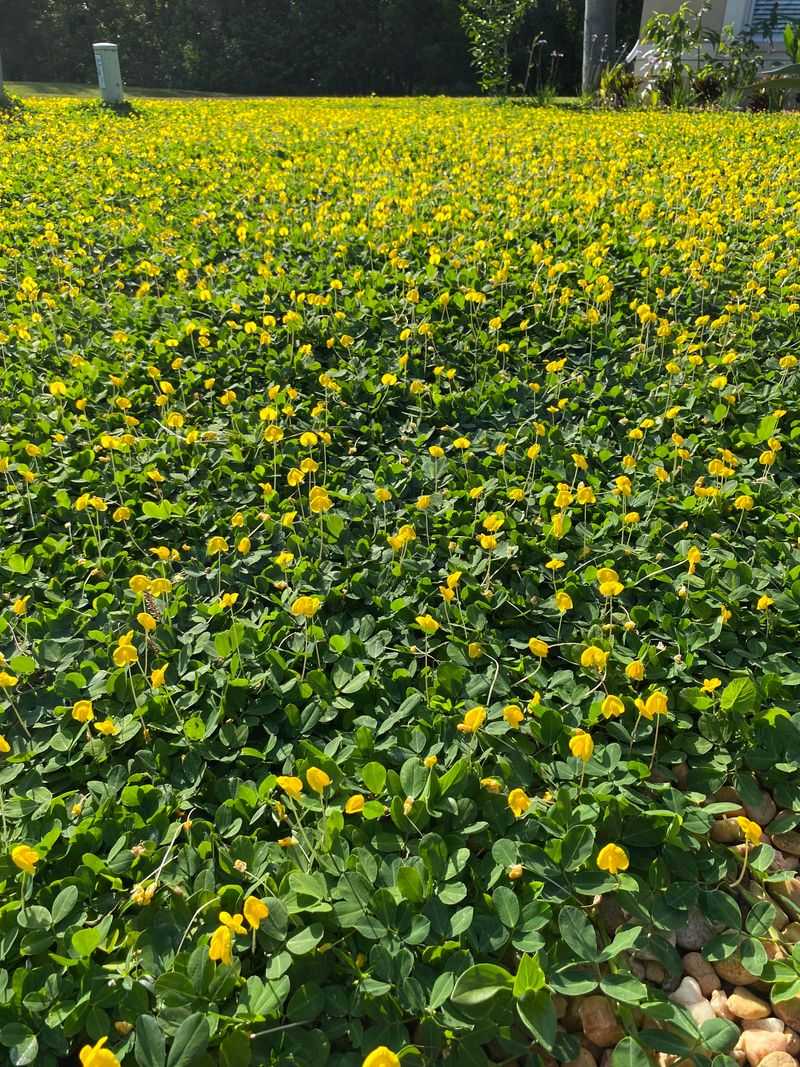
Sandy soil and blazing sun are the two things Florida has in abundance. Most lawn grasses treat those conditions like a punishment, but perennial peanut treats them like a reward.
This plant evolved in tropical South America, where poor, sandy soils and relentless sun are simply part of daily life. Bringing it to Florida is almost like returning it home.
It does not need rich, amended soil to establish itself. In fact, overly fertile soil can make it grow too aggressively and become harder to manage along borders.
The plant spreads through underground rhizomes, which are root-like stems that push outward horizontally. Those rhizomes anchor the plant firmly even in loose, sandy ground that other species find unstable.
Your Florida Garden Changes Every Week. Your Plan Should Too.
Gardening in Florida changes quickly throughout the season. Every Friday you’ll receive a simple weekly plan showing exactly what to plant, prune, fertilize, harvest, and protect so you never miss the right timing.
Once established, the root system spreads out and holds firm below the surface. That depth is what allows the plant to tap into moisture well below the surface during dry spells.
Full sun makes the biggest difference for a healthy, dense stand. Aim for at least six hours of direct sunlight daily, and the plant will reward you with thick, weed-smothering coverage.
Partial shade locations will produce a thinner, weaker stand that loses its competitive edge against weeds. Placement matters more than almost any other factor with this species.
Homeowners in central and south Florida have the easiest time establishing it. The warm temperatures and long growing season give the rhizomes plenty of time to spread before winter arrives.
Matching a plant to its ideal conditions is half the battle. Sandy soil and full sun make this groundcover almost effortless to grow.
Mowing Drops To A Fraction Of A Typical Lawn Schedule
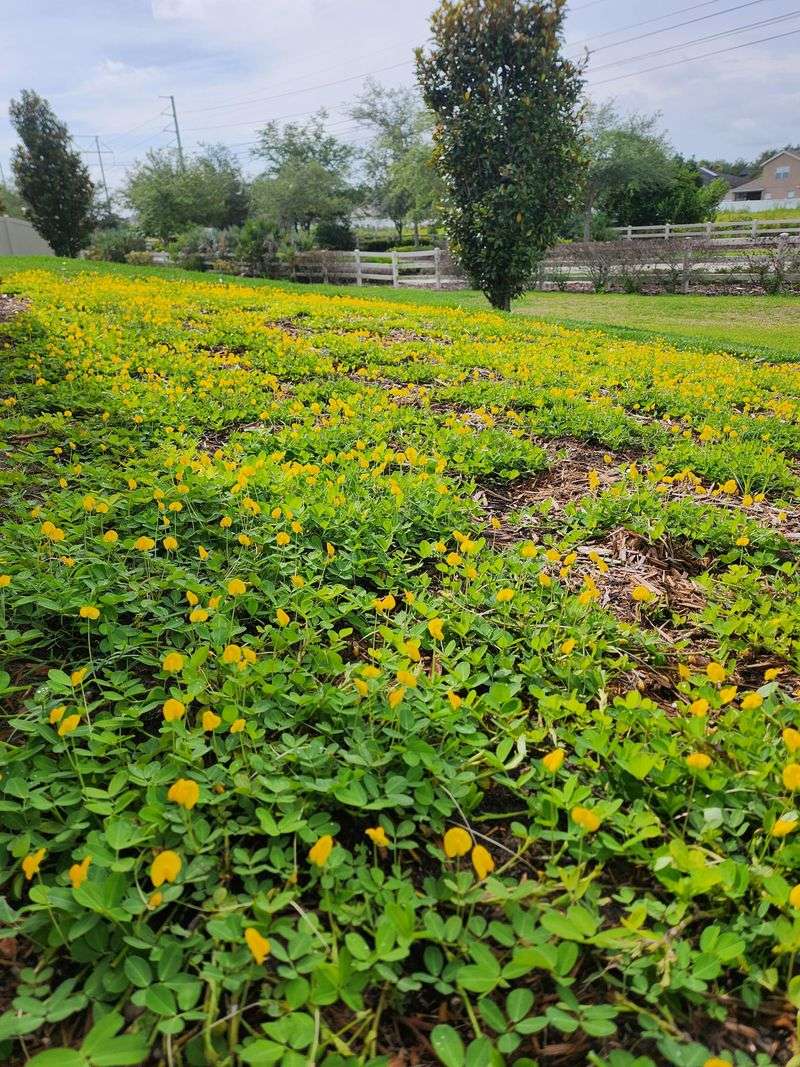
Mowing a traditional lawn in Florida during summer can feel like a part-time job. St. Augustine grass alone can demand cuts every five to seven days during peak growing season.
Perennial peanut changes that math dramatically. Most homeowners mow it only occasionally, and some skip it for long stretches without any real consequence.
The plant naturally stays low, typically reaching only six to eight inches tall before it levels off on its own. That low growth habit means the mower sits in the garage far more often.
When you do mow, a standard rotary mower on a high setting works perfectly fine. There is no need for specialty equipment or complicated schedules tied to growth spurts.
Think about what you could do with those reclaimed weekend hours. Fewer mowing sessions mean more time for everything else you actually enjoy.
The reduction in fuel costs adds up quickly too. Running a gas mower dozens fewer times per season cuts both your expenses and your carbon footprint at the same time.
Some homeowners choose to edge the borders of their perennial peanut beds occasionally. That keeps the rhizomes from creeping into flower beds or sidewalk cracks where they are not wanted.
Beyond the time savings, less mowing means less noise, less exhaust, and less physical strain. Your neighbors might even thank you for the quieter Saturday mornings.
Swapping grass for this groundcover is one of the most practical decisions a Florida yard owner can make. The lawn maintenance calendar shrinks almost immediately after installation.
Foot Traffic It Can Handle Without Thinning Out
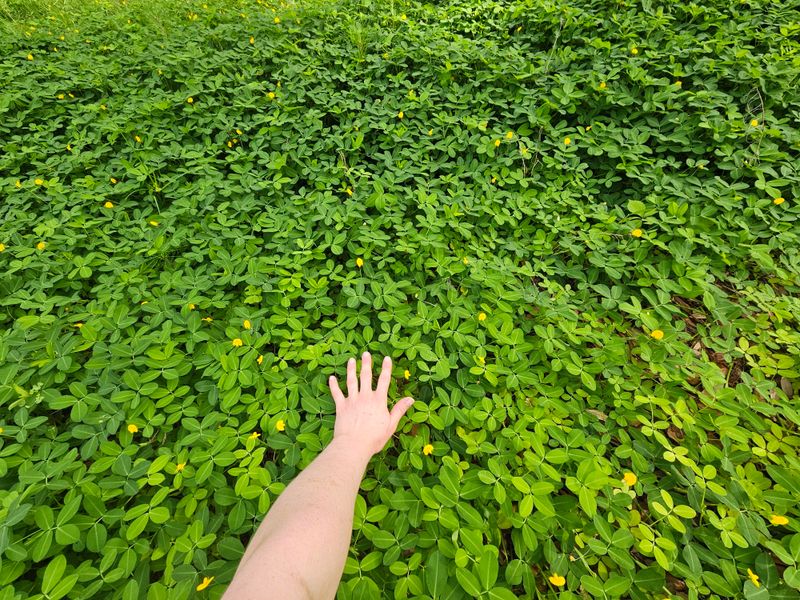
One of the biggest concerns homeowners have about switching groundcovers is durability. Nobody wants a beautiful yard that falls apart the moment someone walks across it.
Perennial peanut handles light foot traffic surprisingly well for a low-growing plant. The rhizomes that spread underground create a dense, interlocking root network that bounces back after compression.
It is not quite as tough as bermuda grass under heavy, daily use. But for average backyard activity, kids playing, pets roaming, and occasional foot paths, it holds up without thinning.
The key is giving it time to fully establish before putting it under stress. After the first growing season, the root network strengthens considerably and becomes much more resilient.
Bare spots can appear in high-traffic zones over time. A handful of plugs pressed into those areas during spring usually fills them back in within a few weeks.
Pet owners have reported good results with perennial peanut in medium-sized dog runs. Dogs tend to wear paths along fence lines, and occasional plug repairs keep those spots looking tidy.
Heavy commercial traffic or sports field use is beyond what this plant can sustain. For those applications, a tougher turfgrass is still the better call.
For the typical residential yard, though, the durability is more than adequate. Most families are pleasantly surprised by how well it holds up during normal daily life.
A groundcover that stays lush under real-world conditions is worth its weight in gold. It earns its keep simply by surviving normal, everyday use.
Cold Snaps And Shade Are Its Two Real Limits
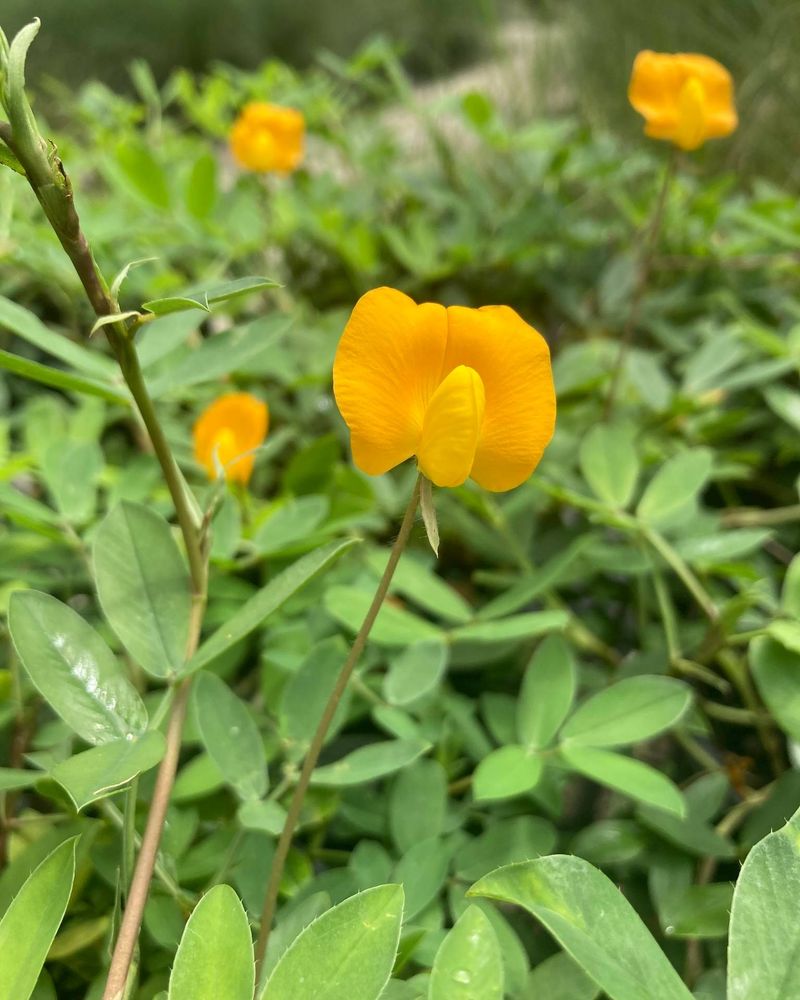
Every plant has its weak spots, and perennial peanut is honest about its two. Cold weather and shade are the conditions that genuinely challenge this otherwise tough groundcover.
A hard freeze will cause the above-ground foliage to disappear entirely. That sounds alarming, but the rhizomes underground survive and push new growth back up once warmth returns.
North Florida gardeners in zone 8b face the biggest cold risk. A hard freeze can knock the plant back to bare ground, leaving an exposed yard for several weeks in late winter.
Central and south Florida homeowners rarely deal with this issue. Their milder winters allow perennial peanut to stay green and active through most of the year without significant setbacks.
Shade is the other honest limitation. Areas under large oaks or covered by roof overhangs simply do not receive enough sunlight to sustain a dense, healthy stand.
Thin, sparse growth in shaded spots opens the door for weeds to move back in. That defeats the whole purpose of switching away from high-maintenance turf in the first place.
Mapping your yard’s sun exposure before planting saves a lot of frustration later. A simple observation over one full day tells you exactly which zones get the required six-plus hours of sun.
Shaded areas might need a different solution, like mulch, shade-tolerant ferns, or native shrubs. Mixing strategies across different zones often produces the best overall result.
Knowing a plant’s limits before you plant is always smarter than learning them after. Work within those limits and perennial peanut will rarely disappoint you.
Sourcing Sod Or Plugs For A Full Yard Conversion
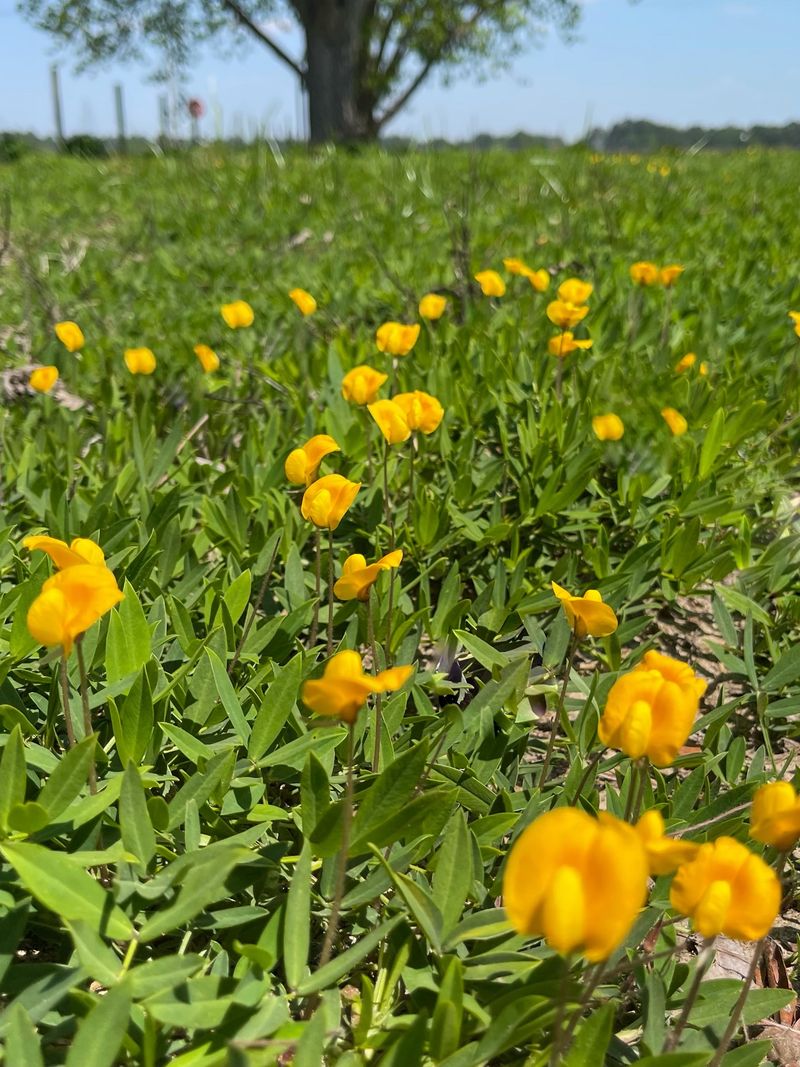
Finding perennial peanut at a big-box garden center can be a frustrating experience. Most national chains do not stock it, which sends many homeowners on a short but worthwhile search.
Florida native plant nurseries are your best starting point. Many carry plugs in small trays, and some specialty growers sell sod rolls specifically cut for residential lawn conversion projects.
Plugs are the more affordable option for most homeowners. You plant them in a grid pattern about twelve inches apart, and the rhizomes fill in the gaps over one to two growing seasons.
Sod rolls give you instant coverage but come at a higher upfront cost. They work well for homeowners who want faster results or who are replacing a large, visible front yard area.
University of Florida Extension offices often maintain lists of certified local suppliers. Calling your county extension agent is one of the fastest ways to find a reputable source nearby.
Online nurseries have expanded the options considerably in recent years. Several ship perennial peanut plugs directly to your door, packed carefully to survive the transit.
Timing your installation matters. Spring planting gives the rhizomes a full warm season to spread before facing any cold weather stress in late fall or early winter.
Prepare the planting area by removing existing grass and loosening the top few inches of soil. Plugs establish faster when they make direct contact with loose, uncompacted ground beneath them.
Sourcing it has never been easier for homeowners ready to make the switch, one yard at a time.