What Your Florida Orchid Actually Needs To Rebloom This Season
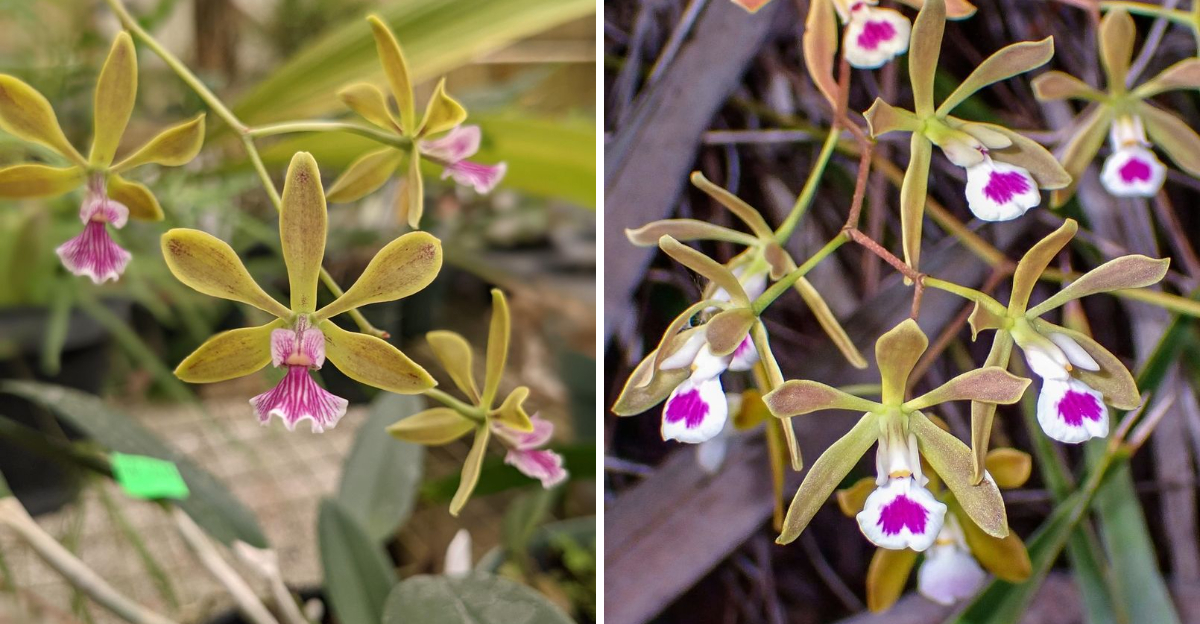
Florida orchids can look almost insultingly healthy while refusing to produce a single flower.
The leaves stay glossy. New roots appear. The plant keeps growing, yet the old flower spike remains stubbornly empty month after month.
That usually means survival is not the problem.
Reblooming depends on a separate set of signals, and Florida growing conditions can blur several of them. Strong sun can scorch leaves while deep shade keeps flower spikes from forming.
Humid air helps roots stay comfortable, but stale moisture around the pot can create stress. Warm nights may also delay blooming in orchids that rely on a seasonal temperature shift.
So what does your orchid actually need next?
Start with light, then look at roots, airflow, fertilizer, potting mix, and the plant’s natural bloom cycle. A healthy orchid does not need to be pushed harder.
It needs the right cue at the right time.
Once those conditions line up, the next spike often feels less mysterious and much more predictable in a Florida home or lanai.
1. Give It Brighter Filtered Light
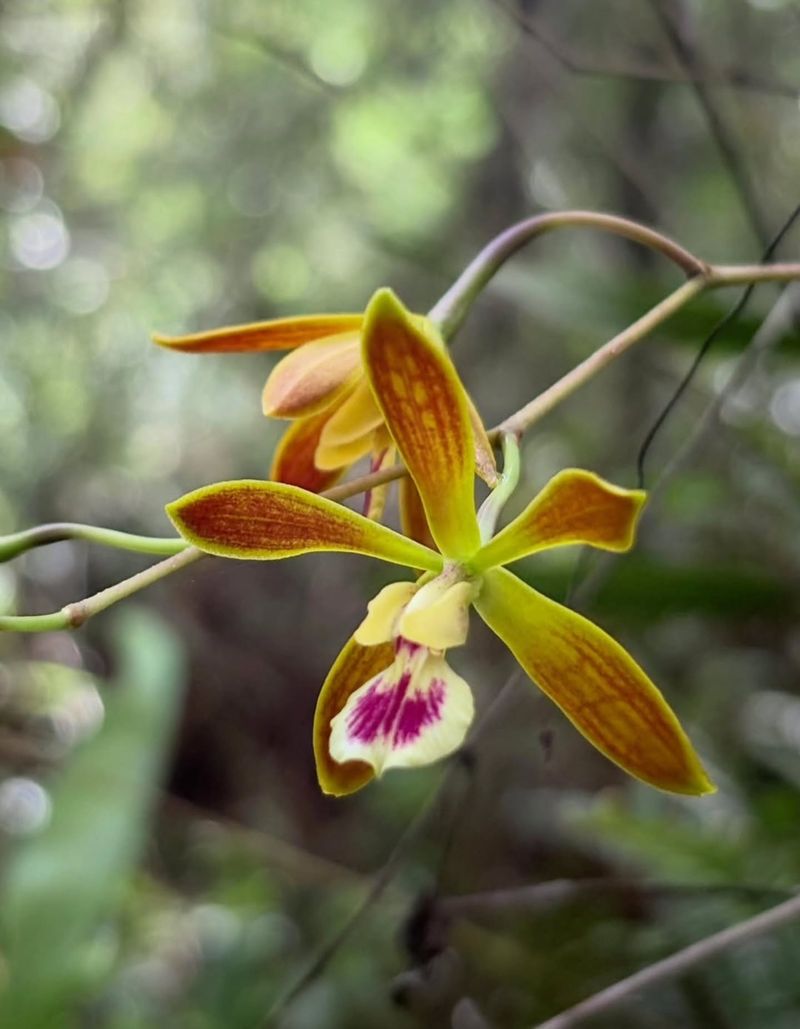
A healthy orchid can stay leafy for months without blooming because the plant is receiving enough light to live, but not enough to trigger strong flowering.
Leaf color gives a useful clue.
Very dark green foliage often points toward low light, especially on Phalaenopsis. A lighter grassy green usually suggests a brighter level that supports better flowering.
Pale yellow-green leaves or bleached patches can signal that the plant has moved too far toward intense exposure.
Florida sun makes the adjustment tricky.
A screened lanai, east-facing window, or spot beneath filtered tree canopy can provide brightness without the harsh midday rays that scorch leaves quickly.
Morning light is especially useful because it delivers energy before afternoon heat becomes intense.
Move the orchid gradually.
A sudden jump from a dim indoor corner to a bright patio can damage leaves before the plant adjusts. Shift it over a couple of weeks and watch the foliage for changes.
Different orchids tolerate different levels.
Cattleya and many Dendrobium types generally want more brightness than Phalaenopsis. That is why one bright corner can be perfect for one pot and still leave another short on bloom energy.
When roots and leaves look healthy but no spike appears, light deserves the first investigation. More fertilizer cannot replace the energy the plant never captured.
2. Let The Roots Breathe Between Waterings
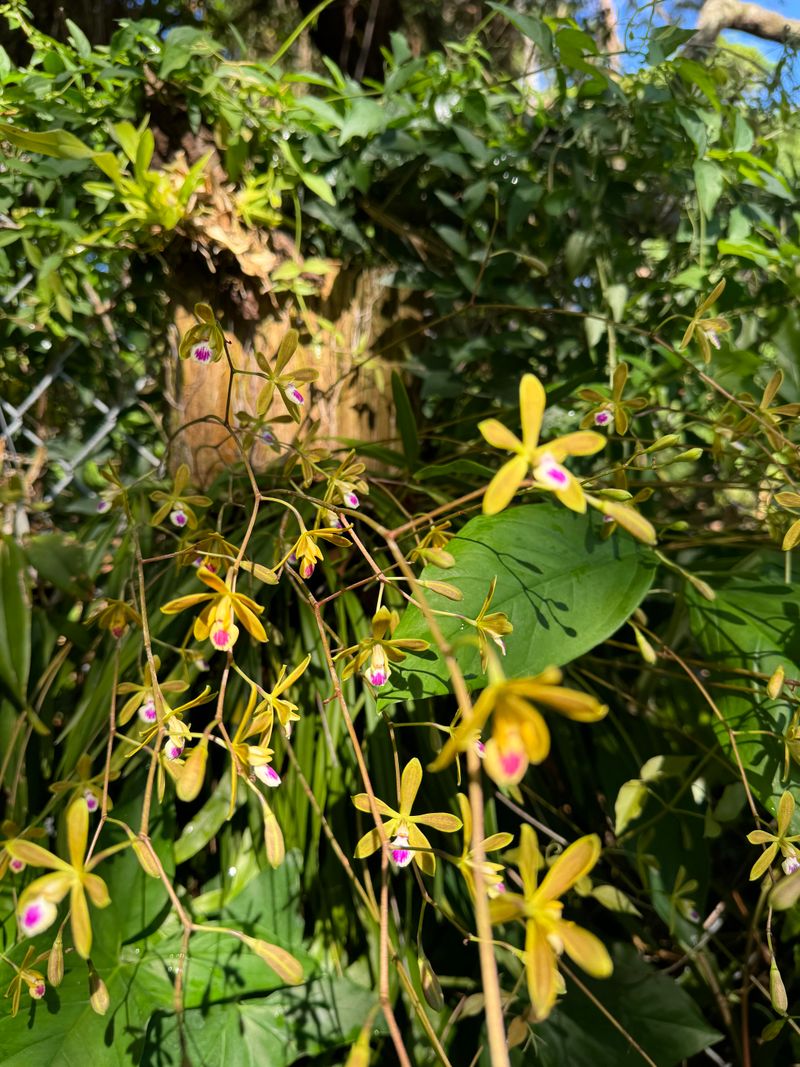
Orchid roots make watering much easier once you stop treating the calendar as the boss.
In a clear pot, healthy Phalaenopsis roots often turn green after watering and fade toward silvery gray as they dry. That color change gives a far better cue than watering every Tuesday because the schedule says so.
Florida humidity slows drying.
A bark mix that empties quickly in winter may stay damp much longer during a muggy summer week. Airflow, pot size, bark grade, and container material all change the pace too.
Wait for the root zone to breathe.
Epiphytic orchid roots are adapted to cycles of soaking followed by plenty of air. Constantly damp media can keep oxygen away from the roots and encourage soft, damaged tissue.
Your Florida Garden Changes Every Week. Your Plan Should Too.
Gardening in Florida changes quickly throughout the season. Every Friday you’ll receive a simple weekly plan showing exactly what to plant, prune, fertilize, harvest, and protect so you never miss the right timing.
Water thoroughly once the mix has dried enough.
Let water run freely through the pot, then allow every drainage hole to empty. Do not leave the container standing in a decorative saucer full of runoff.
Terracotta can help in humid conditions because it loses moisture faster than plastic.
Small pots also dry more quickly, so two orchids sitting side by side may need water on different days.
Healthy roots are part of the bloom system, not just the survival system.
A plant with firm, active roots can support the energy demands of a new spike. A plant sitting in stale, wet media has more urgent work to do first.
3. Feed Lightly Without Pushing Growth
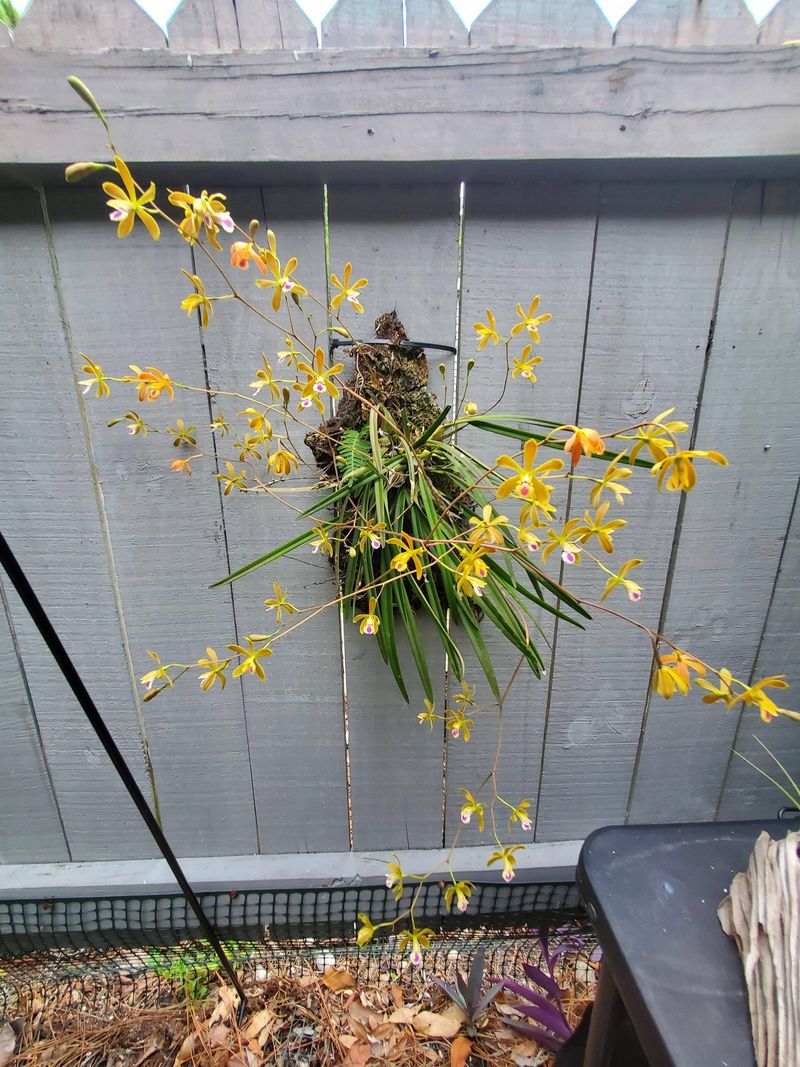
A fertilizer bottle cannot bully an orchid into flowering.
Heavy feeding, especially with lots of nitrogen, can encourage lush leaves and roots while the bloom spike remains nowhere in sight. The plant may look impressively green and still be spending its energy in the wrong direction.
Use fertilizer lightly.
A balanced orchid fertilizer applied at a reduced concentration during active growth is generally more useful than strong doses given sporadically. Consistency matters more than turning every feeding into a chemistry experiment.
Watch the leaves.
Extremely dark, soft growth paired with little flowering can point toward too much nitrogen or too little light. Pale foliage deserves a closer look at roots, media, and light before fertilizer becomes the automatic answer.
Florida water quality varies by location.
Minerals and fertilizer salts can build up in bark or other potting media over time, especially in containers that receive repeated feeding.
Flush the pot thoroughly with plain water on a regular basis so excess salts can wash through the drainage holes.
Bloom-booster formulas are not magic.
Phosphorus alone cannot create flowers when the orchid lacks proper light, healthy roots, or the seasonal cue its genus requires.
Feed to maintain steady growth.
Then let the plant’s environment handle the bigger flowering signals.
Orchids appreciate nutrition, but they do not need a buffet every time you pick up the watering can. A measured meal usually supports the next bloom better than an enthusiastic feast.
4. Create A Clear Day To Night Temperature Shift
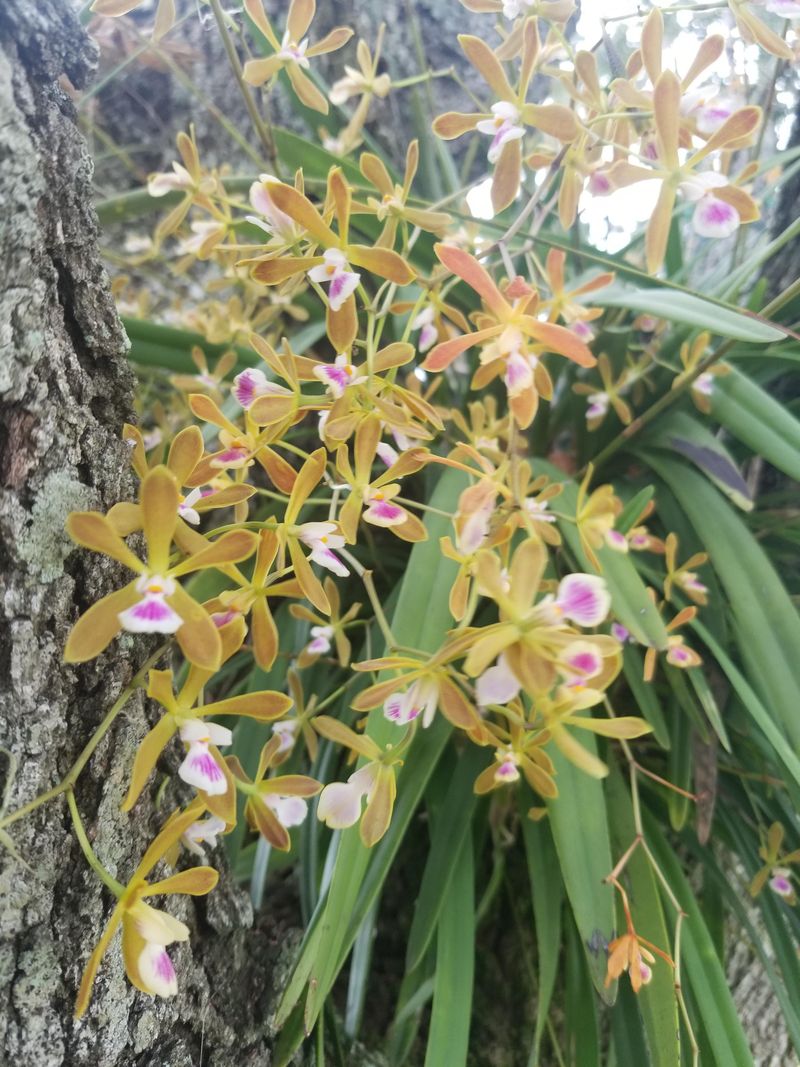
Florida growers can provide perfect water and light yet miss one seasonal clue that matters greatly for Phalaenopsis.
A stretch of cooler nights can help trigger flower-spike development.
The change matters more than chasing one exact temperature. During fall, outdoor and screened-lanai orchids often experience a natural difference between warmer days and cooler nights.
That seasonal shift can encourage a mature Phalaenopsis to move from leaf production toward flowering.
An indoor plant may miss it.
Rooms held at nearly the same temperature around the clock can remove the contrast the orchid would otherwise experience during autumn.
A protected porch or brighter window area can provide a more noticeable nighttime drop once Florida weather begins moderating.
Keep cold limits in mind.
Phalaenopsis is still a warm-growing orchid, so exposing it to chilly conditions is not the goal. Gentle seasonal cooling works very differently from leaving a tropical plant outside during a cold snap.
Other orchid groups follow different rules.
Cattleyas often bloom after new growth matures. Many Oncidium types follow their own growth cycle, while some Dendrobiums respond to seasonal rest, reduced water, or cooler conditions depending on the species.
Know the plant name before applying a Phalaenopsis routine to every pot.
For the common moth orchid, though, a healthy plant that reaches fall without a spike may simply be waiting for nights to feel different from days.
5. Keep Fresh Air Moving Around The Plant
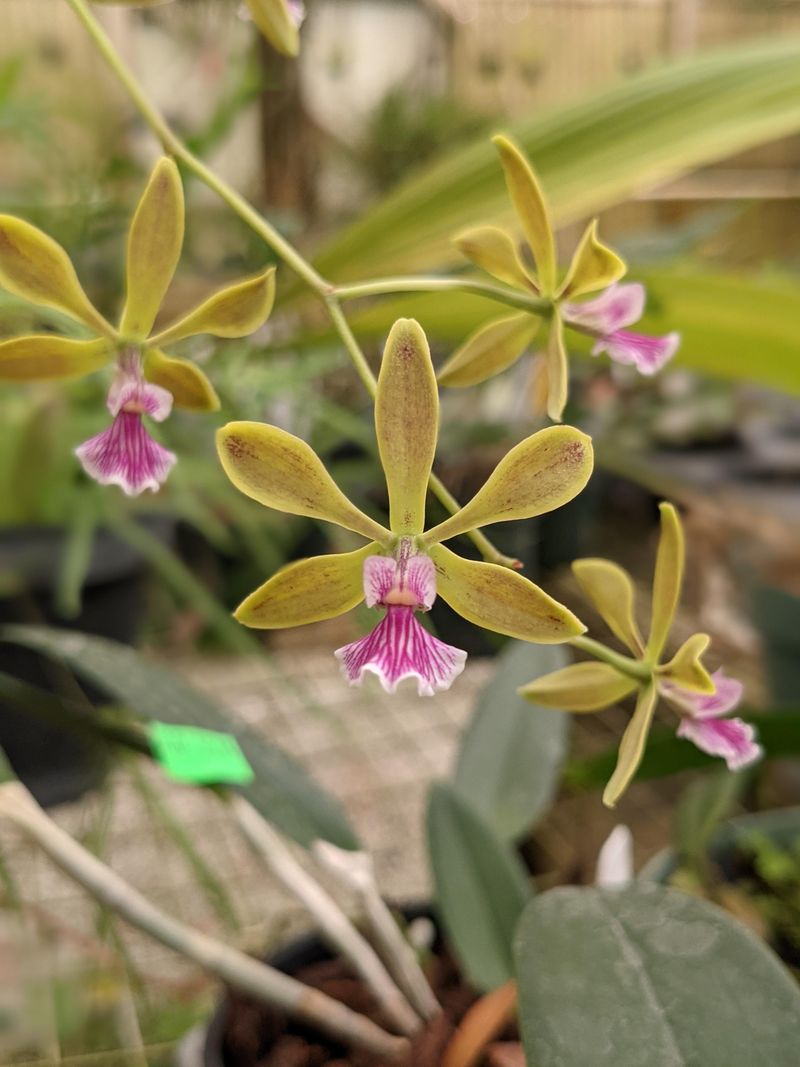
Florida humidity sounds ideal for orchids until the air stops moving.
Warm, stagnant moisture around leaves and roots can slow drying and create conditions that favor spotting, bacterial trouble, and root problems. A plant busy coping with those stresses has fewer resources available for a strong bloom cycle.
Gentle airflow changes the environment quickly.
A screened patio with natural breezes often works beautifully. Indoors, a small fan on low can keep air circulating around several orchids without blasting them directly.
Space the pots too.
Collections have a habit of growing until every shelf becomes a leafy traffic jam. Crowded leaves trap moisture between plants and make it harder to see problems early.
Give each orchid a little breathing room.
After watering, make sure water does not sit deep in leaf joints or the crown for long periods. Florida’s warm, humid nights can keep those areas wet much longer than expected.
Airflow also helps the potting mix dry at a healthier pace.
That makes watering easier to judge and supports the wet-dry rhythm epiphytic roots prefer.
The goal is not dry desert air.
Orchids still appreciate humidity. They simply need that humidity to move.
A Florida lanai can provide a wonderful growing environment once air circulates through it. Your orchid should feel like it lives near a breezy tropical tree, not inside a sealed bathroom after a long shower.
6. Repot When The Growing Mix Breaks Down
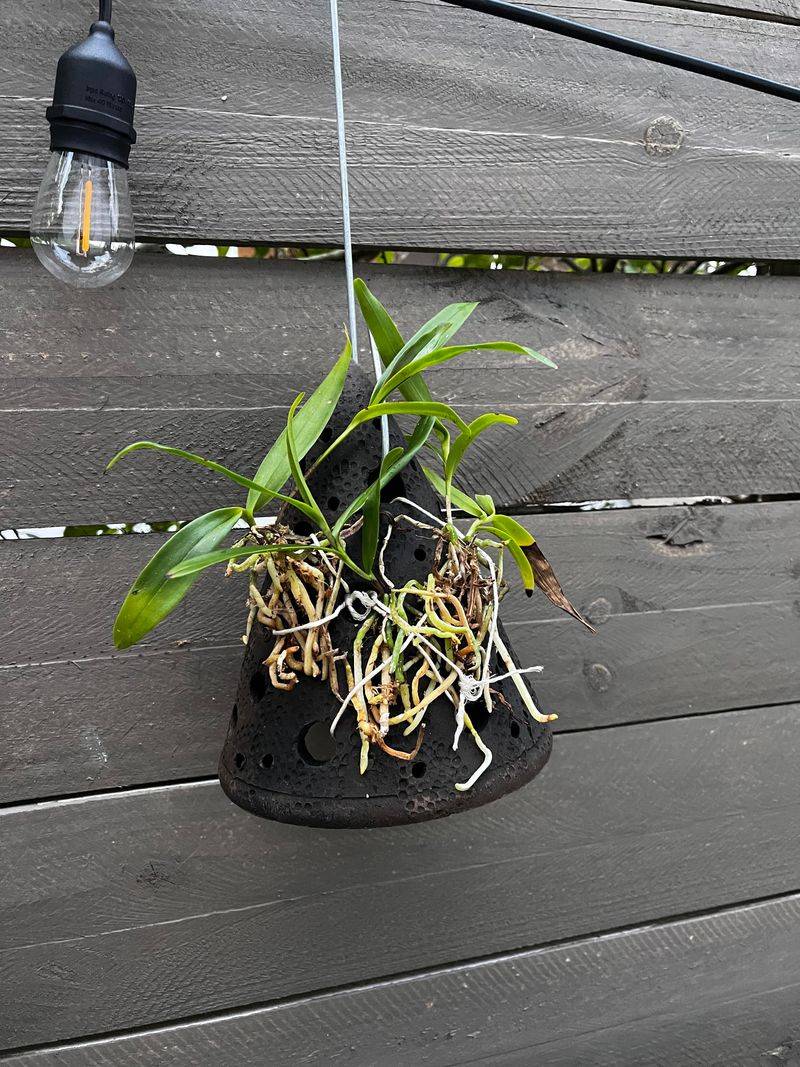
An orchid can receive perfect watering and still stay too wet because the potting mix has changed underneath it.
Fresh bark starts chunky and open.
Over time, those pieces soften, crumble, and pack together. The spaces that once carried air around the roots shrink, and the pot begins holding water far longer than it did when the orchid was first planted.
Florida warmth speeds decomposition.
High humidity and frequent watering can make old media break down quickly, so checking the mix every year is more useful than assuming one repotting schedule fits every plant.
Press the bark gently.
Firm chunks with visible air spaces are encouraging. Dark, soft material that feels almost soil-like suggests the mix has reached the end of its useful life.
Repot around active root growth when possible.
Remove the old media, trim only roots that are clearly soft or hollow, and choose a clean pot that fits the remaining root system without leaving a huge reservoir of unused mix around it.
Oversized pots stay wet longer.
Orchids generally perform better with a snug root fit and plenty of drainage than with a large decorative container filled with moisture-holding material.
Fresh media does more than prevent root trouble.
It restores oxygen around the roots, which helps the plant absorb water and nutrients efficiently.
Sometimes the missing flower spike is not asking for more care. It is asking for the old bark to finally retire.
7. Trim Old Flower Spikes With Care
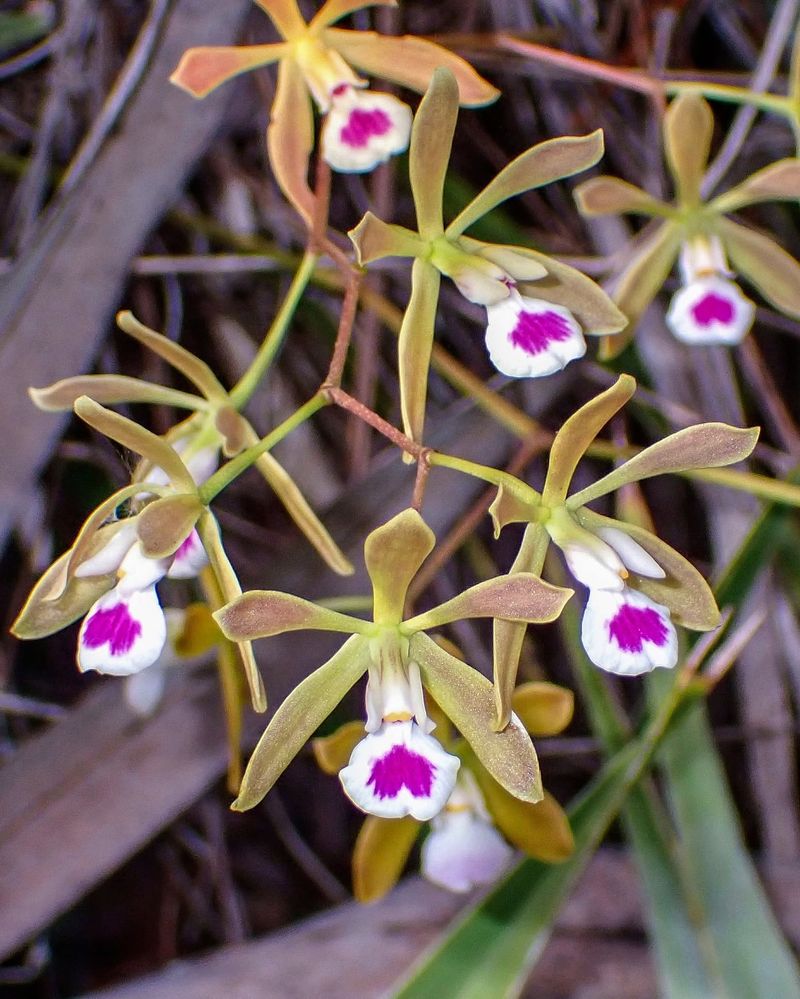
The last flower drops, and suddenly the old spike becomes the biggest question on the plant.
For Phalaenopsis, a green spike can sometimes produce another branch from a dormant node. That makes immediate removal optional rather than automatic.
Look closely at the spike.
Green, firm tissue still has potential. A brown, dry, shriveled spike has finished its job and can be cut near the base with a clean tool.
A mature, vigorous Phalaenopsis may rebloom from a node on an old green spike.
Trimming just above a healthy node can encourage a side branch in some plants, though a fresh spike from the base often produces a stronger display later.
Plant condition should guide the choice.
An orchid recovering from root stress, weak growth, or recent repotting may benefit from having the old spike removed so energy can go toward roots and leaves instead.
Other orchid genera behave differently.
Cattleyas, Oncidiums, and many Dendrobiums do not simply reuse an old flower spike the same way a Phalaenopsis can. Their next blooms usually come from new mature growth.
Sterilize cutting tools before moving between plants.
That small step reduces the chance of carrying disease from one orchid to another.
An old spike is not clutter by default.
On a healthy moth orchid, it may still be holding one more small surprise.
8. Let A Healthy Orchid Set The Blooming Pace
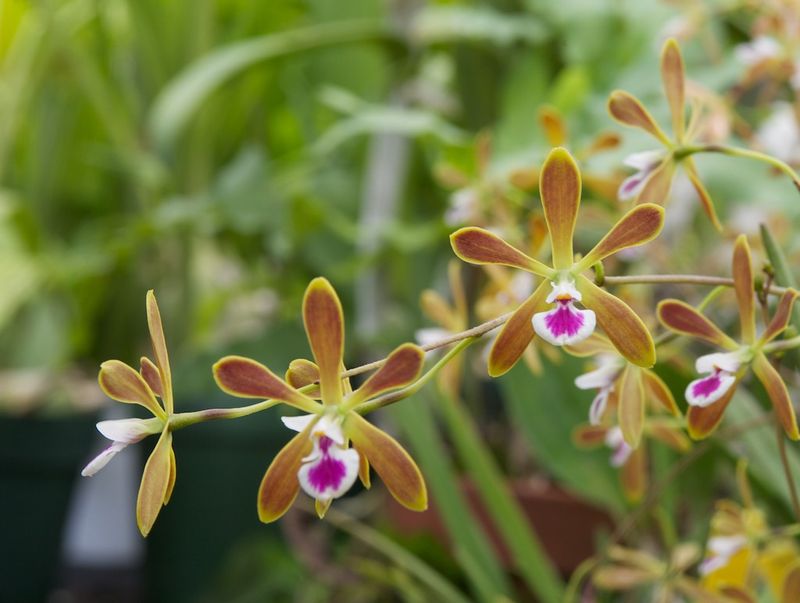
Healthy new leaves can feel frustrating when flowers are the goal, but they are not wasted growth.
Orchids bloom from stored energy and mature structures. A plant recovering from damaged roots, repotting stress, pests, or poor conditions may spend an entire season rebuilding before it has enough strength to flower well again.
Watch the direction of growth.
Firm new roots with bright tips, expanding leaves, or a maturing pseudobulb show that the plant is actively preparing for future cycles. Those signs are more encouraging than forcing a weak plant toward flowers with extra fertilizer.
Maturity matters too.
Young orchids may need several years before they reach flowering size. Divisions and recently purchased plants can also need time to settle into a new Florida environment.
Each genus follows its own rhythm.
Phalaenopsis often spikes after seasonal cooling. Cattleyas commonly bloom after particular growths mature. Oncidiums tend to flower from completed growth cycles, while Dendrobium behavior varies widely among groups.
That is why the plant label is worth keeping.
Knowing the genus, and ideally the hybrid or species, turns reblooming from guesswork into a seasonal pattern you can actually follow.
Patience works best when paired with observation.
A plant doing nothing for months deserves investigation. A plant steadily building healthy roots and leaves is already moving forward.
Sometimes the next flower is not late. The orchid is simply finishing the work that comes before it.