The Most Underrated Michigan Patio Plant That Handles Extreme August Heat Beautifully
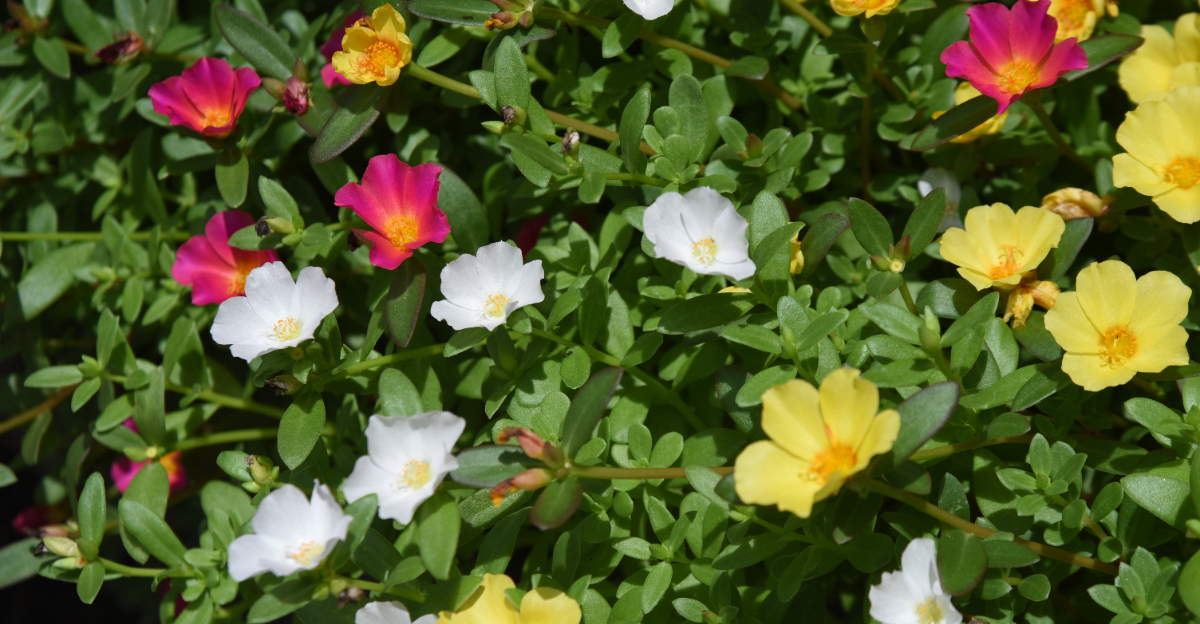
Portulaca deserves far more attention as a patio plant, especially considering how effortlessly it handles Michigan’s most intense August heat waves.
This low growing succulent thrives in full sun conditions that leave many other container plants wilted and struggling by midday.
Its thick, water storing leaves allow portulaca to tolerate infrequent watering without sacrificing the vibrant, colorful blooms it produces throughout summer.
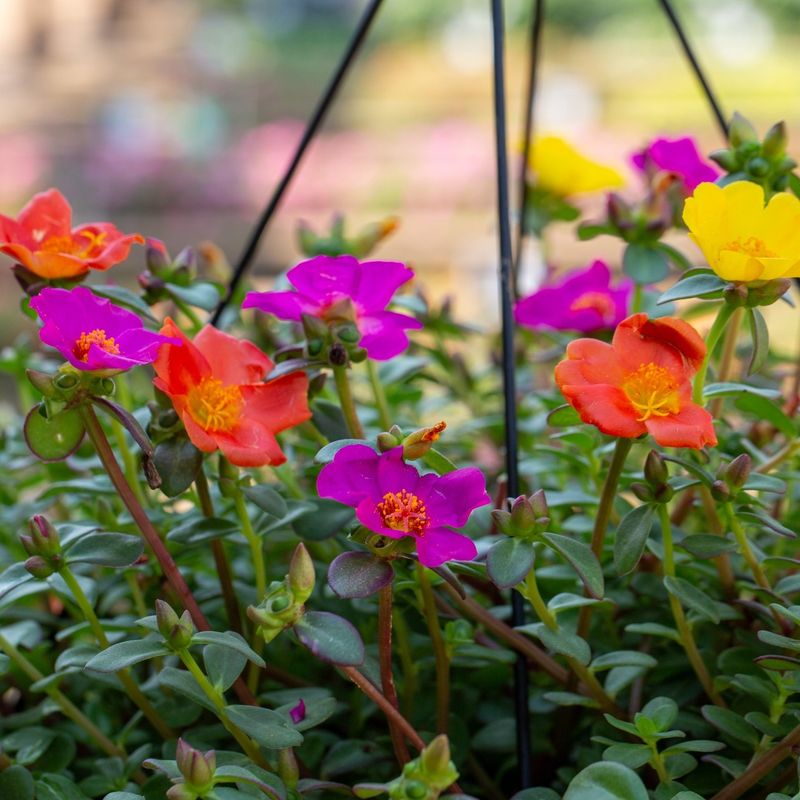
Flowers open each morning in shades of pink, orange, yellow, and red, creating a cheerful display right through the hottest part of the season.
Unlike many patio favorites, portulaca actually performs better in poor, well draining soil rather than rich potting mix. Its trailing habit works beautifully in hanging baskets or spilling over container edges on a sunny patio.
Deadheading occasionally encourages even more blooms, though the plant flowers reliably with very little maintenance overall. Choosing portulaca solves the common August patio struggle with surprisingly little effort required.
1. Portulaca Is The August Heat Standout
Some plants look amazing in the garden center and fall apart the moment August heat arrives. Portulaca is the complete opposite.
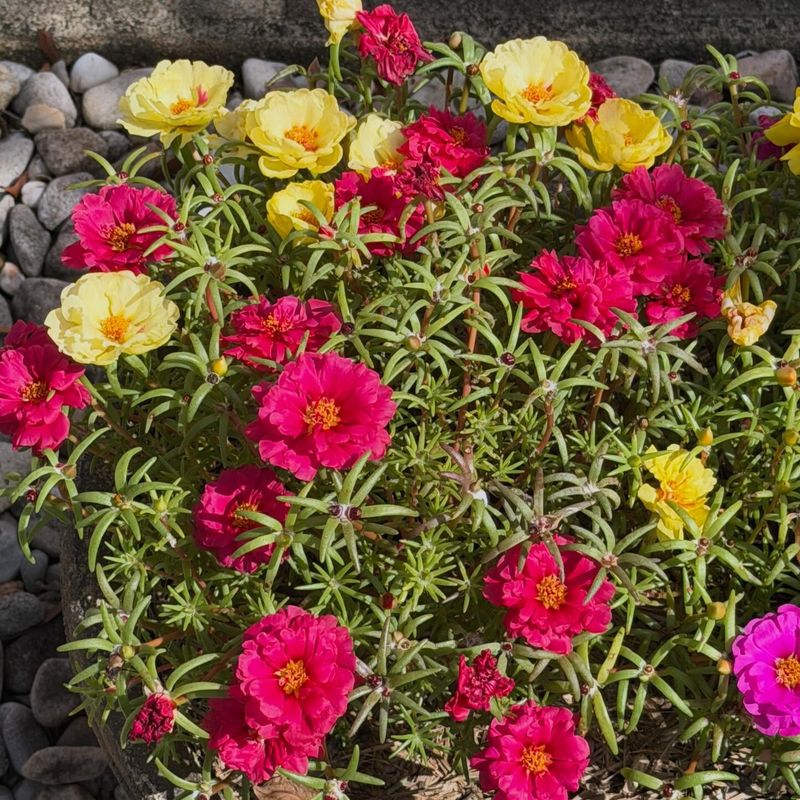
Also known as moss rose, this low-growing annual thrives when temperatures climb and the sun beats down hardest. It practically celebrates hot weather.
Originally native to South America, Portulaca has been grown in American gardens for well over a century. Gardeners in warm, dry regions discovered early on that this plant does not just survive heat, it actually performs better because of it.
Michigan summers, with their intense July and August sun, are a perfect match for what Portulaca was built to handle.
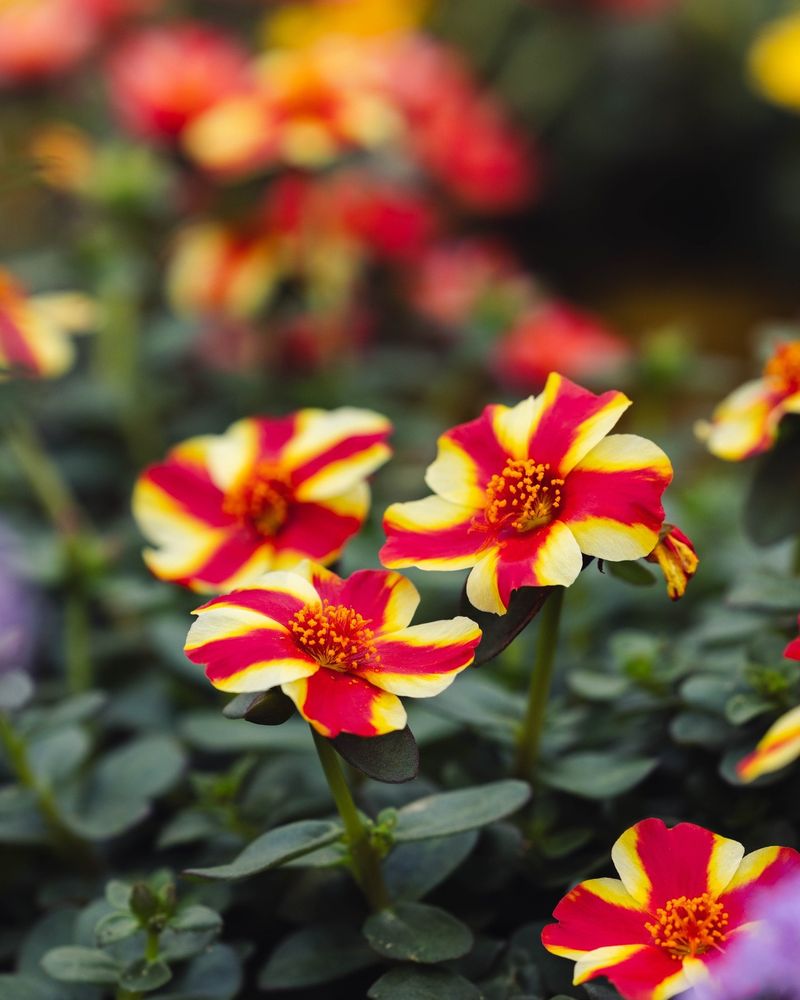
The flowers come in a jaw-dropping range of colors, including hot pink, coral, yellow, white, orange, red, and soft lavender. Some varieties even have striped or bi-colored blooms that look almost too beautiful to be real.
Each flower only lasts one day, but the plant produces so many buds that the display stays full and vibrant for weeks on end.
For Michigan patio gardeners who feel frustrated watching other plants wilt and struggle in late summer, Portulaca brings something genuinely refreshing. You get bold, reliable color right when most of your other containers start looking tired.
It is compact, cheerful, low-maintenance, and surprisingly easy to find at Michigan nurseries each spring. Once you try it on your patio, it is hard to imagine going back to plants that need constant babying just to survive the season.
2. Heat Does Not Stop The Flowers
Most gardeners have had the experience of watching a beautiful container plant simply stop flowering once summer really heats up. Impatiens fade, petunias get leggy, and some annuals just shut down during the hottest stretches of the season.
Portulaca does none of that. The reason Portulaca keeps blooming in extreme heat comes down to its biology.
It uses a special type of photosynthesis called CAM, or Crassulacean Acid Metabolism, which allows it to conserve water and keep functioning efficiently even when other plants are struggling.
This is the same process used by cacti and succulents, and it gives Portulaca a serious advantage during Michigan’s brutal August afternoons.
Your Michigan Garden Changes Every Week. Your Plan Should Too.
Gardening in Michigan changes quickly throughout the season. Every Friday you’ll receive a simple weekly plan showing exactly what to plant, prune, fertilize, harvest, and protect so you never miss the right timing.
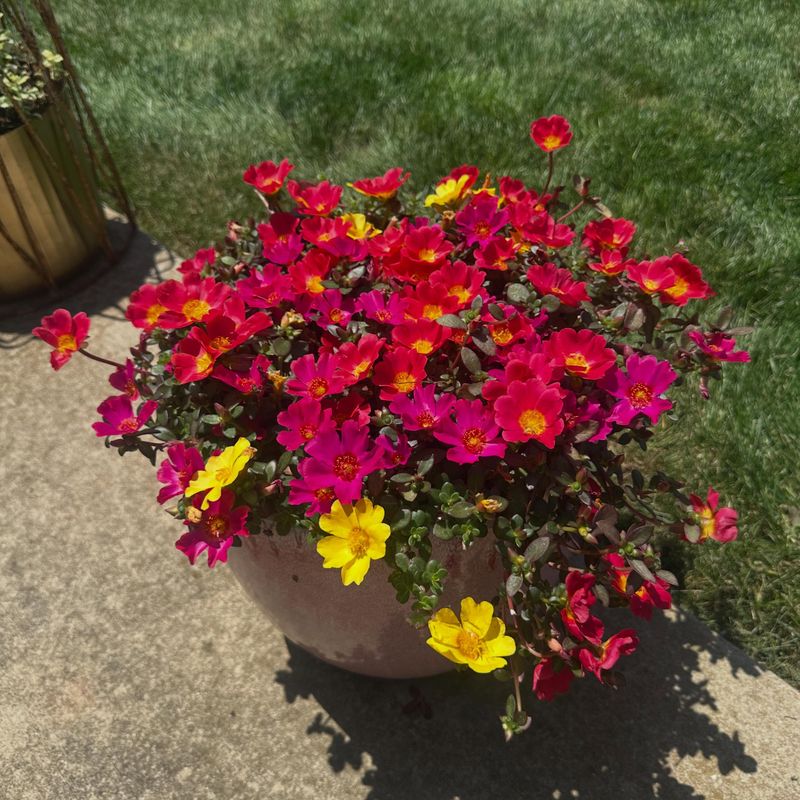
When temperatures climb into the 90s, Portulaca does not slow down. The blooms continue opening every morning, the foliage stays healthy and green, and the plant keeps pushing out new buds without any extra help from you.
That kind of reliability is hard to find in a flowering annual. There is something genuinely satisfying about walking out onto your patio on the hottest day of the year and seeing your Portulaca looking as cheerful and full as ever.
While neighboring containers might be drooping and looking sorry for themselves, your moss rose is putting on a full show.
For Michigan gardeners who want a patio that looks great all the way through Labor Day weekend, Portulaca is one of the most dependable choices you can make for summer containers.
3. Give It Plenty Of Sun
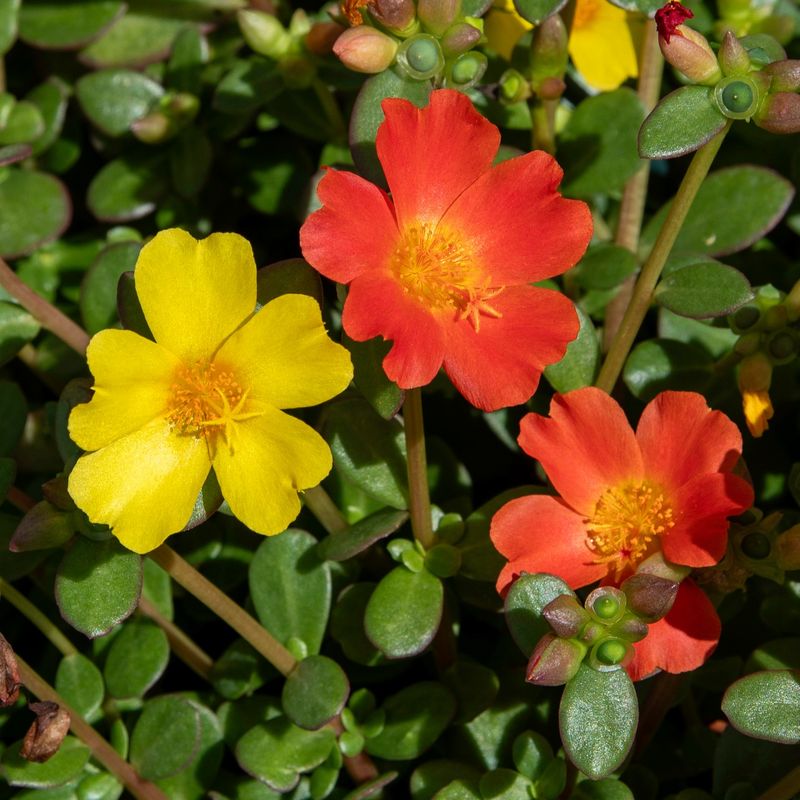
Forget about finding a shady corner for this one. Portulaca is a full sun plant through and through, and it needs at least six to eight hours of direct sunlight each day to perform at its best.
Place it anywhere with less sun, and the flowers will close up and the plant will grow thin and weak.
On a Michigan patio or deck that faces south or west, Portulaca is going to be absolutely in its element. Those hot, reflective surfaces that other plants struggle with are exactly the kind of environment where moss rose thrives.
The more sun it soaks up, the more flowers it produces, and the fuller and more colorful the plant becomes over time.
One thing many gardeners do not realize is that Portulaca flowers actually close at night and on cloudy days. This is a natural response tied to light levels, not a sign that anything is wrong.
On bright sunny mornings, the blooms open up wide and show off their full color, which makes sunny patio spots the ideal stage for this plant to really shine.
If your Michigan patio tends to be shaded by trees, an overhang, or a neighboring structure, Portulaca might not be your best pick. But if you have a hot, sun-drenched spot where other plants struggle to survive, that is the perfect home for moss rose.
Plant it where the sun is strongest, step back, and watch it reward you with weeks of gorgeous color through even the most intense summer heat.
4. Let The Container Drain Well
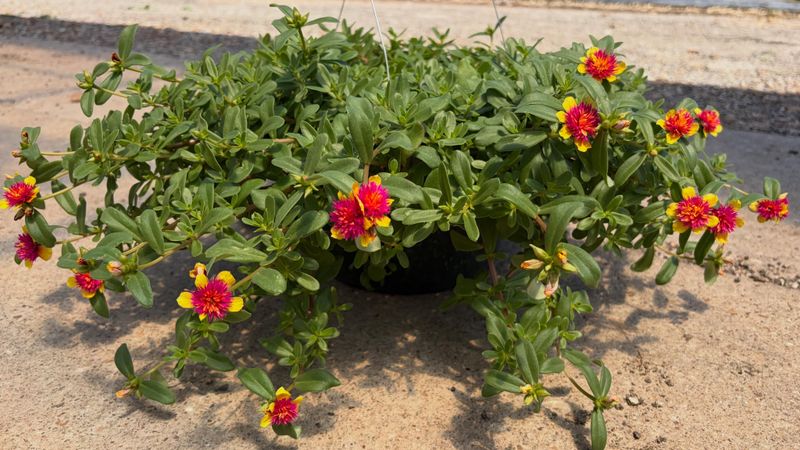
Drainage might not sound exciting, but for Portulaca it is genuinely one of the most important things you can get right. This plant has succulent-like roots that are designed to store moisture, which means they are very sensitive to sitting in soggy soil.
A container without proper drainage can cause the roots to rot quickly, and the plant will decline fast.
When choosing a pot for your Portulaca, always pick one that has drainage holes at the bottom. Terracotta pots work especially well because they are porous and allow excess moisture to evaporate through the walls.
Plastic containers can work fine too, as long as they drain freely and you are not leaving them sitting in a tray full of standing water after rain.
The potting mix you use also matters. A standard potting mix works, but blending in some perlite or coarse sand improves drainage significantly and keeps the soil from compacting.
Some gardeners even use cactus mix for their Portulaca containers, and the results are excellent. The goal is a light, airy growing medium that lets water move through quickly rather than pooling around the roots.
Michigan summers can bring sudden heavy rainstorms, and those downpours can quickly oversaturate containers that do not drain well. If your pot is sitting on a saucer, empty it after heavy rain so water does not wick back up into the soil.
Getting the drainage right from the start gives your Portulaca the foundation it needs to stay healthy and blooming all summer long.
5. Do Not Overwater It
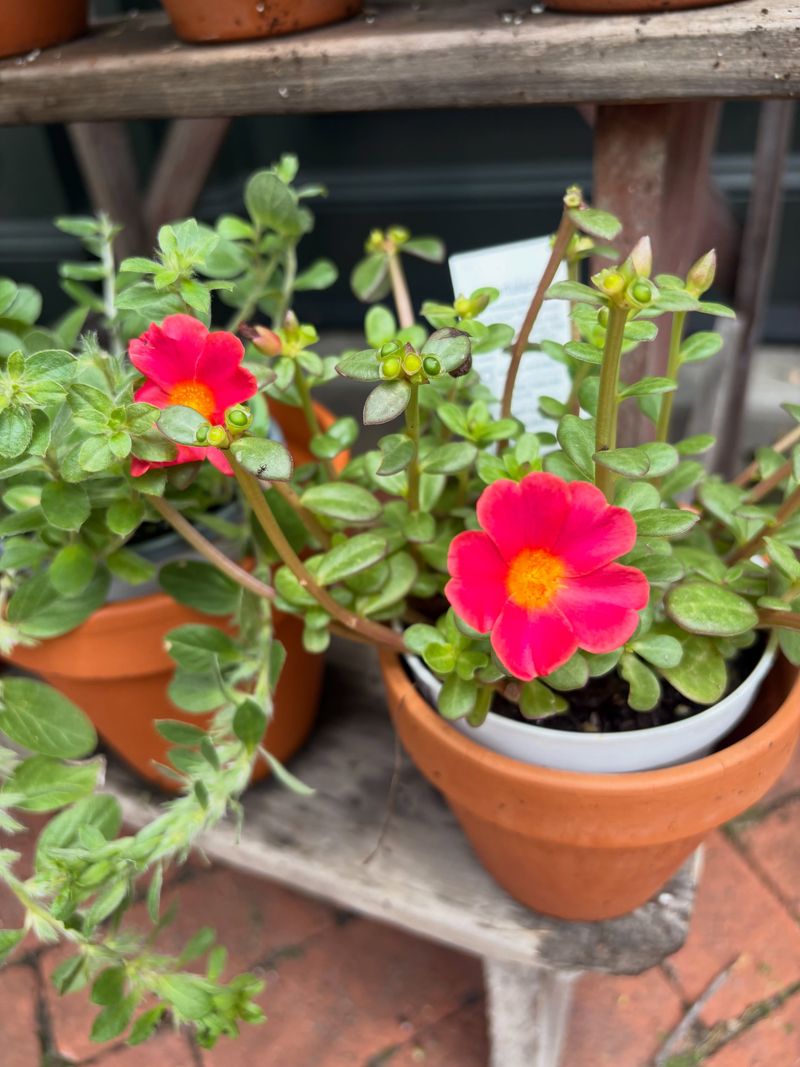
Here is something that surprises a lot of new Portulaca growers: this plant actually prefers to dry out a little between waterings.
Because its thick, fleshy stems and leaves store water much like a succulent does, giving it too much water too often does more harm than good. Less really is more with moss rose.
A simple way to check if your Portulaca needs water is to stick your finger about an inch into the soil. If the soil still feels moist, wait another day or two.
If it feels dry, go ahead and water thoroughly until it drains out the bottom. That pattern of watering deeply and then letting the soil dry out a bit is exactly what this plant loves.
Compared to thirstier patio plants like fuchsia, impatiens, or calibrachoa, Portulaca can be a real time-saver. During a stretch of hot, dry Michigan weather, you might only need to water every two or three days instead of every single day.
On weeks when rain does the job for you, you may barely need to water at all. That kind of flexibility is genuinely helpful for busy homeowners who want a beautiful patio without a demanding watering schedule.
Overwatering is actually the most common way people accidentally harm their Portulaca. Yellow, mushy stems are a sign the plant is getting too much moisture.
Once you dial in the right watering rhythm, the plant becomes remarkably self-sufficient and continues producing flowers with very little attention from you throughout the entire growing season.
6. Use It In Pots And Hanging Baskets
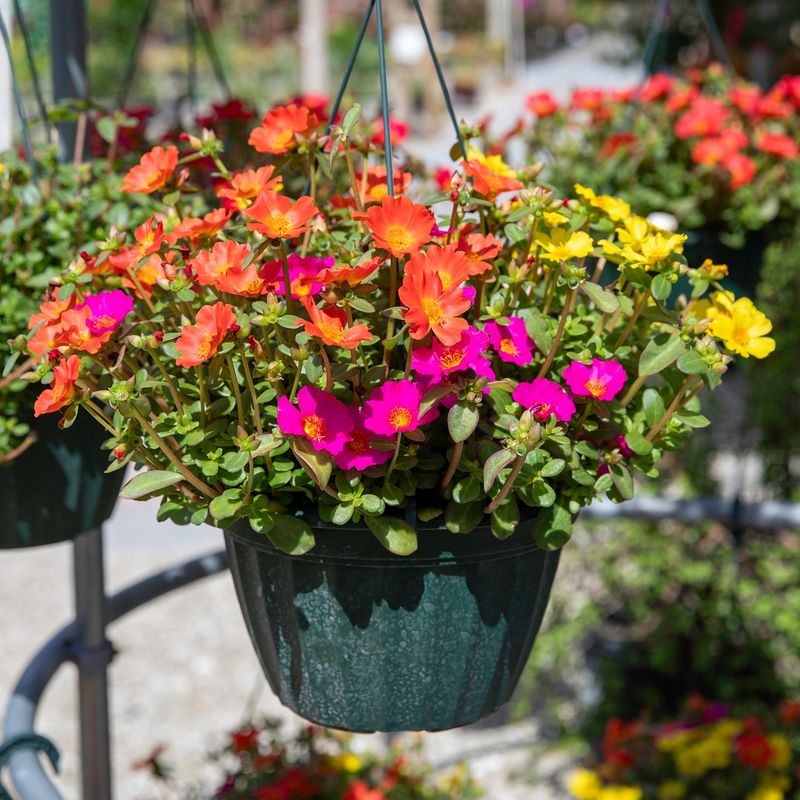
One of the most fun things about Portulaca is how well it adapts to different types of containers.
Whether you are working with a large ceramic pot, a window box, or a hanging basket, moss rose fills the space with color in a way that few other summer annuals can match.
Its naturally spreading and trailing growth habit is a big part of what makes it so versatile.
In a hanging basket, Portulaca looks absolutely spectacular. The stems spill over the edges and cascade downward, creating a waterfall of blooms in every direction.
Because the plant thrives in the heat and sun that hanging baskets are often exposed to, it stays looking fresh and full long after other basket plants start to fade.
For Michigan porches and pergolas that get strong afternoon sun, a Portulaca hanging basket is one of the smartest choices you can make.
In ground-level pots, Portulaca spreads outward to fill the container without becoming invasive or unruly. It combines beautifully with other sun-loving plants like vinca, angelonia, or lantana if you want to create a mixed planter.
Or you can grow it solo and let the sheer variety of flower colors within one plant create a naturally colorful display all on its own.
Window boxes benefit from Portulaca too, especially boxes mounted on south or west-facing walls that absorb a lot of heat.
The plant hugs the soil, spills over the edges, and creates a charming, cottage-style look that makes the whole front of a house feel welcoming and full of summer energy.
7. Expect Color Through Late Summer
August in Michigan can be brutal for garden containers. The combination of intense heat, dry spells, and relentless sun wears down even tough plants, and many patio gardens start looking sparse and faded by mid-month.
Portulaca is the rare annual that actually hits its stride right when other plants are running out of steam.
The reason Portulaca stays colorful so late in the season comes back to its love of heat and sun. While other annuals slow their flower production as temperatures peak, Portulaca responds to those same conditions by producing even more buds.
Gardeners often notice that their moss rose looks fuller and more colorful in August than it did back in June, which is a pretty remarkable quality for a patio plant to have.
Late summer entertaining is a big deal in Michigan. Backyard barbecues, outdoor dinners, and end-of-summer gatherings all deserve a patio that looks its absolute best.
Having Portulaca in your containers means you will have bold, cheerful color in the background for every one of those moments, right through Labor Day and beyond if temperatures stay warm enough.
Some gardeners make the mistake of giving up on their patio plantings in August and letting things go. Portulaca makes it easy to resist that temptation.
Because it keeps blooming without deadheading, without extra fertilizing, and without constant watering, the effort required to keep your patio looking great in late summer is genuinely minimal.
You get maximum color with minimum work, which is about as good as it gets for a summer patio plant.
8. Treat It As A Michigan Summer Annual
Portulaca is a warm-season annual in Michigan, and understanding that upfront actually makes it easier to enjoy.
Unlike perennials that come back year after year, Portulaca is meant to be planted fresh each spring and celebrated throughout the warm months.
It gives everything it has to the season, and that is exactly what makes it so rewarding.
Michigan winters are far too cold for Portulaca to survive outdoors. The plant is native to tropical and subtropical regions, and it has no tolerance for frost.
Once temperatures drop below 50 degrees Fahrenheit consistently, the plant will begin to decline.
Bringing it indoors is generally not worth the effort, as it rarely thrives inside during winter months without intense grow lights and specific conditions that most homes cannot provide.
The good news is that Portulaca is quite affordable and widely available at Michigan garden centers starting in late spring.
Most nurseries carry a solid selection of colors and varieties by mid-May, right when the risk of frost has passed and patio planting season begins.
Some varieties even self-seed lightly, meaning you might find a few volunteer seedlings popping up near your containers the following summer, which is always a pleasant surprise.
Thinking of it as a seasonal celebration rather than a permanent fixture makes the whole experience more enjoyable. You get to choose new colors each year, try different varieties, and mix things up on your patio with fresh combinations.
Portulaca rewards that seasonal approach with stunning performance from planting day all the way through the last warm days of Michigan summer.