Kentucky Gardeners Should Never Touch This Bright Green Caterpillar
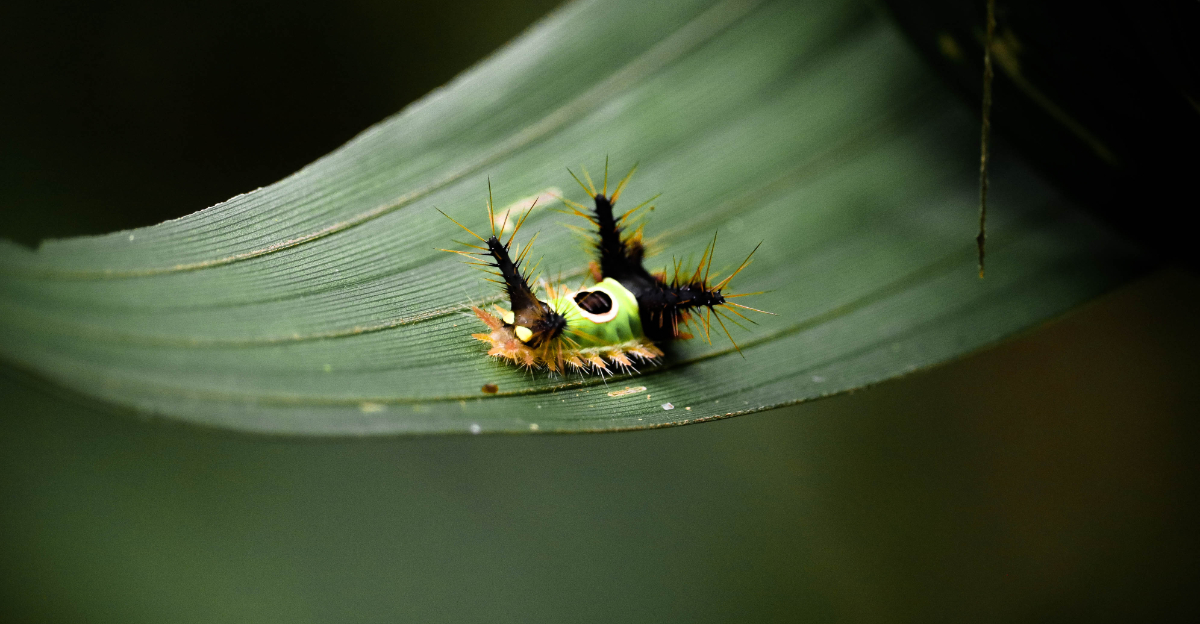
This caterpillar’s bright color can be misleading. Bright green skin hides a secret most people never truly notice. Kentucky homeowners keep discovering this creature clinging to leaves nearby.
Underneath that stunning color hides a real threat. Venomous spines cover its body, ready to deliver a painful sting. Touching it sends a sting racing through your skin almost instantly.
Doctors across Kentucky report reactions ranging from swelling to burning. Children often mistake it for a bright toy or decoration. Curiosity draws careless hands closer before caution ever kicks in.
Gardens, porches, and patios become hunting grounds for this insect. Nothing about its beauty warns you of what truly waits beneath. Every step outside now carries a small, very real risk.
Awareness helps you avoid accidental contact. Ahead, real details reveal exactly why this sting deserves your attention. You will never look at gardens the same.
Meet The Saddleback, A Kentucky Garden Regular
Spotted something wild on your tomato plant? The Saddleback Caterpillar shows up in gardens across the region every summer without fail.
Its scientific name is Acharia stimulea, and it belongs to the slug moth family. That name sounds harmless, but this little creature is anything but.
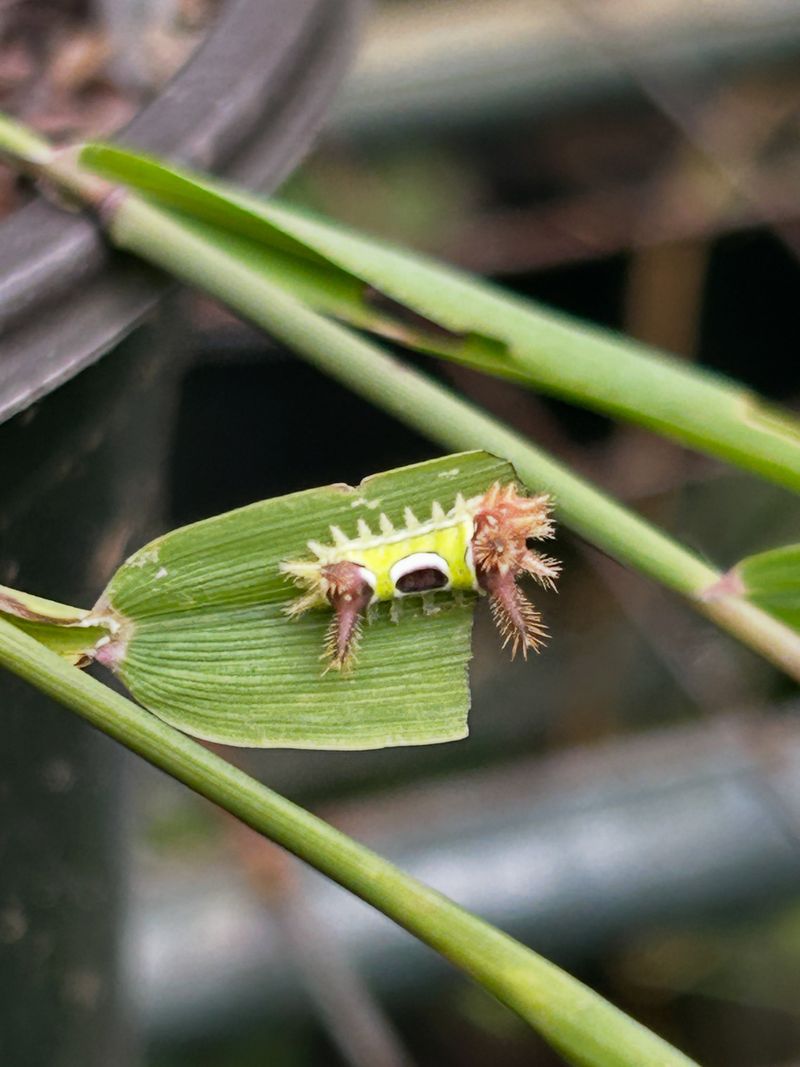
The caterpillar grows to about an inch long. Its body is a bold, almost neon green with a rich brown oval patch centered on its back.
That brown patch looks exactly like a saddle sitting on a horse. White outlines frame the saddle, making it pop against the green body.
Four clusters of sharp, hollow spines stick out from each corner of the body. Those spines are the real danger hiding beneath all that beauty.
Gardeners in the region find them on a wide range of plants. Corn, roses, blueberries, and ornamental shrubs are all fair game for this caterpillar.
The Saddleback Caterpillar is not rare or hard to find. It is actually one of the more common stinging caterpillars found in backyard spaces here.
Most people encounter one while weeding or harvesting. They brush a hand across a leaf and suddenly feel a sharp, burning sting.
Knowing what this creature looks like before you meet it makes all the difference. The bright green color is your first and best warning signal.
That Bright Green Color Comes With A Warning
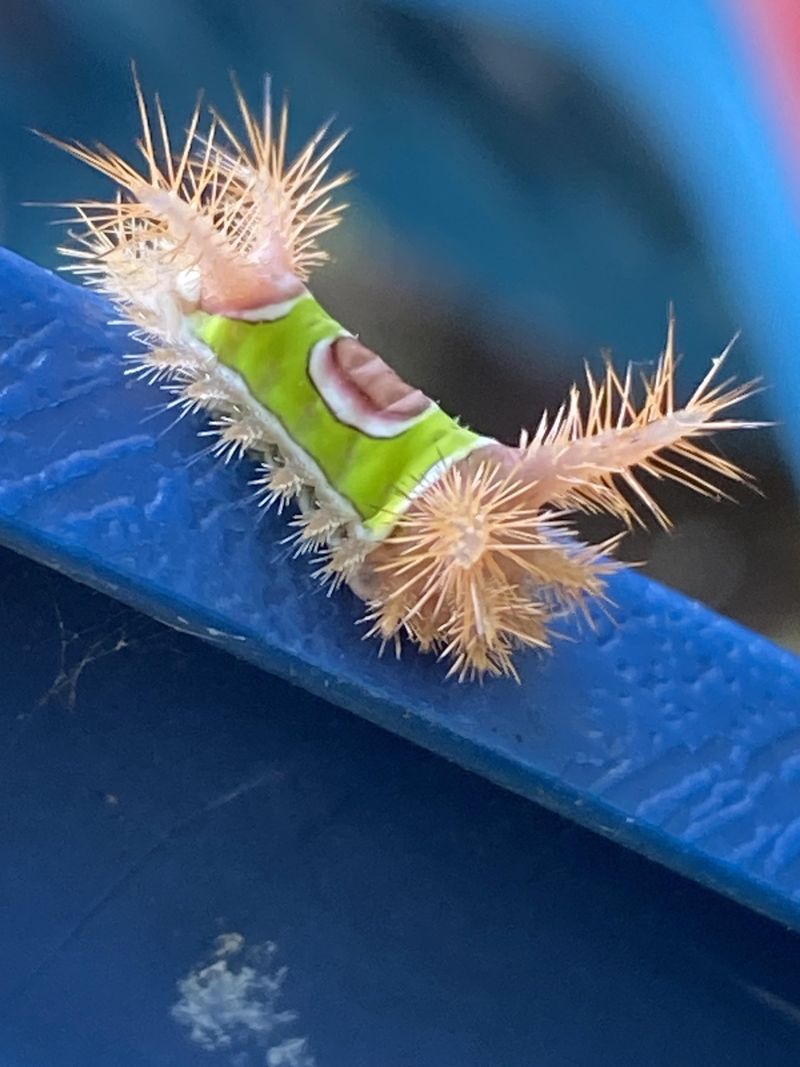
Nature uses color like a stop sign, and the Saddleback Caterpillar is a perfect example. That electric green shade is not just for looks.
In the animal world, bright colors often signal danger to predators. Scientists call this aposematism, which is a fancy word for warning coloration.
Birds and other insects learn quickly to avoid creatures that wear bold, flashy patterns. The Saddleback has been rocking this strategy for millions of years.
The green body blends into leaf surfaces at a glance. But up close, the contrast between green, brown, and white makes it unmistakable.
Most gardeners are not thinking about color-coded warnings when they are pulling weeds. That is exactly when accidental contact happens most often.
Your Kentucky Garden Changes Every Week. Your Plan Should Too.
Gardening in Kentucky changes quickly throughout the season. Every Friday you’ll receive a simple weekly plan showing exactly what to plant, prune, fertilize, harvest, and protect so you never miss the right timing.
The spines surrounding the body are connected to venom glands beneath the skin. A single brush against those spines releases irritating compounds into your skin.
The reaction is immediate and surprisingly intense for such a small creature. Many people describe the feeling as similar to touching a hot stove.
Children are especially at risk because they are curious and tend to pick up anything that looks interesting. Bright green is basically an invitation to a young explorer.
Teaching kids to admire garden creatures from a safe distance is smart parenting. The bright green color of the Saddleback Caterpillar is beautiful, but it is a warning you should absolutely respect.
One Touch Triggers Welts, Swelling, And Pain

Accidental contact with a Saddleback Caterpillar is not something you forget quickly. The sting hits fast and hard, catching most people completely off guard.
Within seconds of contact, a sharp burning sensation spreads across the skin. It feels like a bee sting and a nettle rash happening at the same time.
Red welts appear almost immediately at the point of contact. The skin around the area often swells and turns blotchy within minutes.
Some people experience intense itching alongside the burning pain. Scratching the area only makes things worse and can break the skin open.
The hollow spines of the caterpillar act like tiny hypodermic needles. They snap off on contact and release venom directly into the upper layers of skin.
For most healthy adults, the reaction stays localized to the contact area. Pain and swelling typically peak within an hour and then slowly improve.
However, some individuals have stronger responses due to skin sensitivity or mild allergies. In those cases, swelling can spread beyond the initial sting site.
Nausea has been reported by people who experienced contact across a large skin area. This is less common but worth noting.
Anyone who develops hives, difficulty breathing, or widespread swelling needs medical attention right away. The Saddleback Caterpillar packs a punch that demands serious respect from every gardener.
Looks Harmless, But Isn’t
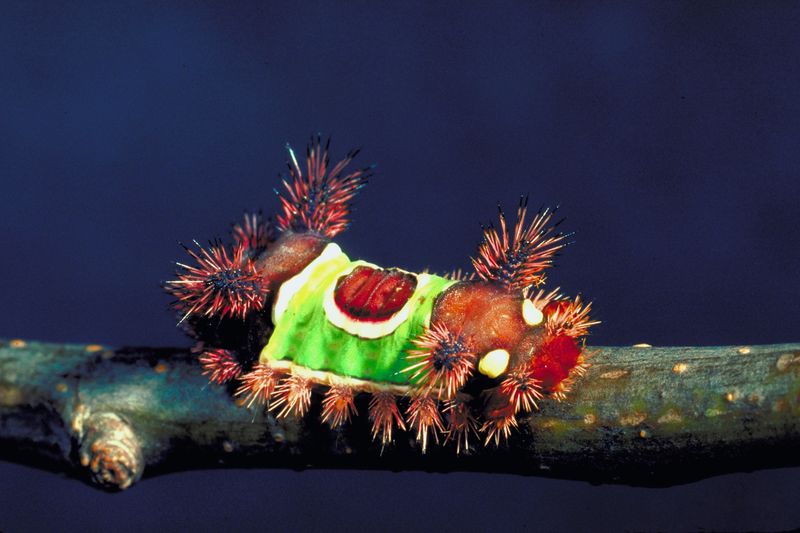
Garden creatures that look adorable are sometimes the most hazardous ones to handle. The Saddleback Caterpillar is a masterclass in deceptive appearances.
At first glance, the creature looks almost cartoonish and cute. The rounded body, cheerful green color, and bold pattern make it seem like a garden toy.
That is exactly the reaction it exploits in curious humans and inexperienced predators. Looking harmless is a survival strategy that has worked brilliantly for this species.
Experienced Kentucky gardeners sometimes mistake it for a decorative garden pest with no real bite. That assumption leads to the kind of contact that ruins an afternoon fast.
The spines themselves are nearly invisible unless you look closely. They blend into the body’s texture and only become obvious when you examine the caterpillar carefully.
Even photos of the Saddleback Caterpillar fail to convey how sharp those spines feel. A photograph makes the creature look soft and touchable.
Pest guides sometimes group stinging caterpillars together with non-stinging species. That grouping causes confusion for people who assume all caterpillars behave the same way.
Only a small percentage of caterpillar species in North America are capable of stinging. Knowing which ones can sting is genuinely useful knowledge for any gardener.
Appearances in the garden world are almost never the full story. The Saddleback Caterpillar proves that appearances don’t always indicate safety.
Shrubs, Corn, And Garden Edges Are Prime Territory
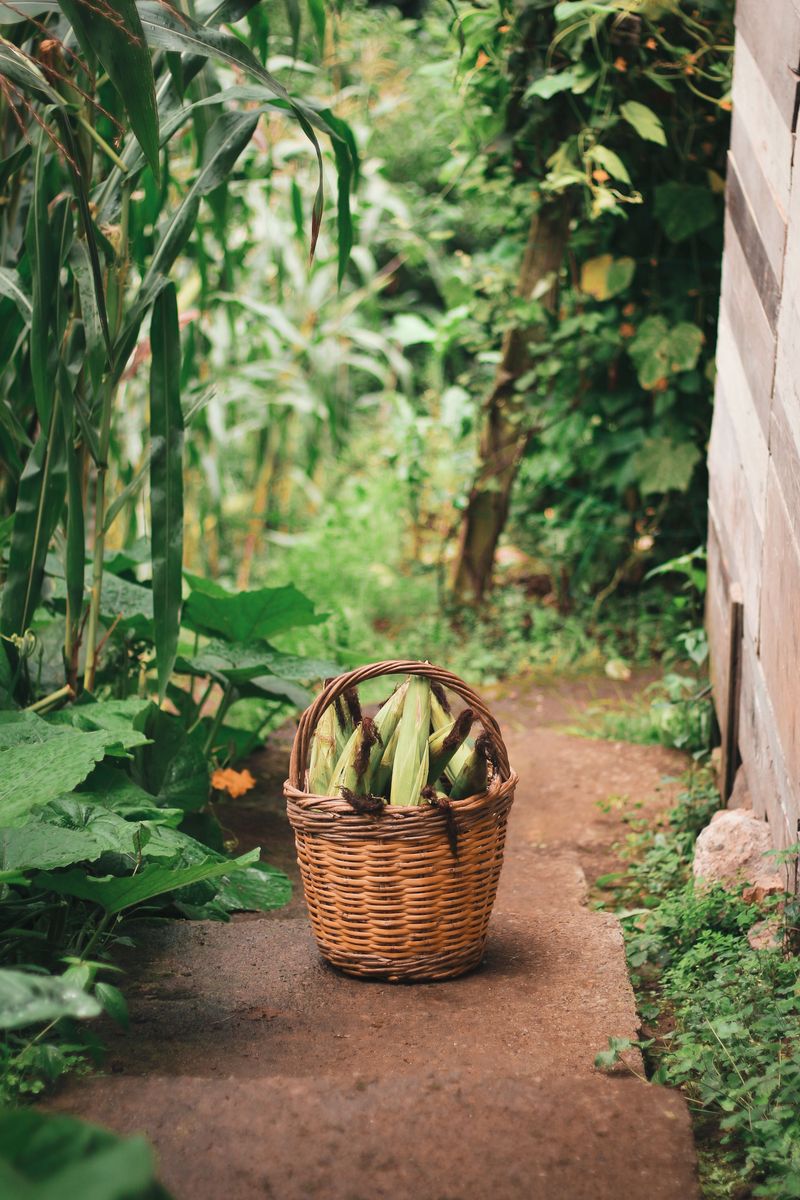
Knowing where to look for the Saddleback Caterpillar is just as important as knowing what it looks like. This species has strong preferences for certain types of plants.
Corn is one of the most common host plants for this caterpillar in home gardens. The broad leaves provide shelter and a generous food source through the growing season.
Rose bushes are another favorite hangout for the Saddleback Caterpillar. Gardeners pruning roses in late summer are among the most frequent sting victims each year.
Blueberry plants, apple trees, and ornamental shrubs also attract this species regularly. Any plant with large, smooth leaves in a partly shaded spot is worth checking.
The edges of garden beds are particularly risky areas. Caterpillars often rest on the underside of leaves right at the border between mulch and greenery.
Reaching beneath a shrub without looking first is a common mistake in garden maintenance. That quick reach is often how stings happen.
The caterpillar is most active from mid-summer through early fall. Late summer tends to bring more reported encounters in home gardens.
Wearing gloves while gardening during those months is a smart and simple precaution. Thick fabric gloves stop the spines from reaching your skin entirely.
Scanning leaves before grabbing them adds only a few seconds to your routine. Those extra seconds could save you a painful afternoon of swelling and burning skin.
Here’s What Helps If You Already Got Stung
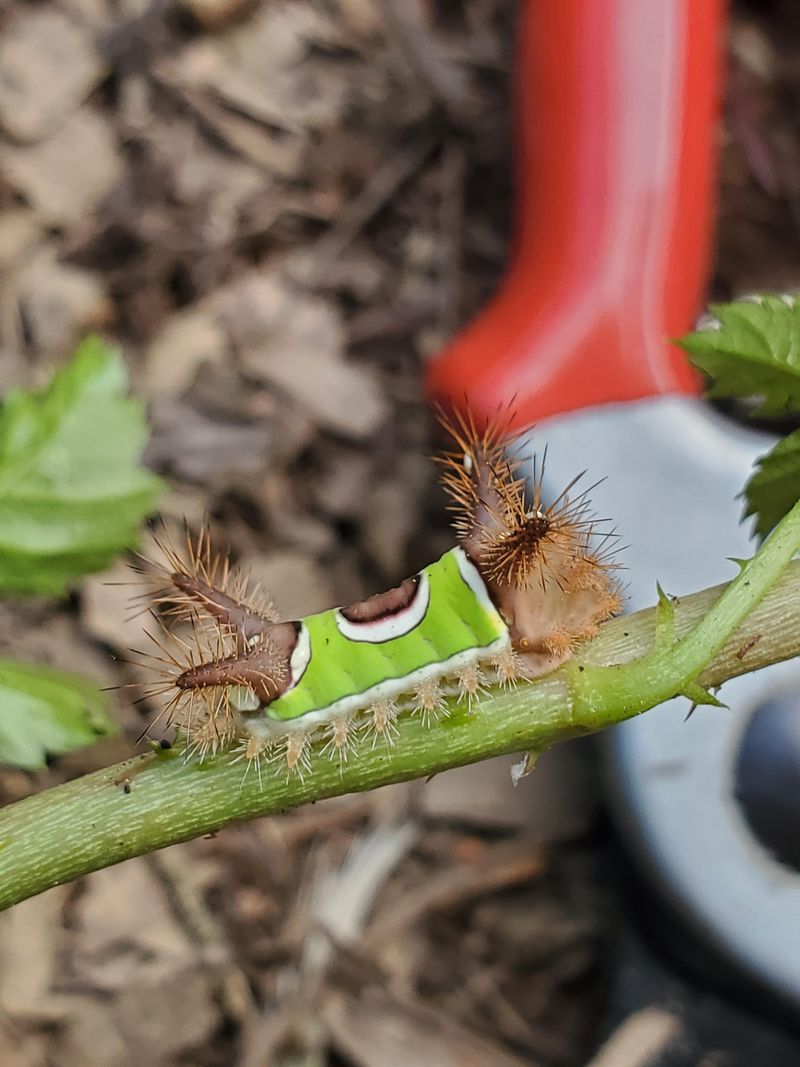
Getting stung by a Saddleback Caterpillar is painful, but it is manageable with the right first steps. Acting quickly makes a real difference in how fast you recover.
The first thing to do is avoid rubbing the affected area. Rubbing pushes the broken spines deeper into the skin and spreads the venom further.
Use tape to lift spines off the skin surface instead of rubbing. Press a strip of tape gently over the sting area and peel it away slowly.
Repeat the tape method several times to remove as many spines as possible. This step alone can significantly reduce the intensity of the burning sensation.
Washing the area with soap and cold water comes next. Cold water helps calm the initial inflammation and rinse away any surface venom residue.
Hydrocortisone cream applied to the welts can ease itching and reduce redness. Over-the-counter antihistamines also help if the reaction includes broader skin irritation.
An ice pack wrapped in a cloth provides good relief for swelling. Apply it in short intervals of ten to fifteen minutes at a time.
Oral pain relievers like ibuprofen can reduce both pain and swelling effectively. Most mild reactions improve significantly within a few hours of proper treatment.
Seek medical help if symptoms spread, breathing becomes difficult, or swelling worsens. The Saddleback Caterpillar is a garden creature worth respecting long before any sting occurs.