What It Really Means When Yellow Garden Spiders Build Webs Across Your North Carolina Tomato Cages
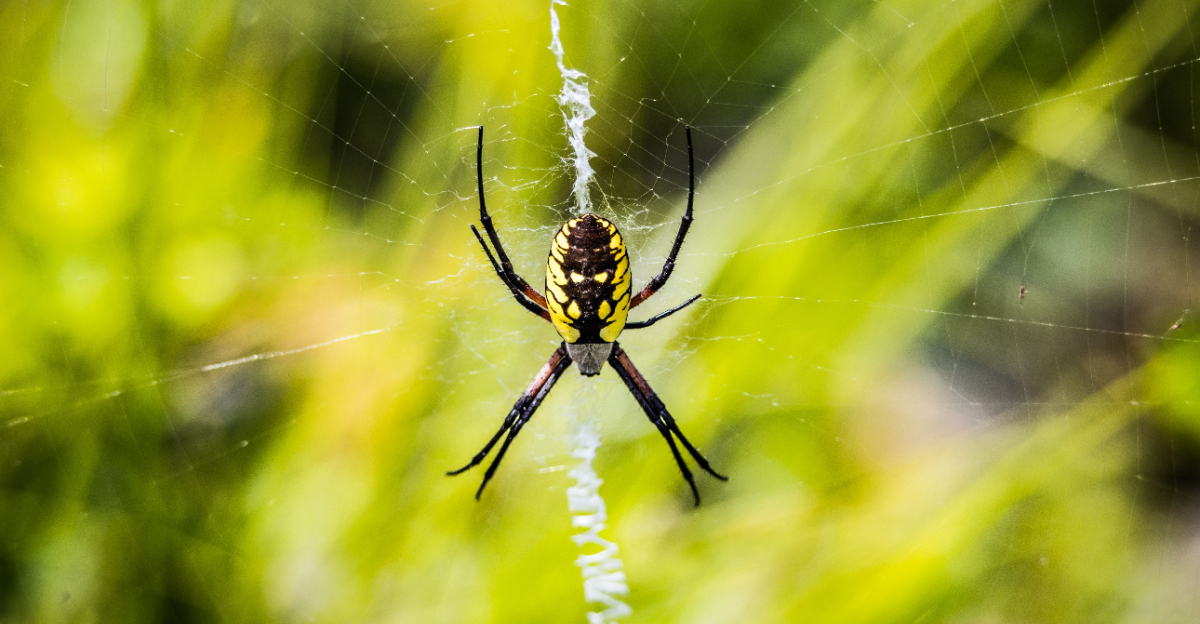
Your tomato cages look different this morning. Stretched between the stakes is a web so precise it seems drafted with a ruler, and right at its center sits a fat, unmistakable spider in bold yellow and black.
The urge to knock it down is instant. Resist it, though, just long enough to look closer, because what’s happening here isn’t a problem at all. It’s actually the opposite of what your gut is telling you.
That striped resident perched on your cages is actually one of the clearest signals your North Carolina garden has hit its stride. Its presence isn’t random; it reflects a balance that’s been building for weeks, maybe months.
Their Presence Signals A Healthy Garden Ecosystem
Your North Carolina garden just passed a major test. When yellow garden spiders show up, it means your outdoor space has enough biodiversity to support a top-tier predator.
These spiders need three things to survive: prey insects, anchor points for webs, and minimal pesticide interference. If all three exist in your yard, you have built a functioning ecosystem.
Healthy gardens attract healthy food chains. Beneficial insects bring predators, and predators bring balance.
North Carolina gardens are especially rich in insect life during summer. The warm, humid climate creates a buffet that draws Argiope aurantia straight to productive plots.
Gardeners who rely heavily on chemical sprays rarely see these spiders. Their absence in chemically treated spaces is a quiet warning sign worth paying attention to.
Seeing a web across your tomato cages means your soil, plants, and insect populations are all working together. That web is basically a report card, and you are getting an A.
These spiders tend to show up in home gardens as insect activity peaks in midsummer. Their arrival tracks directly with peak insect activity in the garden.
The zigzag silk band running down the center of the web is called a stabilimentum. Scientists still debate its exact purpose, but its presence signals a spider that is settled in and comfortable.
Comfort means your garden feels safe and resource-rich. Treat that web like a trophy, not a threat.
Identifying The Yellow Garden Spider On Your Cages
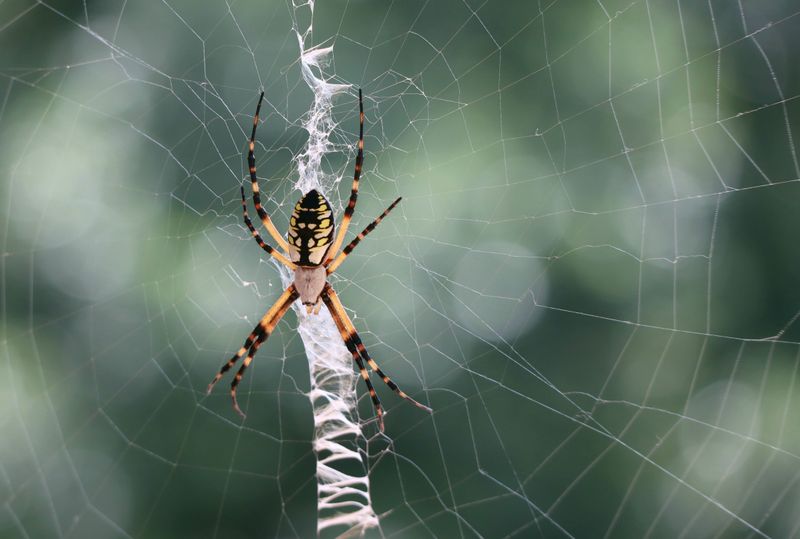
Not every spider on your tomato cage is the same creature. Knowing exactly who you are dealing with changes everything about how you respond.
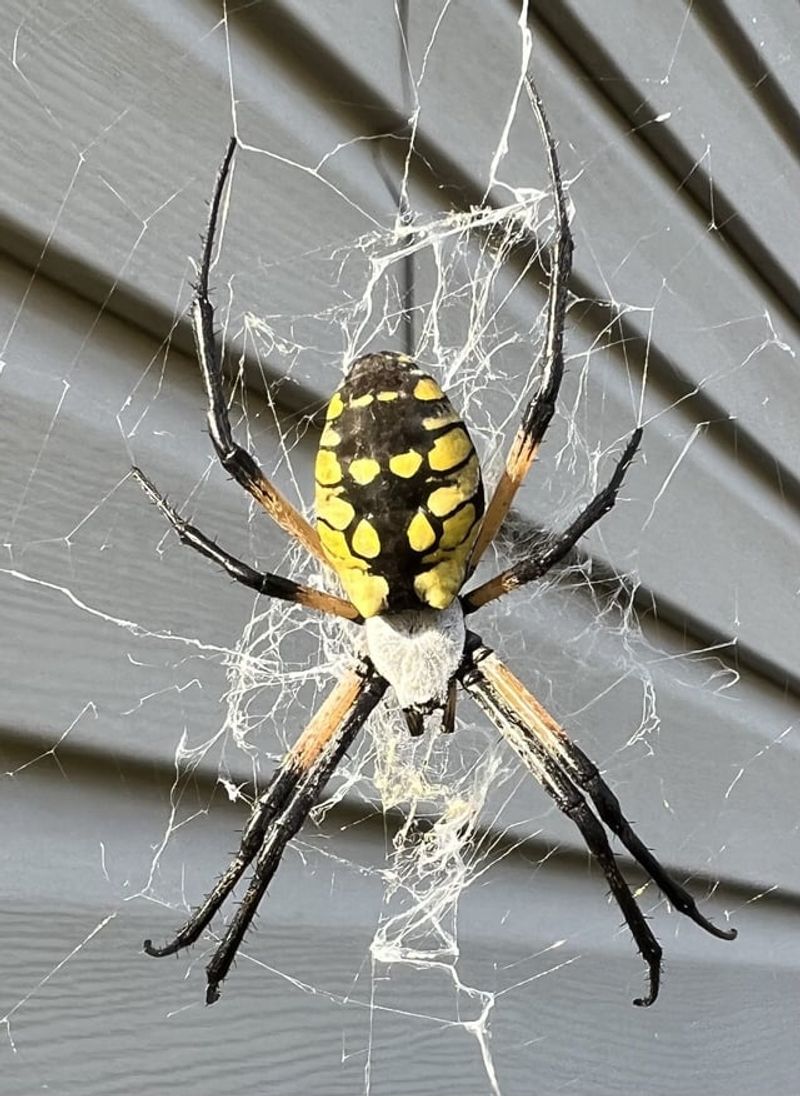
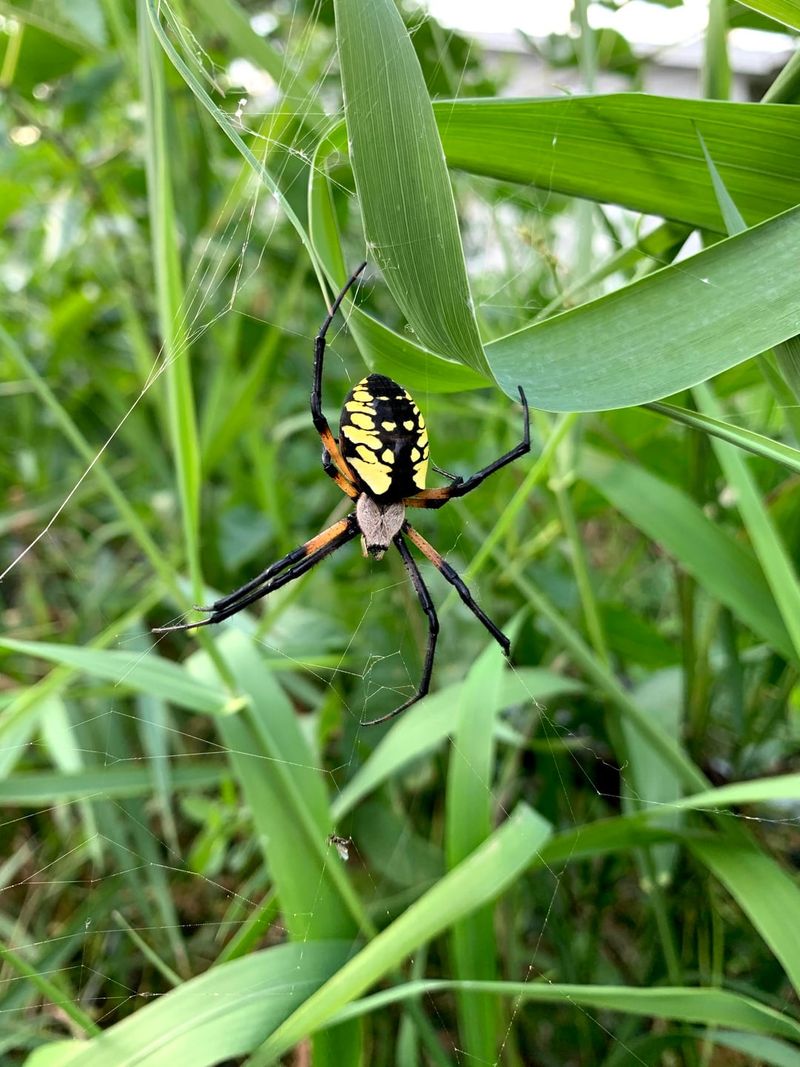
The yellow garden spider, known scientifically as Argiope aurantia, is one of the most recognizable spiders in North America. Females are large, sometimes stretching close to an inch in body length.
Her abdomen is boldly patterned in black and yellow, almost like a warning label. Males are much smaller and tend to hang out near the edges of the female’s web.
The web itself is a clear giveaway. It features a distinct zigzag band of white silk running vertically through the center, which no other common garden spider replicates.
Females hang head-down in the center of the web, legs arranged in an X-shape. That posture, combined with the bright coloring, makes identification straightforward even from a distance.
Your North Carolina Garden Changes Every Week. Your Plan Should Too.
Gardening in North Carolina changes quickly throughout the season. Every Friday you’ll receive a simple weekly plan showing exactly what to plant, prune, fertilize, harvest, and protect so you never miss the right timing.
Young spiders emerging in spring look different from adults. They are smaller and less vividly colored, so you might overlook them until they mature by midsummer.
On tomato cages specifically, you will usually find the web anchored to the upper wire rings. The spider chooses spots with open air space to maximize insect capture.
Confusing this species with dangerous spiders is a common mistake. Yellow garden spiders’ venom poses no meaningful threat to humans, and their bold appearance is mostly for show.
Once you know what to look for, spotting one feels like finding a hidden gem in your garden rows.
Tomato Cages Offer The Perfect Web Anchor Points
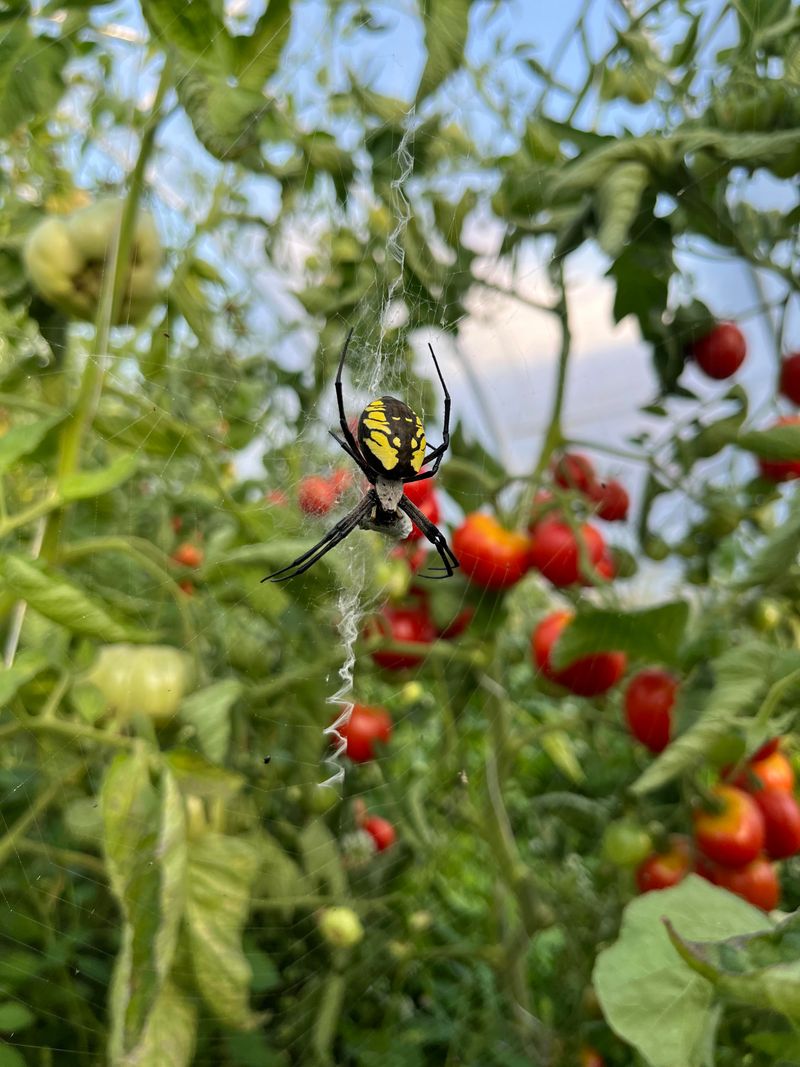
Tomato cages are basically five-star real estate for orb-weaving spiders. The geometry of those wire rings is almost custom-built for web construction.
Argiope aurantia needs multiple firm anchor points spread across open space. A tomato cage offers exactly that, with horizontal and vertical wires at consistent intervals.
The spider attaches her frame threads to the outer wires first. Then she works inward, spiraling silk to create the iconic circular pattern that catches prey mid-flight.
Open garden rows give these spiders the flight corridors they need. Insects travel along predictable paths between plants, and a web stretched across a cage intercepts that traffic perfectly.
Wooden stakes and bamboo poles work too, but metal cages hold tension better. The rigidity of steel wire means the web stays taut even during breezy North Carolina afternoons.
Gardeners sometimes wonder if the webs interfere with plant growth or pollination. They do not, because the webs sit above and around the plants, not pressed against the foliage.
Pollinators like bees fly lower along flower clusters and rarely get caught in the elevated webs. The spider targets flying pests that travel at cage height, not ground-level beneficials.
Each morning, the spider may eat and rebuild portions of her web to keep it sticky and effective. Watching this process is genuinely one of the more fascinating free shows in any backyard.
Your tomato cage just became a spider’s hunting ground, and your tomatoes are the ones who benefit most.
Pest Control Benefits They Bring To Your Tomatoes
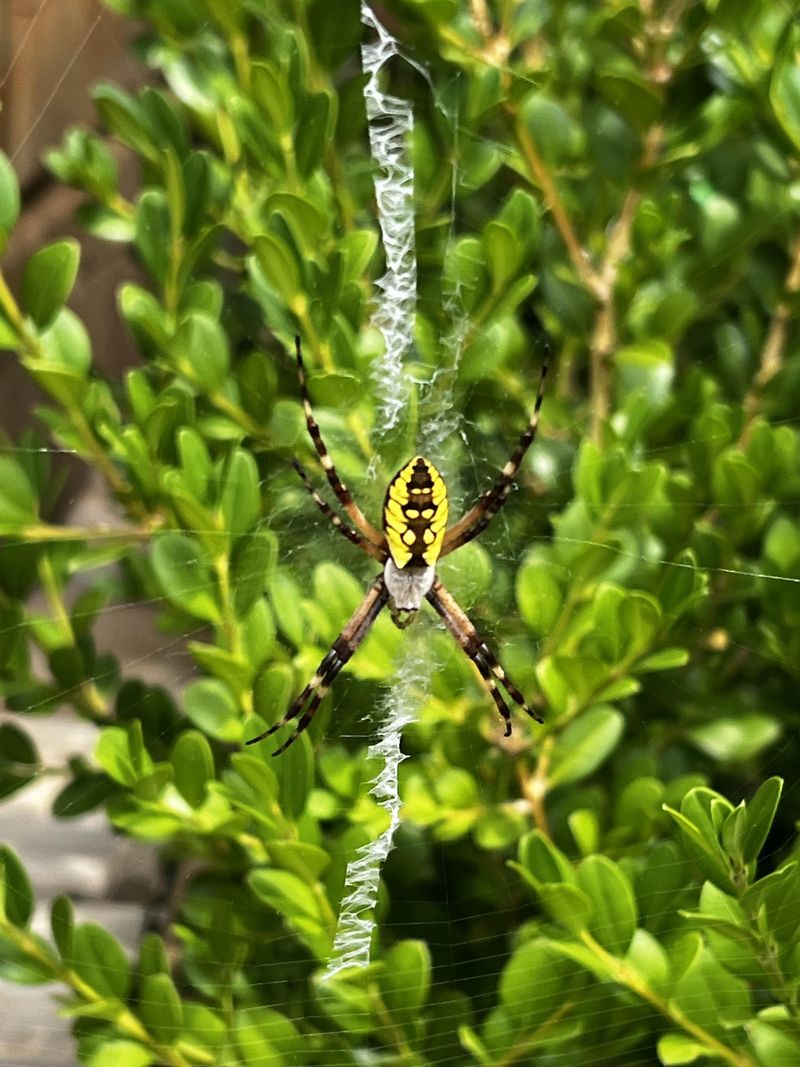
Forget expensive sprays and sticky traps. A single yellow garden spider can meaningfully cut down on pest pressure without a single spray.
These spiders are opportunistic hunters that catch whatever flies or jumps into their webs. For tomato gardeners, that menu includes some of the most damaging pests around.
Grasshoppers are a major target. They are fast, destructive, and notoriously hard to manage organically, but they fly right into orb webs with startling regularity.
Stink bugs, aphid-eating wasps, leafhoppers, and whiteflies also end up on the spider’s menu. Each catch is one less insect chewing on your tomato leaves or spreading plant disease.
A single female can consume a steady stream of insects throughout the summer. Multiply that across a few spiders, and you have a serious pest management team working for free.
Unlike chemical pesticides, the spider does not affect soil health or harm earthworms. Her hunting stays above ground, targeted, and precise in ways that no spray bottle can replicate.
Tomato hornworm moths are occasionally caught too. While the caterpillar stage does the real damage, catching adult moths before they lay eggs reduces next season’s hornworm population.
Some gardeners who leave these spiders in place notice fewer pest problems later in the season. Letting one spider stay on your tomato cage could save an entire row of plants from preventable damage.
Safety Concerns Around Bites And Handling
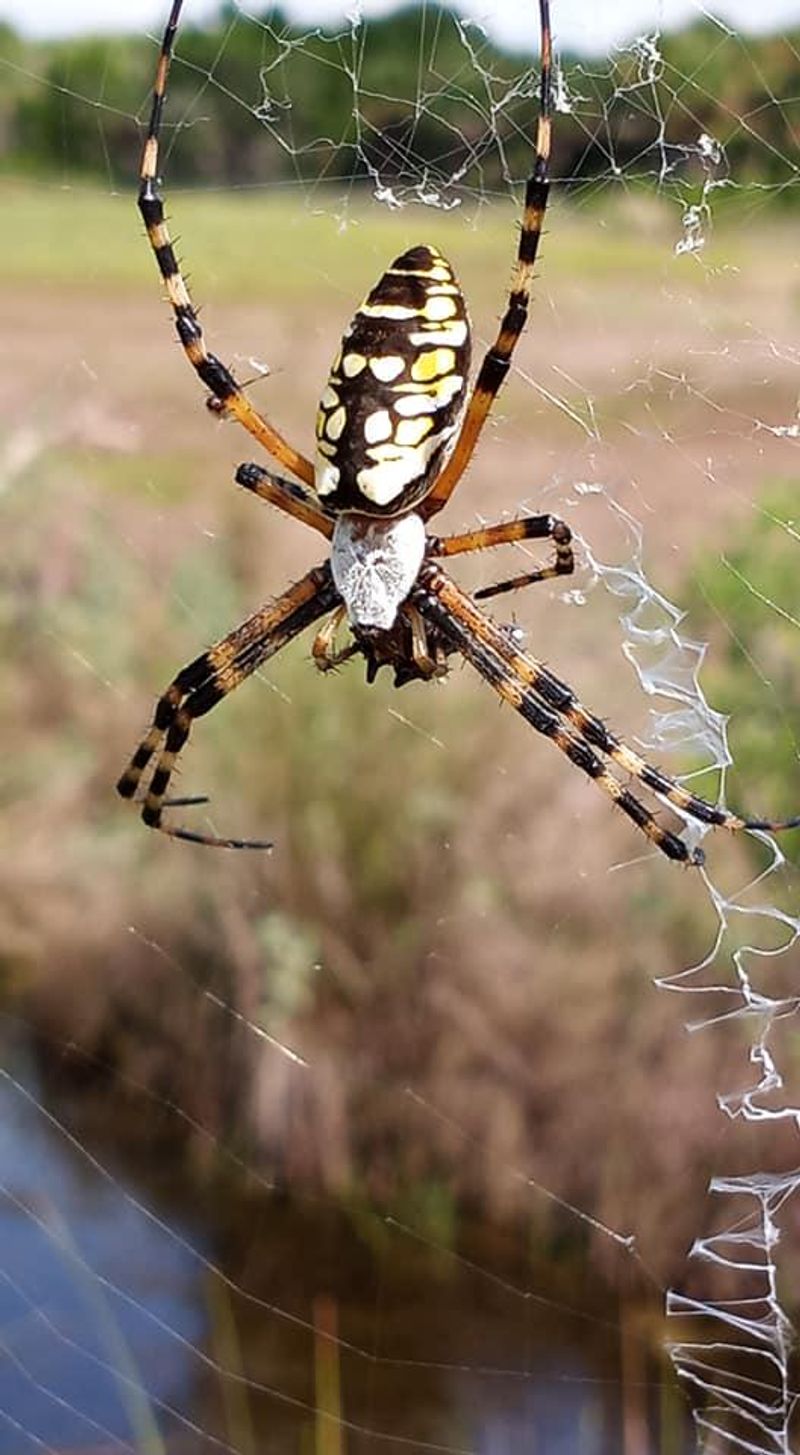
Let’s get the scary part out of the way fast. Yellow garden spiders can bite, but they rarely do.
Biting only happens when the spider is directly handled or feels physically trapped. Simply working near the web or brushing past the cage does not trigger any defensive response.
The venom is mild and localized. Most people compare the sensation to a bee sting, and the reaction fades within a few hours without any medical treatment needed.
People with known insect or arachnid venom sensitivities should still take precautions. Wearing gloves while working around the cages is a simple and effective habit worth adopting regardless.
Children are naturally curious about these large, colorful spiders. Teaching kids to look without touching is the most practical safety lesson any parent can pass along in the garden.
The spider’s bold coloring actually serves as a natural warning signal to birds and large predators. That visual cue works on humans too, making accidental contact less likely than with camouflaged species.
One safety note worth keeping: watch where you reach when harvesting tomatoes. Sliding your hand through a web without looking first is a common way gardeners end up startling the spider.
Use a stick or garden tool to gently move the web aside before reaching in. The spider will retreat without aggression, and the web can be rebuilt within hours.
Respect goes both ways in a shared garden space, and this spider has clearly earned its spot.
Managing Their Presence Without Removing The Benefits
Sometimes the spider picks the worst possible spot on your cage. Knowing how to manage placement without losing the benefits keeps everyone happy.
Relocating the spider is easier than most people expect. Use a long stick or garden stake and gently roll the web around it like winding pasta on a fork.
Move the whole web, spider and all, to a nearby shrub, fence post, or taller plant structure. The spider will anchor the web in the new location and resume hunting within a short time.
Avoid relocating during egg sac season in late summer. A female guarding her egg sac is more stressed and less tolerant of disturbance than at other times.
If multiple spiders appear across your North Carolina garden rows, consider yourself lucky. Spread them out across different sections to maximize the pest control coverage across your entire plot.
Yellow garden spiders on your North Carolina tomato cages are not a problem to solve. Managing them thoughtfully means keeping their hunting range intact while making your own access to plants easier.
Planting taller companion plants like sunflowers or fennel near the cages gives spiders more anchor options. More options mean less competition for your cage wires and more flexibility in the garden layout.
Mark web locations with small flags or garden stakes so you remember where they are during early morning harvests. Awareness prevents accidental web destruction and keeps the spider from relocating on her own.
A little planning turns a surprise visitor into a long-term garden ally.