The Low-Maintenance Groundcover Missouri Shade Gardens Have Been Missing
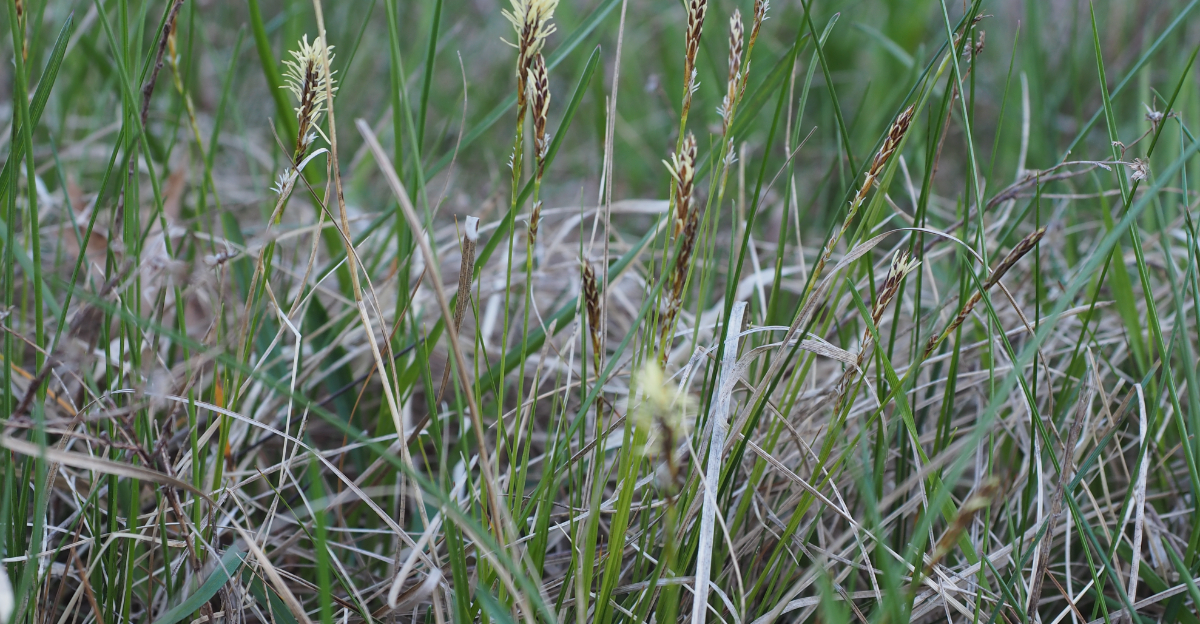
Turf grass often costs more to maintain than most homeowners expect. Water bills climb steadily higher because your lawn keeps struggling. Missouri heat exposes every weakness inside your fragile turf.
Traditional lawns often require regular fertilizer and pesticide applications. Shaded corners of turf lawns often struggle to grow anything worth looking at. That arrangement offers limited benefit to you or your soil.
Native groundcovers flip that entire equation back in your favor. This climate practically begs for plants that finally work with you. Deep roots outlast long Missouri summers while your mower gathers dust.
Time you used to spend mowing simply disappears from your weekend. Shade that once defeated your lawn becomes this plant’s ideal growing ground.
Neighbors will notice the difference before you finish your opening season. Curb appeal finally shifts quickly once groundcover quietly takes over your yard. Your front yard is about to look noticeably different.
1. What Is Pennsylvania Sedge
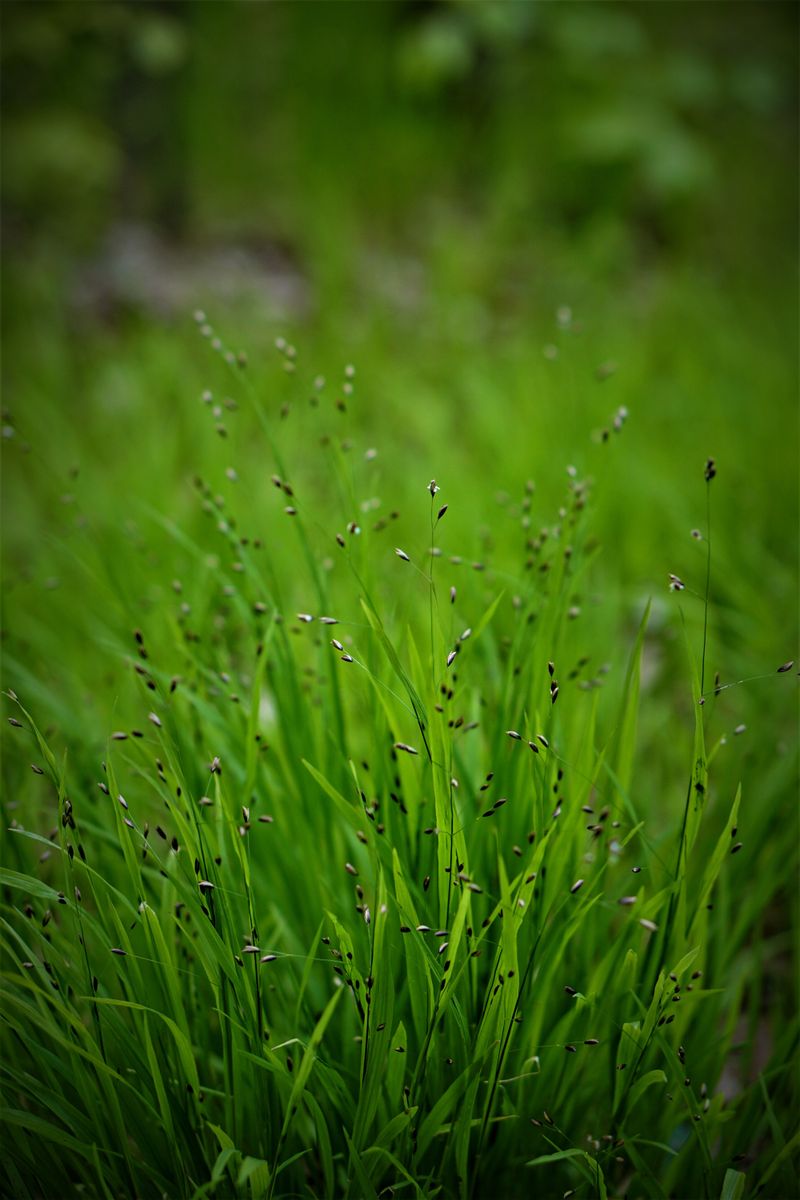
Pennsylvania sedge is a native grass-like plant that many Missouri gardeners consider a strong alternative to traditional turf.
Unlike common lawn grass, this sedge belongs to the Carex genus rather than true grasses, though its fine, arching blades give it a similar appearance from a distance.
It typically grows between six and ten inches tall, forming soft, flowing tufts that spread gradually across shaded ground.
This plant is well suited to woodland edges, dappled shade, and areas beneath deciduous trees where turf grass often struggles to establish.
Its foliage tends to stay green through mild winters, offering a bit of color when many other groundcovers go dormant. In spring, small, inconspicuous flowers may appear, though they are rarely the main attraction of this plant.
Pennsylvania sedge has long been valued by native plant enthusiasts for its adaptability and low visual maintenance.
It fills in slowly through underground rhizomes, meaning it spreads on its own terms without becoming aggressive or difficult to manage.
Many gardeners appreciate that it requires little to no mowing, which sets it apart from conventional lawn options.
Because it is native to much of the eastern and central United States, including Missouri, Pennsylvania sedge tends to integrate well into local ecosystems.
It generally coexists with other native plants and can often be found growing near companions like wild ginger or various woodland wildflowers.
For homeowners exploring lower-maintenance landscaping, this sedge offers a reasonable starting point that blends practicality with a natural, textured look.
2. Why Pennsylvania Sedge Works As A Lawn Alternative
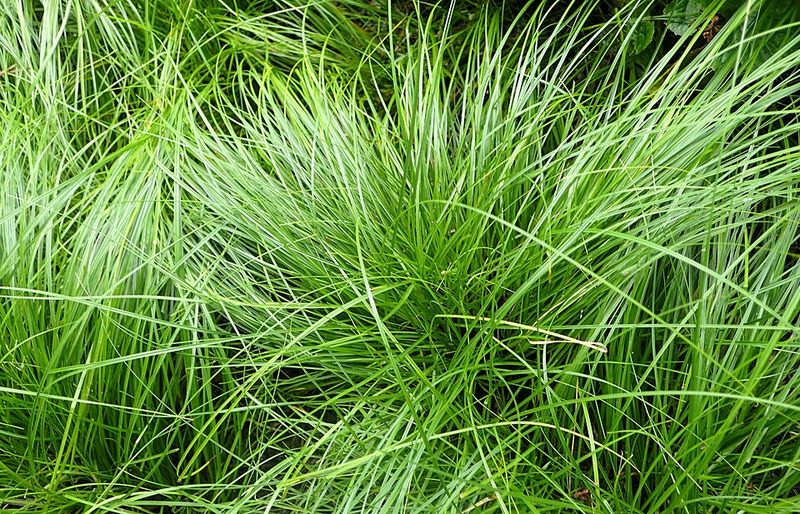
Pennsylvania sedge offers several practical advantages for homeowners considering a shift away from traditional turf. One of its most appealing traits is reduced maintenance.
While standard lawns often require weekly mowing during the growing season, this sedge can often go mowed only once a year, or not at all, depending on the look a homeowner prefers.
Its tolerance for shade is another meaningful benefit. Many turf grasses thin out or struggle in areas with limited sunlight, particularly under mature trees.
Your Missouri Garden Changes Every Week. Your Plan Should Too.
Gardening in Missouri changes quickly throughout the season. Every Friday you’ll receive a simple weekly plan showing exactly what to plant, prune, fertilize, harvest, and protect so you never miss the right timing.
Pennsylvania sedge, by contrast, tends to perform reasonably well in these conditions, making it a fitting option for yards with significant tree cover.
Water use is also worth considering. Once established, this sedge generally handles periods of limited rainfall better than many conventional lawn grasses, which can reduce the need for supplemental irrigation during warmer months.
This may translate into modest savings on water use over time, though results can vary depending on soil and climate conditions.
From a visual standpoint, Pennsylvania sedge provides a soft, natural texture that some homeowners find more appealing than a uniform lawn.
Its slightly tousled appearance can complement naturalistic garden designs, particularly when paired with other native plants.
Additionally, because it spreads slowly through rhizomes rather than aggressive runners, it tends to stay within its designated area without requiring constant edging or containment.
For those looking to reduce the time, water, and chemical inputs typically associated with lawn care, Pennsylvania sedge presents a reasonably practical option worth considering.
3. Ideal Growing Conditions For Pennsylvania Sedge
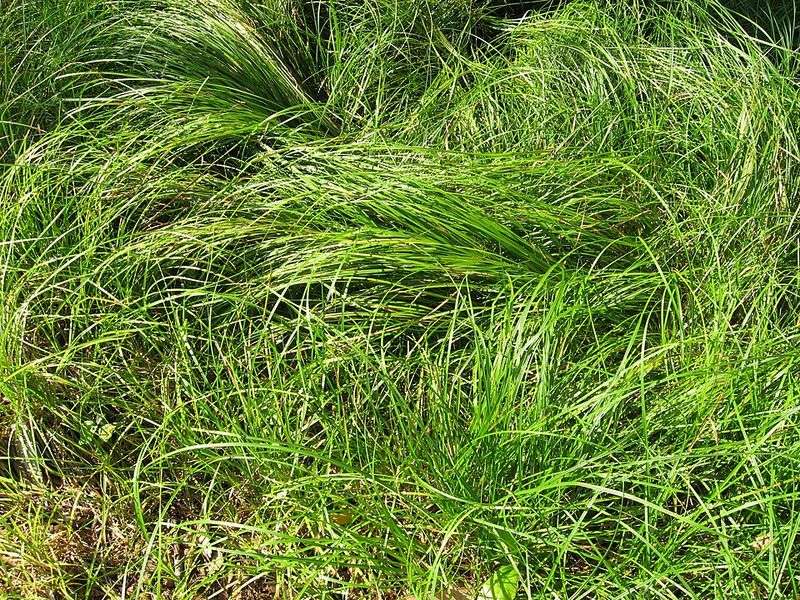
Pennsylvania sedge tends to perform best in partial to full shade, making it a suitable choice for areas where sunlight is limited, such as beneath trees or along the shaded side of a house.
While it can tolerate brief periods of direct sun, prolonged exposure to intense afternoon light may cause some stress, particularly in hotter climates.
Soil preferences for this plant are fairly adaptable. It generally grows well in average, well-drained soil, though it also tolerates some clay content once established.
Consistently soggy or waterlogged soil is typically less favorable, as this can lead to root issues over time.
Moisture levels matter most during the plant’s early establishment period. Newly planted sedge benefits from regular watering to help roots settle in, especially during the first growing season.
After that, established plants often become fairly drought-tolerant for a shade-loving species, needing supplemental water mainly during extended dry spells.
Temperature-wise, Pennsylvania sedge is well suited to Missouri’s climate, generally handling both humid summers and cold winters without much difficulty.
Its foliage may remain semi-evergreen in milder winters, though it can fade back somewhat in harsher conditions before returning in spring.
Air circulation and organic matter in the soil can also support healthier growth. A layer of leaf litter or light mulch, similar to what this plant might experience in a natural woodland setting, can help retain moisture and mimic ideal growing conditions.
Overall, this sedge adapts reasonably well to a range of shaded environments common in many Missouri yards.
4. How To Plant Pennsylvania Sedge
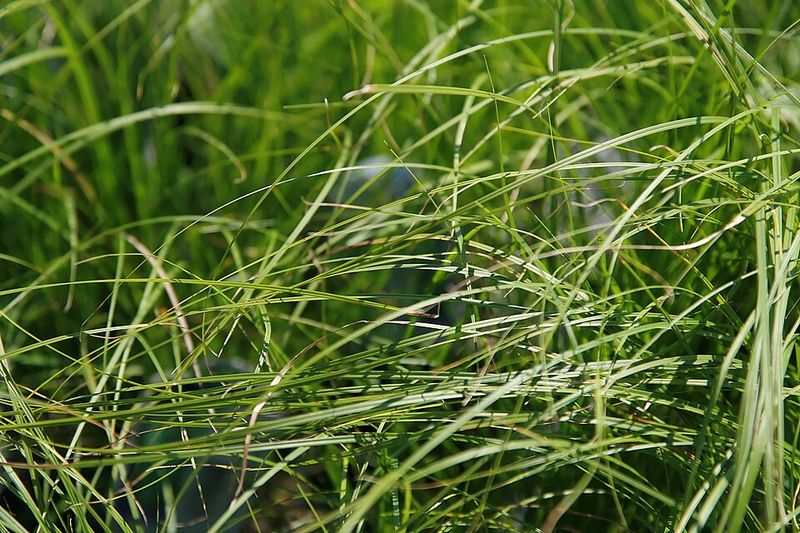
Planting Pennsylvania sedge is a relatively straightforward process, particularly for gardeners transitioning shaded areas away from struggling turf grass.
The best times to plant are typically early spring or fall, when temperatures are moderate and rainfall tends to be more consistent, giving roots a better chance to establish before extreme heat or cold sets in.
Most gardeners start with nursery plugs rather than seeds, as this method tends to produce more reliable results.
When planting, spacing plugs approximately six to twelve inches apart allows the sedge room to spread naturally over time while still filling in at a reasonable pace.
Closer spacing can lead to quicker coverage, though it may also increase the initial cost of the project.
Before planting, loosening the soil and removing any competing weeds or grass can help young plants establish without excess competition for nutrients and moisture.
Digging a hole slightly larger than the plug’s root ball and gently backfilling with soil helps avoid air pockets that could dry out roots.
After planting, consistent watering is important during the first several weeks. Keeping the soil moist, though not waterlogged, supports root development while the plant adjusts to its new location.
Mulching lightly around new plantings can help retain moisture and suppress early weed growth.
Patience is a reasonable expectation with this process, as Pennsylvania sedge spreads gradually rather than quickly. Over a couple of growing seasons, it typically fills in to create a fuller, more cohesive groundcover.
5. Caring For Pennsylvania Sedge Once Established
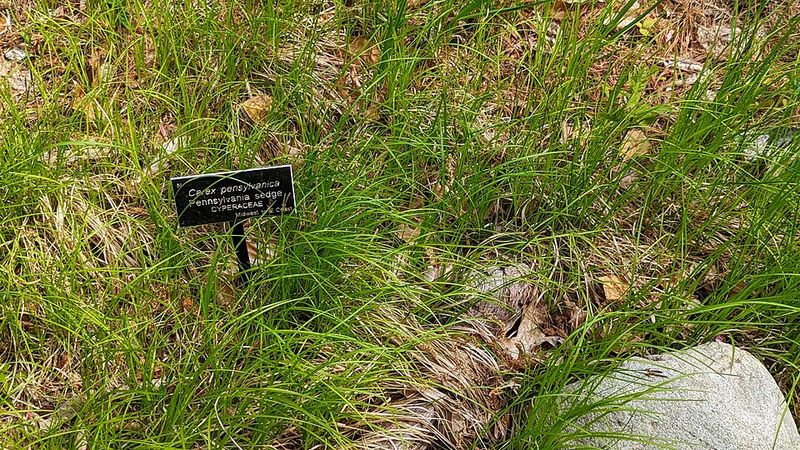
Once Pennsylvania sedge becomes established, ongoing care tends to be fairly minimal compared to traditional lawn maintenance. One of its most appealing qualities is that mowing is largely optional.
Some homeowners choose to mow once a year, typically in early spring, to remove old foliage and encourage fresh growth.
Others prefer to skip mowing entirely for a softer, more natural appearance. Watering needs generally decrease significantly after the first year.
In most Missouri climates, rainfall alone tends to be sufficient to keep established plants healthy, though supplemental watering during unusually dry stretches can help maintain appearance and vigor.
Fertilization is typically unnecessary for this plant. Because it is adapted to woodland conditions with naturally occurring leaf litter, it tends to do well without regular feeding.
If soil quality seems poor, a light application of compost in early spring may offer some benefit, though this is more of an optional boost than a requirement.
Weeding may be needed periodically, especially in the early years before the sedge fills in completely. Once it forms a denser mat, it tends to suppress many common weeds on its own, reducing the need for ongoing intervention.
This plant is also considered deer-resistant to a reasonable degree, which can reduce concerns for homeowners in areas with frequent wildlife activity.
Overall, once settled, Pennsylvania sedge tends to require noticeably less time and effort than conventional turf grass.
6. Best Companion Plants For Pennsylvania Sedge
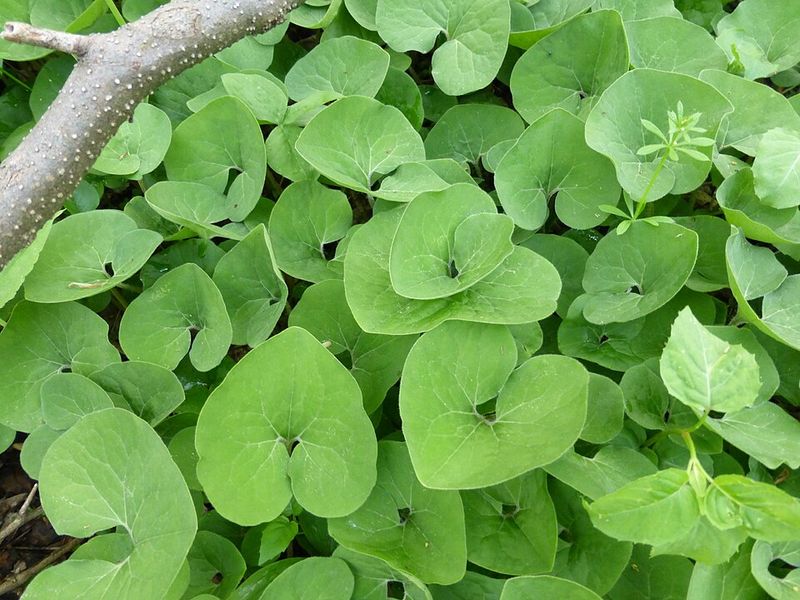
Pennsylvania sedge tends to pair well with a variety of native shade-loving plants, making it a versatile addition to woodland-style garden beds.
Its soft, textured foliage provides a fitting backdrop for plants with more distinct shapes or seasonal blooms, helping create a layered, natural look throughout the year.
Wild ginger is a commonly suggested companion, as both plants share similar preferences for shade and moist, rich soil.
Their contrasting leaf shapes, broad and heart-shaped for wild ginger against the fine blades of sedge, can add visual interest without appearing overly designed.
Woodland wildflowers such as trillium or wild violets also tend to complement this sedge nicely. These plants often bloom at different times, which can help extend seasonal interest in a shaded garden bed where color might otherwise be limited.
Ferns are another reasonable pairing, as their textures tend to contrast pleasantly with the more uniform appearance of sedge. Both generally thrive in similar moisture and light conditions, making maintenance more consistent across a planted area.
For gardeners aiming for a slightly more structured look, low native shrubs can serve as anchor points within a bed of sedge, giving the space a sense of organization while still maintaining a naturalistic feel.
When selecting companions, it can help to consider similar light, soil, and moisture needs to reduce maintenance challenges.
Thoughtfully paired plantings alongside Pennsylvania sedge can result in a shaded landscape that feels intentional, varied, and relatively easy to maintain over time.