What It Really Means When Daddy Longlegs Show Up In Large Numbers In Your Pennsylvania Garden
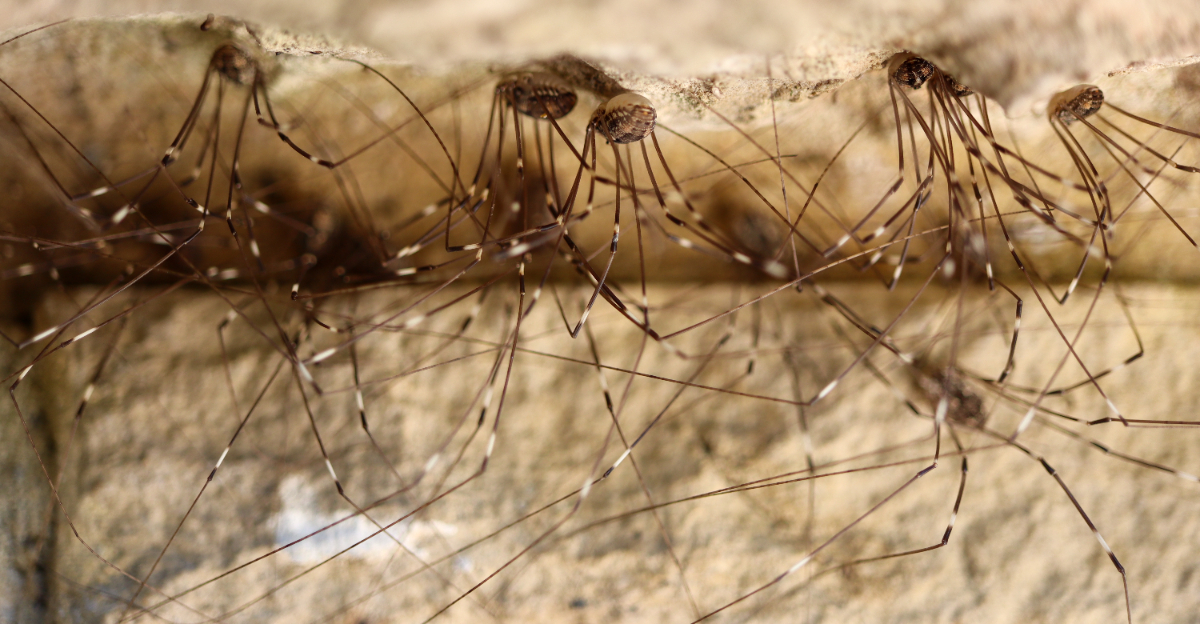
Your Pennsylvania yard looks like a horror movie set this October morning. Fence posts, flower pots, the shed wall, all of it wrapped in a twitching mass of impossibly thin legs.
Grab a broom, and you’d be making a mistake. What’s happening in your garden right now is one of the strangest, most calculated survival moves in the insect world, and it has almost nothing to do with an infestation.
These clusters aren’t random or threatening. They’re a direct response to shifting temperatures and humidity, driven by instincts that have kept these creatures alive for millions of years.
Yards across the Mid-Atlantic fill up with this exact scene every autumn, yet almost nobody knows the reason behind it. Keep reading, and the explanation might surprise you.
Large Gatherings Are A Natural Fall Behavior
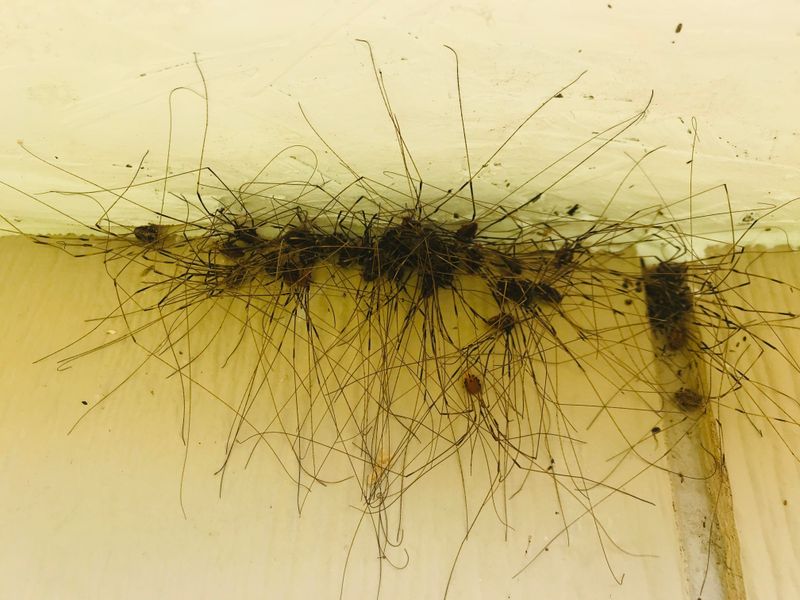
Suddenly, your whole garden feels like it belongs to someone else. Hundreds of daddy longlegs are piled on top of each other, and you have no idea why.
This mass gathering is called aggregation, and it happens every fall across the northeastern United States. These clusters are simply following an ancient biological schedule.
As days grow shorter and temperatures begin to drop, these arachnids instinctively seek out sheltered spots. They pile together in groups that can number in the dozens or even hundreds.
Scientists believe aggregation helps them conserve moisture and manage body temperature. This behavior is common across the order Opiliones, which thrives throughout the Mid-Atlantic region.
You will typically spot these clusters on the shaded sides of structures. Fence posts, garden walls, stone foundations, and shed exteriors are all prime real estate for a daddy longlegs meetup.
The timing lines up almost perfectly with the first cool nights of September and October. Once temperatures consistently turn cold, the clusters tend to disperse or disappear.
Seeing them every fall in the same spot is actually a good sign. Your garden offers the right combination of shelter, moisture, and nearby food sources to attract them year after year.
Think of it less like an invasion and more like a seasonal tradition. Your garden just became the most popular spot on the block.
These Arachnids Are Not Spiders At All
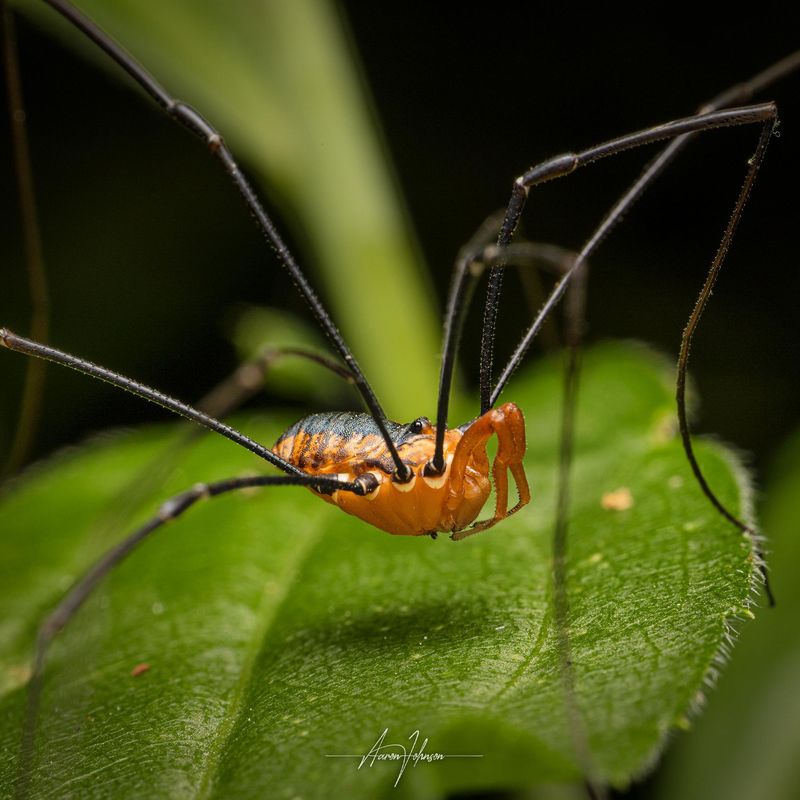
Here is a fact that surprises almost everyone: daddy longlegs are not spiders. Most people group them together, but they belong to a completely separate arachnid order called Opiliones.
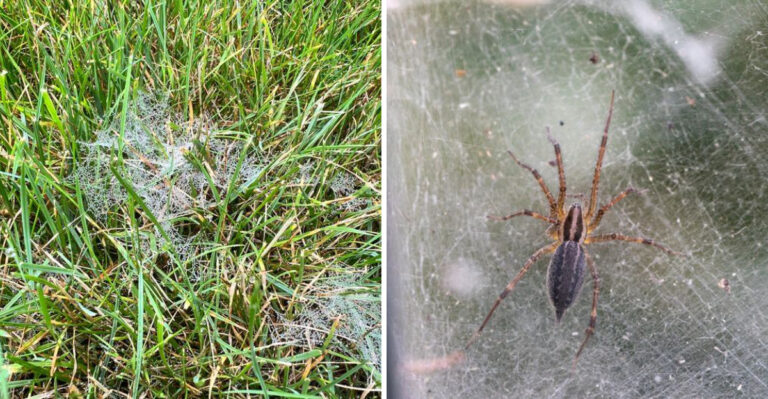
Spiders have two distinct body segments and produce silk for webs. Daddy longlegs have just one fused oval body segment and produce absolutely no silk whatsoever.
They also lack venom glands entirely, which makes the old myth about their deadly venom both wrong and scientifically absurd. No venom glands means no venom, full stop.
Spiders have eight eyes arranged in specific patterns. Most harvestmen, the scientific name for daddy longlegs, have only two simple eyes perched on a small turret on top of their body.
Their legs are another giveaway. Those impossibly long, threadlike limbs are used for sensing their environment as much as for walking.
Your Pennsylvania Garden Changes Every Week. Your Plan Should Too.
Gardening in Pennsylvania changes quickly throughout the season. Every Friday you’ll receive a simple weekly plan showing exactly what to plant, prune, fertilize, harvest, and protect so you never miss the right timing.
When a leg breaks off, it keeps twitching for minutes afterward. Scientists think this confuses predators while the harvestman escapes, which is genuinely clever survival behavior.
Unlike spiders, they do not build webs or create retreats made of silk. They roam freely across soil, leaf litter, and garden surfaces in search of food.
Understanding this difference matters because it changes how you respond to them. This crowd of harvestmen isn’t a web-spinning ambush waiting for you.
They are free-roaming wanderers, and honestly, that makes them a lot more interesting to watch.
Their Presence Signals Active Pest Control
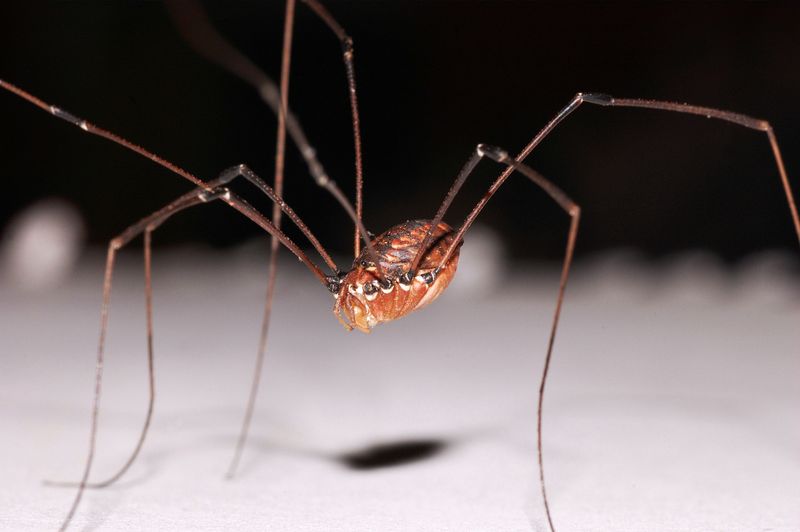
Your garden just hired a free exterminator, and you did not even have to post a job listing. Daddy longlegs are omnivores with a serious appetite for the bugs that damage your plants.
They feed on aphids, mites, small caterpillars, and even fungus gnats. A large group of them patrolling your garden beds is doing real, measurable pest control work.
Unlike many predatory insects, harvestmen also consume decaying plant material and fungi. This makes them valuable decomposers as well as hunters, pulling double duty in your garden ecosystem.
Aphids alone can seriously damage a vegetable garden in a matter of weeks. Knowing that daddy longlegs actively prey on them should make you feel a whole lot better about the cluster on your fence.
They hunt at night and rest during the day, often in groups. So while you sleep, your garden crew is out there working the midnight shift.
Chemicals reduce the prey population, which removes the reason for daddy longlegs to stick around.
A thriving harvestman population signals a balanced, chemically light garden environment. That is something worth protecting rather than disrupting with a can of bug spray.
A cluster this size means pests already have a natural check on their growth. Your plants are quietly benefiting from every single one of those spindly-legged visitors.
Group Clustering Helps Them Stay Warm
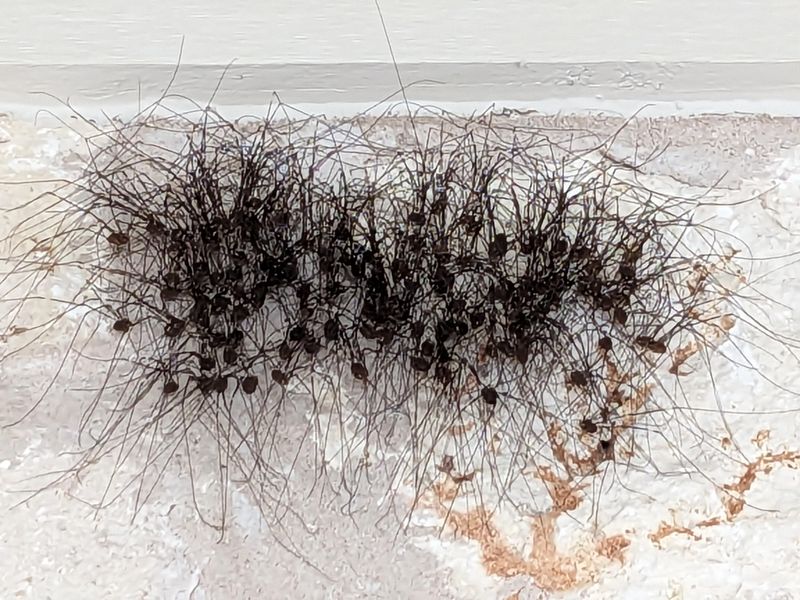
Picture hundreds of tiny bodies pressed together like a living blanket. That is exactly what a daddy longlegs cluster looks like, and warmth is a big reason why it forms.
Harvestmen are ectothermic, meaning their body temperature is controlled by their surroundings. When outside air turns cold, they have no internal heating system to fall back on.
By piling together, they create a shared microclimate that is measurably warmer than the surrounding air. The ones in the center of the cluster stay the warmest and are often the most protected.
Research has shown that clustered harvestmen lose body moisture more slowly than isolated ones. In dry fall conditions, that moisture retention can be the difference between surviving winter and not.
The cluster also offers protection from predators like birds, toads, and ground beetles. A massive writhing ball of legs is far less appealing to a predator than a single easy target.
Individuals near the edge may shift positions over time, occasionally trading places with those in the warmer center.
When disturbed, the whole group vibrates rapidly together in a behavior called bobbing. This collective shaking makes the cluster look unstable and dangerous, scaring off curious animals.
Spotting a cluster like this during cool weather means you’re watching a survival strategy in real time. That pile of legs is smarter than it looks.
Distinguishing Them From True Spiders And Crane Flies
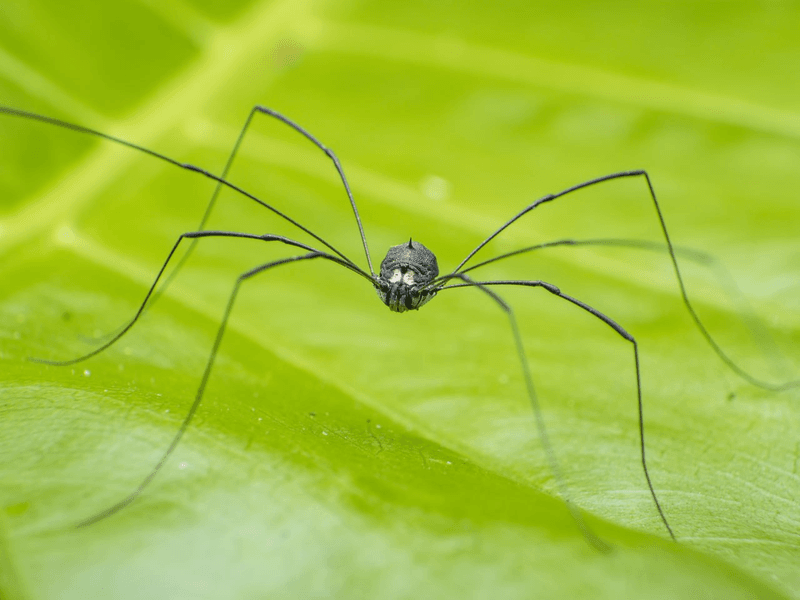
Not everything with long legs is a daddy longlegs, and that mix-up causes a lot of unnecessary panic. Knowing the difference helps you respond calmly and accurately every single time.
Crane flies are the most common case of mistaken identity. They are insects with six legs, wings, and a very different body shape from harvestmen.
Crane flies are harmless and do not bite. They are often called mosquito hawks, but they do not actually eat mosquitoes, which is another popular myth worth busting.
True spiders have two clear body sections, multiple eyes, and spinnerets for producing silk. If you see a web attached to the creature, it is definitely a spider and not a harvestman.
Cellar spiders are another frequent source of confusion. They have long legs and live indoors, but their two-segmented body and silk production make them true spiders through and through.
Daddy longlegs have that single oval body segment, only two eyes, and no silk-making ability. Up close, the difference is obvious once you know what to look for.
A simple trick: look for the waist. Spiders have a pinched waist between their two body parts. Harvestmen look like one smooth, uninterrupted oval with legs sprouting out from the sides.
Correctly identifying what’s actually gathered there means you can make smarter decisions about your outdoor space. Knowledge really is the best pest management tool you have.
Living Alongside Them Without Any Real Risk
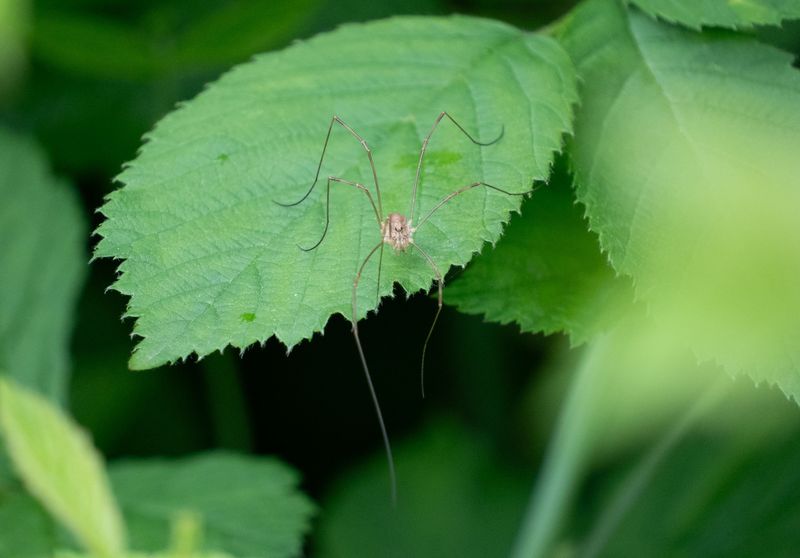
You do not need to do anything when daddy longlegs show up in your garden. Seriously, just leave them alone and let them do their thing.
They do not sting, bite humans, or cause any structural damage to plants, soil, or garden structures. Their presence is purely neutral to beneficial from a human perspective.
If a cluster forms on your shed wall or garden gate, resist the urge to spray or sweep them away. Disrupting the group forces them to scatter and reform somewhere less convenient.
Children are naturally curious about these creatures, and that curiosity is worth encouraging. Letting kids observe a harvestman cluster up close is a genuinely memorable nature lesson.
If you need to move a cluster for practical reasons, use a soft brush to gently guide them to a nearby sheltered spot. They will typically resettle within a few hours without any drama.
Keeping your garden chemical-free around fall is one of the best things you can do. Pesticides applied in late summer often eliminate harvestman populations before they even get a chance to cluster.
Planting dense ground covers and leaving some leaf litter in garden corners gives them ideal habitat. A welcoming garden is one where these arachnids return faithfully season after season.
A gathering like this is a quiet compliment to your outdoor space. They showed up because your garden is worth showing up for, and that says something real.