The Meaning Behind A Mourning Dove Nesting On Your Pennsylvania Porch
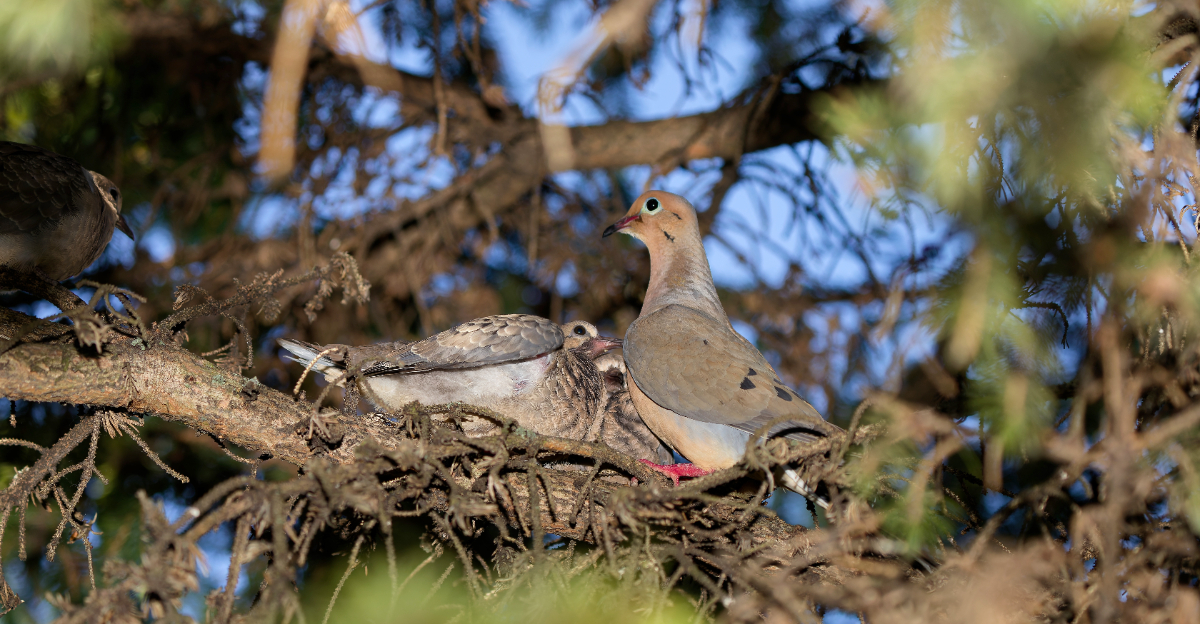
The soft, rhythmic cooing started three days before you actually noticed the nest. By the time you spotted her tucked into that corner of your porch, she’d already settled in like the space had her name on it.
Pennsylvania homeowners report this exact scenario more often than you’d expect, and there’s a reason these birds gravitate toward porches specifically over open trees or bushes.
Something about her calm, unbothered stare when you walk past makes this feel like more than coincidence. Birds don’t pick nesting spots carelessly, and her choice says something about your home you might not have considered.
This Backyard Visitor Reveals More Than Most People Realize
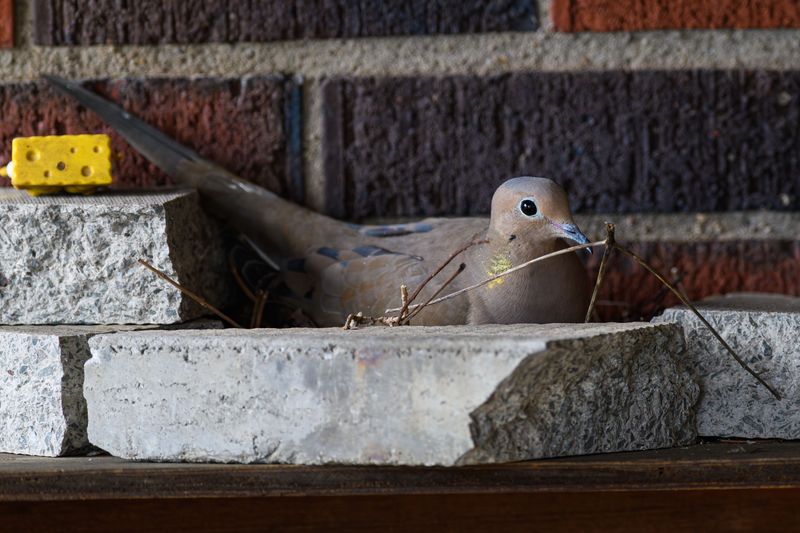
She picked your porch on purpose, and that choice wasn’t left to chance. Mourning doves are one of the most common birds across North America. They show up in backyards, fields, and forest edges from spring through early fall.
What surprises most people is how intentional these birds are. They scout a location carefully before committing to building a nest.
Doves carry deep symbolic meaning in many cultures. Across history, they have represented peace, love, and new beginnings in everything from ancient texts to modern wedding ceremonies.
Spotting one nesting close to your home feels personal because it kind of is. The bird chose your specific space over every other option nearby.
In folklore, a dove near your door was often seen as a blessing or a sign of calm ahead. Many Pennsylvania families still hold onto that belief today.
Scientifically speaking, the bird is telling you something real about your environment. Your Pennsylvania yard offers food, shelter, and safety in a way that most nearby spots simply do not.
That works on two separate levels, and both are worth understanding. One is symbolic and rooted in tradition, and the other is practical and rooted in nature.
Both are worth paying attention to. This gentle gray bird is sending a quiet message, and most people walk right past it without noticing.
Porches Offer Ideal Shelter From Weather And Predators
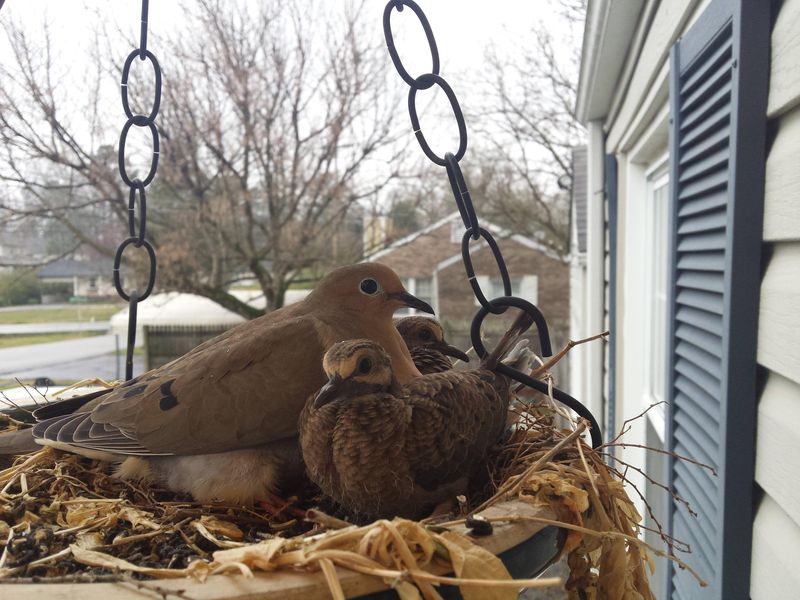
Your porch is basically a five-star hotel for nesting birds. It has a roof, walls on at least one side, and a sturdy surface to anchor a nest.
Mourning doves build notoriously flimsy nests. They use loose twigs stacked loosely, which means they need a stable base to keep things together.
A porch ledge, hanging basket, or rafter gives them exactly that. The structure does half the work that the nest itself cannot do alone.
Rain is a serious threat to any ground-level or open-canopy nest. Under your porch roof, the eggs and chicks stay dry through spring storms without any extra effort from the parents.
Wind is the other big problem for nesting birds in the region. Covered porches block gusts that would otherwise scatter a loosely built nest in minutes.
Predators are a constant concern for mourning doves in the wild. Hawks, raccoons, and cats all pose real threats to nests built in trees or on open fences.
Your Pennsylvania Garden Changes Every Week. Your Plan Should Too.
Gardening in Pennsylvania changes quickly throughout the season. Every Friday you’ll receive a simple weekly plan showing exactly what to plant, prune, fertilize, harvest, and protect so you never miss the right timing.
Your porch creates a natural barrier that many predators avoid. The combination of human scent, activity, and enclosed structure keeps most threats at a comfortable distance.
Cats are the one exception worth watching. If you have outdoor cats or know your neighbors do, keeping them away from the nest area during this period matters a lot.
A covered porch is not just convenient for the dove. It is genuinely one of the safest nesting spots available in a residential neighborhood.
Nesting Near Humans Actually Lowers Certain Risks
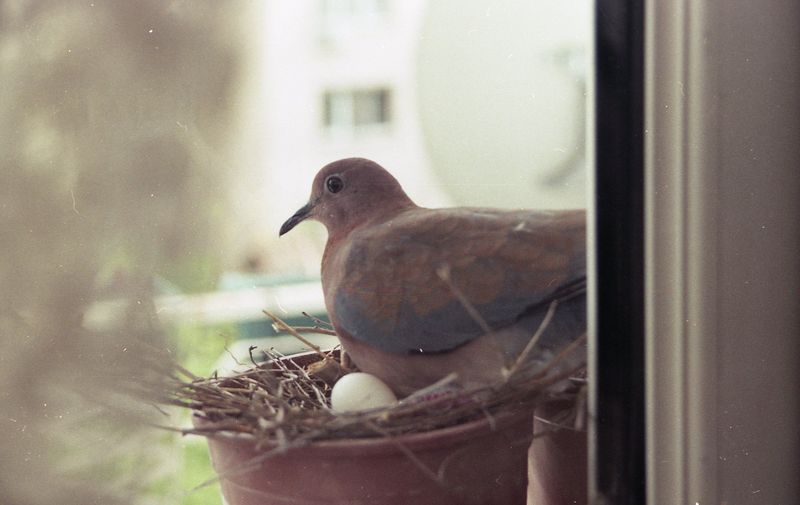
It sounds counterintuitive, but proximity to people actually protects these birds. Most aerial predators avoid swooping near active human spaces during the day.
Hawks are smart hunters. They prefer open spaces where they can approach without obstacles, and a busy front porch is not their preferred hunting ground.
Raccoons are mostly nocturnal, but they do occasionally raid nests after dark. A well-lit porch with motion sensor lighting makes that kind of visit far less likely.
The mourning dove has figured this out over generations of living alongside humans. Nesting near a home is an adaptive strategy, not a desperate one.
Research on urban bird behavior shows that many species deliberately nest closer to human activity. The presence of people acts as an informal deterrent to wildlife that would otherwise raid nests.
That said, the dove is not fearless. Sudden loud noises, aggressive movements, or frequent close approaches can spook a nesting bird off her eggs.
If she abandons the nest during incubation, the eggs are unlikely to hatch. Keeping a respectful distance is the single most important thing you can do right now.
Think of your role as a passive protector. You do not need to do anything dramatic, just go about your normal routine without hovering over the nest.
Her choice to settle near people is partly about trust. These birds have learned that calm, consistent human presence is actually a form of shelter.
A Sign Your Yard Supports Healthy Bird Activity
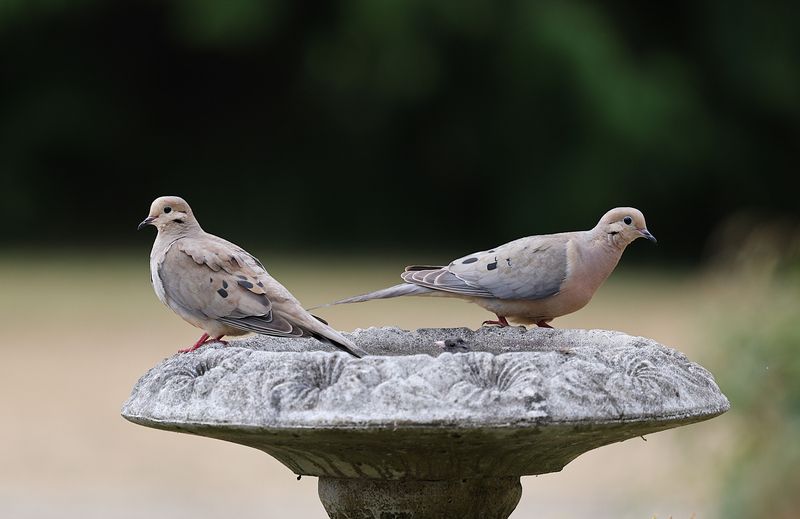
Not every yard gets chosen as a nesting site. When a mourning dove selects your porch, it says something specific about your outdoor environment.
Doves are ground feeders that rely heavily on seeds. If your yard has grass, garden beds, or nearby weedy patches, there is likely a reliable food source within easy flying distance.
Water access is another key factor. A birdbath, a small pond, or even a consistently damp area of the lawn can make your property significantly more attractive to nesting birds.
Native plants play a bigger role than most Pennsylvania homeowners expect. They attract insects, produce seeds, and create layered vegetation that supports the whole food chain birds depend on.
A yard without pesticides is especially valuable. Mourning doves feed their chicks a substance called crop milk, but the adults need clean seeds free from chemical residue.
If you have been gardening naturally or letting part of your lawn grow a little wild, the dove noticed. Low-maintenance naturalistic yards often outperform manicured lawns for wildlife habitat.
Neighbors with feeders also contribute to your yard’s appeal. Birds do not respect property lines, so a seed-rich neighborhood raises the value of every porch within flight range.
Your Pennsylvania yard is functioning as part of a larger habitat corridor. The dove’s presence is a small but meaningful signal that your corner of the neighborhood is doing something right.
That is something worth feeling good about. Healthy bird activity is one of the clearest signs of a balanced local ecosystem.
Repeat Visits Often Mean The Location Is Working Well
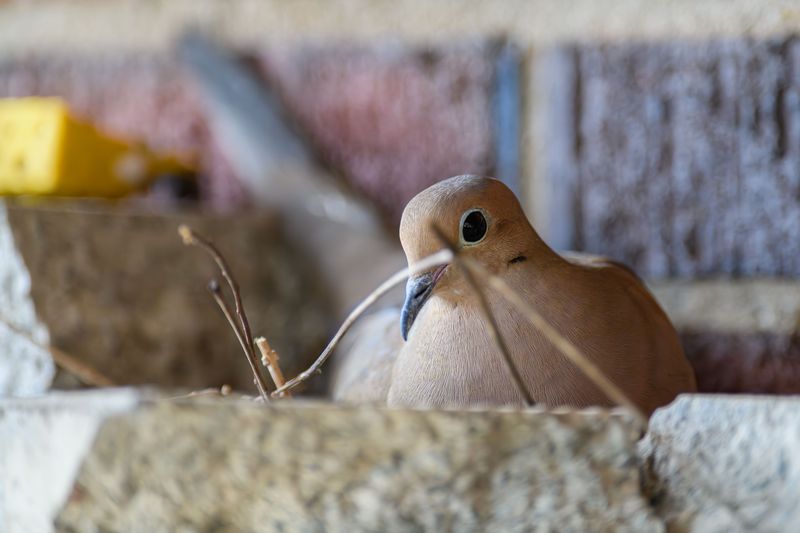
If you see the same dove return to your porch for a second or third nesting cycle, pay attention. That repeat behavior is a strong signal, not a fluke.
Mourning doves can raise two to three broods per season in the mid-Atlantic region. When a location works well, they come back to the same spot rather than starting over somewhere new.
Each nesting cycle lasts roughly four to five weeks from egg-laying to fledgling departure. After the chicks leave, the adults may rest briefly before starting again nearby.
Returning to a proven site saves energy and reduces risk. The bird already knows your porch is safe, sheltered, and close to food, so there is no reason to gamble on something new.
You might notice the nest gets slightly rebuilt between cycles. Doves add a few fresh twigs to reinforce the structure before laying the next clutch of eggs.
Some Pennsylvania homeowners report the same pair returning year after year to the same corner of their porch. Mourning doves often reform pair bonds and return to the same nesting sites season after season.
That loyalty is genuinely touching when you think about it. The same two birds choosing your home, season after season, is a kind of quiet partnership.
Repeat visits also tell you that nothing significant scared them off. Your household routine, your pets, and your landscaping all passed the test.
Consistency matters to nesting birds more than almost anything else. A calm, predictable environment is the highest endorsement your porch can earn.
How To Support The Nest Without Disturbing The Birds
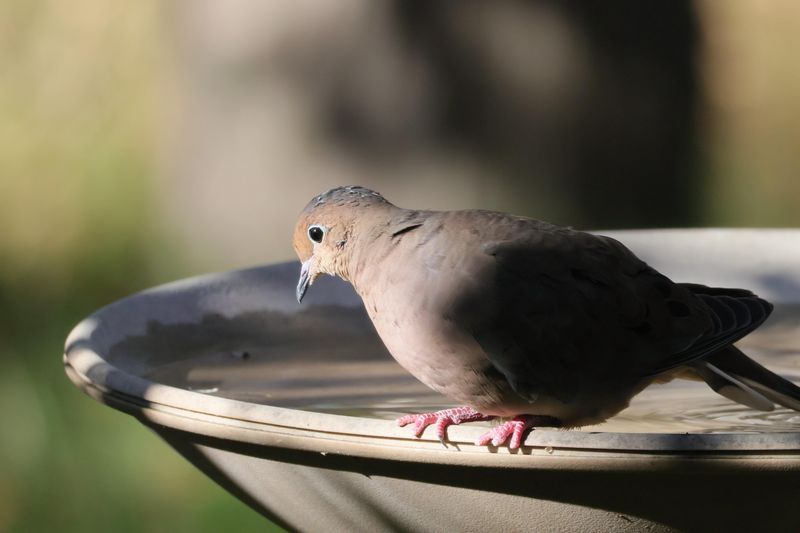
Supporting a nesting dove does not require big gestures or special equipment. The most helpful thing you can do is stay calm and keep your distance.
Avoid checking the nest every day. Frequent close-up inspections stress the parents and can cause them to abandon the eggs before they hatch.
If you need to use the porch door near the nest, move slowly and quietly. Quick movements and loud sounds are the two things most likely to startle a sitting dove.
Do not add anything directly to or around the nest. Well-meaning additions like extra sticks or fabric scraps can actually make the nest feel unsafe to the birds.
Keep outdoor cats indoors or supervised during the nesting period. Cats are the leading human-related cause of wild bird loss in North America, and a nesting dove is especially vulnerable.
Place a shallow dish of clean water nearby, but not directly under the nest. Hydration matters, especially during warm summer weeks when doves are actively incubating eggs.
Avoid using pesticides or strong chemical sprays near the porch. Residue from those products can affect the birds even when contact is indirect.
If the nest falls or gets knocked down by a storm, you can gently place it back in the same spot. The myth that birds abandon touched nests is not true for most species.
Everything comes full circle here. Protecting the nest is your quiet way of honoring the trust the bird placed in you.