The Most Stunning Massachusetts Native Tree That Stays Under The Radar
Every spring, something quietly steals the show in Massachusetts backyards, and most homeowners walk right past it without a second glance.
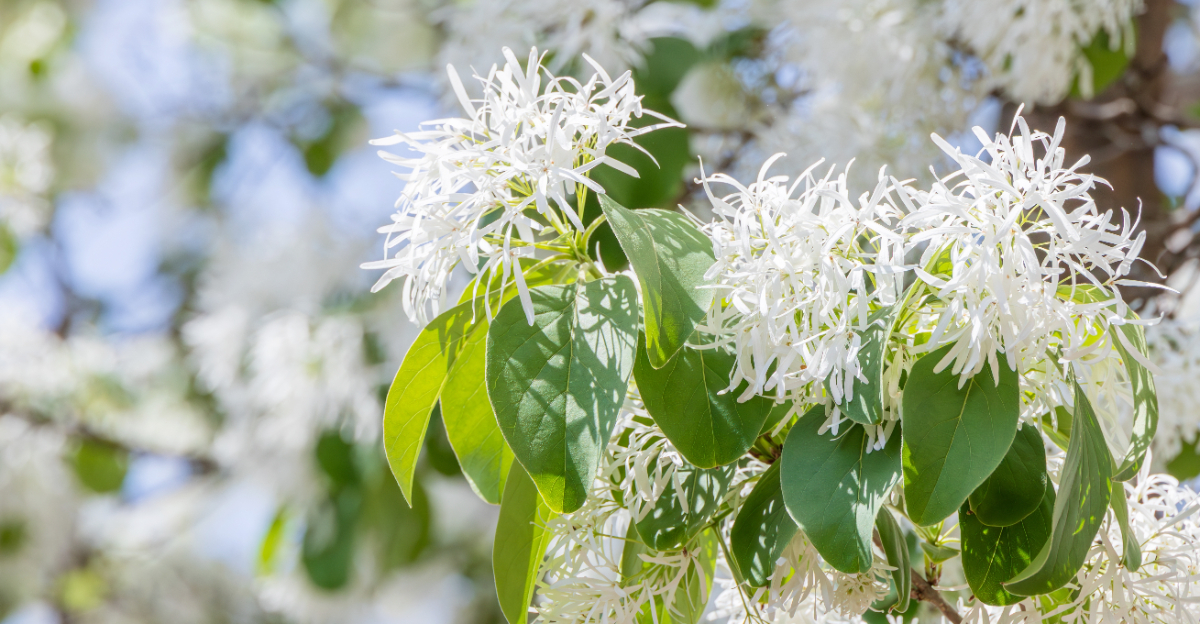
This native tree bursts into clouds of feathery white blooms that seem to float rather than grow, turning an ordinary corner of the yard into a small spectacle for a few unforgettable weeks each year.
Small enough for a tight yard, easygoing enough for a first-time gardener, and striking enough to make neighbors stop and ask what it is, this tree has a habit of surprising people who give it a chance.
Curious what’s behind those clouds of white? Stick around, the answer is closer than you’d guess.
A Native Tree Even Seasoned Gardeners Often Miss
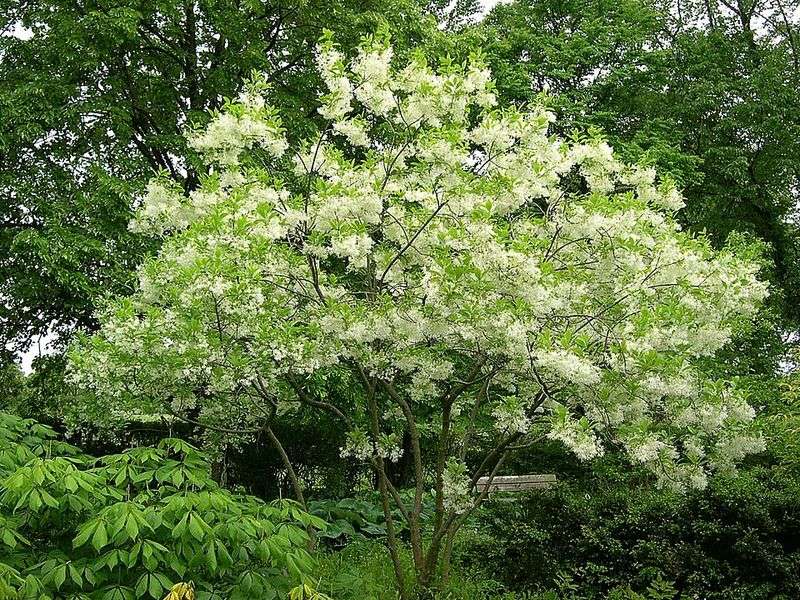
Walk through any Massachusetts garden center and you will spot rows of Japanese maples and ornamental cherries. The American fringe tree, Chionanthus virginicus, sits quietly nearby and gets ignored almost every time.
That is a shame, because this stunning Massachusetts native tree deserves far more attention. Gardeners who discover it often say it earns a permanent spot in their landscape.
Part of the problem is visibility. Nurseries stock what sells fast, and fringe trees have rarely had a big marketing moment.
Seasoned gardeners sometimes stumble across one in a botanical garden and freeze mid-step, caught off guard. The bloom display stands apart from most anything else flowering in late spring.
Native plant enthusiasts have been quietly championing this tree for years. It supports local insects, thrives in regional soil, and asks for almost nothing in return.
This tree also happens to be dioecious, meaning individual plants are either male or female. Planting more than one nearby helps ensure both strong blooms and berry production down the line.
Once you learn what the fringe tree offers, skipping it at the nursery is hard to justify. Your yard will thank you for making the switch from overused ornamentals to this overlooked gem.
Fragrant White Blooms That Steal Late Spring
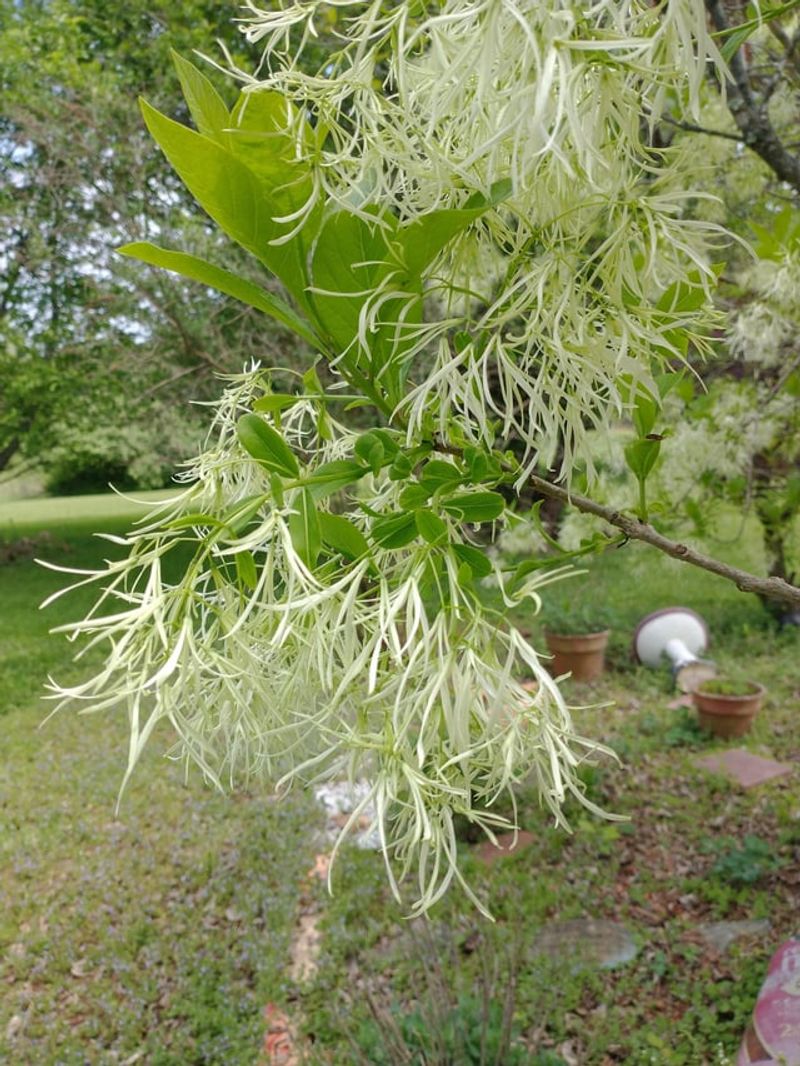
Few things prepare you for the first time a fringe tree blooms in your Massachusetts yard. The flowers erupt in late May, turning the entire canopy into a soft, white cloud almost overnight.
Each individual flower has four long, strap-like petals. Together, thousands of them create a frothy, cascading effect that stops neighbors mid-stride on their morning walks.
The fragrance is subtle but unmistakable. Standing near a fringe tree in bloom feels like catching a faint hint of honey carried on a warm breeze.
The bloom period typically lasts two to three weeks. That window feels short, but the display is so dramatic that it earns a full season of conversation.
Male trees tend to produce showier flower clusters than females. If maximum visual impact is the goal, seek out a male specimen at your local native plant nursery.
The blooms also tend to appear just before the leaves fully emerge. This timing makes the flower display even more striking, since there is little foliage to compete with it.
Your Massachusetts Garden Changes Every Week. Your Plan Should Too.
Gardening in Massachusetts changes quickly throughout the season. Every Friday you’ll receive a simple weekly plan showing exactly what to plant, prune, fertilize, harvest, and protect so you never miss the right timing.
Late spring in Massachusetts gardens rarely gets more spectacular than this. Planting a fringe tree means giving yourself a front-row seat to one of nature’s most underrated performances every year.
Compact Size That Fits Small Massachusetts Yards
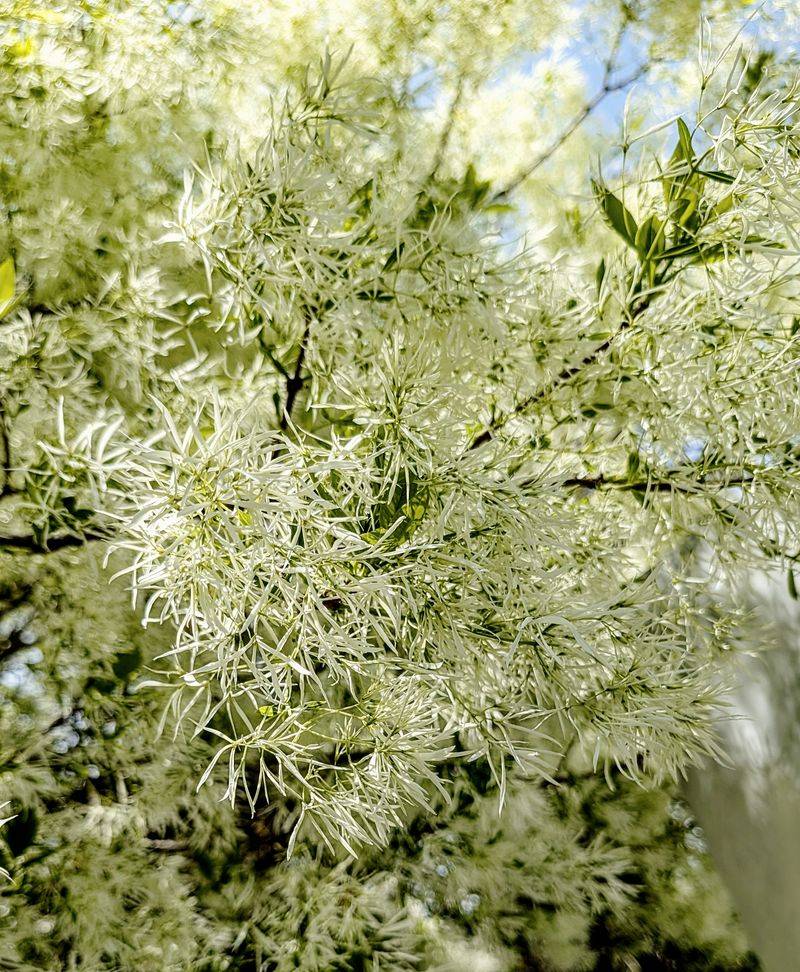
Space is a real concern for most Massachusetts homeowners. Lots in older Massachusetts neighborhoods are narrow, and choosing the wrong tree can mean years of pruning headaches.
Fringe trees grow slowly and stay relatively small. Most mature specimens top out between twelve and twenty feet tall, making them perfect for tight urban and suburban spaces.
The canopy spreads wide but not aggressively. You get a full, rounded shape while keeping root and branch concerns to a minimum.
This tree works beautifully as a specimen plant near a front walkway. It also anchors a mixed border without overwhelming smaller perennials planted at its feet.
Its multi-stemmed, rounded form also means it rarely needs staking or corrective shaping. That makes it a forgiving choice for gardeners who want structure without extra upkeep.
A single specimen can also double as a natural privacy screen near a patio or property line. Its dense summer foliage softens sightlines without ever feeling heavy or overgrown.
Slow growth is actually an advantage here. You are not committing to years of aggressive trimming just to keep the tree from taking over your outdoor space.
Even in a small courtyard or side yard, the tree keeps its proportions in check for years. That predictability makes long-term landscape planning far easier.
For anyone who has avoided planting trees because of size concerns, the fringe tree changes the math entirely. Compact, stunning, and low-maintenance, it fits where other trees simply cannot.
Fall Color And Berries That Support Wildlife
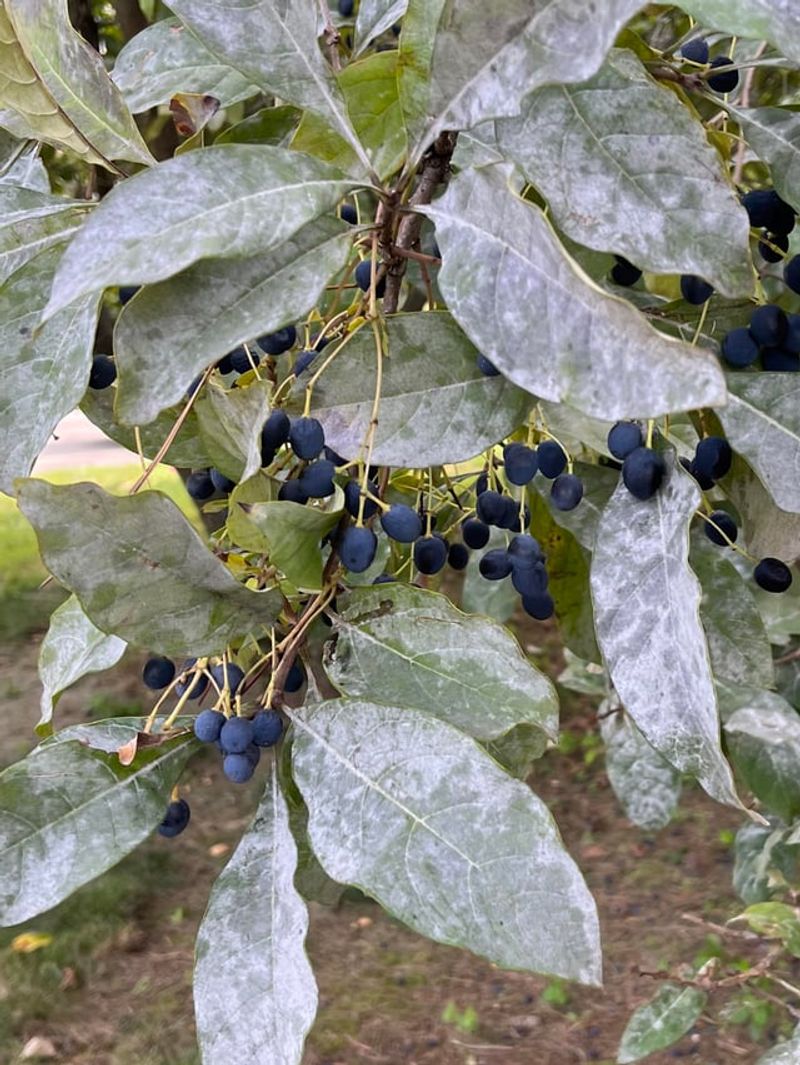
Spring gets all the attention, but the fringe tree keeps giving well into autumn. The leaves shift to a clean, buttery yellow before dropping, adding a warm glow to the fall garden. That color often lingers longer than on many other native trees, stretching the display well into October.
Female trees produce small, dark blue-black berries in late summer. Those fruit clusters look like tiny olives and are hard to resist for migrating birds passing through Massachusetts.
Thrushes, catbirds, and mockingbirds are among the birds that seek out fringe tree berries during fall migration. Planting one near a window gives you a front-row seat to a busy wildlife feeding station.
The berries ripen just as many other food sources dry up. That timing makes the fringe tree a valuable addition to any wildlife-friendly yard.
Only female trees produce fruit, so pairing one with a nearby male ensures reliable berry sets. This small planning step makes a real difference for the birds that depend on the crop each fall.
Beyond birds, native bees are drawn to the spring flowers. The fringe tree supports pollinators at a key moment in the growing season.
A single tree contributes to the local food web in two very different seasons. Few plants earn that kind of ecological double duty while also looking this good in a home landscape.
Best Practices For Planting A Fringe Tree
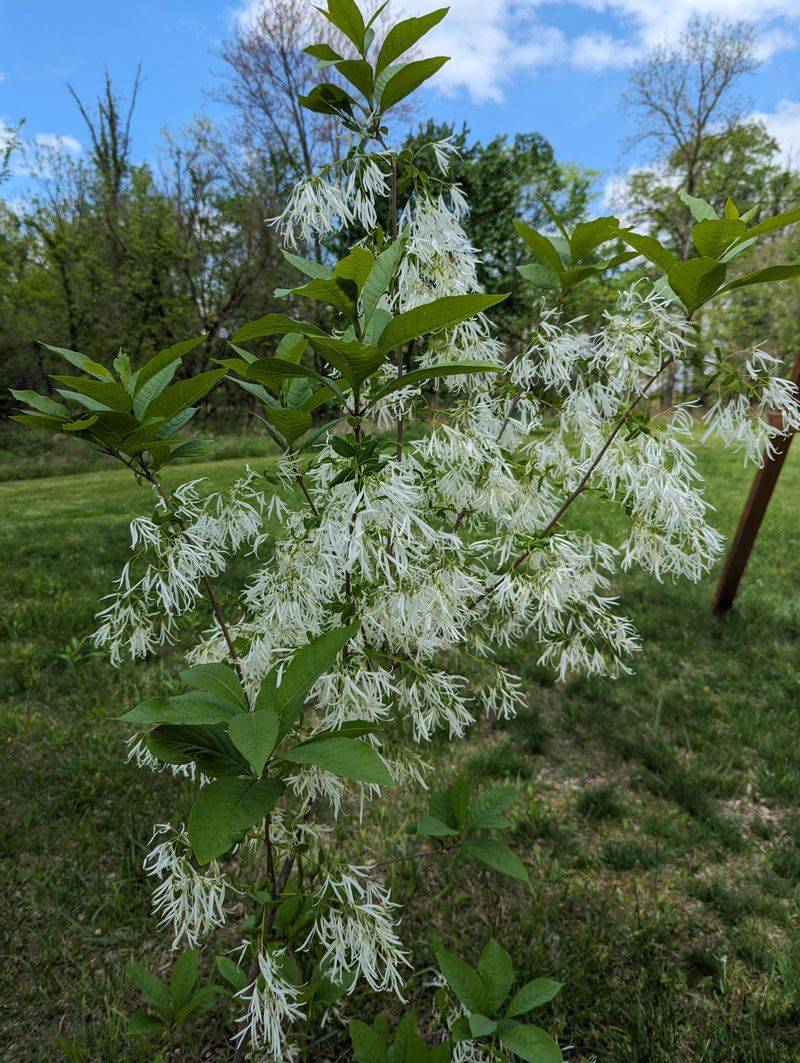
Planting day sets the tone for everything that follows. Getting a few basics right at the start means years of healthy growth and spectacular blooms ahead.
Choose a spot with at least partial sun and reasonably good drainage. Avoid low-lying areas where water pools for more than a day after heavy rain.
Fringe trees naturally favor moist, well-drained soil, similar to conditions found along streambanks and woodland edges. Recreating that balance in a home garden helps the tree settle in faster.
Dig a hole two to three times wider than the root ball but no deeper. Keeping the root flare at or slightly above grade prevents crown rot issues later.
Backfill with the original soil rather than heavily amended mix. Fringe trees adapt better when they are not coddled with rich amendments right from the start.
Fall planting tends to work especially well in Massachusetts, giving roots time to establish before summer heat arrives. Spring planting is also fine, provided watering stays consistent through the first hot stretch.
Water deeply right after planting and then again every week during the first growing season. Consistent moisture during establishment makes a dramatic difference in how quickly the tree settles in.
Mulching around the base with two to three inches of wood chips conserves moisture and suppresses competing weeds. Keep the mulch away from direct contact with the trunk to avoid rot.
Pruning And Care Tips That Save You Time
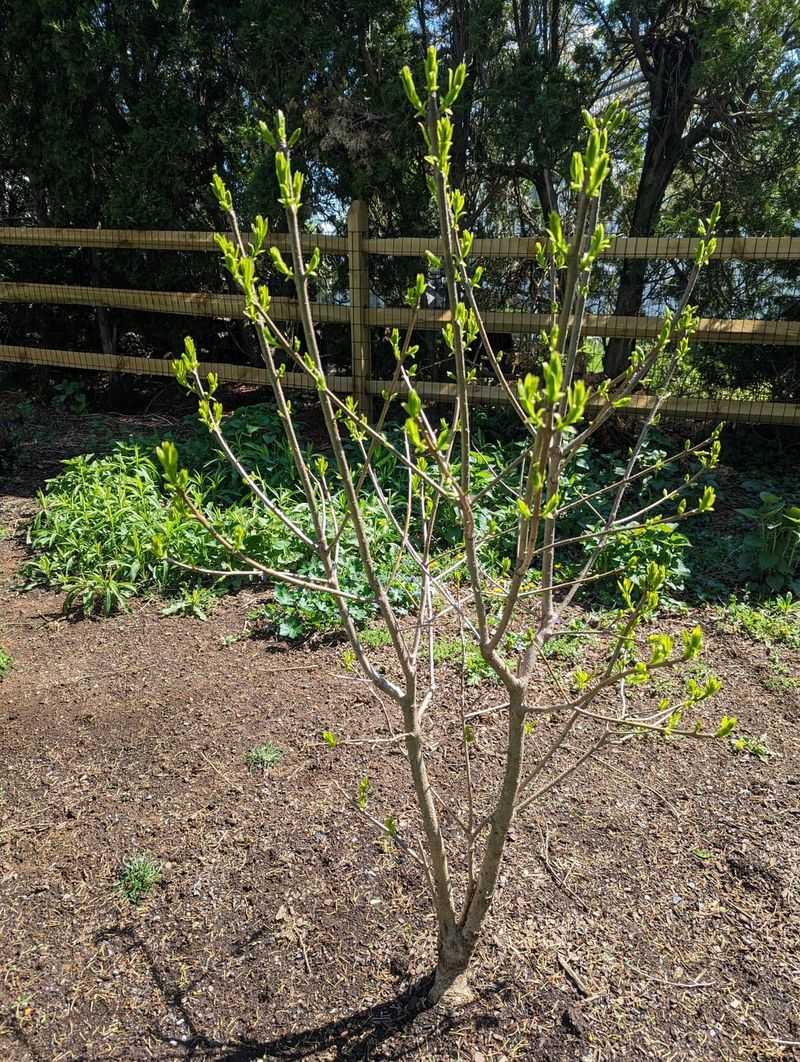
One of the best things about fringe trees is how little pruning they actually need. The natural shape is rounded and graceful, so heavy cutting usually does more harm than good.
Wait until after the blooming period ends before making any cuts. Pruning in late winter removes flower buds and ruins the spring display you planted it for.
Remove any crossing or rubbing branches once every few years. That light touch keeps the canopy open and airy without fighting the tree’s natural form.
Decayed or damaged wood can be cut out any time without much worry. Fringe trees compartmentalize wounds well and recover quickly from minor pruning cuts.
This tree also tolerates urban conditions and air pollution better than many ornamentals. That resilience makes it a practical choice even for tighter, street-facing yards.
Pests and diseases rarely cause serious trouble once the tree is established. A quick seasonal check for crossing branches is usually all the maintenance it asks for.
Fertilizing is rarely necessary for trees planted in decent soil. An occasional top-dressing of compost in early spring gives a gentle nutrient boost without pushing excessive leafy growth.
Watering needs also drop off considerably after the first couple of seasons. A deep soak during extended dry spells is usually enough to keep it thriving.
Low-maintenance does not mean no-maintenance, but the care demands here are minimal. Once established, a fringe tree mostly takes care of itself while you enjoy the show from a lawn chair.