What Wildfire Smoke Does To Oregon Garden Plants And When Leaves Need Rinsing
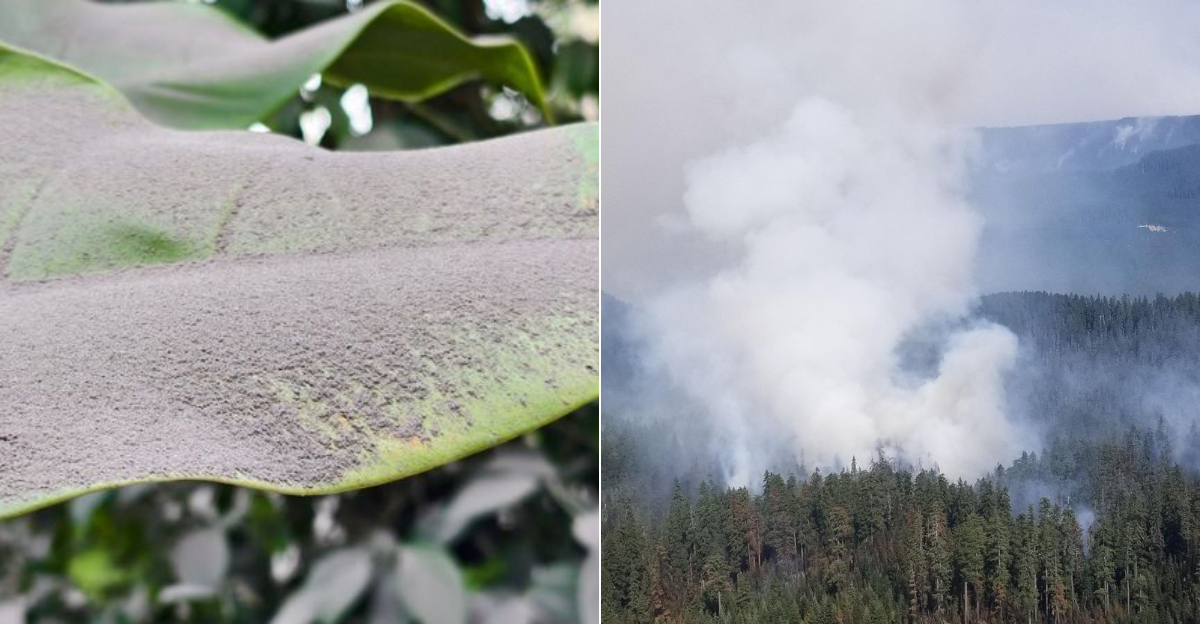
Wildfire smoke can settle over an Oregon garden long after the flames are nowhere nearby.
Plants may still look normal at first, which makes it hard to tell if the haze is actually affecting them or simply making the yard look dusty.
After several smoky days, leaves can pick up a visible coating and gardeners are often left wondering if they should intervene or leave everything alone.
The answer is not always obvious, especially when ash, dry weather, and ordinary summer stress are happening at the same time.
Some plants may benefit from a little cleanup, while others are better left undisturbed until conditions improve. Timing matters more than many people realize.
If smoke has been hanging over your garden this week, it is worth knowing what to watch for before reaching for the hose.
1. Smoke Dust Can Settle Right On Leaf Surfaces
After a nearby wildfire, the air fills with tiny particles that eventually have to land somewhere. A lot of them land right on your plants.
Fine ash, soot, and dust particles drift down and coat leaf surfaces the same way they coat your car or patio furniture. You might not notice it at first, but after a few days of heavy smoke, a gray or white film can build up on leaves.
That coating might look harmless, but it creates real problems for plants. Leaves need to absorb sunlight to make food through photosynthesis.
When a layer of ash sits on top, it acts like a curtain. Less light gets through, and the plant has to work harder just to do its normal job.
The particles are also very fine, which means they can clog the tiny pores on leaves called stomata. Plants breathe through these pores.
When stomata get blocked, the plant has trouble taking in carbon dioxide and releasing oxygen. Over time, this slows growth and can weaken even strong, healthy plants.
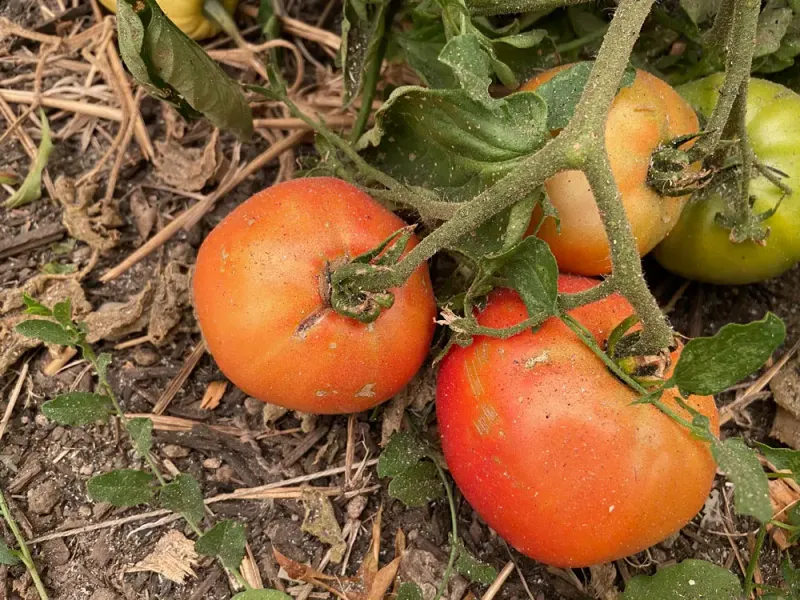
Vegetables like zucchini and kale are especially at risk because they have large, flat leaves that catch more ash. Checking your leaves after a smoke event is a smart first step before deciding what to do next.
2. Ashy Leaves May Struggle To Photosynthesize Normally
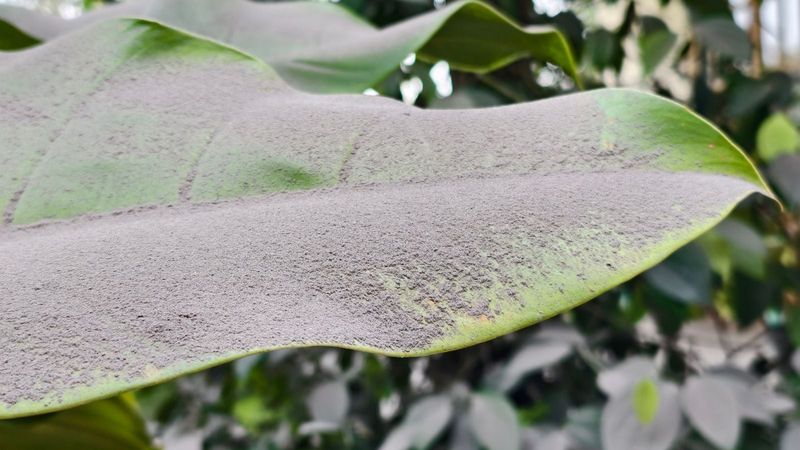
Photosynthesis is how plants turn sunlight into energy, and it is one of the most important things a plant does every single day. When ash and smoke particles coat the surface of a leaf, they block the sunlight that the plant needs.
Even a thin layer of dust can reduce how much light actually reaches the cells inside the leaf.
Plants that cannot photosynthesize well start to slow down. They produce less energy, which means they grow more slowly and may not fruit or flower as expected.
Tomatoes may drop blossoms. Squash may produce fewer fruits.
Lettuce and other greens may turn pale or look limp. These signs are easy to miss during wildfire season because gardeners often focus on the air quality rather than the garden itself.
The good news is that most plants can bounce back once the ash is removed and sunlight returns. Rinsing leaves gently restores their ability to absorb light.
Your Oregon Garden Changes Every Week. Your Plan Should Too.
Gardening in Oregon changes quickly throughout the season. Every Friday you’ll receive a simple weekly plan showing exactly what to plant, prune, fertilize, harvest, and protect so you never miss the right timing.
But timing matters. If the smoke keeps coming for days or weeks, one rinse might not be enough.
Checking your plants every couple of days during a prolonged smoke event helps you stay ahead of the problem. Keeping plants watered and healthy before smoke season also builds resilience.
A strong, well-fed plant handles stress much better than one that was already struggling before the fires started.
3. A Light Rinse Can Help After Heavy Smoke
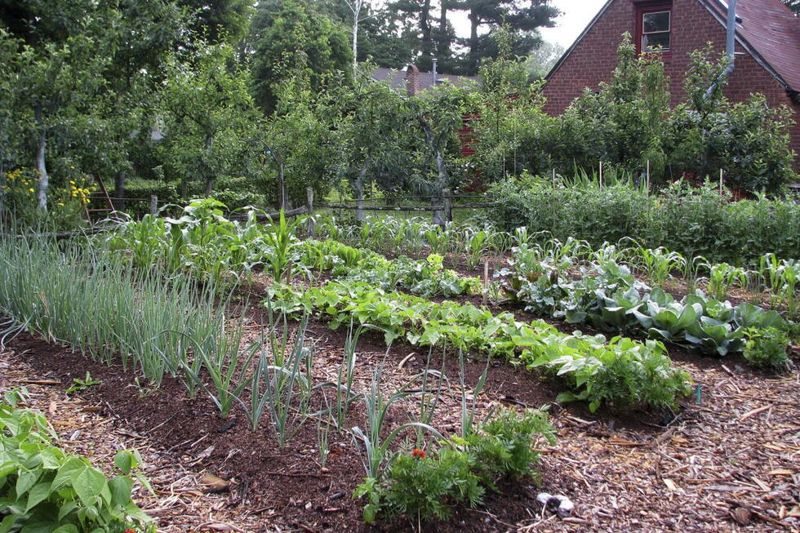
When smoke has been thick for several days and you can see a visible layer of ash on your plants, a light rinse can do a lot of good. Washing off that layer of particles lets your plants breathe and absorb sunlight again.
For most garden plants, this simple step can make a noticeable difference within just a day or two.
The key word here is light. You are not trying to power-wash your garden.
A gentle stream of water from a hose or a watering can with a rose head is enough to remove ash from most leaves. Hold the nozzle a few inches away and let the water flow over the surface without forcing it.
Work from the top of the plant downward so the ash rinses off and away from the root zone.
Pay extra attention to plants that have been under heavy smoke exposure. Vegetables like peppers, beans, and leafy greens tend to collect more ash because of how their leaves are shaped.
Fruit trees and berry bushes also benefit from a rinse, especially if they are close to fruiting. Rinsing the fruit itself is also a good idea if it is nearly ready to pick.
Always use clean water, and make sure the water pressure is low enough that you are not bending or snapping any stems or branches in the process.
4. Waiting Until The Air Clears Before Washing Leaves
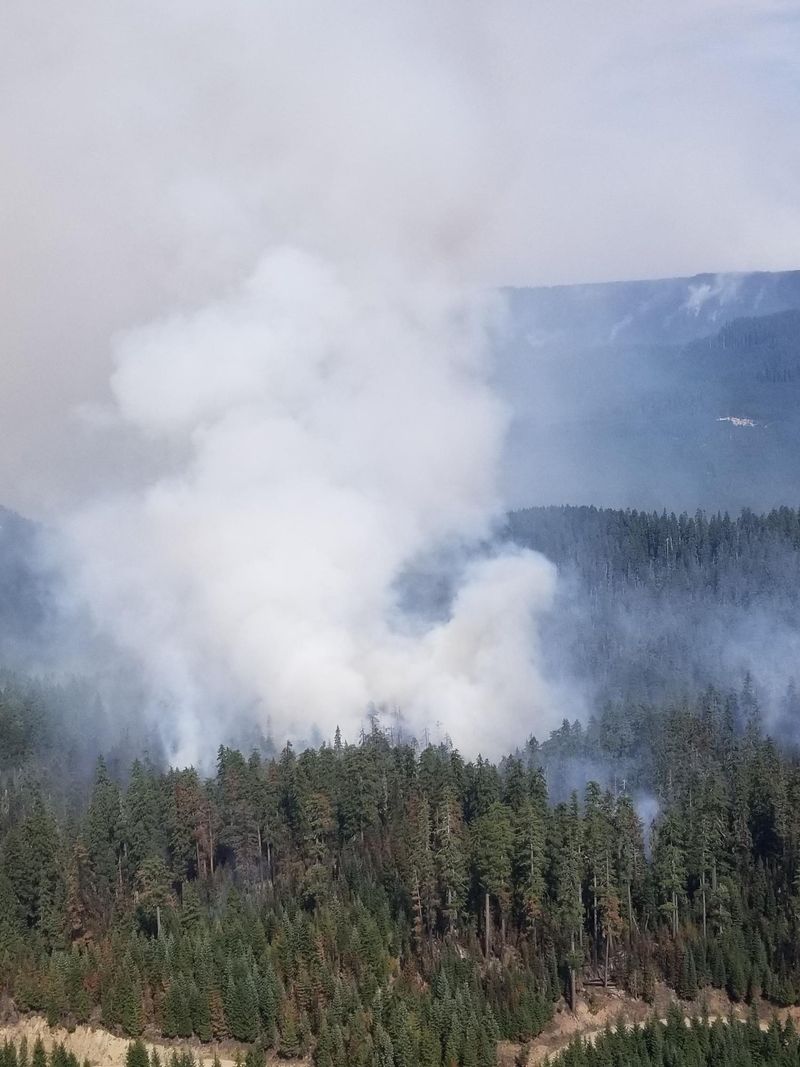
Here is something that surprises a lot of gardeners: rinsing your plants while the air is still thick with smoke may not help much.
If the air quality index is still high and smoke is actively settling, washing leaves today just means they get coated again tomorrow. You end up doing extra work with little lasting benefit.
Waiting until the smoke clears, or at least drops to a moderate level, gives the rinse a real chance to work. Once cleaner air moves in, your plants can recover more fully after being washed.
Their pores open up, they absorb sunlight better, and they start to bounce back. Rinsing right before a stretch of clear days is the most effective timing you can aim for.
Keeping an eye on your local air quality index is a practical habit during fire season. Many weather apps and state environmental websites post real-time air quality readings.
When the AQI drops below 100, that is generally a good window to get outside and tend to your garden. In Oregon, air quality can shift quickly depending on wind direction and fire activity.
Checking the forecast before you rinse helps you make a smart choice. You do not want to spend time washing leaves only to have another wave of smoke roll in that same afternoon and undo all your effort.
5. Using A Gentle Spray Instead Of Blasting Foliage
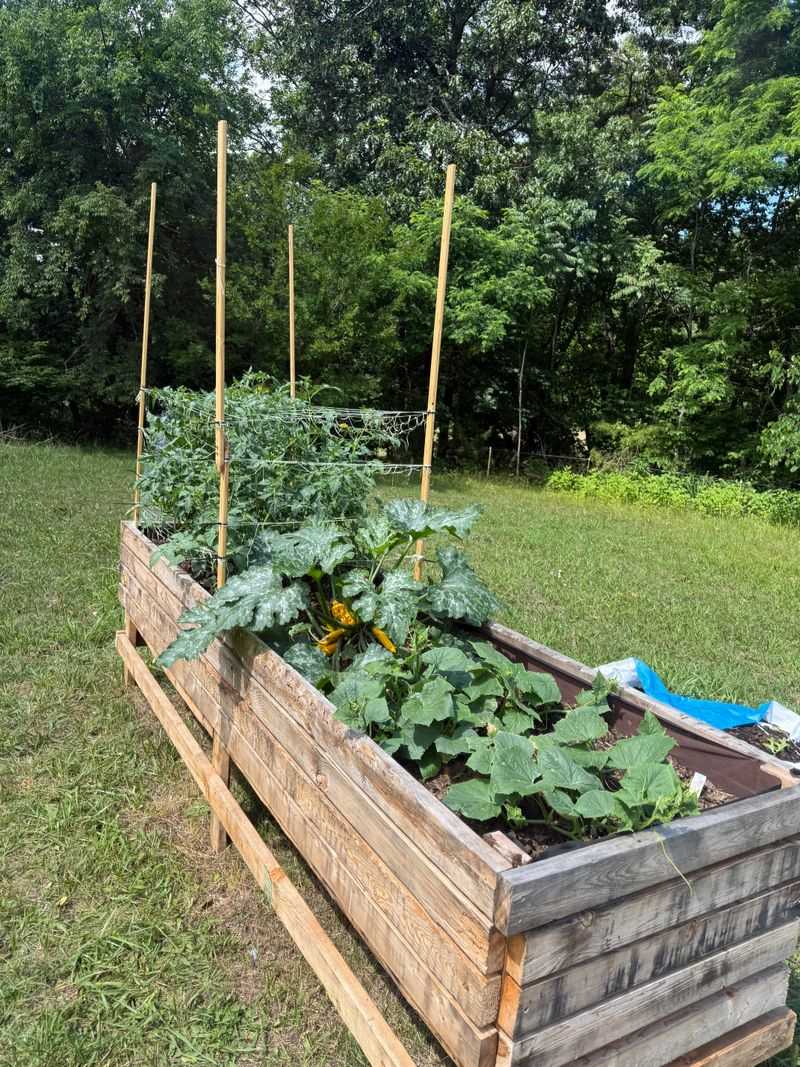
Not all spray settings are created equal, and using the wrong one can hurt more than it helps. A strong, direct blast of water can bruise soft leaves, break thin stems, and even strip flowers or young fruit right off the plant.
This is especially true for delicate plants like basil, young seedlings, or flowering herbs that have not fully hardened off yet.
A misting or shower setting on your hose nozzle is the safest choice for rinsing off smoke and ash.
Many adjustable nozzles have a gentle shower or fan setting that spreads water over a wider area without concentrating pressure on a single spot.
Using that setting lets you cover more leaves at once while keeping the water force low enough to avoid damage.
For very delicate plants, you can even use a watering can with a fine rose attachment. Pouring water gently over the top of the plant lets it trickle down through the leaves without any pressure at all.
Some gardeners also use a soft cloth or sponge to wipe ash off large individual leaves, like those on squash or cucumber plants.
Whatever method you choose, the goal is the same: remove the ash without stressing the plant further.
A plant that has been dealing with smoke for days is already under strain, so every step of the rinsing process should be as gentle as possible.
6. Rinsing In The Morning Before The Day Heats Up
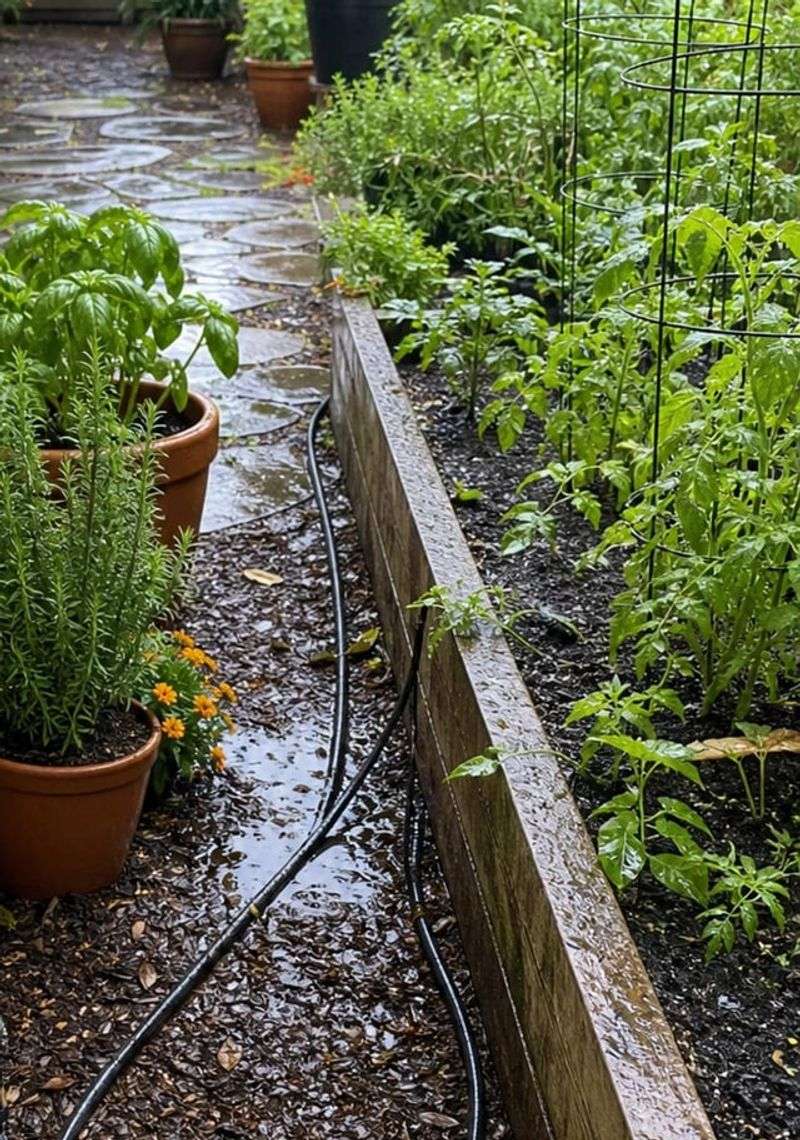
Timing your rinse for the right part of the day matters more than most people think. Early morning, right after sunrise, is the best window for washing off ash and smoke residue from your plants.
The temperature is cooler, the sun is not yet intense, and leaves have time to dry before the heat of midday sets in.
Wet leaves in the heat of the afternoon can act like a magnifying glass. Water droplets sitting on the surface can focus sunlight and create small burn spots.
This is called leaf scorch, and it can add even more stress to plants that are already struggling from smoke exposure. Rinsing in the morning avoids this problem entirely because the water evaporates gradually as the day warms up.
Morning rinsing also gives plants a head start on the day. Once the ash is off and the leaves are clean, the plant can begin photosynthesizing as soon as the sun gets strong enough.
That means more energy production and a faster recovery from smoke stress. Evening rinsing is sometimes done, but it carries the risk of leaving leaves wet overnight, which can encourage mold or fungal growth.
In humid climates, or during cooler fall nights common in the Pacific Northwest, wet foliage left overnight is more likely to develop powdery mildew or other fungal issues. Stick with mornings whenever you can.
7. Skipping Soap Unless Pests Are Also A Problem
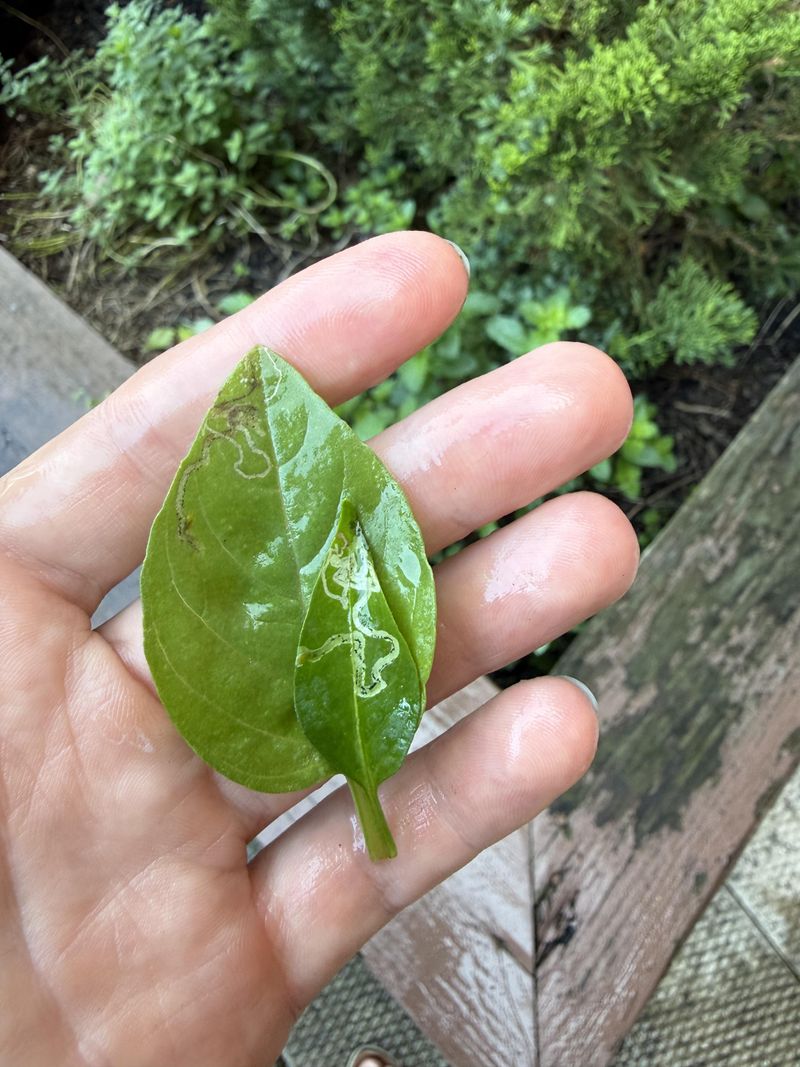
Some gardeners reach for dish soap or insecticidal soap when they rinse their plants, thinking it will help remove ash more thoroughly. For smoke and ash alone, plain water is enough.
Soap is not needed and can sometimes cause more harm than good if it is the wrong type or used at the wrong concentration.
Dish soap, especially formulas with added degreasers or fragrances, can strip the natural waxy coating off leaves. That coating, called the cuticle, protects the plant from water loss and pest damage.
Removing it leaves the plant more vulnerable. Insecticidal soaps are formulated to be safer for plants, but they still work best when used only when there is an actual pest problem to treat.
If you notice aphids, spider mites, or whiteflies on your plants along with smoke residue, then a diluted insecticidal soap rinse makes sense. Mix it according to the label directions and test it on a small area first.
But if the only issue is ash and dust from wildfire smoke, save the soap for another time. Plain water does the job just fine and keeps your plants from dealing with an extra layer of chemical stress.
Keeping it simple is often the smartest approach, especially when your garden is already under pressure from poor air quality and reduced sunlight during fire season.
8. Checking Tender Leaves For Scorch Before Rinsing
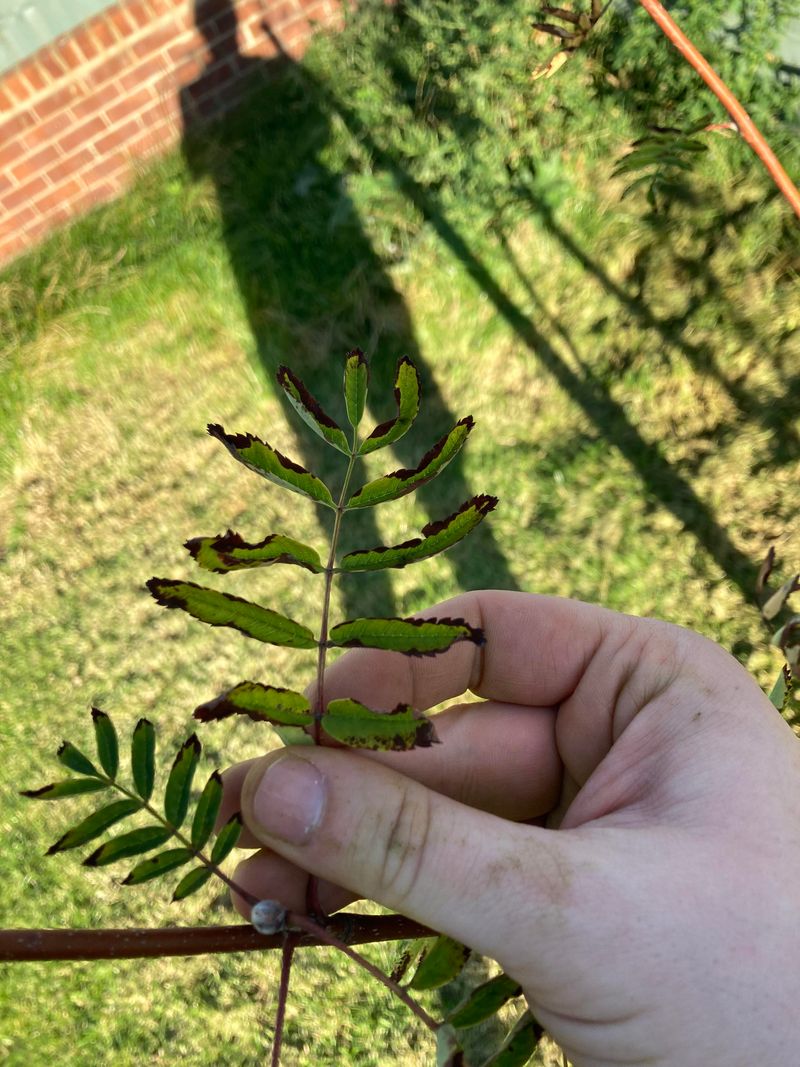
Before you grab the hose, take a minute to look closely at your plants. Tender leaves, especially on young transplants or heat-sensitive plants like lettuce and spinach, can develop scorch marks during smoky weather even without direct sunlight exposure.
The combination of heat, poor air quality, and ash buildup can stress leaves to the point where they start to brown or curl at the edges.
Rinsing scorched leaves is fine, but you should know what you are looking at first. A leaf with brown, crispy edges is already damaged.
Rinsing it will remove the ash but will not reverse the scorch. Knowing this helps you set realistic expectations.
You are rinsing to help the healthy parts of the plant recover, not to fix leaves that are already past their best.
In some cases, removing badly scorched leaves before rinsing is a good idea. Cutting off damaged foliage reduces the stress on the plant and lets it put energy into healthy new growth.
Use clean scissors or pruners and make a clean cut. After removing damaged leaves, rinse the rest of the plant gently.
In Oregon gardens, late summer and early fall smoke events often hit right when plants are at peak production, so checking carefully before rinsing helps you protect what is still thriving and let go of what has already been too heavily damaged to recover.