The Best Oregon Container Plants For A Porch That Gets Almost No Direct Sun
A Oregon porch with barely any direct sun can seem like a difficult place to grow anything beyond a few tired pots.
In reality, low-light spaces can support some of the most interesting container combinations in the yard.
The trick is choosing plants that are comfortable with bright shade instead of forcing sun-loving favorites into conditions they will never enjoy.
Texture becomes especially important here, since foliage often does more of the visual work than flowers.
Pot size and drainage still matter, but the biggest difference comes from matching the plant to the light that actually reaches the porch. With the right choices, a shaded entry can feel lush and intentional rather than dim or empty.
The best candidates are the ones that keep looking good without constantly reaching for sunlight they are never going to get.
1. Heuchera Keeping Pots Colorful Without Much Sun
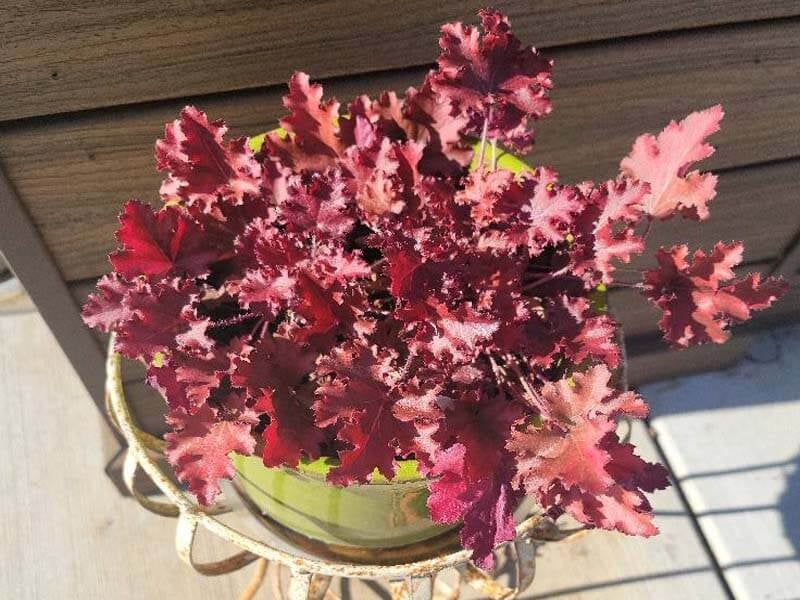
Few plants pack as much color into a shady container as Heuchera does. Also called coral bells, this plant is a favorite for low-light spots because its leaves stay vibrant all season long.
You get rich shades of burgundy, bronze, caramel, silver, and lime green without needing a single ray of direct sun.
Heuchera grows in a neat mound shape, which makes it look tidy and full in pots. The leaves have a slightly ruffled edge that adds texture and visual interest.
Some varieties even send up tall, delicate flower stalks with tiny bell-shaped blooms in late spring and early summer.
For best results, plant Heuchera in a well-draining potting mix. Keep the soil moist but not soggy.
These plants do not like sitting in wet roots for long periods.
Choose a pot with good drainage holes and water when the top inch of soil feels dry. Heuchera handles the cool, rainy Pacific Northwest climate extremely well.
It can even stay outdoors through mild winters in many lower-elevation parts of the region.
Mix two or three different color varieties together in one large container for a striking, multi-toned display. The contrast between deep purple and bright chartreuse leaves is especially eye-catching on a shaded porch.
2. Hellebores Bringing Flowers To The Darkest Porch Corners
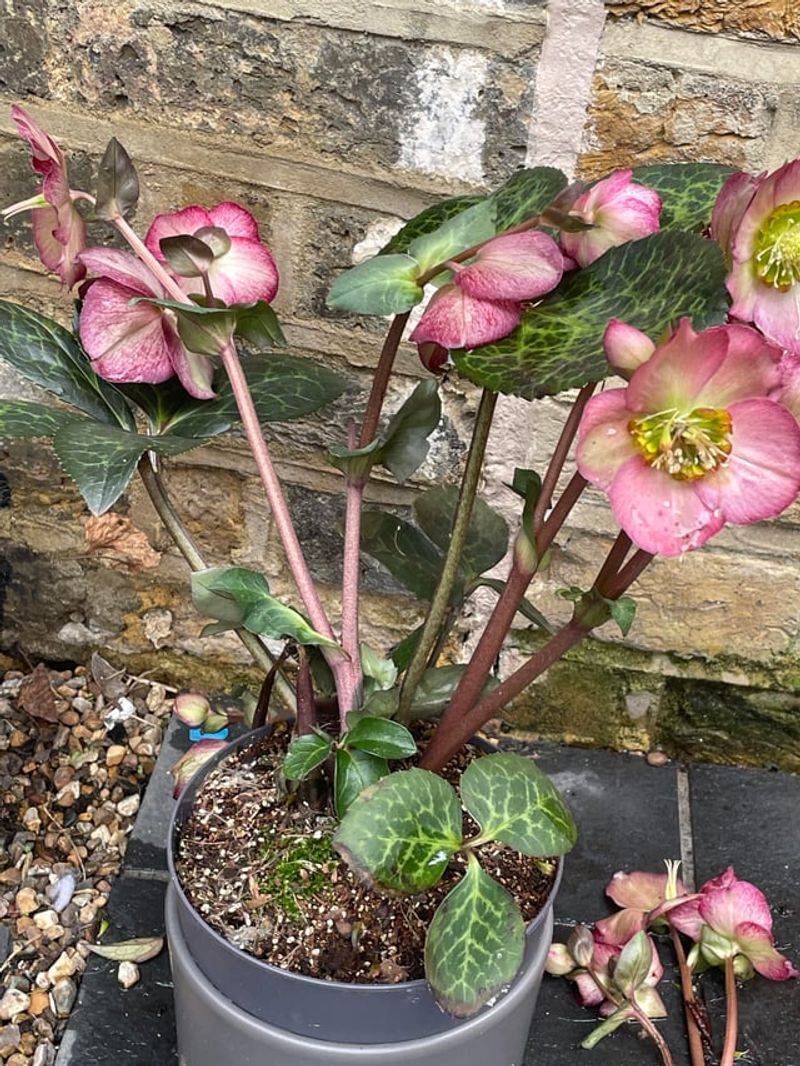
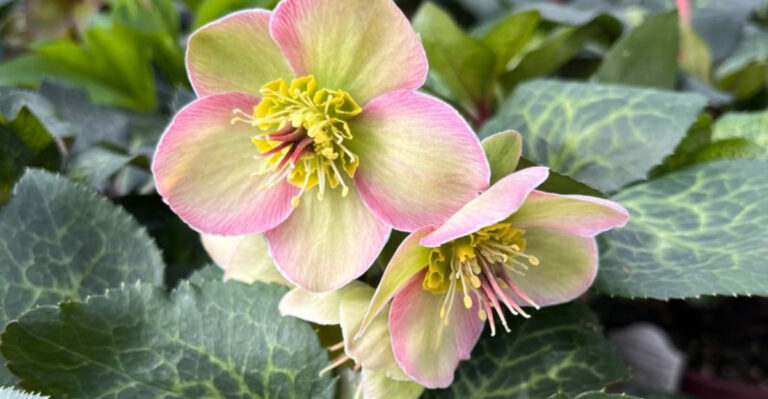
Hellebores are one of the toughest and most rewarding plants you can grow in a shady Oregon container. Known as the Lenten rose, this plant blooms in late winter and early spring when almost nothing else is flowering.
Seeing those nodding, cup-shaped blooms appear in February or March feels like a small miracle.
The flowers come in creamy white, soft pink, deep plum, and near-black shades. Some varieties have speckled petals or double layers of blooms that look almost like small roses.
Even after the petals drop, the foliage stays attractive all year with its bold, dark green leaves.
Hellebores prefer rich, well-draining soil and do best with some organic matter mixed in. Water regularly during dry spells but avoid overwatering.
They are quite forgiving once established and do not need much fussing.
Use a large container since hellebores develop a sturdy root system over time. They grow slowly, but a mature plant can become a real showpiece in a shaded corner.
Your Oregon Garden Changes Every Week. Your Plan Should Too.
Gardening in Oregon changes quickly throughout the season. Every Friday you’ll receive a simple weekly plan showing exactly what to plant, prune, fertilize, harvest, and protect so you never miss the right timing.
One fun fact about hellebores is that their blooms face downward, almost shyly. Tipping the pot slightly forward or placing it on a raised stand lets you better appreciate the beautiful inner details of each flower.
3. Japanese Forest Grass Brightening Up Shady Containers
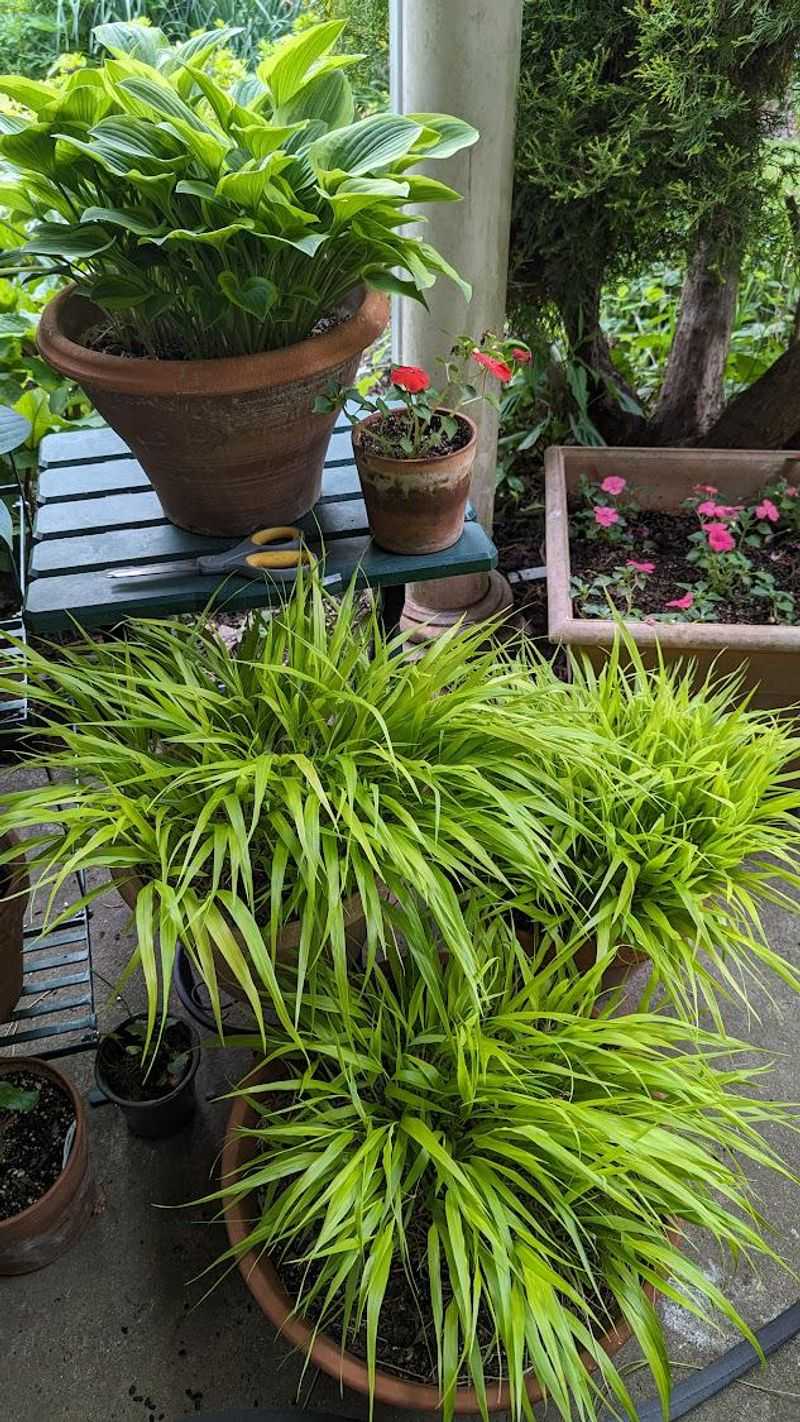
Bright, arching, and almost glowing in low light, Japanese forest grass is one of the most visually striking plants you can grow in a shady container.
The variety called Hakonechloa macra “Aureola” features golden-yellow blades striped with green that seem to light up even the darkest porch corner.
Unlike most ornamental grasses that need full sun, Japanese forest grass genuinely thrives in shade. It forms a graceful, cascading mound that spills softly over the edges of a pot.
The movement of those flowing blades in a light breeze adds a calming, almost meditative quality to a porch space.
Plant it in moist, well-draining potting mix and keep the soil consistently damp. This grass does not like to dry out completely between waterings.
A layer of mulch on top of the soil helps hold moisture in during drier stretches.
Japanese forest grass pairs beautifully with darker-leaved plants like Heuchera or dark-colored Carex. The contrast between the bright golden grass and deep purple foliage is stunning in a mixed container.
During fall, the leaves shift to warm amber and russet tones before winter sets in. That seasonal color change makes this plant interesting to watch throughout the entire growing season, not just in summer.
4. Carex Adding Soft Texture Without Needing Direct Sun
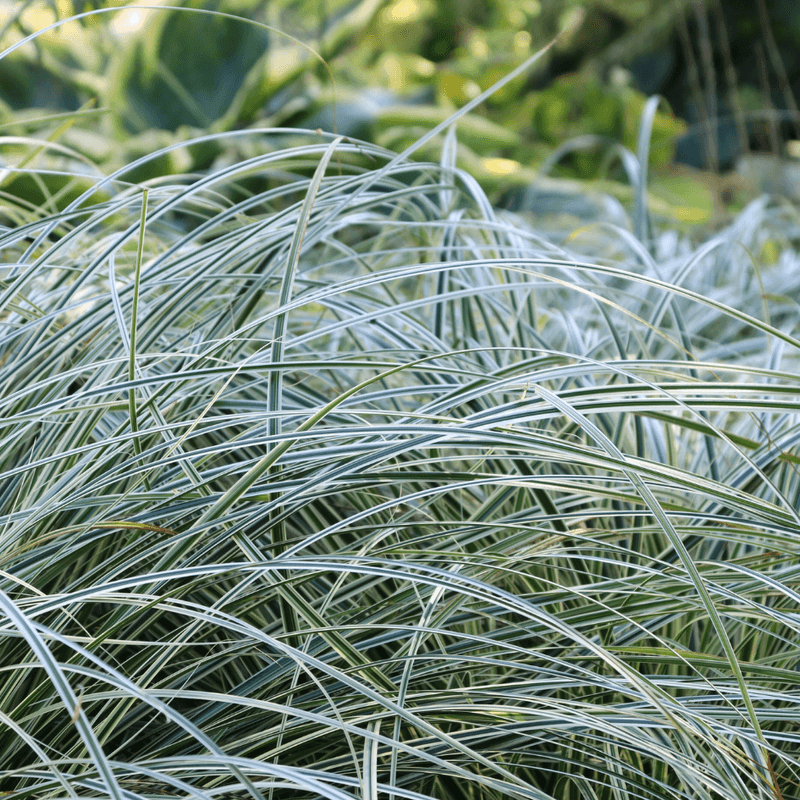
Carex, commonly called sedge, is a grass-like plant that brings effortless texture and movement to shady container gardens. It looks similar to ornamental grass but handles low-light conditions far better than most true grasses.
With dozens of varieties available, you can find a Carex to suit almost any color scheme or style.
Popular choices include Carex oshimensis “Evergold,” which has creamy yellow centers with green edges, and Carex buchananii, a striking bronze-red variety that looks almost coppery in low light.
Both stay attractive throughout the year and hold their color even in winter.
Carex is an easygoing plant that does not need much attention once it settles into its pot. Keep the soil evenly moist and avoid letting it dry out completely.
Most varieties are also quite cold-hardy, which makes them a smart pick for Pacific Northwest porches that face chilly, wet winters.
Use Carex as a spiller in a mixed container, letting it drape gracefully over the pot’s edge. It pairs well with bolder plants like hostas or ferns that provide a strong upright contrast.
Trim any brown or tatty-looking tips in early spring to keep the plant looking fresh. New growth will quickly fill in and the plant will look tidy and full again within a few weeks.
5. Fuchsias Loving Cool Porches And Filtered Light
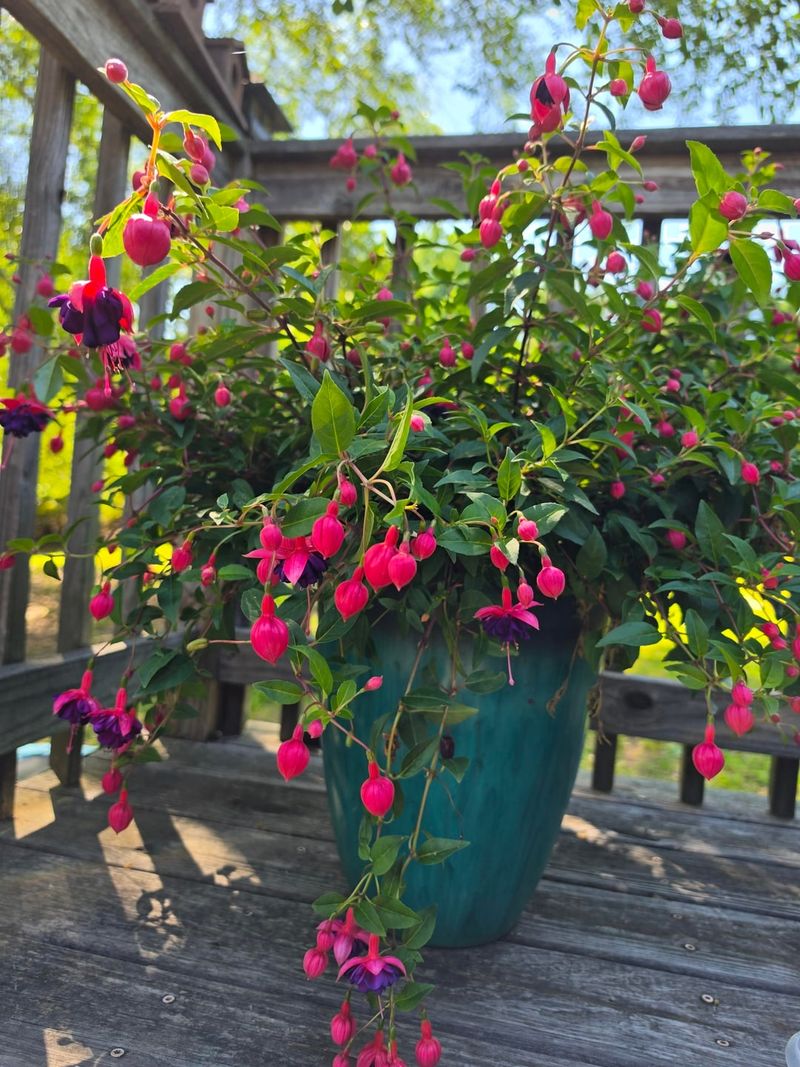
Ask any experienced Pacific Northwest gardener which flowering plant loves a cool, shady porch, and chances are good they will say fuchsia. Few plants bloom as dramatically in low-light conditions.
The dangling, two-toned flowers in shades of pink, red, purple, and white look almost tropical but prefer cool temperatures and filtered light over hot, direct sun.
Fuchsias are perfectly suited to the mild Oregon climate. They struggle in heat and intense sunlight, so a shaded porch is actually ideal for them.
Morning light or bright, indirect light is all they need to produce flowers all summer long.
Keep the soil consistently moist because fuchsias do not handle drought well. During dry, warm spells, you may need to water daily.
Feed with a balanced liquid fertilizer every two weeks to keep the blooms coming strong.
Trailing fuchsia varieties look spectacular in hanging baskets or tall containers where the stems can cascade downward. Upright varieties work well in standard pots and can be combined with other shade plants for a layered look.
Pinching back the tips of young plants encourages more branching and more flowers. Remove spent blooms regularly to keep the plant tidy and to encourage new buds to form.
With just a little care, fuchsias will reward you with months of color.
6. Begonias Blooming Where Sunny Patio Plants Struggle
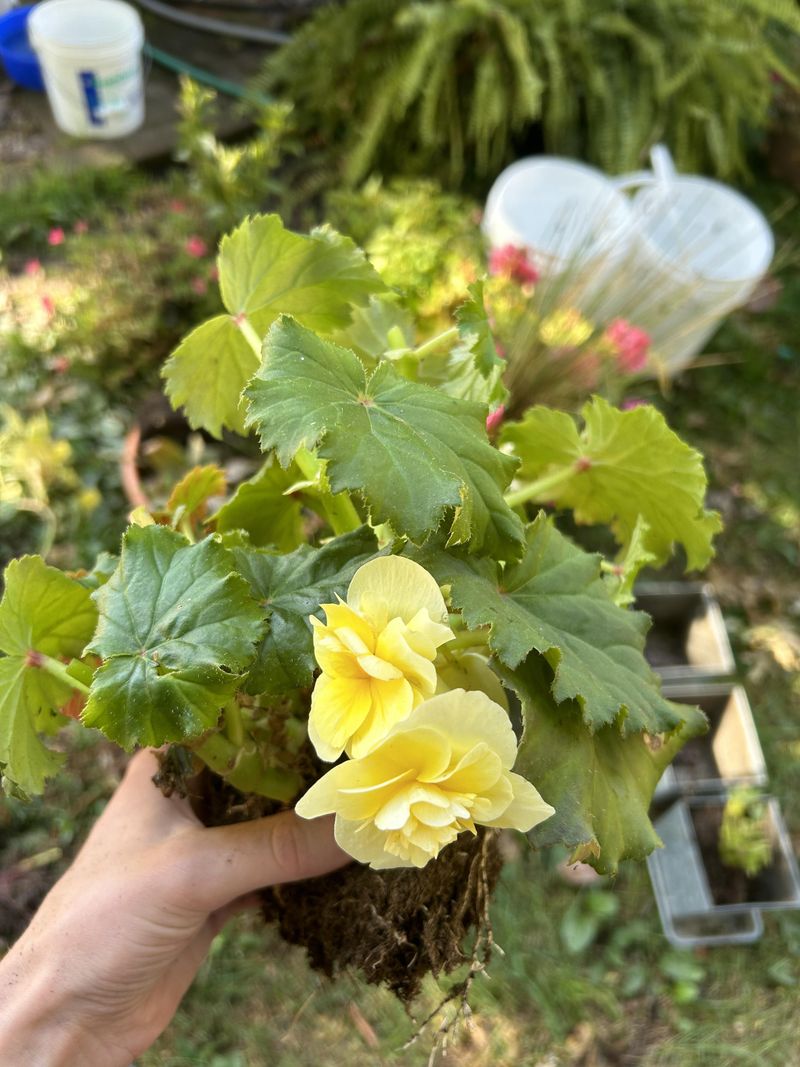
Tuberous begonias are one of the most underrated container flowers for shady spaces. While many flowering plants sulk and stop blooming without direct sun, tuberous begonias put on a full, lush floral display in low-light conditions.
The blooms are large and ruffled, almost resembling roses or camellias, and they come in vivid shades of red, orange, yellow, pink, and white.
Begonias prefer cool temperatures and indirect light, making them a natural fit for a shaded porch in a cool coastal or inland Northwest climate.
They hate hot afternoon sun, which can scorch their delicate petals and cause the plant to drop buds before they open.
Plant tuberous begonias in rich, well-draining potting mix and water regularly. Let the top layer of soil dry slightly between waterings, but do not let the pot go bone dry.
Overwatering is a common issue, so always check that your pot has drainage holes.
Feed every two weeks with a fertilizer higher in phosphorus to encourage strong blooming. Deadhead spent flowers by gently snapping them off at the base to keep the plant producing new blooms throughout the season.
Trailing begonia varieties look gorgeous in hanging pots or window boxes. Upright types work well as centerpiece plants in large containers paired with ferns or impatiens for a full, layered display.
7. Impatiens Filling Shady Pots With Easy Color
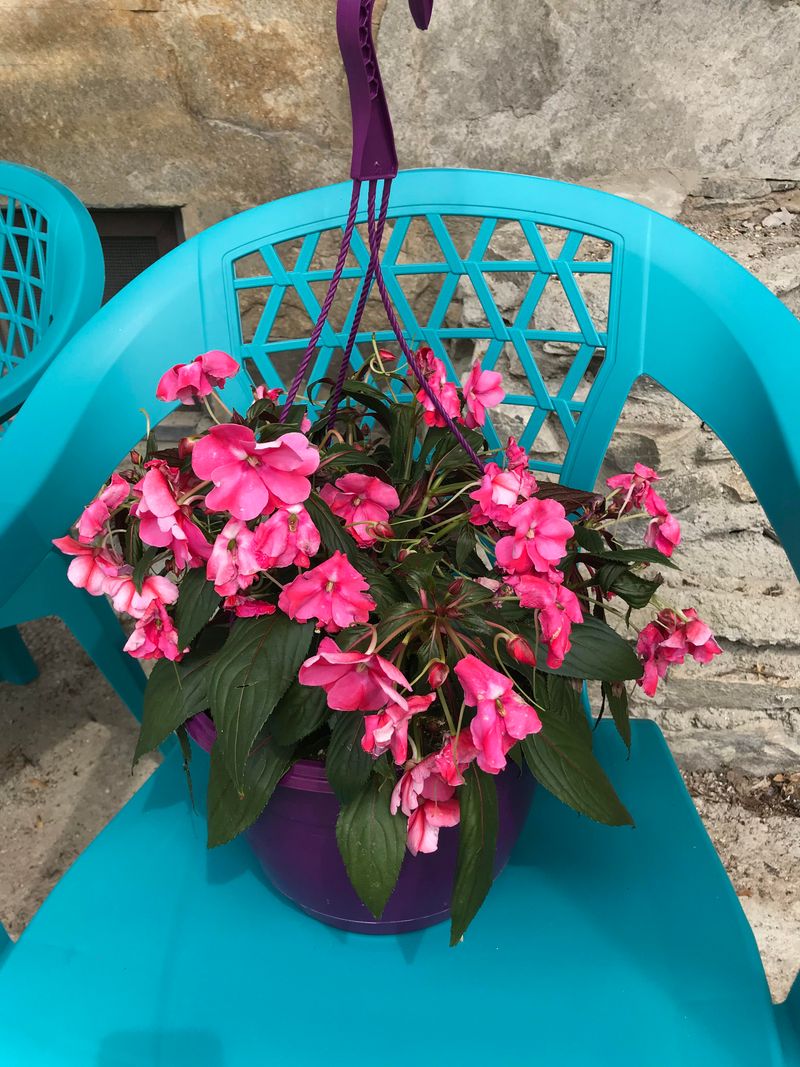
Reliable, cheerful, and incredibly easy to grow, impatiens have been a go-to shade plant for decades.
They fill containers quickly with dense, colorful blooms that keep going from late spring all the way through fall.
Few plants deliver this level of consistent color in a low-light spot with so little effort.
Classic impatiens, also called busy lizzies, come in almost every color you can think of. Coral, hot pink, white, lavender, salmon, and deep red are all widely available at local nurseries.
New Guinea impatiens are a slightly larger variety with bolder, glossy leaves and bigger individual flowers.
Impatiens need consistently moist soil and will wilt quickly if they dry out. On warm days, check the soil daily and water as needed.
A layer of potting mix with moisture-retaining properties can help reduce how often you need to water.
Feed impatiens every two weeks with a balanced liquid fertilizer to keep them blooming vigorously.
They do not usually need deadheading since they drop their spent blooms naturally and keep producing new ones on their own.
Combine impatiens with ferns or hostas for a classic shade container combination. The bold, leafy texture of those companion plants contrasts beautifully with the dense, flower-covered mounds that impatiens create in a pot.
8. Hostas Making Large Containers Look Lush And Full
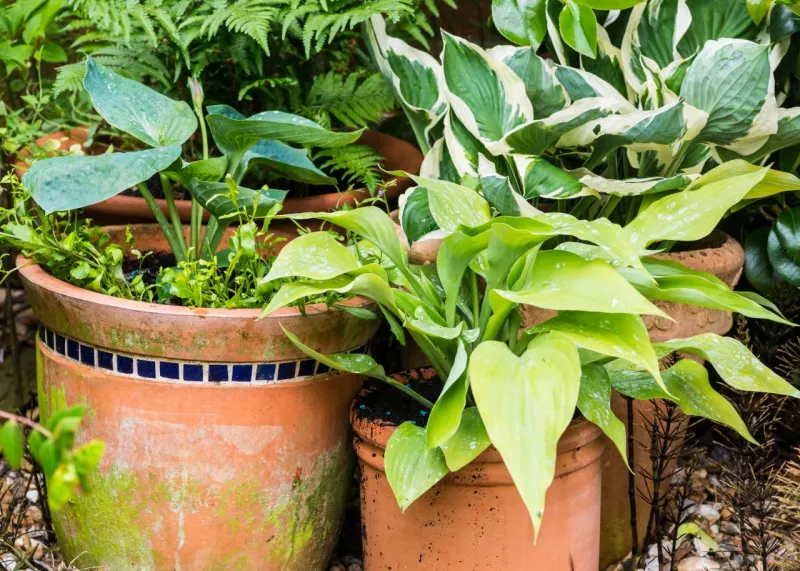
Bold, architectural, and impossibly lush, hostas are the undisputed champions of shady container gardening.
Their large, sculptural leaves come in blue-green, chartreuse, gold, and variegated patterns that can transform a plain pot into a stunning focal point.
A single large hosta in a beautiful container can anchor an entire porch display.
Hostas grow well in deep shade and actually prefer it over direct sun, which can bleach or scorch the leaves. Varieties like “Halcyon” with its cool blue-gray leaves or “Sum and Substance” with its enormous golden foliage are especially striking in containers.
Use a large pot with rich, moisture-retaining potting mix for the best results. Hostas have generous root systems and need room to grow.
Water deeply and regularly, especially during dry summer stretches, because hostas in containers dry out faster than those planted in the ground.
Slugs are the main pest to watch for with hostas, and this is especially true in rainy Pacific Northwest gardens. Use slug bait or copper tape around the pot’s rim to protect the leaves from damage.
In fall, hosta leaves will yellow and wither back naturally as the plant goes dormant. Leave the pot in place and the hosta will return with fresh, beautiful foliage the following spring, often even larger than the year before.
9. Ferns Turning Deep Shade Into A Green Showpiece
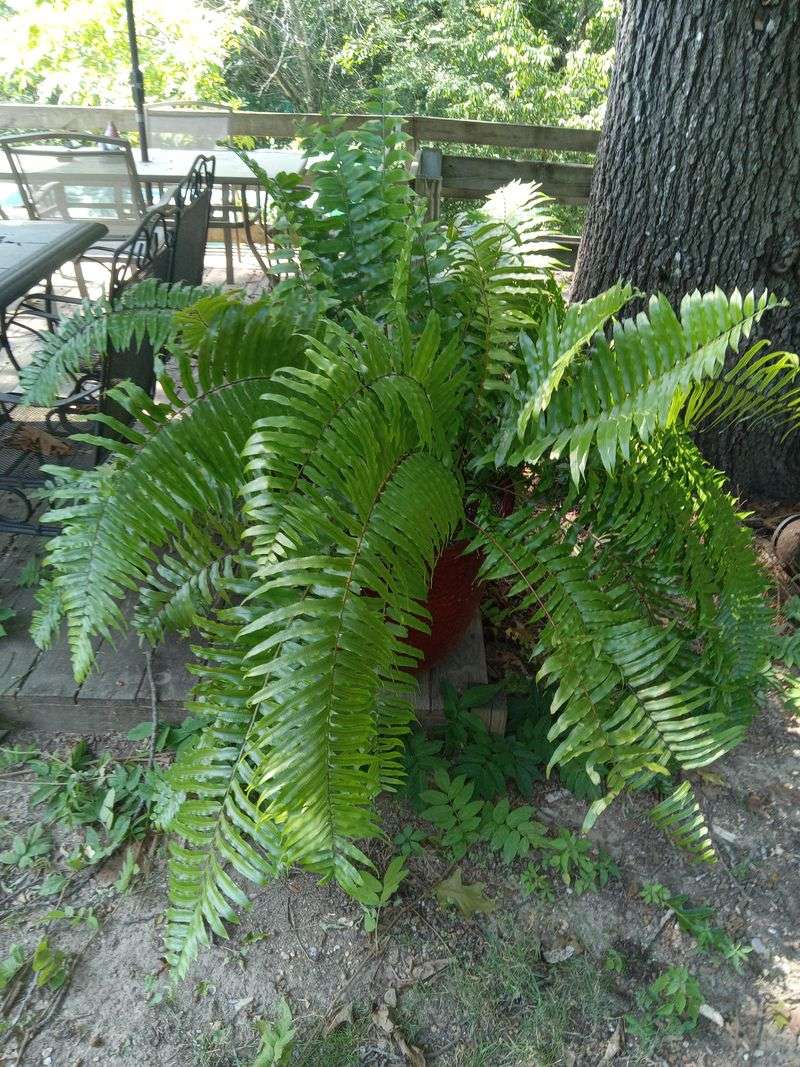
Ferns have been thriving in shady, moist environments for millions of years, so putting them in a container on a dark porch is practically playing to their strengths. Their soft, feathery fronds bring an immediate sense of lushness and calm to any space.
Few other plants make a shaded porch feel as cool, green, and inviting.
Many fern varieties grow extremely well in containers. The autumn fern, with its coppery new growth that matures to rich green, is a standout choice.
Sword ferns are tough, evergreen, and handle the wet winters of the Pacific Northwest with ease. Japanese painted ferns add a silvery, almost metallic shimmer to shaded spots.
Plant ferns in moist, humus-rich potting mix and keep the soil consistently damp. Most ferns do not tolerate dry conditions well.
During dry summer months, you may need to water every day or two to keep them looking their best.
Feed ferns with a diluted, balanced liquid fertilizer once a month during the growing season. Avoid over-fertilizing because too much can cause the fronds to look burned at the tips.
Group several different fern varieties together in a cluster of pots to create a layered, forest-like effect on your porch. Mixing textures, heights, and shades of green makes the display feel rich and intentional rather than random.
10. Torenia Keeping Flowers Going In Low-Light Spots
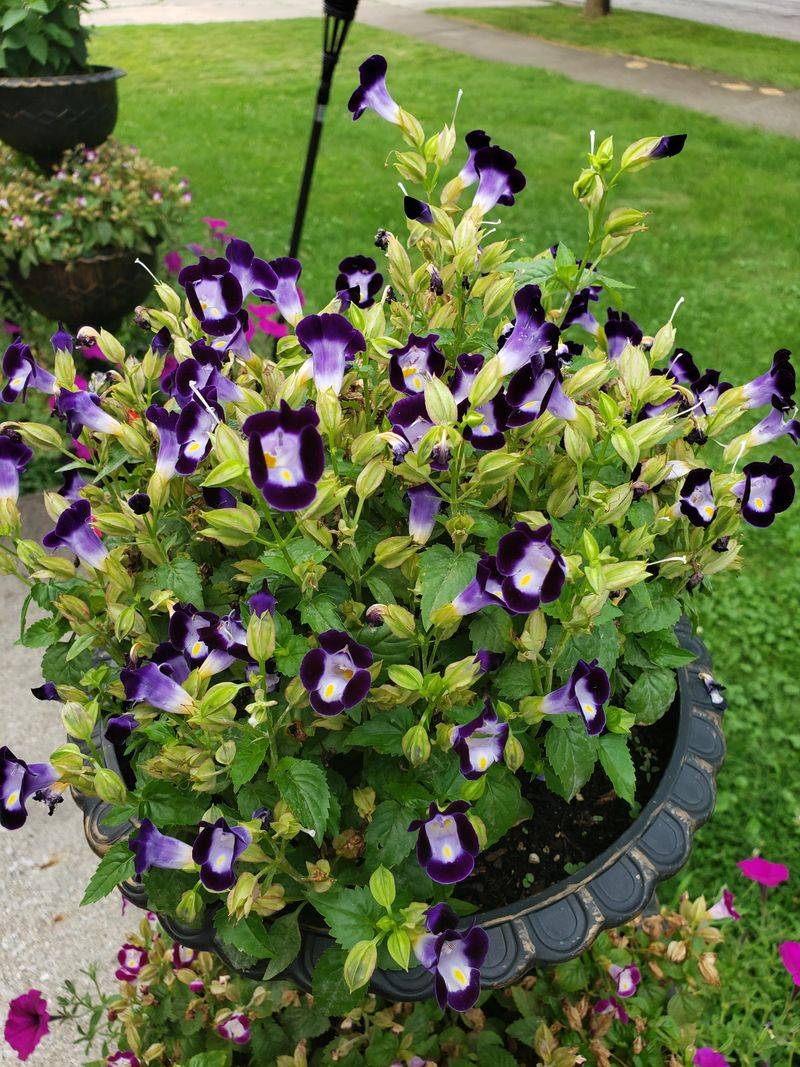
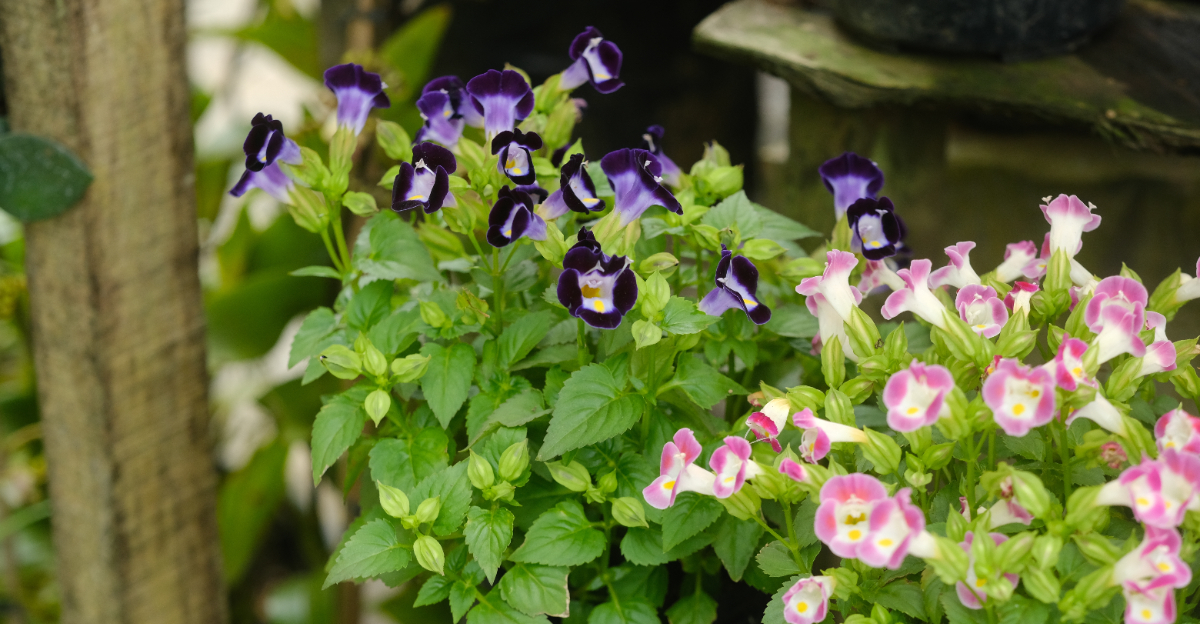
Not enough Oregon gardeners know about Torenia, and that is a real shame. Also called wishbone flower, this plant produces small but incredibly charming blooms that look like tiny snapdragons or miniature orchids.
The flowers come in purple, pink, white, and bicolor combinations and keep appearing steadily from early summer through fall.
What makes Torenia special is its genuine ability to bloom in low-light conditions. Most flowering annuals need at least some direct sun to flower well, but Torenia actually prefers bright shade or filtered light.
That makes it one of the few true flowering options for a porch that gets very little direct sunlight.
Plant Torenia in well-draining potting mix and keep the soil evenly moist. It does not like to dry out between waterings.
In warmer spells, check the soil every day or two and water as needed to prevent wilting.
Feed every two weeks with a balanced liquid fertilizer to support continuous blooming. Torenia is a self-cleaning plant, meaning it drops its spent flowers on its own without needing you to deadhead regularly.
Pair Torenia with impatiens or ferns for a colorful, texture-rich container combination. The delicate, intricate flowers of Torenia provide a lovely contrast to the bolder, simpler blooms of impatiens and the feathery fronds of ferns in a mixed shady pot.