What Florida Gardeners Should Know Before Pasture Mealybugs Reach The Lawn
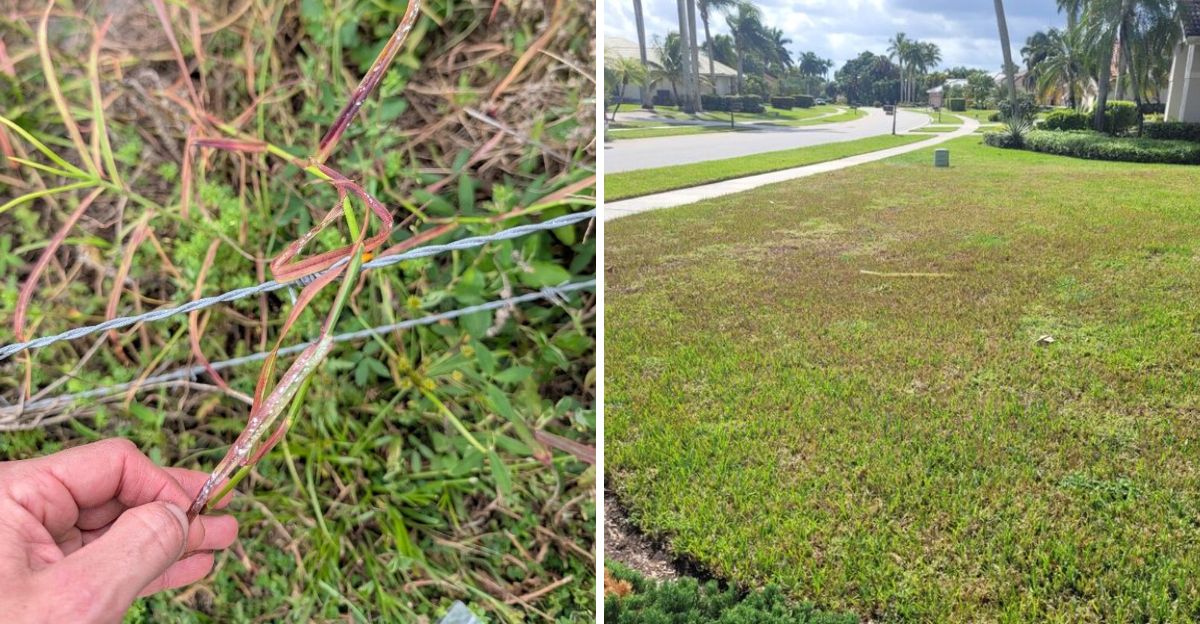
Pasture mealybugs move through Florida lawns without much fanfare until the damage makes the announcement for them.
Yellowing patches, thinning turf, a lawn that looks like it is struggling with drought or heat stress while something considerably more specific is happening just below the grass surface.
By the time a Florida lawn looks obviously wrong, pasture mealybugs have usually been there long enough to make control a more complicated conversation than it needed to be.
The window that matters is before they arrive or immediately after the first signs appear.
That window requires knowing what to look for before the lawn starts showing what it contains. Florida turf in late summer is already under pressure from heat, rainfall inconsistency, and the accumulated stress of a long growing season.
Adding an undetected mealybug population to that equation turns a manageable lawn into a significant project. Knowing what is coming changes what gets done about it.
1. Drought-Looking Patches After Rain Should Get Your Attention
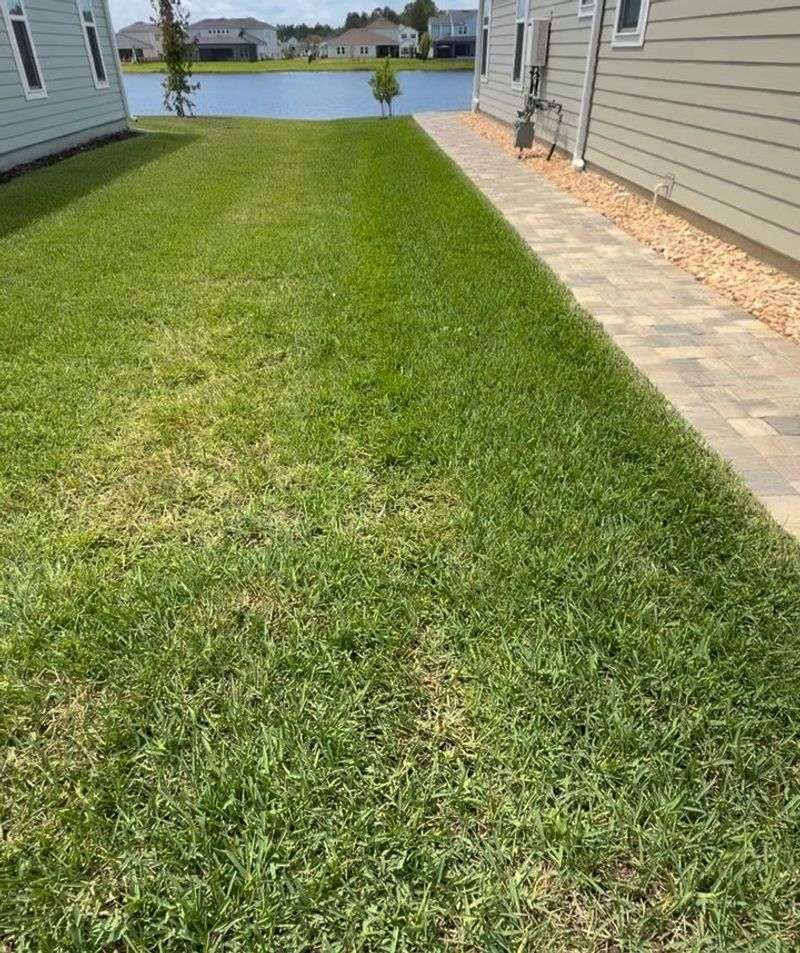
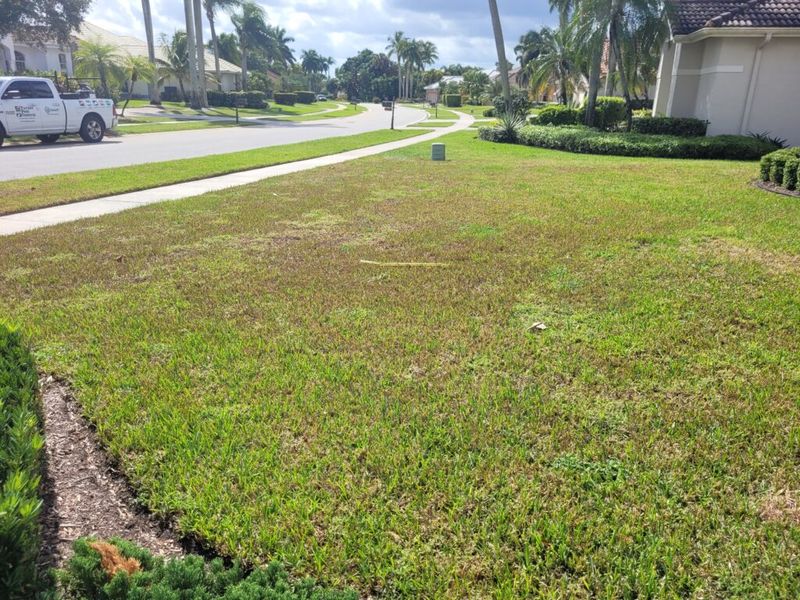
Walking out after three days of steady Florida summer rain and finding a section of your lawn looking pale and weak is genuinely confusing.
That kind of symptom deserves a second look, especially now that extension specialists are asking homeowners to pay closer attention to their turf.
According to FDACS, affected grass can show reduced vigor and patchy decline that looks a lot like heat or drought stress, even when soil moisture is adequate.
The tricky part is that faded color and thinning turf are not exclusive to any single problem. Irrigation coverage gaps, shallow root systems, soil compaction, fungal disease, and several common insects can all produce nearly identical patches.
Recent rainfall actually makes the symptom more suspicious, because drought stress becomes a less convincing explanation when the ground is wet. Still, one suspicious-looking patch is not a diagnosis on its own.
Before blaming a new pest, check your irrigation zones for coverage gaps and press a screwdriver into the soil to test moisture levels. FDACS notes that symptoms may develop relatively quickly once an infestation takes hold, so timing matters.
From several feet away, look for patches that contrast sharply with healthy turf nearby. That visual contrast is the first clue worth investigating more closely on the ground.
2. Red And Purple Streaks Can Reveal Trouble Before The Lawn Thins
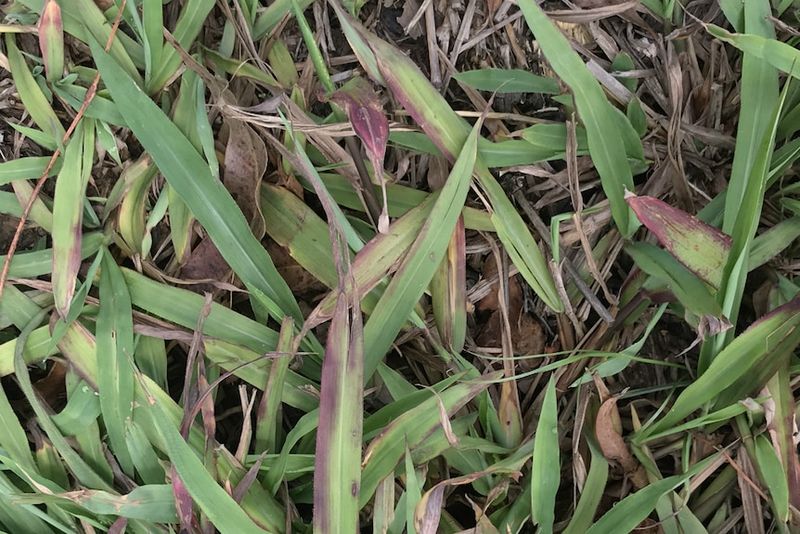
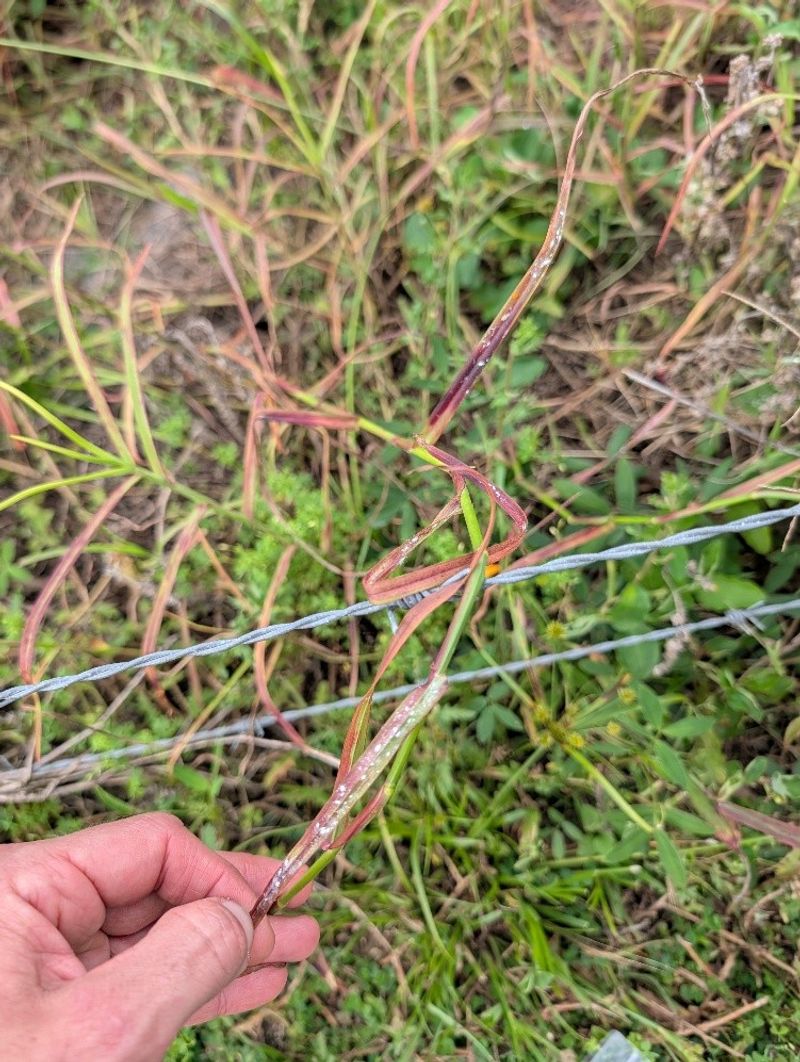
Most Florida homeowners expect yellowing grass during a dry spell, but reddish or purple tints on grass blades are a different story.
FDACS lists yellowing followed by red or purple coloration among the possible symptoms associated with Heliococcus summervillei activity on affected grasses.
Spotting that kind of color shift is worth stopping for, because it falls outside the usual range of drought or heat stress responses most gardeners recognize.
Where exactly the discoloration appears can vary depending on the grass species involved. Different turf types may express the same underlying stress in slightly different ways, so there is no single universal pattern to memorize.
What matters more is noticing that the color change looks unusual for your particular grass and for the current season and weather conditions.
Your Florida Garden Changes Every Week. Your Plan Should Too.
Gardening in Florida changes quickly throughout the season. Every Friday you’ll receive a simple weekly plan showing exactly what to plant, prune, fertilize, harvest, and protect so you never miss the right timing.
Nutrient deficiencies, environmental stress, and certain herbicide applications can also produce reddish or purplish grass. Several other common lawn problems can cause similar discoloration.
Discoloration alone is a clue, not a conclusion. Rather than reaching for a treatment product right away, let the unusual color prompt a closer hands-on inspection of the affected area.
Getting down to blade level and examining the grass carefully is the logical next step after spotting any suspicious color from a standing distance.
3. Flip The Grass Blades Before Blaming Fungus Or Chinch Bugs
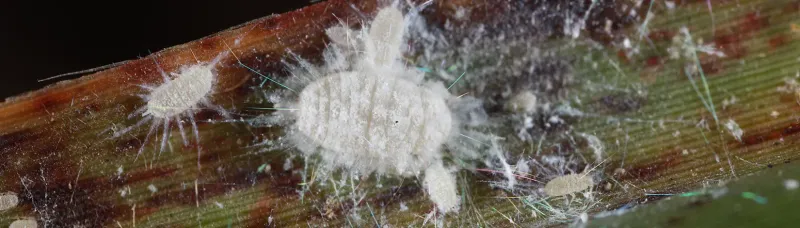
Getting your hands into the turf is where real scouting begins. Pasture mealybugs most commonly feed on the undersides of grass blades, which means a quick glance from above will almost certainly miss them.
Part the grass firmly in several spots, both inside the damaged area and in apparently healthy turf nearby, then turn individual blades over and examine them carefully.
Young mealybug life stages can be extremely small and easy to overlook without good lighting and patience. Taking a hand lens or even a smartphone camera set to macro mode helps reveal details that the naked eye misses.
Collect a few blades and place them on a white piece of paper to make any insects easier to spot against a plain background.
Chinch bug injury, gray leaf spot, take-all root rot, and drought stress commonly cause patchy turf decline in this region. All can look similar to damage from a new insect pest.
Treating for chinch bugs or applying a fungicide without a confirmed identification wastes money and may not address the actual problem. If you find small insects that look unfamiliar, take clear photographs and collect a sample in a sealed container.
Bringing that evidence to your local UF/IFAS Extension office is a smarter first move than treating a mystery patch blindly.
4. White Waxy Insects Hide Where A Quick Lawn Check Misses Them
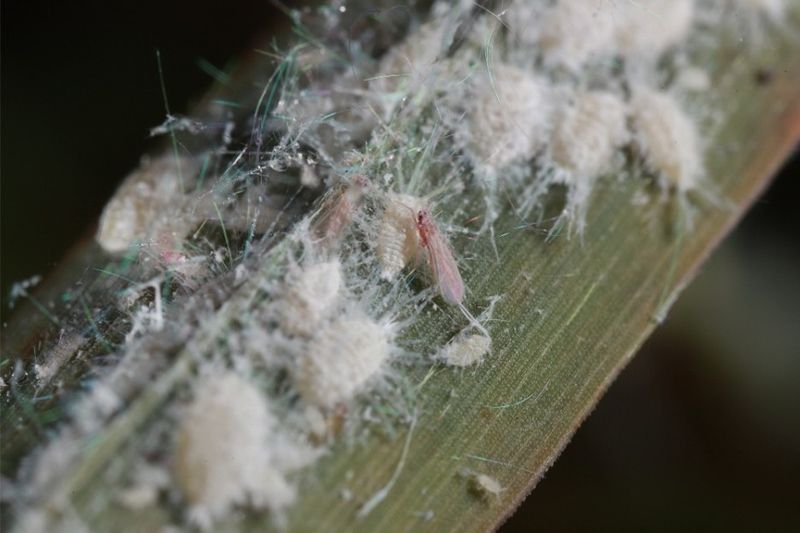
Knowing what you are looking for changes everything about a scouting session. FDACS describes adult female Heliococcus summervillei as creamy white with a fluffy or wool-like wax covering.
They also have distinctive wax projections along the body margin. That description sounds distinctive, but younger life stages are much less obvious.
Without careful examination, they can easily be mistaken for debris or soil particles.
Females may move into the thatch layer or soil to reproduce. As a result, some of the most active parts of the population may be hidden below the visible grass canopy.
A surface glance during a routine lawn walk will rarely reveal anything useful. Checking the thatch layer by pulling back a small section of turf gives a more complete picture of what is living at the base of the grass plants.
Many different mealybug and soft scale species are already established in this region, and not every small white insect found in turf is Heliococcus summervillei.
Magnification, clear close-up photographs, and professional identification are all strongly encouraged before drawing any conclusions.
Avoid the assumption that large, obvious colonies will always be visible in every infested spot. Early-stage populations can be sparse and scattered.
That is why methodical scouting across several parts of the lawn produces more reliable results than one quick check.
5. Mower Decks Can Carry The Pest From One Property To Another
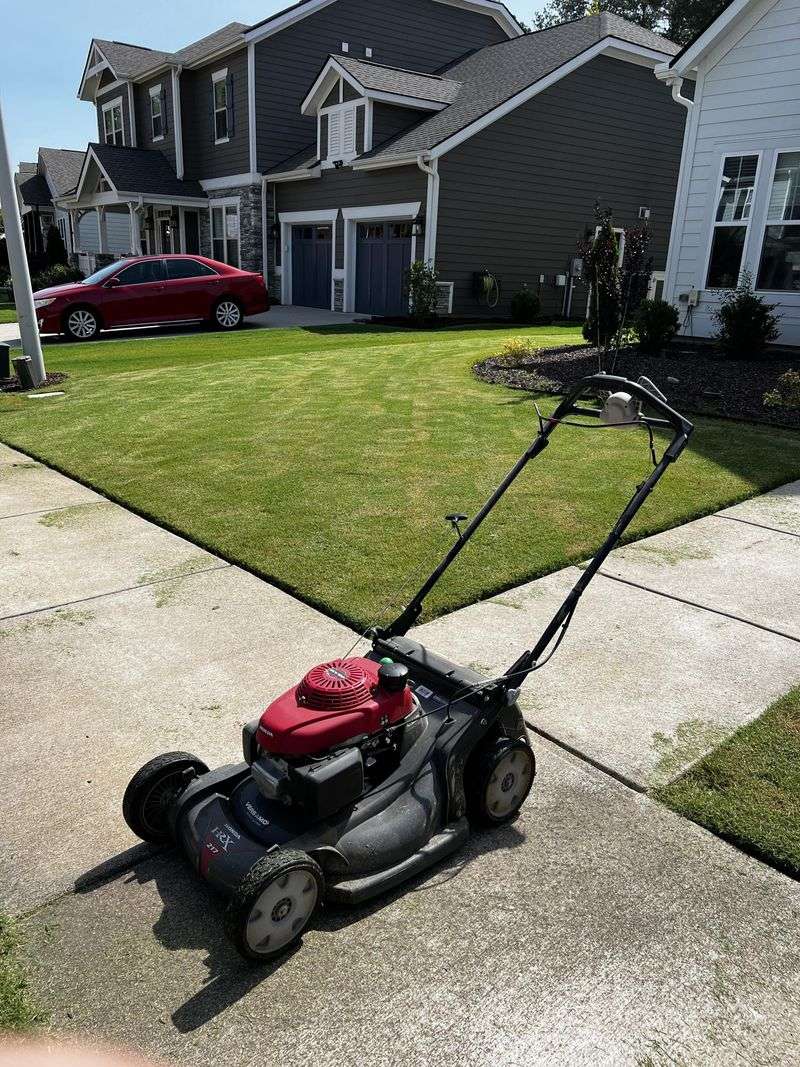
Equipment sanitation is one of the most practical prevention steps available right now, before any Florida residential lawn infestation is confirmed.
FDACS has identified mowing and hay-cutting equipment as potential pathways for spreading Heliococcus summervillei between infested areas.
Grass clippings, plant debris, soil, and the insects themselves can remain on mowing equipment. They may cling to the deck, blade housing, or wheel wells after a single pass through affected turf.
Landscapers and lawn care professionals who work across multiple properties in a single day face a particular responsibility here.
Moving from one site to another without cleaning equipment could potentially carry material from an area with a known infestation to a previously unaffected yard.
Homeowners who share equipment with neighbors or borrow tools from community sheds should apply the same thinking.
Avoid moving grass clippings or thatch material from a suspicious area to another part of the yard or to a compost pile shared with neighbors. For specific cleaning and sanitation procedures, refer to the latest FDACS or UF/IFAS Extension guidance.
Avoid improvising a method. Official recommendations may be updated as the situation develops, and following current agency guidance is more reliable than older online advice.
Prevention through clean equipment is far easier than managing a spread that has already taken hold across several properties.
6. Bahiagrass And Bermudagrass Put Familiar Turf On The Watch List
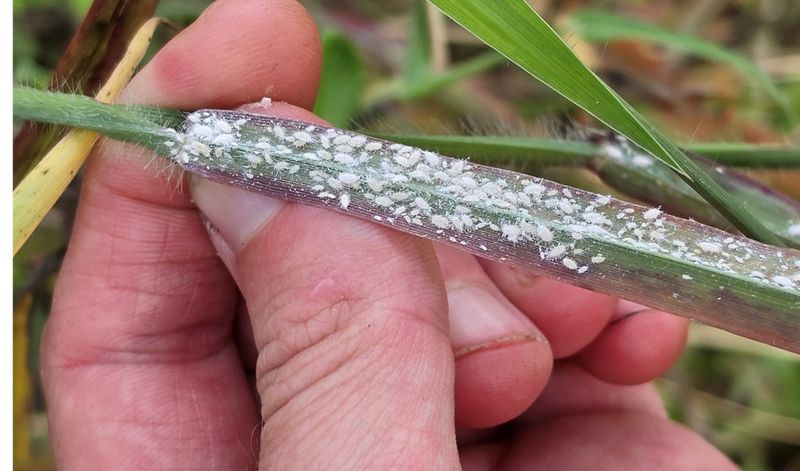
Two grass species common in yards, roadsides, and open spaces across the region are already confirmed hosts. Both are part of the known host picture for Heliococcus summervillei.
Bahiagrass and bermudagrass have both been found affected in non-residential settings within the state since the pest was first detected in May 2026.
That matters to homeowners because both grasses are also extremely common components of residential lawns and managed landscapes.
Limpograss and sugarcane are also part of the pest’s broader host range. This reinforces the pattern that Heliococcus summervillei specializes on grasses rather than ornamentals, shrubs, or garden vegetables.
Homeowners with rose beds or vegetable gardens do not need to redirect their concern to those plants based on current host information.
Converting pasture findings into a claim that residential lawns are already infested would go further than the current evidence supports. The confirmed host list justifies closer attention if your lawn contains bahiagrass or bermudagrass.
That is especially true near pastures, roadsides, or other managed grass areas where the pest has been found. Awareness grounded in confirmed facts is genuinely useful.
Concern that goes beyond what the evidence shows tends to lead to unnecessary treatments and wasted effort. Check FDACS updates regularly for any changes to the confirmed host list.
7. St. Augustinegrass Is A Concern Even Without A Local Lawn Find Yet
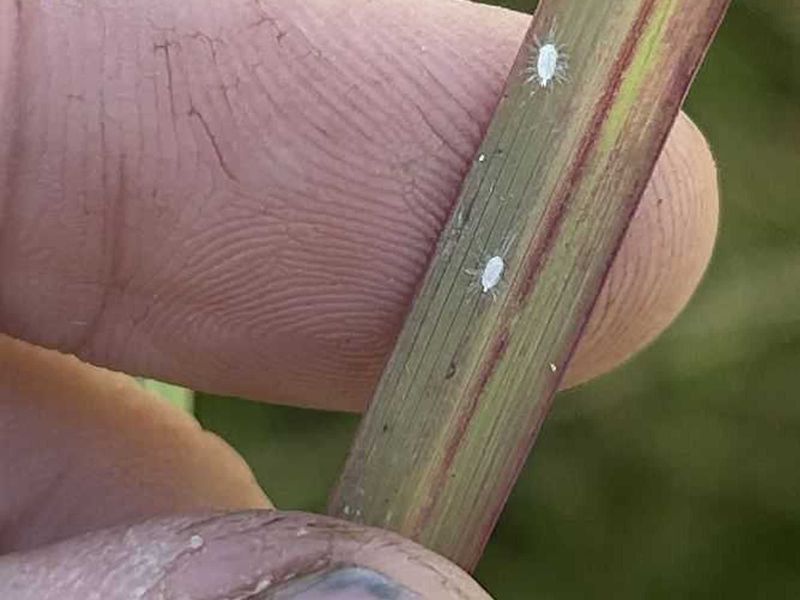
St. Augustinegrass covers more Florida residential lawn area across the state than almost any other grass type. That is why extension specialists want homeowners with this turf to stay informed.
Evidence from outside the United States suggests that Heliococcus summervillei can use St. Augustinegrass as a host. That international context is worth knowing, even though local conditions and grass strains may behave differently.
FDACS has not confirmed any residential turf infestation involving St. Augustinegrass within the state as of the time this article was written. That distinction matters, and repeating it clearly is more useful than letting vague concern fill the gap.
No confirmed local lawn finding does not mean the risk is zero. It does mean homeowners should scout carefully rather than treat preemptively based only on overseas reports.
Pest distributions can shift quickly, and any article published today may be outdated within weeks if the situation changes. Check current FDACS Division of Plant Industry updates and UF/IFAS Extension resources before making a lawn management decision.
They provide the most accurate current information. Extension specialists continue to encourage careful scouting.
Detecting the pest early in a new location is far more valuable than reacting after a population has already spread. St. Augustinegrass owners should stay watchful, stay informed, and resist the pull of sensational claims that go beyond what official sources currently confirm.
8. Getting A Sample Identified Beats Treating A Mystery Patch Blindly
Finding a suspicious patch does not mean you should immediately reach for a pesticide. Treating unusual insects without a confirmed identification is a common and costly lawn-care mistake.
Visual symptoms alone simply are not enough to confirm Heliococcus summervillei or to rule out the many other problems that produce similar-looking patches.
Spending money on the wrong treatment while the actual problem continues is a frustrating outcome that a proper sample submission can prevent.
FDACS Division of Plant Industry accepts samples for identification. Your local UF/IFAS Extension office is another strong starting point for lawn diagnosis and management guidance.
Before submitting anything, take clear photographs of the affected turf from several feet away, then close-up shots of individual blades and any insects you find.
A sealed container with a few affected grass plants, roots included, gives a lab technician the best material to work with.
Pesticide labels and any emergency use exemptions that may apply to this pest can change as the regulatory situation evolves. A product registered for pasture use is not automatically legal or appropriate for a residential lawn.
Applying it off-label can create liability and may not be effective. Always verify current residential turf treatment recommendations through FDACS or UF/IFAS before considering any chemical response.
Early, accurate identification is the most powerful tool available right now. It costs far less than treating a brown patch that turns out to have an entirely different cause.
9. Staying Current With FDACS Updates Keeps Your Response Accurate
One of the most practical habits any Florida homeowner can build right now costs nothing and takes only a few minutes. Bookmark the FDACS Division of Plant Industry page and the UF/IFAS Extension pest alert section.
That makes it easier to see updated county counts, new host confirmations, and revised management guidance as they are published. Pest situations like this one can shift faster than printed guides or older online articles can keep up with.
The county count for confirmed Heliococcus summervillei detections has changed since the pest was first found in May 2026. Relying on a weeks-old figure risks basing decisions on outdated information.
Official agency pages reflect the most current confirmed data, which is always more trustworthy than secondhand summaries. Sharing accurate links with neighbors and local gardening groups helps the whole community respond sensibly rather than reactively.
Landscape professionals, lawn care companies, and community association managers can benefit from FDACS pest alerts. Signing up can help them stay current if that notification service is available.
Coordinated awareness across a neighborhood is more effective than individual homeowners responding in isolation. Keeping your response accurate and timely is not about worrying more.
It is about being prepared if Heliococcus summervillei reaches residential turf near you. The right people should already be watching for it and know what to do next.