The Virginia Native Tree That Basically Takes Care Of Itself
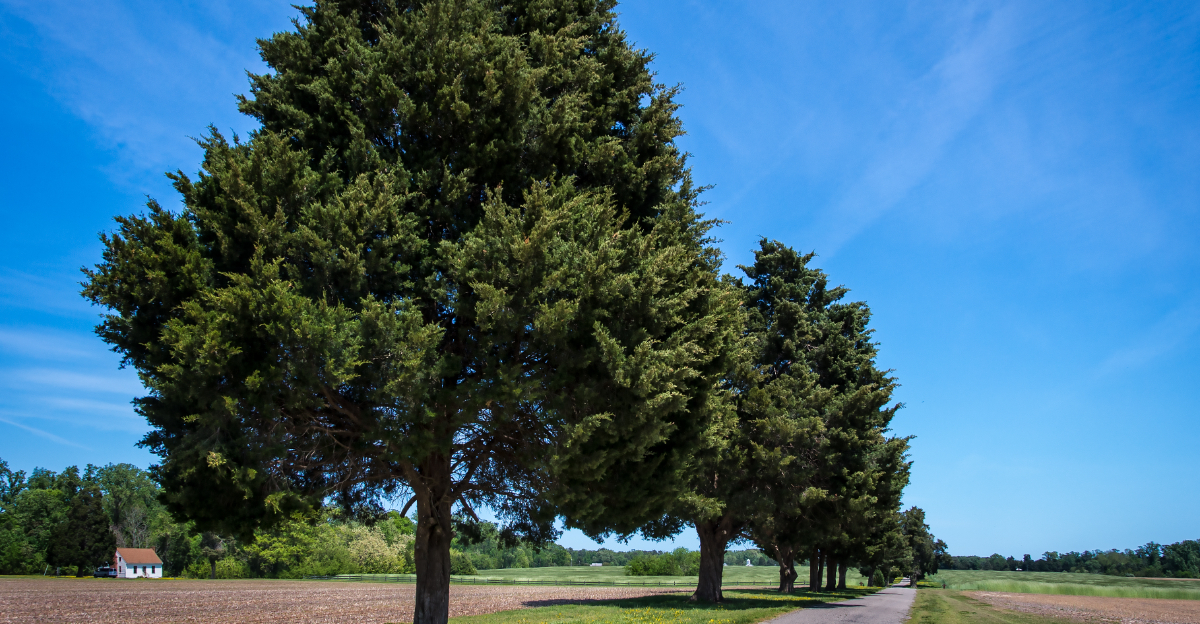
There’s a tree in Virginia that asks for nothing and still looks like someone’s been fussing over it for years. It grows where other plants give up, on dry soil, through wind, without a single helping hand.
While neighbors water, feed, and prune their yards every week, this one just stands there and flourishes on its own terms. That toughness isn’t luck. It’s the product of centuries spent adapting to exactly this land.
Birds flock to it, soil type barely matters, and its shape shifts year after year into something no nursery plant could copy. That unpredictability is exactly why more gardeners are paying attention.
If you’re after a tree that does its own work without you lifting a finger, what comes next will change how you think about your yard.
A Native Tree That Rarely Gets Its Due
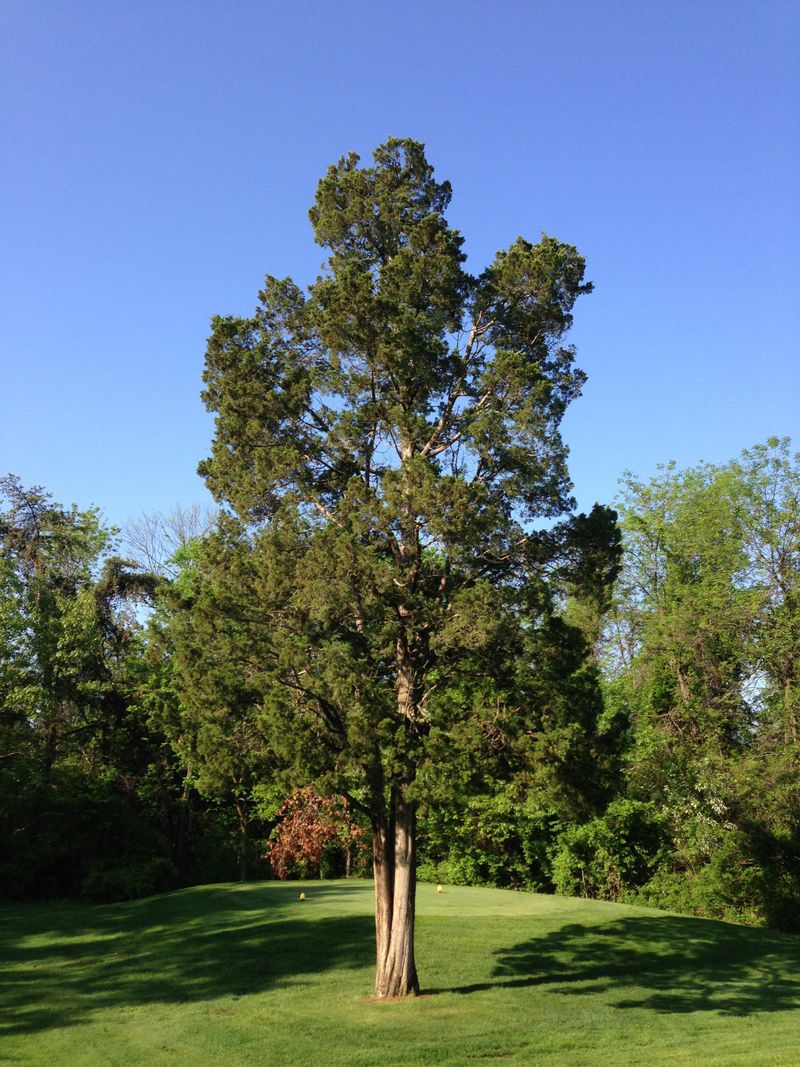
Most people walk right past the Eastern Red Cedar without a second glance. That is honestly a shame, because this tree has been quietly holding Virginia landscapes together for thousands of years.
Juniperus virginiana is its official name, but neighbors just call it reliable. Native to the eastern United States, this evergreen thrives from the coast all the way to the mountain ridges.
Unlike imported ornamental trees, this one already knows the local soil, the local bugs, and the local weather. It evolved here, so it belongs here in a way most planted trees rarely manage.
Homeowners often overlook it because it lacks flashy flowers or dramatic fall color. But steady, year-round green is its signature, and that quiet consistency is actually rare and valuable.
Nurseries sometimes skip it in favor of trendier options, leaving many gardeners unaware of what they are missing. Once you plant one, though, you quickly understand why early settlers used it constantly.
Colonial farmers relied on its rot-resistant wood for fence posts, furniture, and even pencils. This same wood was once the standard choice for pencil manufacturing before other cedar species took over the trade.
Beyond history, the Eastern Red Cedar is simply one of the most self-sufficient native trees available to Virginia homeowners today. Planting it feels less like gardening and more like making a smart, long-term investment in your yard.
The Eastern Red Cedar Asks For Almost Nothing
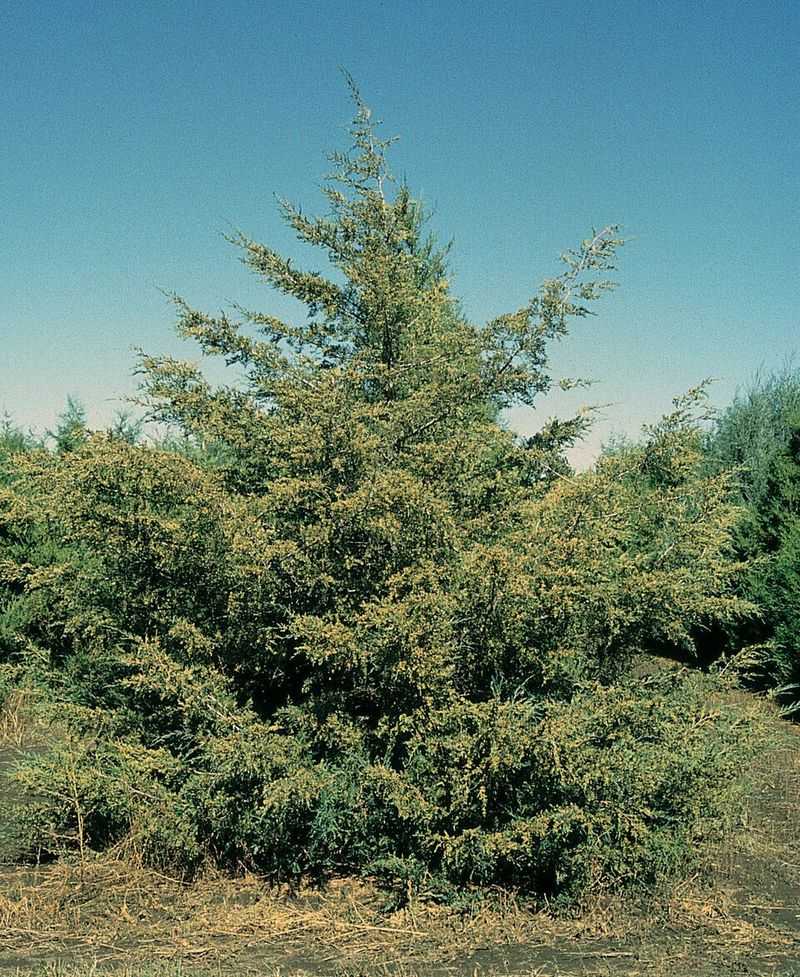
Picture a tree that skips the bill entirely. No fertilizer schedule, pruning appointments, or emergency calls from the nursery. That is the Eastern Red Cedar in a nutshell.
Once established, this tree essentially manages itself through every season. Spring, summer, fall, winter, it just keeps growing without needing your intervention or attention.
Most ornamental trees come with a long list of requirements that quietly exhaust homeowners over time. Cedar skips that entire checklist and gets straight to the business of being a great tree.
Established specimens rarely need supplemental watering after their first year in the ground. They pull moisture efficiently from deep soil layers, even when the surface looks bone dry.
Pest pressure is surprisingly low on this native species. Local insects have coexisted with it for millennia, creating a natural balance that keeps any single pest from causing serious damage.
Your Virginia Garden Changes Every Week. Your Plan Should Too.
Gardening in Virginia changes quickly throughout the season. Every Friday you’ll receive a simple weekly plan showing exactly what to plant, prune, fertilize, harvest, and protect so you never miss the right timing.
Disease is also rarely a problem when the tree is planted in a spot with decent airflow. Good spacing at planting time prevents most fungal issues before they ever start.
No spray programs, no seasonal treatments, no bags of special mulch required. Just plant it, water it through that first summer, and then step back and let nature handle the rest.
For busy homeowners who want beauty without burden, the Eastern Red Cedar is basically the answer they have been searching for all along. Low effort, high reward, and genuinely native to the land it grows on.
Drought Tolerance That Skips The Watering Can
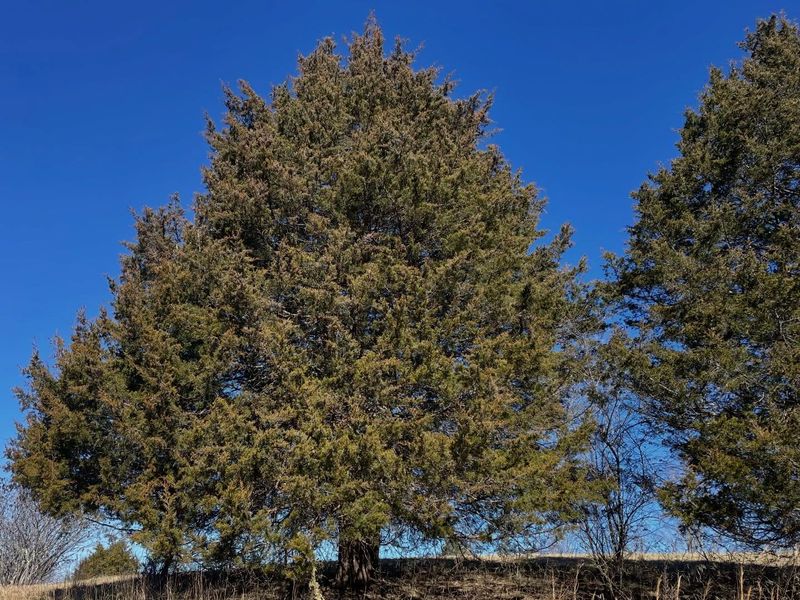
Summer in Virginia can be brutal. Weeks without rain, blazing heat, and dry winds that leave most garden plants looking defeated and sad.
The Eastern Red Cedar barely notices. While your other trees are wilting, this one just keeps its deep green color and upright posture like nothing is wrong.
Its root system is the real advantage here. Roots push deep into the subsoil early in the tree’s life, finding water sources that shallow-rooted plants cannot reach.
That deep reach means the tree taps into moisture reserves that persist long after surface soil has dried out. Other plants beg for water while cedar quietly hydrates itself.
Established cedars can survive extended dry periods without supplemental irrigation. That is genuinely rare among trees of its size and growth rate.
Homeowners in areas with watering restrictions will especially appreciate this trait. You get a substantial, handsome tree without worrying about drought ordinances or rising water bills.
Even newly planted cedars establish faster than many competing species, which shortens the window when supplemental watering is actually needed. One good first summer of regular watering is usually enough.
After that, the tree is essentially on its own hydration plan. For gardeners tired of dragging hoses across the yard every hot August evening, this native tree is worth planting right now.
Adaptable Roots That Handle Poor Soil
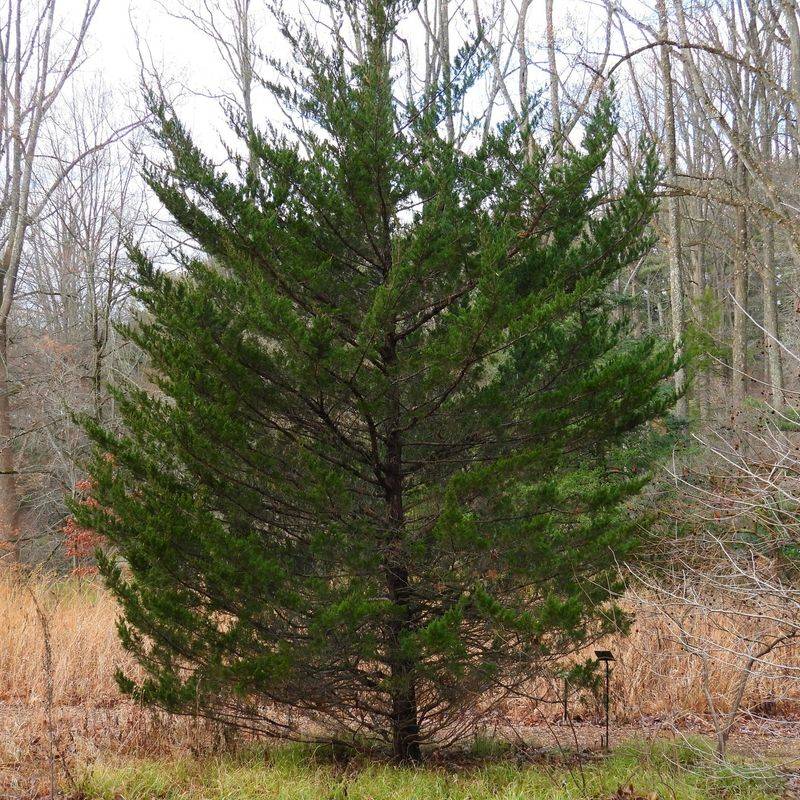
Not every yard has rich, loamy garden soil. Some lots are full of clay, rocks, compacted fill dirt, or the leftover mess from new construction.
Eastern Red Cedar does not care about any of that. It grows in conditions that would cause most ornamental trees to struggle within a single season.
Clay soil, sandy soil, rocky outcroppings, shallow topsoil over hardpan, this tree has been documented thriving in all of them across its native range. Flexibility is genuinely one of its defining traits.
Soil pH is also rarely an obstacle for this adaptable species. It tolerates both slightly acidic and slightly alkaline conditions without showing signs of stress or nutrient deficiency.
New construction sites often leave homeowners with compacted, nutrient-poor soil that challenges most plants. Cedar pushes through that compaction and establishes where other species simply cannot gain a foothold.
This tree is far more forgiving of dry, rocky ground than of soggy soil, so low-lying, water-logged spots aren’t its strong suit. Brief periods of standing water after heavy rain rarely cause lasting harm to established specimens.
That said, the tree does prefer well-drained spots when you have a choice. Planting on a slight slope or raised area gives it ideal conditions and even faster establishment.
For homeowners stuck with difficult soil and limited options, the Eastern Red Cedar offers genuine hope. It turns problem spots into productive, attractive landscape features without requiring expensive soil amendments or raised beds.
Wildlife Benefits That Come With Zero Effort
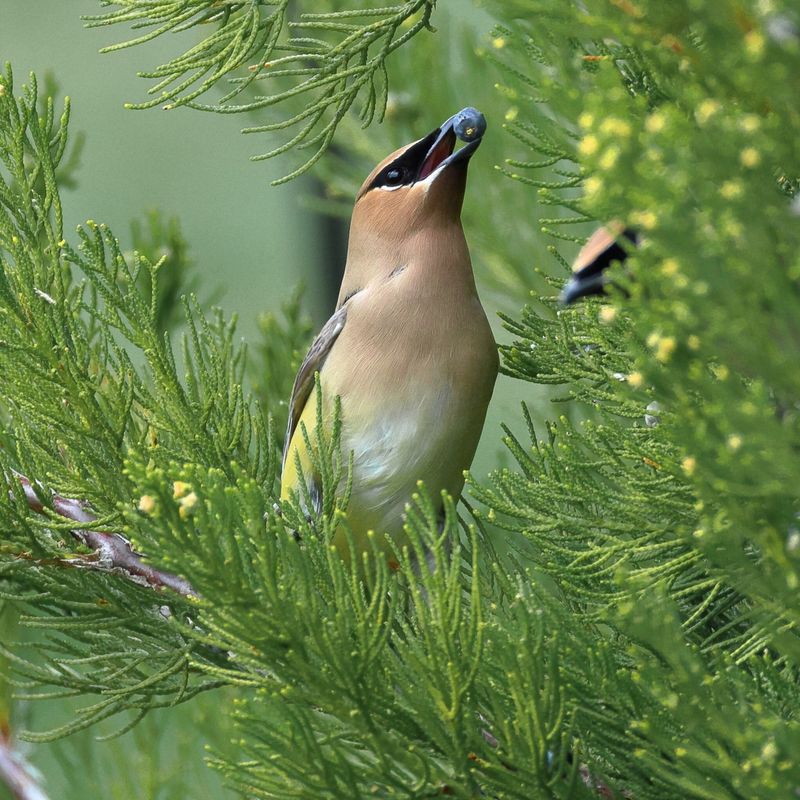
Plant one Eastern Red Cedar and you basically open a free hotel for local wildlife. Birds, insects, and small mammals all show up without any invitation needed.
The small blue-gray berries that appear on female trees are a major food source for over 50 species of North American birds. Cedar waxwings practically get their name from this tree.
Bluebirds, mockingbirds, robins, and yellow-rumped warblers all feast on the berries through fall and winter. That means your yard becomes a wildlife hotspot during the quieter months of the gardening year.
Dense branching structure provides nesting cover for songbirds and small raptors alike. Cardinals and mourning doves often tuck their nests deep in the branches, safe from most predators.
Beyond birds, the foliage supports native moth and butterfly larvae that form the base of the local food web. A yard with cedars contributes to the broader ecosystem in meaningful, measurable ways.
White-tailed deer tend to leave this tree alone entirely, thanks to its prickly, aromatic foliage, making it one of the few deer-resistant options for Virginia yards.
Pollinators also benefit from the shelter the dense canopy provides on windy days. Native bees use the protected interior branches as resting spots between foraging flights.
All of this wildlife activity happens on its own once the tree is established. You plant the Virginia native tree, step back, and let the natural world move in and make itself at home.
Simple Placement Tips For Long Term Success
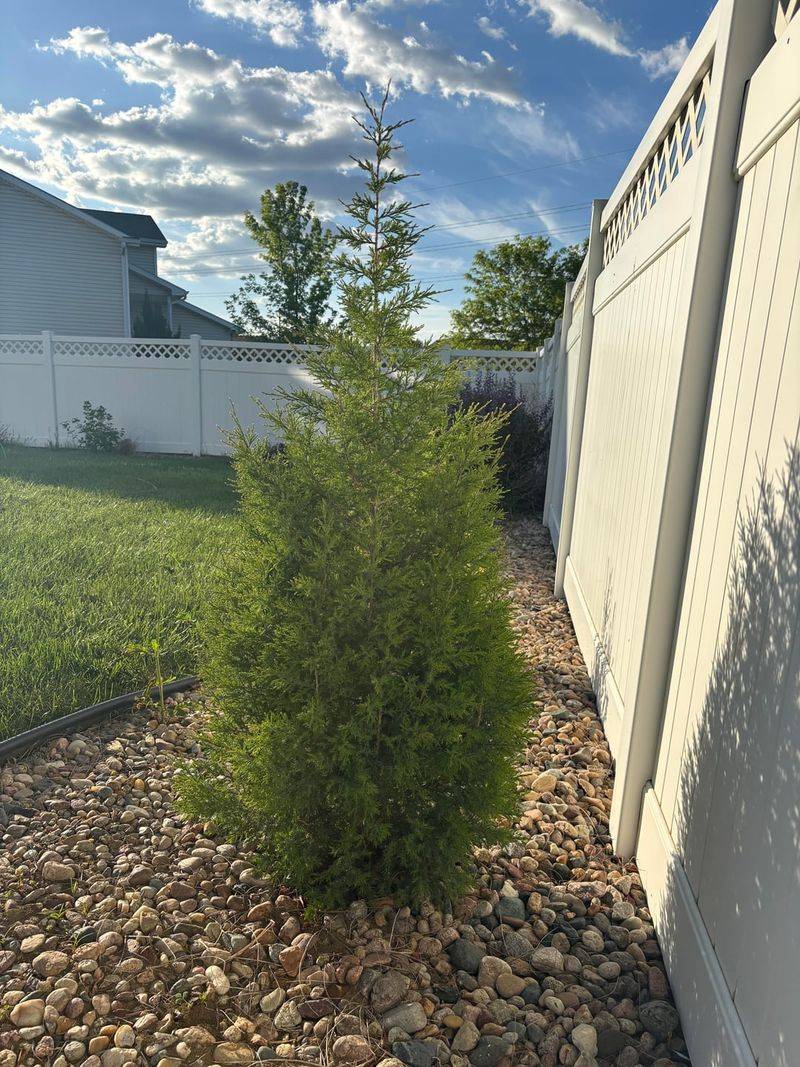
Getting placement right makes all the difference with any tree, and cedar is no exception. A few smart decisions at planting time set the stage for decades of effortless growth.
Full sun is the top priority for Eastern Red Cedar. Choose a spot that gets at least six hours of direct sunlight daily, and this tree will reward you with dense, healthy growth.
Avoid planting near apple trees or crabapples if possible. Cedar apple rust is a fungal condition that cycles between cedars and apple family trees, leaving mostly cosmetic marks on cedar but more serious damage on apple leaves and fruit.
Spacing matters too. Give each tree at least 8 to 10 feet of clearance from structures, fences, and other large plants. Crowded cedars grow narrow and lose their natural, graceful form.
For privacy screens, spacing trees 6 feet apart creates a dense living fence within just a few growing seasons. That is one of the most popular uses for this versatile native species.
Planting in fall gives roots the entire cool season to establish before summer heat arrives. Spring planting works fine too, but fall timing generally produces stronger first-year establishment.
Mulching around the base with 2 to 3 inches of wood chips conserves moisture during that critical first summer. Keep mulch a few inches away from the trunk to prevent rot.
With smart placement from the start, the Virginia native tree that basically takes care of itself will thrive for generations with almost no help from you at all.