Can You Trim A City Street Tree That Hangs Over Your Oregon Property?
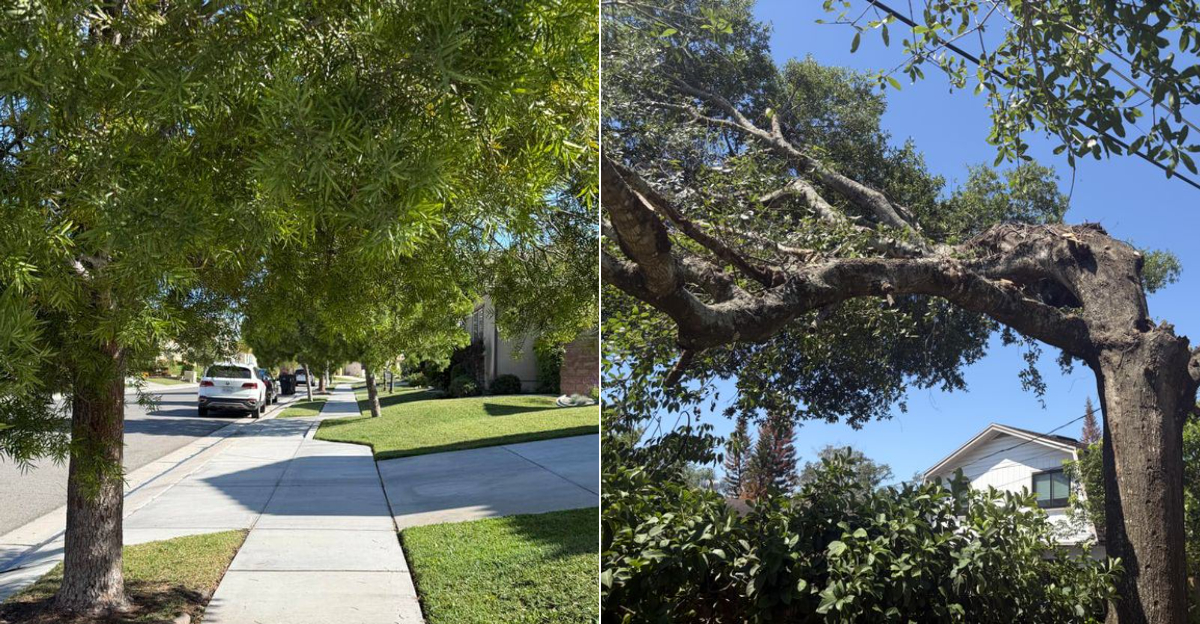
A branch hanging over your driveway may feel like your problem to solve, especially when it drops leaves, brushes the roof, or blocks light. But a street tree is not treated the same way as a tree growing entirely on private property.
In Oregon cities, the rules can change once the trunk sits in a public right-of-way, and trimming without checking first may create more trouble than the branch itself.
Portland, for example, requires permits for most street-tree pruning, while Eugene also regulates work on trees in the public right-of-way.
That does not mean homeowners are powerless. It means the next step depends on who controls the tree and what kind of work is being considered.
Before making a cut, it is worth finding out where the legal boundary actually falls.
1. That Tree May Belong To The City, Not You
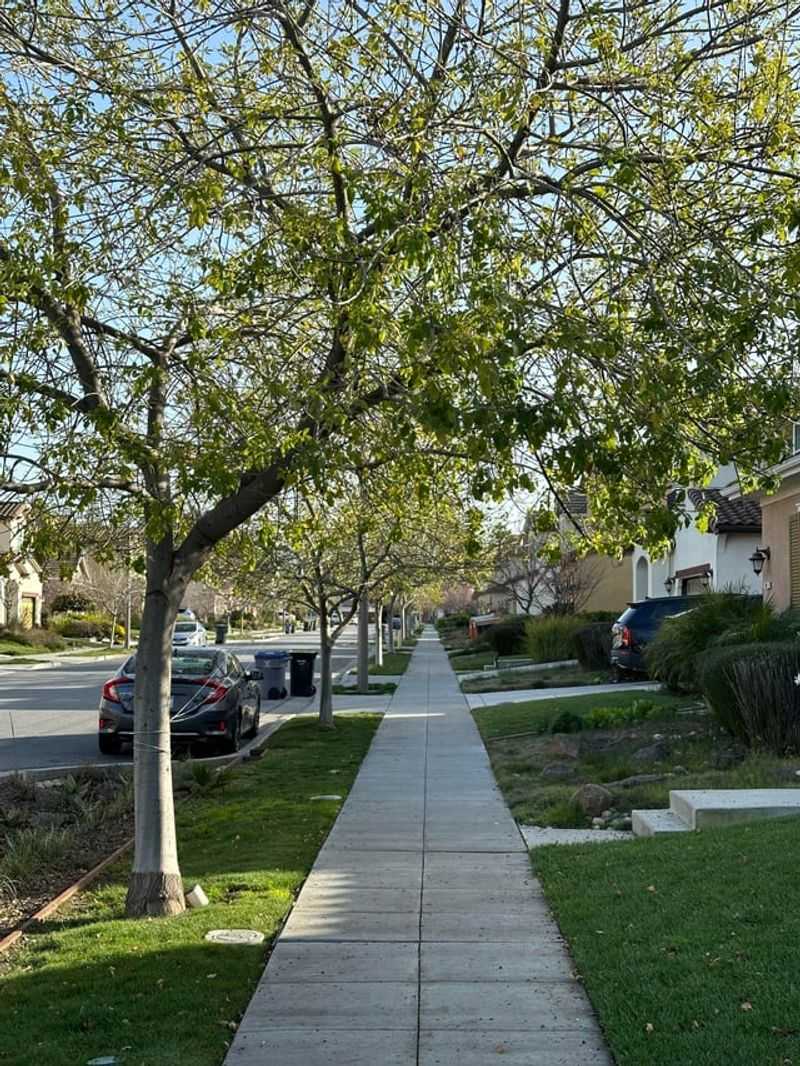
Most people assume that if a tree is in their front yard, it belongs to them. But street trees are often a different story.
Many of them are planted and maintained by the city, which means the city legally owns them, even if they grow right next to your property line.
The area between the sidewalk and the street is usually called the “parking strip” or “hell strip.”
This strip is often city-owned land, and any tree growing there is typically city property. Even if you mow the grass in that strip every week, that does not mean you own what grows there.
Before you grab any tools, check with your local city government. Most cities have a public works or urban forestry department that keeps records of which trees belong to them.
You can usually find this information on your city’s website or by calling their main line.
Ownership matters because it determines who is responsible for the tree. If the city owns it, they may be responsible for pruning, removal, and any damage it causes.
However, if you damage the tree without permission, you could be held financially responsible for repairs or replacement.
Knowing who owns the tree protects you legally. Always confirm ownership before doing anything.
A quick phone call or online search can save you from a costly mistake and keep your relationship with your city government on good terms.
2. Overhanging Branches Do Not Always Mean Free Trimming
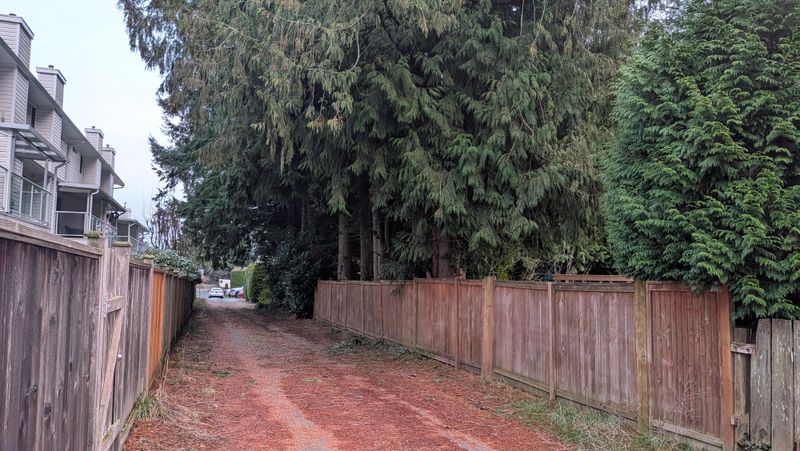
Many homeowners believe that any branch crossing their property line is automatically theirs to trim.
That idea comes from a long-standing legal principle called the “right to abate.” Under this rule, you generally can cut back branches that hang over your property up to the property line.
However, this right comes with important limits. You cannot cut branches in a way that harms the overall health of the tree.
You also cannot go onto city property to do the work. The trimming must happen from your side of the property line only.
Some cities go even further and restrict this right when the tree is city-owned. Local ordinances may override the general legal principle and require you to get approval before cutting anything, even branches on your side of the line.
Your Oregon Garden Changes Every Week. Your Plan Should Too.
Gardening in Oregon changes quickly throughout the season. Every Friday you’ll receive a simple weekly plan showing exactly what to plant, prune, fertilize, harvest, and protect so you never miss the right timing.
Ignoring those local rules is not a smart move. Another thing to keep in mind is that you are responsible for the cost of trimming those overhanging branches yourself.
The city is not required to trim their tree just because it hangs over your yard. You pay for the work done on your property, and they handle their side.
Always check your local ordinances before picking up a pruning saw. A branch hanging over your fence might feel like your problem to fix freely, but the legal picture is often more layered than it first appears.
3. Street Trees Can Come With Their Own Permit Rules
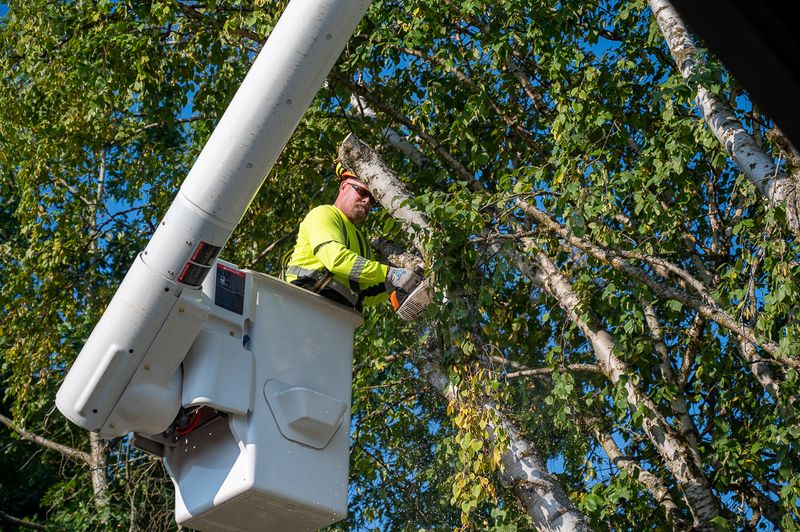
Cities take their street trees seriously. Many municipalities have specific rules about who can touch them and under what conditions.
These rules are written into local ordinances, and they apply to everyone, including homeowners who just want to clean up a few branches.
In many Oregon cities like Portland, Eugene, and Salem, you need a permit before doing any pruning on a city-owned street tree. The permit process usually involves submitting a request, describing the work you want done, and sometimes getting an inspection from a city arborist first.
The permit requirement exists for good reason. City trees are public assets.
They provide shade, clean air, and beautify neighborhoods. Improper pruning can weaken a tree or cause long-term structural problems.
Cities want to make sure any work done is safe and follows proper arboricultural standards.
Getting a permit is usually not difficult if the work is reasonable and necessary. Many cities process requests quickly.
Some even offer guidance on how the pruning should be done so the tree stays healthy and attractive after the work is complete.
Skipping the permit step is where people get into trouble. Even if your intentions are good, unpermitted work on a city tree can result in fines.
Some cities also require the homeowner to pay for any corrective work needed to fix damage caused by unpermitted pruning. Always ask first.
4. Cutting First And Asking Later Can Backfire
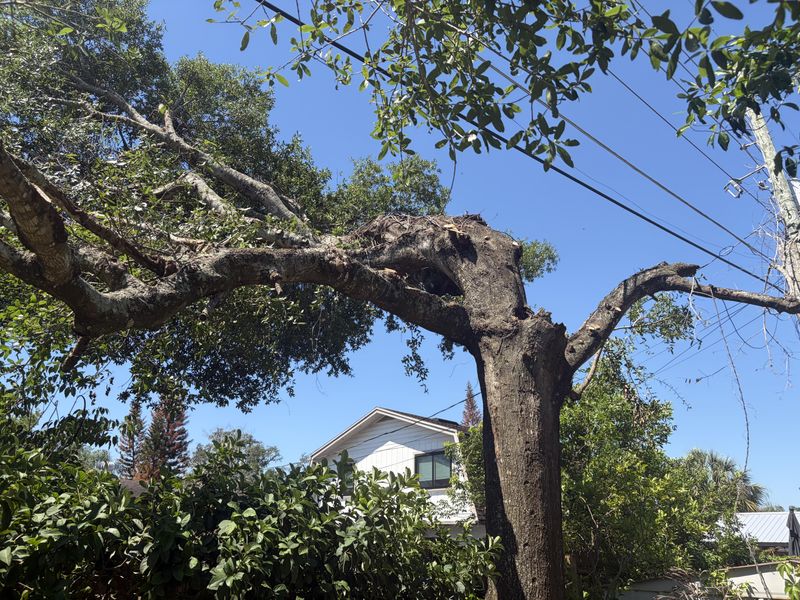
Grabbing a chainsaw and cutting back that annoying branch might feel satisfying in the moment.
But if that tree belongs to the city and you did not get permission first, that satisfaction could quickly turn into a serious headache.
Acting without approval is one of the most common mistakes homeowners make with street trees.
Cities have the authority to fine property owners who damage or alter city trees without a permit. Fines vary by location but can range from a few hundred dollars to several thousand, depending on the severity of the damage.
Some cities even charge per inch of trunk diameter for trees that are harmed or removed illegally.
Beyond fines, you could be required to pay for the full replacement of the tree. Replacement costs are not just about buying a new sapling.
They can include labor, installation, soil preparation, and ongoing maintenance until the new tree is established. That bill can add up fast.
There is also the issue of liability. If your unpermitted trimming weakens the tree and it later falls on a neighbor’s car or house, you could face additional legal claims.
The city might also hold you responsible for any public safety hazards your actions created.
The smarter approach is always to call your city’s urban forestry or public works department before touching anything.
Ask questions, get the right permits, and follow the process. A little patience upfront can save a lot of trouble down the road.
5. Some Cities Let Homeowners Handle Minor Pruning
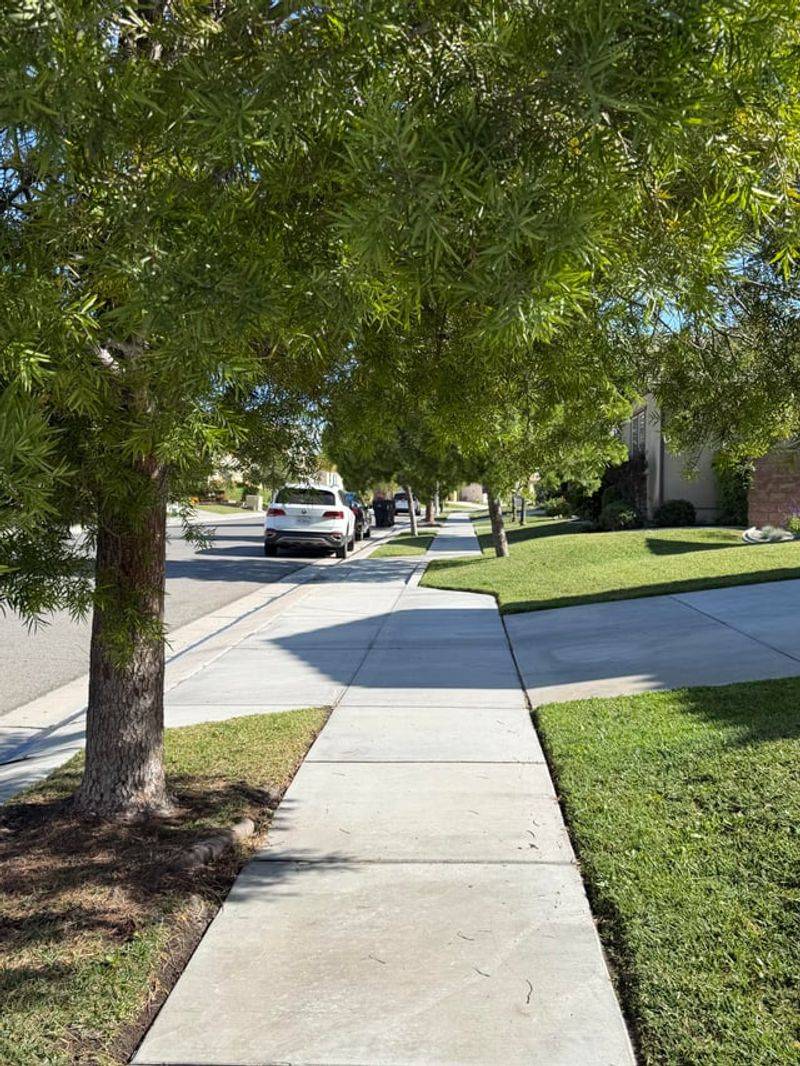
Not every situation requires a permit or a professional crew. Some cities do allow homeowners to handle minor pruning tasks on their own, especially when it comes to small branches that pose little risk to the tree’s overall health.
Knowing what qualifies as “minor” is the key. Minor pruning typically means removing small withered branches, clearing low-hanging limbs that block sidewalk access, or tidying up light growth.
Most guidelines define minor pruning as work involving branches smaller than two inches in diameter.
Anything larger usually falls into a different category that requires professional involvement.
Even when cities allow homeowner pruning, they often come with conditions. You may need to follow specific cutting techniques, such as making clean cuts at the branch collar without leaving stubs.
Topping a tree or making large, indiscriminate cuts is almost never allowed, even for minor work.
Some cities provide free guidance or workshops to help homeowners learn proper pruning techniques. Taking advantage of those resources is a great idea.
Proper technique protects the tree and reduces the risk of pest or disease entry through poorly made cuts.
Check with your local parks or urban forestry department to find out exactly what your city allows.
Rules differ from one municipality to the next, and what is acceptable in one town may require a permit in the next.
A quick check keeps you on the right side of local regulations.
6. Big Limbs Usually Need A Professional Touch
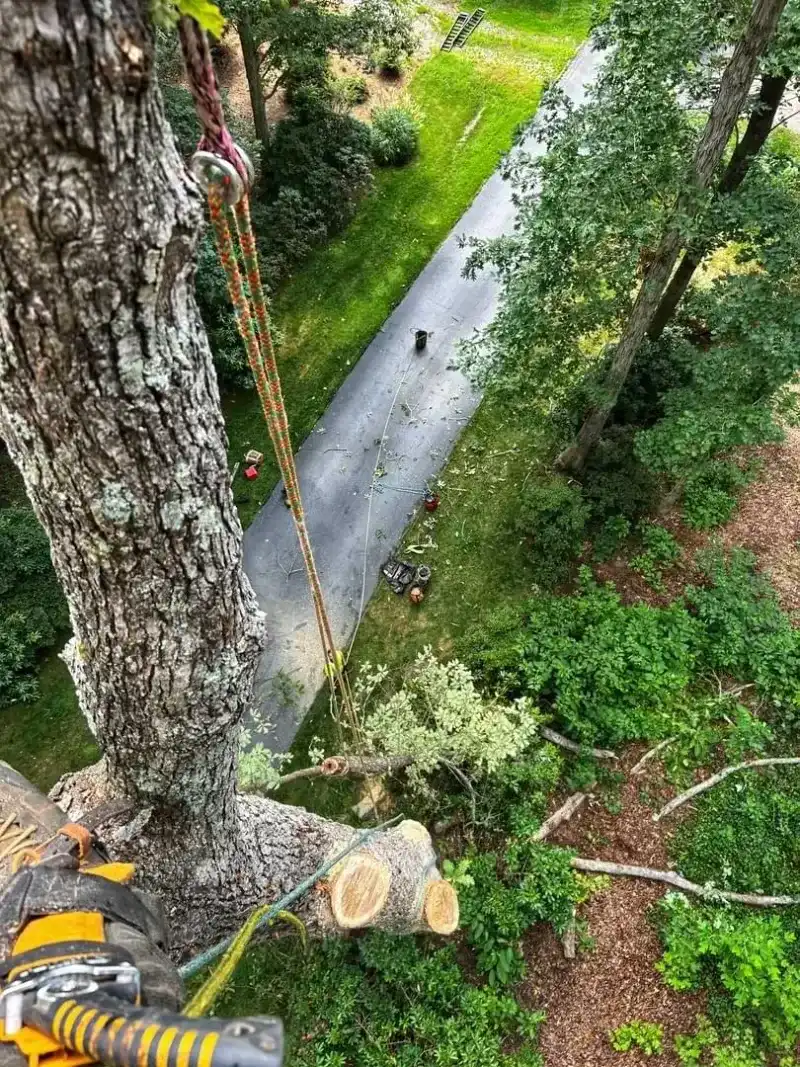
When branches get big, the stakes get higher. Large limbs on city street trees are not a weekend DIY project.
They require proper equipment, safety training, and often a licensed arborist who understands how to remove heavy wood without causing harm to the tree or nearby structures.
A large limb can weigh hundreds of pounds. Cutting it incorrectly can cause it to fall in an unexpected direction.
That could mean damage to your car, your roof, a neighbor’s fence, or even a person standing nearby. Professional arborists are trained to use rigging systems that control how and where a limb falls.
Most cities require that work on large limbs of city-owned trees be done by a certified arborist or a tree service that carries proper insurance. This requirement protects both the public and the tree.
Certified arborists follow industry standards that minimize stress on the tree during the pruning process.
Hiring a professional also means the work is done correctly the first time. Improper large-limb removal can create structural weaknesses that lead to future branch failures.
A skilled arborist knows how to make cuts that help the tree heal properly and maintain its natural shape.
If you have a large limb hanging over your property from a city tree, contact your city first. They may handle it at no cost to you.
If the city determines the work is your responsibility, get quotes from licensed and insured tree care professionals before proceeding.
7. Damaging A Street Tree Can Create A Bigger Problem
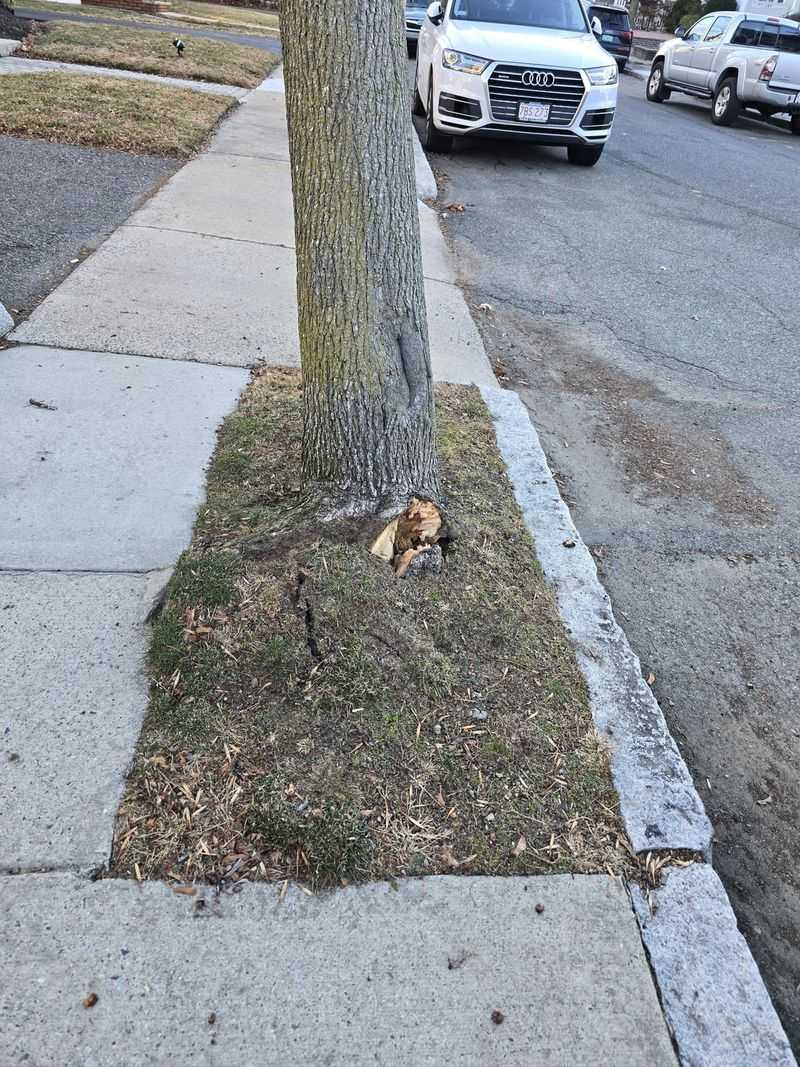
Street trees do more than look nice. They filter air, reduce stormwater runoff, lower urban temperatures, and provide habitat for birds and other wildlife.
When one gets damaged, the whole neighborhood feels the impact. That is why cities treat damage to their trees as a serious matter.
Damage does not always look dramatic at first. Sometimes it starts with an improper cut that leaves a large wound on the trunk.
That wound can become an entry point for insects or fungal infections. Over time, what started as a simple pruning mistake can compromise the tree’s structural integrity.
Cities often conduct regular inspections of their street trees. If an inspector notices signs of unauthorized pruning or damage, they will trace it back to the responsible party.
Property owners who live adjacent to the damaged tree are often the first ones questioned.
The financial consequences of damaging a city tree can be steep. Many municipalities calculate replacement value using a formula that accounts for the tree’s size, species, and location.
A mature shade tree can have an appraised value of thousands of dollars, and you could be billed for that full amount.
Beyond the money, there is a community impact. Street trees take decades to grow to a size where they provide real benefits.
Losing one because of avoidable damage sets the neighborhood back in ways that go beyond what any fine can fully address. Treat these trees with care and respect.
8. Power Lines Make DIY Trimming An Automatic No-Go
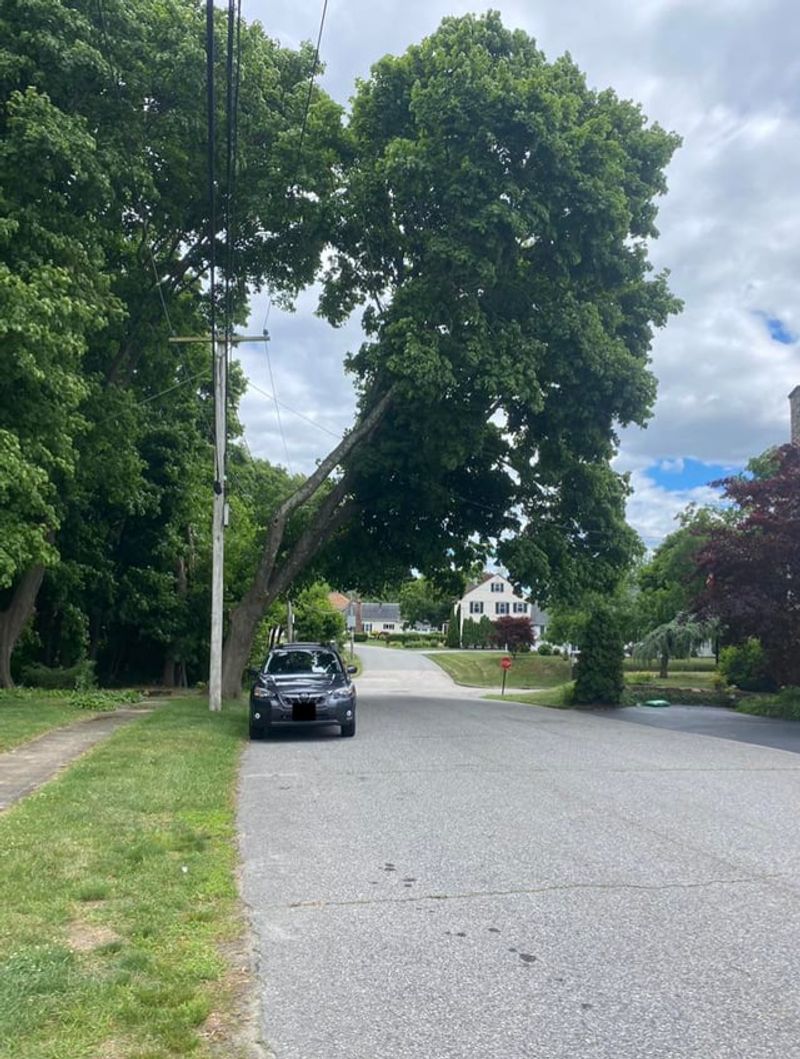
Power lines and trees are a dangerous combination. When street tree branches grow into or near overhead electrical lines, the situation moves well beyond a simple pruning question.
Working around live power lines without proper training and equipment can be life-threatening, and no overhanging branch is worth that risk.
Utility companies have their own crews and contractors trained specifically for line-clearance work. These workers use specialized equipment and follow strict safety protocols.
Regular homeowners, and even many general tree services, are not certified or equipped to work that close to energized lines.
If you notice a city street tree growing into power lines near your home, do not try to handle it yourself. Contact your local utility company first.
They have a responsibility to maintain clearance around their lines and will often send a crew to address the issue at no charge to you.
Your city’s urban forestry department should also be notified. In some cases, the city and the utility company coordinate to handle the pruning together.
This ensures the work is done safely and that the tree is pruned properly rather than just hacked back to clear the wires.
Even if the branches are on your side of the property line, power line proximity changes everything. Oregon’s utility safety regulations are clear about who can work near energized lines.
When electricity is involved, always call the experts and keep yourself and your family at a safe distance.