The Feeder Habit That Puts Maryland Hummingbirds At Risk This Summer
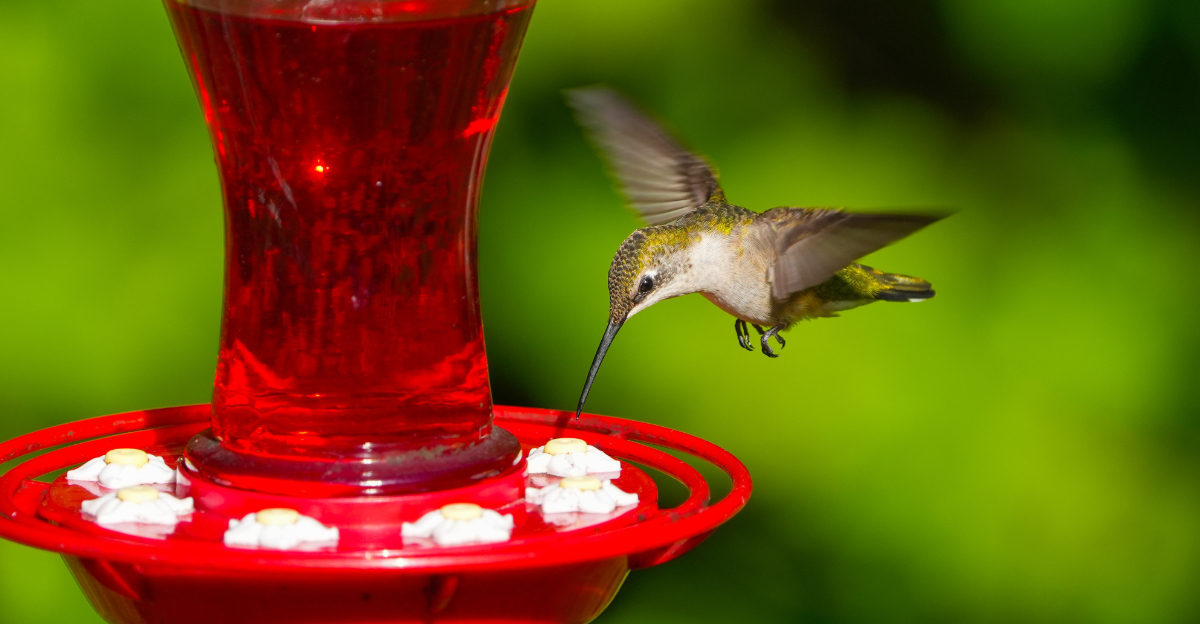
You think your feeder is helping, but it might be hurting them. Maryland heat turns sweet nectar into something dangerous within hours. Sugar water left too long ferments faster than you’d expect.
Bacteria multiply fast, and mold creeps in unnoticed. Hummingbirds can’t taste the danger hiding in their favorite treat. Their metabolism runs so fast that spoiled nectar hits them instantly.
Refilling feels productive, yet walking away too soon causes harm. That walk-away moment is exactly where problems can develop. Rising temperatures increase the risk of spoiled nectar in your yard.
Most well-meaning hosts never suspect good intentions could backfire. Nothing about this danger looks obvious from the outside. Momentum matters here, because every hour without cleaning adds risk.
You’re about to learn the exact mistake happening in yards everywhere. Few realize how close their feeder sits to real danger. Once you see what’s truly hiding inside, you’ll never look away.
Why August Heat Puts Maryland Hummingbirds At Risk
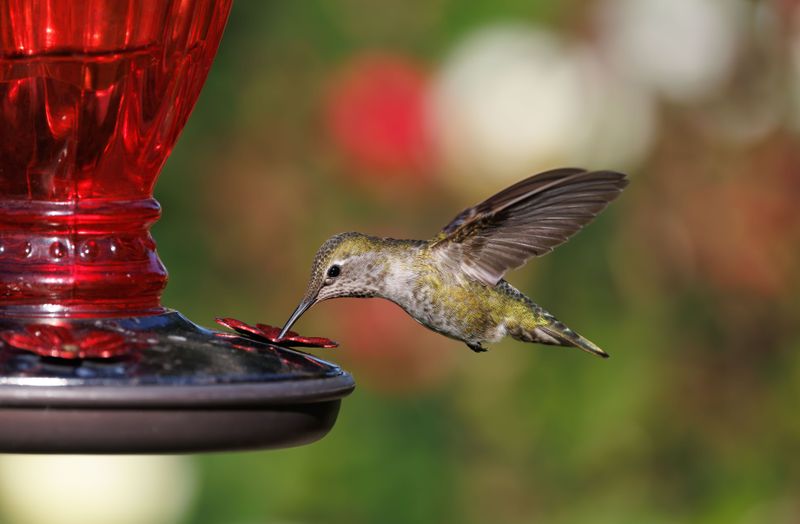
August heat is no joke for tiny birds. Temperatures across Maryland regularly climb past 90 degrees, turning backyards into something close to an oven.
Hummingbirds are remarkably tough for their size. But their small bodies are sensitive to changes in the food they consume, especially in extreme heat.
A feeder hanging in direct sunlight can reach dangerous internal temperatures fast. The nectar inside that feeder can begin to spoil within a day or less on a scorching August afternoon, depending on sun exposure and temperature.
Most people do not realize how quickly heat affects liquid sugar. When nectar spoils, it stops being food and starts becoming a hazard for the birds that trust your feeder.
Ruby-throated hummingbirds are the most common species visiting Maryland yards in August. These birds are also preparing for their long fall migration, so their health right now matters more than ever.
A hummingbird feeder mistake during this critical month can weaken birds right before they need peak energy. This timing adds extra risk during migration prep.
Protecting these birds starts with understanding why August specifically creates such a serious risk. Heat, humidity, and high sugar content combine to create conditions that cause nectar to spoil quickly.
The Feeder Mistake Putting Them In Danger
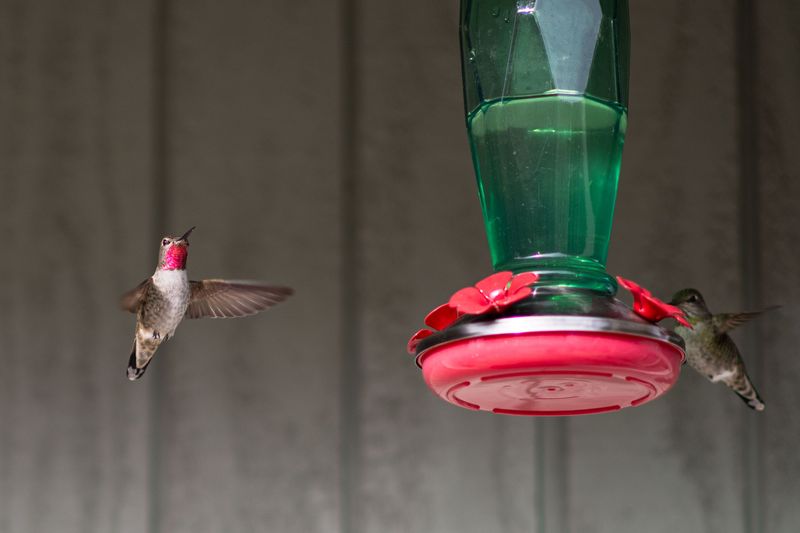
Leaving nectar out too long is the number one feeder mistake people make this time of year. It seems harmless, but spoiled nectar is genuinely dangerous to hummingbirds.
Many backyard birders fill their feeders and forget about them for days. In cooler months, that approach works fine, but August changes everything about how nectar behaves.
Sugar water ferments quickly when exposed to heat and sunlight. What looked crystal clear on Monday can turn cloudy, smelly, or even moldy by Wednesday afternoon.
Fermented nectar can seriously affect a hummingbird’s health. Hummingbirds that drink it can experience serious internal damage, even from small amounts.
This feeder mistake is so common because it is invisible at first. The nectar might look fine from a distance while already being unsafe to consume.
Your Maryland Garden Changes Every Week. Your Plan Should Too.
Gardening in Maryland changes quickly throughout the season. Every Friday you’ll receive a simple weekly plan showing exactly what to plant, prune, fertilize, harvest, and protect so you never miss the right timing.
Mold can grow inside the feeder ports, on the base, and along the inside walls. Once mold takes hold, a quick rinse is not enough to make the feeder safe again.
The good news is that this mistake is completely preventable. Knowing the problem exists is already the first step toward fixing it and protecting the birds that visit your yard.
Hummingbirds will keep returning to a contaminated feeder because they are creatures of habit. That loyalty makes it even more important for you to stay on top of feeder maintenance this August.
What Fermented Nectar Does To Hummingbirds
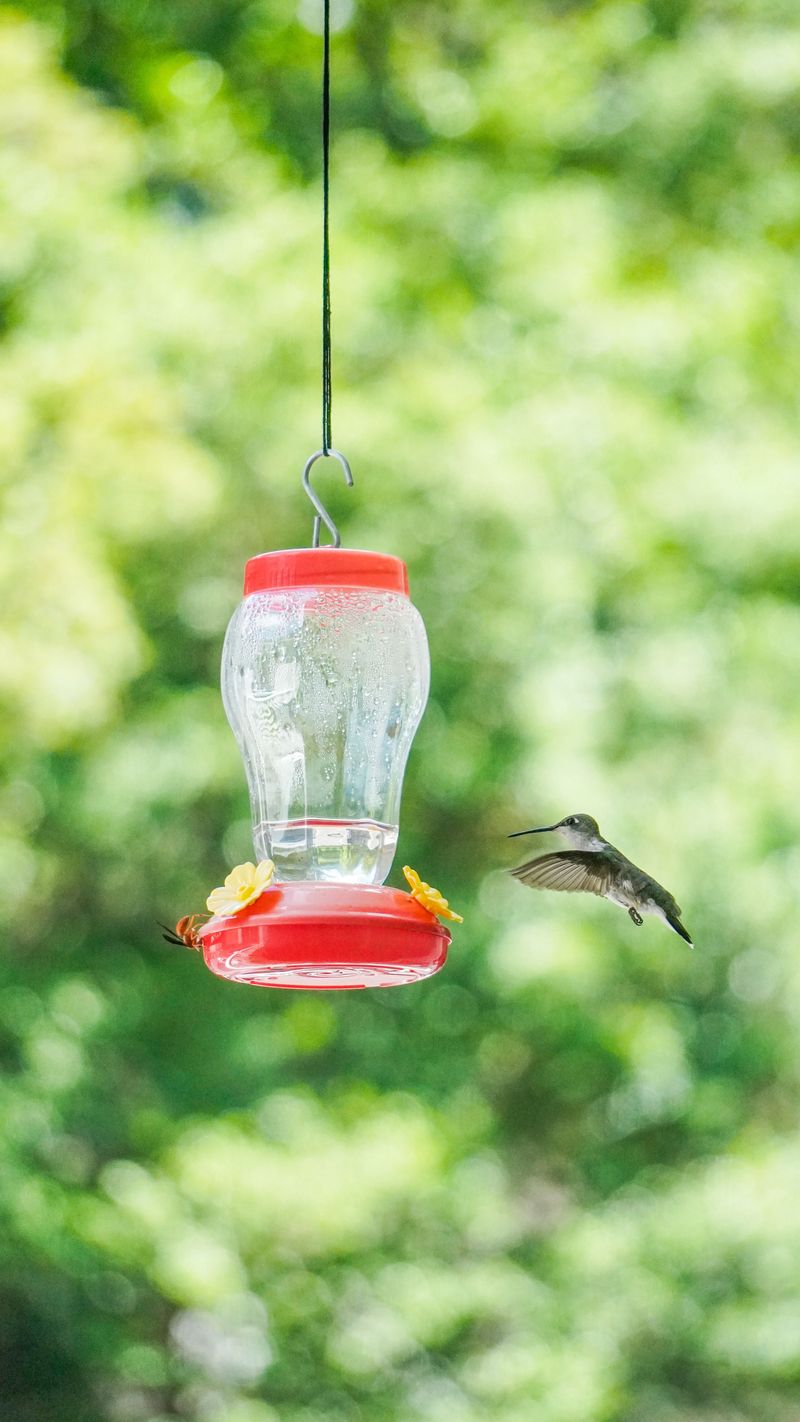
Fermented nectar acts like a slow poison for hummingbirds. The alcohol produced during fermentation can impair their coordination and make flying difficult.
Imagine being the size of a thumb and trying to navigate while feeling dizzy. That is essentially what a hummingbird experiences after drinking fermented sugar water.
Beyond alcohol, spoiled nectar can harbor dangerous bacteria and fungal spores. These microorganisms can infect a hummingbird’s tongue, throat, and digestive system.
According to wildlife rehabilitation centers, contaminated feeders can contribute to candidiasis, a fungal infection that affects a hummingbird’s tongue and throat. A bird with this condition cannot feed properly and may eventually stop eating altogether.
Hummingbirds have incredibly fast metabolisms, burning through energy at a staggering rate. A sick bird that cannot feed efficiently can weaken within hours, not days.
August is when ruby-throated hummingbirds begin building fat reserves for migration. Any illness that disrupts feeding during this window can have lasting consequences for the bird’s survival.
Young hummingbirds born earlier in the summer may also be more sensitive to spoiled nectar, since their bodies are still adjusting to solid feeding routines.
Understanding what fermented nectar does to these birds makes the maintenance routine feel less like a chore. Every clean feeder you hang is a direct act of protection for a creature that weighs less than a nickel.
Signs Your Feeder Needs Attention
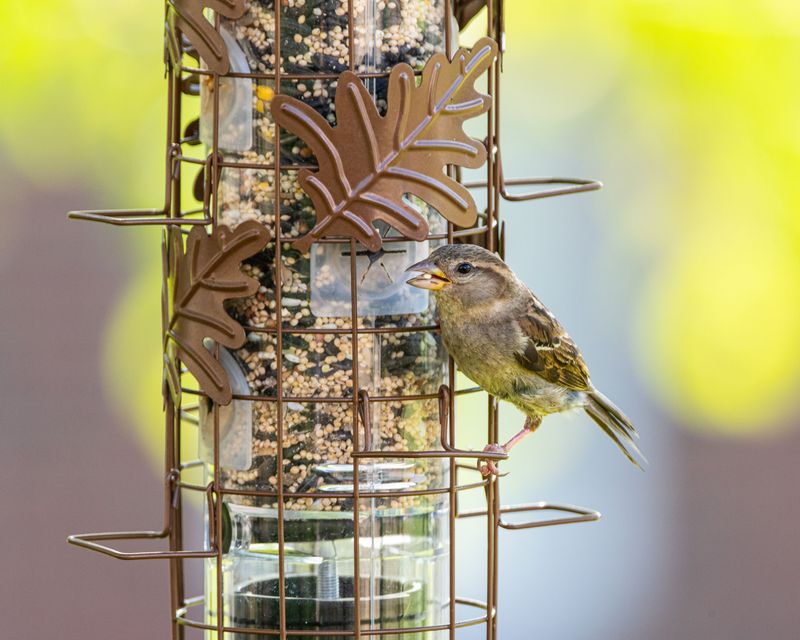
Cloudy nectar is the clearest sign something has gone wrong. Fresh nectar should look completely clear, like clean water with a slight shimmer.
If you hold your feeder up to the light and the liquid looks foggy, it is already past the safe point. Do not wait to see if it clears up on its own.
Black or dark spots around the feeding ports signal mold growth. Those tiny dots might look minor, but they can spread quickly and contaminate the entire feeder.
A sour or fermented smell when you open the feeder is another red flag. Trust your nose on this one because hummingbirds are counting on your judgment.
Sometimes the nectar level drops faster than expected, but the feeder still looks full of old liquid. This can mean hummingbirds tried it and moved on, which is a warning sign worth taking seriously.
Ants, wasps, or bees swarming the feeder in unusual numbers can also mean the nectar has turned. Insects are often attracted to the stronger smell of fermenting sugar.
Slippery or slimy residue inside the feeder base is a sign of bacterial growth. That film needs to be scrubbed out thoroughly before the feeder is refilled.
Checking your feeder every two days in August is the smart move. A quick visual inspection takes less than a minute and can prevent serious harm to the birds you love watching.
Steps To Keep Nectar Safe In Hot Weather
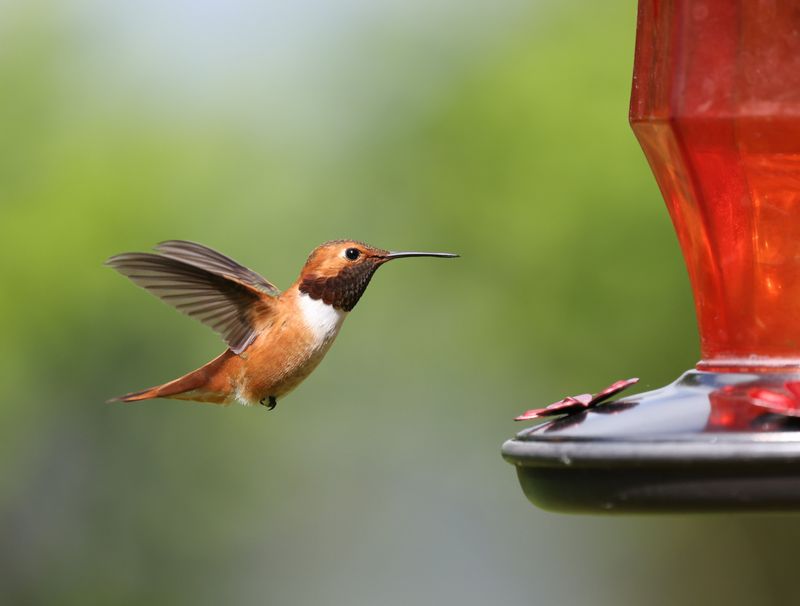
Changing nectar every two days during August is the single most effective habit you can build. Set a phone reminder if needed because consistency is what keeps hummingbirds safe.
Every time you refill, rinse the feeder thoroughly with hot water. Soap residue can also harm hummingbirds, so skip the dish soap unless the feeder is visibly moldy.
When mold appears, a diluted white vinegar solution works well for scrubbing. Rinse multiple times afterward to make sure no vinegar smell lingers inside the feeder.
Placing your feeder in partial shade rather than full sun makes a real difference. Shade can slow the fermentation process significantly, buying you an extra day before nectar turns.
Avoid making large batches of nectar and storing them in the fridge for more than a week. Stored nectar can grow bacteria even in a cold environment if kept too long.
The classic nectar recipe is one part white granulated sugar to four parts water. Skip red dye, honey, brown sugar, and artificial sweeteners because all of them can cause harm.
Smaller feeders are actually smarter choices during peak summer heat. A feeder that empties quickly means you are always offering fresh nectar rather than letting a large batch sit and spoil.
Keeping nectar safe in hot weather does not require expensive equipment or complicated routines. A little consistency goes a long way when tiny birds are depending on you this August.
Other Feeder Habits To Avoid This Summer
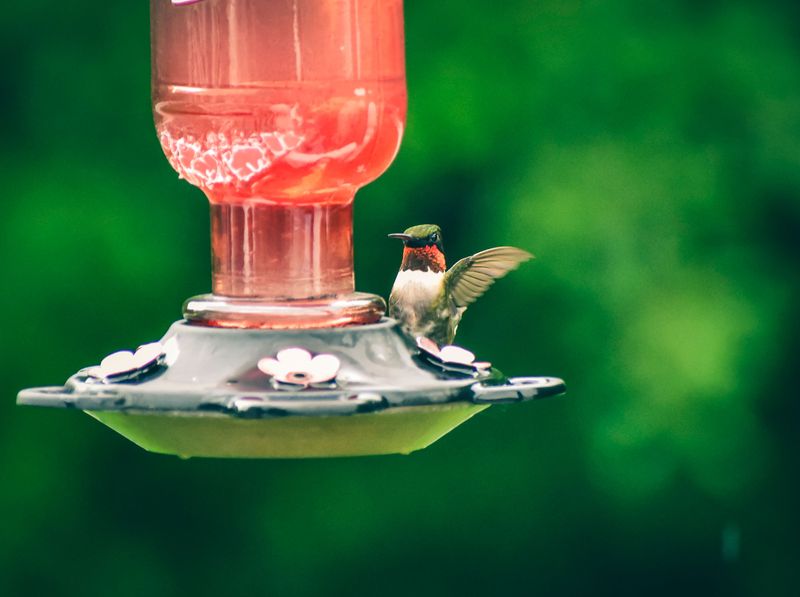
Overfilling feeders is a habit that backfires in hot weather. More nectar sounds generous, but it just means more liquid sitting in the heat and spoiling faster.
Skipping the cleaning brush is another common oversight. A quick rinse without scrubbing leaves behind a sticky film that mold loves to grow on.
Using tap water with high mineral content can leave deposits inside the feeder over time. Those deposits create rough surfaces where bacteria and mold cling more easily.
Hanging feeders too close together can cause stress among territorial hummingbirds. Spread feeders out across your yard so birds can feed without fighting each other for access.
Ignoring ant moats is a mistake that invites unwanted guests. Ants crawling into the nectar contaminate it quickly, and they often go unnoticed until the damage is done.
Forgetting to check the feeder seal and ports for cracks is easy to overlook. Cracked plastic lets in air and insects, speeding up spoilage and making cleaning harder.
Reusing old nectar by just topping off a partially empty feeder is a risky shortcut. Always empty and rinse before adding fresh nectar, no matter how full the feeder looks.
Avoiding these feeder habits this summer means hummingbirds in Maryland get the safe, clean fuel they need. A few small changes to your routine can turn your yard into the best rest stop on their migration route.