The Native North Carolina Plant That Turns A Forgotten Side Gate Corner Into A Pollinator Patch
A forgotten strip beside a North Carolina side gate can be one of the hardest corners in the yard to make useful.
Grass thins there. Foot traffic compacts the soil. Afternoon light may disappear behind a fence or wall, while summer heat still reaches the edges.
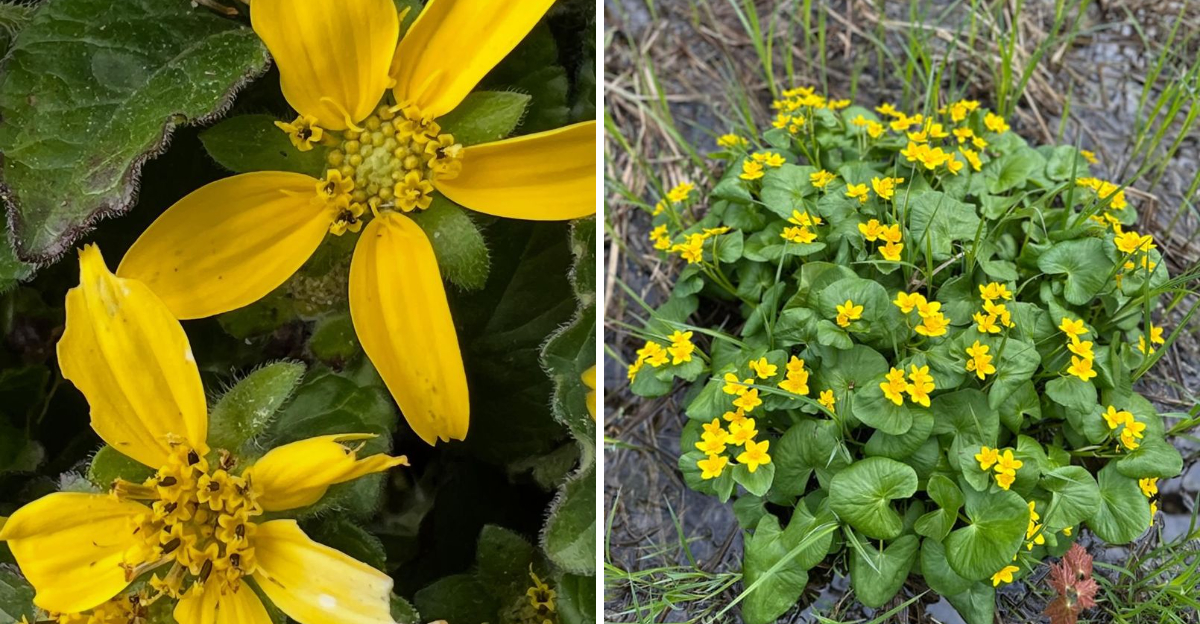
Green and gold, Chrysogonum virginianum, handles that awkward mix surprisingly well.
This low native perennial spreads gradually across bare soil, stays short enough to keep a gate usable, and sends up bright yellow flowers that draw small native bees and other visiting pollinators.
It also fits naturally into woodland-edge conditions found across much of North Carolina.
So why does this plant work so well in a forgotten side-yard strip?
Shade, manageable height, spreading runners, and a preference for moist but draining soil all help.
The corner does not need a complicated redesign.
A few well-placed plants can turn bare ground into a living patch that looks intentional, supports insects, and asks for far less fuss than lawn grass ever did there through the seasons.
Plant Green And Gold In Dappled Shade
The awkward light beside a gate is often exactly what makes green and gold useful.
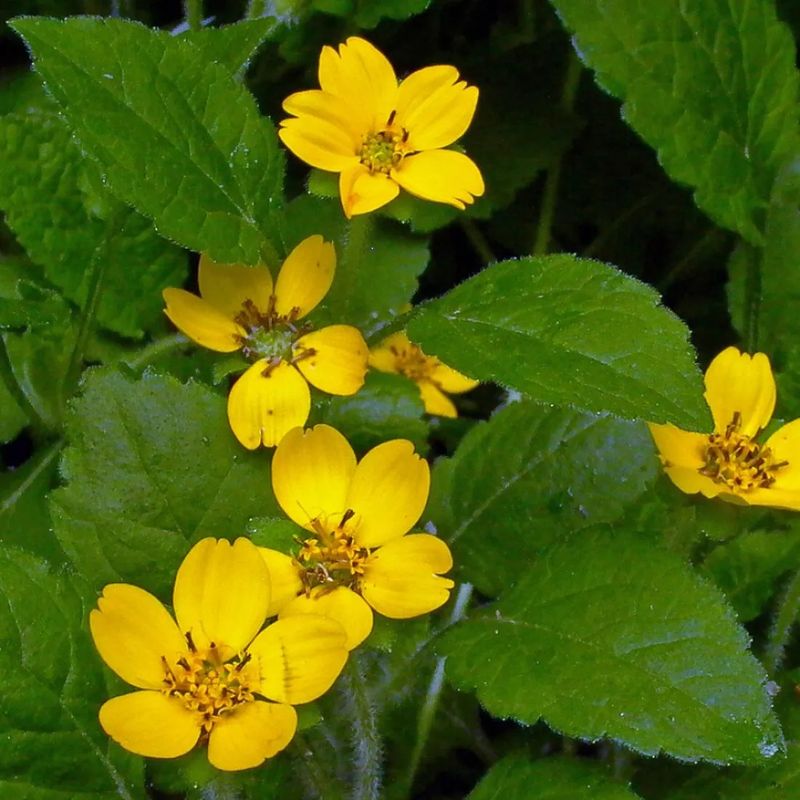
Chrysogonum virginianum performs well in partial shade and can also handle deeper shade, though flowering may become lighter as the space gets darker.
A few hours of gentle morning sun can support a stronger bloom display without exposing the foliage to the harshest afternoon heat.
That makes north- and east-facing side yards especially promising.
Fence slats, nearby trees, porch roofs, and neighboring structures often create moving patches of light through the day. Green and gold fits that woodland-edge rhythm much better than lawn grass or sun-loving groundcovers.
Watch the hottest part of the afternoon before planting.
A corner that looks shady at breakfast may receive a blast of western sun later. Too much intense heat can leave the foliage looking tired and reduce the fresh growth that keeps the patch full.
Start with healthy nursery plants and give them room to spread.
Spacing around 12 to 18 inches apart works well for a small side-gate bed. Closer spacing fills the area faster, while wider spacing saves plants and asks for more patience.
The gate corner does not need perfect light.
It needs the kind of filtered, shifting shade green and gold already knows how to use.
Let Low Growth Cover Bare Soil
A side gate needs plants that know when to stay out of the way.
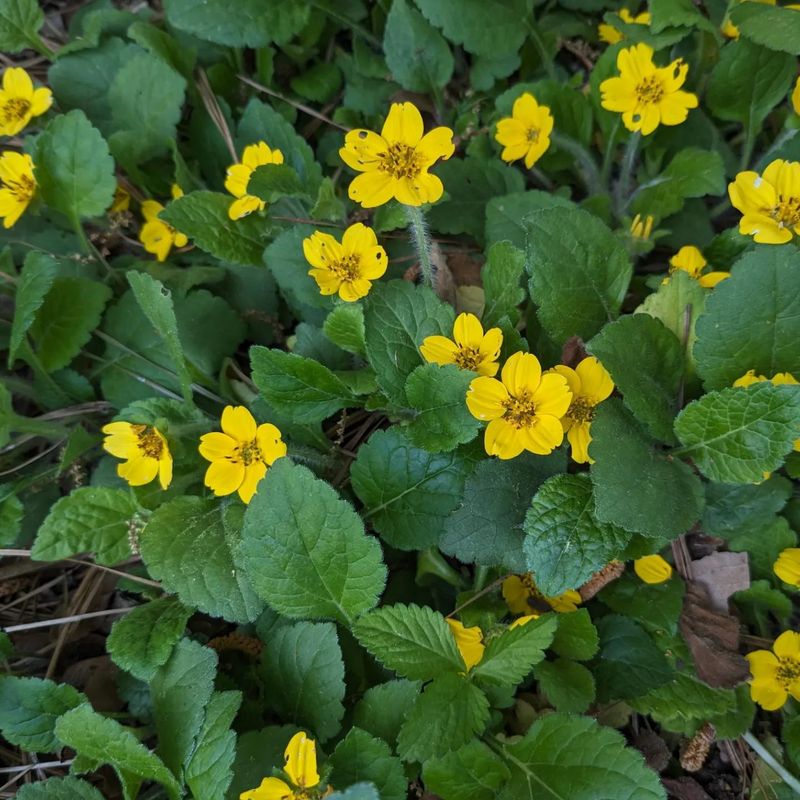
Green and gold usually remains low, often around 6 to 9 inches tall in foliage, so it can cover soil without blocking the latch, brushing shoulders, or turning a narrow path into a squeeze.
That low profile is a major advantage.
Tall perennials can flop into the walkway after rain. Shrubs may gradually narrow the opening. Green and gold spreads more like a living carpet, filling the lower layer while leaving the vertical space around the gate open.
Bare soil also becomes less obvious as the patch thickens.
The foliage shades the surface below, which can make it harder for some weed seedlings to get established. It will not create instant weed control, especially during the first season, so hand-pulling still matters while the plants settle.
Your North Carolina Garden Changes Every Week. Your Plan Should Too.
Gardening in North Carolina changes quickly throughout the season. Every Friday you’ll receive a simple weekly plan showing exactly what to plant, prune, fertilize, harvest, and protect so you never miss the right timing.
A light mulch between young plants helps during that stage.
Use shredded leaves or another fine organic material and keep it away from the crowns. Once runners begin filling the gaps, less bare ground remains exposed.
The result feels deliberate without feeling crowded.
That matters in a strip only a couple of feet wide, where every inch counts.
Green and gold handles the floor while the gate keeps doing its job above. Few plants manage to be useful and polite in the same tight corner.
Give It Moist Well Drained Ground
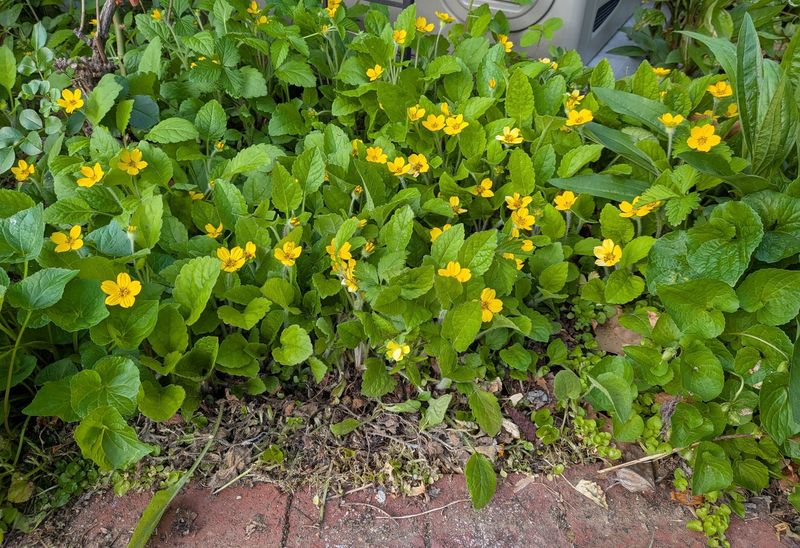
The best green and gold patch starts below the leaves.
This native perennial prefers soil that stays reasonably moist but still drains after rain.
A side-gate strip often has the opposite problem because years of footsteps, wheelbarrows, pets, and repeated traffic can compress the ground into something closer to a brick.
Loosen the planting area before setting plants in.
Work organic matter into compacted soil where needed, but avoid turning the bed into a soft pocket surrounded by hard clay. The goal is better structure and drainage across the root zone, not a tiny bowl that holds water.
Watch the site after a heavy North Carolina storm.
Water should move through rather than sit around the crowns for long periods. A low spot that stays saturated may need grading, runoff correction, or a slight lift before green and gold goes in.
New plants need steadier moisture.
Water deeply during establishment, then let the upper soil begin drying before the next round. Once rooted, the plants can handle short dry spells better, but prolonged summer dryness may slow spreading and flowering.
A thin mulch layer helps smooth out those swings.
Shredded leaves work especially well in a woodland-style corner.
Green and gold is not asking for swampy ground or constant watering. It simply performs best when its roots get moisture without having to spend the week wearing soggy socks.
Use Yellow Blooms To Feed Pollinators
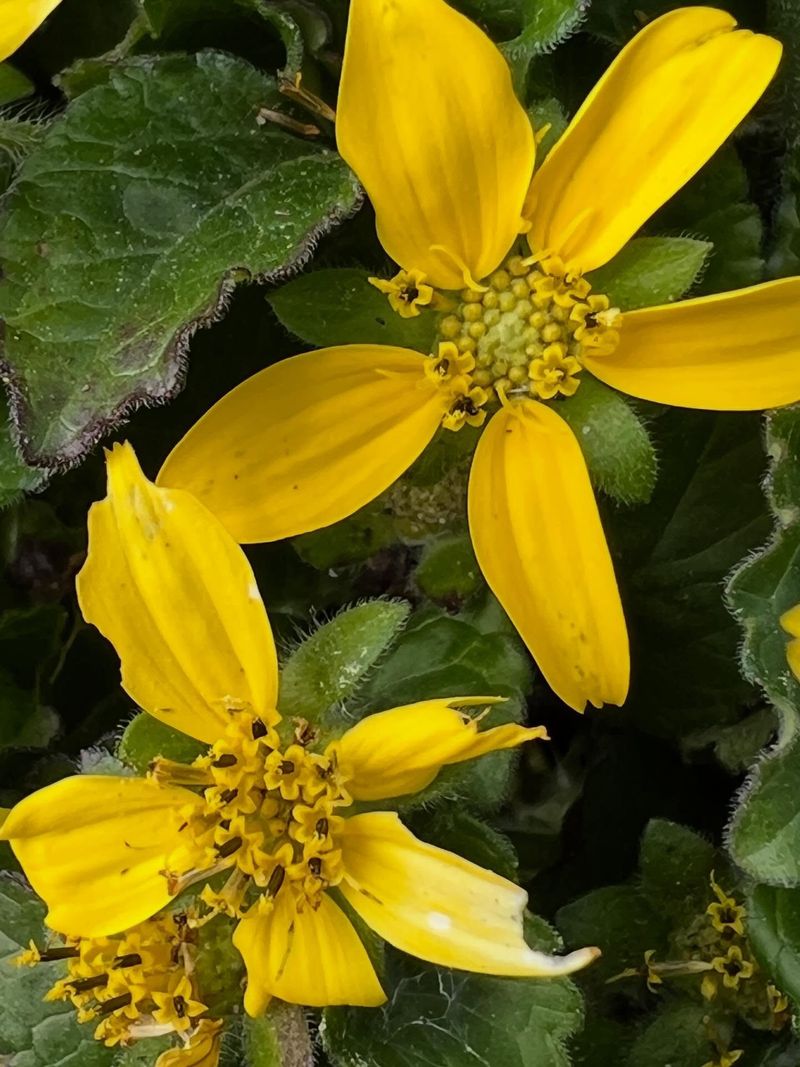
The first yellow blooms can completely change how a forgotten corner feels.
Green and gold produces low, daisy-like flowers that sit just above the foliage, putting pollen and nectar within easy reach of small native bees and other visiting insects.
The flowers can appear in spring and may continue sporadically later in the season when conditions stay favorable.
That long window gives the patch ecological value without demanding much vertical space.
Small bees can move easily across a cluster of plants, especially when several blooms open at once. A grouping makes a stronger visual target than one isolated plant tucked beside a post.
Planting five or more together creates more impact.
The yellow flowers also show up beautifully against dark fence boards, brick, stone, or the deep green foliage of nearby ferns. That makes the pollinator benefit easy to notice from the path rather than hidden in a distant garden bed.
Do not expect one groundcover to support every pollinator need.
Green and gold works best as one part of a broader native planting with flowers at different heights and seasons. Even a modest patch, though, adds another food stop to a yard that may otherwise offer very little beside the gate.
The corner stops being leftover space.
It becomes a small feeding station with a gate attached, which is a much better job description.
Let Runners Knit The Corner Together
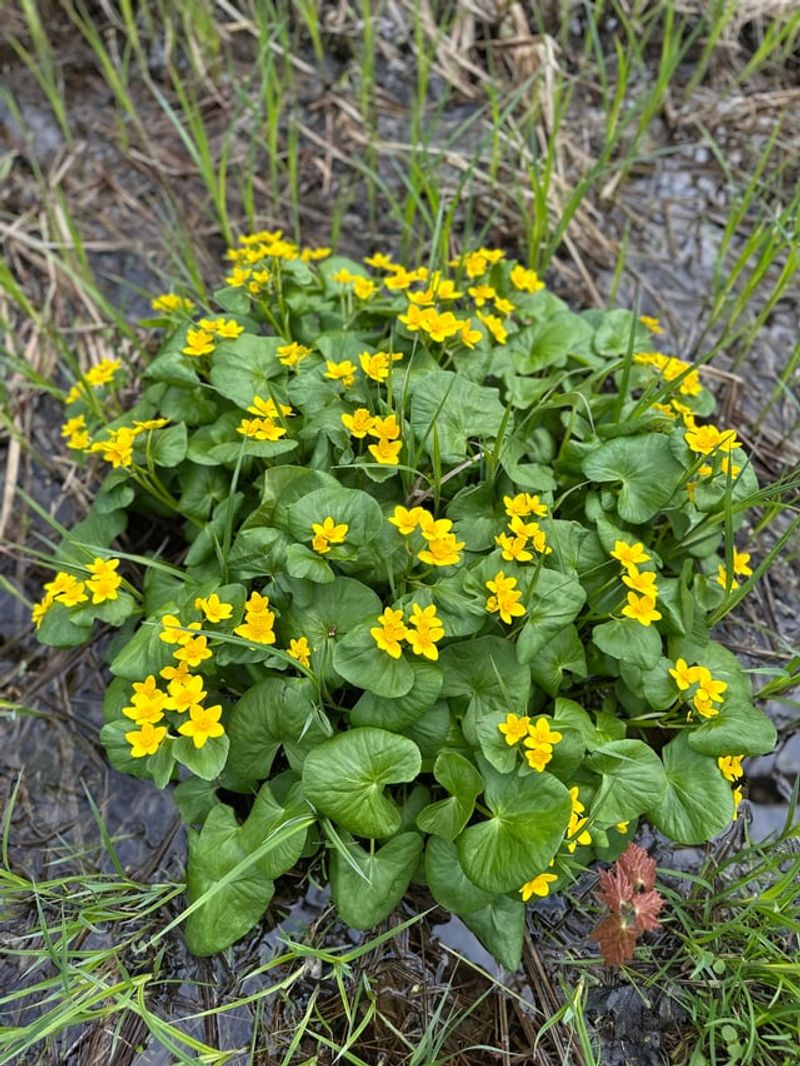
Green and gold does not race across the bed overnight.
That slower pace is useful beside a gate because it gives the planting time to fill in without immediately swallowing stepping stones or pushing into every crack along the path.
The plant spreads through horizontal stems that can root as they travel.
Over time, those runners connect separate plants and create a broader colony. The first year may look modest while roots establish. The second and third seasons usually bring much more obvious coverage.
Starting density changes the timeline.
Plants spaced about a foot apart can knit together faster than widely scattered specimens. A gardener working with a tiny strip can often use a handful of plants to create a convincing patch without covering every square inch on day one.
Let the runners follow small contours in the soil.
They can move around stones, gate posts, and slight dips more naturally than a rigid row of upright perennials. That makes the finished planting feel softer and better suited to an informal woodland edge.
Pull weeds while gaps remain.
Once the foliage thickens, the amount of open soil decreases and routine maintenance gets easier.
Patience pays here.
Green and gold is not a groundcover with a takeover plan hidden in its roots. It fills the corner more like a good neighbor, gradually occupying the empty space without arriving with moving trucks for the whole yard.
Edge The Patch Before It Wanders
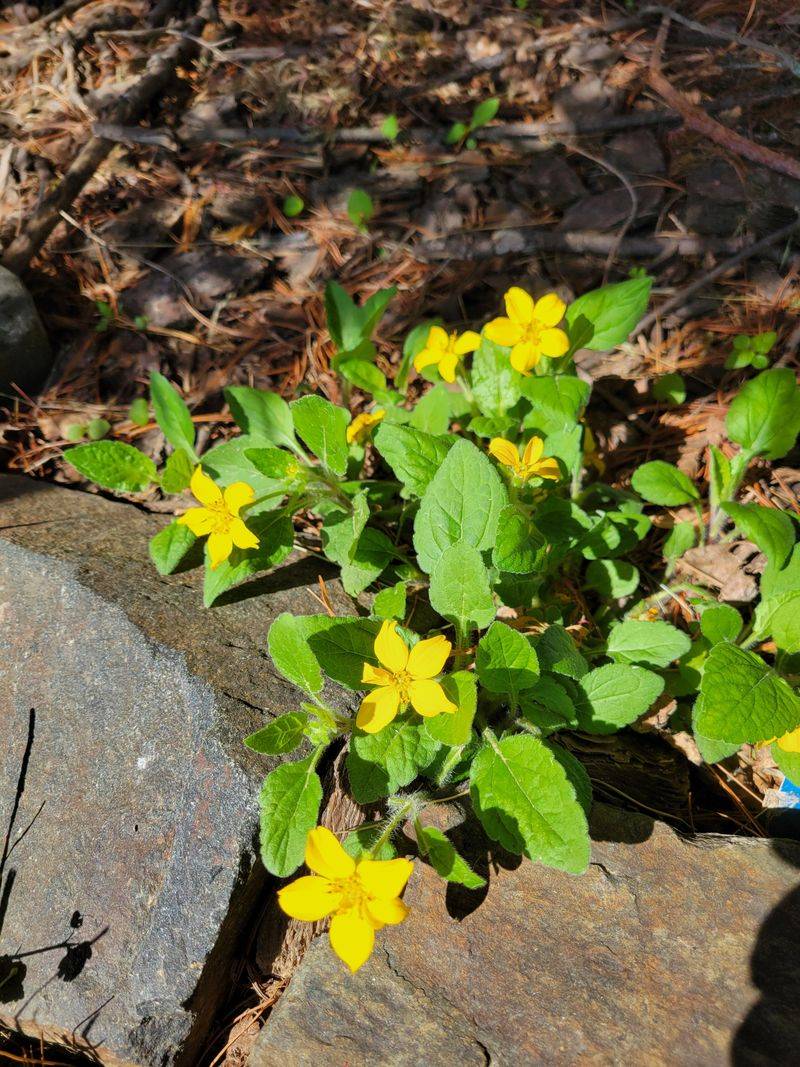
A spreading groundcover still needs a boundary in a high-traffic corner.
Green and gold can send runners toward gravel, stepping stones, or the gate threshold once the colony becomes established. That is easy to manage, but catching the wandering stems early keeps the planting looking intentional.
Check the edge once or twice a year.
Spring is a convenient time because new growth is easy to see before the patch becomes fuller. A flat spade or hand edger can cut runners that have crossed into the walkway.
The trimmed pieces may still have roots attached.
Those sections can be replanted elsewhere in a suitable shaded bed rather than discarded. One established patch can gradually supply material for another corner of the yard.
Keep the actual gate swing clear.
Stems lying across the threshold can get crushed repeatedly, and growth around hinges or latches turns a neat planting into needless maintenance. A narrow strip of mulch or stone beside the moving parts creates an easy buffer.
Permanent edging is optional.
A clean path edge often works perfectly well with occasional trimming. Metal or plastic edging can help where gravel constantly mixes into the bed.
This is not a plant that demands weekly containment.
A quick seasonal check usually keeps the runners exactly where they belong.
The goal is a patch that looks relaxed, not escaped. The gate should still open without negotiating with the landscaping first.