The Right And Wrong Perennials To Divide This August In Virginia
Your shovel decides more than you might ever think this month. Perennials split now either surge or quietly struggle for years. Virginia’s heat turns August into a hidden turning point for gardeners.
Timing alone separates thriving borders from struggling, forgotten ones. Peonies resist change while daylilies practically beg for it every time. Roots reveal secrets that leaves above never show you.
Soil temperature matters more than the calendar ever suggests. Gardeners who guess wrong often lose entire seasons of blooms. Heavy clay soil, common in parts of Virginia, can make careless division more difficult.
Waiting until fall works for some plants but weakens others completely. Choosing correctly right now protects next spring’s entire display. Confidence matters, but so does specific knowledge.
Every plant has its own rulebook this particular season. Ignoring that rulebook costs you flowers, time, energy, and money. You need to know exactly which perennials to divide before you touch a single root.
1. Daylilies Handle Late-Summer Division Well
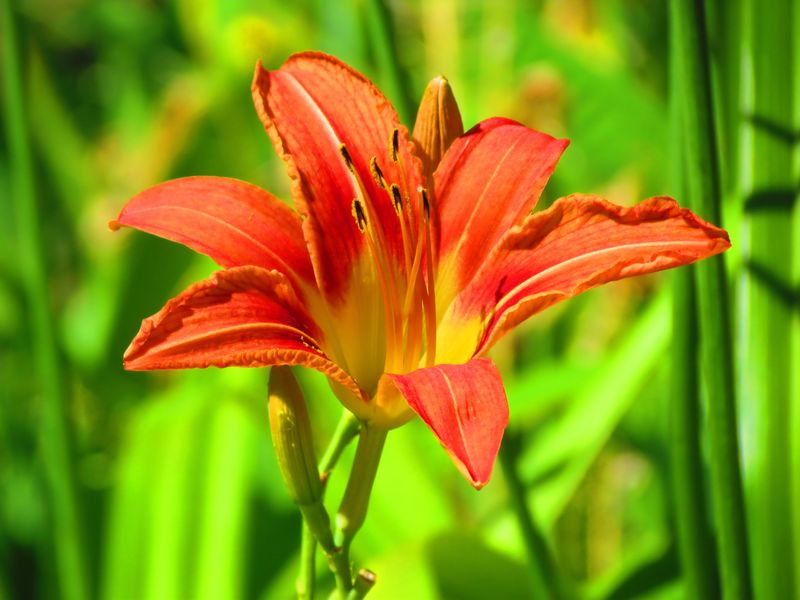
Few plants forgive a gardener’s impatience quite like daylilies do. These tough, cheerful bloomers are practically begging to be split in late summer, and they bounce back fast.
Daylilies form dense clumps over the years, and crowding actually reduces their bloom count. Splitting them now gives each division room to breathe before cold weather arrives.
To divide, dig around the entire clump and lift it free from the soil. Use a sharp spade or two garden forks placed back-to-back to pry the clump apart into smaller sections.
Each division should have several fans of foliage and a healthy root mass attached. Replant at the same depth they were growing before, about an inch below the soil surface.
Water thoroughly right after planting and keep the soil moist for the first two weeks. Daylilies are drought-tolerant once established, but new divisions need consistent moisture to settle in.
A light layer of mulch around each plant helps retain soil moisture during the remaining heat of summer. Skip heavy fertilizing right now since it can stress newly divided plants.
Expect some wilting in the first few days after division. That is completely normal and not a sign of failure.
By October, your new divisions will have rooted in nicely. Come next June, you will wonder why you ever hesitated to pull out that spade.
2. Hostas Can Tolerate Late-Summer Division With Care
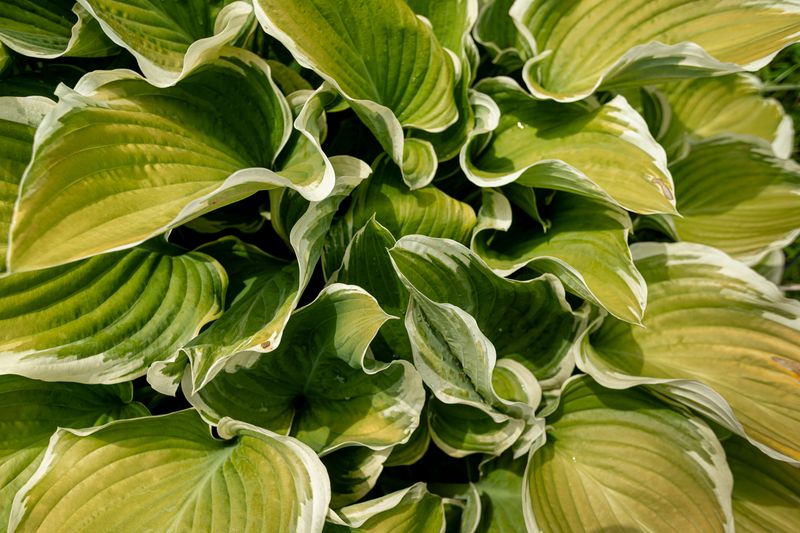
Hostas are the workhorses of the shade garden, and they handle August division surprisingly well. Most gardeners assume summer is off-limits, but hostas are tougher than they look.
Splitting hostas now gives the divisions time to establish roots before the ground freezes. The cooler nights of September and October help them recover without the stress of peak summer heat.
Start by watering the clump deeply the day before you plan to divide. Moist soil makes digging easier and reduces root damage during the process.
Dig around the entire plant, keeping your spade about six inches from the outer leaves. Lift the clump free and set it on a flat surface where you can work comfortably.
Your Virginia Garden Changes Every Week. Your Plan Should Too.
Gardening in Virginia changes quickly throughout the season. Every Friday you’ll receive a simple weekly plan showing exactly what to plant, prune, fertilize, harvest, and protect so you never miss the right timing.
Use a sharp knife or spade to cut the clump into sections, making sure each piece has both roots and at least one growing point. Smaller divisions take longer to look impressive but establish just as well.
Replant each section at the same depth it was growing before. Hostas planted too deep can rot at the crown, so keep that base just at or slightly above the soil line.
Shade the new transplants for a few days if the sun is intense. A piece of burlap or a lightweight cloth works perfectly as a temporary shield.
Give them a good drink every few days for the first month. Healthy, established hostas are one of the most satisfying rewards a patient gardener can enjoy.
3. Irises Benefit From Division Before Fall
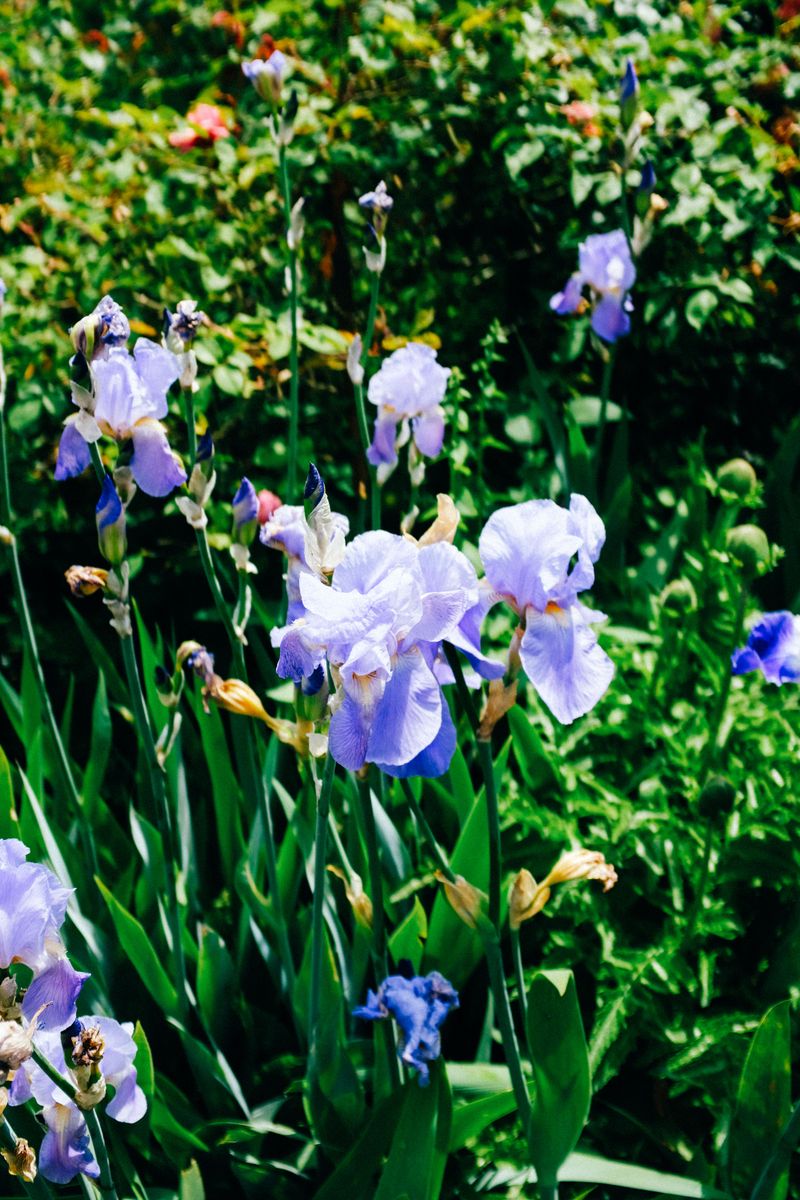
Bearded irises have a reputation for being high-maintenance, but dividing them in August is actually one of the best things you can do. Late summer is their natural rest period, making it the ideal window to act.
When iris clumps get overcrowded, bloom production drops fast. Dividing every three to four years keeps them flowering at full strength.
Start by digging up the entire clump with a garden fork. Shake off excess soil so you can clearly see the rhizomes, which are the thick horizontal roots that store energy.
Snap or cut apart individual rhizomes, keeping sections that are firm and healthy-looking. Toss out any that feel soft, hollow, or show signs of rot or insect damage.
Trim the foliage fans down to about four to six inches tall. This reduces water loss and makes the plant easier to handle during replanting.
Plant each rhizome just at the soil surface with the roots spreading downward. Irises need sunlight hitting the top of the rhizome to bloom, so never bury them too deep.
Space divisions at least twelve to eighteen inches apart to allow good air circulation. Crowded irises are more prone to fungal issues and bacterial soft rot.
Water in well and hold off on heavy feeding until spring. Properly divided irises will thank you with a spectacular flush of color when May rolls around.
4. Coneflowers Transplant Easily This Time Of Year
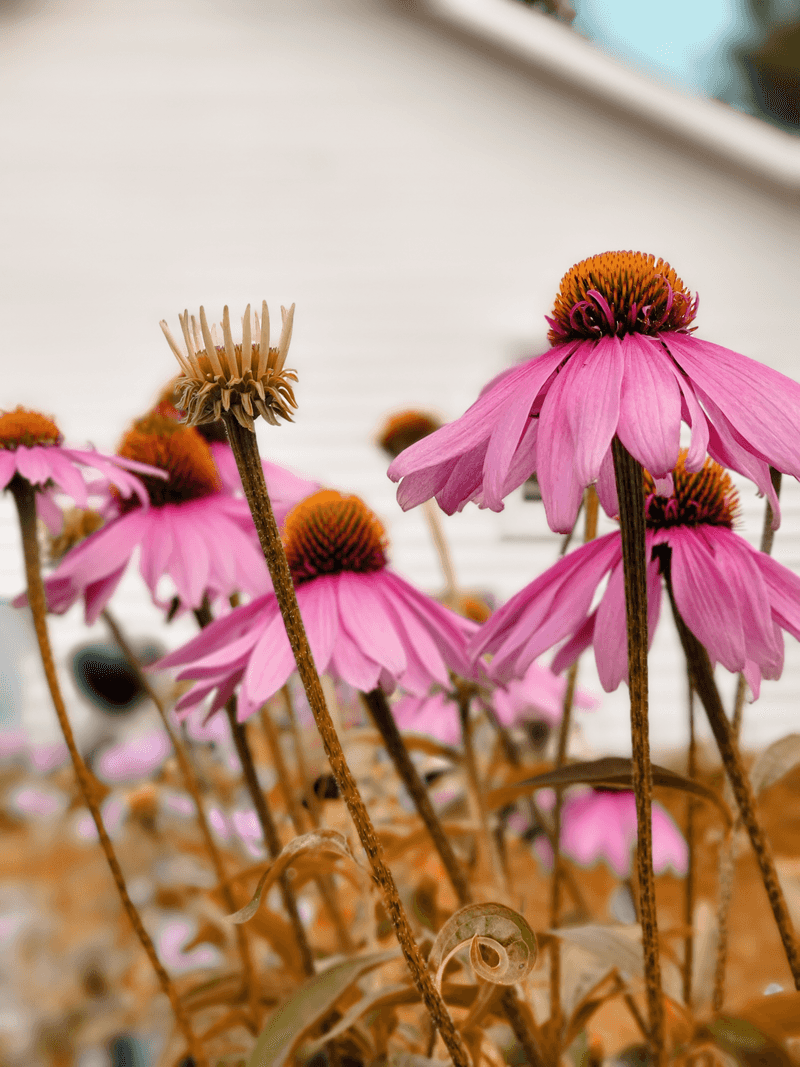
Purple coneflowers are tough as nails, and August division rarely slows them down. These native wildflowers have a resilient root system that handles disturbance better than most perennials.
Mature clumps often get woody in the center with less blooming than the outer edges. Splitting them now refreshes the plant and spreads the color across more of your Virginia garden.
Use a sharp spade to slice through the clump, cutting it into thirds or quarters depending on its size. Each section should include healthy outer growth and a portion of the fibrous root system.
Avoid saving the lifeless, woody center section since it will not rebloom reliably. Focus on the vigorous outer portions with fresh green stems and active root growth.
Replant the divisions at the same soil depth they were growing before. Coneflowers are not picky about soil but do need good drainage to avoid crown rot.
Water new divisions every two to three days for the first few weeks. Once the roots grab hold, coneflowers are remarkably drought-tolerant and low-maintenance.
A thin layer of compost worked into the planting hole gives divisions a nutritional head start. Skip synthetic fertilizers for now since they push leafy growth at the expense of roots.
Expect blooms to return in force next summer. These cheerful natives also attract butterflies and goldfinches, making every division worth the effort.
5. Peonies Resent Disturbance During Late Summer
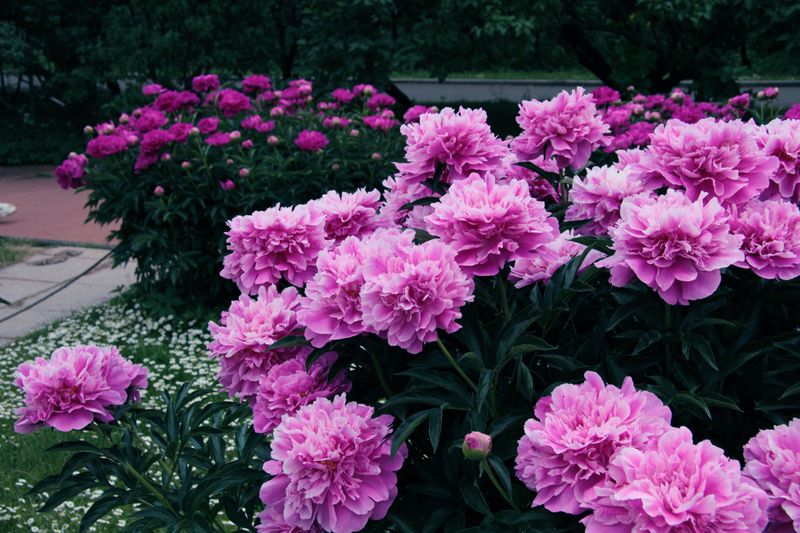
Peonies are among the more sensitive perennials in the garden when it comes to timing of division. August is not the right time, and the plant’s recovery will show it.
These long-lived plants store energy in their roots during late summer to prepare for next year’s blooms. Disturbing them now means interrupting a process they cannot easily reschedule.
Divided peonies often sulk for one to three years before blooming again. That is a long time to wait when the cause was simply impatience with the calendar.
If your peony clump truly needs to be divided, mark the date on your calendar for late September or October. That short wait makes an enormous difference in how well the plant recovers.
Fall division allows peonies to settle their roots before winter without the added stress of summer heat. The cooler soil temperatures support root growth without triggering unwanted top growth.
When fall arrives, dig deep to capture the full root system, which can extend well over a foot in mature plants. Each division needs at least three to five eyes, which are the pink growth buds on the roots.
Plant fall divisions so the eyes sit no more than one to two inches below the soil surface. Too deep is the single most common reason peonies refuse to bloom.
Leave your August peonies alone and they will reward you next May. Patience with this plant is always the right call.
6. Butterfly Weed Struggles After Root Disruption
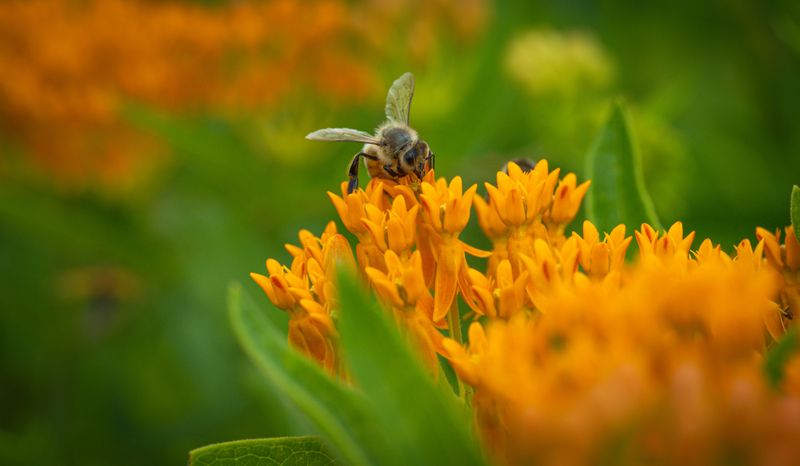
Butterfly weed looks cheerful and carefree growing in a sunny border, but do not let that fool you. This native wildflower develops a deep, fleshy taproot that is highly intolerant of being cut or moved.
Unlike fibrous-rooted perennials that bounce back from division, butterfly weed stores everything it needs in that single taproot. Cutting into it in August significantly increases the risk of losing the plant.
Even careful division attempts often result in months of decline before the plant either recovers or gives up. The stress of late-summer heat compounds the shock of root damage significantly.
If you want more butterfly weed in your Virginia garden, the smarter approach is to collect seed in late summer when the pods split open. Direct-sow those seeds in a prepared bed and let them establish naturally.
Young seedlings develop their taproots quickly and resent transplanting even at a small size. The best results always come from sowing seeds where you want the plant to grow permanently.
Established butterfly weed that has been growing for several years is especially tap-rooted and nearly impossible to move successfully. Respect that root system and you will have a thriving, long-lived plant.
The blooms attract monarch butterflies and native bees, making this plant worth every bit of special treatment. Monarchs use it as a host plant, which adds an ecological layer to its garden value.
Admire this one from a distance this August. Your restraint will keep it alive and blooming for years ahead.
7. Baptisia Dislikes Being Divided Once Established
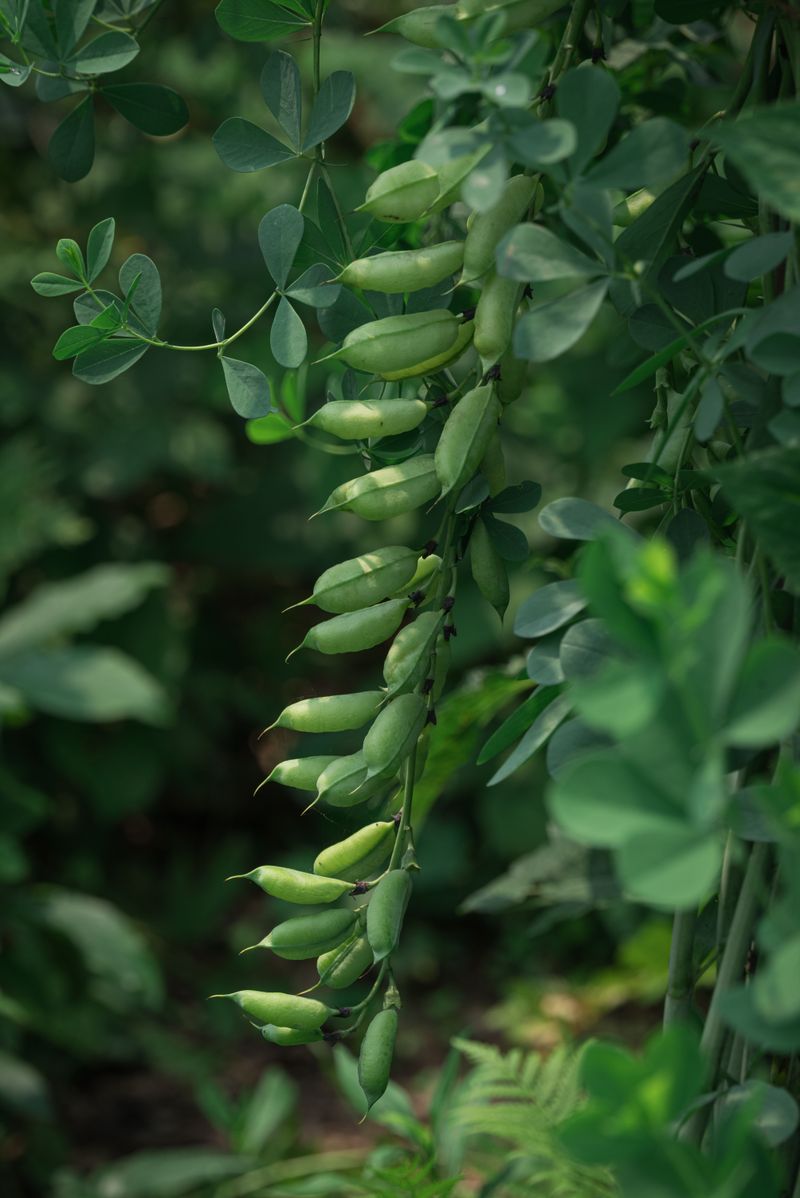
Baptisia, also called false indigo, is one of the most stunning native perennials you can grow. It is also one of the more difficult to divide or move once established.
Young baptisia plants spend their first few years putting energy into a massive, deep root system. Once established, that root network anchors them firmly and makes division nearly impossible without major damage.
Gardeners who attempt to divide mature baptisia in August often end up with damaged roots and a stressed plant. Recovery rates are low, and the plant rarely returns to its former size quickly.
The best way to propagate baptisia is through seed or stem cuttings taken in spring. Seeds need stratification but will germinate reliably if given the right conditions.
If you absolutely must move a baptisia, do it in early spring before new growth begins. Even then, expect a significant recovery period before the plant looks its best again.
Mature plants can live for decades without any division at all. They actually improve with age, spreading slowly into impressive, shrub-like mounds of blue-green foliage.
The seed pods that follow the flowers are decorative and dry beautifully for arrangements. Leaving the plant undisturbed lets you enjoy both the blooms and the ornamental pods each season.
Skip the shovel this August and let your baptisia be. Some plants reward patience more than any other garden virtue.
8. Oriental Poppies Go Dormant, Timing Matters For Division
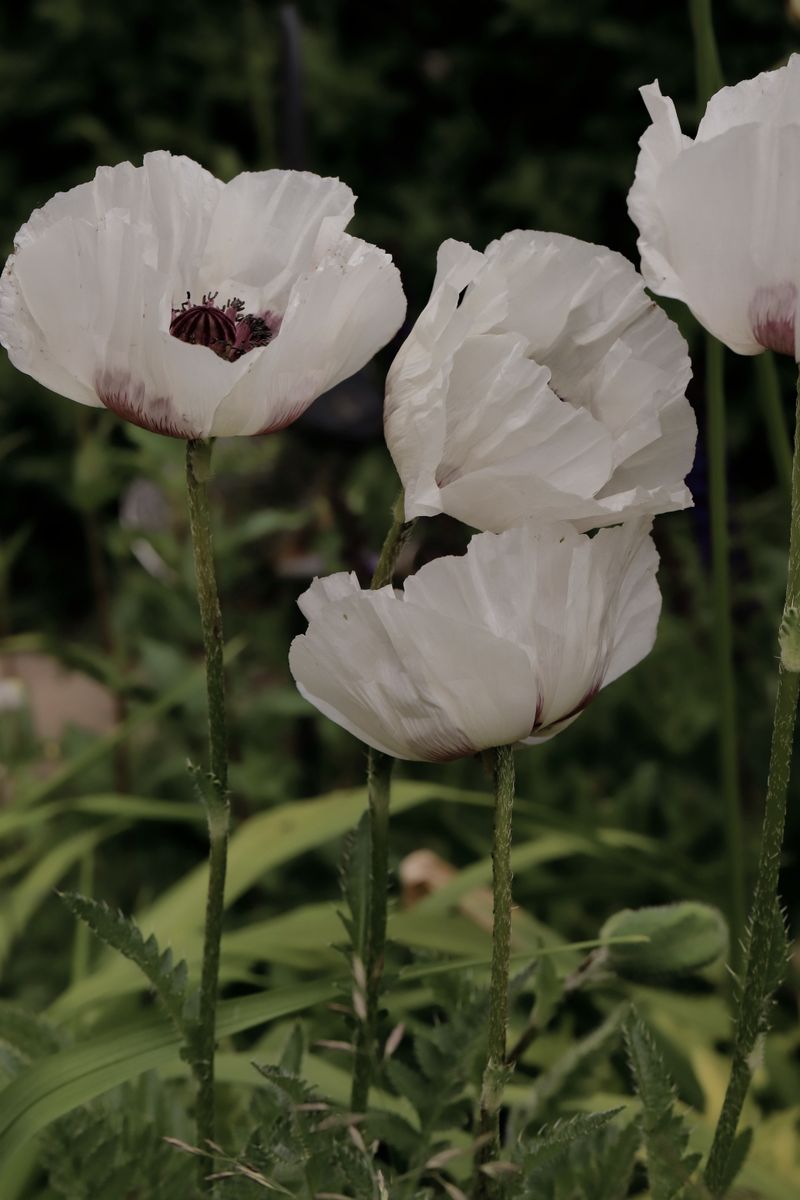
Oriental poppies disappear completely by midsummer. By August, nothing remains but bare soil where a spectacular spring bloomer once stood.
This dormancy period is not a problem. It is actually the plant’s smart strategy for surviving summer heat while storing energy for next spring’s show.
The danger in August is that the bare patch looks like an invitation to plant something new. Many gardeners accidentally dig up their dormant poppies without realizing what they are destroying.
The fleshy roots sit just below the soil surface during dormancy, making them vulnerable to accidental damage. Mark your poppy locations clearly each spring so you remember exactly where they are sleeping.
Dividing oriental poppies this month means cutting into roots that have no foliage to help them recover. The plant cannot photosynthesize or signal stress because it has no leaves, making recovery much harder.
If division is needed, wait until late August or early September when tiny new rosettes of foliage begin to emerge. That re-emergence signals that the plant is awake and ready to handle some disturbance.
At that point, careful division with a sharp spade can be successful, especially in milder years. Each division should include a healthy chunk of the fleshy root with at least one emerging growth point.
Respecting the dormant cycle of these perennials is key to dividing them correctly and successfully. Let them sleep and they will dazzle you again next May.