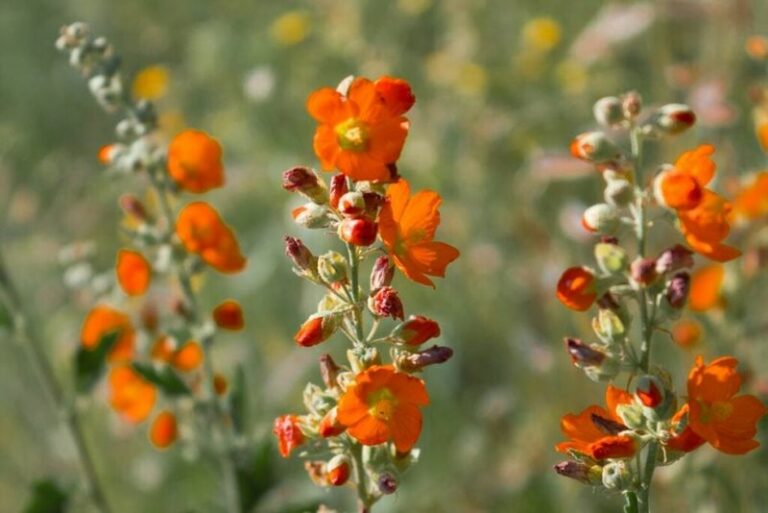
Start Preparing Arizona Garden Beds Now For Fall Planting
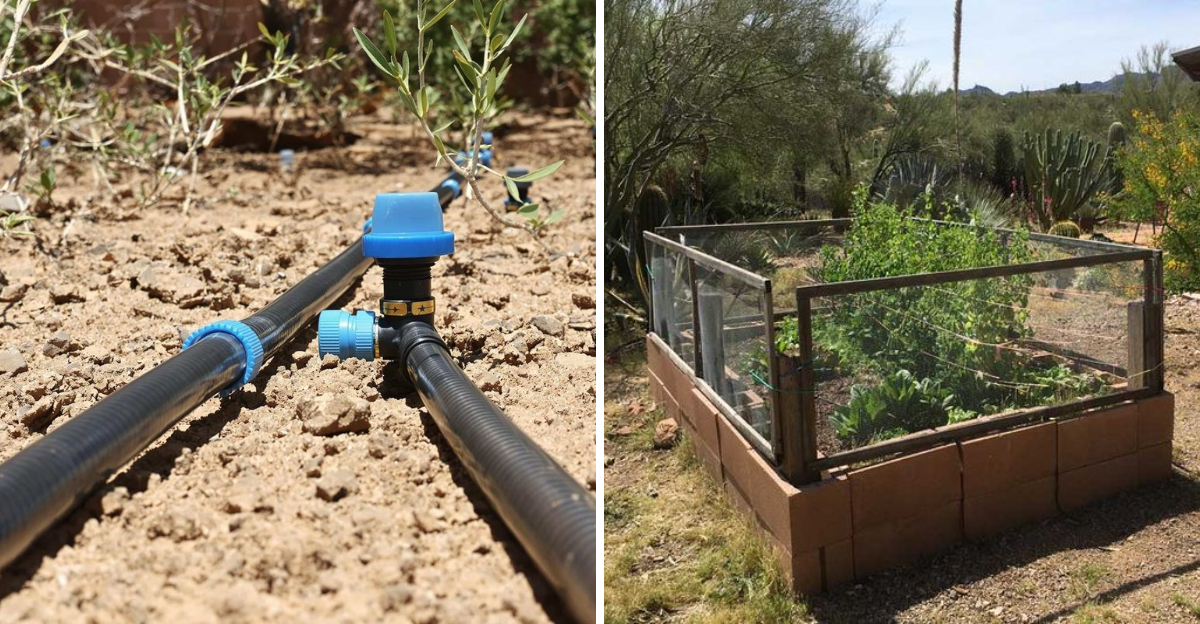
Fall planting may still feel a little early, but your garden beds can use attention before the first seedlings go in. Starting now gives you time to prepare without rushing.
Arizona gardeners know summer can leave growing areas looking tired and compacted. This is a good moment to inspect what changed and decide what needs attention.
Do not wait until planting day to figure everything out. Take a closer look at your soil, growing space, and anything left from earlier plantings.
A little preparation now can make the transition into the next growing season much smoother. You can tackle each job gradually while planning what you want to grow.
Your beds do not need a complete makeover to be ready.
Get the groundwork right now, and fall planting can begin with far fewer surprises later.
1. Fall Success Starts Before Anything Goes In The Ground
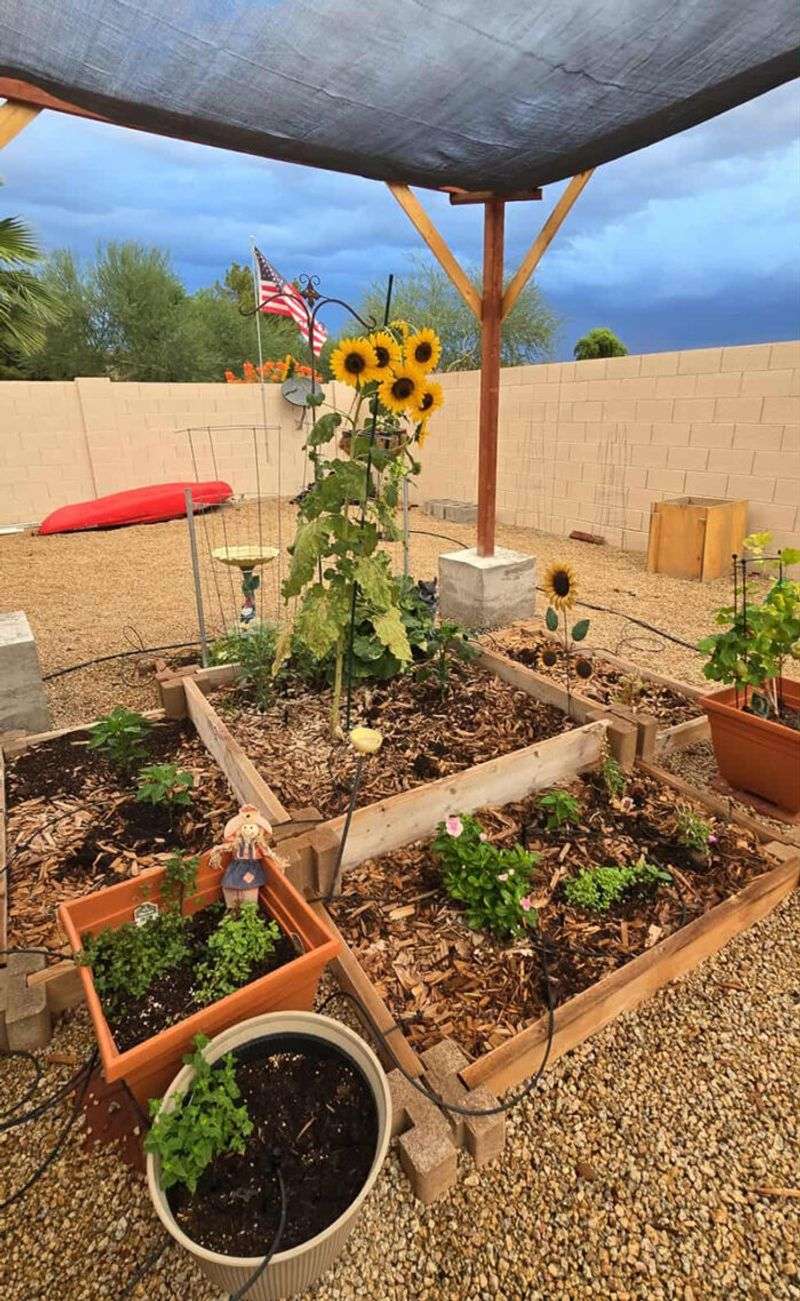
Skipping prep work is one of the most common reasons a fall garden underperforms. Putting plants directly into tired, compacted, or depleted soil sets them up for a rough start.
Fall planting in the low desert typically begins between late August and October, depending on what you want to grow. Timing matters more than most people realize.
Soil that has baked under intense summer sun often needs attention before it can support new root growth.
Compacted ground limits how well roots can spread and absorb water. Loosening the top six to eight inches of soil with a garden fork can make a noticeable difference.
You do not need heavy equipment for most home beds.
Walk through your beds and take stock of what is there. Check for hardpan layers, areas where water pools, and spots where nothing seems to grow well.
Identifying problems early gives you time to fix them before planting day arrives.
Getting ahead of the season is simply smart gardening. A bed that has been properly prepped will hold moisture more efficiently, support stronger root systems, and respond better to fertilizer.
Rushing past this step tends to cost more time and effort later on.
2. Clear Away Spent Growth And Unwanted Weeds
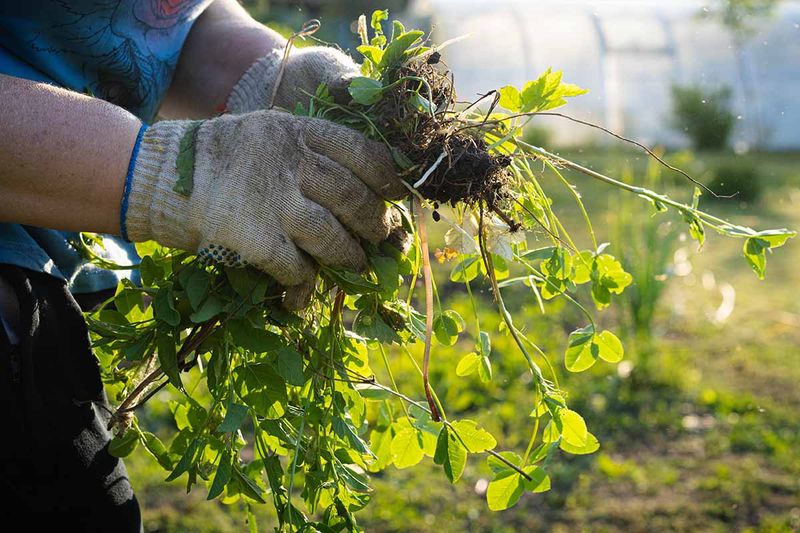
Spent summer plants and weeds left in the bed can create problems that follow your fall crops from day one. Old plant material can harbor pests and fungal issues that carry over into the new season.
Pulling out finished summer crops is a straightforward first step. Roots and all should come out when possible, especially from plants that showed any signs of disease.
Leaving roots behind can sometimes encourage unwanted regrowth or attract insects looking for a place to shelter.
Weeds are worth dealing with before they set seed. A weed that drops seed in late summer can give you hundreds of new weeds to manage come October.
Getting them out early saves a lot of hand-pulling later.
Bag or compost cleared debris depending on its condition. Healthy green material can go into a compost pile.
Anything that looked diseased or pest-ridden is better off in the trash to avoid spreading the problem.
Your Arizona Garden Changes Every Week. Your Plan Should Too.
Gardening in Arizona changes quickly throughout the season. Every Friday you’ll receive a simple weekly plan showing exactly what to plant, prune, fertilize, harvest, and protect so you never miss the right timing.
Once the bed is cleared, you get a clean look at the soil surface. Bare soil is easier to amend, test, and work with.
Clearing also gives you a realistic picture of how much space you actually have for your fall planting plan. Starting fresh makes everything that follows easier to manage.
3. Check The Soil Before Adding New Amendments
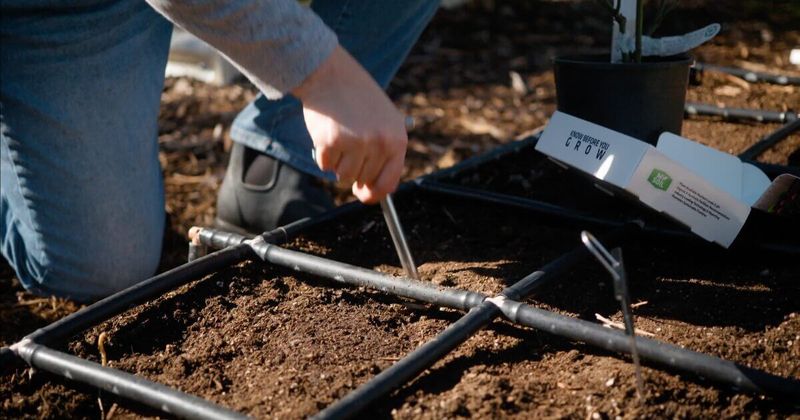
Dumping amendments into the ground without knowing what is already there can backfire. Soil that already has high phosphorus does not benefit from more, and adding the wrong things can throw off the balance your plants need.
A basic soil test is one of the most useful things you can do before fall planting. Many garden centers carry simple home test kits that check pH, nitrogen, phosphorus, and potassium.
Results give you a clear starting point rather than a guess.
Desert soils in Arizona often lean alkaline, with pH levels that can range from 7.5 to above 8. Most vegetables prefer a pH between 6.0 and 7.0.
Knowing where your soil stands helps you choose the right amendments to bring it closer to that range.
Soil texture matters too. Sandy soils drain fast and dry out quickly.
Heavy clay soils hold water but can become waterlogged. Both extremes can be improved, but the fix depends on knowing which type you are working with.
Collect samples from a few different spots in the bed for a more accurate reading. Mix them together and test the combined sample.
One bad patch can skew results if you only test from a single location. Taking a few extra minutes here leads to better decisions about what your soil actually needs.
4. Compost Can Improve Beds Before Planting Begins
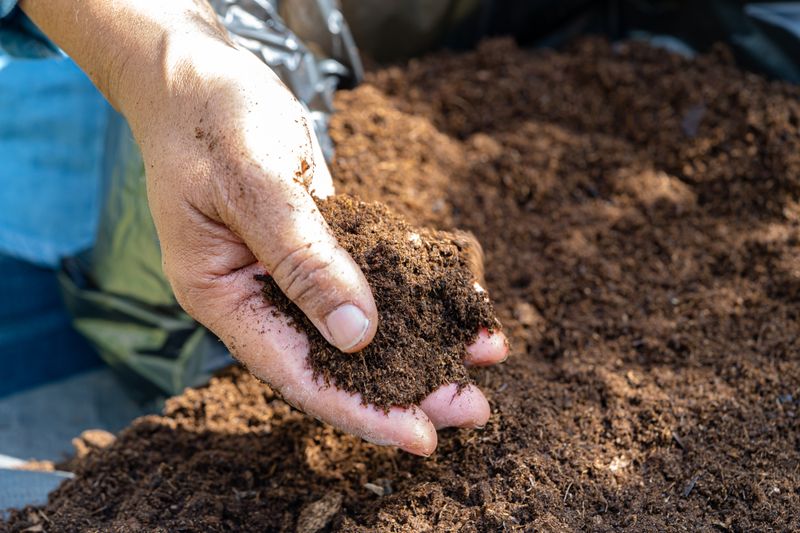
Few things improve garden soil as reliably as a good layer of finished compost. It adds organic matter, feeds soil microbes, and helps sandy or clay-heavy ground hold moisture and nutrients more effectively.
Spread two to three inches of finished compost across the surface of the bed and work it into the top six to eight inches of soil. Finished compost should look dark and earthy, not chunky or raw.
Unfinished compost can temporarily tie up nitrogen as it breaks down, which is not ideal right before planting.
Worm castings are another option worth considering. They are gentle on soil biology and add a concentrated source of slow-releasing nutrients.
A smaller amount goes a long way compared to bulk compost.
Compost also helps regulate soil temperature. As desert nights start to cool down in fall, having good organic matter in the soil can buffer temperature swings that stress young roots.
That buffering effect can be especially helpful in areas with dramatic day-to-night temperature differences.
Locally sourced compost made from regional plant material can be a practical choice. It tends to be well-suited to the mineral content already present in desert soils.
Check labels carefully if buying bagged compost, and look for products that list finished or aged on the packaging. Fresh manure should be avoided close to planting time.
5. Irrigation Needs Attention Before New Roots Arrive
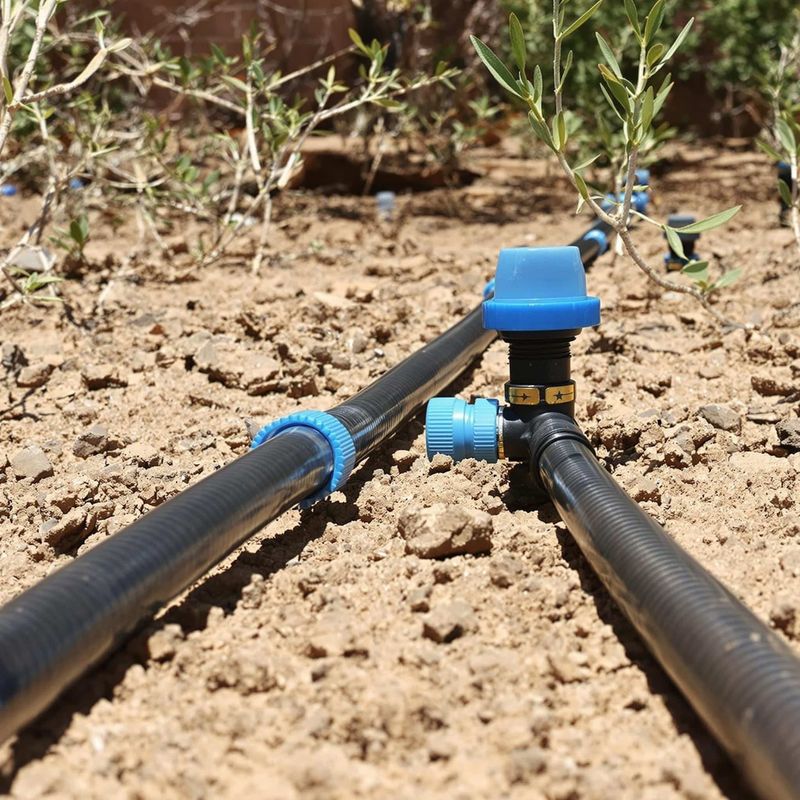
Broken drip lines, clogged emitters, and uneven water distribution are problems best caught before new plants are in the ground. Fixing irrigation after planting risks disturbing young roots and setting seedlings back.
Walk the entire bed with the system running. Watch for emitters that are not flowing, spots where water pools, and areas that seem to stay dry.
Each of those issues needs to be addressed before seeds or transplants go in.
Drip emitter flow rates matter more than most gardeners expect. A half-gallon-per-hour emitter behaves very differently from a one-gallon-per-hour emitter in the same bed.
Matching emitter output to plant water needs can make watering schedules more efficient and reduce waste.
Fall watering needs are different from summer. Cooler temperatures reduce evaporation rates, so soil stays moist longer.
Irrigation schedules that worked in summer will likely need to be dialed back once nighttime temperatures drop consistently below 70 degrees Fahrenheit.
Check the timer or controller and make sure it is programmed correctly for the season. Some controllers have seasonal adjustment settings that reduce run times by a set percentage.
Using that feature can simplify the transition from summer to fall watering without reprogramming every zone from scratch.
Keeping irrigation running efficiently from the start supports healthy root development during those first critical weeks after planting.
6. A Little Waiting Time Lets The Bed Settle
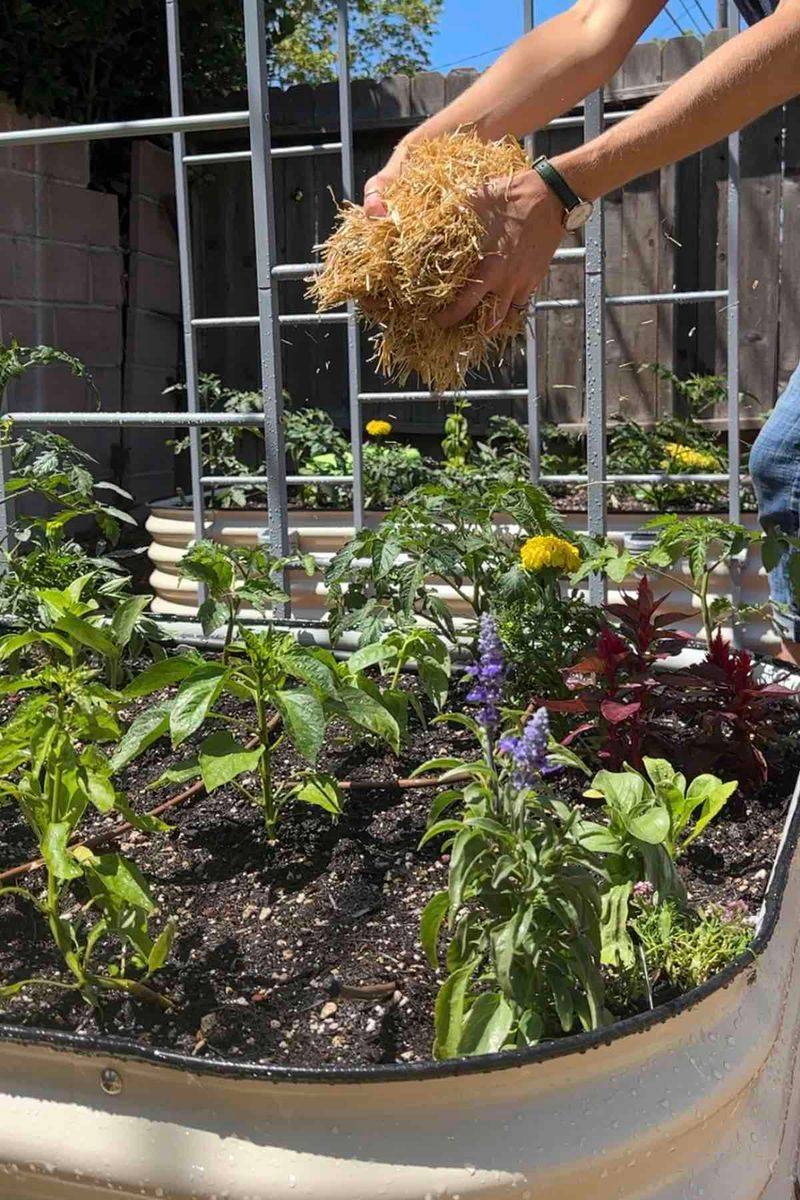
After amending and watering, it helps to give the bed a few days to settle before putting anything in the ground. Rushing from amendment straight to planting can mean seeds land in soil that is still shifting and uneven.
Watering the bed after amending helps everything blend together. Compost, soil, and any other materials you mixed in will start to knit together as moisture moves through them.
Dry amendments sitting on top of dry soil do not integrate as well as those watered in.
A short waiting period also gives you a chance to spot any remaining weed seeds that sprout from the surface. A quick pass with a hoe before planting can clear those out without much effort.
Catching them at the seedling stage is far easier than pulling them once they are established.
Soil that has been freshly worked can also benefit from settling so it does not compact unevenly around new roots. Loose, fluffy soil sounds ideal, but extremely airy soil can leave air pockets around seeds that prevent good germination contact.
A light tamping or a good watering helps firm things up just enough.
Use this waiting time to finalize your planting plan. Know what you want to grow, where each crop will go, and how much space each one needs.
Walking into planting day with a clear plan avoids confusion and wasted effort.
7. Your Garden Will Be Ready When Cooler Weather Arrives
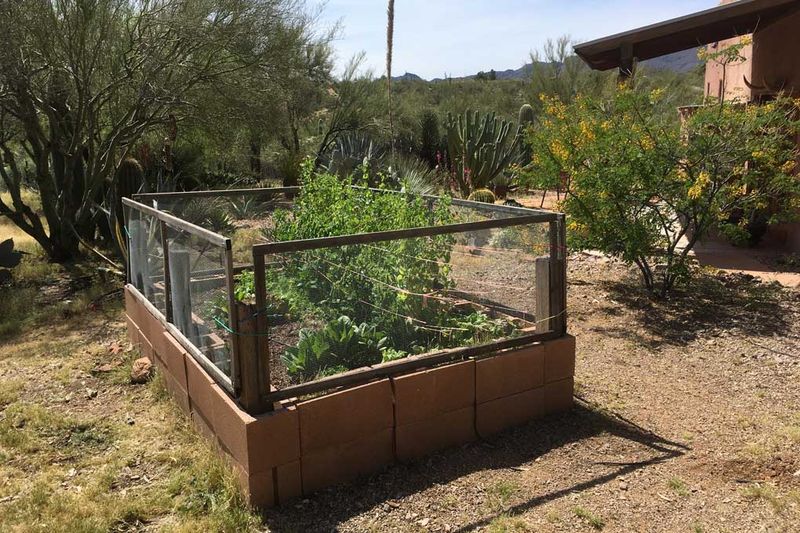
All the prep work pays off when cooler mornings arrive and your beds are already set up to support strong plant growth. Growers who prepare early tend to get a head start that shows in healthier crops and fewer problems mid-season.
Fall crops in the low desert can include lettuce, spinach, kale, carrots, radishes, broccoli, cauliflower, and many herbs. Each has its own timing, but most do best when transplanted or seeded into well-prepared, loose, nutrient-rich soil.
A bed that was cleared, tested, amended, and settled is ready to welcome all of them.
Cooler weather also means fewer pest pressures compared to summer. Aphids, whiteflies, and spider mites tend to slow down as temperatures drop.
Starting the season with healthy soil gives plants a strong foundation to handle whatever pest pressure does show up.
Keep an eye on overnight lows as the season progresses. Some crops can handle a light frost, while others need protection.
Having row cover or frost cloth on hand before you need it is a practical move for late-season planting in higher-elevation parts of the state.
Gardening in Arizona through the fall season is genuinely rewarding. With the right prep behind you, all that is left is planting, watering, and watching things grow.
A prepared bed makes that whole process far more enjoyable from start to finish.