Why North Carolina Gardeners Are Adding Crushed Eggshells To Their Soil Before August Ends
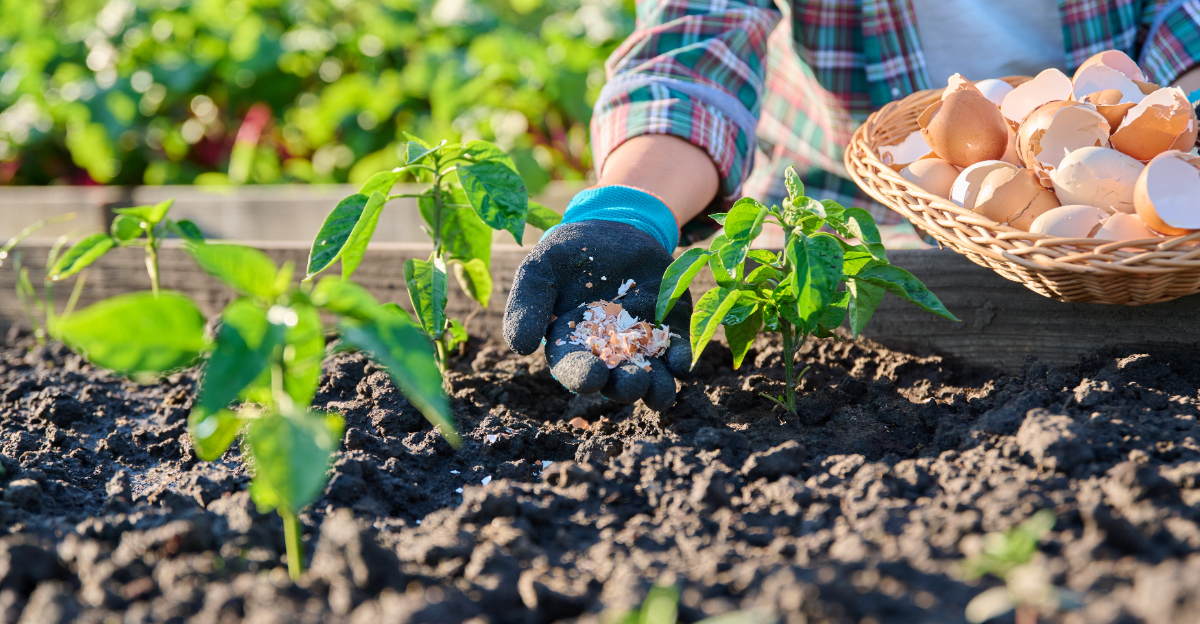
Crushed eggshells have become a popular late summer addition for North Carolina gardeners looking to boost calcium levels before the season winds down.
This simple amendment helps address blossom end rot, a common issue in tomatoes and peppers caused by inconsistent calcium uptake during hot, unpredictable weather.
Eggshells break down slowly, providing a steady, gentle release of calcium rather than an overwhelming dose all at once.
Crushing shells into small pieces speeds up this breakdown, allowing nutrients to become available to plants more quickly.
Working them into the top few inches of soil, rather than simply scattering them on top, improves how effectively plants can access the calcium.
This method also offers a practical way to reduce household waste while genuinely benefiting the garden.
Many gardeners find this small habit noticeably reduces blossom end rot in the following growing season. Adding eggshells now sets soil up for healthier fruit production going forward.
1. They Want To Add Calcium To The Soil
Calcium is one of those nutrients that does not always get the attention it deserves in the garden.
Most gardeners focus on nitrogen, phosphorus, and potassium, but calcium quietly plays a huge role in how plants grow and hold themselves together.
It strengthens cell walls, supports root development, and helps plants absorb other nutrients more efficiently.
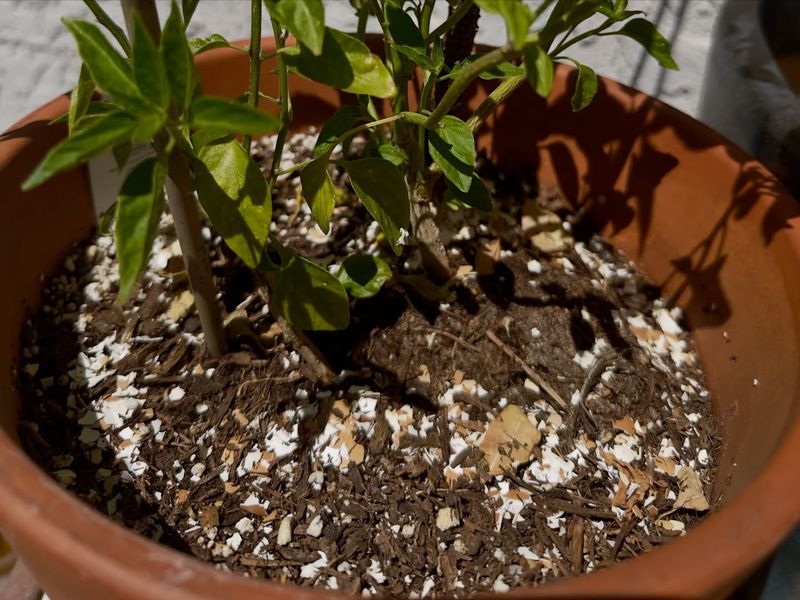
Eggshells are made up of roughly 95 percent calcium carbonate, which sounds impressive on paper.
The catch is that calcium carbonate does not dissolve quickly in soil. It has to break down slowly through a process that involves soil moisture, microbial activity, and time.
That means the calcium locked inside those shells may not become available to plant roots for months or even years after you add them.
Finely crushed shells release calcium faster than large pieces, but even powdered eggshells work more gradually compared to agricultural lime or gypsum.
If your soil has a serious calcium deficiency, eggshells alone probably will not solve the problem fast enough to help your current growing season.
A soil test from your local North Carolina Cooperative Extension office will tell you exactly how much calcium your soil has and what amendment will address the shortage most effectively.
That said, eggshells are not without value. Over time, consistent additions of crushed shells can contribute meaningful calcium to your soil. Think of them as a slow, steady supplement rather than a quick fix.
For gardeners who want a low-cost, recycled way to support long-term soil health, eggshells are a smart and practical choice.
2. They Are Trying To Improve Acidic Garden Soil
North Carolina is well known for having acidic soil, especially in the Piedmont and mountain regions where red clay dominates the landscape.
Many vegetables and flowering plants prefer a slightly neutral pH, so gardeners are always looking for natural ways to bring that number up.
Crushed eggshells have earned a reputation as a homemade soil sweetener, and there is some truth behind that idea.
Calcium carbonate, the main compound in eggshells, is the same basic ingredient found in agricultural lime, which is the most common product used to raise soil pH.
Your North Carolina Garden Changes Every Week. Your Plan Should Too.
Gardening in North Carolina changes quickly throughout the season. Every Friday you’ll receive a simple weekly plan showing exactly what to plant, prune, fertilize, harvest, and protect so you never miss the right timing.
So the chemistry is not wrong. The problem is the quantity and the speed.
You would need a very large amount of finely ground eggshells applied consistently over several seasons to see a meaningful shift in soil pH. A single batch of shells from your kitchen will not move the needle much.
Before you try to adjust your soil pH with any amendment, including eggshells, a soil test is your best starting point.
North Carolina State University’s soil testing lab offers affordable tests that tell you your current pH, what your target should be for the crops you want to grow, and exactly how much lime or other amendment to add.
Guessing without that data can lead to over-correcting, which creates its own set of plant problems.
Eggshells can still play a supporting role over time, especially in a compost-heavy garden. Just go in with realistic expectations.
They are a helpful long-term addition, not a rapid soil corrector you can rely on heading into fall planting season.
3. They Are Adding Eggshells To The Compost
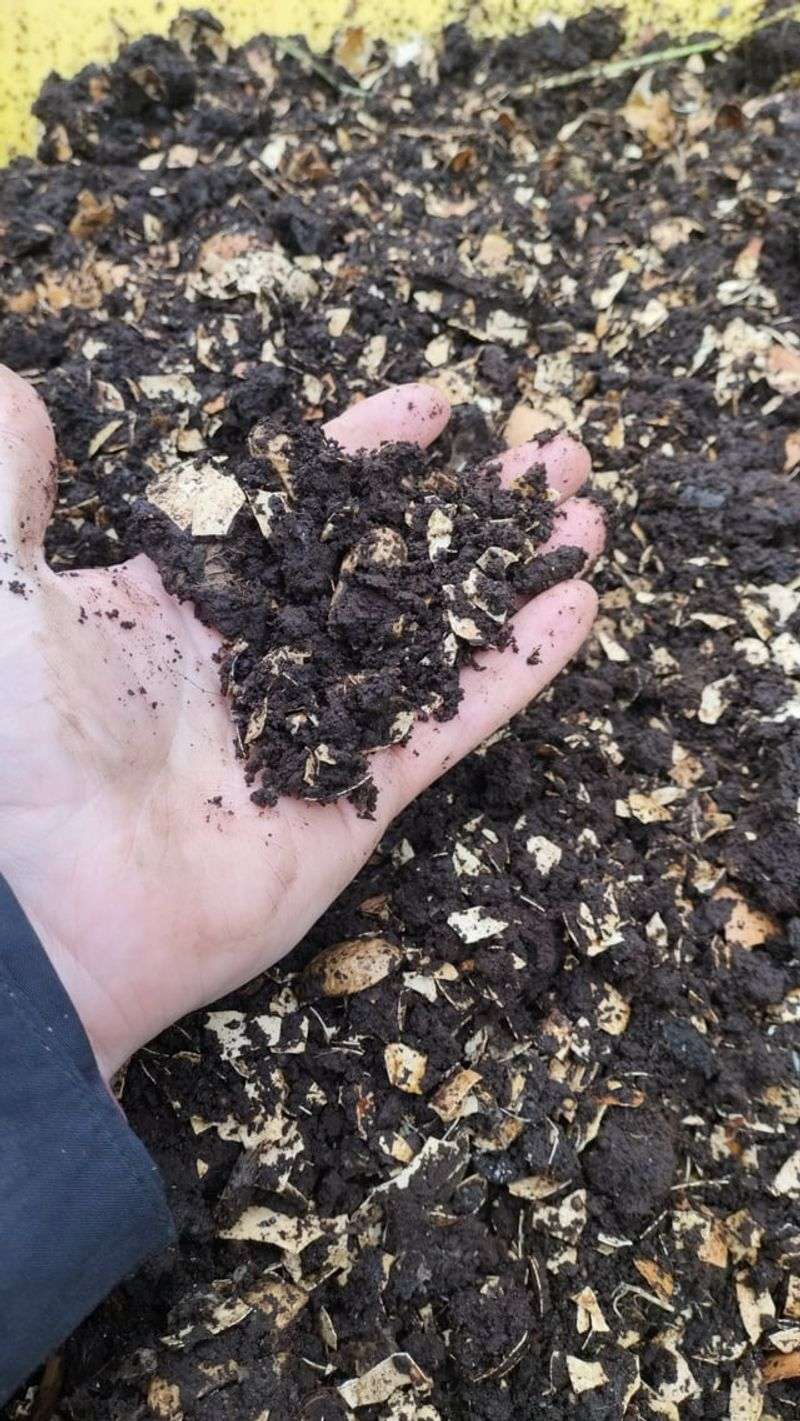
Tossing eggshells straight into the garden bed sounds satisfying, but composting them first is often the smarter move.
When eggshells go through the composting process alongside other organic materials, they gradually break down in an environment that is already rich with moisture and microbial life.
That environment does a lot of the heavy lifting that your garden soil would otherwise have to do on its own.
One practical reason to compost eggshells rather than scatter large pieces directly is appearance.
Chunky white shell fragments can sit on top of soil for a surprisingly long time without breaking down, especially during dry stretches.
In a compost pile, they are hidden away, slowly softening as surrounding materials heat up and decompose around them.
Finished compost that includes eggshells brings more than just calcium to your garden.
The whole compost mix improves soil structure, feeds beneficial microbes, helps with water retention, and introduces a broad range of nutrients.
The eggshells contribute to that overall package rather than acting as a standalone amendment.
That is a much more balanced way to improve your soil than relying on any single ingredient. One tip worth mentioning is to rinse your eggshells before adding them to the compost.
Leftover egg residue can attract pests and create unpleasant odors in warm weather, which is especially relevant during North Carolina’s hot August months.
A quick rinse and a few days of air drying before adding shells to your bin keeps things clean and manageable. Small habits like this make composting a much more enjoyable routine.
4. They Grind Them Smaller So They Break Down Faster
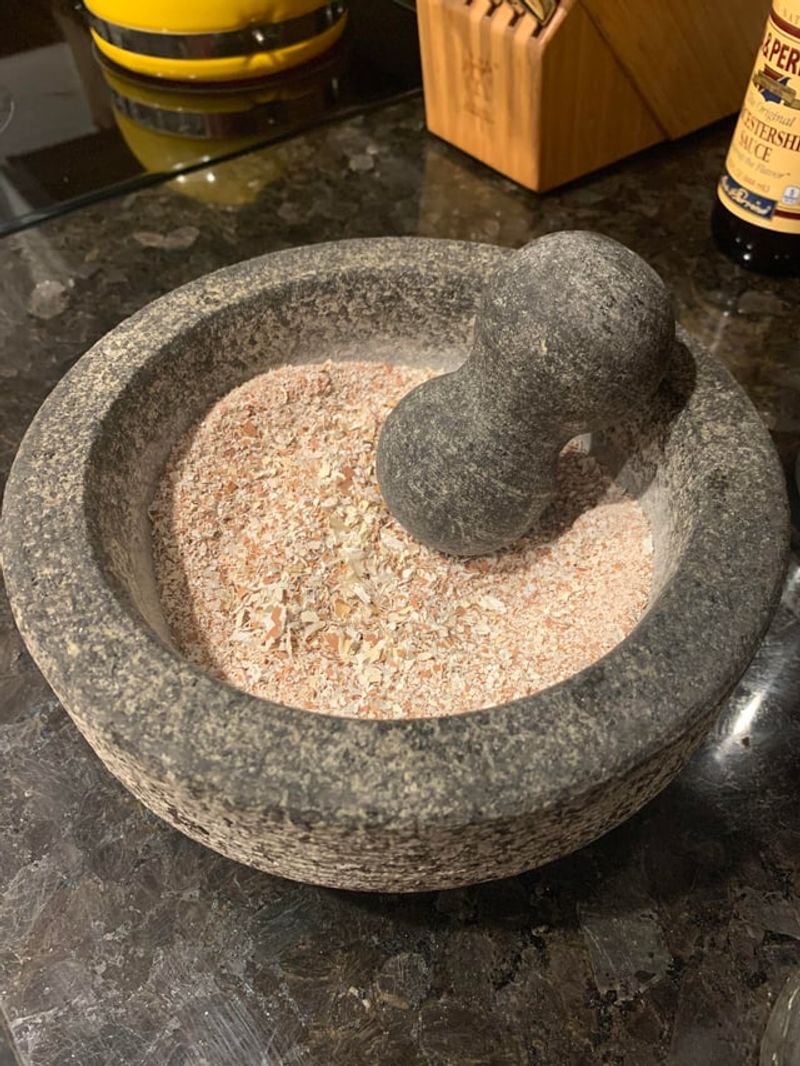
Surface area is everything when it comes to how fast organic materials break down in soil. A whole eggshell has a relatively small surface exposed to moisture, microbes, and soil chemistry.
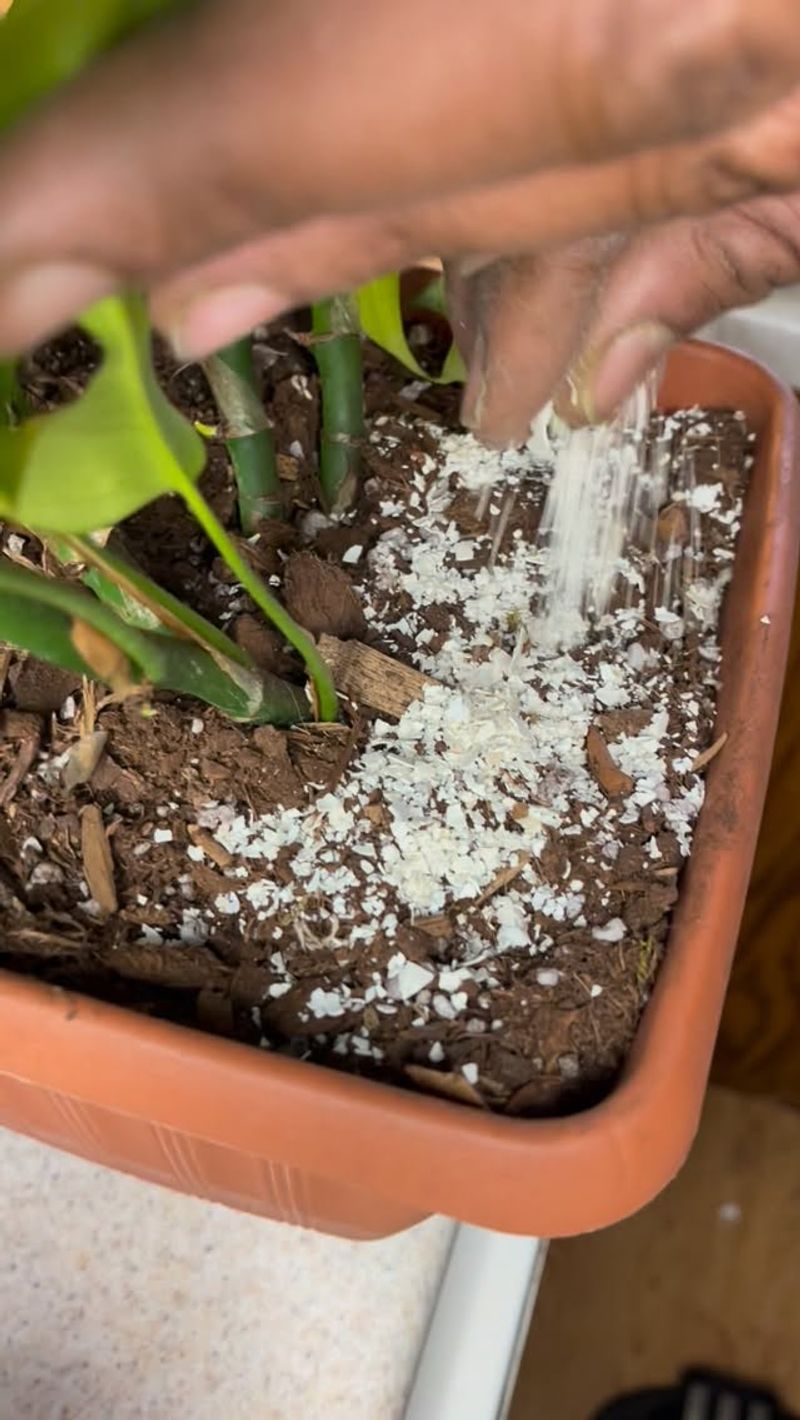
Grind that same shell into a fine powder, and suddenly every tiny particle is in direct contact with the surrounding environment, which speeds up decomposition dramatically.
Many experienced gardeners skip the simple crumbling step and go straight for a coffee grinder, blender, or mortar and pestle to turn their dried shells into a powder.
It takes an extra couple of minutes, but the payoff is real.
Powdered eggshells begin interacting with soil much sooner than chunky pieces, meaning the calcium they carry becomes potentially available to plant roots in a shorter window of time.
There is a satisfying practicality to this approach. You collect shells over weeks, dry them out on a tray or in a low oven, grind them into powder, and store the result in a jar until you are ready to use it.
Some gardeners mix the powder directly into planting holes, while others blend it into compost or sprinkle it around the base of plants and work it into the top layer of soil.
Even with finer grinding, patience is still part of the process. Eggshell powder is not a water-soluble fertilizer that acts within days.
But compared to tossing in whole shells and waiting years, grinding them first puts you much further ahead.
For gardeners who want to make the most of every shell they save, this extra step is absolutely worth the effort.
5. They Are Preparing Beds For Future Crops
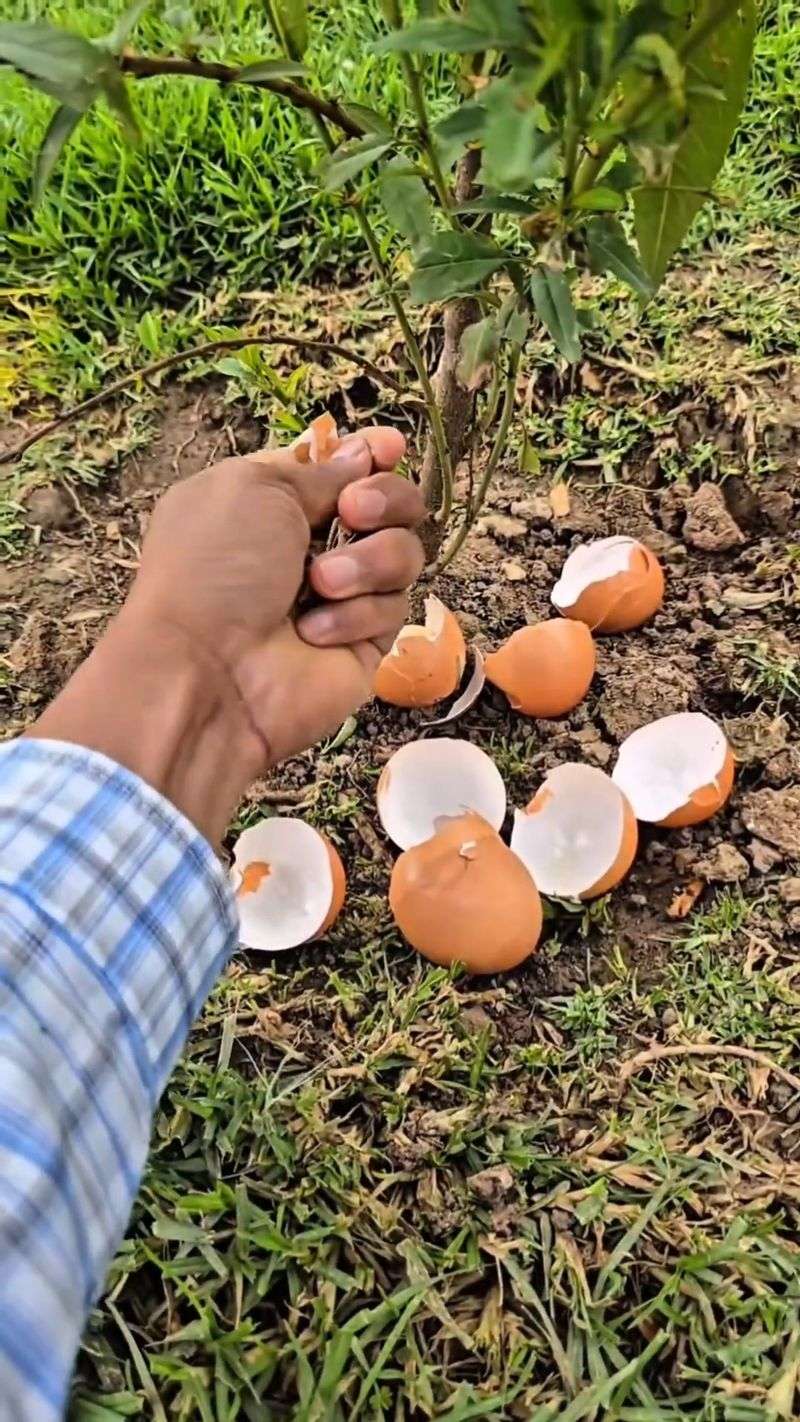
Planning ahead is one of the hallmarks of a thoughtful gardener. While the current summer crops are still producing, smart growers are already thinking about what comes next.
Fall vegetables like kale, broccoli, collards, and spinach thrive in North Carolina gardens, and preparing beds now gives the soil time to settle and improve before transplants go in.
Slow-acting amendments like crushed eggshells make more sense when you think about them this way.
If you add eggshell powder or compost enriched with shells to your beds in late summer, the material has several weeks to begin breaking down before you plant again.
That is a better strategy than adding them right at planting time and expecting immediate results.
Here is something worth knowing, though. There is nothing uniquely special about an August deadline for adding eggshells.
That timing is more about the natural rhythm of the growing season than any scientific cutoff.
The real reason to add amendments in late summer is simply to align with fall planting schedules, not because eggshells suddenly become more effective in August.
Bed preparation is also a great time to reassess your soil overall. Mix in finished compost, check drainage, and remove spent plants from the summer.
Eggshells fit into this broader soil improvement routine rather than serving as a single magic ingredient. Think of them as one piece of a larger puzzle.
When combined with good compost, proper watering, and a soil test to guide your nutrient additions, your fall garden beds will be in excellent shape for the cooler months ahead.
6. They Hope Eggshells Will Prevent Blossom End Rot
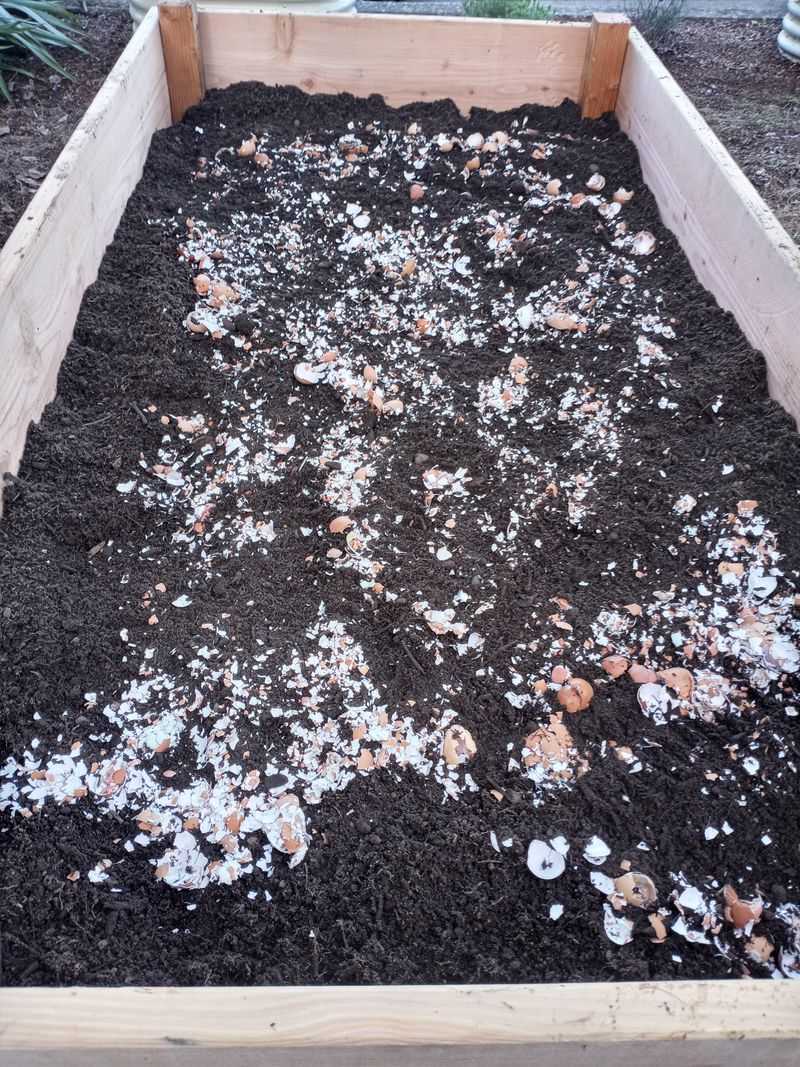
Blossom end rot is one of the most frustrating things a tomato grower can encounter.
You watch your tomatoes swell up beautifully, then notice a dark, leathery patch forming on the bottom of the fruit.
It looks like a nutrient problem, and in a way it is, but the story is more complicated than most gardening tips suggest.
Blossom end rot is linked to calcium deficiency in the developing fruit, which is why eggshells have become a popular proposed solution.
The logic seems straightforward: add calcium to the soil, fix the rot. But research consistently shows that blossom end rot is rarely caused by a true lack of calcium in the soil.
More often, it results from inconsistent watering, which disrupts how plants absorb and move calcium through their tissues.
Adding crushed eggshells to the soil around affected tomato plants will not reverse blossom end rot that is already present, and it will not prevent new cases quickly enough to save your current crop.
Eggshells simply do not break down and release calcium fast enough to address an active problem during the growing season. The fruit that is already forming will not benefit from shells added today.
The most effective way to manage blossom end rot is consistent, deep watering and a layer of mulch to keep soil moisture steady.
If a soil test confirms low calcium, then a fast-acting amendment like calcium nitrate or gypsum is a better choice for a quick response.
Eggshells are a great long-term soil addition, but they should not be counted on as a fast remedy for this specific issue.
7. They Want To Reuse Kitchen Scraps In The Garden
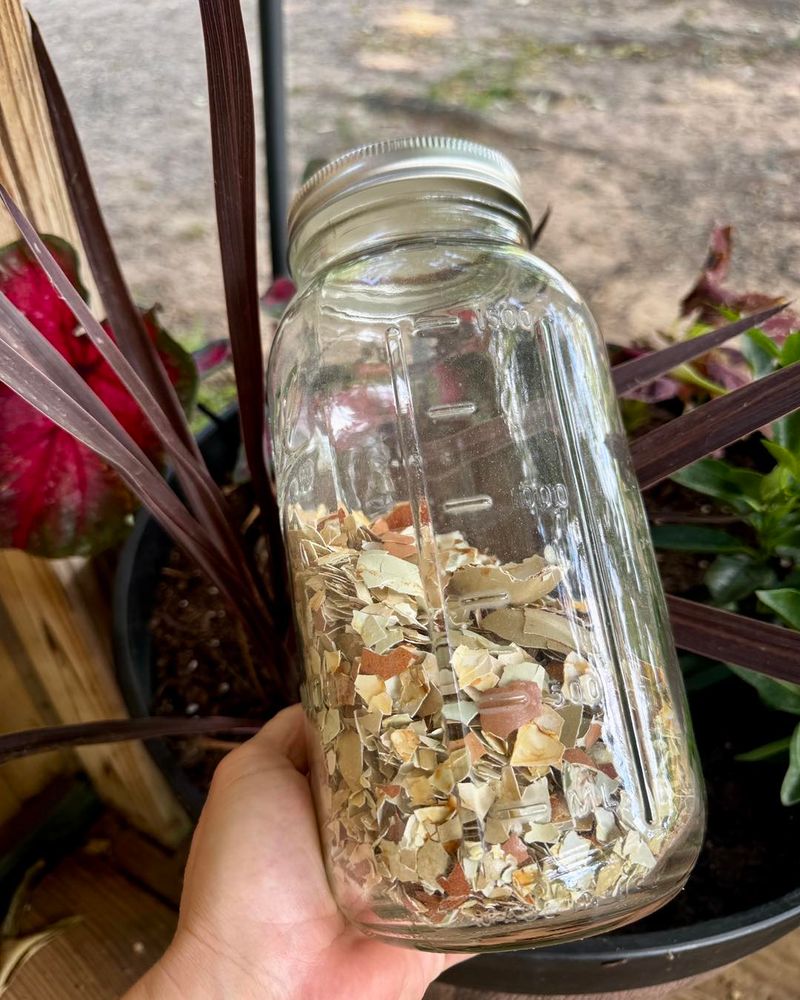
There is something genuinely satisfying about turning kitchen waste into something useful for the garden.
Rather than tossing eggshells into the trash, more gardeners are rinsing them, drying them, and finding ways to put them back into the soil cycle.
It is a small habit with a feel-good payoff, and it fits naturally into a zero-waste approach to home gardening. Eggshells are one of the easiest kitchen scraps to recycle.
They do not attract pests the way food scraps do, they are lightweight and easy to store, and they can be collected gradually over weeks without any special equipment.
Once you have a good batch dried and crushed, you can add them to your compost pile, mix them into planting holes, or sprinkle them around garden beds as a slow-release calcium supplement.
That said, recycling eggshells should come with a realistic understanding of what they offer. They are not a complete fertilizer.
They contain calcium and trace amounts of other minerals, but they do not supply nitrogen, phosphorus, potassium, or the full spectrum of nutrients your plants need to thrive.
Treating them as one small part of a broader soil care routine is the right mindset.
Soil testing remains the foundation of good gardening decisions, even when you are doing everything right with organic recycling.
A test tells you what your soil actually needs, so you can fill those gaps with the right amendments rather than guessing.
Eggshells are a wonderful, eco-friendly addition to any garden routine, and they shine brightest when paired with a thoughtful, well-rounded approach to soil health overall.