The One Thing North Carolina Lawns Need In August Or The Severe Drought Will Destroy Them
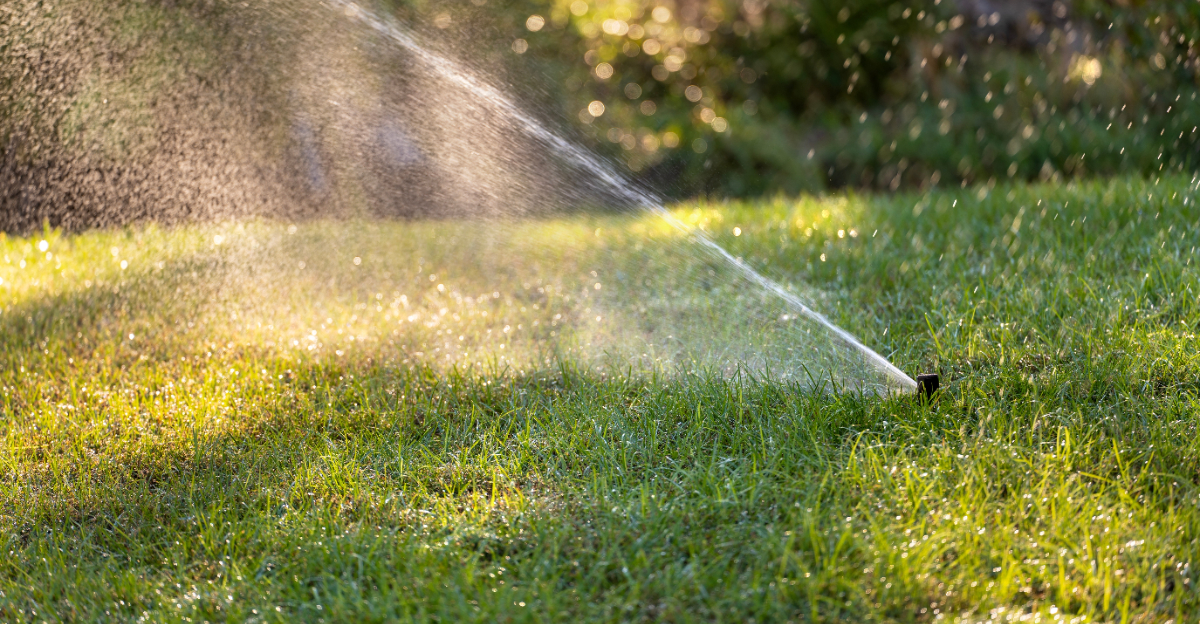
Deep, infrequent watering is the one thing North Carolina lawns need most in August if they’re going to survive a severe ongoing drought.
Frequent light watering only trains roots to stay near the surface, leaving grass even more exposed once dry conditions stretch on for weeks.
Watering deeply once or twice a week, rather than daily, pushes roots to grow deeper in search of moisture that’s still available underground.
Raising the mower height slightly during drought helps grass hold onto moisture and shade its own root system from the harsh afternoon sun.
Aerating compacted soil beforehand improves how effectively water can actually reach those deeper root zones during each watering session.
Avoiding unnecessary foot traffic on stressed grass also helps reduce additional strain during an already difficult stretch.
Checking soil moisture several inches down gives a far clearer picture than judging by a dry looking surface alone.
Staying consistent with this approach now can be the difference between a lawn that pulls through drought and one that doesn’t recover.
1. Keep The Root Zone Hydrated

Most people focus on the grass blades they can see, but the real action happens underground. The root zone is where your lawn either survives or struggles through August.
Keeping that zone moist, even just enough, is the single most important thing you can do during a North Carolina drought.
Grass roots need moisture to absorb nutrients and stay alive. When the soil dries out completely, roots begin to shrink and pull back toward the surface.
Once that happens, even a good rain might not be enough to bring things back to full health quickly.
Think of the root zone like a bank account. You want to keep at least a little in there at all times, never letting it hit zero.
Even if your lawn looks dry on top, protecting the moisture deeper in the soil gives roots the buffer they need to hold on through the worst of summer.
Checking soil moisture is easier than most people think. Push a screwdriver or a long stick into the ground.
If it goes in smoothly, moisture is still present. If it stops hard after just an inch or two, the root zone is drying out and needs attention soon.
Protecting root zone moisture during August is not just about keeping grass green. It is about preserving the living system beneath your feet so your lawn can recover quickly when cooler weather and better rainfall return in the fall.
2. Decide Whether To Water Or Allow Dormancy

Here is something a lot of homeowners do not know: your lawn does not have to stay green to stay alive. Established grass, especially tall fescue and bermudagrass, can go dormant during drought and come roaring back once conditions improve.
Dormancy is nature’s built-in survival strategy, not a sign of failure.
The big decision in August is whether you want to keep watering to maintain green color or let the lawn go dormant naturally. Both are valid options, but you have to commit to one.
Your North Carolina Garden Changes Every Week. Your Plan Should Too.
Gardening in North Carolina changes quickly throughout the season. Every Friday you’ll receive a simple weekly plan showing exactly what to plant, prune, fertilize, harvest, and protect so you never miss the right timing.
Switching back and forth, watering a little, then stopping, then starting again, is actually more stressful for grass than picking one path and sticking with it.
If you choose to keep grass green, you will need to water consistently and deeply throughout the month.
If you choose dormancy, you still need to give the lawn a small amount of water every few weeks just to keep the crowns and roots alive. More on that in a later section.
Warm-season grasses like bermuda and zoysia handle dormancy better than cool-season grasses like tall fescue. Knowing your grass type helps you make the smartest call for your specific yard and situation.
Talk to your neighbors or a local extension office if you are unsure which approach fits your lawn best.
Making an informed choice now saves you from costly overseeding or patchy regrowth problems come September and October when you want your lawn looking its best again.
3. Water Deeply When Irrigating
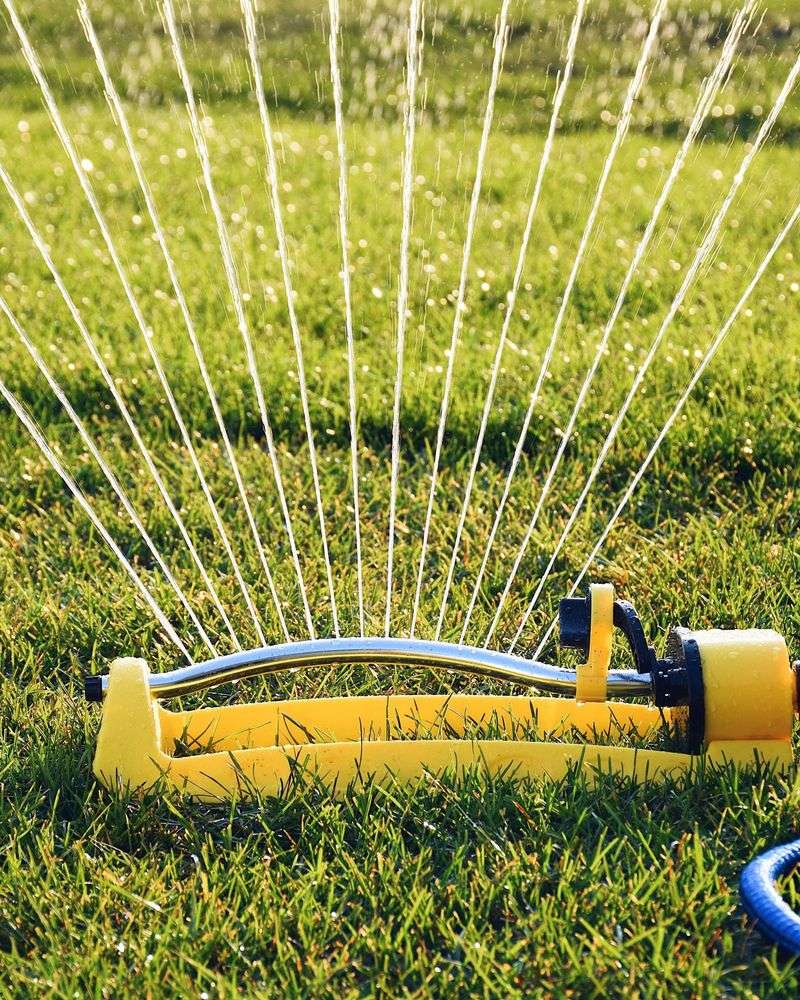
Shallow watering is one of the most common mistakes homeowners make during a drought.
Running the sprinkler for just ten minutes every day feels helpful, but it actually trains grass roots to stay near the surface where the soil dries out fastest. That makes your lawn more vulnerable, not less.
Deep watering means getting moisture down to about six to eight inches into the soil. At that depth, roots have access to water that does not evaporate quickly and stays available longer between irrigation sessions.
This approach builds a stronger, more resilient lawn that can handle the intense August heat far better.
A simple way to measure how deep your water is reaching is to water for a set amount of time, then use a soil probe or even a long screwdriver to check how far down the moisture went.
You want to feel dampness at least six inches below the surface before you stop. Most lawns need about one inch of water per week to stay green during summer.
In drought conditions, applying that inch in one or two deep sessions is much more effective than splitting it across five or six light waterings throughout the week.
Deep watering also encourages roots to grow downward, chasing moisture deeper into the earth. Over time, this creates a lawn that can handle dry spells much better on its own.
A little patience with your watering method now pays off with a noticeably stronger lawn by the time fall arrives.
4. Give Dormant Grass Survival Water
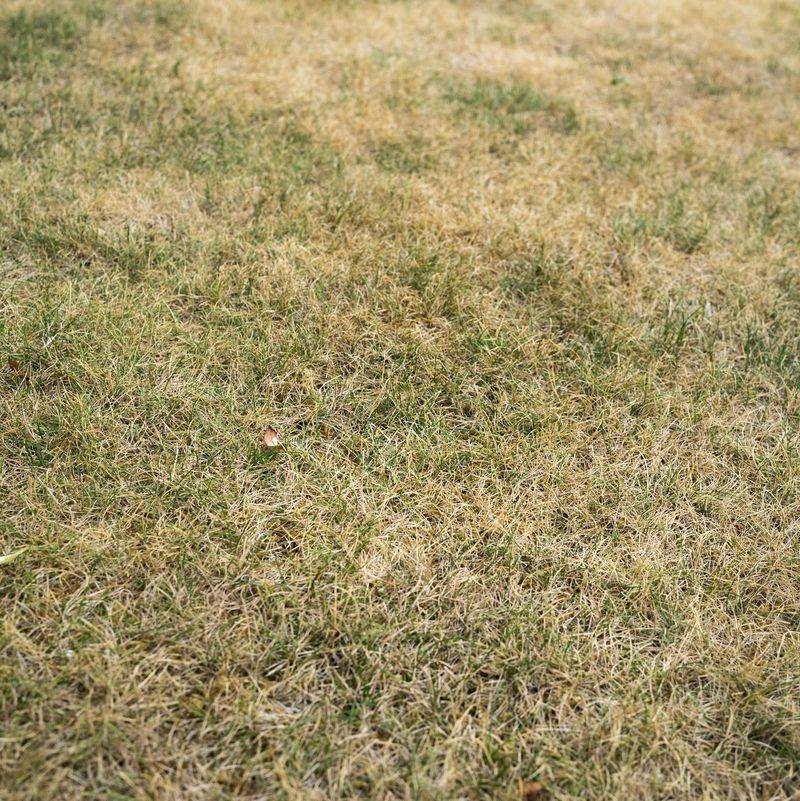
Going dormant does not mean your lawn needs zero water. Even grass that has turned tan and stopped growing still has living crowns and roots that need just enough moisture to survive until fall.
Skipping water entirely during a long drought can push grass past the point of recovery. The general guideline from turf experts is to apply about one quarter inch of water every three weeks if no rain has fallen.
That small amount is enough to keep the crown tissue alive without encouraging new growth that the plant cannot support under drought stress.
One quarter inch of water is not a lot. You can often achieve it with just twenty to thirty minutes of sprinkler time, depending on your system’s output.
Place a small can or cup in the spray zone and measure what collects to know exactly how much you are applying.
Timing matters even for this survival watering. Apply it in the early morning so it soaks in before the heat of the day causes evaporation.
Watering at midday wastes water, and watering at night can create conditions that invite fungal problems even on a dormant lawn.
Many homeowners make the mistake of assuming a dormant lawn is already beyond saving and give up on it completely.
With just that small amount of survival water every three weeks, most established lawns will green up again on their own when temperatures cool and fall rains return to North Carolina in September and October.
5. Watch The Grass Before Watering
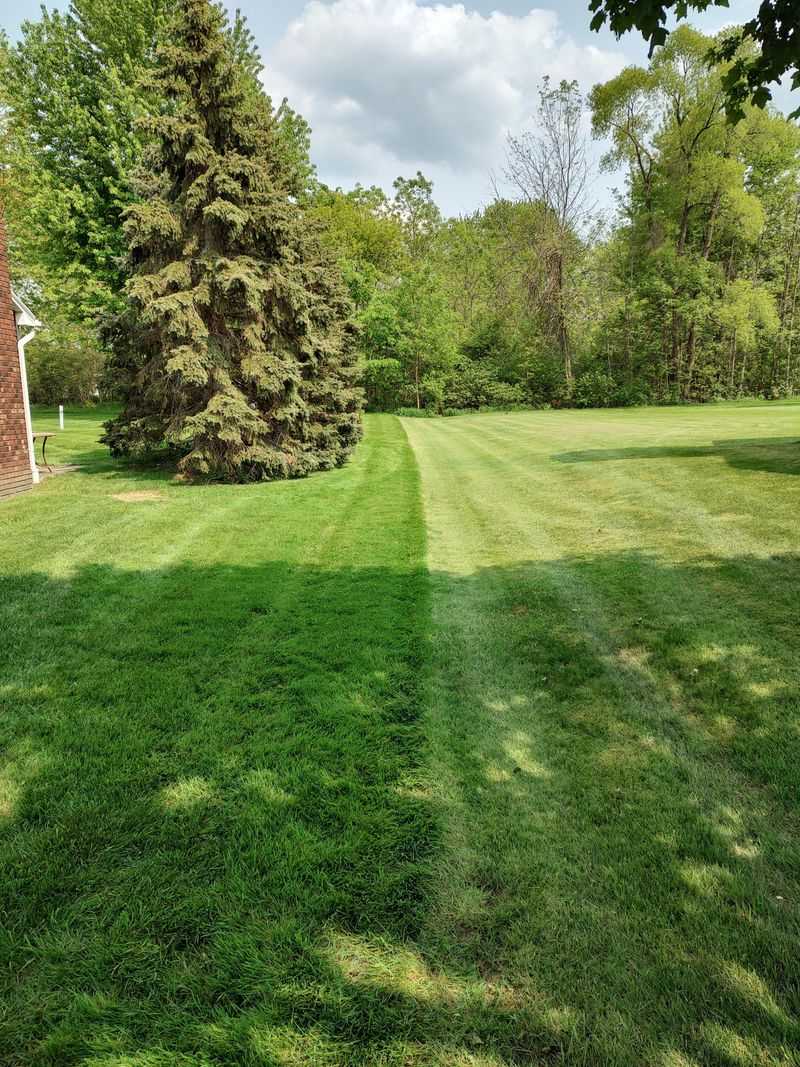
Your lawn actually tells you when it needs water, if you know what to look for.
Reading those signals correctly can save water, protect your grass, and keep you from over-irrigating during a time when water restrictions may already be in place across North Carolina.
One of the earliest signs of moisture stress is a change in color. Healthy grass is bright green, but stressed grass takes on a dull blue-gray tint.
This color shift happens before the grass turns tan and is your best early warning that the root zone is getting dry.
Another easy test is the footprint check. Walk across your lawn and look back at where you stepped.
If the grass springs back up within a few seconds, it still has enough moisture. If your footprints stay visible and the blades stay pressed down, the grass is losing its ability to recover and needs water soon.
Leaf rolling or folding is a third signal to watch for. Many grass types, especially tall fescue, will curl or fold their blades inward to reduce the surface area exposed to heat and sun.
When you see this happening across a large section of your lawn, that area needs water within the next day or two.
Using these visual cues instead of watering on a fixed schedule helps you apply water only when the lawn truly needs it.
That approach conserves water, respects drought restrictions, and actually produces a healthier lawn than one that gets watered on a rigid timer regardless of conditions.
6. Water Early In The Morning
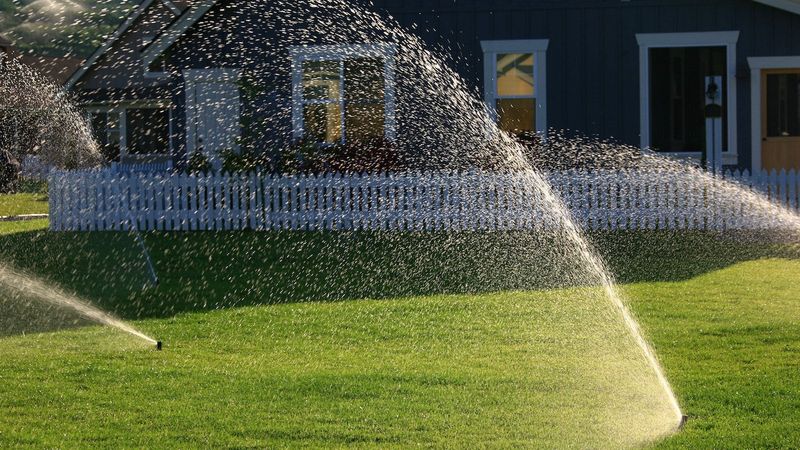
Timing your irrigation might seem like a small detail, but it makes a surprisingly big difference in how effective your watering actually is.
Early morning, between 4 a.m. and 9 a.m., is widely considered the best window to water your lawn during summer drought conditions in North Carolina.
At that hour, temperatures are at their lowest point of the day and wind is usually calm. Both of those factors reduce evaporation significantly.
Water applied in the early morning has time to soak deeply into the soil before the sun climbs high and heat begins pulling moisture back out of the ground. Watering in the middle of the day is one of the least efficient choices you can make.
Studies from university extension programs have shown that midday irrigation can lose a significant portion of applied water to evaporation before it ever reaches the root zone.
That means you need more water to achieve the same result. Evening watering is another option some people prefer, but it comes with a real downside.
When grass stays wet overnight, it creates the perfect environment for fungal diseases like brown patch and dollar spot, both of which are already common problems for North Carolina lawns in August.
Setting your irrigation timer to run early in the morning is one of the easiest adjustments you can make for better lawn health.
It costs nothing extra, saves water, reduces disease risk, and makes every drop you apply count for more. Small changes in timing add up to big results over an entire summer.
7. Do Not Push Growth With Extra Nitrogen
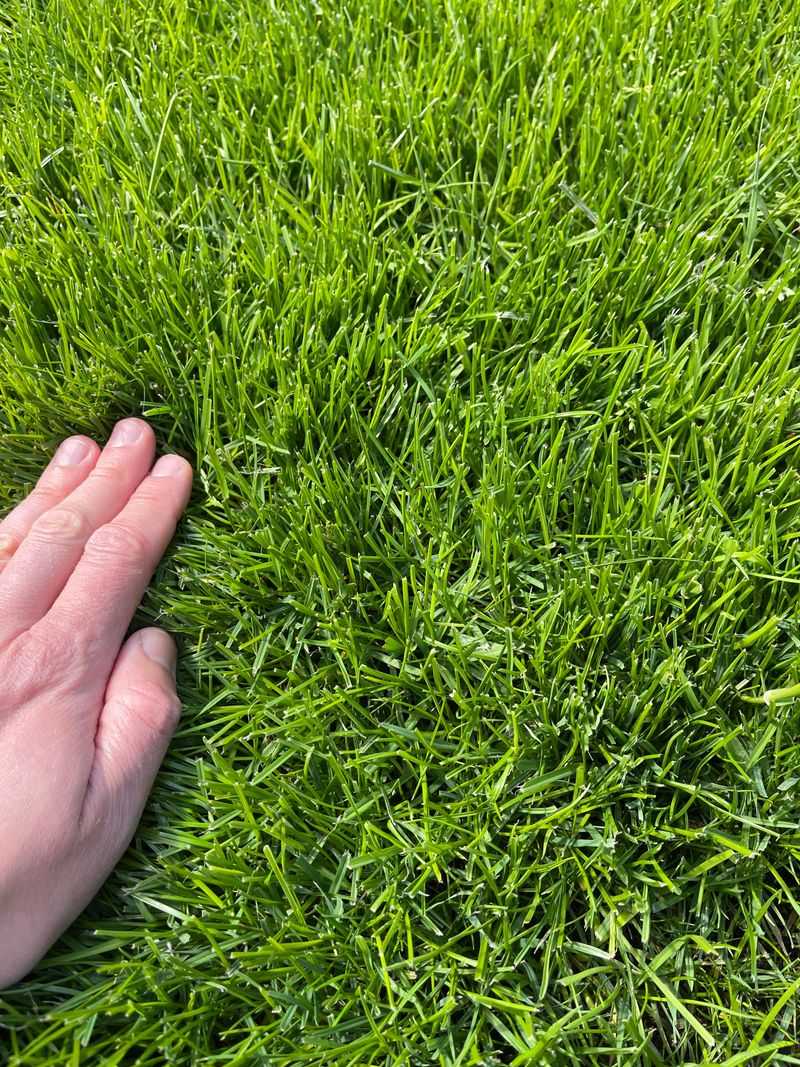
Fertilizing in August might seem like a great way to help your lawn recover from drought stress, but adding heavy nitrogen during the hottest part of summer can actually backfire in a big way.
Understanding why this happens helps you make smarter decisions about when and how to feed your lawn.
Nitrogen pushes rapid leaf growth. That sounds good on the surface, but fast new growth during a drought means the plant needs more water than it already has available.
When a lawn is already struggling to find enough moisture, forcing it to produce new blades puts the whole system under even greater stress. Tall fescue lawns in North Carolina are especially sensitive to this problem.
Applying high-nitrogen fertilizer to a stressed fescue lawn in August increases the risk of disease outbreaks, particularly brown patch, which thrives in warm, humid conditions and spreads quickly through weakened turf.
If you feel the urge to do something helpful for your lawn, hold off on nitrogen until the weather cools.
The right time to fertilize tall fescue in North Carolina is mid-September through November, when temperatures drop and the grass enters its natural active growing season.
That timing produces the strongest, healthiest results. Patience is genuinely one of the best lawn care tools you have in August.
Skipping the fertilizer bag this month and focusing on proper watering instead gives your grass a much better chance of coming through the drought season strong, green, and ready to thrive when fall arrives with cooler temperatures and more reliable rain.
8. Follow Local Drought Restrictions
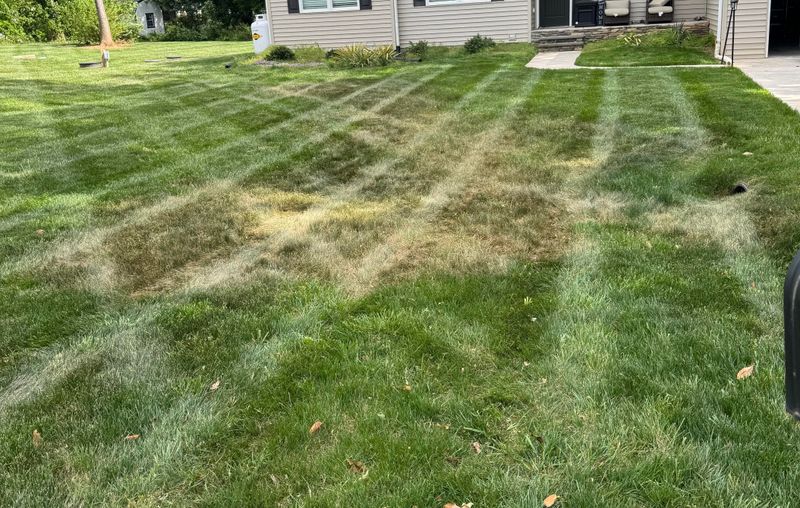
Before you turn on a single sprinkler this August, take a few minutes to check what your local water authority allows.
North Carolina is currently experiencing serious drought conditions across many counties, and water restrictions are either already in place or actively being considered in communities throughout the state.
Ignoring water restrictions is not just a legal risk, it also puts your entire community at a disadvantage.
Municipal water supplies are shared resources, and when too many households irrigate heavily at the same time, pressure drops across the whole system. Following the rules protects everyone, including your own household.
Most local water authorities post their current restriction levels on their official websites. You can also call your utility provider directly or check with your county’s cooperative extension office for up-to-date guidance.
Many counties in North Carolina operate on a tiered restriction system, with different rules depending on how severe the drought conditions are at any given time.
Restrictions often specify which days you can water, what hours are allowed, and whether sprinkler systems or hand watering are permitted.
Knowing these details ahead of time lets you plan your watering schedule to stay compliant while still giving your lawn the moisture it needs to survive.
Working within restrictions does not mean giving up on your lawn. It means being smarter and more strategic about every drop of water you use.
Combining deep, infrequent watering with early morning timing and stress monitoring lets you keep your lawn as healthy as possible while being a responsible neighbor and community member throughout this challenging summer season.