Don’t Make This Mowing Mistake During Virginia’s Hottest Days
Your mower can surprise you the moment Virginia’s heat intensifies. Grass blades that handled spring cuts now struggle instantly.
Humidity thickens, roots weaken, and blades cut unevenly much faster than you expect. Timing becomes everything once temperatures climb uncomfortably high.
Virginia summers challenge sloppy mowing habits without warning or mercy. Careless cutting heights strip protective shade from soil, quickly inviting drought stress.
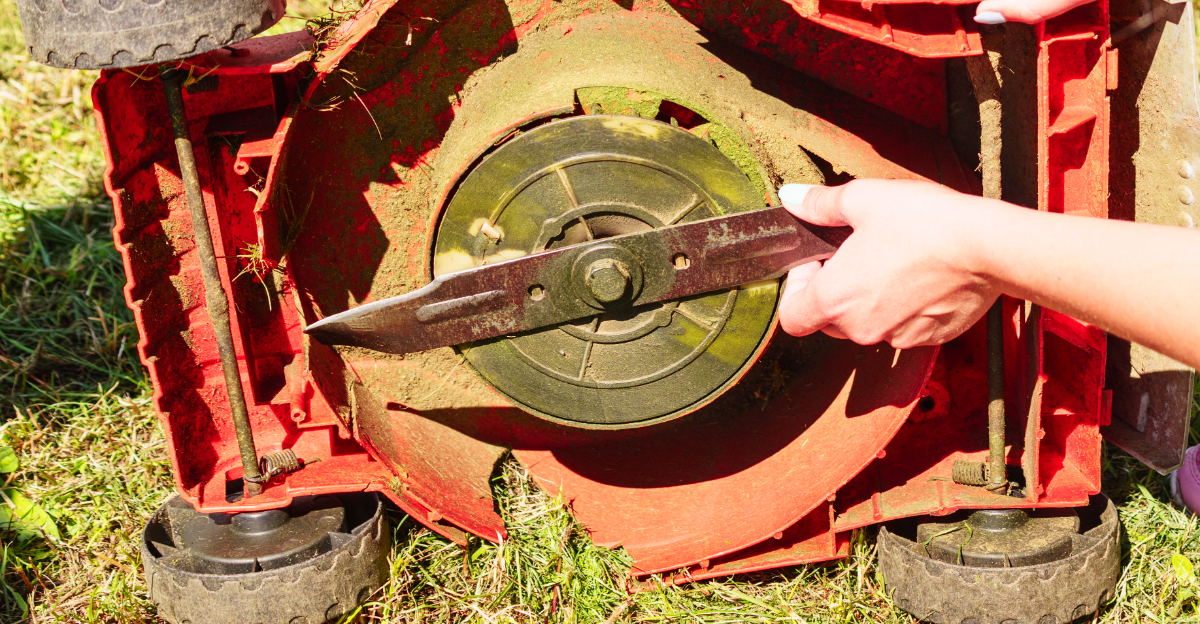
Heat doesn’t forgive mistakes the way cooler months quietly do. Dull blades shred grass instead of slicing it cleanly.
Frequency matters just as much as height during hot weeks. Watering schedules shift, mowing windows narrow, and patience wears down.
Lawns weaken fast when owners repeat spring routines blindly. Nothing about summer mowing stays simple or forgiving for very long.
Momentum builds toward trouble unless habits adjust immediately and deliberately. Every cut either strengthens your lawn or quietly weakens it. Ignore this and watching your lawn struggle becomes unavoidable.
Why Extreme Heat Changes The Rules For Mowing
Your lawn is quietly struggling when temperatures hit 90. Heat-stressed grass behaves completely differently than healthy spring turf.
During extreme heat, grass shifts its energy away from growth. It focuses instead on simply staying alive through the harsh conditions.
Cool-season grasses like tall fescue are especially common across Virginia yards. These grasses tend to slow growth and enter semi-dormancy as soil temperatures rise into the mid-80s and beyond.
Mowing during this vulnerable window puts serious pressure on already-weakened plants. Each blade of grass loses moisture faster than it can replace it.
Warm-season grasses like Bermuda and Zoysia handle heat better, but they still face stress. Even tough grasses need adjusted care once summer peaks.
Think of your lawn like a person running a fever. Pushing it too hard during that time only makes recovery slower and harder.
Extreme heat also dries out soil rapidly, leaving roots with less support. Shallow, dry soil makes grass far more sensitive to any disturbance.
Mowing is a form of stress, even under perfect conditions. Add summer heat to the mix, and that stress multiplies fast.
The mowing mistakes that hurt Virginia lawns most happen between June and August. Changing your approach during these months is the smartest move you can make.
Understanding why heat changes the rules helps you protect your investment. A few smart adjustments now can save your lawn from serious, lasting damage.
The Scalping Mistake That Damages Virginia Lawns
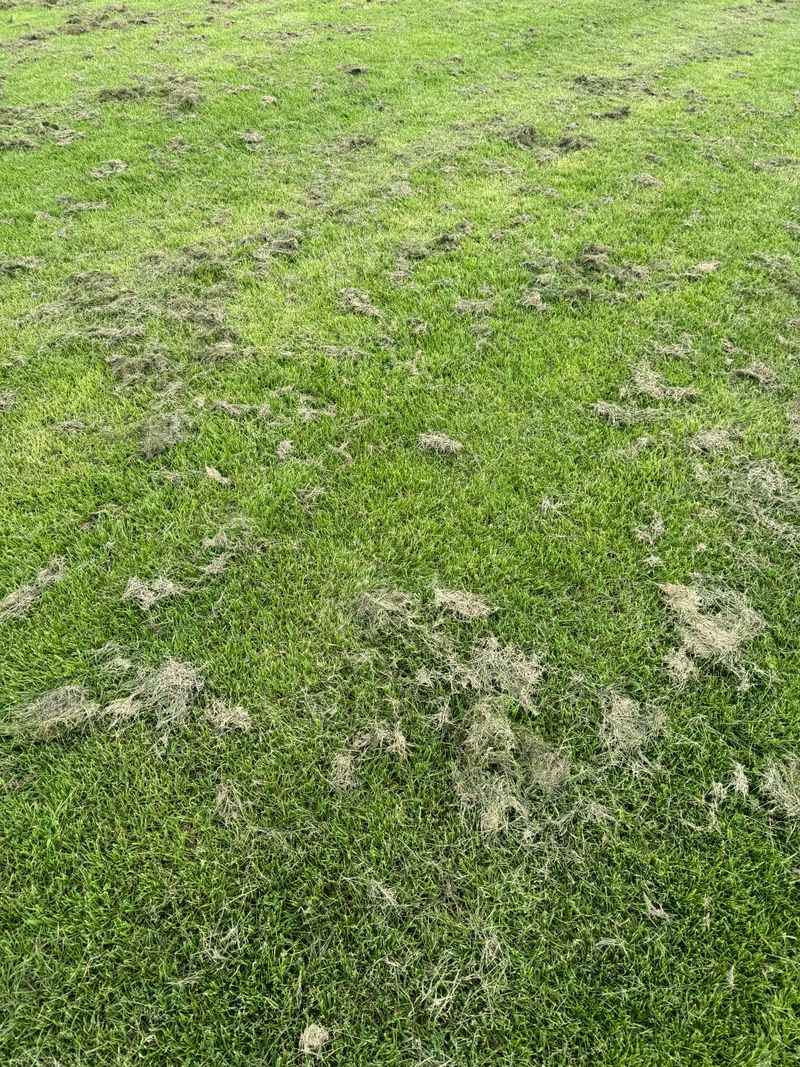
Scalping is the number one mowing mistake during Virginia’s hottest days. It happens when you cut grass too short, exposing the soil beneath.
Most homeowners think shorter grass means less mowing. In summer heat, that logic backfires badly.
When you scalp a lawn, the soil loses its shade cover instantly. Exposed dirt heats up much faster than shaded ground, heating roots rapidly.
Grass roots need cool, moist soil to survive summer. Once the sun hits bare soil directly, moisture evaporates quickly.
For tall fescue lawns, the ideal summer height is around 3.5 to 4 inches. Cutting below 3 inches during a heat wave increases the risk of stress.
Your Virginia Garden Changes Every Week. Your Plan Should Too.
Gardening in Virginia changes quickly throughout the season. Every Friday you’ll receive a simple weekly plan showing exactly what to plant, prune, fertilize, harvest, and protect so you never miss the right timing.
Bermuda grass tolerates shorter cuts, but even it should stay above one inch in peak heat. Going shorter stresses the plant and invites weeds.
Scalped lawns also become weed magnets. Bare soil patches are an easy opportunity for crabgrass and other opportunistic summer weeds to establish.
The recovery process after scalping in summer is notably slow. Stressed grass simply doesn’t have the energy to bounce back quickly.
Raise your mower deck before your next summer cut. That one small adjustment protects roots, retains soil moisture, and keeps grass looking fuller.
A taller lawn also shades itself, which keeps ground temperatures lower. Letting grass grow a bit longer is one of the easiest wins in summer lawn care.
How Mowing Time Of Day Affects Grass Health
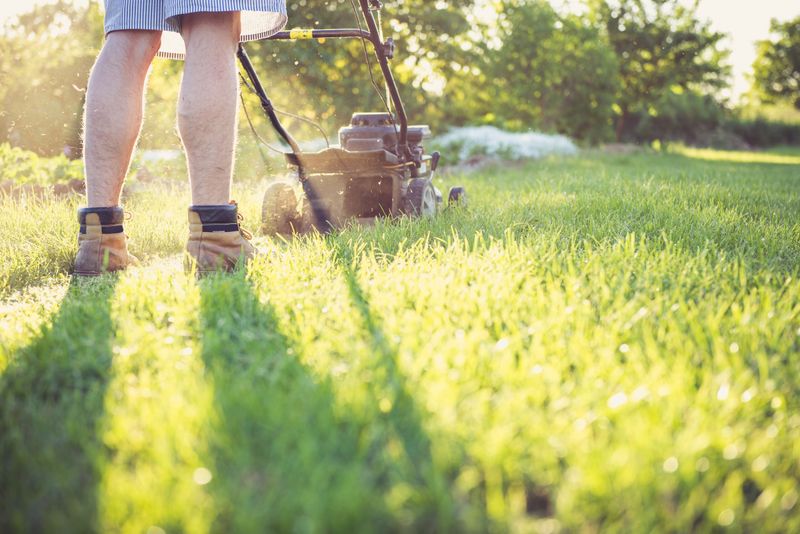
Timing your mow matters more than most people expect. Cutting grass at the wrong hour can turn a routine task into a significant setback for your lawn.
Mowing at noon on a 95-degree day adds significant, avoidable stress to your lawn. The grass is already at peak stress, and the mower adds even more strain.
Early morning mowing sounds appealing, but it comes with a catch. Dew-covered grass clumps under the mower and tears rather than cuts cleanly.
Torn grass blades are more vulnerable to disease and fungal infections. Summer fungal issues in Virginia yards often trace back to morning mowing habits.
One commonly recommended window for summer mowing is late afternoon, roughly 4 to 6 p.m. Temperatures begin dropping, and the grass has had time to dry out from morning dew.
Evening mowing also gives grass several cooler hours to begin recovering before the next day’s heat. That recovery window makes a real difference in how well your lawn bounces back.
Avoid mowing too late in the evening if possible. Wet grass sitting overnight after a late cut can develop fungal problems by morning.
Midday mowing is a higher-risk period you want to skip entirely. Sun, heat, and mower stress hitting at once adds further stress to the grass.
Shifting your mowing schedule by just a few hours can dramatically improve lawn health. Small timing changes add up to big results by the end of summer.
The Hidden Risk Of Dull Mower Blades In Summer
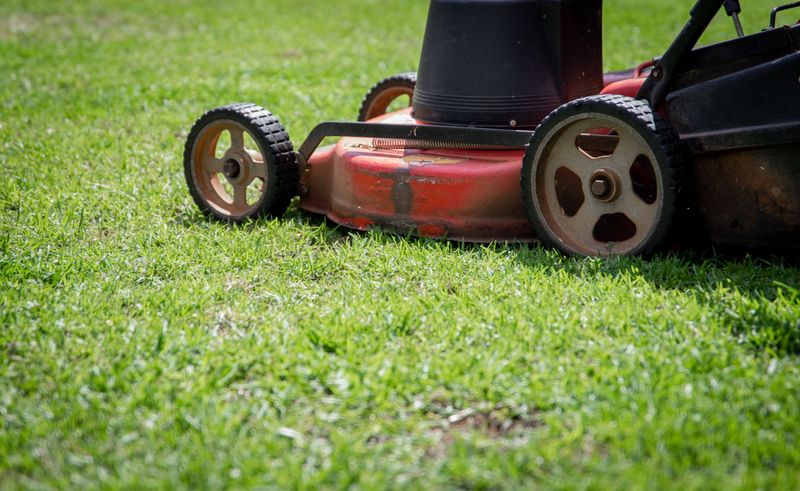
Dull blades are an overlooked issue with your mower. Most homeowners never think about blade sharpness until the lawn starts looking ragged and brown.
A sharp blade cuts cleanly through each grass stem. A dull blade tears and shreds the tips instead, leaving ragged tears on each blade.
Those ragged cuts turn brown within a day or two. Your lawn starts looking damaged even when the real problem is your equipment.
Torn grass tips also lose moisture much faster than clean-cut ones. During Virginia’s hottest days, that extra moisture loss can add further stress to already-strained grass.
Dull blades also make the mower work harder. The engine strains more, and the machine ends up pulling at grass rather than slicing through it.
Grass that gets pulled instead of cut experiences far more root disruption. Loosened roots in dry summer soil struggle to recover before the next heat wave hits.
Sharpening your mower blade a couple of times per season is a solid baseline habit. During heavy summer use, more frequent sharpening is even better for keeping cuts clean.
You can sharpen blades yourself with a metal file or grinding wheel. Alternatively, most hardware stores offer quick sharpening services for just a few dollars
A sharp blade is one of the cheapest upgrades you can give your lawn. Clean cuts heal faster, hold moisture longer, and keep your grass looking its best all season long.
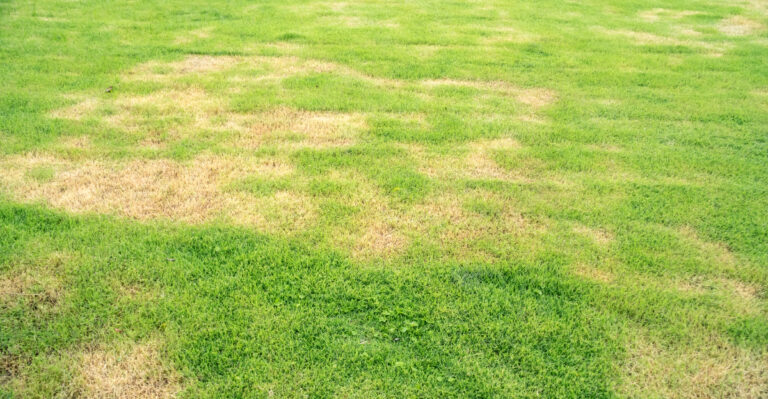
Signs Your Lawn Is Already Heat-Stressed
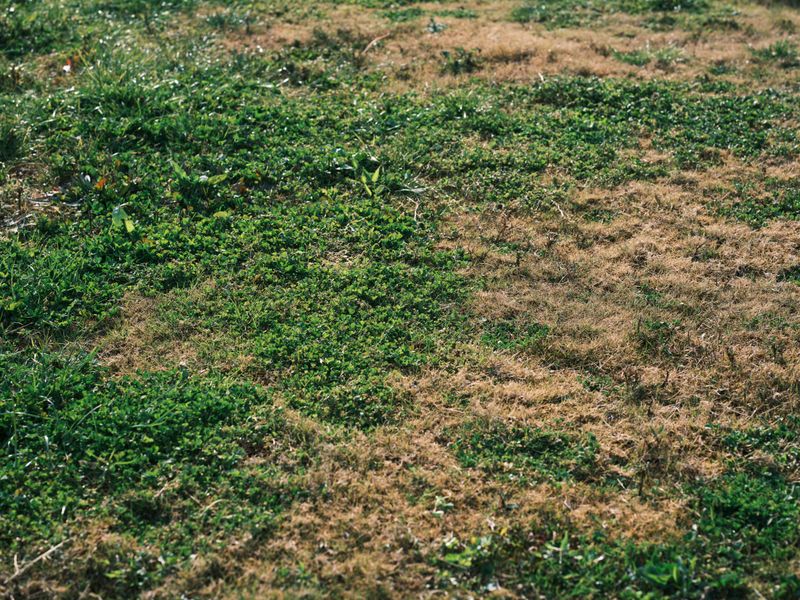
Your lawn speaks to you during a heat wave. Learning to read those signals early can save you from making the mowing mistake that pushes it past recovery.
One of the clearest signs is the footprint test. Walk across your lawn and look back at your path.
If your footprints stay visible for more than a few seconds, the grass lacks enough moisture to spring back up. That’s a signal telling you to hold off on mowing.
Grass blades that curl inward or fold lengthwise are also indicating a warning sign. This curling is the plant’s way of reducing the surface area exposed to the sun.
Color changes tell another part of the story. A bluish-gray tint on grass that is normally green means it’s notably dehydrated.
Yellowing patches that appear suddenly, without any obvious cause, often signal heat and drought stress. These areas need water, not a mower pass.
Thinning turf where grass density drops noticeably is another clue. Stressed grass stops producing new shoots, leaving gaps that weeds love to fill.
If your lawn shows any of these signs, skip the next scheduled mow. Mowing heat-stressed grass accelerates damage rather than maintaining the lawn’s appearance.
Give the lawn a deep watering first and allow it 24 to 48 hours to recover. Once it shows signs of bounce and color returning, it’s safe to mow again.
Best Mowing Practices To Protect Your Lawn This Summer
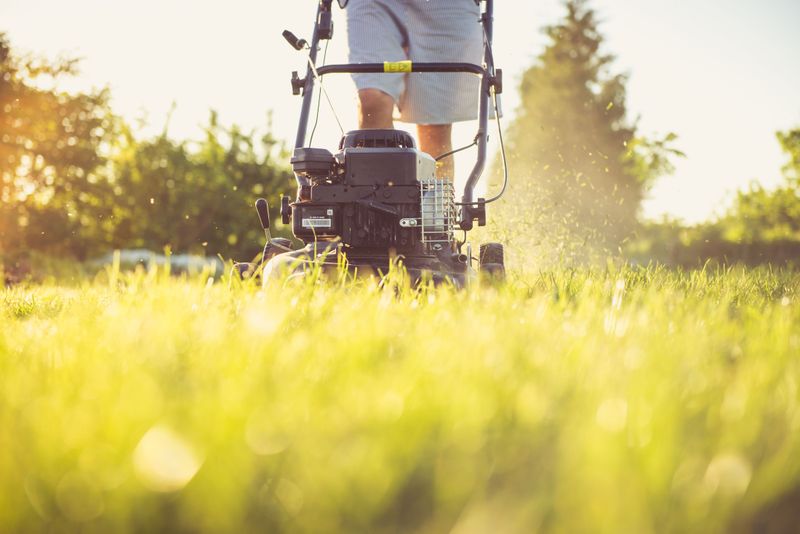
Protecting your lawn during peak heat starts with one simple rule. Never remove more than one-third of the grass blade in a single mow.
This one-third rule is the golden standard in lawn care. Breaking it during summer causes immediate shock and slows recovery dramatically.
Raise your mower deck to its highest or second-highest setting before summer arrives. Taller grass shades the soil, holds moisture, and stays greener longer under the sun.
Mow less frequently when the lawn slows its growth during heat peaks. Grass that isn’t actively growing doesn’t need to be cut every single week.
Leave your grass clippings on the lawn after each summer mow. Clippings break down quickly and return valuable nitrogen back into the soil naturally.
Water your lawn deeply but infrequently during summer heat. Deep watering encourages roots to grow downward, where soil stays cooler and retains moisture longer.
Avoid watering right before you mow. Wet grass clumps, clogs the mower deck, and leads to uneven cuts that add further stress to the lawn.
Keep your mower blade sharp and your deck clean throughout the season. A well-maintained machine makes cleaner cuts and puts less strain on already-stressed turf.
Applying these best mowing practices during Virginia’s hottest days keeps your yard resilient all summer long. A little extra care now can help support a healthier lawn by late summer, alongside adequate rainfall and soil conditions.
When To Skip Mowing Altogether This Season
Sometimes the best mowing decision is no mowing at all. Knowing when to park the mower is just as important as knowing how to use it correctly.
If temperatures have been above 90 degrees for several days in a row, your lawn is likely in survival mode. Mowing during a prolonged heat stretch can risk long-term damage to fragile grass.
Check the soil moisture before every summer mow. If the ground feels very dry and compacted, the grass roots are already under maximum stress.
Skipping a week of mowing during a heat wave is not laziness. It’s smart, informed lawn stewardship that protects your turf investment.
Dormancy is a natural survival tool that many grasses use during extreme summer conditions. A lawn that looks brown and sad in August often bounces back once temperatures cool, given adequate rainfall.
Mowing dormant grass is one of the fastest ways to cause lasting damage. The plant has no resources left to recover from additional cuts.
Watch your local weather forecast closely through June, July, and August. If a very high heat index is predicted, consider skipping that week’s mow.
Communicate this plan to anyone else who helps maintain your lawn. A well-meaning family member mowing on the wrong day can offset recent protective efforts.
Skipping mowing during Virginia’s hottest days is one of the smartest calls you can make. Your lawn will thank you with a green, healthy comeback once the heat finally breaks.