Does Monsoon Rain Really Mean You Can Skip Watering Your Arizona Garden?
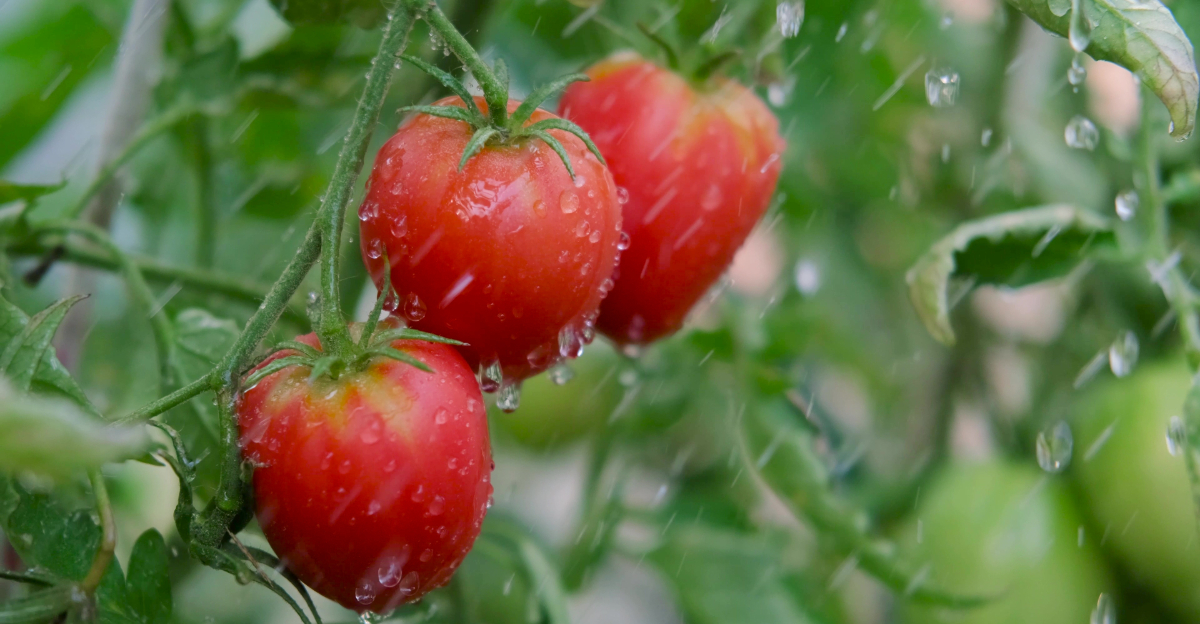
Monsoon clouds roll in, the temperature drops ten degrees in an hour, and every Arizona gardener feels the same flicker of relief. Finally, a break from dragging the hose across the yard every evening.
But here’s the catch nobody mentions in the weather forecast: a downpour that rattles your windows for twenty minutes might barely wet the top inch of soil. Meanwhile, a quieter, steadier rain could be soaking roots you didn’t even know were thirsty.
Before you coil up that hose and call it a season, it’s worth checking what your soil, and your plants, are actually telling you. The storm outside your window doesn’t always match what’s happening six inches underground.
It Depends On What You’re Growing
Not all plants are created equal when it comes to water needs. A saguaro cactus and a tomato plant are basically living on different planets, even if they share the same yard.
Desert native plants evolved over thousands of years to handle wildly unpredictable rainfall. They store water, slow their growth, and wait out dry spells without missing a beat.
Vegetables, tropical plants, and non-native flowers are a completely different story. They were bred in wetter climates and expect consistent moisture to thrive.
So before you skip your next watering session, ask yourself what is actually growing in your garden. A cactus garden after a monsoon storm? You are probably fine. A raised bed full of squash and peppers? Those plants are counting on you.
Fruit trees fall somewhere in the middle, depending on their age and root depth. Young trees need more attention than established ones that have spread their roots deep into the soil.
Herbs like basil and mint dry out fast and need frequent watering even during monsoon season. Their shallow roots struggle to chase moisture down into the ground.
Knowing your plants is the first step to making smart watering decisions. Your garden is not one-size-fits-all, and neither is the monsoon rain that falls on it.
Monsoon Storms Deliver Less Water Than You’d Think
Monsoon storms feel massive when they hit. The thunder rattles your windows and the rain hammers the pavement so hard you can barely hear yourself think.
But here is the surprising truth: most monsoon storms drop less than half an inch of rain. That sounds like a lot until you realize most garden plants need one to two inches per week.
A rain gauge is one of the most useful tools an Arizona gardener can own. It takes the guesswork out of knowing exactly how much water your yard actually received.
Placement matters too. Rain gauges set near buildings or under trees can give you inaccurate readings because of splash or blocked rainfall.
Some storms are brief but intense, dropping water faster than the soil can absorb it. That runoff flows into the street instead of soaking into your garden beds.
Other storms are slower and steadier, which gives the ground time to drink in more moisture. Those are the storms your plants genuinely benefit from most.
Your Arizona Garden Changes Every Week. Your Plan Should Too.
Gardening in Arizona changes quickly throughout the season. Every Friday you’ll receive a simple weekly plan showing exactly what to plant, prune, fertilize, harvest, and protect so you never miss the right timing.
Checking your gauge after every storm helps you build a clearer picture of your garden’s actual water intake. Skip watering only when your gauge confirms the soil got a meaningful drink, not just a rinse.
Rainfall Alone Doesn’t Reach Deep Roots
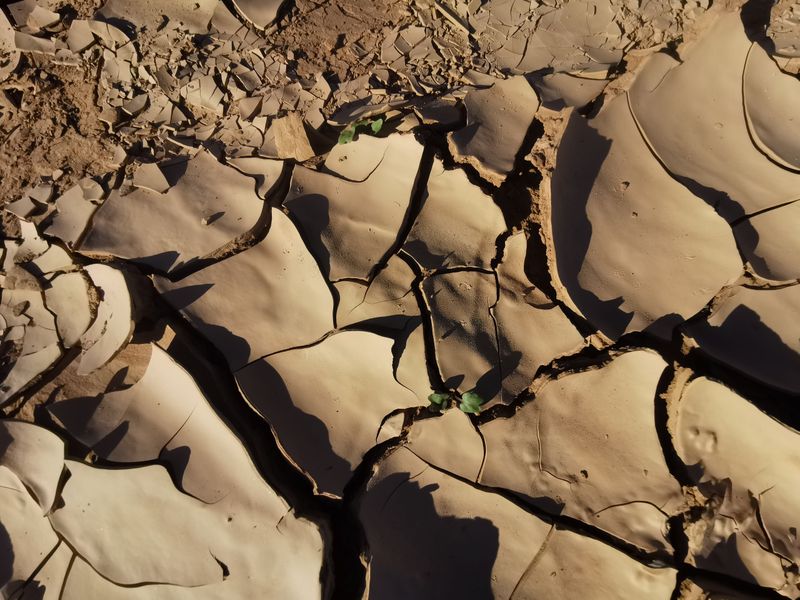
Rain hits the surface and looks like it soaks in, but appearances can fool you. The top inch or two of soil gets wet while everything below stays bone dry.
This is a huge issue for established trees, shrubs, and perennials that anchor their roots several feet underground. Surface moisture evaporates fast in Arizona heat and never reaches those deep root zones.
Sandy desert soils make this problem even worse. Water moves through sandy ground quickly, which means it drains past the root zone before plants can absorb it.
Clay soils have the opposite problem. Water pools on top and runs off instead of soaking in, especially during the fast, heavy rain bursts monsoons deliver.
The finger test is your best friend here. Push your finger two to three inches into the soil after a storm and feel whether it is actually moist at that depth.
If it feels dry below the surface, your plants need supplemental watering no matter how hard it rained. Wet soil on top does little good if the roots can’t reach that moisture.
Deep, slow watering a few times per week does far more for root health than frequent shallow rains. Monsoon storms rarely replicate that deep-soak effect on their own.
Plants That Can Handle A Break From Watering
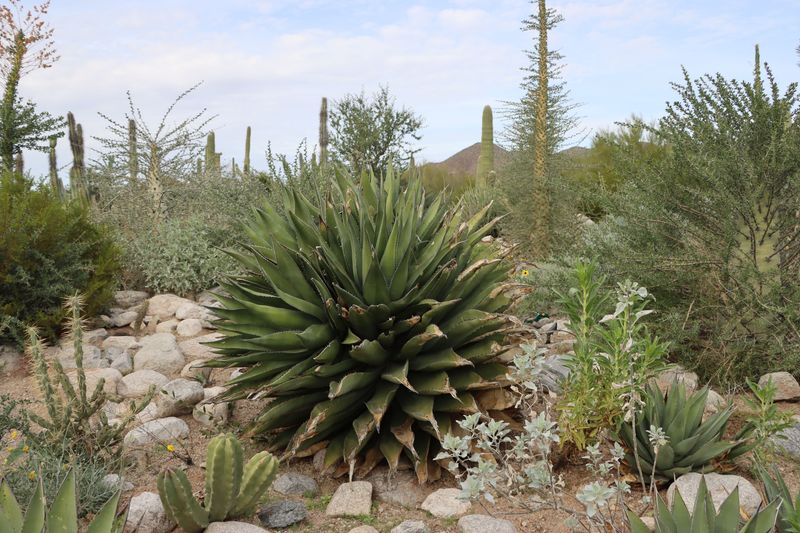
Some plants were literally built for this. Desert natives have deep survival instincts that kick in the moment monsoon moisture arrives.
Saguaro cacti, prickly pear, and barrel cacti absorb and store water rapidly after a storm. They can go weeks on what a single good monsoon delivers.
Agave plants are another classic example of monsoon-resilient survivors. Their thick, waxy leaves minimize moisture loss even during scorching days between storms.
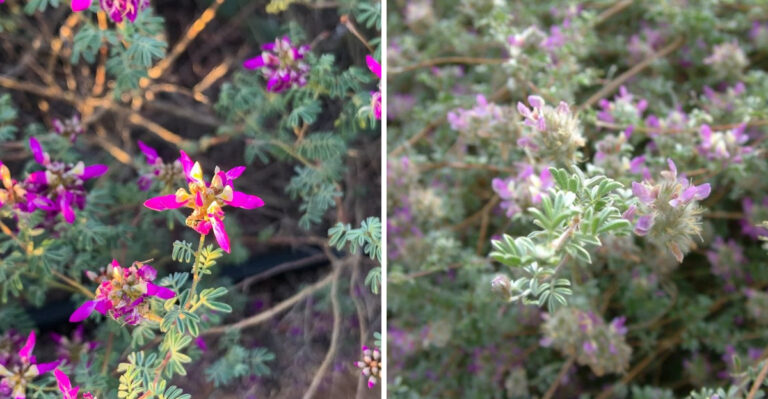
Brittlebush, desert marigold, and globe mallow are tough wildflowers that thrive on irregular rainfall. They bloom brilliantly after monsoon season without any extra help from a garden hose.
Established mesquite and palo verde trees have root systems that reach incredibly deep into the ground. They tap into underground moisture that most plants can’t reach.
Mature desert willows and ironwood trees fall into this category as well. Once established, these trees handle summer storms gracefully and rarely need supplemental moisture.
If your yard is planted primarily with these types of drought-tolerant species, a strong monsoon week might genuinely let you take a watering break. Just keep an eye on the soil and trust your plants to tell you what they need.
Plants That Still Need Supplemental Care
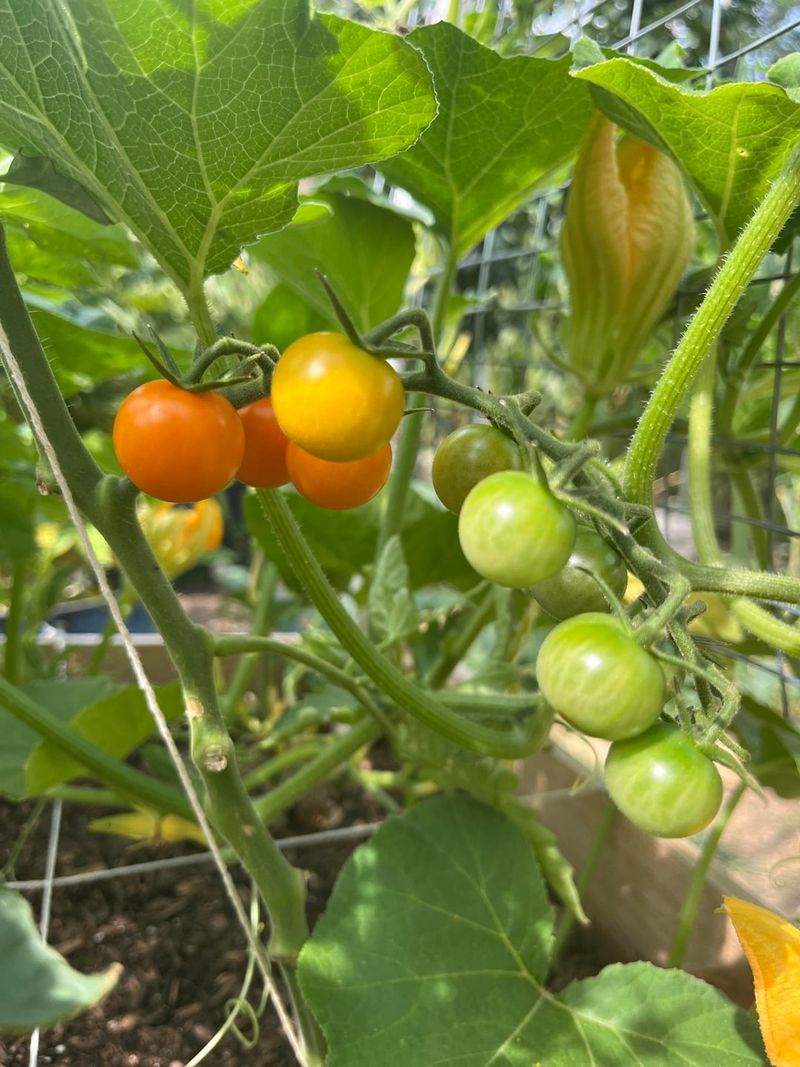
Not every plant gets to coast through monsoon season without extra attention. Vegetables, fruit trees under three years old, and non-native flowering plants all need consistent moisture beyond what the storms provide.
Tomatoes are especially sensitive to irregular watering. Uneven moisture causes blossom end rot and cracked fruit, two problems that no gardener wants to deal with mid-harvest.
Peppers and eggplants also prefer steady hydration. A monsoon storm followed by three dry days can stress these plants in ways that hurt their production for weeks.
Citrus trees, even mature ones, benefit from supplemental watering during hot monsoon months. The combination of heat and humidity actually increases their water demand rather than reducing it.
Tropical plants like hibiscus and bird of paradise look lush during storms but wilt fast between them. Their big leaves lose moisture quickly in dry desert heat.
Container plants are among the most vulnerable in any garden. Pots dry out faster than ground soil, and monsoon rain rarely falls long enough to soak containers all the way through.
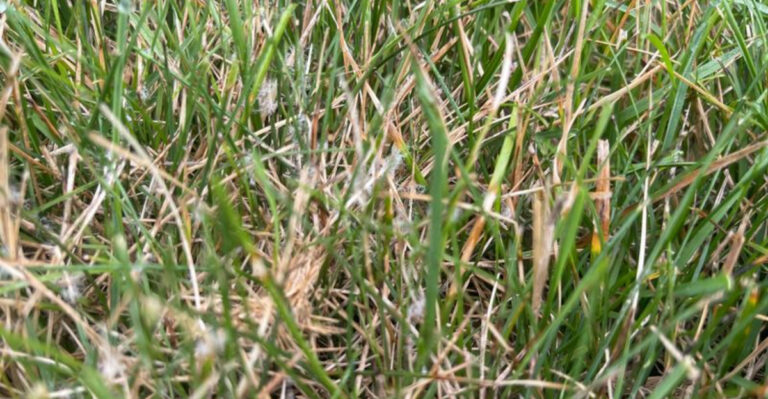
Lawn grass, especially Bermuda and St. Augustine varieties, needs consistent irrigation to stay green and healthy. Relying on monsoon rains alone will leave you with dry patches and stressed turf by August.
Signs Your Garden Needs Water Despite The Rain
Your plants talk to you whether you realize it or not. Knowing the signs of thirst can save your garden even when the sky has been throwing storms your way all week.
Wilting is the most obvious distress signal, but it can confuse gardeners during monsoon season. Heat stress and drought stress both cause wilting, so timing matters when you read this clue.
Check for wilting in the early morning before temperatures rise. If plants perk back up after sunrise, heat stress is likely the cause, not thirst.
Plants that stay wilted in the morning are sending a clear message: they need water and they need it soon. Do not wait for another storm to solve the problem.
Leaf curl is another signal worth watching closely. Many plants curl their leaves inward to reduce moisture loss when soil moisture drops below comfortable levels.
Yellowing lower leaves on tomatoes, peppers, or citrus can signal drought stress. This symptom often appears a few days after the soil dries out, so it is a delayed warning sign.
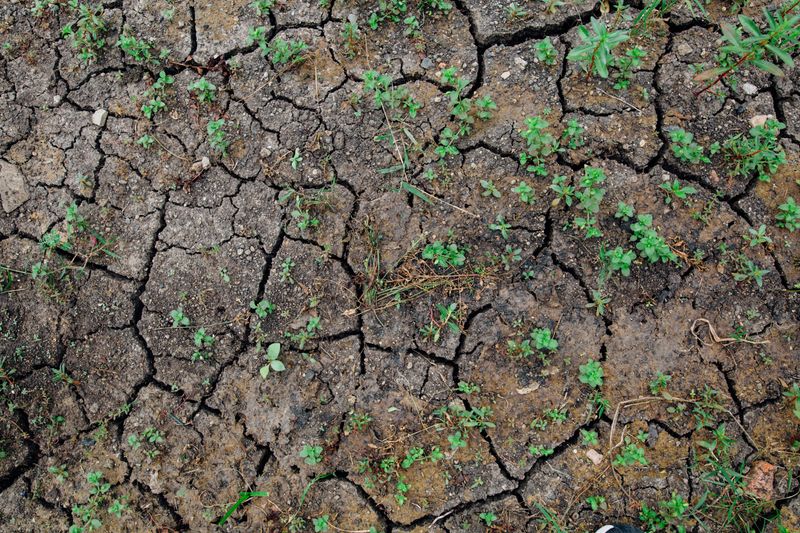
Dry, cracked soil around the base of your plants confirms that monsoon rain was not enough. These cracks are your garden’s way of asking you to grab the hose and help out before the damage worsens.
Smart Watering Strategies For Monsoon Season
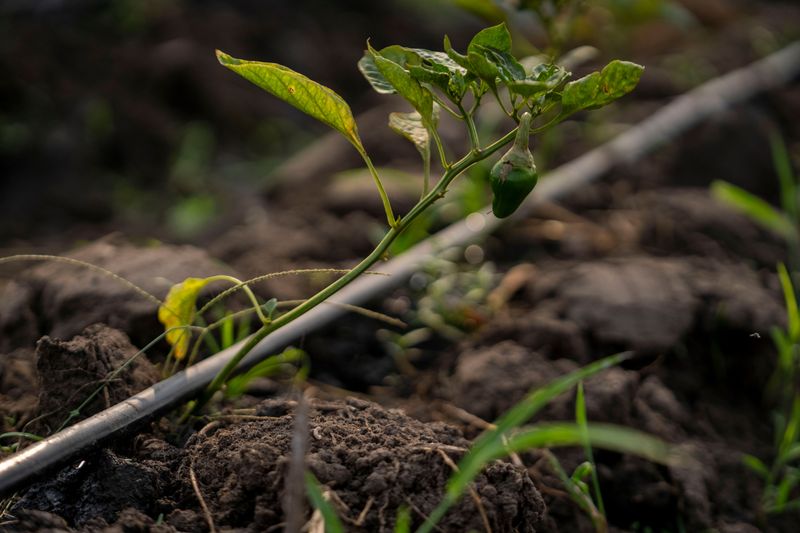
Monsoon season does not mean shutting off your irrigation system and hoping for the best. Smart gardeners adjust their schedules rather than abandoning them entirely.
Start by switching your irrigation controller to manual or weather-based mode during active storm weeks. This lets you skip a cycle when a real storm delivers meaningful rain.
Drip irrigation is your most powerful tool during this season. Slow, targeted water delivery soaks deep into the root zone far better than overhead sprinklers or surface rain.
Mulching your garden beds is another game-changer for monsoon watering strategy. A two to three inch layer of organic mulch holds moisture in the soil for days after a storm passes.
Raised beds dry out faster than in-ground plantings, so check them every day during hot, dry spells between storms. Do not assume the storm took care of them.
Water your garden in the early morning hours to reduce evaporation loss. Midday watering during Arizona summer is almost pointless because heat pulls moisture from the soil before roots can absorb it.
Tracking weekly rainfall helps you see the bigger picture across monsoon season. Combined with regular soil checks, it gives you the confidence to water smart and keep your garden thriving.