These Yard Mistakes Are Attracting More Black Widows To Illinois Homes During Heat Waves
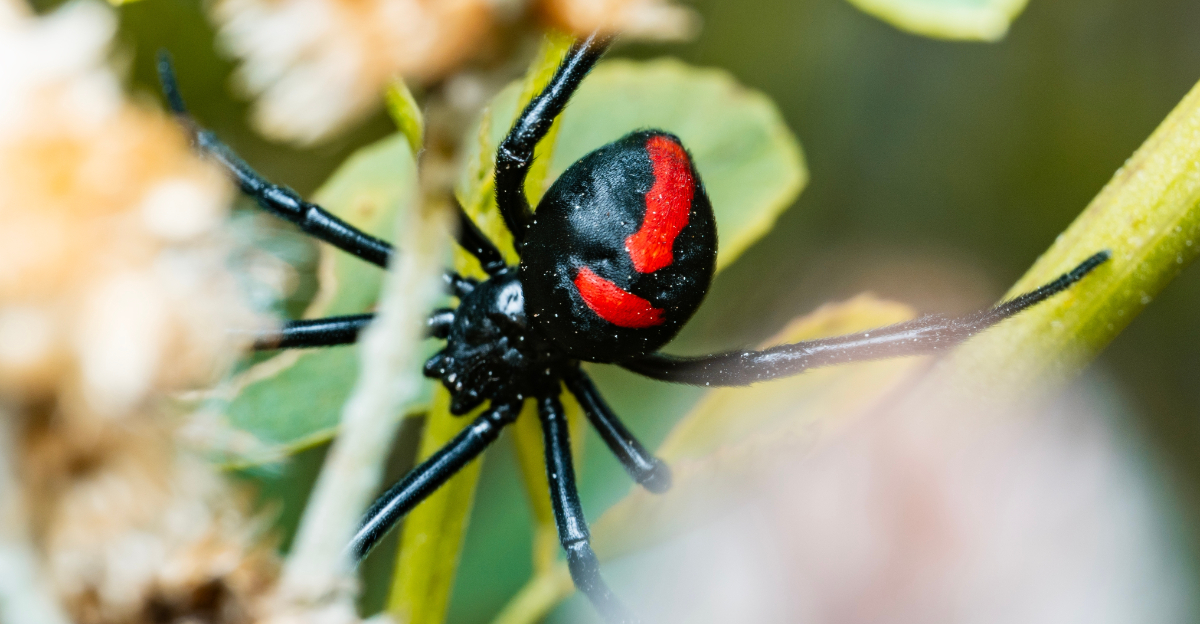
Illinois summers don’t just turn up the thermostat outside your window. They quietly reshape the paths spiders take toward your porch, garage, and woodpile.
Black widows thrive in the same dim, undisturbed corners that most yards collect without anyone noticing. A stack of firewood, a forgotten flower pot, a gap behind the shed — each one reads like an invitation.
These hiding spots look ordinary. Nothing about a cluttered corner screams “danger,” which is exactly why homeowners overlook it until it’s too late.
Small shifts in how you maintain your Illinois yard can close those gaps fast, long before these spiders settle in for the season.
1. Cluttered Woodpiles Create Perfect Hiding Spots
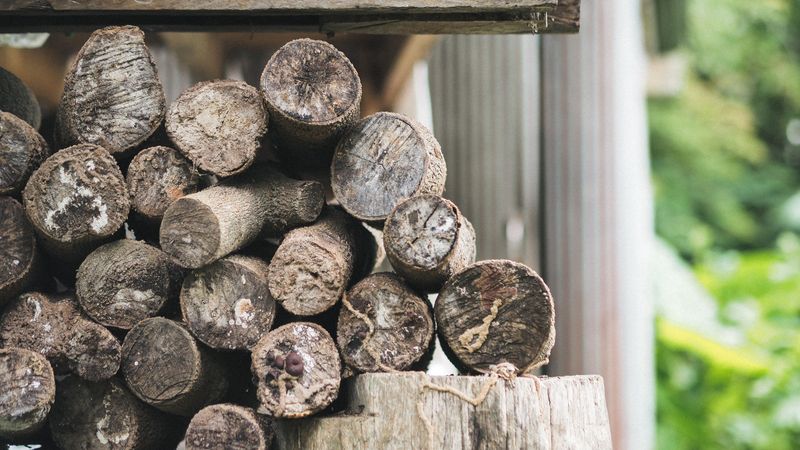
Stacked wood is basically a five-star hotel for black widows. Dark gaps between logs make ready-made shelters that spiders are quick to claim during brutal heat waves.
Black widows prefer cool, undisturbed spaces during the day. A woodpile sitting flush against your house gives them a short commute straight to your foundation gaps.
Moving your woodpile at least 20 feet from the house can dramatically cut spider activity near your entry points. Stacking wood on a raised metal rack also removes ground contact, which spiders love.
Wearing thick gloves when you grab firewood is a smart habit to build. Spiders hide between logs and may bite when they feel trapped or squeezed.
Inspect each log before you carry it inside, especially during hot stretches. A quick visual check takes five seconds and can save you a painful surprise.
Keeping the area around your woodpile clear of leaves and debris removes extra cover. Less clutter means fewer insects, which means fewer reasons for black widows to set up camp nearby.
Rotating your wood supply regularly disrupts webs and discourages long-term nesting. Spiders prefer spots where nobody bothers them, so frequent disturbance sends them packing.
Your woodpile does not have to be a liability if you manage it smartly. A few simple habits turn a spider magnet into just a pile of wood again.
2. Unsealed Gaps Let Spiders Move Indoors
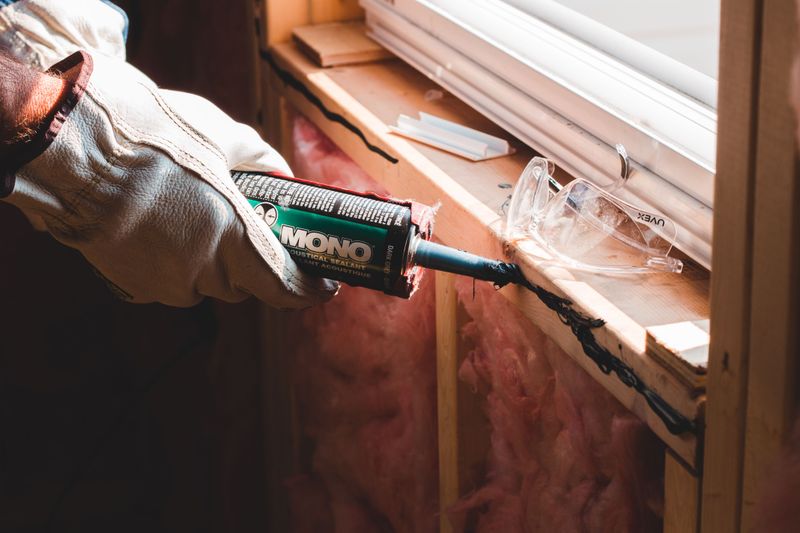
Your house has more open doors than you realize. Tiny cracks around pipes, windows, and foundation edges are expressways for black widows seeking cooler indoor shelter during heat waves.
A black widow only needs a gap about the width of a pencil to squeeze through. Foundations, utility lines, and weathered door frames are common problem areas that homeowners overlook for years.
Walk the full perimeter of your home and look at every spot where something enters the wall. Pipes, cables, and vents are the most frequent culprits for unsealed entry points.
Silicone caulk is your best friend for small cracks and gaps. It stays flexible through temperature changes and creates a seal that pests cannot easily chew or push through.
Door sweeps on garage and basement doors block the ground-level access spiders prefer. Many black widow sightings happen in garages because the doors seal poorly and the space stays dark and cool.
Your Illinois Garden Changes Every Week. Your Plan Should Too.
Gardening in Illinois changes quickly throughout the season. Every Friday you’ll receive a simple weekly plan showing exactly what to plant, prune, fertilize, harvest, and protect so you never miss the right timing.
Check your window screens for tears and bent frames, especially after a rough winter. A screen with even a small hole provides almost zero protection against determined eight-legged visitors.
Expanding foam works well for larger voids around pipes in basements or crawl spaces. Spray it in, let it cure, and trim the excess for a tighter finish.
Sealing your home properly is one of the highest-impact moves you can make. It addresses black widows and a whole list of other unwelcome guests at the same time.
3. Overgrown Vegetation Attracts Prey Insects
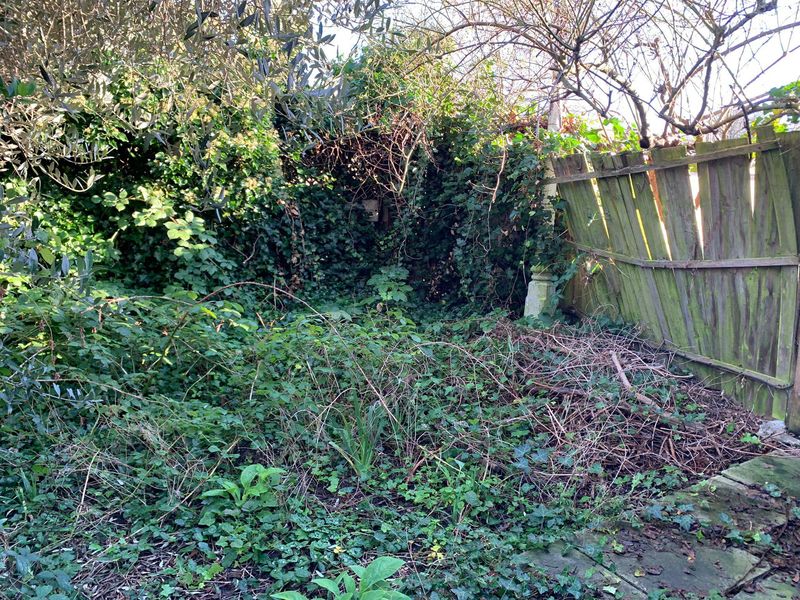
Tall weeds and dense shrubs are not just an eyesore. They are an all-you-can-eat buffet for insects, and black widows tend to follow wherever insects gather.
Black widows are ambush hunters. They build webs in low, sheltered spots and wait for crickets, beetles, and other insects to wander in, which overgrown plants deliver on a silver platter.
Trimming shrubs and ground cover away from your foundation removes that insect highway. A clear gap of at least 12 inches between plants and your home’s exterior reduces spider pressure noticeably.
Tall grass along fences and garden edges also harbors the prey insects that sustain black widow populations. Mowing regularly and edging neatly along borders cuts down on that insect traffic significantly.
Native plants kept neatly pruned tend to support your yard better than a tangled mess of overgrown exotics. Managed native plantings support helpful predator insects without creating the dense cover spiders exploit.
Pulling weeds weekly during peak summer heat takes maybe 20 minutes per session. That small habit keeps vegetation thin enough to make it harder for spiders to build stable, undisturbed webs.
Pay special attention to areas where mulch meets the foundation. Mulch traps moisture and warmth, creating a microclimate that insects and spiders both find highly attractive during dry heat waves.
A tidy garden bed does not just look better from the street. It signals to black widows that your Illinois yard is not the easy habitat they are searching for.
4. Outdoor Lighting Draws Insects And Predators

Leave a bright porch light on all night and you are basically hosting a bug party. Moths, gnats, and beetles swarm toward white or yellow bulbs, and black widows know exactly where the food is gathering.
Spiders don’t travel toward the light itself. They simply build webs nearby and let the light do all the work of delivering dinner for them.
Switching to warm LED bulbs or amber-toned lights makes an immediate difference. Insects are far less attracted to longer wavelengths, so fewer bugs mean fewer reasons for predators to hang around your porch.
Motion-activated lights are another smart swap. They only come on when needed, dramatically reducing the hours your home spends acting as an insect beacon in the dark.
Position any unavoidable lights away from doorways when possible. Even moving a fixture a few feet to the side reduces the number of insects concentrated right at your entry point.
Check eaves, porch ceilings, and the corners above light fixtures regularly. These are prime web-building real estate for black widows because they offer shelter, elevation, and a steady stream of prey.
Cleaning old webs from light fixture areas removes egg sacs before they hatch. A single egg sac can contain hundreds of spiderlings, so early removal has an outsized impact on local populations.
Rethinking your outdoor lighting setup costs very little but pays off fast. Fewer insects at night means your porch stays a place for people, not spiders chasing their next meal.
5. Neglected Storage Bins Offer Shelter
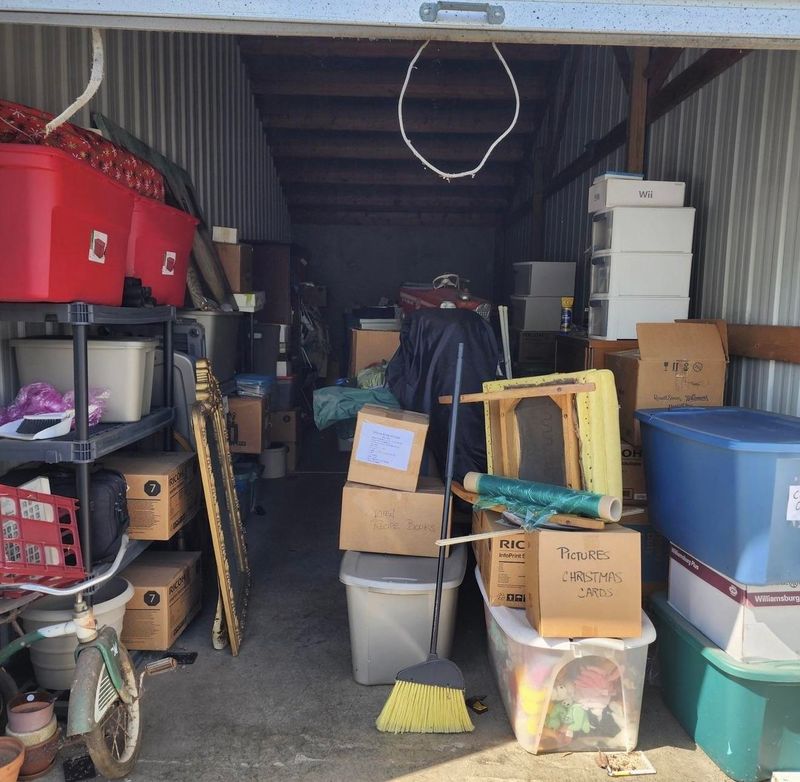
That stack of plastic bins you have not touched since last spring is prime real estate for black widows. Undisturbed, dark, and sheltered spots are exactly what these spiders seek when heat pushes them to find refuge.
Garages and sheds are among the most common places people discover black widows across Illinois. The combination of clutter, low foot traffic, and temperature moderation makes these spaces ideal nesting zones.
Switching from cardboard boxes to sealed plastic bins with tight lids removes easy entry points. Cardboard absorbs moisture, breaks down over time, and creates soft gaps that spiders slip through without effort.
Label and organize your storage so you actually open bins regularly. Spiders avoid spots that get disturbed frequently, so even opening a bin once a month can discourage long-term web building.
Shake out items like garden gloves, hats, and shoes before putting them on. Black widows hide inside footwear and folded fabric with surprising frequency during hot summer months.
Place storage bins on shelving units rather than directly on the floor. Elevated bins are easier to inspect and reduce the dark ground-level hiding spots spiders prefer when temperatures spike outside.
Wipe down shelving and bins with a damp cloth every few months. Removing dust and debris also eliminates the tiny prey insects that make a storage area attractive to hunting spiders in the first place.
Organized storage is not just about aesthetics. It actively makes your space less hospitable to some of the most venomous spiders in the Midwest.
6. Standing Water Increases Nearby Insect Activity

A forgotten bucket with two inches of water is a mosquito nursery and an insect magnet. More insects in your Illinois yard means a more reliable food source for black widows scouting your property.
Black widows do not drink from puddles or breed in water. But the insects that do breed there become their steady prey supply, so standing water indirectly fuels spider populations around your home.
Walk your yard after every rain and dump any container holding water. Flower pot saucers, tarps, old tires, and clogged gutters are the most overlooked offenders homeowners miss on a quick scan.
Birdbaths are worth keeping but need fresh water every two to three days. Stagnant birdbath water breeds mosquitoes fast, especially during the long, hot stretches Illinois summers deliver.
Check your gutters at the start and end of summer for clogs and standing pools. A clogged gutter holds water long enough to breed insects and keeps your roofline damp, which attracts other pests too.
Grade your yard away from the foundation if you notice persistent pooling after rain. Water that sits near your home’s base keeps the soil moist and draws in ground-level insects that spiders hunt.
A French drain or simple gravel trench can redirect problem water away from trouble zones. Dry soil near your foundation is far less attractive to the insect communities that sustain spider activity.
Eliminating standing water is one of the fastest ways to reduce insect pressure across your entire yard. Lower insect numbers eventually translate to fewer black widows setting up webs nearby.
7. Rock Piles Provide Cool Daytime Refuge
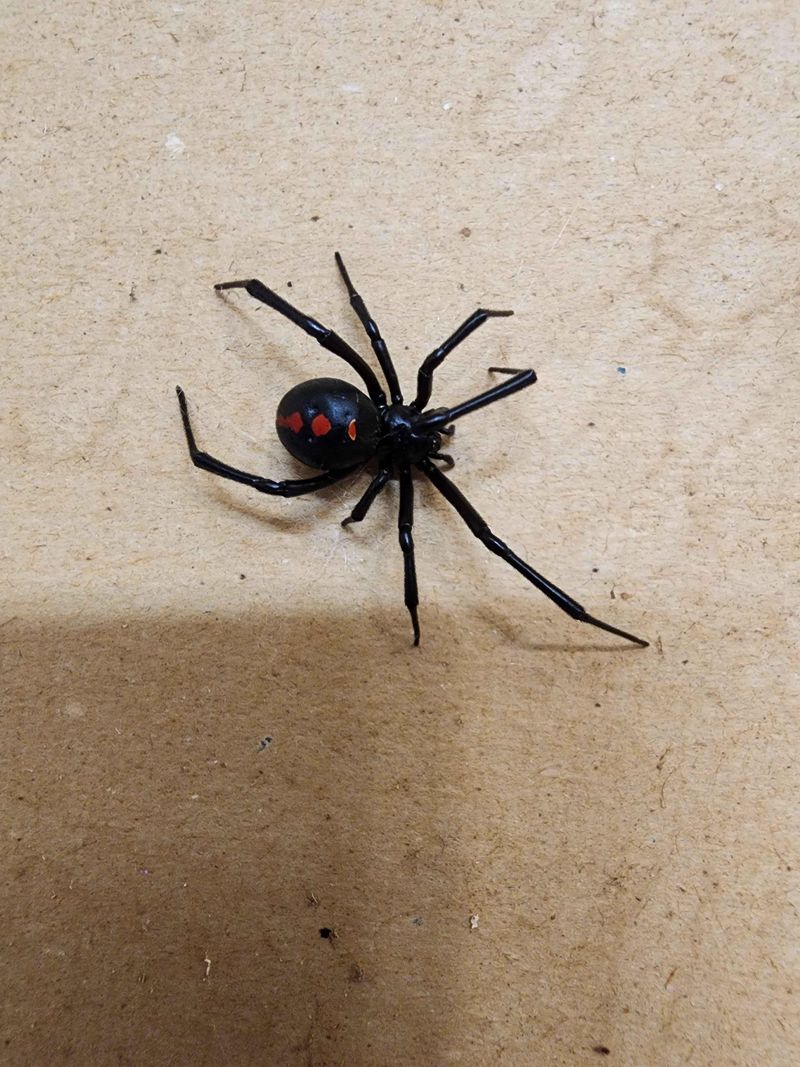
Decorative rock borders look sharp in a garden, but they function like a spider apartment complex. During heat waves, black widows crawl beneath rocks for shelter from the sun while they wait for nightfall to hunt.
Rocks moderate temperature swings, staying cooler than open ground by day and holding warmth by night. That steady microclimate is exactly what black widows seek when conditions above ground turn extreme.
If you love rock landscaping, space your stones with less overlap and inspect the arrangement regularly. Tightly packed rocks with deep crevices are the most attractive setup for spiders looking for daytime cover.
Wearing heavy gloves before moving any landscaping rocks is essential, especially after a hot dry spell. Black widows tuck themselves into the darkest, tightest spots and will bite if suddenly exposed or grabbed.
Placing rocks away from your home’s foundation reduces the risk of spiders migrating indoors. A rock border three feet from the house is far safer than one pressed directly against the siding or concrete.
River rock and pea gravel with no large overlapping pieces offer much lower spider risk than stacked flagstone or boulders. Flat, single-layer gravel gives spiders nowhere to hide effectively.
Inspect any rock features near children’s play areas with extra care before allowing kids to play nearby. Black widows near ground-level play spaces present a real risk that is easy to overlook during yard setup.
Smart rock placement lets you keep the look you love without giving black widows a free vacation rental in your Illinois garden.
8. Infrequent Yard Cleanup Lets Webs Persist
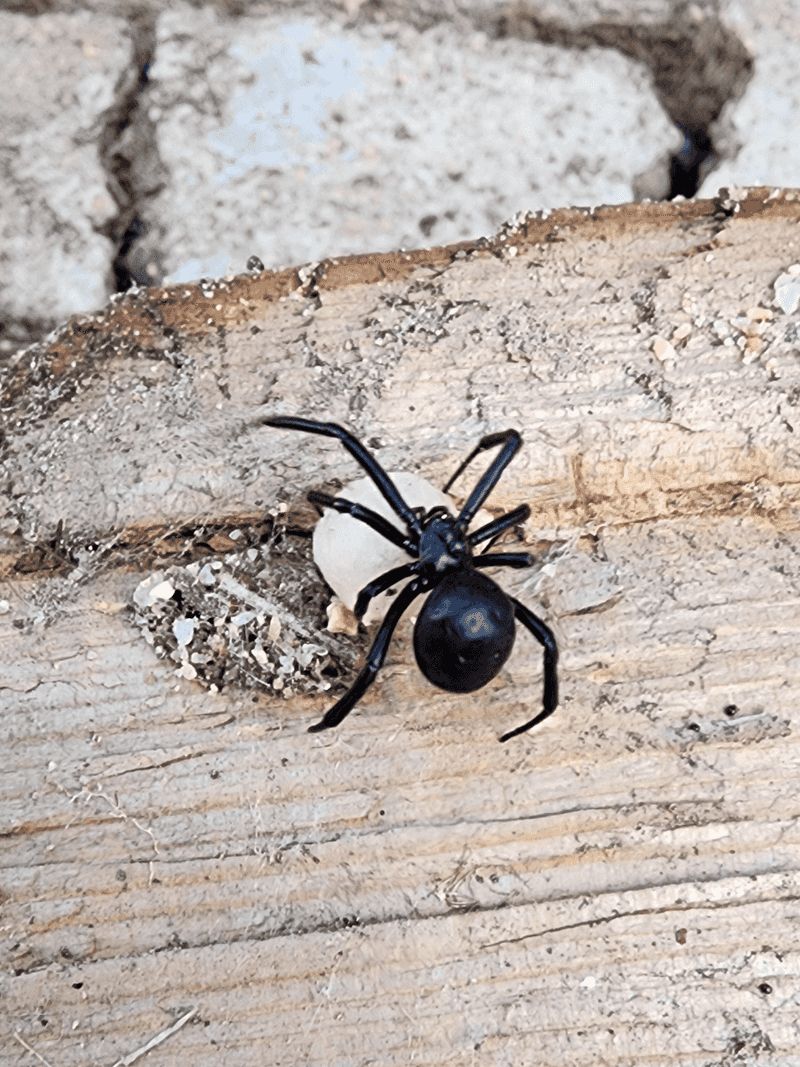
Skipping yard cleanup for a few weeks gives black widows enough time to build webs, lay eggs, and establish territory. Once a web is mature and loaded with an egg sac, your problem multiplies fast.
A single egg sac can hold up to several hundred eggs, and a female may produce multiple sacs over one season. Letting webs go undisturbed for weeks during peak heat is essentially giving those eggs a safe incubation period.
Regular sweeping of corners, eaves, and fence lines physically removes webs before they become established. A long-handled broom works well for reaching high spots without getting close enough to risk a bite.
Dry leaves piled in corners are both a web anchor and an insect habitat. Clearing leaf litter from fence bases, garden edges, and patio corners removes two spider attractants at once.
A weekly 15-minute yard sweep during summer heat waves keeps web activity from getting out of hand. Consistency matters far more than the intensity of any single cleanup session you do once a month.
Focus on low, dark zones first: under decks, behind AC units, beneath porch steps, and along foundation walls. These spots see the least foot traffic and the most black widow activity during hot weather.
After sweeping webs, dispose of the debris in a sealed bag rather than just brushing it aside. Egg sacs are small and tough, and a displaced sac can still hatch if left on the ground nearby.
Keeping up with yard cleanup during Illinois heat waves is how you stay ahead of black widows before they turn a small problem into a serious one.