What A Praying Mantis On Your Maryland Tomato Plant Says About Your Garden
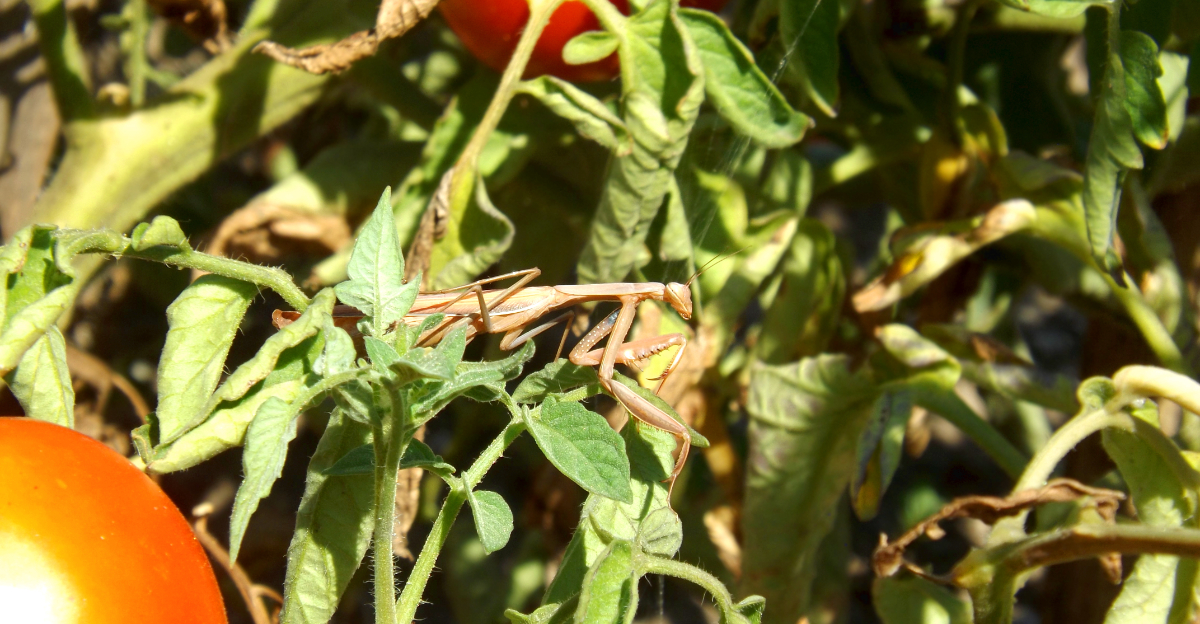
Something stopped you mid-step near the tomato stakes this morning. Insects rarely announce their presence this openly during broad daylight hours.
Maryland gardeners report this exact encounter more than almost any other state claims. Folklore quickly calls it luck, but biology tells a much sharper story indeed. Nobody plants a mantis on purpose, yet here it proudly sits.
Farmers across Maryland have so quietly watched these creatures clear pests within just days now. Silence follows wherever a mantis quietly decides to feed.
Aphids disappear, beetles scatter, and your entire garden shifts its balance. Curiosity slowly pulls you closer, though the insect never even flinches once. Patience defines this creature far more than impulse ever could.
Watching it work reveals secrets most experienced gardeners never notice. Questions quickly multiply faster than clear answers ever arrive right now. You already sense this visitor possibly came for a reason far bigger than pest control.
Why Praying Mantises Show Up On Tomato Plants
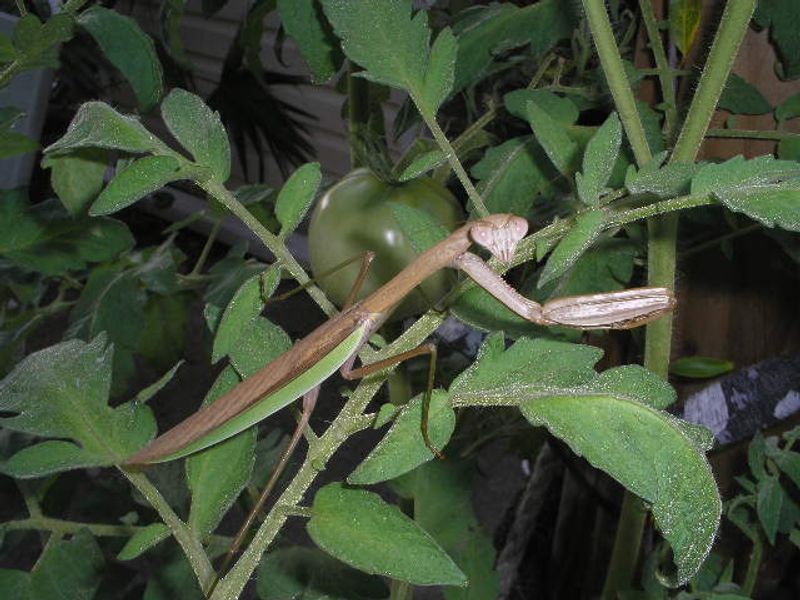
Tomato plants offer ideal shelter and easy access to prey for a mantis. The bushy leaves, tall stems, and constant insect traffic make them irresistible to a predator looking for a good hunting spot.
Few garden plants combine height, coverage, and insect density as effectively as a healthy tomato patch.
A praying mantis is not visiting your tomato plant by accident. It follows food, and tomato plants attract a parade of bugs, from aphids to hornworms to whiteflies. Where the food supply stays steady, a mantis has little reason to look elsewhere.
The structure of a tomato plant gives the mantis a serious advantage. Thick foliage hides its body while it waits, completely motionless, for unsuspecting prey to wander close. That stillness is not passive, it is a calculated hunting posture built for ambush.
Mantises are ambush hunters, and your garden gives them the perfect setup. They stake out a position and let dinner come to them, a strategy that works surprisingly well against faster, less patient predators.
The scent of tomato plants also draws in moths and beetles that lay eggs on the leaves. A mantis sitting on your tomato plant is essentially sitting at the center of a buffet that keeps restocking itself.
When a praying mantis settles on your tomato plant, it is responding to shelter, prey activity, and sunlight, all signals of a reliable hunting ground.
That is not a small thing. It means your garden ecosystem is active, layered, and producing enough insect life to sustain a predator that only eats live prey.
What Their Presence Says About Your Garden’s Health
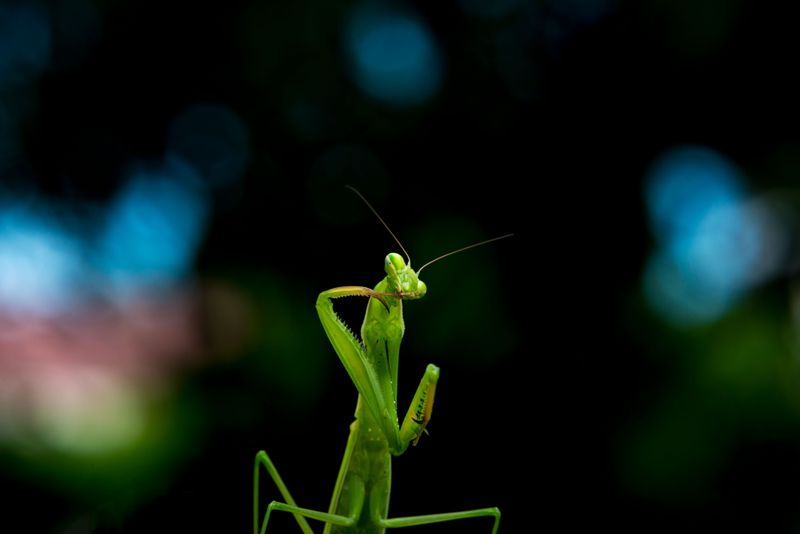
A mantis sighting is generally a positive sign for your garden’s ecological health. These insects are sensitive to chemical disruption, so their presence often signals a cleaner, healthier growing space.
Mantises need a steady supply of live insects to survive. If one has taken up residence, your garden is producing enough biodiversity to sustain a predator at the top of the food chain.
Your Maryland Garden Changes Every Week. Your Plan Should Too.
Gardening in Maryland changes quickly throughout the season. Every Friday you’ll receive a simple weekly plan showing exactly what to plant, prune, fertilize, harvest, and protect so you never miss the right timing.
A garden loaded with pesticides rarely supports mantis populations. The chemicals wipe out the prey base and sometimes harm the mantis directly, so their absence in sprayed yards is no coincidence.
When a praying mantis chooses your tomato plant, your soil and plant health are likely in solid shape. Thriving plants attract more insects, and more insects attract more predators like the mantis.
Beneficial insects tend to cluster in gardens with varied plantings, good moisture, and minimal chemical interference. A mantis sighting suggests your space checks most of those boxes.
A mantis sighting can be a helpful, informal signal of garden health, similar in spirit to how scientists use indicator species, though far less systematic.
A garden that supports a mantis is also likely supporting pollinators, ground beetles, and other helpful creatures. The whole ecosystem benefits when one apex insect decides your patch of tomatoes is worth protecting.
The Natural Pest Control Benefits They Provide
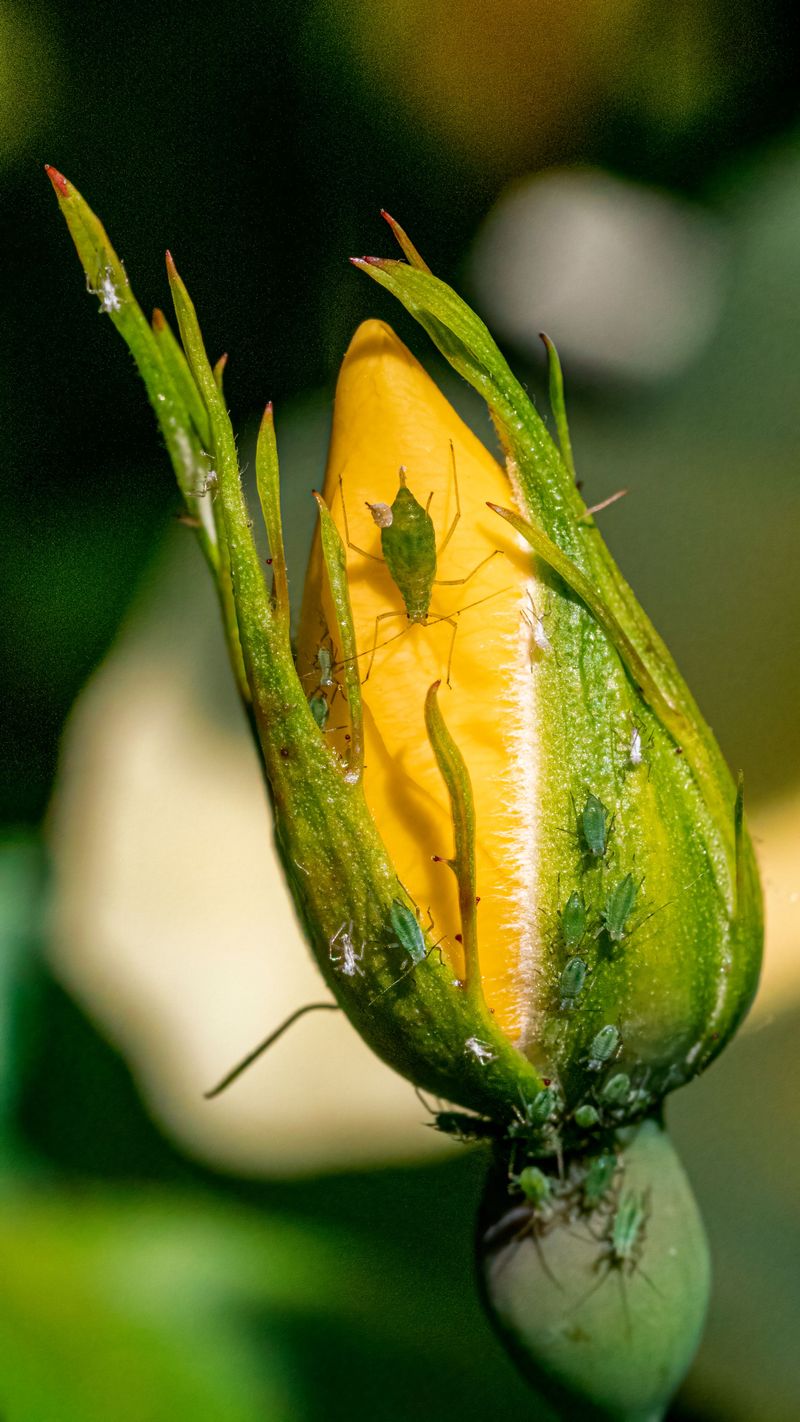
Chemical sprays aren’t the only option for pest control. A single adult mantis can consume a significant number of harmful insects each week, depending on its size and the availability of prey.
Tomato hornworms are one of the most destructive pests a home gardener faces. A mantis will take one down without hesitation, saving your plants from serious leaf and fruit damage.
Aphids, beetles, grasshoppers, and moths are all fair game for a hungry mantis. They are not picky eaters, which makes them remarkably effective at keeping multiple pest populations in check.
Unlike chemical sprays, a mantis does not leave residue on your tomatoes. You get pest control that is completely safe for your food, your family, and your soil biology.
One thing to keep in mind is that mantises eat beneficial insects too. They do not discriminate between a pest and a pollinator, so balance in your garden still matters.
Still, the net effect of having a mantis on your tomato plant tends to be positive. Research on biological pest control generally suggests that predatory insects can help reduce crop damage in home gardens.
When a praying mantis takes up residence on your tomato plant, you gain a natural, ongoing form of pest control, an efficient predator behaving as its biology dictates.
How Maryland’s Climate Supports Mantis Populations
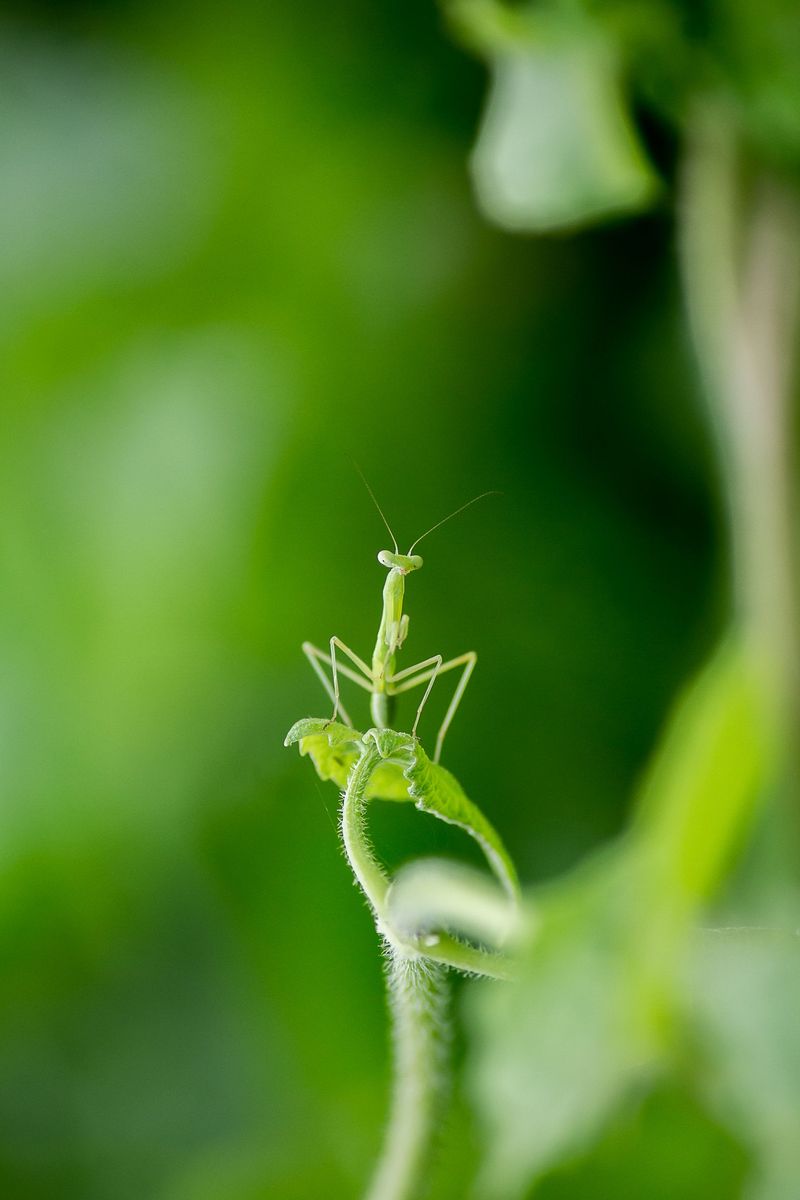
Maryland sits in a climate sweet spot that mantises absolutely love. Warm, humid summers give these insects the heat they need to hunt, grow, and reproduce successfully.
The state’s mix of suburban yards, woodland edges, and garden plots creates a patchwork of ideal mantis habitat. They move between spaces easily, finding food and shelter throughout the growing season.
Two mantis species are especially common in Maryland gardens: the Chinese mantis and the Carolina mantis. Both thrive in the mid-Atlantic region and are frequently spotted on vegetable plants from June through October.
Maryland summers bring the kind of insect activity that keeps a mantis well-fed. Long warm days mean more moths, beetles, and flies are active, giving mantises plenty of hunting opportunities.
The state also has a strong gardening culture, with many homeowners choosing organic or low-spray methods. Those choices create safer environments where mantis populations can grow from one season to the next.
Fall in Maryland is when female mantises lay their egg cases on plant stems and fence posts. Those eggs survive the winter and hatch in spring, starting the cycle over again.
If you garden in Maryland, the conditions are genuinely favorable for keeping mantises around long-term. A little intentional habitat support goes a long way in a climate this well-suited to beneficial insects.
Signs Your Garden Is Attracting Beneficial Insects
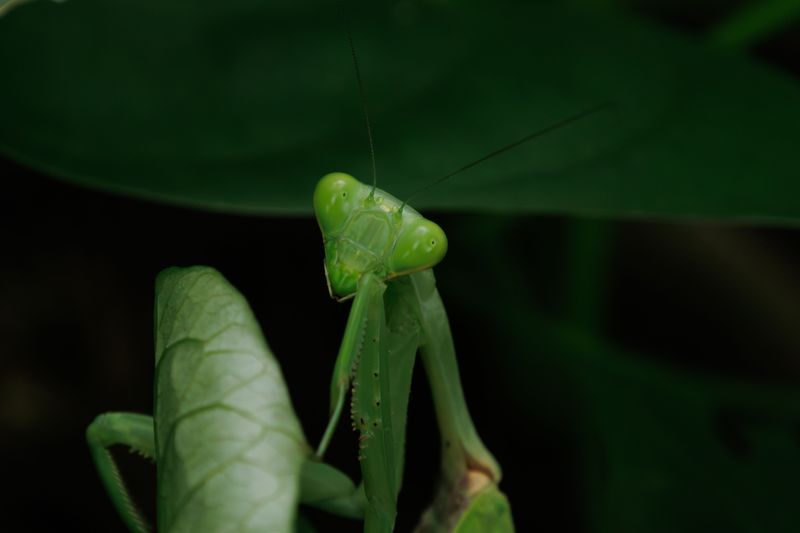
The insects your garden attracts reflect its ecological conditions. Learning to recognize these patterns can inform how you manage your outdoor space.
A praying mantis on your tomato plant is one of the clearest signs your garden has reached a healthy ecological balance. Other good signals include ladybugs on rose bushes and ground beetles along the soil surface.
Lacewings hovering near your plants mean aphid populations are being naturally managed. Parasitic wasps, which are tiny and rarely noticed, lay eggs inside harmful caterpillars and keep hornworm numbers low.
Diverse plantings are usually the root cause of this kind of beneficial insect activity. Gardens with flowers, herbs, and vegetables mixed together tend to attract far more helpful species than single-crop setups.
If you see multiple types of beneficial insects in one season, your garden is functioning like a small, self-regulating ecosystem. That is a genuinely exciting thing to witness up close.
Reduced pest damage without any spraying is another strong indicator that beneficial insects are doing their job. When your tomatoes look clean and full despite visible bug activity, something helpful is keeping order.
When a praying mantis appears alongside other beneficial insects, your garden has reached a healthy ecological balance, it functions as a small, interconnected ecosystem.
Ways To Encourage Mantises To Stick Around
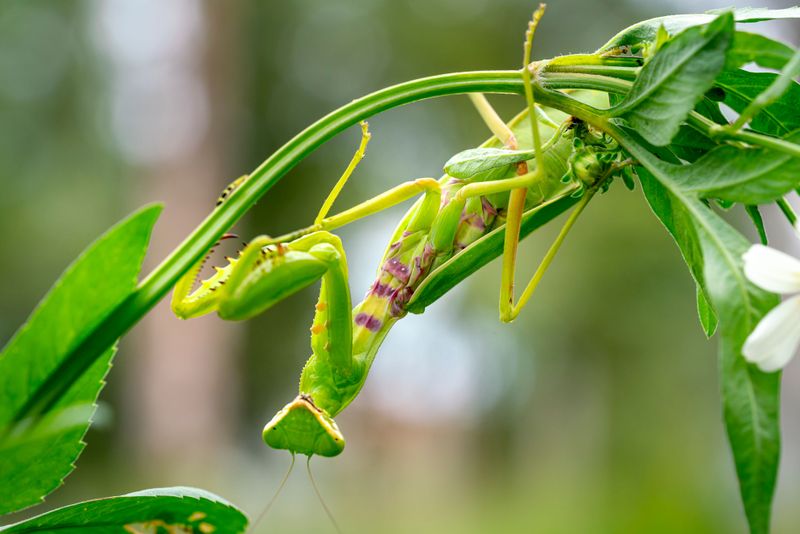
Keeping a mantis around is easier than you might think. A few simple habits can make your garden far more welcoming to these beneficial hunters season after season.
Skip the broad-spectrum pesticides whenever possible. Those products wipe out the insect prey base that mantises depend on, making your garden an empty hunting ground with nothing worth staying for.
Plant dense, varied vegetation near your tomato plants. Tall grasses, flowering herbs like dill and fennel, and shrubby perennials give mantises the cover and hunting perches they prefer.
Leave some areas of your garden a little wild. A small patch of unmowed grass or a brush pile near the fence gives mantises and other beneficial insects places to rest and overwinter.
If you spot a mantis egg case in fall, do not disturb it. Those papery brown cases attached to stems or fence posts contain hundreds of eggs that will hatch into next year’s pest control crew.
Adding a shallow water source nearby helps too. Mantises, like all insects, need moisture, and a small dish of water near your tomato bed can encourage them to stay close.
When a praying mantis appears on your tomato plant, small habitat changes can encourage it to stay. A few thoughtful adjustments can help support repeat mantis activity in your garden over time.