The Biggest August Mistake That Can Cost Ohio Mums Their Fall Blooms
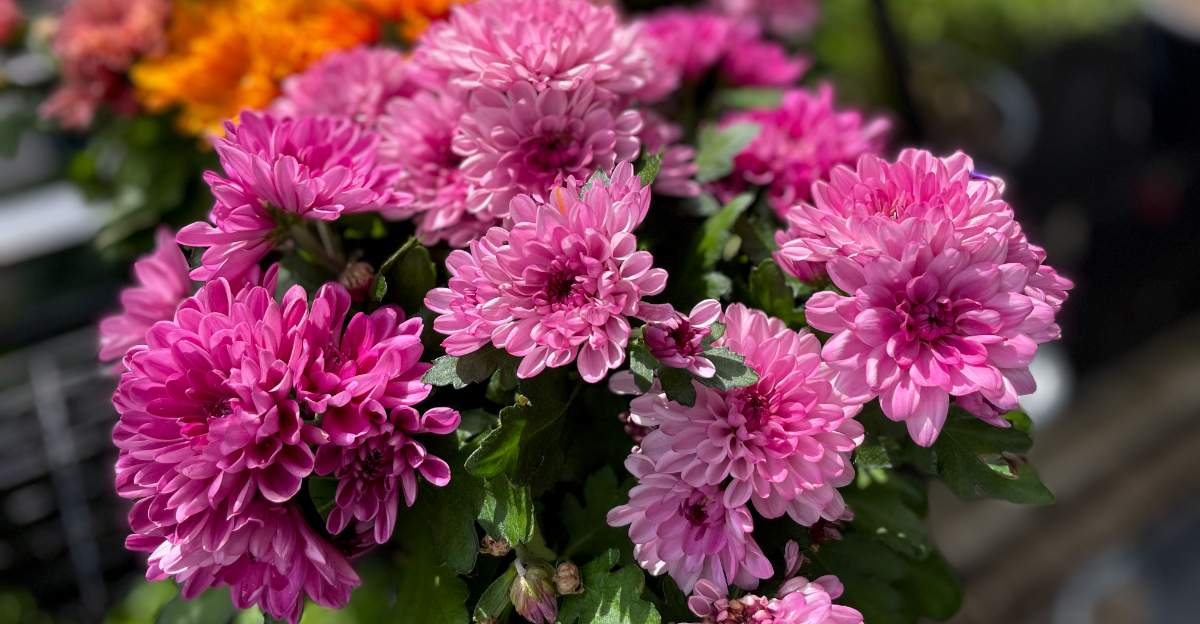
Ohio mums in August look like they have time. They do not.
The buds that should open in October are being set right now. Quietly.
While the plant sits there looking completely unbothered and the gardener assumes fall is still far enough away to deal with later. One mistake this month costs the entire fall display.
Not partially. Entirely.
A plant that looks healthy in September but produces almost nothing is almost always a plant that was mishandled in August. Mums run on a biological schedule.
August is when that schedule demands something specific from the gardener. Miss it and the plant moves forward without what it needed.
The blooms that were supposed to happen simply do not. October arrives.
The mums look fine. The flowers never come.
And August is long past the point where anything can be done about it.
1. Late Pinching Can Remove The Buds Your Mums Need For Fall
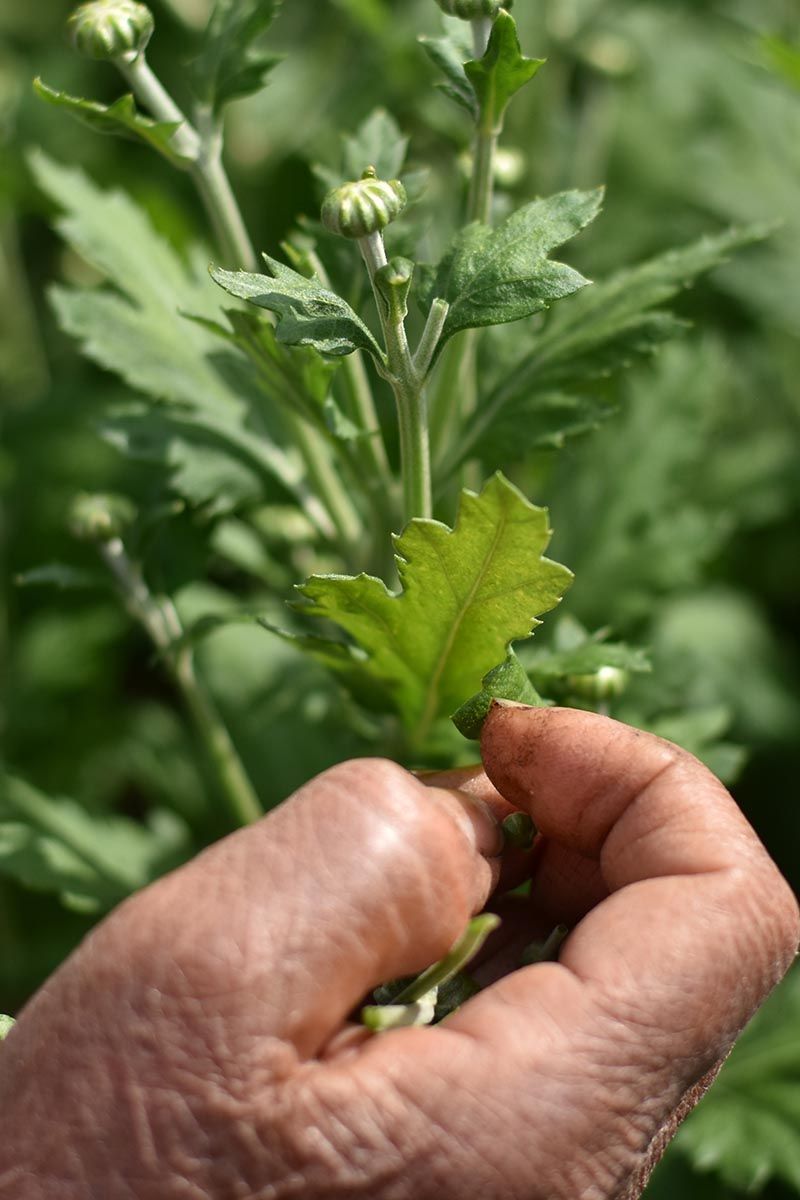
Reaching into a healthy mum plant with a pair of pruners feels routine by mid-summer. Earlier in the season, that habit builds a fuller plant with more branching.
By the time August arrives, though, the situation on those shoot tips has quietly changed.
Established Ohio garden mums begin developing flower buds well before those buds are easy to spot. The earliest stages of bud formation happen inside the growing tip, where nothing looks obviously different yet.
A gardener who waits for visible color before stopping may already be removing buds in early development.
Pinching means removing the soft growing tip of a shoot to stimulate side branching. Earlier in summer, that removed tip had not yet committed to flowering.
Later in the season, that same tip may already be organizing into a bud cluster. Removing it at that stage does not produce more branches in time to flower.
It simply eliminates what was forming.
The risk is not that a single late pinch guarantees zero flowers. Some stems may be further along than others, and cultivar timing varies.
The concern is that continued shaping across the plant in August can remove a meaningful portion of developing buds before they ever have a chance to open. Established garden mums, not freshly purchased fall pots, are the plants most affected by this timing issue.
2. Early Summer Is The Time To Shape Mums Not August
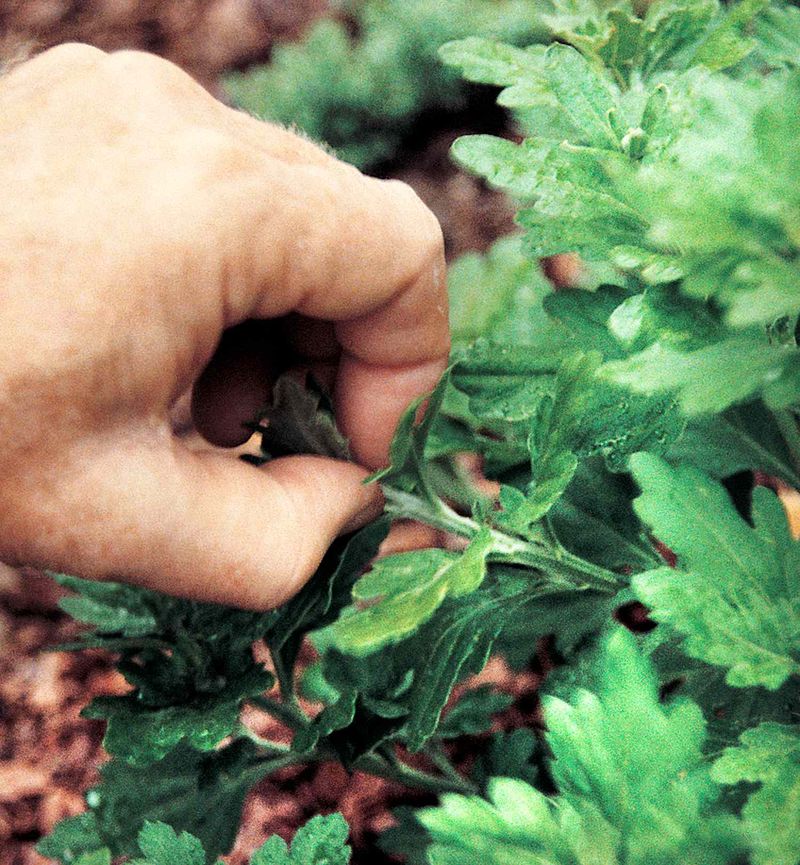
Back in late spring and early summer, pinching is genuinely useful. A young mum plant that has put on several inches of new growth responds well to having its tips removed.
Each pinched shoot tends to branch into two or more new stems, which eventually means more potential flower sites.
Many gardeners pinch their established mums more than once during this early window. A plant might get its first pinch when new growth reaches about six inches, and a second pass a few weeks later as those branches extend.
The goal is a compact, well-branched plant that can support a good display later in the season.
Some Ohio gardening resources point to early July as a general cutoff for the shaping season. This includes guidance from university extension programs.
Your Ohio Garden Changes Every Week. Your Plan Should Too.
Gardening in Ohio changes quickly throughout the season. Every Friday you’ll receive a simple weekly plan showing exactly what to plant, prune, fertilize, harvest, and protect so you never miss the right timing.
July 4 sometimes gets mentioned as a practical reminder, not as a biological law that applies to every cultivar. Plants in different regions, at different growth stages, or of different cultivar types may reach their natural cutoff slightly earlier or later.
What matters is that shaping belongs to the phase when the plant is building structure, not the phase when it is preparing to flower.
By the time the calendar turns to August, most established garden mums in temperate regions have already moved past the window where pinching adds value.
Continuing past that point works against the plant rather than for it.
3. Shorter Days Tell Mums To Shift From Growth To Flowers
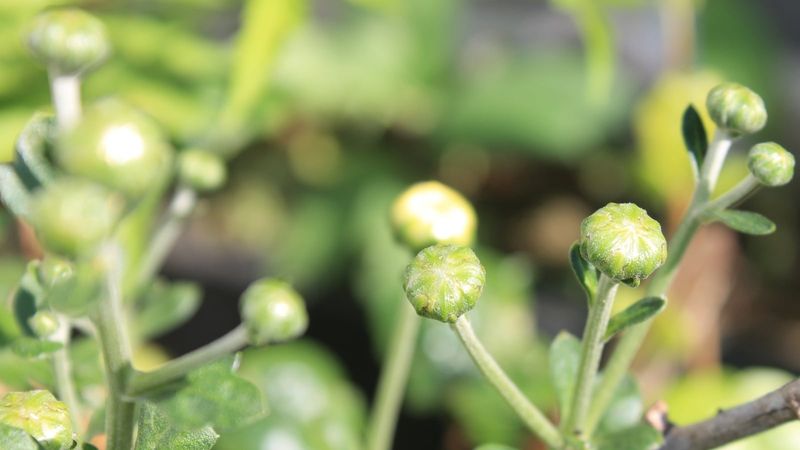
Garden mums belong to a group of plants that respond to night length rather than simply to temperature or calendar date. As summer progresses, nights gradually lengthen.
Once uninterrupted darkness reaches a certain duration, the plant receives a biological signal that influences its shift toward reproductive growth.
Ohio horticulturists describe chrysanthemums as short-day plants, which can be a misleading label. The trigger is not shorter days exactly.
It is longer nights, specifically uninterrupted periods of darkness. When nights are long enough and consistent enough, the plant begins redirecting its energy from producing new leaves and stems toward organizing flower buds.
This response varies among cultivars. Some types are bred to respond earlier in the season, producing buds while days are still relatively long.
Others are bred for later flowering and may not respond until nights have lengthened further into fall. That variation is one reason no single date perfectly describes every plant’s transition.
For home gardeners, the practical takeaway is straightforward. By the time late summer arrives and nights have been noticeably lengthening, many established mums are already responding to that signal internally.
Continuing to remove growing tips during this period interrupts a process that the plant has already begun. The plant is no longer in a building phase.
It is in a preparation phase, and that distinction matters when deciding whether to pick up the pruners.
4. Fresh Cuts Can Push Bloom Time Further Into The Season
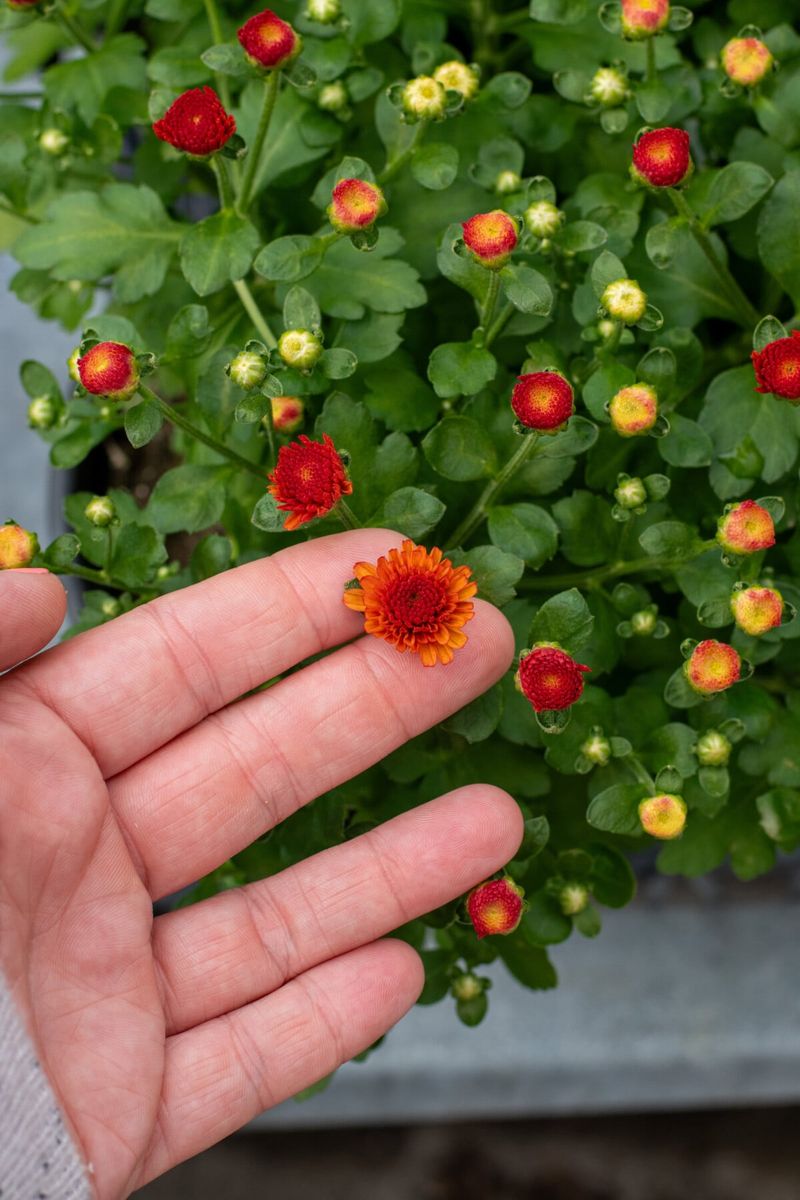
Snipping a few shoot tips in late summer does not just remove what is there. It redirects the plant’s resources.
A stem that has been cut must first recover and then attempt to produce new lateral growth before it can work toward flowering again. That recovery takes time the plant may not have before cold weather arrives.
How much that delay matters depends on several factors. The cultivar plays a role, since some types have more flexibility in their bloom window than others.
The timing of the cut matters, because a plant closer to visible bud formation has less runway to recover. The severity also counts.
Removing one damaged stem is very different from pinching across the entire plant.
A gardener trying to make a mum look tidier before a gathering can accidentally push some of its flowering stems weeks behind where they would have been. The plant does not stop trying to flower.
It simply has to restart part of the process on the affected stems. Depending on the cultivar and local conditions, those stems may catch up in time, or they may not fully develop before the season ends.
Removing clearly damaged, broken, or diseased material is a different situation. That kind of targeted removal is about plant health, not cosmetic shaping.
The concern is unnecessary tip removal spread across healthy stems at a stage when those stems were already progressing toward their natural purpose.
5. Different Mum Varieties Reach Bud Stage At Different Times
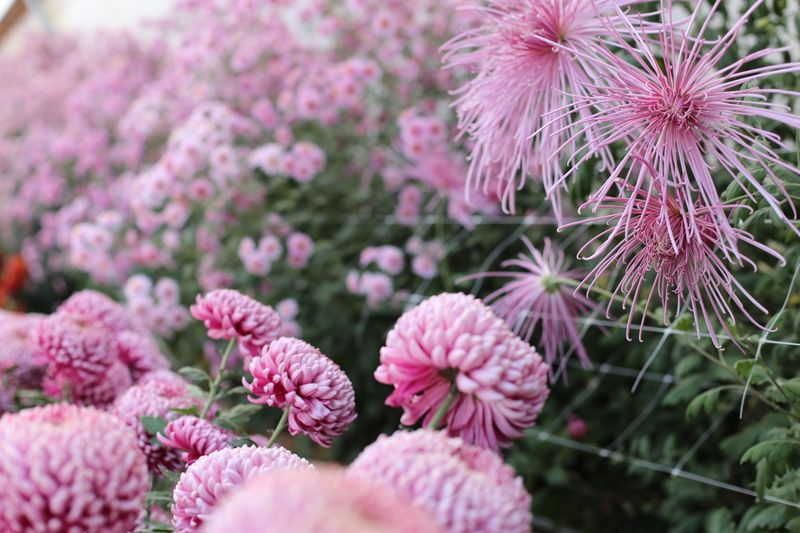
Not every Ohio garden mum follows the same internal schedule. Commercial breeders have developed cultivars that flower at distinctly different points in the season, from early fall through mid-fall and into late fall.
A plant bred for early flowering may be forming buds well before a later-season cultivar in the same garden bed has begun that process.
That variation is part of why general guidance about pinching cutoffs uses ranges rather than a single fixed date.
Extension resources often frame their recommendations as approximate guidelines because the right timing genuinely differs from one cultivar to the next.
A gardener following a rigid date without knowing their cultivar may stop too late for an early type or perhaps a bit early for a very late one.
Plant tags and cultivar names can sometimes help. If a label specifies early, mid-season, or late bloom timing, that information gives a useful clue about when bud development is likely to begin.
Not every plant comes with that detail, though, especially if it was divided from an older garden mum with no surviving label.
When the cultivar is unknown, the conservative approach makes the most sense by August. Assuming the plant may be an earlier type and treating its shoot tips accordingly is far less risky than assuming it has more time.
A plant that gets a little less shaping than ideal in summer still has a reasonable chance at a good display. One that gets pinched past its bud initiation stage may not.
6. August Care Should Focus More On Water Than More Pruning
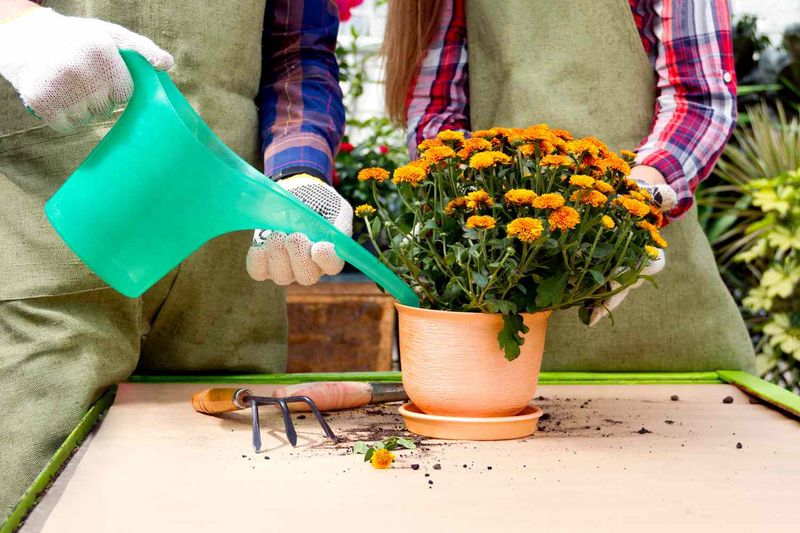
Once the pruners are put away for the season, consistent moisture becomes one of the most useful things a gardener can offer an established mum.
Late summer heat can dry out soil quickly, and mums have relatively shallow root systems that do not reach deeply into the ground for moisture reserves.
Ohio State University Extension notes that garden mums need regular watering, particularly during dry or hot periods. The goal is soil that stays evenly moist, not soil that swings between soaking wet and bone dry.
Saturated soil causes its own problems, so good drainage matters as much as consistent watering. Checking the soil an inch or two below the surface gives a more reliable read than looking at the surface alone.
Container mums dry out faster than plants growing in the ground. A potted mum sitting in full sun on a patio may need water more frequently than a landscape plant in amended garden soil.
The two situations are not interchangeable when thinking about a watering routine.
A layer of mulch around the base of landscape mums can help retain soil moisture and moderate soil temperature during late summer heat.
OSU Extension guidance on mulching generally recommends keeping mulch a few inches away from plant stems to avoid trapping excess moisture against the crown.
Keeping plants well-hydrated through this period supports the flower development already underway without requiring any additional shaping or intervention.
7. Too Much Fertilizer Can Encourage Growth At The Wrong Time
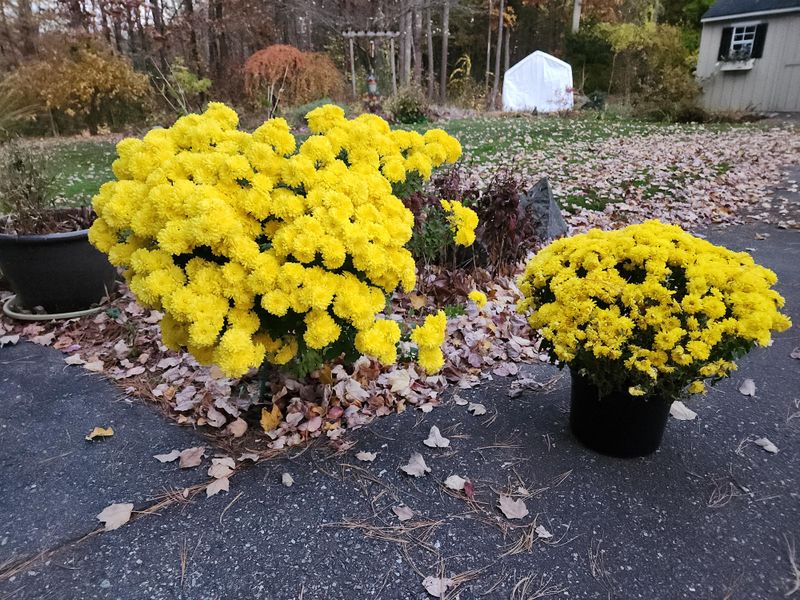
A mum that is deep green and leafy heading into late summer can tempt a gardener into adding fertilizer, especially if the plant has not opened any flowers yet. The logic seems reasonable: give it a boost and it will perform better.
The reality is more nuanced.
Nitrogen, which drives leafy, vegetative growth, is the nutrient most likely to work against a mum at this stage. A plant that receives a heavy nitrogen application when it should be shifting toward flowering may instead push out more soft green growth.
That new growth is not going to become flowers quickly, and it can actually compete with the plant’s reproductive priorities.
University extension guidance generally suggests that fertilization of garden mums should taper off as the season moves toward bud development. Feeding established landscape mums heavily in late summer is not well-supported by horticultural research.
Container mums may have somewhat different needs because they grow in a limited volume of potting mix. Even so, a heavy late-season nitrogen application is not typically recommended.
Soil testing through a cooperative extension service can give a clearer picture of what, if anything, a specific garden actually needs. Fertilizing based on a test result is more reliable than applying products based on how a plant looks.
A mum that appears healthy but flowerless in late summer is likely on a normal schedule, not suffering from a nutrient shortage that demands an immediate fix.