Tennessee Gardeners Should Skip This Morning Chore When The Forecast Hits 100 Degrees
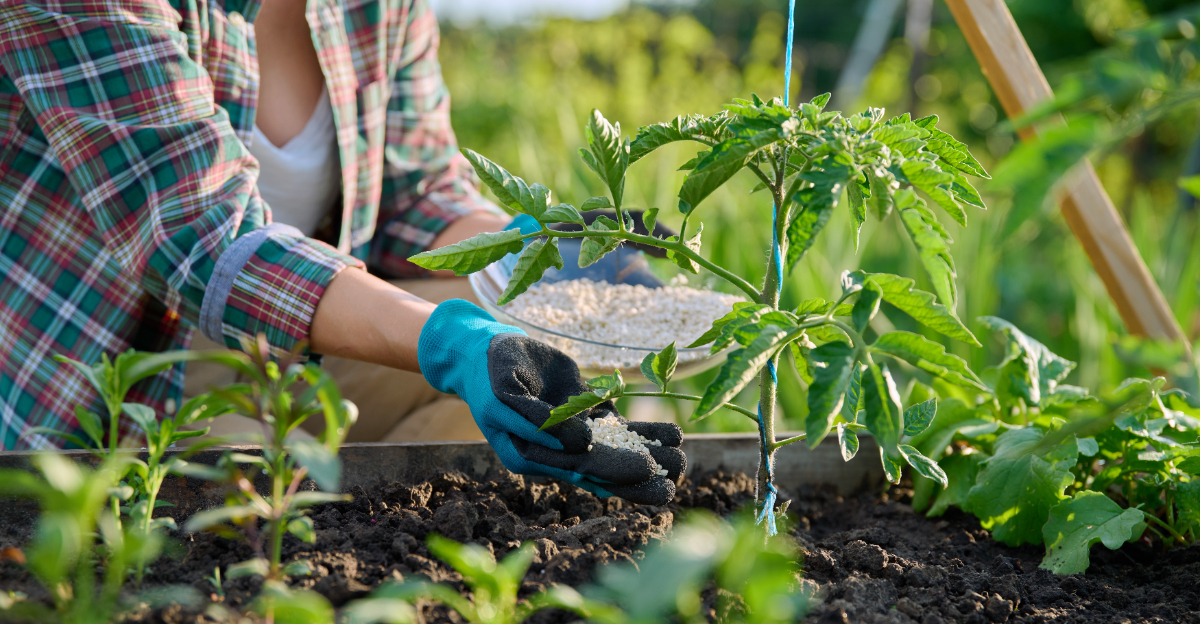
By 8 a.m. in Tennessee, the air already feels borrowed from an oven. Your tomatoes know it before you do.
Here’s what nobody tells you: the chores you rush through at sunrise, the ones that feel productive, are often the exact reason your plants limp through the afternoon. Watering wrong, pruning wrong, feeding wrong. All at the worst possible hour.
Heat this aggressive doesn’t forgive guesswork. It rewards timing, not effort. A gardener who moves smart at 7 a.m. beats one who works twice as hard at noon.
Ahead, the morning habits quietly wrecking Southern gardens right now, and the small swaps that keep leaves green when the mercury refuses to drop. Your garden isn’t a lost cause. It just needs a better morning.
This Common Morning Habit Backfires When Temperatures Spike
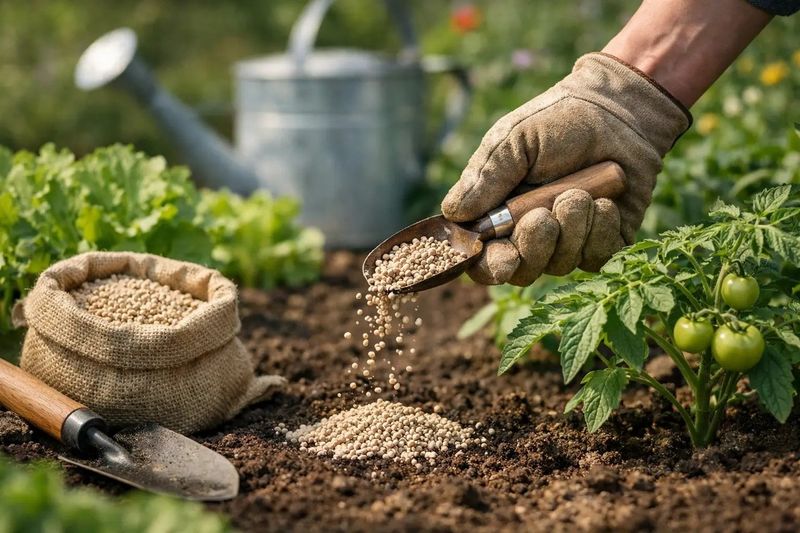
There’s one routine task that feels responsible on a scorching morning but quietly works against you. Tennessee gardeners reach for it out of habit, assuming it’s helping their plants push through the heat.
The problem isn’t the task itself, it’s the timing. What works perfectly well in mild spring weather can turn into a liability once temperatures climb past 100 degrees.
Plants under extreme heat stress shift into a different mode entirely. They stop focusing on growth and start focusing purely on survival, which changes what they actually need from you.
That shift matters more than most gardeners realize. A habit built around encouraging growth doesn’t make sense when growth isn’t what your plants are trying to do right now.
Most Tennessee gardeners never question this chore because it’s been part of their routine for years. Breaking that habit, even temporarily, can feel counterintuitive at first.
But extreme heat rewrites the rules of what plants actually need day to day. Ignoring that shift is often where good intentions start causing real damage.
Skipping this one task during the hottest stretch of summer can protect weeks of hard work. Understanding why starts with knowing exactly what’s happening underground when the heat sets in.
The chore in question is one almost every gardener reaches for without a second thought. Once you see why it backfires, the reasoning is hard to unsee.
It’s a small adjustment with a surprisingly large payoff. Your Tennessee garden will show the difference within days, not weeks.
Feeding Plants Becomes A Risk Instead Of A Boost
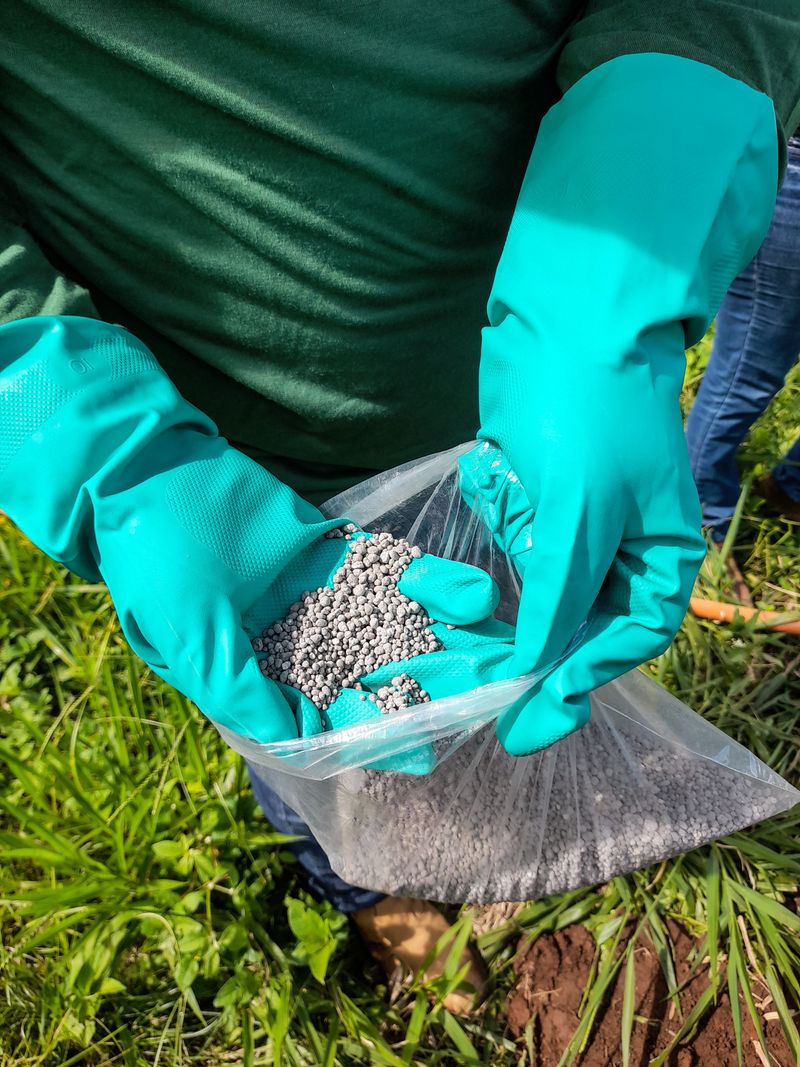
Fertilizing during a heatwave sounds proactive, but it often does more harm than good. Plants under heat stress aren’t building new growth, so the nutrients you’re adding have nowhere useful to go.
Fertilizer left sitting in hot, dry soil doesn’t simply wait around unused. It draws moisture toward itself, pulling hydration away from roots that are already working hard to stay alive.
That competition for moisture happens right when your plants can least afford it. Roots dealing with heat stress need every bit of available water just to function normally.
Your Tennessee Garden Changes Every Week. Your Plan Should Too.
Gardening in Tennessee changes quickly throughout the season. Every Friday you’ll receive a simple weekly plan showing exactly what to plant, prune, fertilize, harvest, and protect so you never miss the right timing.
Many Tennessee gardeners assume feeding helps plants recover faster from tough conditions. In reality, it adds one more demand on a system that’s already stretched thin.
This is easy to misunderstand because fertilizing feels like an act of care. Under normal conditions, that instinct is usually right, which makes it harder to recognize when it stops being helpful.
Extreme heat is the exception to nearly every normal gardening rule. What counts as support in June can quietly become a burden once triple digits arrive.
The better move is to pause feeding until the worst of the heat passes. Your plants will hold steady without it, and resume normal growth once conditions ease up.
Holding back now isn’t neglect, it’s protection. Recognizing that difference is often what separates a garden that bounces back from one that struggles into fall.
A short pause in feeding costs you very little in the long run. What you gain in return is a garden with enough reserve to actually make it through the heat.
Stressed Roots Can’t Process What You Give Them
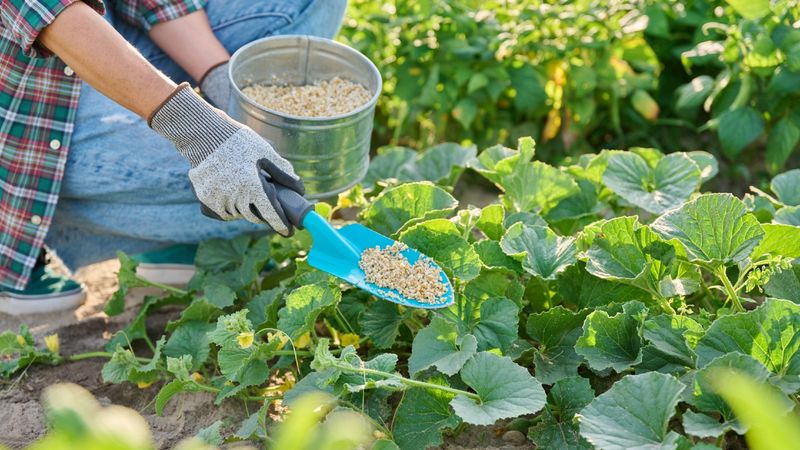
Nutrient uptake depends on a plant’s roots working efficiently, and extreme heat disrupts that process significantly. Roots under stress slow down their normal functions, including how they absorb everything from water to fertilizer.
Feeding a plant in this state is a bit like offering a heavy meal to someone who’s overheated and exhausted. The system simply isn’t ready to process it, no matter how well-intentioned the gesture is.
Unused nutrients don’t just disappear harmlessly in the meantime. They tend to build up in the soil, altering its chemistry in ways that create problems once the heat eventually breaks.
Salt buildup is one common result of this kind of mistimed feeding. That buildup can make it harder for roots to absorb water even after temperatures cool down again.
This delayed effect is part of why the mistake is so easy to miss. The damage doesn’t show up immediately, so gardeners often keep repeating the same habit without realizing the cost.
By the time symptoms appear, weeks may have passed since the original feeding. That gap makes it tempting to blame something else entirely, like watering or weather.
This is why patience during a heatwave pays off later. Waiting for roots to recover their normal function means nutrients you add afterward actually get used the way they’re meant to.
Timing, in this case, matters just as much as the fertilizer itself. A well-timed feeding does more good than a well-formulated one applied at the wrong moment.
Synthetic Fertilizers Carry Extra Risk In Extreme Heat
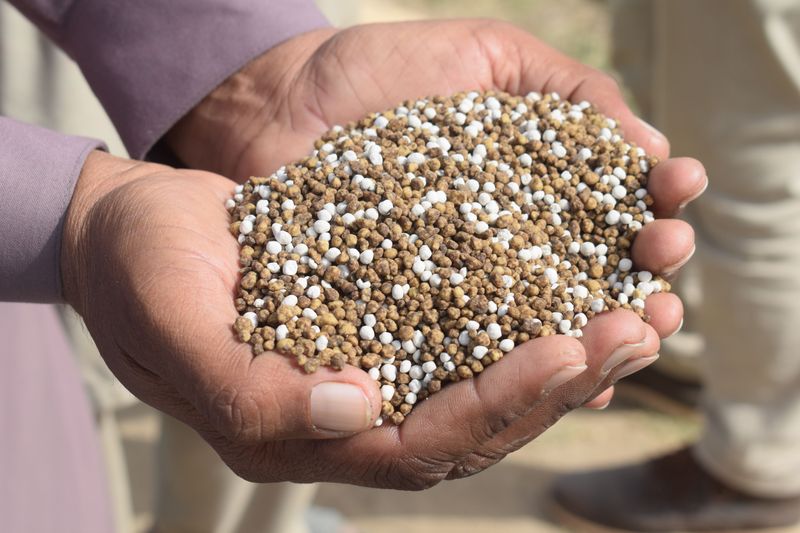
Not all fertilizers behave the same way once temperatures spike, and synthetic blends tend to carry more risk. Their salt content, which normally dissolves and disperses without issue, becomes more concentrated when soil moisture runs low.
That concentrated salt can irritate or even burn root tissue that’s already under stress. Damage like this often shows up gradually, making it easy to mistake for general heat wilt.
Organic fertilizers aren’t entirely risk-free either, though the danger looks a little different. Decomposing organic material generates a small amount of heat as it breaks down in the soil.
That extra warmth adds to a root zone that’s already dealing with high soil temperatures. It’s a small effect, but during an already stressful stretch, small effects tend to add up.
Slow-release formulas sit somewhere in between these two extremes. They tend to release nutrients more gradually, which softens the impact but doesn’t eliminate the risk entirely during extreme heat.
Reading the label on whatever fertilizer you typically use can help you understand its specific risk. Fast-acting synthetic options generally carry more concern than slower, gentler formulas during a heatwave.
Granular versus liquid form matters here too, since liquid fertilizers reach roots faster and more directly. That speed can be an advantage in mild weather but becomes a liability when roots are already overwhelmed.
Choosing to wait applies to both types, but knowing the difference helps you plan for when it’s safe to resume feeding your Tennessee garden again.
Timing Your Feeding Schedule Around The Heatwave
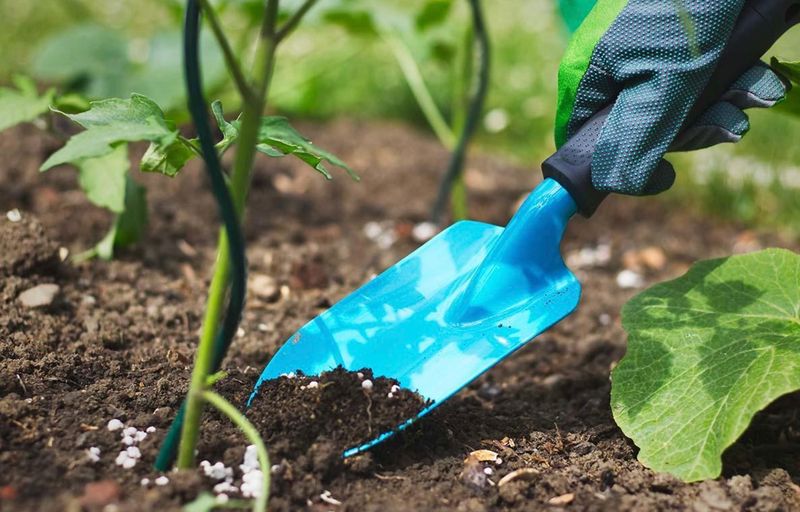
Knowing when to pause fertilizing is only half the equation, since knowing when to resume matters just as much. A good general guideline is to wait until temperatures settle consistently below 85 degrees.
Consistency is the key word here. A single cooler day during a longer heatwave doesn’t mean your plants have fully recovered from the stress they’ve been under.
Checking soil moisture alongside temperature gives you a clearer picture of readiness. Soil that’s still bone dry a few inches down suggests roots may need more time before handling fertilizer again.
Watching your plants themselves offers useful clues too. New leaf growth or perked-up foliage after cooler nights are good signs that roots are starting to function normally again.
If you fertilized right before a heatwave hit unexpectedly, a deep watering session can help. Pushing that fertilizer further down into the soil reduces the concentration near sensitive surface roots.
This step won’t undo every risk, but it meaningfully lowers the chance of root burn while temperatures remain high. Think of it as damage control rather than a full solution.
Planning around the forecast rather than the calendar makes this whole process easier. Checking a short-term outlook before feeding helps you avoid restarting too early, only to pause again days later.
A little flexibility in your schedule goes a long way during unpredictable summer weather. Gardens that adapt to real conditions tend to fare better than ones locked into a fixed routine.
Healthy Soil Gives Your Garden A Buffer
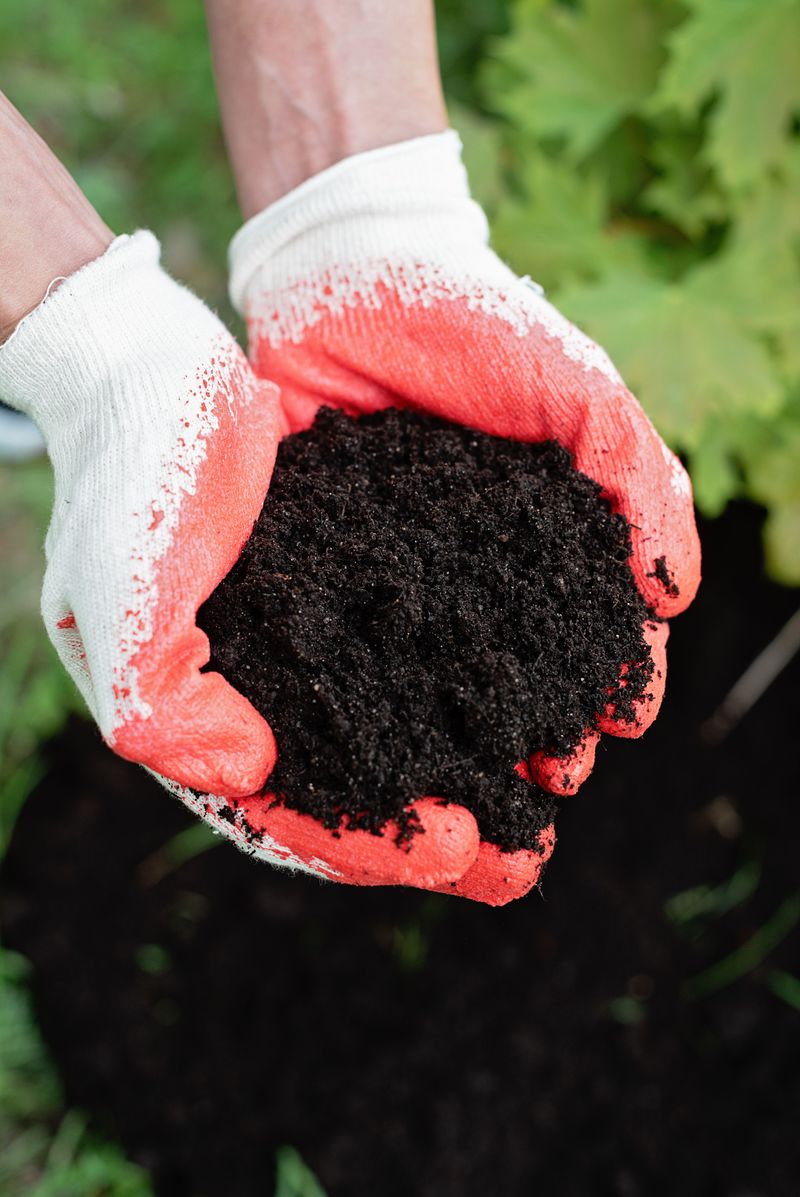
Gardens with rich, well-established soil tend to handle a pause in fertilizing far more easily than others. Compost and organic matter built up over time act as a slow, steady nutrient source on their own.
That built-in reserve means your plants aren’t relying entirely on scheduled feedings to stay healthy. During a heatwave, that buffer becomes especially valuable, since it reduces how urgent restarting fertilizer actually feels.
Investing in soil health during cooler months pays off exactly when conditions get tough. A layer of compost added in spring or fall keeps working quietly long after it’s applied.
Soil structure matters here too, not just nutrient content. Well-aerated soil with good organic content tends to retain moisture more evenly, easing some of the stress that triggers the urge to fertilize in the first place.
Earthworms and beneficial microbes also play a role in this equation. Healthy soil ecosystems keep breaking down organic matter steadily, supplying small amounts of nutrients even when you’re not actively feeding your plants.
Building this kind of soil doesn’t happen overnight, but every season adds to the effect. Tennessee gardeners who prioritize soil health consistently notice their plants recovering faster after each stretch of extreme weather.
Long-term soil care isn’t a quick fix for the current heatwave, but it changes how future ones feel. Gardens built this way tend to need less intervention exactly when intervention is riskiest.
Skipping fertilizer this week becomes far less stressful once you trust what’s already working beneath the surface.