More Tree Frogs In Your Florida Garden, Fewer Roaches (This Is How To Attract Them)
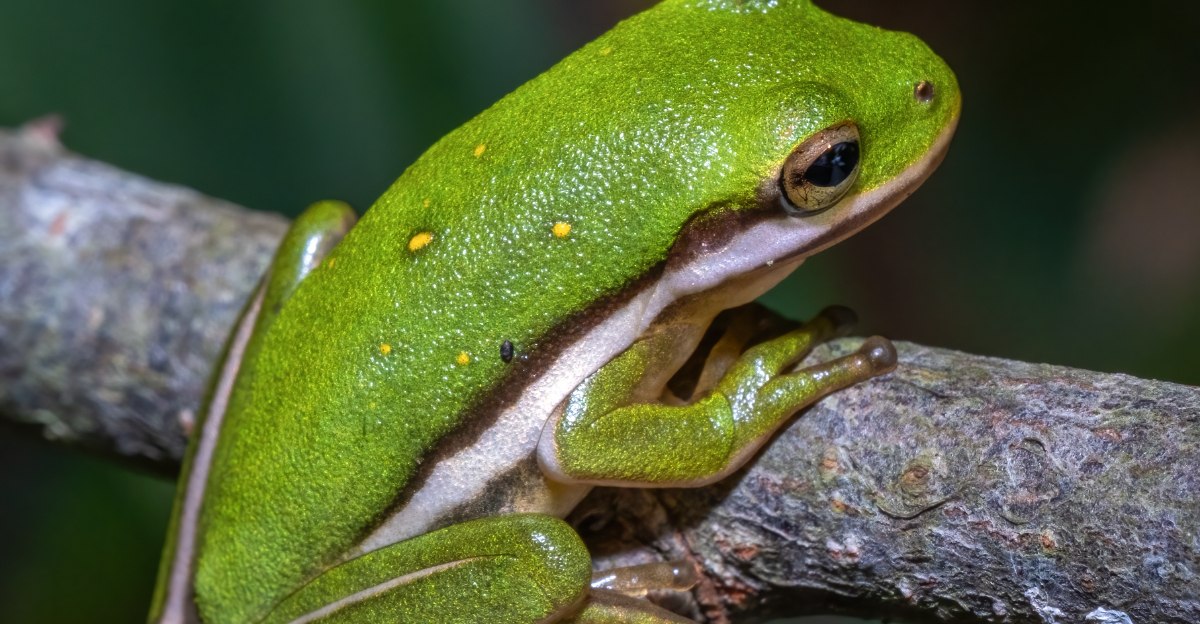
Something is hunting roaches in Florida yards every night. It works without a schedule, without a product, and without anyone having to think about it once it moves in.
Tree frogs. They patrol walls, gutters, and entry points after dark with an appetite that makes a can of raid look like a part time solution.
A yard with plenty of tree frogs may benefit from their natural insect-hunting activity, although frogs should not be relied on to produce a noticeable reduction in roaches. Most Florida yards are not set up for them.
The conditions tree frogs require are specific and almost never happen by accident in a maintained landscape. A few deliberate changes shift that.
The frogs notice fast. What they do to the roach situation around the foundation and the front door after dark is one of the more satisfying natural cause and effect relationships a Florida yard can produce.
1. Add A Small Water Feature
Before adding water, keep one Florida-specific caution in mind: not every tree frog is one you want to encourage. The Cuban treefrog is invasive in Florida and can prey on native frogs.
It also readily uses birdbaths, ponds, and other artificial water sources for habitat and breeding. Learn to identify the frogs in your yard before deliberately attracting more of them.
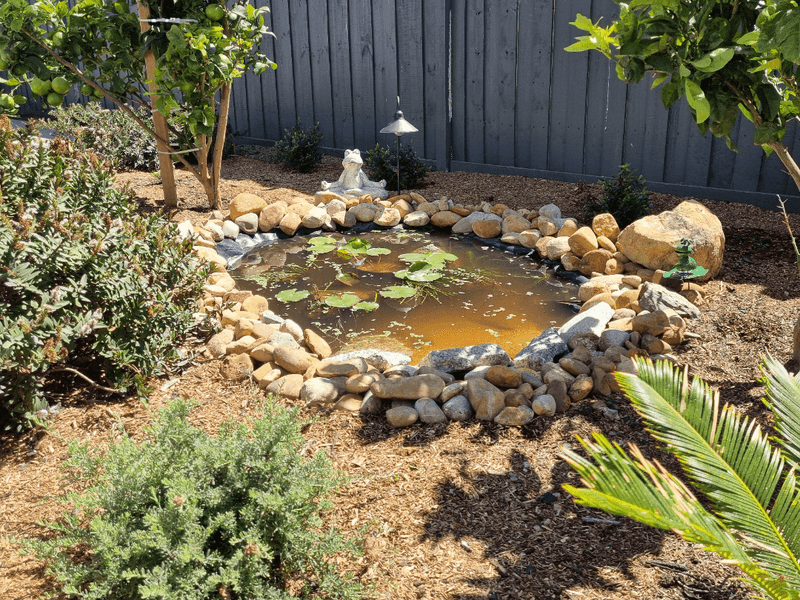
Access to moisture and suitable habitat is important for many frogs. A little pond, birdbath, or even a shallow dish can make your garden instantly more inviting.
Tree frogs need moisture to keep their skin healthy, and they lay eggs in still water. A quiet spot without fish works best, since fish often eat frog eggs and tadpoles.
Keep the water clean and topped off, especially during dry spells.
You do not need anything fancy or expensive to start. A plastic tub sunk into the ground works fine, as long as you add a ramp or rocks so frogs can climb out.
Place a few plants around the edge for shade and cover.
Try to keep the water free of chlorine, since it can bother a frog’s delicate skin. Let tap water sit out overnight before adding it, or use collected rainwater instead.
Position your water feature in a shady corner near bushes.
Frogs will feel safe there and visit more often at night. Once word spreads in the frog world, you may hear them calling after dark.
That sound means your garden is becoming a real home. A simple water source is the fastest way to attract these helpful hunters.
2. Plant Native Florida Shrubs And Trees
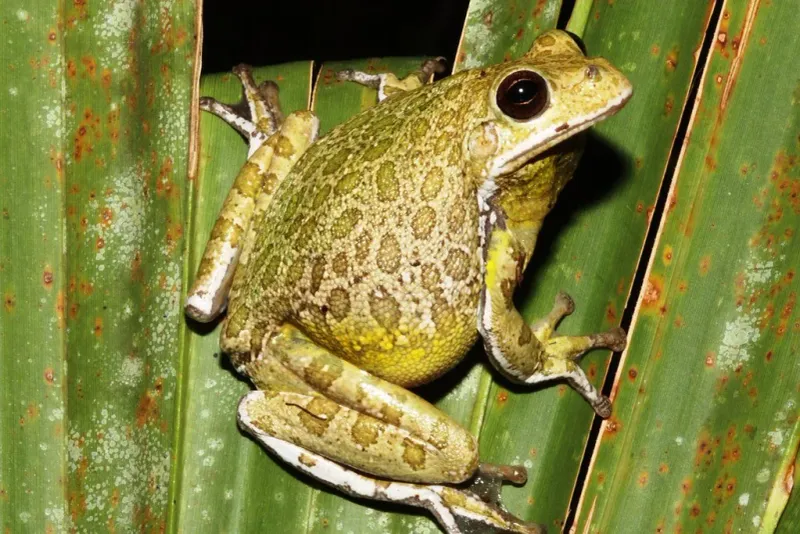
Frogs love hiding spots, and native plants give them the perfect cover. Thick shrubs, tall grasses, and leafy trees create shady places where frogs can rest during the hot day.
Plants like firebush, beautyberry, and wax myrtle grow well in Florida and attract insects too. More bugs mean more food for your frog visitors.
Native plants also handle the heat and rain better than many store-bought varieties.
Layering your garden helps a lot. Mix low ground plants with medium bushes and taller trees so frogs can climb and hide at different heights.
Your Florida Garden Changes Every Week. Your Plan Should Too.
Gardening in Florida changes quickly throughout the season. Every Friday you’ll receive a simple weekly plan showing exactly what to plant, prune, fertilize, harvest, and protect so you never miss the right timing.
Tree frogs especially enjoy climbing, so branches and broad leaves give them highways around your yard.
Avoid trimming everything too neatly. A slightly wild corner with fallen leaves and dense growth feels safe to frogs.
Leave some areas natural and messy on purpose.
Native plants also need less water and fewer chemicals to thrive. That keeps your garden safer for frogs and gentler on your wallet.
Over time, a garden full of local plants becomes a busy little ecosystem.
You will notice more birds, butterflies, and of course frogs. Choosing plants that belong in Florida is one of the best long-term steps you can take.
It rewards you with a lively, low-effort garden.
3. Skip The Pesticides And Bug Sprays
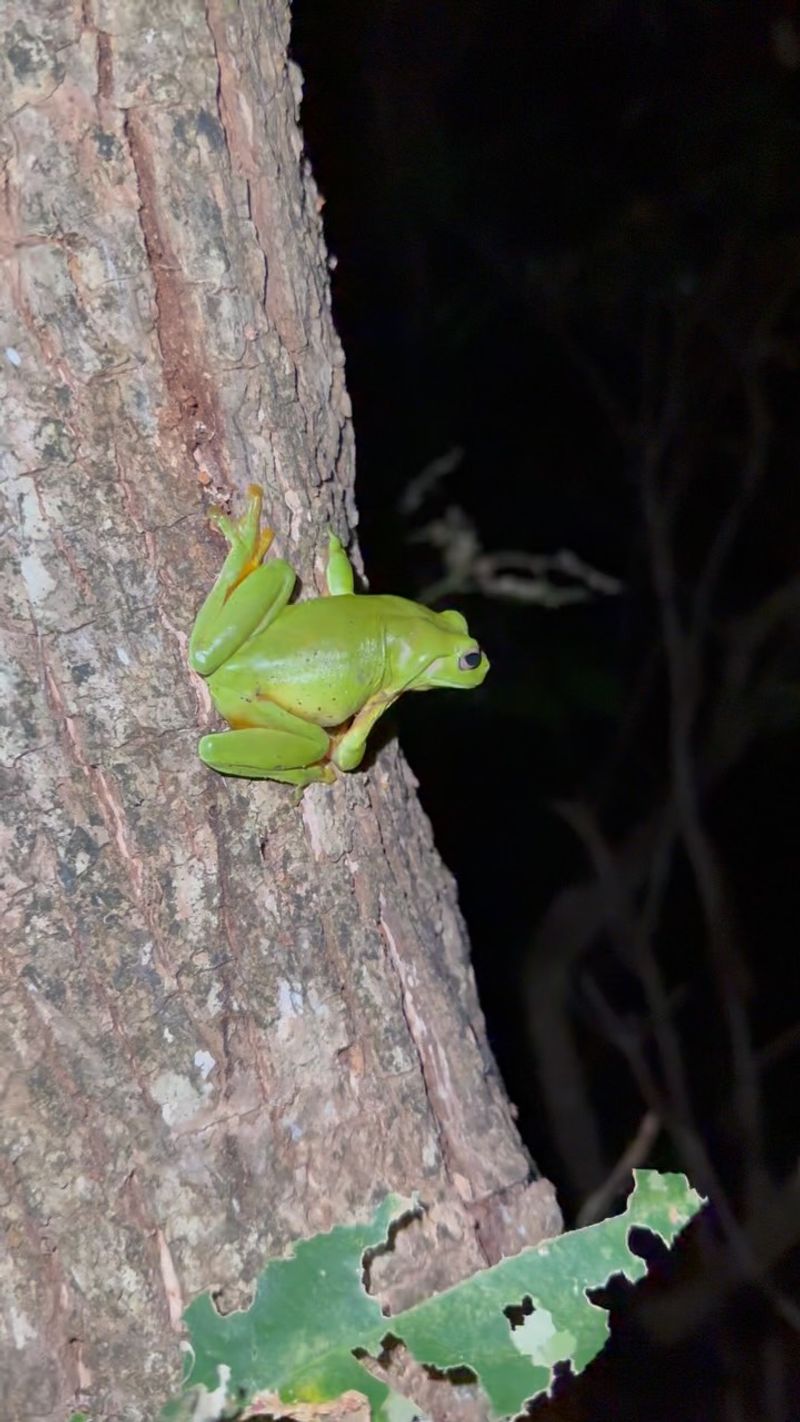
Chemical sprays might seem like the quick fix for roaches, but they can harm the frogs you want to attract. Frogs exchange gases and water through their permeable skin, which can also make them vulnerable to some chemicals in their environment.
When you spray poisons, you also wipe out the insects frogs eat. Without food, frogs simply move on to a better yard.
Cutting out these chemicals keeps your tiny helpers safe and well fed.
Instead of sprays, let the frogs handle pest patrol for you. Tree frogs eat a variety of insects and other small prey, and some may occasionally eat cockroaches.
Give them time, and the natural balance will start to work.
If you must deal with a pest problem, choose gentle options. Soapy water, hand removal, or barriers are safer than harsh chemicals.
Always read labels and pick products marked safe for wildlife.
Fertilizers can cause trouble too, so use them sparingly near water features. Runoff from lawns often carries chemicals into ponds where frogs live.
Keeping that water clean protects eggs and young frogs.
Going chemical-free takes patience at first. You may see a few more bugs before the frogs move in and settle.
Stick with it, and soon your garden will police itself naturally, with frogs doing the hard work.
4. Create Cozy Hiding Spots
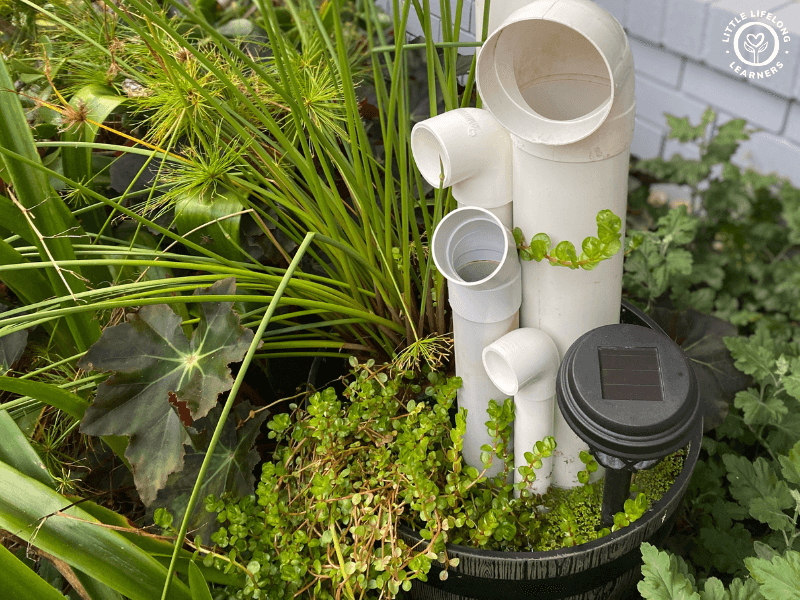
Every frog needs a safe place to hide from the sun and hungry predators. You can build simple shelters using things you probably already have around the yard.
Overturned clay pots with a small opening make great frog houses. Just prop one edge up with a rock so a frog can slip inside.
Place these pots in shady, damp spots near plants or water.
Logs, flat stones, and piles of leaves also work wonderfully. Frogs tuck themselves underneath during the heat and come out to hunt at night.
The cooler and moister the hideout, the more frogs will love it.
You can even buy or make special frog houses that look cute in a garden bed. A hollow ceramic dome with an entry hole gives frogs a snug retreat.
Kids often enjoy decorating these little homes.
Spread several hiding spots around your yard instead of just one. That way frogs always have somewhere close to duck into when they feel scared.
Spacing shelters out also helps more frogs settle in.
Keep these spots undisturbed so frogs feel secure. If you check on them, do it gently and quickly.
Over time, some frogs may repeatedly use suitable hiding places and emerge at night to feed on nearby insects.
5. Use Outdoor Lighting Carefully
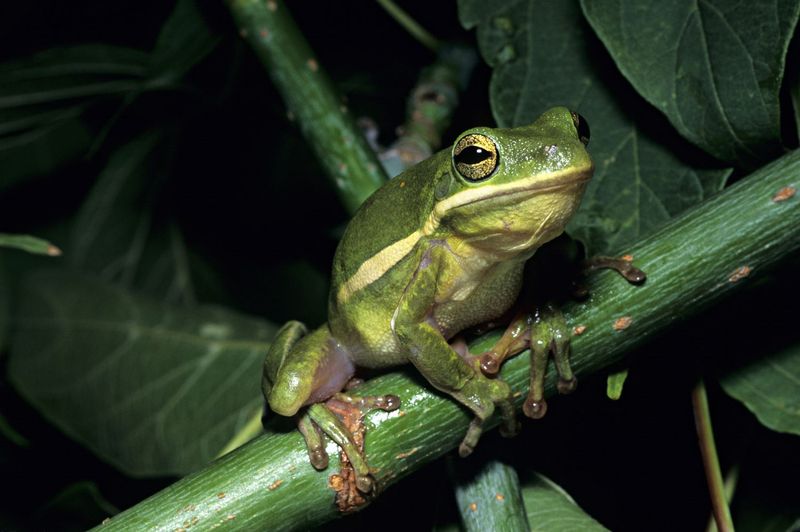
Here is a clever trick that frogs figured out long ago. Outdoor lights attract flying insects, and those bugs draw hungry tree frogs like a magnet.
You have probably seen frogs stuck to a window near a porch light at night. They gather there because it is basically an all-you-can-eat buffet.
Moths, gnats, and other insects swarm the glow, and frogs wait to snatch them.
There is no need to leave outdoor lights on specifically to attract frogs. Artificial lighting can also attract unwanted insects and invasive Cuban treefrogs.
If outdoor lighting is necessary, warmer or yellow-toned lighting is generally less attractive to many insects than bright white or blue-rich lighting.
You do not need to run lights all night long. This also saves energy and keeps your yard from getting too lit up.
Position the light near a wall, window, or post where frogs can cling and hunt. Tree frogs are excellent climbers with sticky toe pads.
Give them a smooth surface, and they will happily perch there.
Instead of using lights as an attractant, provide suitable vegetation, shelter, and moisture in other parts of the landscape.
6. Keep Part Of Your Yard A Little Wild
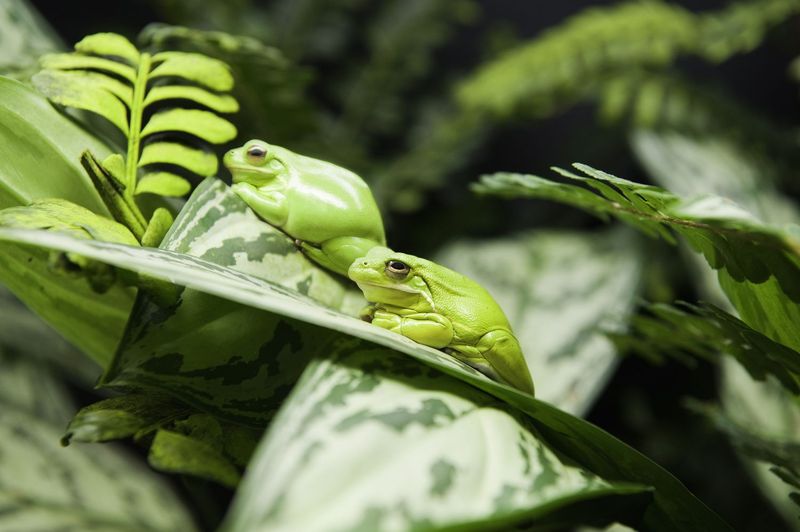
A perfectly trimmed lawn looks nice, but it offers frogs almost nothing. Wild patches, on the other hand, are packed with the cover and food frogs crave.
Set aside one corner of your yard where you let nature take over. Allow some vegetation to grow more densely and provide ground cover, while avoiding large accumulations of damp debris near your home’s foundation.
Frogs will treat this little jungle as their headquarters.
Tall plants and ground cover keep the soil moist and cool. That moisture matters because frogs dry out easily in Florida’s heat.
A shady, damp patch becomes a comfortable daytime resting zone.
Fallen leaves and mulch also host tiny insects and worms. These critters feed frogs and other helpful garden animals.
The more life in your soil, the more frogs will stick around.
You do not have to make your whole yard messy. Just one designated wild spot can make a big difference.
Neighbors will still see a tidy garden, while frogs enjoy their private hideout.
Add a log or two and maybe a small water dish nearby. That combination turns the wild corner into a frog magnet.
Over the seasons, you will spot more frogs using it as a home base for their nightly bug hunts.
7. Build A Simple Frog Pond With Plants
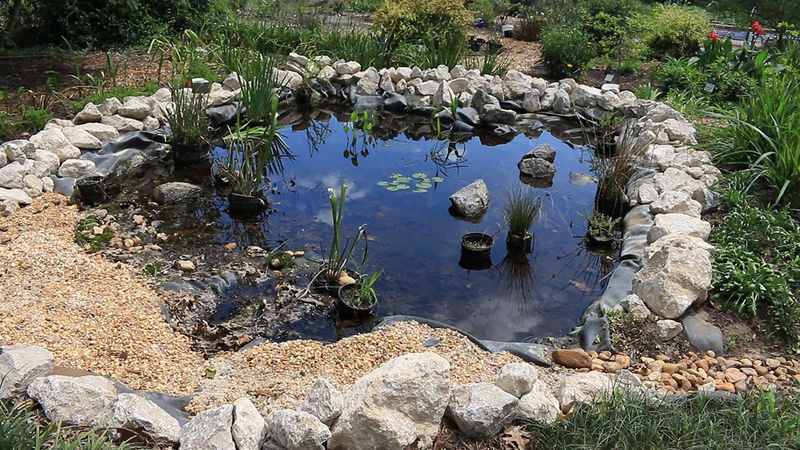
If you want to go a step beyond a basic dish, a planted pond is the gold standard. Frogs adore ponds surrounded by greenery where they can breed and hide.
Start by digging a shallow hole and lining it with a pond liner. Add rocks along the edges so frogs can climb in and out safely.
Slope one side gently to create an easy exit ramp.
Fill the pond with water plants like lily pads, rushes, and floating greenery. These plants give frogs shade, cover, and spots to lay eggs.
They also keep the water cool and full of oxygen.
Leave the pond fish-free if you want tadpoles to grow. Fish often eat eggs and young frogs before they mature.
A frog-only pond becomes a nursery for the next generation of bug hunters.
Keep the water topped off during dry months, especially in spring and summer. Frogs return to the same pond year after year once they trust it.
Consistency keeps your frog population strong.
Surround the pond with native plants and a couple of shelters. That full setup gives frogs everything they need in one place.
A well-planned pond can transform your entire garden into a thriving frog haven.
8. Offer Damp, Shady Ground Cover
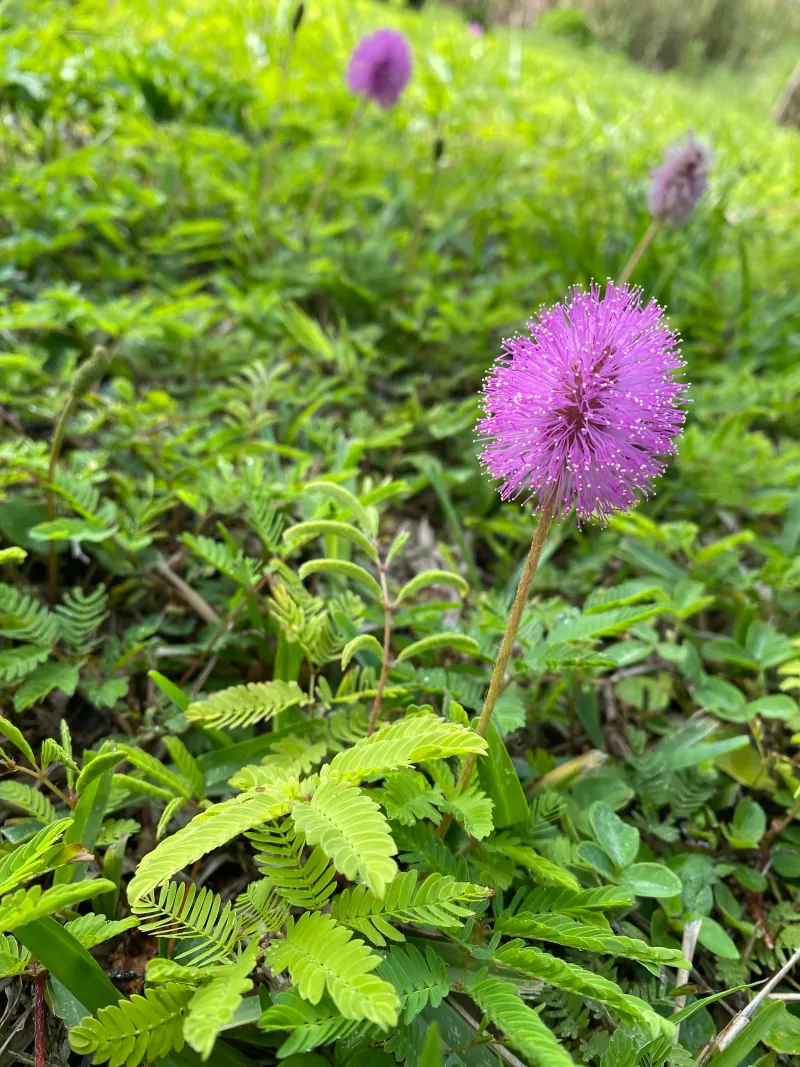
Frogs get uncomfortable fast when the ground turns hot and dry. Providing cool, moist ground cover keeps them happy through Florida’s blazing afternoons.
Ferns, ground vines, and leafy plants create a shady carpet that holds moisture. A moderate layer of mulch can help soil retain moisture, but avoid piling mulch against the home’s foundation, where it may also provide shelter for pests.
A damp, shaded floor feels like a spa to a tree frog.
Water these areas in the early morning or evening to keep them fresh. You do not need to soak everything, just enough to keep the ground from baking.
Consistent moisture invites frogs to stay all day.
Try grouping shade-loving plants under trees or along fences. These naturally cooler zones become prime frog territory.
The thicker the cover, the safer frogs feel from birds and other predators.
Mulch also helps by hosting insects that frogs snack on. Worms, beetles, and other tiny bugs love decaying leaves and bark.
That means built-in food right where the frogs rest.
Avoid using dyed or chemically treated mulch near frog zones. Plain, natural mulch is the safest choice for wildlife.
Refresh it once or twice a year to keep the ground healthy.
With cool, moist cover in place, frogs will linger in your garden longer and hunt more roaches for you.
9. Reduce Predators And Free-Roaming Pets
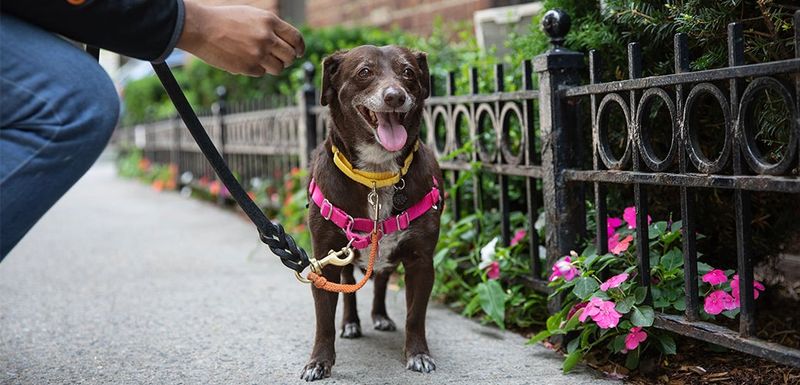
Frogs will not stick around a yard that feels dangerous. Cats, dogs, and other roaming animals can scare frogs away or hunt them.
If you have outdoor pets, try keeping them inside during the evening hours. Frogs are most active at night, which is exactly when curious pets like to prowl.
Giving frogs a calm nighttime yard helps them settle in.
Cats especially love chasing small hopping creatures. A bell on the collar can warn frogs, but keeping cats indoors at night works even better.
Your frogs will thank you by handling the bug patrol.
Also think about reducing spots where snakes and large birds gather. You cannot control wild predators completely, but dense plant cover gives frogs places to hide.
Shelters and thick shrubs offer quick escape routes.
Try not to disturb frog hiding spots yourself either. Frequent poking around makes frogs nervous and likely to leave.
Observe them from a respectful distance instead.
Keep feeders and food scraps away from frog areas too. Leftover food attracts raccoons and other animals that bother frogs.
A cleaner, calmer yard feels safer to your amphibian guests.
A quieter yard with suitable shelter may be used by more frogs over time. Their insect feeding can contribute to the garden ecosystem, but it should not be considered a dependable method of cockroach control.
10. Be Patient And Let Nature Balance Out
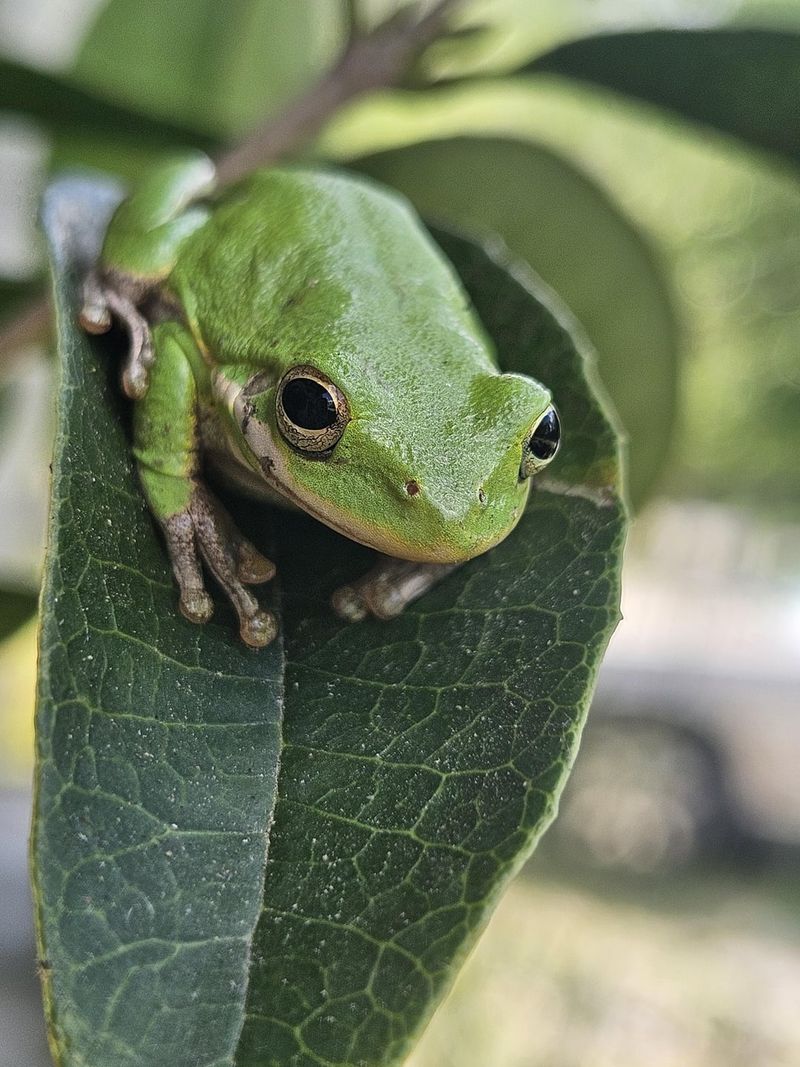
Attracting frogs is not an overnight fix, and that is perfectly okay. Nature takes its own sweet time to find balance in your garden.
After you add water, plants, and shelter, frogs need a while to discover your yard. They may show up one or two at a time before more follow.
Resist the urge to force things or give up too early.
During the waiting period, you might notice more bugs than usual. That is actually a good sign, because those bugs are the food that draws frogs in.
Once frogs arrive, they get to work on the roaches quickly.
Keep your garden steady and consistent while you wait. Maintain the water, avoid chemicals, and protect the hiding spots.
Frogs reward reliability by returning season after season.
Try to enjoy the process instead of watching the calendar. Listen for frog calls at night as a sign your efforts are paying off.
Each new frog voice means your bug problem is shrinking.
Over time, your garden becomes a self-managing little world. Frogs handle pests, plants provide cover, and everything works together.
Patience turns your yard into a peaceful, roach-light retreat.
Stick with these tips, and Florida’s friendly tree frogs will happily become your garden’s night-shift pest control crew.