The Boxwood Alternative Maryland Landscapers Wish More People Knew About
Your boxwoods are struggling, and no fungicide can save them. Blight has spread through Maryland landscapes with surprising speed. Every hedge you planted for structure now looks weakened.
Gardeners across the state keep replacing shrubs that struggle. Nobody warns you about the trouble already living in your soil. Meanwhile, a native plant has quietly resisted every outbreak nearby.
Foresters have watched it thrive in swamps and shade for years. Maryland’s wild landscapes are full of this stubborn, glossy performer. Botanists call it resilient; homeowners call it a genuine improvement.
Unlike boxwood, it simply resists trouble without chemical intervention. Deer tend to avoid it, pollinators love it, and winters barely touch it. You already have the answer growing wild near you right now.
Something is about to change how you think about hedges completely. Once you understand what this shrub can do, ignoring it stops being an option.
Why Boxwood Struggles In Maryland Landscapes
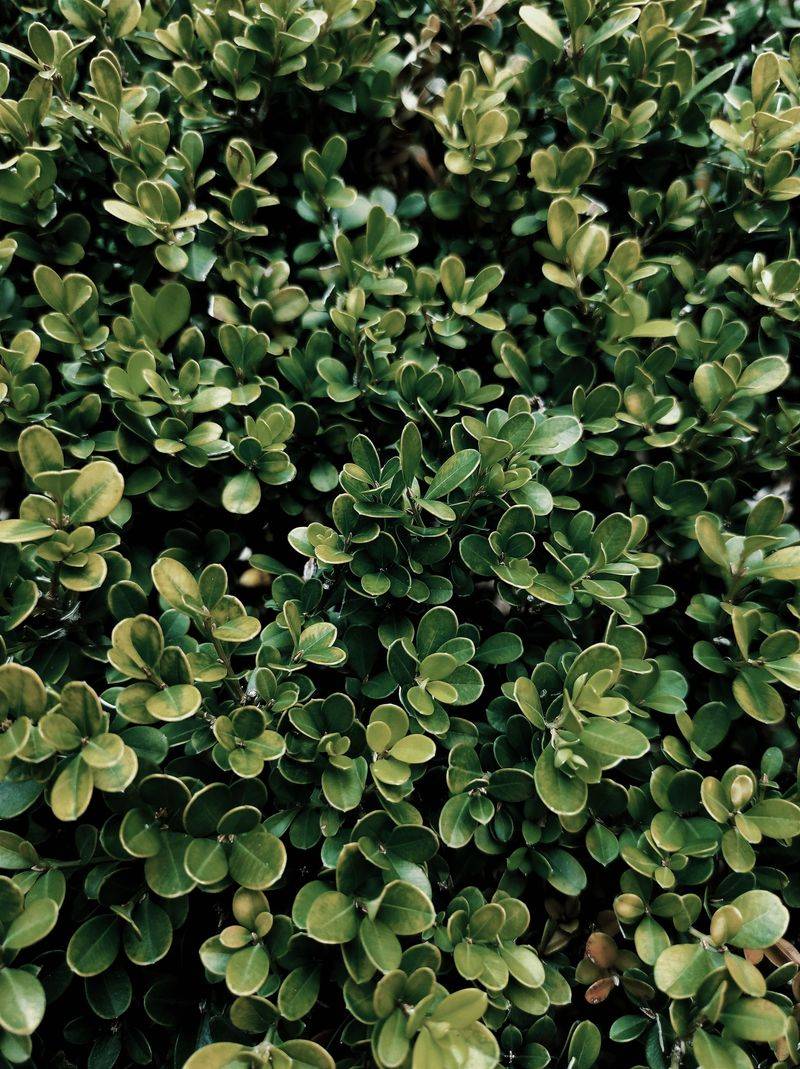
Boxwood looked perfect on paper. It promised tidy hedges, evergreen color, and classic curb appeal year after year.
Then Maryland’s climate had other ideas. Boxwood blight, caused by the fungus Calonectria pseudonaviculata, has affected plantings across the state since 2011.
Humid summers create the perfect storm for this disease. Spores spread fast in wet conditions, and a single infected plant can damage an entire hedge within weeks.
Beyond blight, boxwood also struggles with Maryland’s clay-heavy soil. Poor drainage restricts oxygen to roots and leads to slow, frustrating decline.
Winter burn is another problem locals know well. Cold, dry winds strip moisture from boxwood leaves, leaving behind an orange-brown discoloration every February.
Deer pressure makes things worse. Hungry deer munch on boxwood during harsh winters when other food sources disappear.
The cost of treating boxwood adds up quickly. Fungicide sprays, soil amendments, and replacement plants add up over multiple seasons.
Landscapers across the state have started steering clients away from boxwood entirely. The maintenance demands simply outweigh the visual benefits for most home gardens.
A better option exists, and it is native to this very region. Inkberry Holly, the boxwood alternative Maryland gardeners need, is already thriving in local ecosystems without any help at all.
Meet Inkberry Holly, The Native Alternative
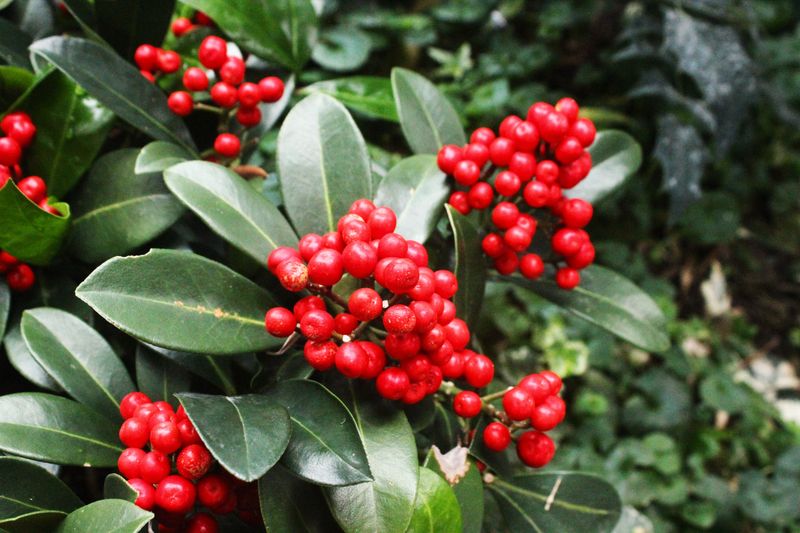
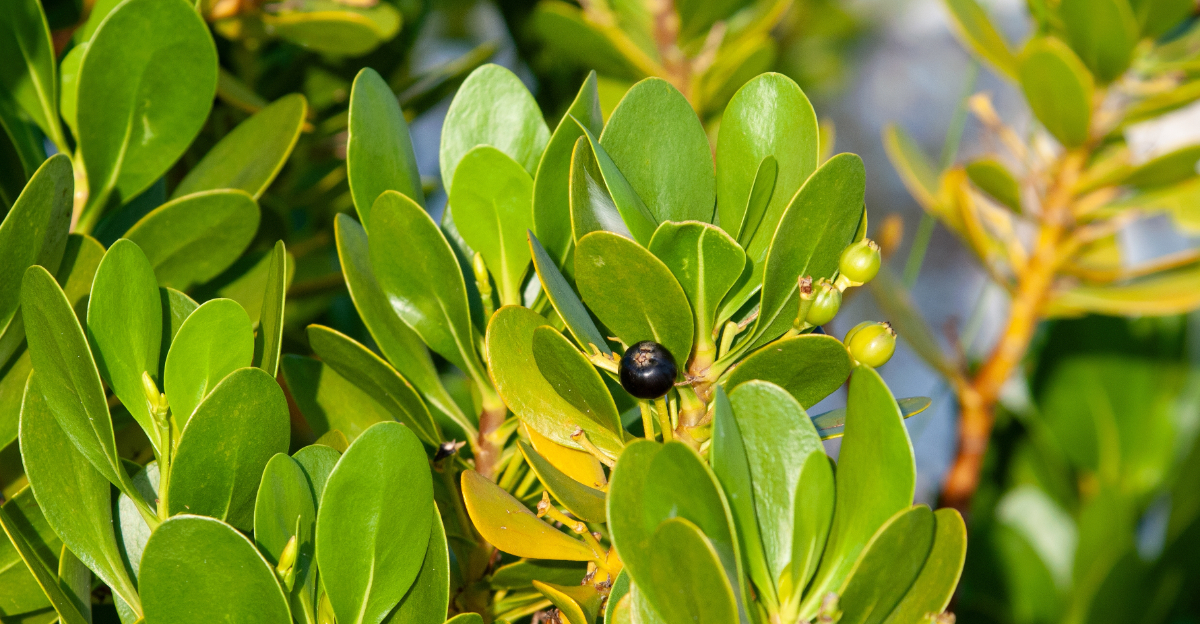
Inkberry Holly goes by the scientific name Ilex glabra. It is a broadleaf evergreen native to the Eastern United States, including Maryland’s coastal plains and piedmont regions.
Gardeners often do a double-take when they first see it. The dense, dark green foliage looks remarkably similar to boxwood from a distance.
Up close, the differences are charming. Glossy oval leaves catch the light in a way that makes the whole shrub look polished and well-tended without extra effort.
Inkberry Holly is the boxwood alternative Maryland landscapers have been quietly recommending for years. It handles local growing conditions far better than any imported ornamental shrub.
Native plants evolved alongside local insects, birds, and soil microbes. That long history means Inkberry Holly already knows how to survive Maryland winters, wet springs, and scorching August heat.
Your Maryland Garden Changes Every Week. Your Plan Should Too.
Gardening in Maryland changes quickly throughout the season. Every Friday you’ll receive a simple weekly plan showing exactly what to plant, prune, fertilize, harvest, and protect so you never miss the right timing.
Most cultivated varieties stay between three and six feet tall. Popular options like Shamrock and Gem Box offer compact growth habits that fit neatly into formal or informal garden designs.
Gem Box is especially worth knowing about. This dwarf variety grows slowly and stays tidy without constant pruning, making it a favorite among homeowners who want low-maintenance structure.
Transplanting is straightforward in spring or fall. Established plants need minimal care and reward patience with steady, reliable growth that boxwood simply cannot match in this climate.
Year-Round Color Without The Winter Damage
One of the biggest complaints about boxwood is the winter damage. That orange-brown fade starts around January and lingers well into March.
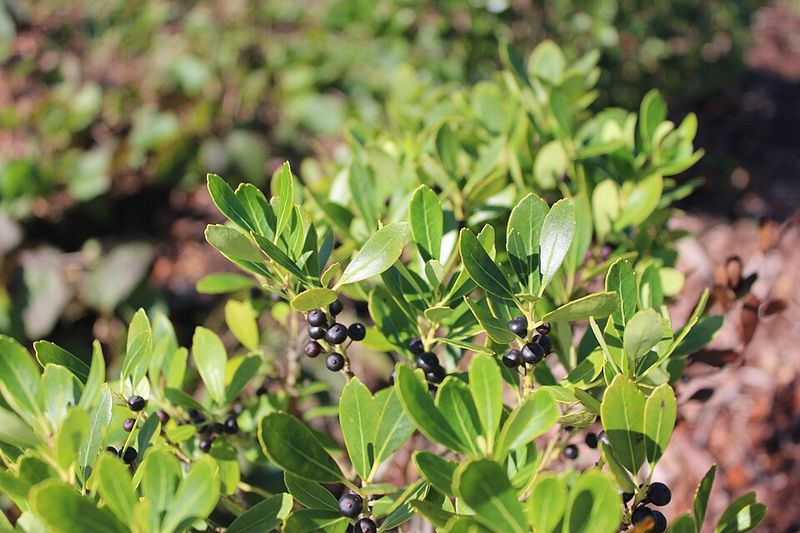
Inkberry Holly skips that problem entirely. Its glossy leaves stay dark green through frost, ice storms, and the kind of bitter cold that turns boxwood into a rust-colored mess.
Cold hardiness is built into Inkberry’s DNA. It is generally hardy in USDA zones four through nine, depending on the cultivar, which means Maryland winters typically fall within its comfort range.
The plant does not need burlap wrapping or anti-desiccant sprays to survive the season. That alone saves hours of fall prep work and removes a recurring expense from the garden budget.
Spring brings fresh new growth in a brighter shade of green. Watching that color shift is one of the small pleasures that native plant gardeners talk about with genuine excitement.
Summer foliage is equally impressive. The deep, waxy green creates a rich backdrop that makes flowering perennials and ornamental grasses pop with contrast.
Fall is when Inkberry Holly earns extra attention. Small black berries appear in clusters against the dark foliage, adding texture and visual interest during a season when most shrubs look tired.
Winter structure is strong and dependable. Even under a heavy snowfall, the branches hold their shape and keep the garden looking intentional rather than abandoned.
Seasonal interest across all four quarters is something boxwood simply cannot offer. Inkberry Holly delivers every single month of the year.
Thriving In Clay Soil And Humid Summers
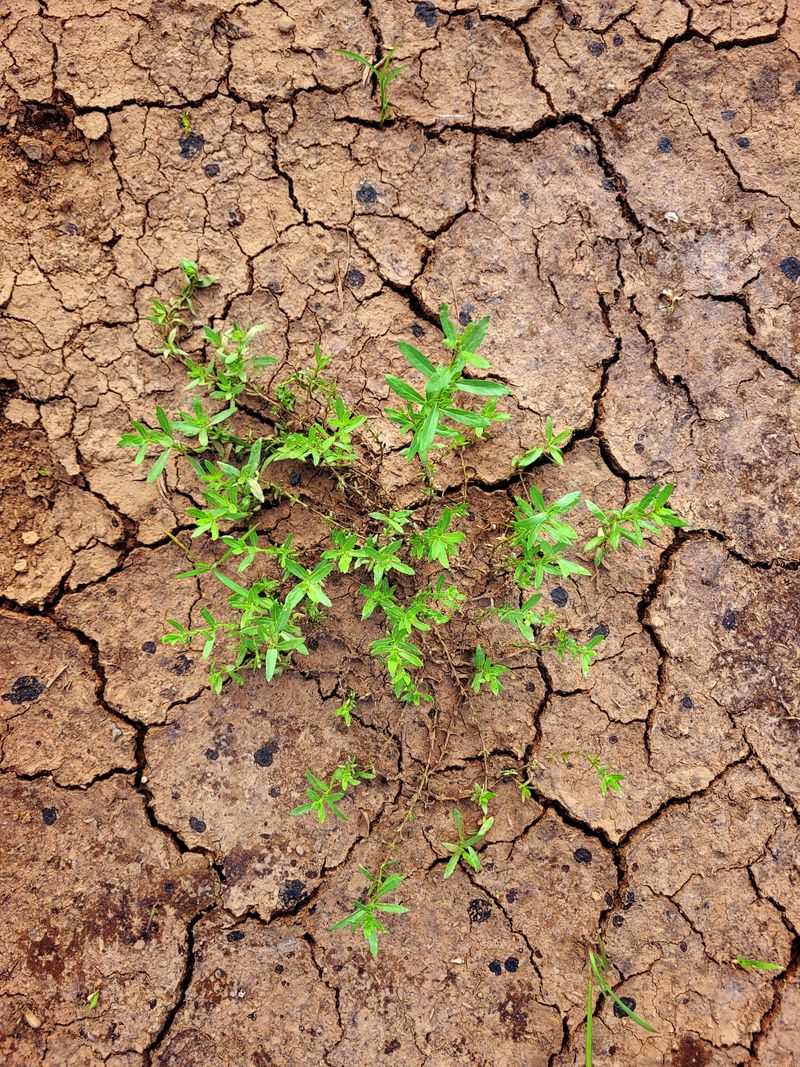
Maryland soil is notoriously stubborn. Heavy clay dominates much of the state, and it drains slowly, compacts easily, and frustrates gardeners who try to grow plants not suited for it.
Boxwood roots struggle in wet clay. That combination leads to root rot, yellowing leaves, and eventual plant loss no matter how carefully you tend the garden.
Inkberry Holly was practically designed for these conditions. In the wild, it grows naturally in wet areas, boggy woodland edges, and poorly drained flats where few other shrubs survive.
Clay soil is not a problem for this plant. Standing water after a heavy rain is something Inkberry handles with ease, making it perfect for low spots in the yard.
Rain gardens have become popular in Maryland as homeowners manage stormwater runoff. Inkberry Holly is one of the top recommended plants for these features because of its natural affinity for moisture.
Humid summers can trigger fungal issues in many ornamental shrubs. Inkberry Holly shows strong resistance to the same blights and leaf spot diseases that destroy boxwood plantings.
Air circulation through the branching structure helps prevent moisture buildup on leaves. That natural design reduces disease pressure without any chemical intervention.
Heat tolerance is equally solid. Even during August heat waves, established plants keep their color and form without wilting or looking stressed.
Planting in clay no longer means choosing between survivors and showpieces. Inkberry Holly proves a shrub can be both tough and beautiful at the same time.
Berries And Wildlife Benefits Boxwood Can’t Match
Boxwood offers almost nothing to local wildlife. Birds ignore it, insects avoid it, and pollinators pass right over it in search of something more useful.
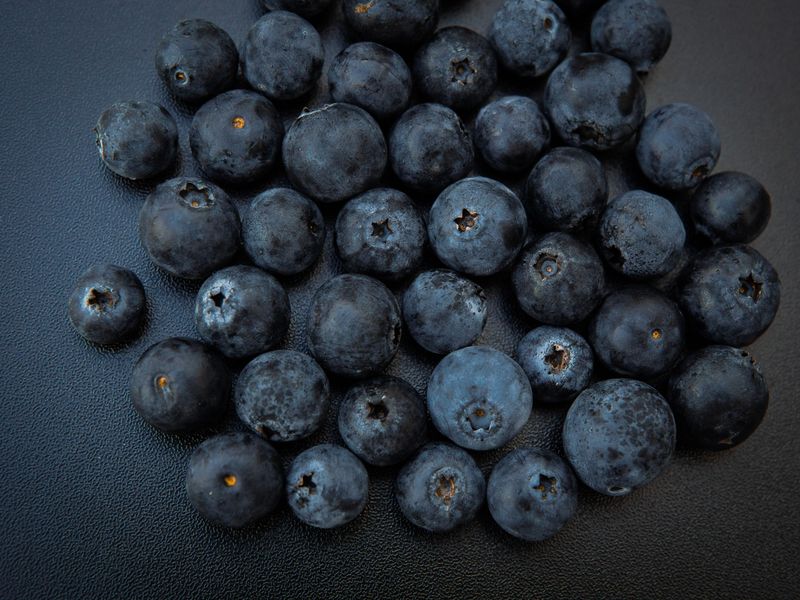
Inkberry Holly operates on a completely different level. The small black berries that ripen in fall become an important winter food source for dozens of bird species.
American robins, cedar waxwings, and hermit thrushes flock to Inkberry plantings when other food sources run low. A flock of waxwings can quickly clear the berries from a hedge.
The native bees that visit Inkberry flowers in spring are another bonus. Small native species, including sweat bees and mining bees, rely on these blooms for early-season pollen.
Supporting native pollinators is increasingly important as habitat loss accelerates across suburban Maryland. A single Inkberry hedge can make a meaningful difference in a neighborhood’s ecological health.
The berries are not just bird food. They persist on the plant well into winter, adding visual interest during the months when most garden color disappears.
From a landscaping standpoint, those dark berries against glossy green leaves create a natural ornamental effect. Minimal trimming or maintenance is needed, and the seasonal beauty arrives on its own schedule.
Boxwood contributes nothing to the local food web. Inkberry Holly, by contrast, acts as a small ecosystem all by itself.
Choosing native plants is a form of land stewardship that extends beyond your property line. Every Inkberry hedge planted is a benefit to the surrounding ecosystem.
Tips For Switching Your Hedge To Inkberry
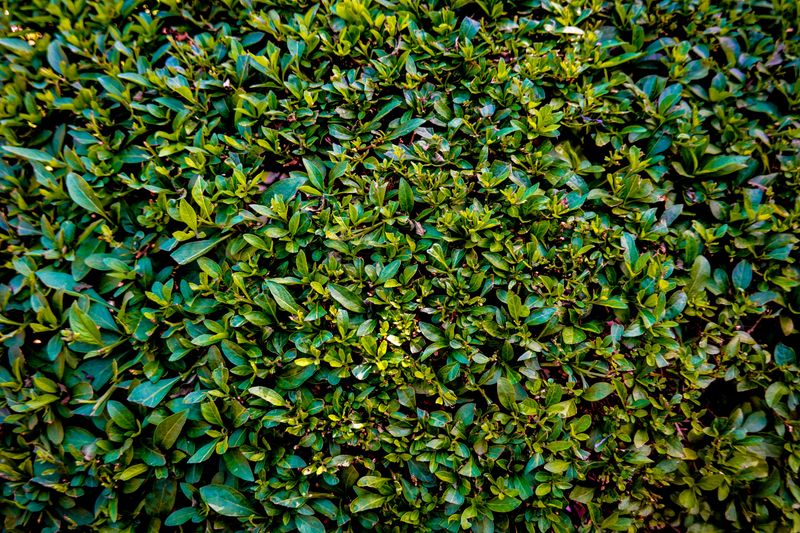
Switching from boxwood to Inkberry Holly does not have to happen all at once. A phased approach lets you test the plant in your specific conditions before committing to a full replacement.
Start by removing the most damaged boxwood plants first. Those spots are already eyesores, so replacing them with Inkberry creates an immediate visual improvement.
Spacing matters more than most people realize. Plant compact varieties like Gem Box about three feet apart to allow air flow and create a solid hedge over time.
Fall planting gives roots time to establish before summer heat arrives. Spring planting works too, but plan to water consistently through the first dry season.
Amend heavy clay with compost before planting. A two-inch layer mixed into the top twelve inches of soil helps young roots get established faster.
Mulch generously around the base of each plant. A three-inch layer of shredded hardwood mulch retains moisture, moderates soil temperature, and reduces weed competition significantly.
Pruning is minimal compared to boxwood. A light trim in early spring keeps the shape tidy without stressing the plant or removing the previous season’s berry-producing growth.
Fertilizer needs are low for established plants. A slow-release granular fertilizer applied once in spring is typically all Inkberry needs to thrive through the growing season.
The boxwood alternative Maryland homeowners have been searching for is already available at most native plant nurseries. Making the switch is straightforward, and the results are well documented.