This Fuzzy Caterpillar Showing Up In Missouri Gardens Should Not Be Touched
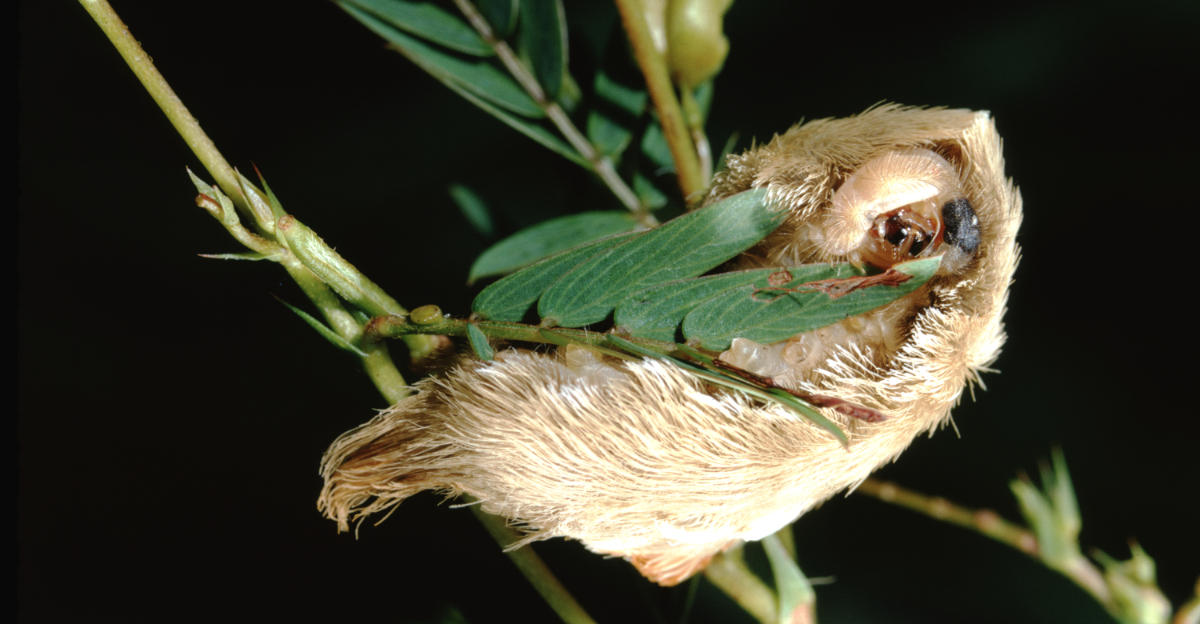
Something is crawling across Missouri lawns this season, and it wants nothing to do with being touched. From a distance it looks like a stray tuft of cotton or a loose scrap of fur someone dropped in the grass.
Get closer, though, and that soft appearance turns into a warning label. Underneath the fuzz sits a defense system sharp enough to send grown adults straight to urgent care.
Gardeners are getting caught off guard because instinct says pick it up, brush it away, keep working. That instinct is exactly how people end up with a burning welt they didn’t see coming.
Before your hands find out the hard way, here’s what every Missouri yard owner needs to recognize, avoid, and handle safely this summer.
1. Fuzzy Appearance Can Be Deceiving
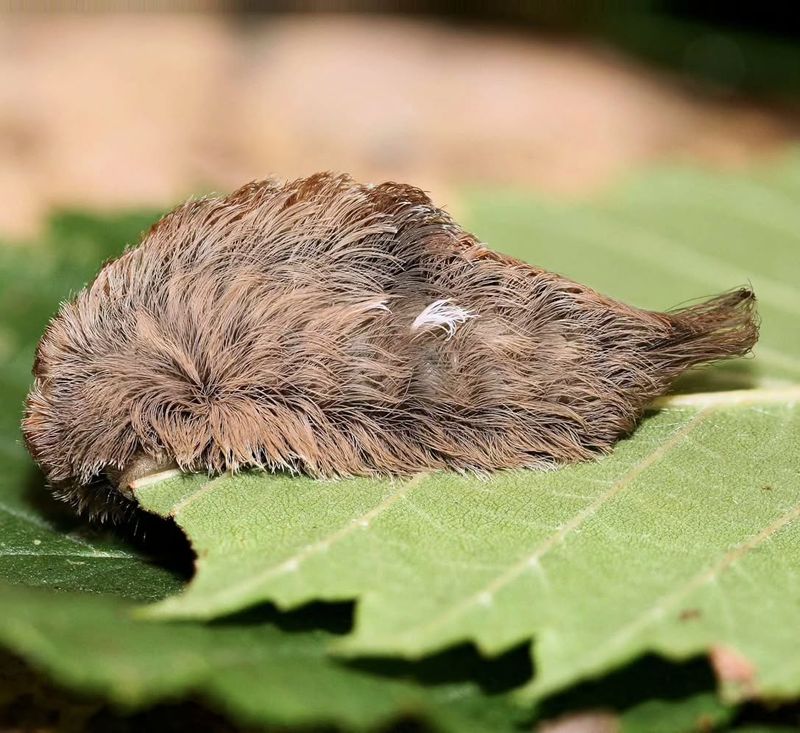
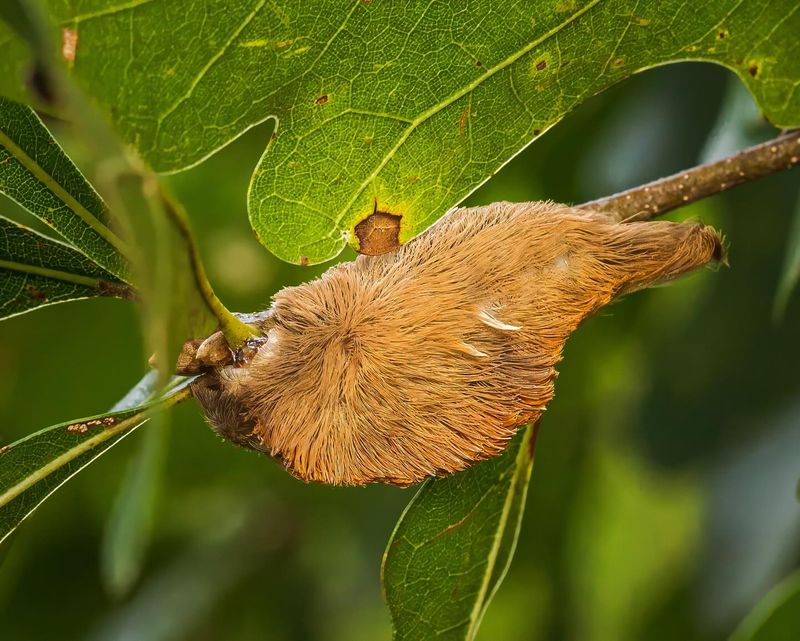
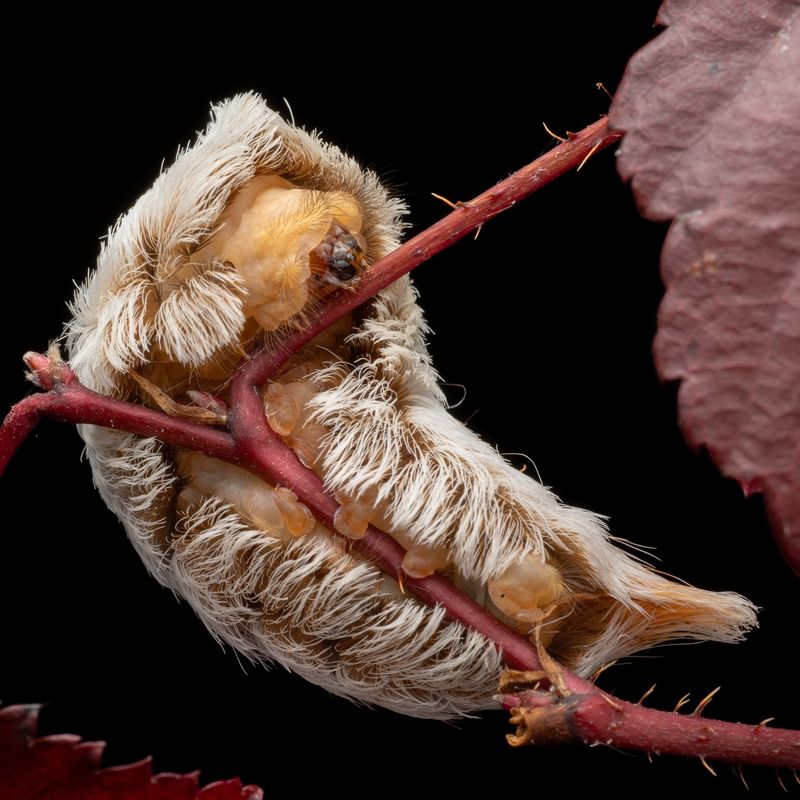
Looks can absolutely lie in the insect world. The puss caterpillar is covered in what appears to be soft, silky fur that practically begs you to touch it.
That fluffy coat is not fur at all. Hidden beneath those fibers are hollow, venomous spines that can deliver a painful sting the moment they contact skin.
Many gardeners mistake this creature for something cute or harmless. Its golden-brown, teardrop shape and velvety texture make it look more like a craft project than a threat.
Children are especially at risk because the caterpillar’s appearance triggers curiosity. Adults are not immune either since even experienced gardeners have been caught off guard by this deceptive little critter.
The coating of hair-like fibers serves a very specific purpose. Nature designed that fluffy exterior as a defense system, not a fashion statement.
Spotting one in your garden means stopping immediately and resisting the urge to investigate with your fingers. This soft-looking visitor is not a pet, a novelty, or a safe one to handle.
Understanding the gap between how something looks and how it actually behaves is the first step toward protecting yourself. That soft exterior is the oldest trick in the insect playbook.
2. Southern Flannel Moth Caterpillars Carry Hidden Stinging Spines
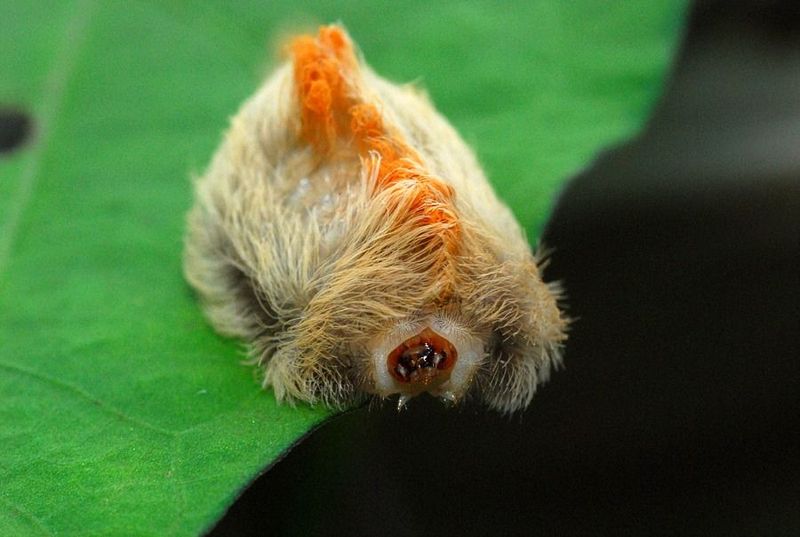
Meet Megalopyge opercularis, the scientific name behind the chaos. The southern flannel moth caterpillar is the larval stage of a moth that looks completely harmless as an adult.
The caterpillar stage is where all the danger lives. Beneath every strand of that soft-looking coat, rigid venomous spines point outward in every direction.
When skin presses against those spines, they break off and lodge directly into the surface. The venom transfers almost instantly, triggering a burning or stinging sensation that can spread rapidly.
This species has been spotted on oak trees, rose bushes, and vegetable plants across the state. It tends to rest on the undersides of leaves, which makes accidental contact even more likely.
The spines do not announce themselves before striking. You will not see them because the hair-like fibers camouflage them completely from plain view.
Researchers note that the venom contains proteins that cause localized inflammation. Some reactions go beyond the sting site and affect a wider area of the body.
Your Missouri Garden Changes Every Week. Your Plan Should Too.
Gardening in Missouri changes quickly throughout the season. Every Friday you’ll receive a simple weekly plan showing exactly what to plant, prune, fertilize, harvest, and protect so you never miss the right timing.
Knowing that the soft exterior hides a chemical defense system changes how you look at garden pests entirely. These caterpillars are not aggressive, but they do not need to be when accidental contact does all the work.
Awareness of this species and its defense mechanism is genuinely protective knowledge. Spotting one means stepping back, not leaning in closer.
3. Reaction Symptoms Vary By Sensitivity
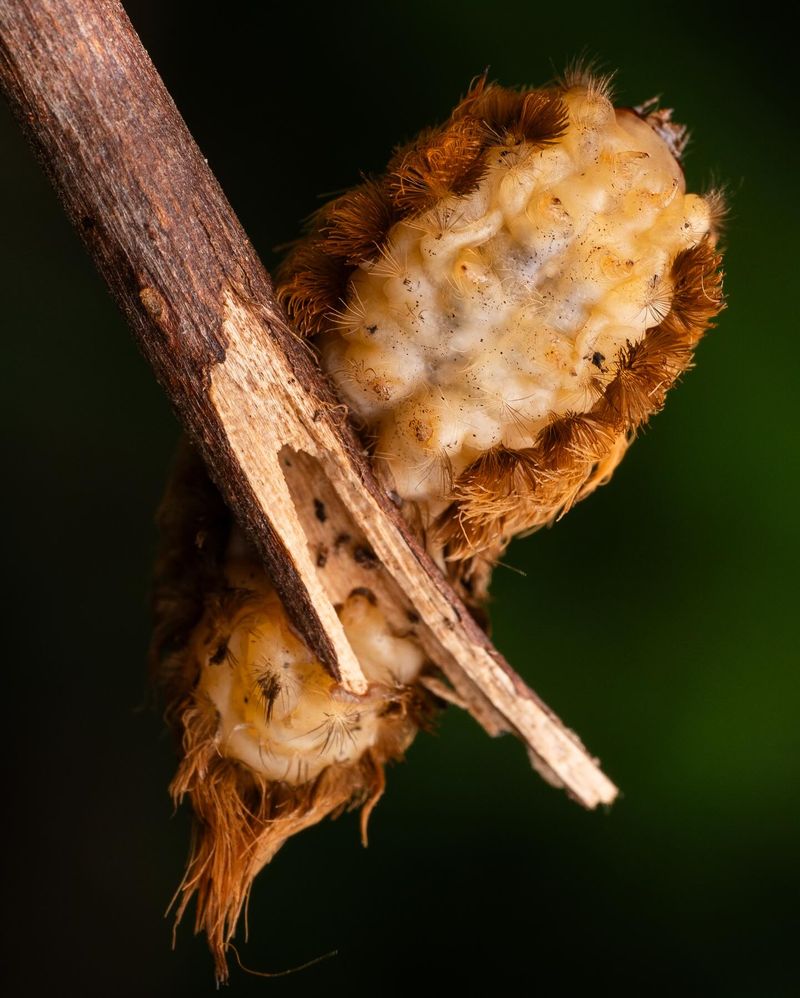
Not every person reacts the same way to a caterpillar sting. Some people feel an intense, immediate burning sensation, while others experience a delayed reaction that builds over several minutes.
The most common symptom is a grid-like red rash that mirrors the spine pattern left on the skin. It can look alarming, almost like a waffle iron pressed against your arm.
Swelling and itching often follow the initial burn. In more sensitive individuals, nausea, headache, and swollen lymph nodes have been reported after contact.
People with allergies or existing skin sensitivities tend to have stronger reactions. Children and older adults should be considered higher-risk if contact occurs.
Symptoms typically peak within an hour of the sting. Most reactions begin to calm within a few hours, though some cases linger for a full day or longer.
Severe allergic responses are less common but do happen. Chest tightness, difficulty breathing, or dizziness after contact are signals to seek medical attention right away.
Knowing what to watch for helps you respond quickly and calmly. A sting from this caterpillar is painful, but most cases are manageable with the right first-aid steps.
Tracking your symptoms after contact gives doctors better information if treatment becomes necessary. Staying calm and acting fast makes a real difference in how the experience unfolds.
4. Correct Removal Methods Avoid Contact
Removing a puss caterpillar from your garden does not require bravery, just the right tools. Thick gloves alone are not always enough since the spines can penetrate thin materials.
The safest approach is using long-handled tongs or a plastic container to scoop the caterpillar without touching it. Slide a stiff piece of cardboard beneath it and transfer it to a sealed bag.
Avoid shaking a branch or plant where one is resting. The caterpillar can fall onto exposed skin without any warning at all.
Once removed, place it far from your garden or in a sealed trash bag. Releasing it into a wooded area away from foot traffic is also a reasonable option.
If spines are already embedded in skin, tape is your first tool. Press a piece of tape firmly over the affected area and peel it back to pull the spines out.
Do not rub the area since rubbing pushes the spines deeper into the skin. Wash the spot with soap and water after using tape removal.
Ice packs help reduce swelling and ease the burning sensation. Over-the-counter hydrocortisone cream can calm localized irritation after the spines are removed.
Having the right supplies ready before you head into the garden is smart preparation. A pair of long tongs, tape, and gloves cost very little and protect a lot.
5. Similar-Looking Caterpillars Cause Confusion
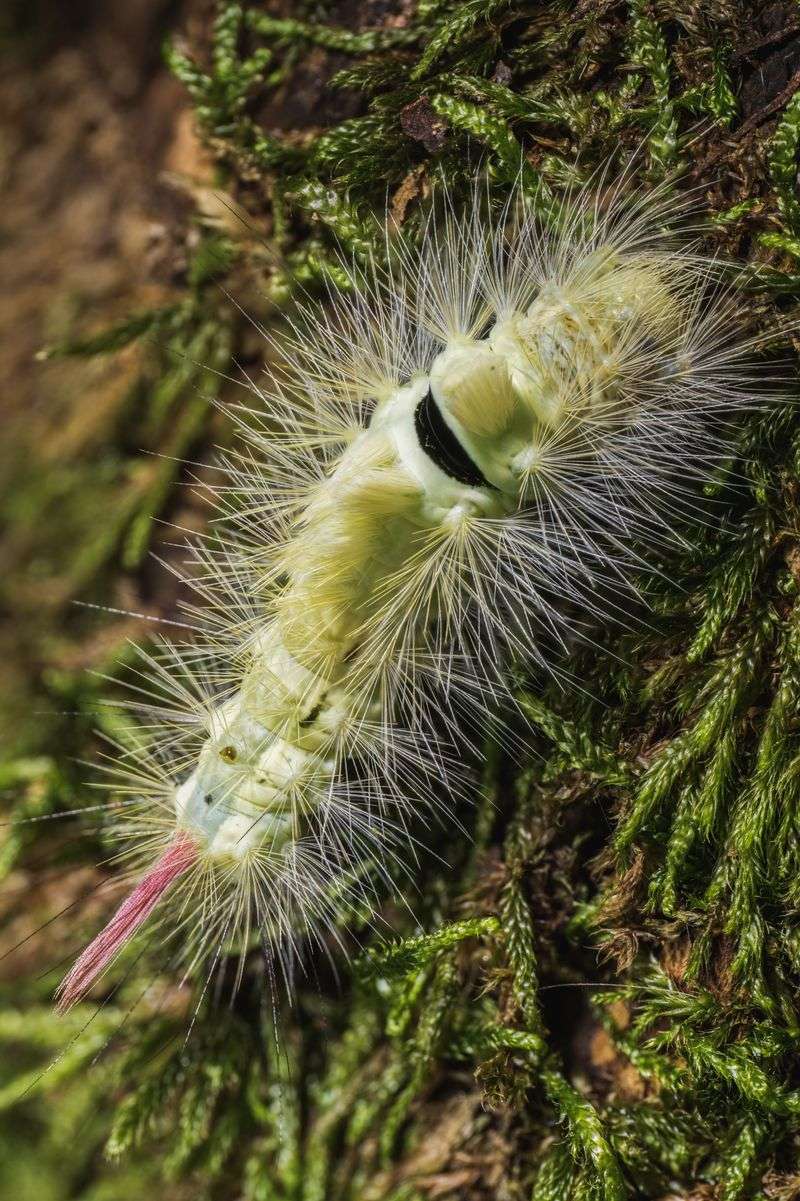
Gardeners often mistake the puss caterpillar for the familiar woolly bear. Both are fuzzy and roughly the same size, which creates real identification confusion in the field.
The woolly bear is black on the ends with a rusty-orange middle band. It is not venomous and has been a beloved autumn sight across American yards for generations.
The puss caterpillar is more uniformly golden, tan, or grayish-brown with no distinct color bands. Its shape is also more teardrop-like and compact compared to the cylindrical woolly bear.
Another look-alike is the hickory tussock moth caterpillar. It has white tufts with black spots and can also cause skin irritation, though it is less venomous than the puss caterpillar.
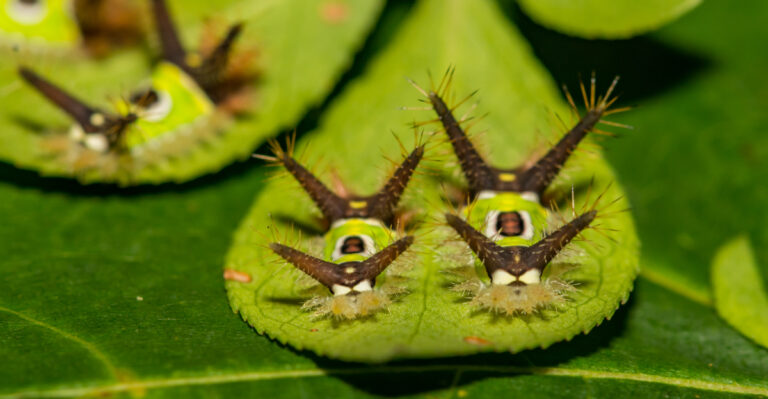
The saddleback caterpillar is another garden resident worth knowing. It has a vivid green saddle on its back and stinging spines along its sides, making it equally problematic to handle.
Learning to identify these species by color pattern and body shape gives you a real advantage. A quick photo search before gardening season can save you serious discomfort later.
When in doubt, treat any unfamiliar caterpillar as potentially hazardous. The cost of caution is zero, and the cost of a wrong guess can be hours of pain.
Keeping a field guide app on your phone lets you identify garden insects without guessing. Knowledge of look-alikes keeps your confidence sharp and your hands safe.
6. Garden Habits That Reduce Encounters
Simple habits make a big difference when it comes to avoiding an accidental sting this season. Wearing long sleeves and gloves every time you garden is the easiest protective step available.
Check the undersides of leaves before reaching into dense plant growth. Puss caterpillars prefer shaded spots on foliage, and the underside of a leaf is their favorite resting place.
Inspect oak trees, elms, and rose bushes with extra care since these are preferred host plants. Knowing where caterpillars like to feed helps you target your attention wisely.
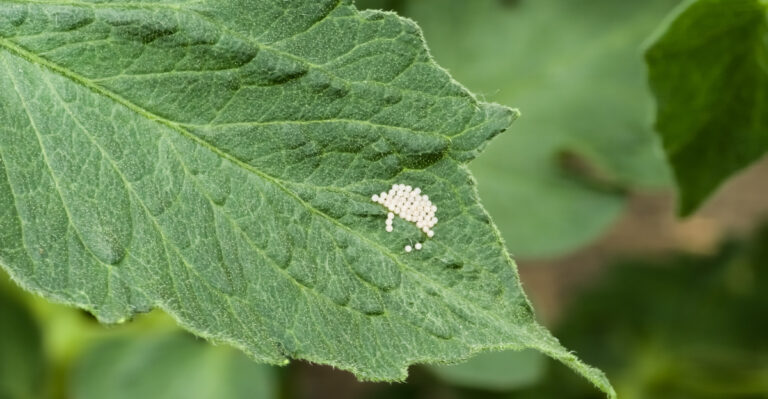
Reduce leaf litter and debris near the base of trees and shrubs. Caterpillars and their egg masses sometimes shelter in fallen material before climbing back up onto plants.
Teaching children to observe insects without touching them is a habit worth building early. A simple rule, look but never touch unfamiliar bugs, goes a long way toward preventing painful accidents.
Washing garden gloves and clothing after each session removes any stray spines that may have transferred during work. Even contact with discarded spines on fabric can cause irritation.
Keeping a small first-aid kit near your garden shed makes response faster if an accidental sting occurs. Tape, soap, ice packs, and hydrocortisone cream cover most situations effectively.
A mindful gardener is a safer gardener. Building awareness into your routine means you can enjoy your outdoor space without fear, and that peace of mind is worth every small precaution.