The Reason Arizona Homeowners Use Gravel Around Their Foundations For Fire Safety
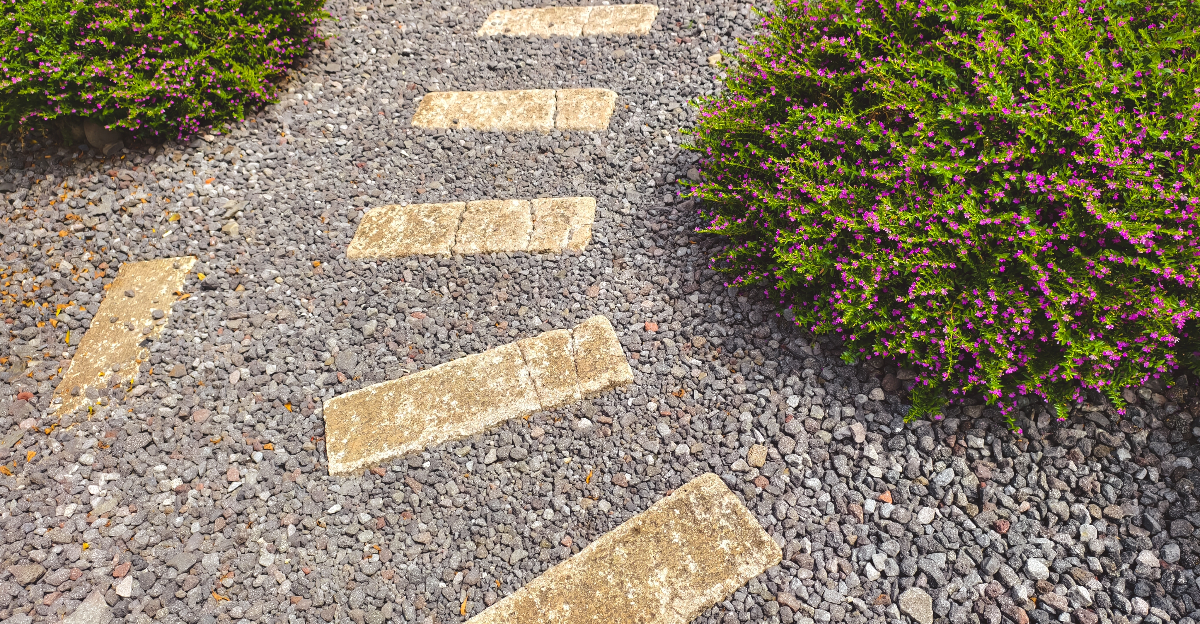
The space directly beside your home deserves extra attention when you are thinking about fire-wise landscaping. Gravel can help create a cleaner zone with less material available to burn.
In Arizona, dry leaves and plant debris can collect quickly near walls and foundations. Replacing flammable ground cover with gravel can reduce some of that fuel close to the structure.
But simply spreading rocks beside the house is not enough. You still need to watch what collects between them as the seasons change.
Plant placement also matters when planning this area around your home. Dense vegetation growing against exterior walls can undermine the purpose of a gravel border.
Think of gravel as one useful part of a broader defensible-space plan.
Used thoughtfully, it can help make the area nearest your house easier to maintain.
1. The Space Closest To The House Deserves Extra Attention
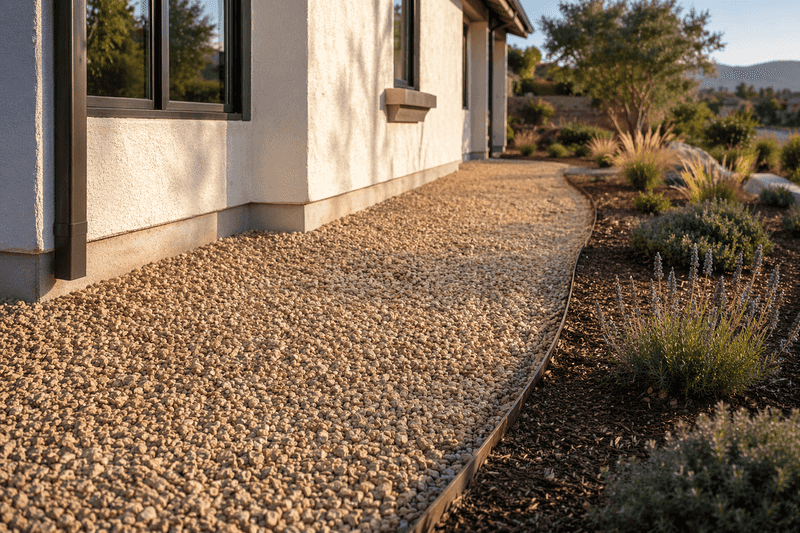
Right up against your house is where fire risk tends to be highest. Embers blown by wind can land there and sit, and if there is anything flammable nearby, the situation can escalate quickly.
Gravel in that zone removes a lot of that risk.
Most fire-wise guidelines suggest keeping a non-combustible zone within the first few feet of any structure. Gravel fits that role well.
It does not ignite, and it does not trap heat the way dry mulch or leaf litter can.
The foundation zone is also where moisture from irrigation sometimes collects. Wet mulch near a wall can cause wood rot over time.
Gravel allows water to drain away more efficiently without staying packed against siding or stucco.
Homeowners who have replaced bark mulch with gravel near their walls often notice fewer pest issues too. Ants, termites, and other insects tend to prefer moist organic material.
Gravel offers less of that appeal.
Paying extra attention to this narrow strip of ground is one of the most cost-effective things a homeowner can do. It does not require expensive materials or professional installation.
A few inches of gravel, properly placed, can make a meaningful difference in how your home responds to nearby fire threats.
2. Gravel Leaves Less Vegetation Right Beside The Foundation
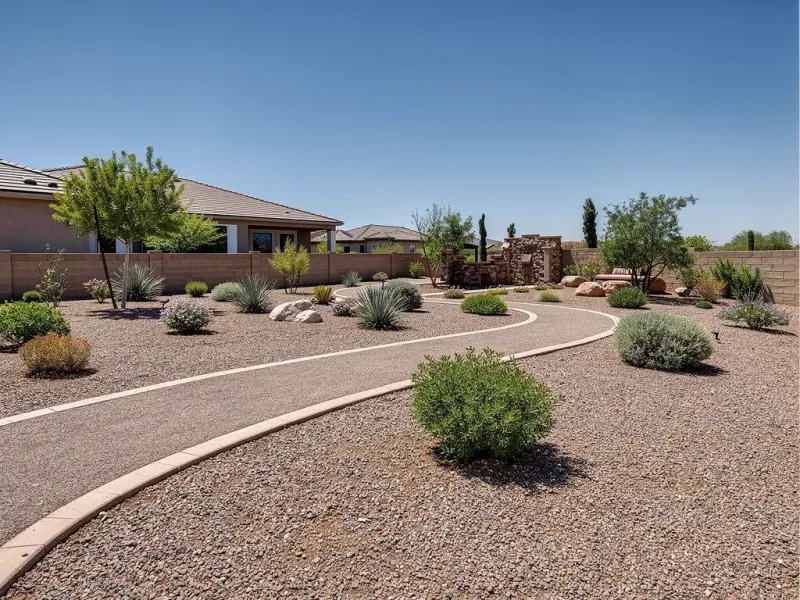
Vegetation near a foundation is one of the most common fire hazards in residential landscaping. Dry grass, shrubs, and ground cover can catch embers and carry flame directly toward a wall.
Removing that fuel source from the immediate zone is a straightforward protective step.
Gravel takes the place of plants in that critical strip. With no leaves, stems, or roots to burn, there is far less material for fire to feed on.
That gap matters when wind is pushing embers across a yard.
In Arizona’s hot, dry summers, even plants that looked healthy in spring can become brittle and flammable by late summer. Gravel does not change with the seasons.
It stays consistent and non-combustible regardless of temperature or moisture levels.
Bare soil might seem like a good alternative, but it tends to develop weeds over time. Weeds are vegetation, and vegetation burns.
Your Arizona Garden Changes Every Week. Your Plan Should Too.
Gardening in Arizona changes quickly throughout the season. Every Friday you’ll receive a simple weekly plan showing exactly what to plant, prune, fertilize, harvest, and protect so you never miss the right timing.
Gravel suppresses weed growth more effectively than bare dirt, especially when a weed barrier fabric is placed underneath.
Keeping vegetation pulled back from the foundation also improves air circulation along the wall. Better airflow can reduce moisture buildup and help siding or stucco stay in better shape over the years.
Less vegetation near the foundation is a practical win in more than one way.
3. A Clear Border Separates Plants From Exterior Walls
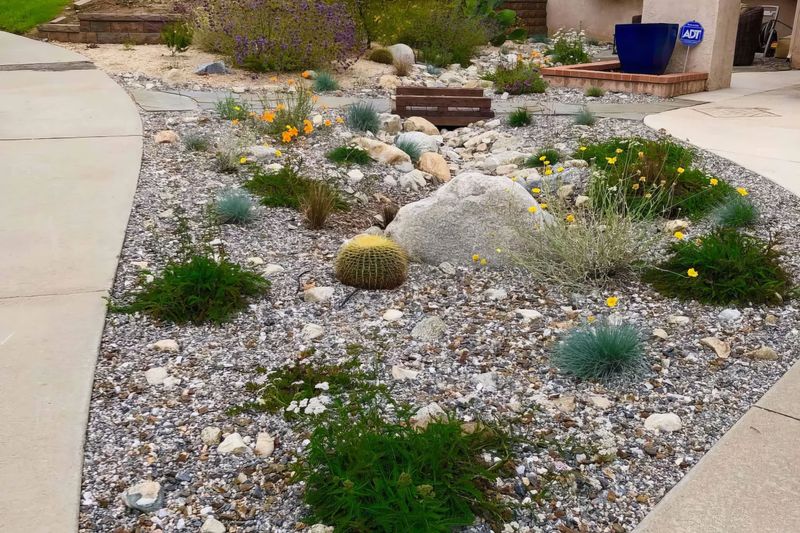
Creating a visible line between your landscaping and your home’s exterior wall is one of the most practical things you can do for fire safety. A gravel border makes that separation obvious and easy to maintain.
Without a clear boundary, plants tend to creep closer over time. Shrubs spread, ground cover fills in gaps, and before long, vegetation is pressing right up against the wall.
Gravel acts as a physical barrier that slows that kind of natural spread.
Fire-wise landscaping guidelines often recommend a minimum clearance zone close to any structure. A gravel border helps homeowners visualize and maintain that distance without relying on memory or measuring tape every season.
Visually, a defined border also keeps the yard looking intentional and well-maintained. Gravel comes in a range of colors and sizes, so it can complement desert plants and rock gardens without looking out of place.
Functionality and appearance can work together here.
Maintenance is simpler with a clear border in place. When it is obvious where the gravel zone ends and the planted area begins, trimming and weeding become more straightforward tasks.
Homeowners spend less time guessing and more time keeping things tidy. That consistency over the months and years is what makes a gravel border genuinely useful, not just decorative.
4. Windblown Leaves Can Still Collect On The Surface
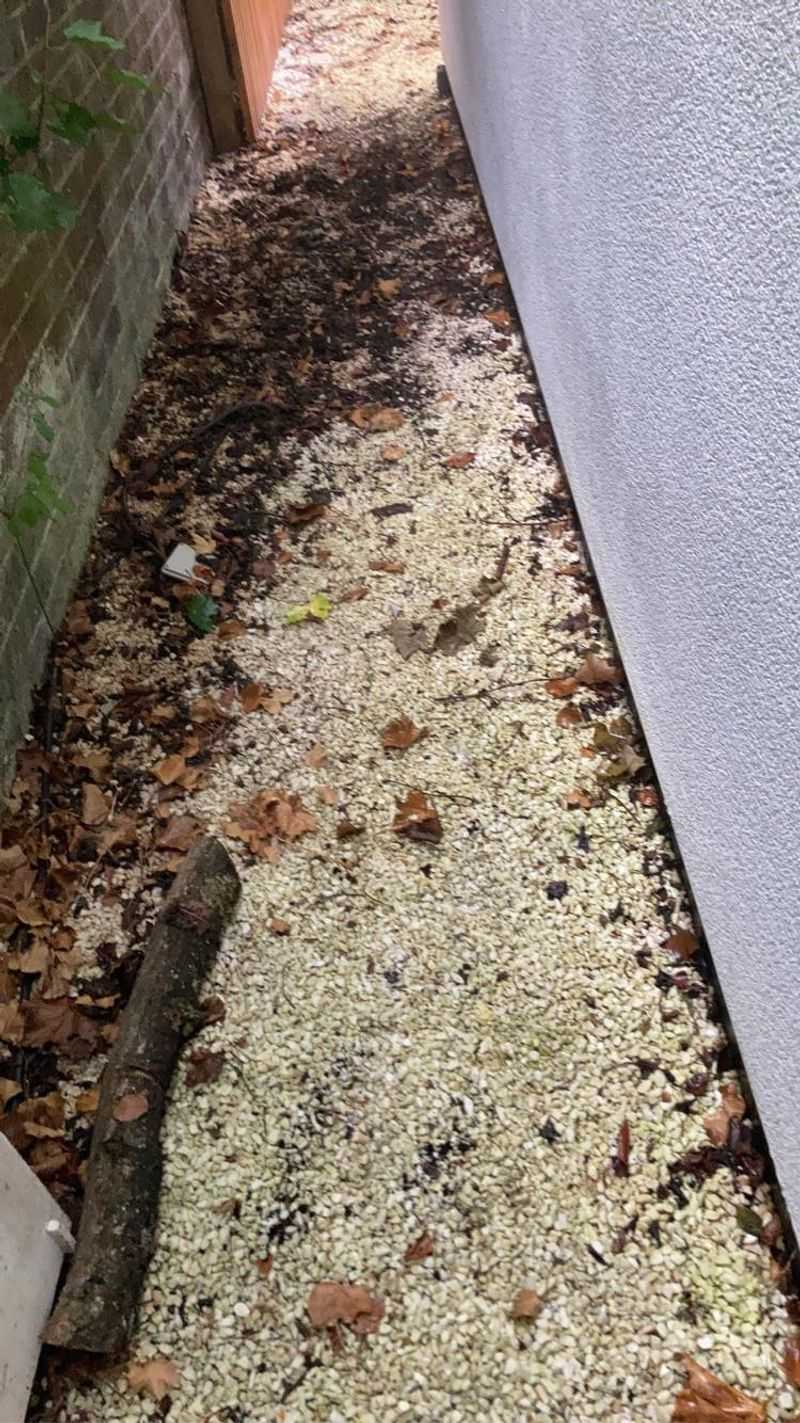
Gravel is not a set-it-and-forget-it solution. Wind carries dry leaves, seed pods, and other debris from surrounding trees and shrubs.
Over time, that material collects on the gravel surface and creates a layer of combustible material.
A thin scattering of leaves may seem harmless, but when embers land on dry debris piled on gravel, that debris can still catch. Gravel reduces risk, but it does not eliminate it when organic material builds up on top.
Desert regions see strong seasonal winds, and those winds move plant material across yards quickly. Even homes with minimal landscaping near the foundation can accumulate debris from neighboring properties or nearby trees.
Checking the gravel zone regularly, especially before and during fire season, is worth the effort. A quick rake or blower pass can clear loose debris before it has a chance to build up into something more problematic.
Understanding this limitation helps homeowners use gravel more effectively. Expecting gravel to handle everything without any maintenance leads to a false sense of security.
Treated as one part of a broader fire-wise approach, and kept reasonably clear of debris, gravel performs well in the protective role it is designed to fill. Awareness of its limits is just as valuable as knowing its strengths.
5. Regular Cleanup Keeps Plant Debris From Building Up
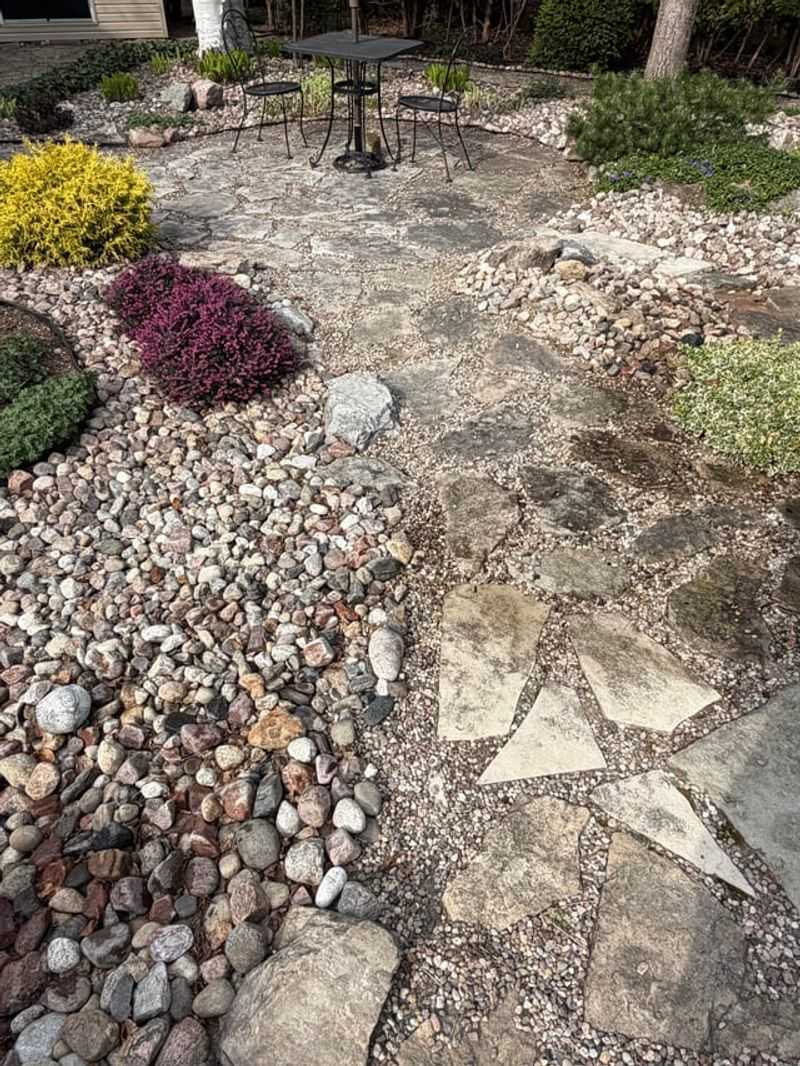
Keeping the gravel zone clear is a habit worth building. Debris accumulates gradually, and it is easy to overlook until there is a significant layer sitting on the surface.
A consistent cleanup routine prevents that buildup from becoming a problem.
A leaf blower works well for lighter debris like dry leaves and seed pods. For heavier material or compacted debris, a rake pulls things up more effectively.
Either way, the task usually takes just a few minutes when done on a regular schedule.
Timing matters. Cleaning the gravel zone before fire season begins is a smart move.
In much of the Southwest, late spring through early fall brings the highest fire risk. Getting ahead of debris accumulation before that window opens is a practical strategy.
After strong wind events, a quick check of the gravel zone is worth adding to the routine. Winds can drop a surprising amount of material in a short time, especially when surrounding trees are shedding leaves or seedpods.
Consistency is the real key here. A quick pass every week or two takes far less effort than a major cleanup after months of neglect.
Homeowners who build this into their regular yard care routine tend to keep their gravel zones in much better shape over time, which supports the fire-safety purpose the gravel is there to serve.
6. The Gravel Zone Needs Enough Width To Be Useful
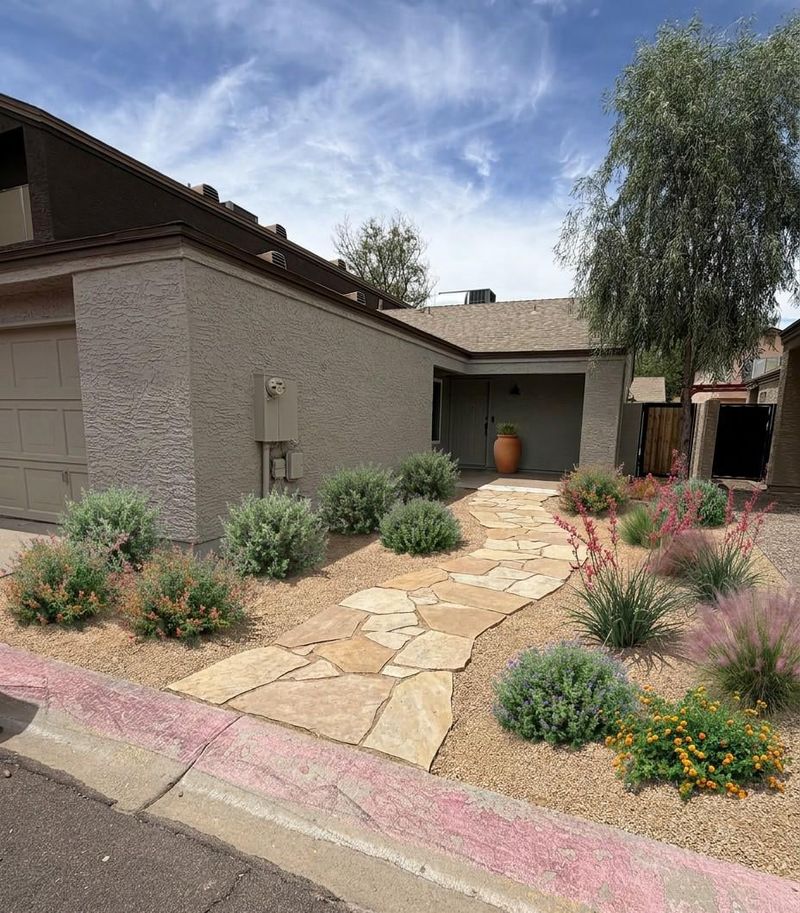
Width matters more than most people realize when it comes to a gravel zone. A narrow strip of a few inches does not provide the same protection as a wider, more intentional clearance area.
Embers can travel and land beyond a thin border.
Fire-wise guidelines from organizations like the National Fire Protection Association have suggested keeping the area within roughly five feet of a structure free of combustible materials.
A wider gravel zone helps meet that kind of recommendation more reliably.
Wider gravel zones also hold up better visually over time. Narrow strips tend to get buried under soil displacement, mulch drift, or encroaching plant roots.
A wider band stays more visible and easier to maintain as a defined zone.
Practical width depends on your specific yard layout. A minimum of three feet is a reasonable starting point for many properties, though more width is generally better when space allows.
Tight side yards or narrow lots may require creative solutions to maximize coverage.
Expanding an existing gravel zone does not require a full yard renovation. Pulling back nearby plants and extending the gravel outward by even a foot or two can improve the zone’s effectiveness.
Small expansions, done gradually over a season or two, add up to meaningful improvement without requiring a major project all at once.
7. Gravel Works Best As Part Of A Fire-Wise Yard
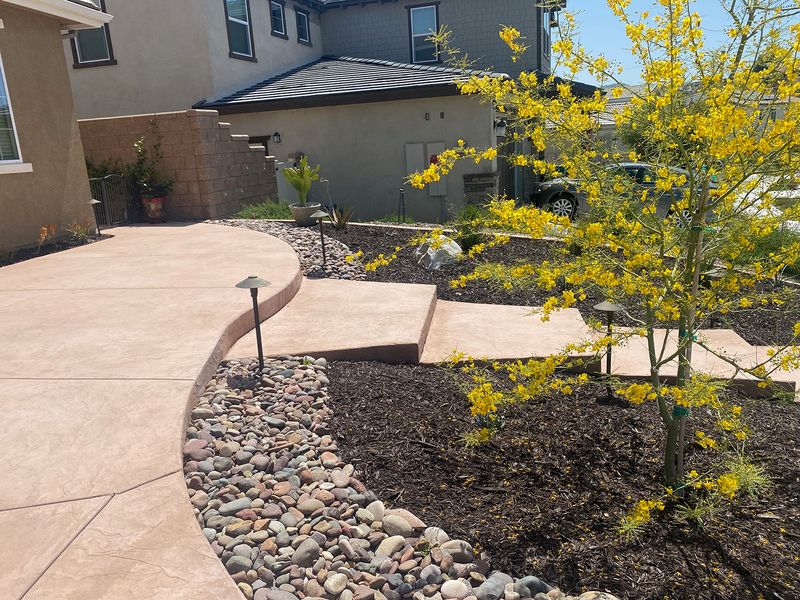
Gravel around the foundation is one piece of a larger puzzle. On its own, it reduces risk in the immediate zone near the wall.
Combined with other fire-wise practices, it becomes part of a much more effective overall approach to protecting your home.
Zoning your yard is a concept used in fire-safe landscaping. Plants closest to the home should be low-growing, well-spaced, and drought-tolerant.
Farther out, moderate spacing between plants helps slow fire spread. Gravel supports the innermost zone by removing combustible material entirely.
Roof gutters and vents are also worth considering alongside foundation gravel. Embers can enter a home through openings in the roofline or accumulate in gutters.
Addressing those vulnerabilities alongside the foundation zone creates a more complete layer of protection.
Across Arizona, homeowners who have adopted fire-wise landscaping principles tend to combine gravel with other strategies like plant spacing, hardscape pathways, and regular debris removal. No single measure handles everything on its own.
Thinking of gravel as one tool in a broader kit helps set realistic expectations. It does meaningful work in the zone where it is placed.
Paired with thoughtful plant selection, proper spacing, and routine maintenance, a gravel border becomes a reliable part of a yard designed with fire safety genuinely in mind, not just as a visual afterthought.