This Florida Crop Handles Full Sun And Shrugs Off Nematodes
Florida soil has a nematode problem that most vegetable gardeners eventually hit and never fully solve. Treatments help temporarily.
Crop rotation helps partially. The harvest tells the rest of the story.
One crop skips that problem entirely. Not through chemical treatment or careful soil management.
Through genetics developed in conditions as demanding as anything Florida produces. Full sun in August.
Nematode pressure. The kind of soil that defeats most vegetable plantings before they hit their stride.
This crop reads all of that as a reasonable growing environment and keeps producing anyway. Florida vegetable gardeners who have been losing the nematode battle on specific beds have been switching to this crop.
The results in soil that defeated everything else planted in it are worth paying attention to.
1. California Blackeye No. 5 Keeps Producing Through Summer Heat
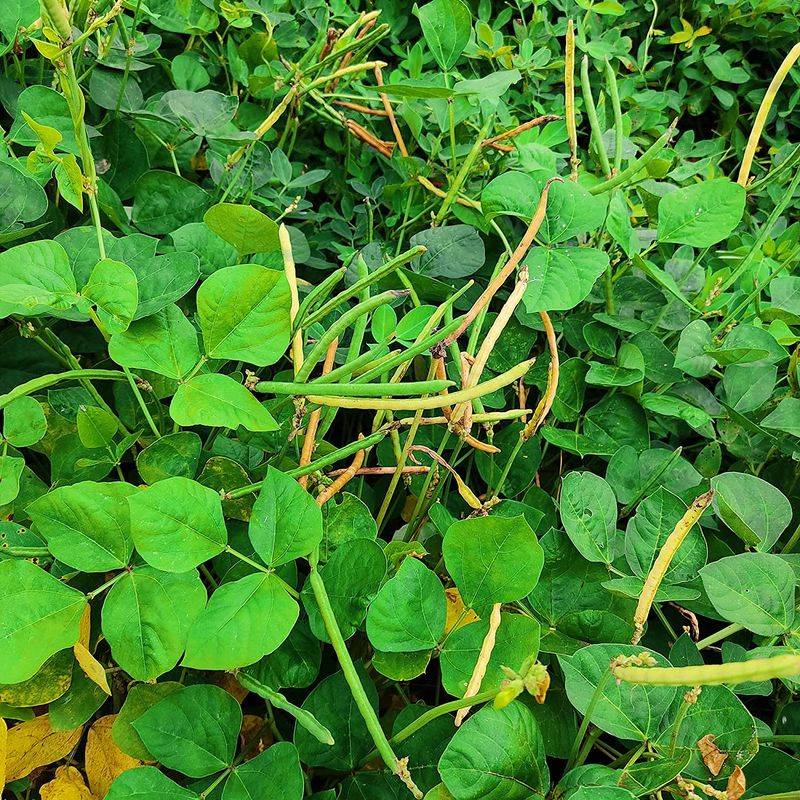
Summer in a vegetable garden can be brutal, but ‘California Blackeye No. 5’ was bred for exactly these conditions. Southern peas as a group are among the best crops for warm-season production in Florida.
UF/IFAS recommends them specifically for summer planting when many other vegetables struggle.
Planting windows vary by region. In North Florida, gardeners typically plant from April through July.
Central Florida growers can plant from March through August. South Florida has an even broader window, often stretching from February into September.
Hitting these windows matters more than simply saying the crop loves heat.
Warm soil helps seeds germinate quickly and roots establish before the hottest stretch of summer arrives. Long summer days give the plants plenty of time to flower and set pods before conditions shift.
Planting too late can push harvest into cooler, shorter days that are less ideal for pod fill.
Extreme heat during flowering can still slow production temporarily. No crop performs at its peak during every week of a Florida summer.
The point is that ‘California Blackeye No. 5’ is genuinely suited to these conditions, not just tolerant of them. Choosing the right planting date gives gardeners the best shot at a strong, steady harvest through the warm months.
2. Full Sun Gives This Southern Pea The Season It Wants
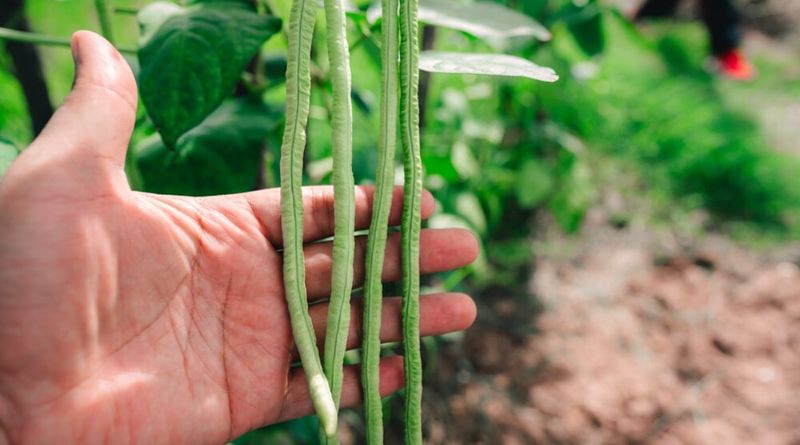
Finding the right spot in the yard can make or break a vegetable garden. UF/IFAS recommends that vegetable gardens receive at least six hours of direct sunlight each day.
For ‘California Blackeye No. 5,’ an open, sunny bed is not just helpful, it is the kind of site where this crop truly thrives.
More sunlight generally supports more vigorous plant growth and better pod production. Shade from nearby trees, tall fences, or taller crops planted too close can quietly reduce how much light reaches the bed.
Even a partially shaded spot may seem fine early in the season but become a problem as surrounding plants grow taller.
A practical way to check sun exposure is to observe the bed at two-hour intervals throughout the day. Track which areas stay sunny and which fall into shade.
Doing this before planting saves a lot of guesswork later.
Good drainage matters just as much as sunlight. A low spot in the yard may receive full sun all day but still perform poorly if water pools after summer rains.
Your Florida Garden Changes Every Week. Your Plan Should Too.
Gardening in Florida changes quickly throughout the season. Every Friday you’ll receive a simple weekly plan showing exactly what to plant, prune, fertilize, harvest, and protect so you never miss the right timing.
Raised beds or slightly elevated ground helps water move away from roots quickly. Choosing a site with both strong sunlight and reliable drainage gives this southern pea the environment it needs to produce well from planting through harvest.
3. Root-Knot Nematodes Do Not Stop It As Easily As Okra
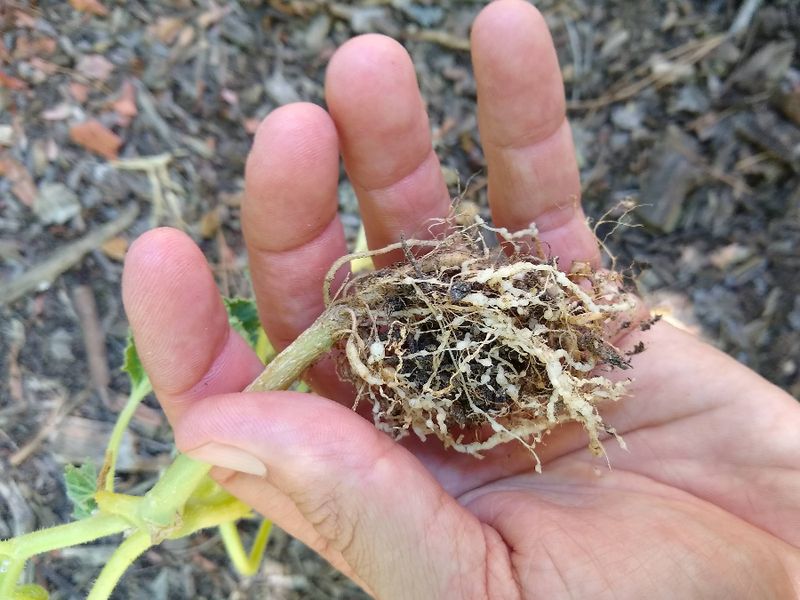
Root-knot nematodes are microscopic roundworms that live in the soil and feed on plant roots. They cause swollen, knotted growths called galls on affected roots.
These galls interfere with a plant’s ability to absorb water and nutrients, which can seriously reduce yield or cause a crop to decline well before harvest.
Okra is one of the crops UF/IFAS lists as highly susceptible to root-knot nematodes. A heavily infested bed can make growing okra feel like a losing battle. ‘California Blackeye No. 5’ behaves very differently in those same conditions.
UF/IFAS guidance indicates that this cultivar tolerates nematode pressure better than many other warm-season vegetables. That tolerance means it can keep producing pods even when nematodes are present in the soil.
It does not mean the plants cannot become infected, and it does not mean galls will never appear on the roots.
The real-world advantage shows up at harvest time. A tolerant crop keeps moving through its season while a susceptible one may stall, yellow, or decline rapidly.
For gardeners who have struggled with nematodes in beds where they once tried okra or other vulnerable crops, switching to ‘California Blackeye No. 5’ for summer production is a practical and reasonable adjustment worth trying.
4. Tolerance Matters More Than Pretending The Roots Are Immune
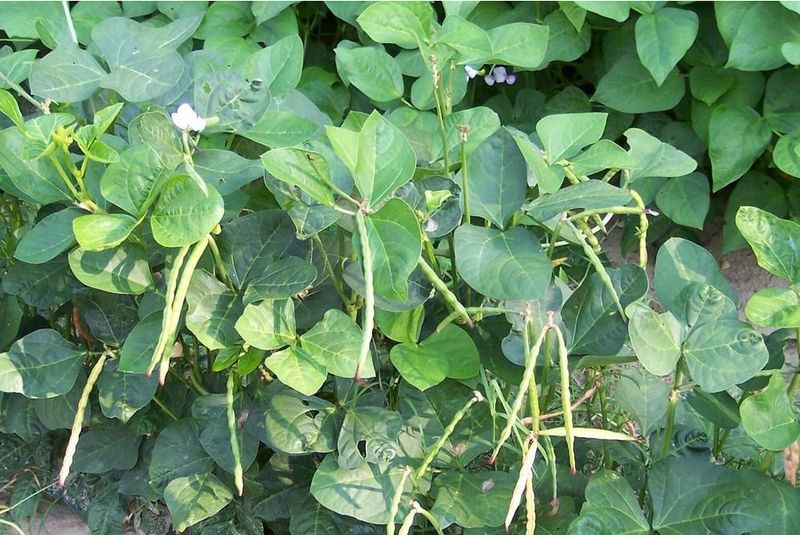
Words like tolerance, resistance, and immunity sound similar but mean very different things in plant science. Understanding the difference keeps gardeners from making decisions based on exaggerated expectations.
A tolerant plant can remain productive even when nematodes are present and feeding on its roots.
Resistance is a separate category. A resistant plant actively limits how well nematodes can reproduce or develop inside its roots.
Immunity would mean nematodes cause no infection at all, which is extremely rare in vegetable crops.
‘California Blackeye No. 5’ should be described by whichever term UF/IFAS applies to it specifically, and tolerance is the more cautious and accurate framing for home gardeners.
Planting a tolerant cultivar does not eliminate the need for other management practices. Crop rotation, adding organic matter, and avoiding moving infested soil to clean areas all remain valuable tools.
Several plant-parasitic nematode species can affect vegetables, and not every species responds the same way to the same cultivar.
Unexplained stunting, yellowing, or poor pod production should not automatically be blamed on nematodes. Other causes, including nutrient deficiencies, soil compaction, or drainage problems, can look similar.
A proper soil or root diagnosis from a local extension office can confirm what is actually happening underground. Get that diagnosis before making changes to the garden plan.
5. Nitrogen-Fixing Roots Make Heavy Feeding Less Important
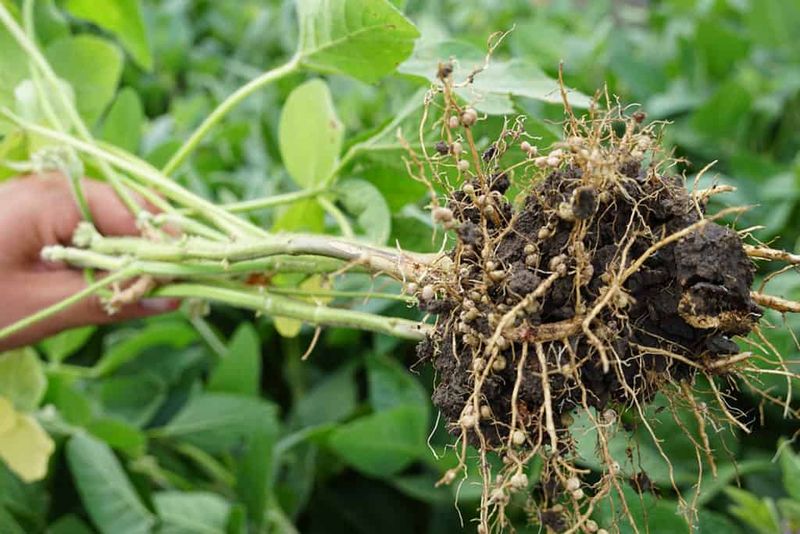
One of the most interesting things about cowpeas is what happens underground when conditions are right. As legumes, they can form partnerships with Rhizobium bacteria in the soil.
These bacteria colonize the roots and form small, rounded nodules that convert atmospheric nitrogen into a form the plant can use.
This biological process means ‘California Blackeye No. 5’ often needs less added fertilizer than heavy-feeding crops like corn or tomatoes. UF/IFAS guidance reflects this, recommending that southern peas receive fertilizer at a lower rate than many other vegetables.
Starting with a soil test helps confirm what is actually needed before applying anything.
Not every plant forms equally effective nodules. The right Rhizobium bacteria must be present in the soil for the relationship to work well.
In new garden beds or heavily amended soils, inoculant products are available to help establish the partnership.
Distinguishing root nodules from nematode galls is important. Nodules are typically small, rounded, and can be gently separated from the root surface.
Nematode galls are part of the root tissue itself and cannot be removed cleanly. Seeing nodules is a good sign, not a cause for concern.
The bottom line is that this crop’s legume biology makes it a lighter feeder, but that does not mean fertilizer is never appropriate or needed.
6. Too Much Fertilizer Can Give You Vines Instead Of Pods
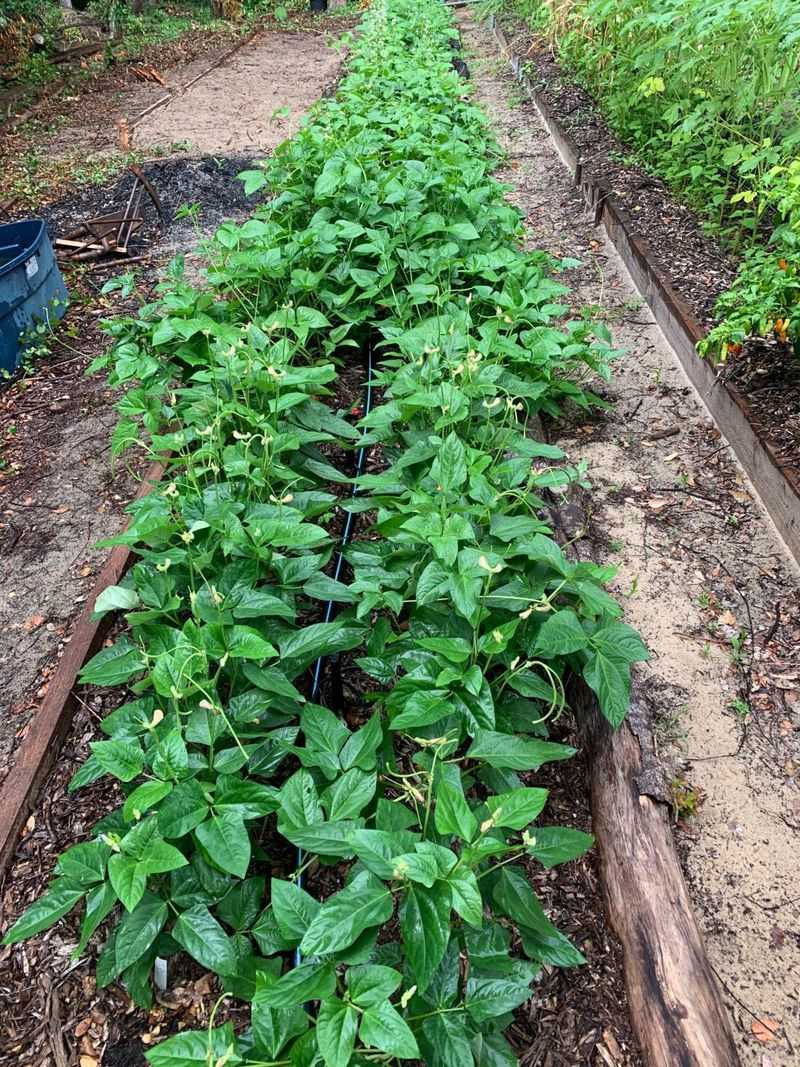
Pushing a legume with heavy nitrogen applications tends to backfire. When a plant has more nitrogen than it needs, it often channels that energy into producing more leaves and stems rather than flowers and pods.
The result looks impressive from a distance but delivers far less at harvest time.
UF/IFAS guidance notes that excessive nitrogen can limit southern pea production. This makes intuitive sense once you understand the crop’s biology.
It already has access to biological nitrogen through root nodules, so adding large amounts on top of that tips the balance toward vegetative growth.
The visual difference between a productive plant and an overfed one is worth knowing. A well-managed plant has moderate, steady leaf growth and puts out a good number of flowers that develop into pods.
An overfed plant tends to be lush and dark green with noticeably fewer pods relative to its size.
Existing soil fertility plays a role too. A bed that has received heavy compost applications or was previously fertilized for another crop may already have enough available nutrients.
Applying more on top of that without a soil test is a common mistake. Follow local vegetable-garden fertilizer guidelines and adjust them based on your soil test.
That is smarter than fertilizing on a fixed schedule without considering what the soil already contains.
7. Consistent Moisture Keeps The Harvest Moving Through Hot Weather
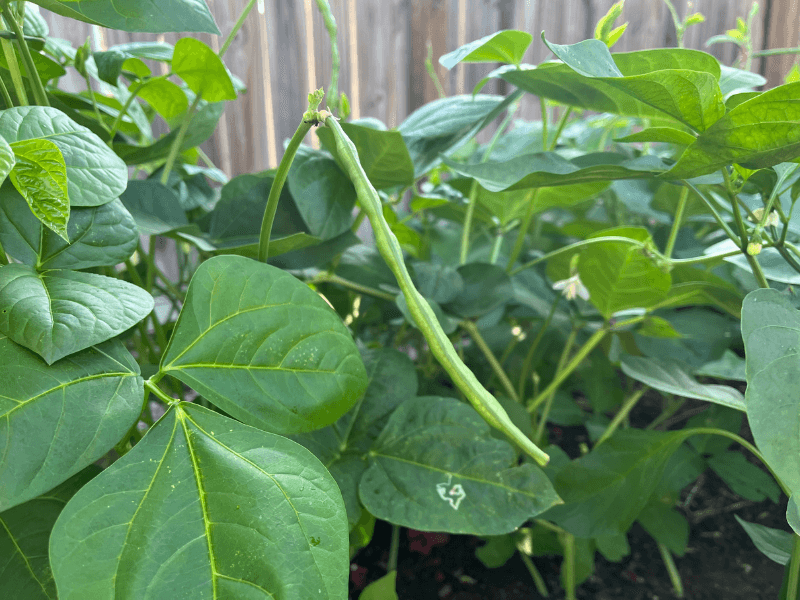
Heat tolerance is one of this cultivar’s genuine strengths, but that does not mean it performs equally well in dry, parched soil. Plants under consistent drought stress produce fewer flowers and pods, and the pods that do form may be smaller or lower quality.
Moisture management matters throughout the growing season.
UF/IFAS recommends maintaining consistent soil moisture for southern peas. Checking the root zone is a more reliable guide than watering on a fixed calendar schedule.
Push a finger or a small probe a few inches into the soil. If it feels dry at that depth, the plants are ready for water.
Sandy garden soils, which are common across much of Florida, drain quickly and can dry out between summer rain events faster than gardeners expect. Keeping an eye on the bed after several dry days is a good habit.
A layer of mulch around the plants helps slow moisture loss from the soil surface and can moderate temperature swings as well.
Prolonged waterlogging is the other extreme to avoid. Poor drainage leads to root problems that have nothing to do with nematodes but can look similar from above ground.
The goal is steady moisture without saturation. Getting that balance right during the hottest weeks of summer is one of the most practical things a gardener can do to protect and extend the harvest window.
8. A Summer Crop Can Leave The Bed Better Positioned For Fall
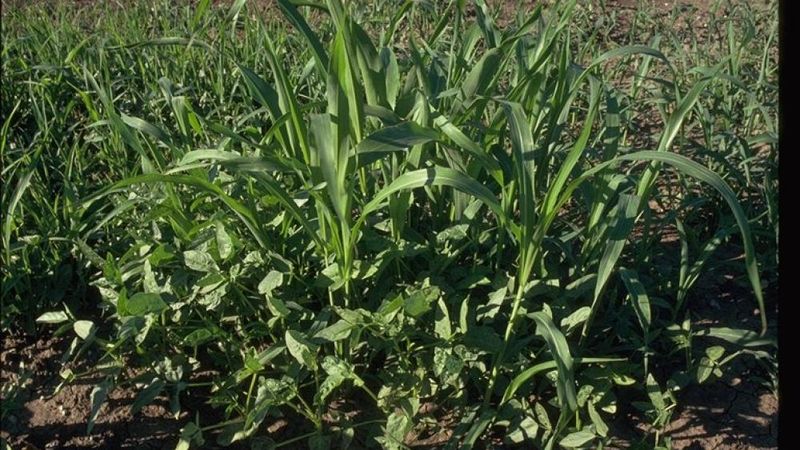
Growing ‘California Blackeye No. 5’ for edible pods is satisfying on its own, but the timing of the crop also creates a useful transition into the fall garden season. Cowpeas are widely used as warm-season cover crops.
Even when grown mainly for food, they leave behind root systems that contributed biological nitrogen during the season.
Rotating away from highly susceptible vegetables in nematode-affected beds is a core principle of long-term management. Replacing okra or another vulnerable summer crop with southern peas keeps the bed productive.
It also avoids feeding the nematode population as aggressively.
What happens to the plants after harvest matters. Removing plants entirely, leaving surface residues, or incorporating biomass into the soil each creates a different outcome for soil biology and organic matter.
One season of southern peas will not clear nematodes from a bed. Sustainable management takes multiple seasons and a combination of strategies.
Harvesting peas does not automatically add large amounts of nitrogen to the soil for the next crop. Most of the nitrogen the plant fixed goes into the pods and seeds that are removed.
Incorporating leftover plant material does return some organic matter, which has its own long-term value. The practical takeaway is straightforward: this cultivar offers a productive summer option for sunny beds with a history of nematode pressure.
It also leaves the garden in reasonable shape for what comes next.