What It Means When Fireflies Disappear From Your Pennsylvania Yard In Late Summer
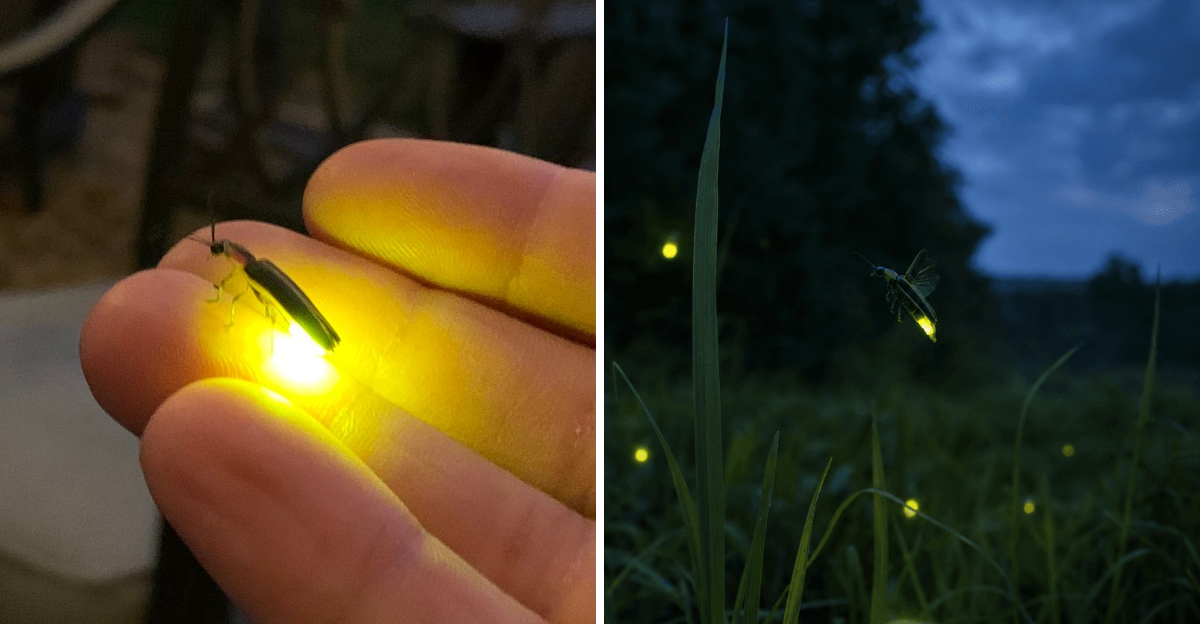
A Pennsylvania yard can feel strangely empty by late summer even when nothing obvious has changed.
Only weeks earlier, tiny flashes moved through the grass after sunset each evening, turning an ordinary lawn into something that felt almost theatrical.
Then August arrives, evenings grow quieter, and the lights seem to thin out until one night you notice hardly any at all.
That disappearance can look like a warning.
The yard may still have flowers, moisture, trees, and plenty of insects, yet the familiar blinking no longer matches what June delivered.
The easy assumption is that something happened to the population, but the real explanation often starts with a much shorter clock than most homeowners realize.
So what does the silence actually mean?
The answer depends on timing, life stage, weather, habitat, and what your yard has offered beneath the grass long after the adults stop glowing.
Read those clues together, and a dark August lawn can tell a very different story from the one it seems to tell at first.
1. Read Late Summer Silence As Normal Timing
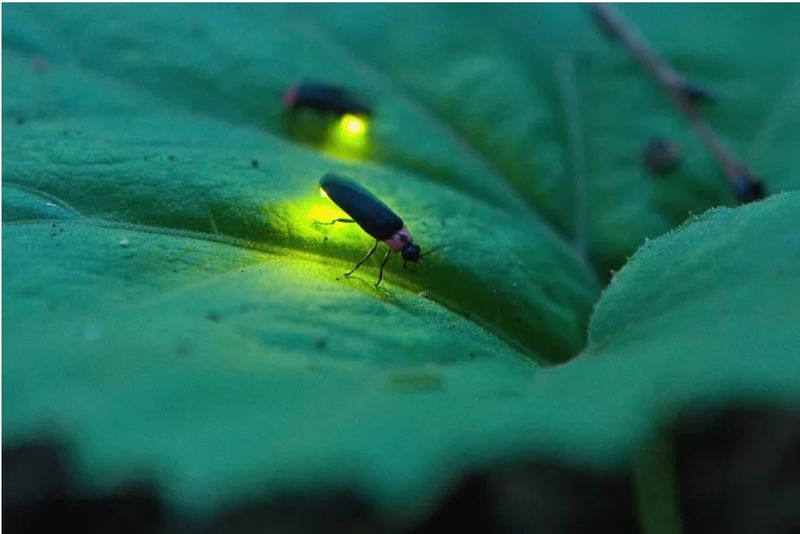
Late-August silence usually means the adult display season is winding down, not that the yard suddenly lost every firefly.
Pennsylvania firefly activity peaks earlier, with the strongest displays typically occurring in June and July and only some adults lingering into August.
Adult fireflies live for only a few weeks, so the glowing stage people notice is naturally brief. Once mating and egg laying are finished, the number of flashing adults drops quickly.
That makes timing the first clue to read.
A yard full of flashes in June that becomes much quieter by late August is following a normal seasonal pattern. The change deserves less concern than a yard that stays dark through the entire peak season for several years in a row.
Species matter too.
Pennsylvania supports many firefly species, and they do not all emerge, flash, or disappear on the exact same schedule.
Some adults appear earlier, some later, and some are less conspicuous than the familiar lawn-flashing species. One quiet evening therefore says very little about the overall population.
Weather can make a late-season night look even emptier. Cooler temperatures, dry conditions, or a poorly timed storm can reduce visible activity for an evening without erasing the insects below.
Moisture and weather conditions can influence firefly numbers and activity from year to year.
Late summer is not the moment to declare the light show gone forever. It is usually the moment the adult season starts handing the yard back to the hidden stages.
2. Remember Peak Firefly Season Comes Earlier
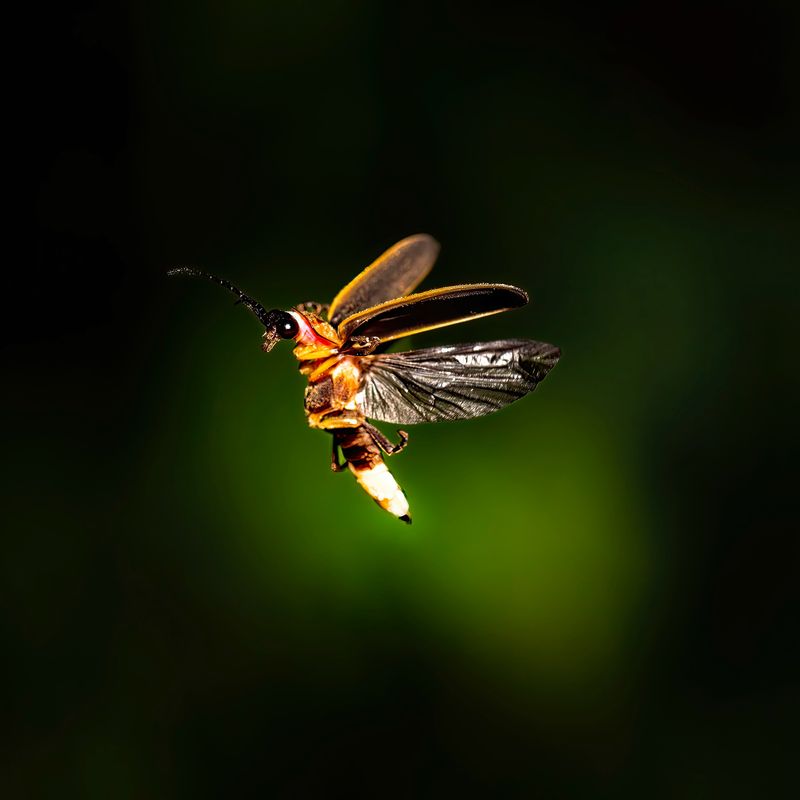
Pennsylvania’s brightest firefly evenings generally arrive well before Labor Day.
Recent state guidance places peak firefly season in June and July, with a smaller number of adults sometimes continuing into August.
That explains why a yard can look spectacular around the start of summer and nearly empty several weeks later even when the habitat has not changed.
Year-to-year timing can still shift.
Soil moisture, spring temperatures, rainfall, and local conditions influence development and emergence. A damp, warm year may not match a cooler or unusually dry one.
Your Pennsylvania Garden Changes Every Week. Your Plan Should Too.
Gardening in Pennsylvania changes quickly throughout the season. Every Friday you’ll receive a simple weekly plan showing exactly what to plant, prune, fertilize, harvest, and protect so you never miss the right timing.
That makes exact calendar comparisons less useful than watching the broader seasonal window.
Location inside Pennsylvania matters too.
A cool, wooded property in the northern part of the state may not match an exposed suburban yard farther south.
Wetlands, stream edges, forests, fields, and lawns can also support different species and different activity patterns. Firefly habitat preferences vary considerably among species.
The practical habit is simple: remember when the season actually looked busiest.
A few notes on the first strong display, the brightest week, and the point when activity began fading can build a useful picture over several summers.
That record is much more informative than trying to judge the population from one August evening.
Fireflies do not fail to show up in late summer because the garden lost its magic. In many yards, the biggest performance already happened weeks earlier.
August is often the encore, and encores are rarely as crowded as opening night.
3. Expect Adult Numbers To Fade By Late Summer
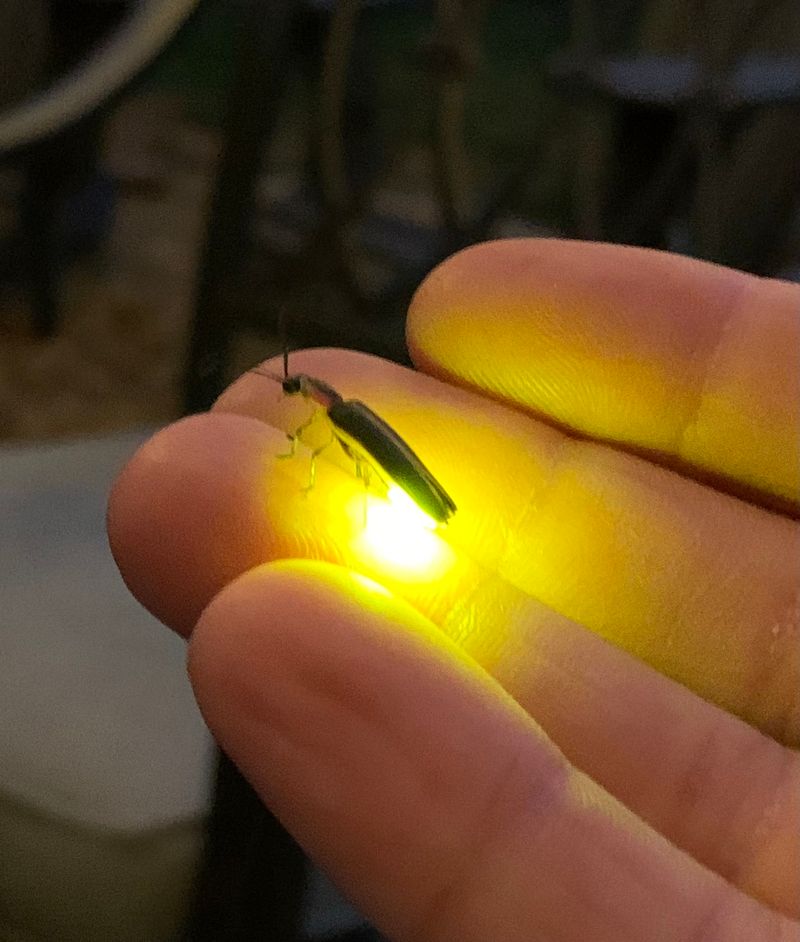
The glowing adults are only a small part of the firefly life cycle.
After mating, females place eggs in moist soil or similar protected sites. The larvae that hatch spend far longer out of sight than the adults spend flashing above the lawn.
In Pennsylvania, the larval stage can last one to two years, with young fireflies living in soil and leaf litter while feeding on soft-bodied prey such as slugs, snails, and earthworms.
That changes how a quiet yard should be interpreted.
No flashing adults in late August does not mean the property is empty. Eggs may already be present, larvae may be moving beneath leaves, and other immature stages may be developing where nobody can see them.
This hidden period is the reason summer cleanup choices still matter after the light show fades.
Removing every leaf, drying every shaded corner, or treating the entire lawn with unnecessary insecticides can affect habitat used during the much longer immature stage.
The flashy part lasts weeks. The underground and litter-level part lasts far longer.
Do not dig through the lawn searching for proof.
Firefly larvae are small, species vary in habitat, and disturbing the soil defeats the purpose of protecting them. Support the conditions instead.
A dark August evening can therefore mean the adults finished their season while the next generation is already carrying on below.
The show ended above ground. The life cycle did not.
4. Leave Moist Leaf Litter In Quiet Corners
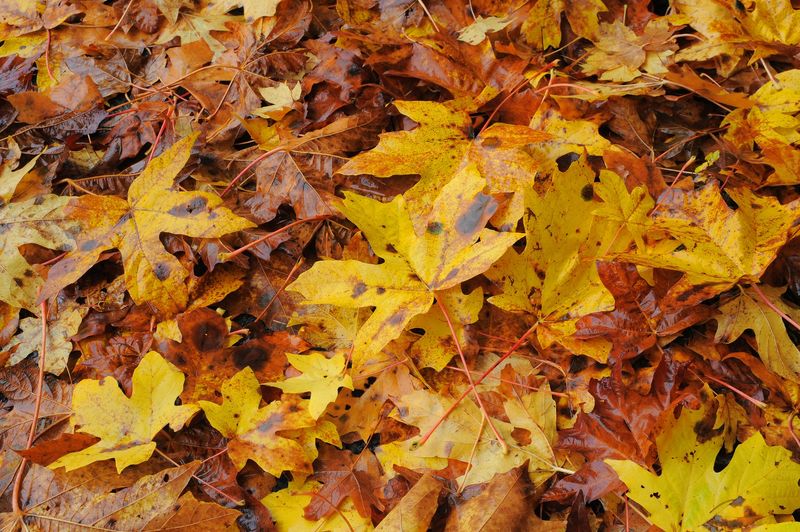
Leaf litter can be valuable firefly habitat, especially in quiet, shaded parts of a Pennsylvania yard.
Larvae live in soil and leaf litter for long periods, and those areas also support the slugs, snails, worms, and other small prey used by many species.
Moisture matters because fireflies are strongly associated with humid habitats and damp ground during egg and larval development.
That does not require abandoning the entire lawn.
Choose low-traffic corners beneath shrubs, along a woodland edge, or beside a fence where fallen leaves can remain through autumn.
Move leaves off sidewalks, drains, and heavily used turf, then use part of that material in beds or designated habitat zones instead of removing every last layer from the property.
Current Pennsylvania guidance specifically recommends leaving fallen leaves in parts of the landscape to provide shelter for fireflies and other beneficial insects.
Keep the leaves loose rather than packing them into a wet, airless mound.
A natural litter layer protects the soil surface and creates cover without needing to become a knee-deep pile. Native shrubs, perennials, and groundcover around that area can add shade and help the soil stay cooler and moister.
Avoid constant disturbance once the corner is established.
Frequent raking, digging, and blowing removes exactly the protected surface layer the insects are using.
The finished yard can still look intentional. A defined bed edge or woodland border makes retained leaves read as habitat rather than forgotten cleanup.
Late-summer darkness above the grass is one reason to pay attention below it. The next generation may need the leaves far more than the rake does.
5. Cut Back Night Lighting Around The Yard
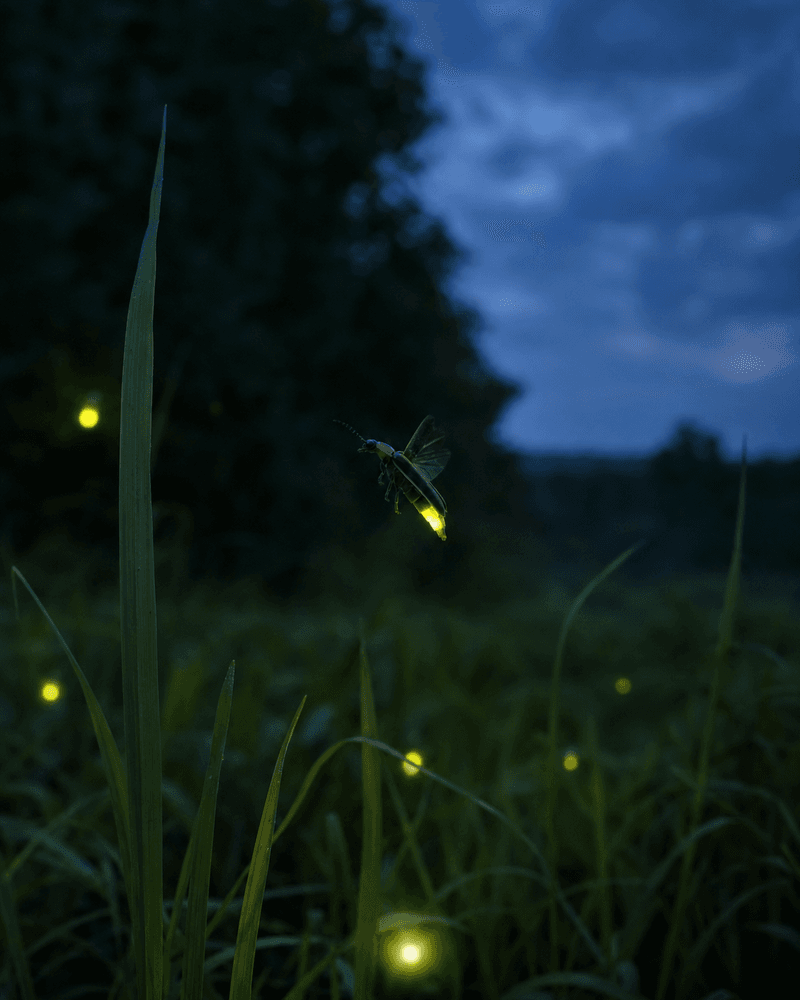
Night lighting matters because many fireflies use bioluminescent signals to find mates.
Artificial light can interfere with that communication, but the effect is not identical across every species or every brightness level.
Controlled studies on North American fireflies have found reduced courtship or mate-location success under some lighting conditions, while other species showed weaker responses.
That makes darker habitat a sensible conservation step without pretending one porch bulb explains every quiet yard.
Start with unnecessary light.
Turn off decorative fixtures after they are no longer needed. Use motion sensors for security lighting, shield fixtures downward, and avoid flooding the lawn or woodland edge with constant brightness through the evening.
Pennsylvania habitat guidance also recommends reducing outdoor lighting during firefly season.
Do not chase one supposedly perfect bulb color as a universal solution.
Research shows that responses to light spectrum can differ among insects and firefly species.
Redder light may reduce some impacts in certain settings, but darkness remains the simplest way to remove artificial light from the equation when illumination serves no useful purpose.
Pay special attention during peak activity in June and July.
Reducing light then supports the adult courtship period people are trying to protect. Keeping the same habits later in summer also benefits other nocturnal insects and preserves darker habitat.
A quiet August yard cannot be fixed by turning off a porch light for one night. The value comes from making darker evenings part of the landscape routine across seasons.
6. Mow Less Where Habitat Allows
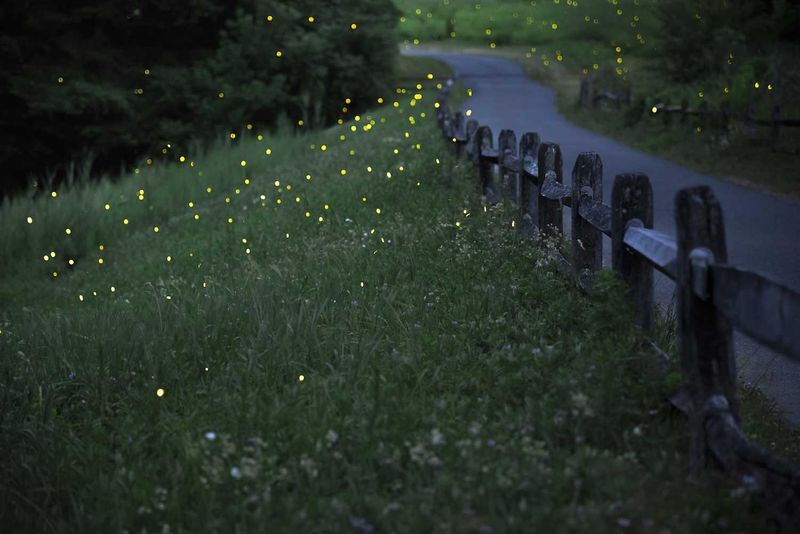
A firefly-friendly yard does not need to become an unmowed field.
The useful change is reducing how aggressively every part of the property is cut.
Current Pennsylvania guidance suggests keeping lawn grass around three to four inches high, while quieter edges can be allowed to grow taller where local rules, visibility, and tick management make that practical.
Height creates cover.
Adult fireflies can rest in vegetation during the day, and low vegetation also gives females of some flashing species places to signal from near the ground.
Firefly observations routinely record females perched in grass and adults using low vegetation during flashing displays.
Keep the main walking areas functional.
Paths, play zones, and frequently used lawn can stay mowed. The habitat gain comes from identifying sections that do not need the same treatment, then allowing those areas to remain less disturbed through the active season.
Avoid mowing during the brightest part of an evening display.
Daytime mowing gives insects more opportunity to move away from machinery and keeps the activity separate from the hours when adults are signaling.
A taller lawn edge will not guarantee a bigger light show next June. Firefly species need different habitats, and moisture, darkness, pesticides, and surrounding land use still matter.
Habitat records specifically track mowing alongside moisture, vegetation, lighting, and other site features for that reason.
The goal is diversity rather than neglect.
One clipped lawn with a softer border offers more habitat choices than a property maintained at exactly the same height from porch step to fence line.
7. Reduce Unnecessary Insecticide Use
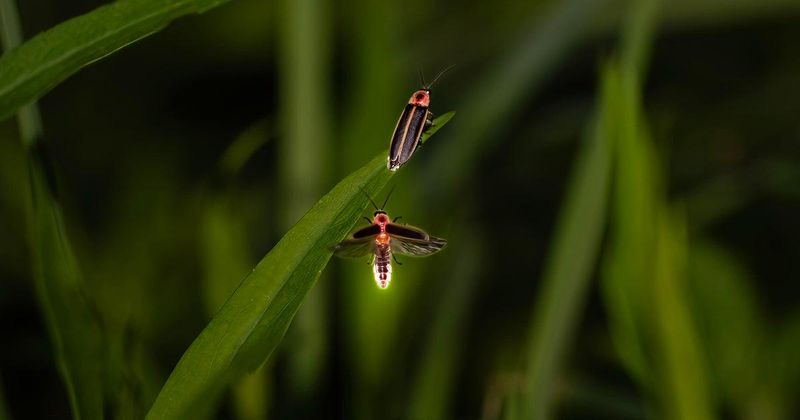
Pesticides deserve a careful look because fireflies spend so much of their lives in places lawn treatments can reach.
Larvae occupy soil and leaf litter, while adults rest and court around vegetation. Broad insecticide use can therefore expose non-target insects along with the pest named on the bottle.
Firefly conservation guidance consistently lists pesticide reduction as part of protecting suitable habitat.
Start with identification instead of routine treatment.
A few beetles, grubs, or mosquitoes do not automatically justify covering the entire yard with an insecticide.
Confirm the pest, decide how much damage actually needs control, then choose the narrowest effective method allowed by the product label.
Mosquito management offers a good example.
Removing water that can support mosquito larvae, maintaining gutters, and managing containers attacks part of the problem without coating every shrub and lawn edge.
Treatments aimed at a specific breeding source can reduce unnecessary exposure elsewhere in the yard.
The same logic applies to turf pests.
Treat a confirmed problem rather than applying a broad product simply because the calendar says summer. Follow label directions exactly and keep applications away from places where they are not needed.
No single pesticide application proves why a firefly display changed.
Weather, habitat loss, lighting, mowing, and seasonal timing all interact. Pesticide exposure is recognized as one possible pressure among several rather than a universal explanation for every decline.
A yard does not need to become chemically untouched to become more firefly-friendly. It does need to stop treating every insect as though it arrived with an eviction notice.
8. Watch Multi-Year Changes Instead Of One Week
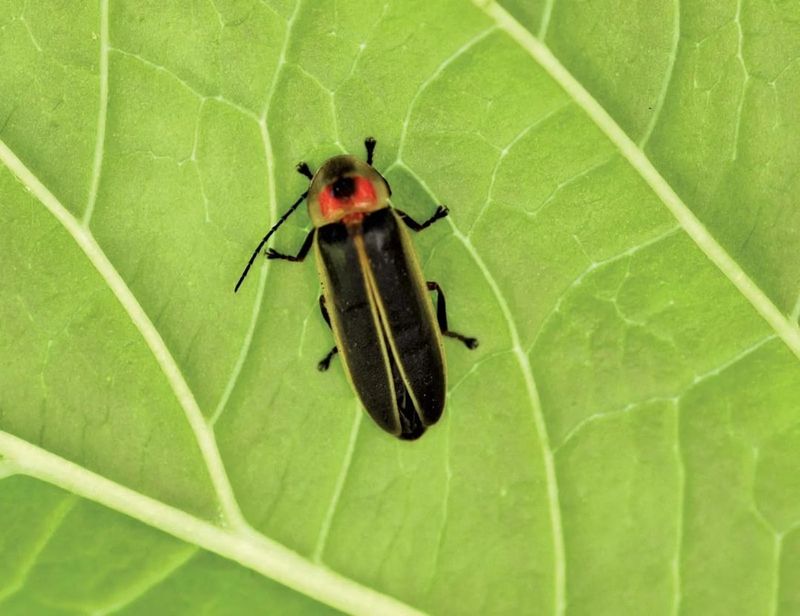
One quiet August week is a poor measurement of a firefly population.
Adult activity changes with season, temperature, moisture, recent weather, species, and even the exact time observations begin.
A yard that looks empty tonight may have been busy three weeks earlier, while another property nearby may support species with a different schedule.
Track the season instead of one evening.
Write down the first date you notice flashing adults, the brightest period, the approximate number visible during a short observation, and the point when activity clearly declines.
Try to watch from the same location at roughly the same time under similar weather conditions.
Consistency matters more than perfect counting.
Fireflies move constantly, so exact backyard totals are difficult. A simple category such as few, moderate, or many can still reveal meaningful changes when used the same way year after year.
Photos and short notes about rainfall, mowing, lighting, and pesticide use add useful context. Habitat and repeatable survey details are important parts of organized firefly monitoring.
Longer records are especially valuable because researchers still lack strong long-term population data for many places and species.
Citizen observations can help improve understanding when records are consistent and verifiable.
Concern makes more sense after several peak seasons show the same downward pattern, not after adults fade on schedule in late August.
The yard is not a stock ticker that needs checking every night. Firefly trends become clearer slowly, which is fitting for an insect that spends far more of its life hidden than glowing.