Why Michigan Gardeners Should Cut Back Phlox Now For Better Blooms Next Spring
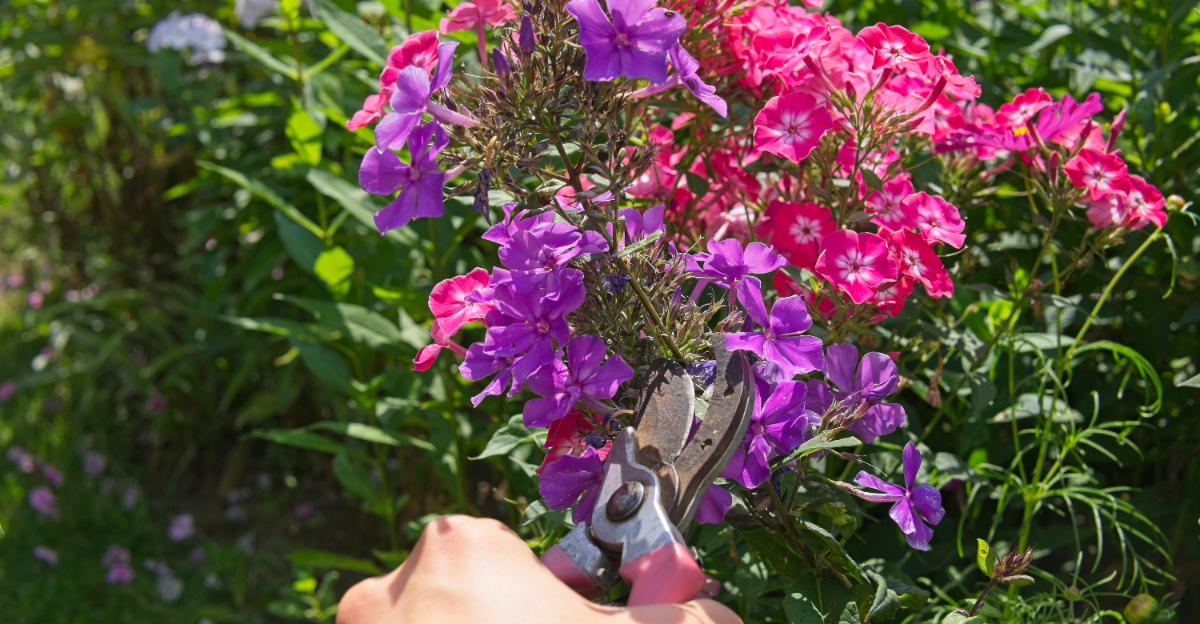
Cutting back phlox after its main blooming period helps Michigan gardeners encourage stronger, more beautiful flowers when spring returns next year.
Removing spent flower stems prevents the plant from putting unnecessary energy into seed production once blooming has mostly finished.
Cutting stems back to about half their height also improves airflow around the base, reducing the powdery mildew phlox commonly struggles with during humid stretches.
This timing gives the plant enough remaining growing season to redirect energy toward strengthening its root system before winter arrives.
Dividing overcrowded clumps at the same time helps maintain healthy growth patterns while giving plants more room to establish. Watering consistently after cutting back supports recovery without adding unnecessary stress during the process.
Removing any diseased or damaged foliage at this time also reduces problems carrying over into next year. This simple routine now sets phlox up for fuller, healthier blooms once warmer weather returns.
1. Cut Creeping Phlox After It Finishes Blooming

Timing is everything when it comes to trimming creeping phlox, and most Michigan gardeners are surprised to learn that the best window opens right after those cheerful spring flowers fade.
Once the blooms drop off, usually sometime in May or early June depending on your location, the plant shifts its energy from flowering to growing new foliage. That is the perfect moment to step in with your pruning shears.
Cutting back right after bloom does two important things. First, it shapes the plant so it stays tidy and compact rather than sprawling and scraggly.
Second, it encourages the plant to push out fresh, healthy stems that will carry next year’s flower buds. Waiting too long means you miss this productive growth window entirely.
In Michigan, spring weather can be unpredictable, so keep an eye on your plants rather than going by the calendar alone. Once you see that the flowers are mostly gone and the petals have dropped, grab your shears and get to work.
A clean cut made at the right time sets the whole plant up for a stronger performance next spring.
Many gardeners skip this step thinking phlox will take care of itself, and it often does survive without pruning. But surviving and thriving are two very different things.
Plants that get a post-bloom trim consistently produce fuller, denser mats and more vibrant flower displays the following year.
Making this one small habit part of your spring garden routine can genuinely transform how beautiful your phlox looks season after season.
2. Trim Stems Back By About Half
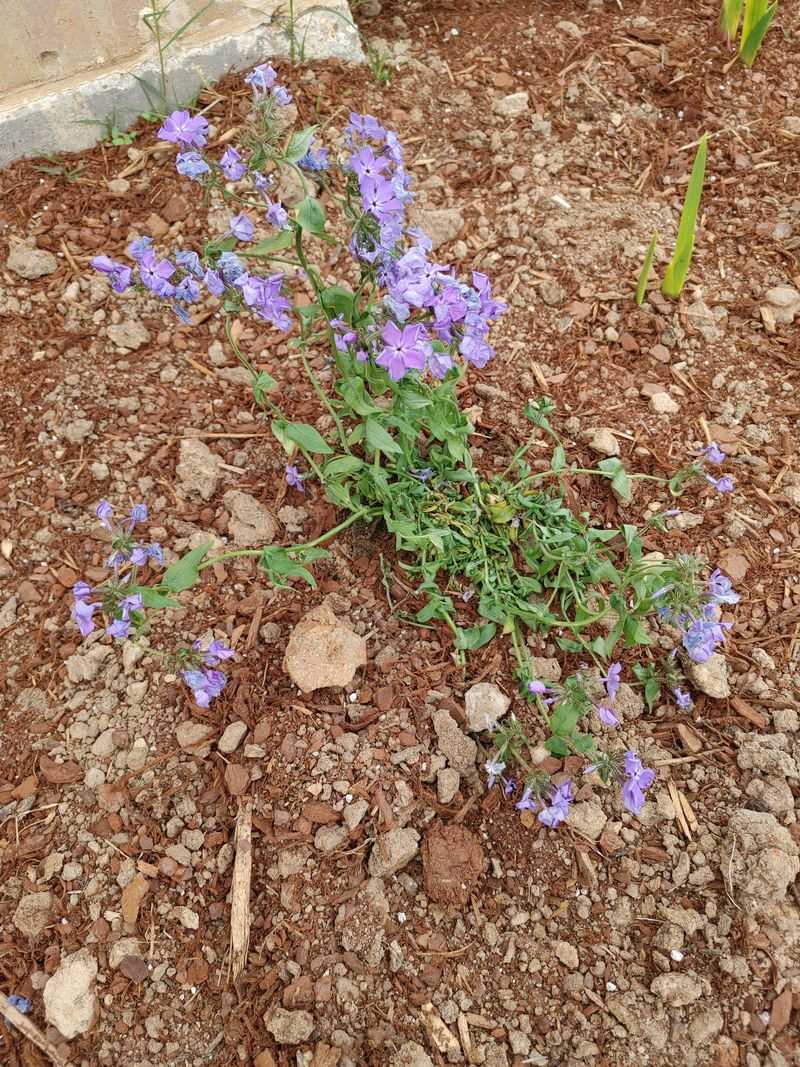
Grab your pruning shears and aim to cut about half the stem length away. That might sound like a lot, but creeping phlox is a tough, resilient plant that responds really well to a firm trim.
Cutting back by roughly half encourages the plant to branch out from lower on the stem, which produces a much denser, more compact mat of growth over time.
When stems are left long and leggy, the plant tends to spread in a thin, uneven way that looks messy and leaves gaps in your garden bed. A good half-length cut resets that growth pattern.
Your Michigan Garden Changes Every Week. Your Plan Should Too.
Gardening in Michigan changes quickly throughout the season. Every Friday you’ll receive a simple weekly plan showing exactly what to plant, prune, fertilize, harvest, and protect so you never miss the right timing.
New side shoots sprout from the trimmed stems, filling in those gaps and creating the lush, thick carpet that creeping phlox is famous for.
Use clean, sharp shears for every cut. Dull blades crush stems instead of slicing them cleanly, which slows the plant’s recovery and can invite disease.
Wipe your blades with rubbing alcohol before you start, especially if you are moving between different plants in your garden.
Michigan gardeners often worry that cutting back so much will stress the plant, but phlox actually handles it well when the timing is right. The key is doing this right after flowering, not in the middle of summer heat or heading into fall.
Pair a solid half-length trim with a light layer of compost around the base, and you give the plant everything it needs to bounce back stronger, greener, and absolutely loaded with buds for next spring’s show.
3. Do Not Give It A Heavy August Cut
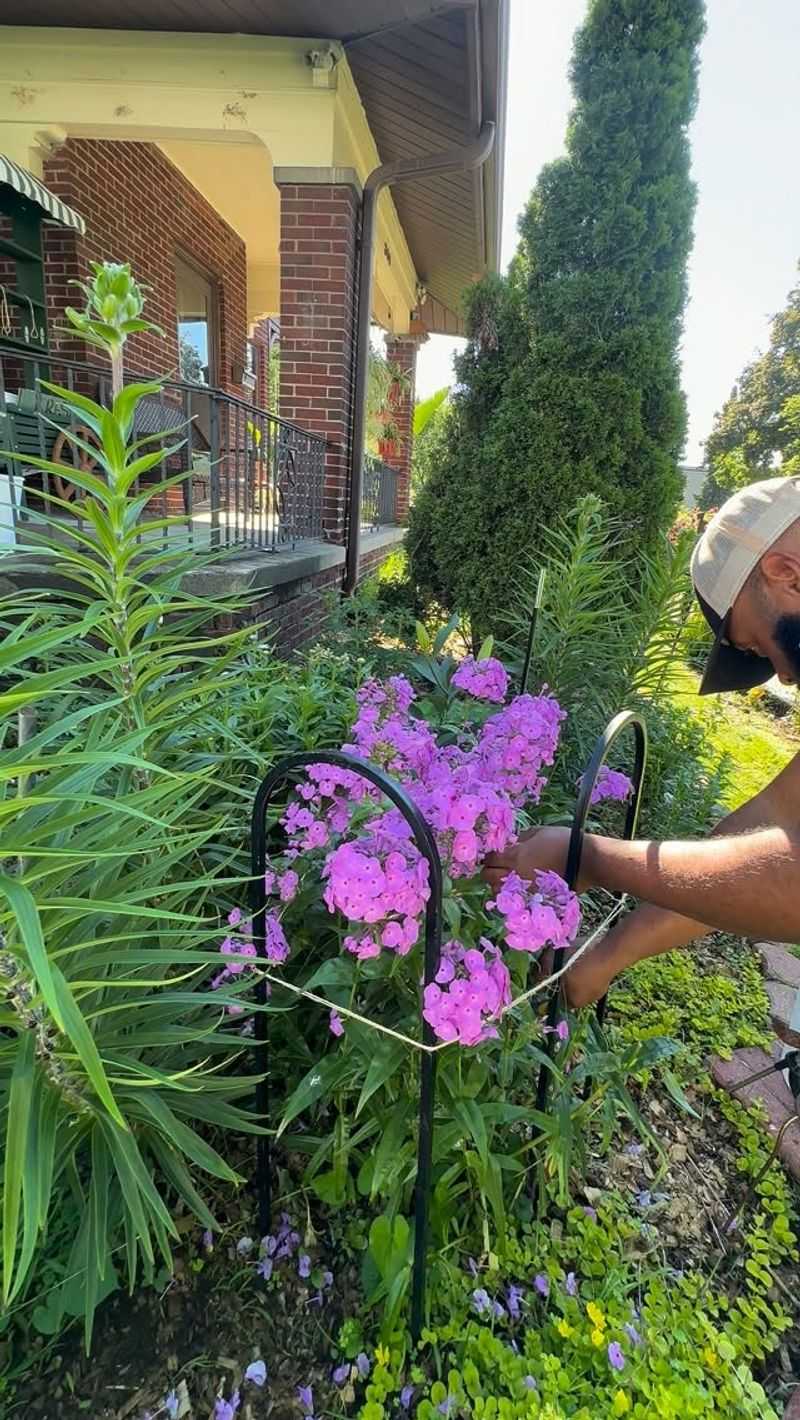
August in Michigan brings warm temperatures and high humidity, and your creeping phlox is already working hard just to stay healthy through the heat.
Giving it a severe cut during this time puts the plant under serious stress right when it needs to be conserving energy and preparing for the colder months ahead.
Most experienced gardeners treat August as a hands-off month for major phlox pruning.
The reason heavy late-summer cutting causes problems is all about timing. When you cut stems aggressively in August, the plant tries to push out new growth to replace what was removed.
That tender new growth does not have enough time to harden before Michigan’s first frost arrives, leaving it vulnerable to cold damage that can weaken the whole plant going into winter.
If you feel the urge to do something in August, limit your work to light cleanup only. Remove any stems that look clearly unhealthy, snap off spent or tattered foliage, and clear away debris from around the base of the plant.
That kind of gentle tidying keeps the garden looking neat without pushing the plant to regrow at the wrong time of year.
Think of August as a rest period for your phlox rather than a pruning opportunity. The real work happens right after spring bloom and again in early spring before new growth kicks in.
Respecting that natural cycle and keeping your shears away from healthy green stems during late summer is one of the simplest ways Michigan gardeners can protect their phlox and set it up for a spectacular display the following May.
4. Remove Brown Or Diseased Growth
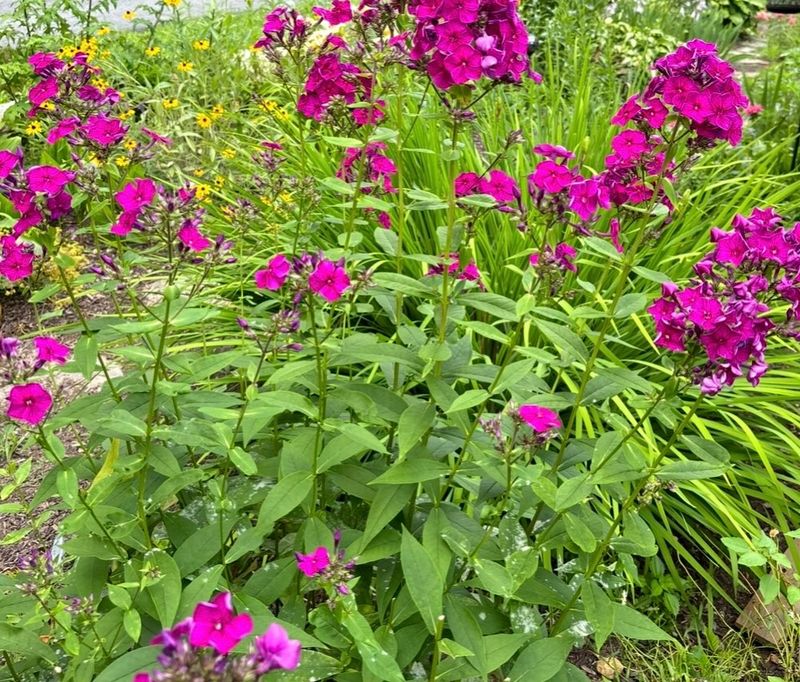
Spotting brown or discolored stems on your creeping phlox is your plant’s way of asking for help. Removing that unhealthy material is one of the most valuable things you can do to keep your planting strong going into the next growing season.
Diseased or damaged stems left on the plant can harbor fungal spores and other problems that spread to healthy tissue over time.
Powdery mildew is one of the most common issues Michigan phlox growers deal with, especially in humid summers. It shows up as a white, dusty coating on leaves and stems.
Cutting away affected growth as soon as you notice it reduces the amount of fungal material in your garden and gives the healthy parts of the plant more breathing room to recover.
Always use clean, sharp shears when removing diseased growth, and do not compost the material you remove.
Bag it up and put it in the trash instead, because composting diseased plant matter can spread pathogens back into your garden soil later on.
Wiping your blades with rubbing alcohol between cuts also prevents spreading problems from one stem to another.
Brown growth that is simply old or dried out, rather than diseased, can be removed at any time of year without worry.
Working through your phlox mat and pulling or cutting away that wilted material improves the plant’s appearance right away and helps air circulate more freely through the remaining stems.
Good airflow is one of the best natural defenses against the fungal problems that Michigan’s humid summers tend to encourage in garden plants.
5. Keep The Healthy Green Mat Intact
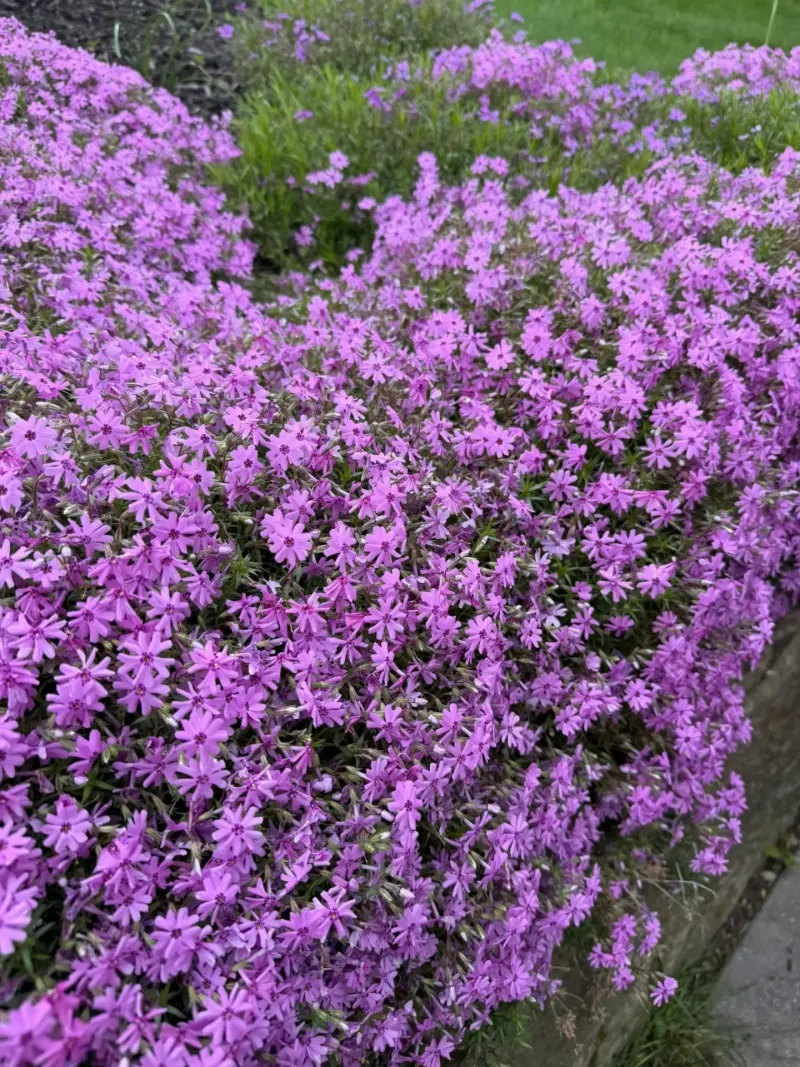
One of the biggest mistakes Michigan gardeners make with creeping phlox is cutting it all the way down to the ground before winter. It seems logical, like a clean slate heading into the cold season, but it actually works against the plant.
The green foliage that remains on creeping phlox through fall and winter is not wasted growth. It is doing an important job.
Creeping phlox is a semi-evergreen plant, which means it holds onto much of its foliage even as temperatures drop.
That green mat acts as a natural insulator for the root system below, helping protect the plant from Michigan’s harsh freeze-and-thaw cycles.
When you strip away that protective layer, you expose the plant’s crown to temperature swings that can cause real damage.
Beyond insulation, keeping the green mat intact also means the plant has more stored energy going into spring. Foliage helps the plant photosynthesize and build up reserves right up until the ground freezes.
Those reserves fuel the burst of new growth and flowering that makes creeping phlox so stunning in May.
Focus your fall attention on removing only the brown, dried, or clearly unhealthy sections while leaving the green parts alone. A light cleanup rather than an aggressive cut is all your phlox needs before winter sets in.
Come spring, you will notice how quickly and vigorously the plant wakes up, spreading fresh stems across the mat and pushing up flower buds that turn your garden into a sea of color. Protecting that green growth through winter is a simple step with a big payoff.
6. Thin Old Crowded Areas When Needed
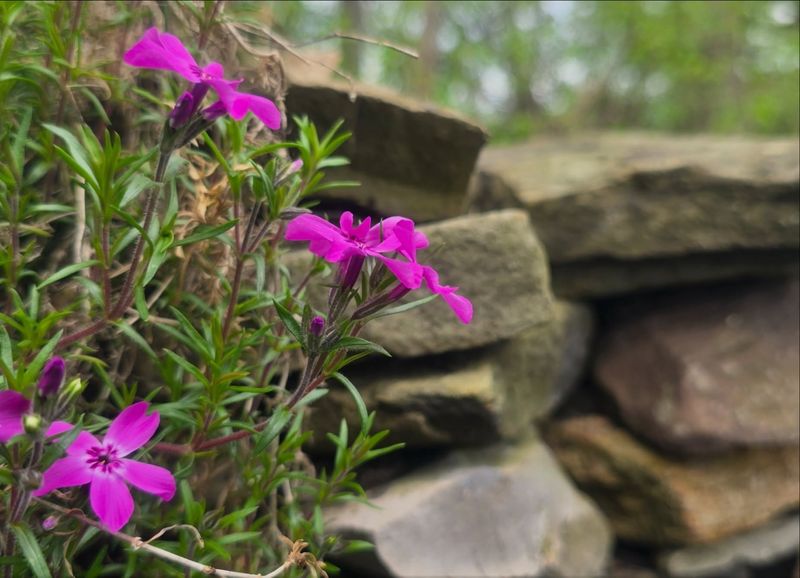
Over time, creeping phlox can get thick and woody in the center of a planting, especially in areas that have been growing in the same spot for several years. That crowding might look lush from a distance, but up close it creates a problem.
Stems packed tightly together trap moisture, limit airflow, and become a perfect environment for fungal disease to take hold.
Thinning out crowded sections every couple of years makes a real difference in the long-term health of your planting. The goal is not to remove large amounts of growth but to open up the mat so air can move through it freely.
Use your fingers or a hand rake to pull apart dense clumps, and cut away the oldest, woodiest stems from the interior of the plant where new growth tends to be weakest.
Spring, right after bloom, is the ideal time to do this thinning work alongside your regular post-bloom trim. You can see exactly what is green and actively growing versus what is old and struggling.
Removing the tired interior stems gives the younger, vigorous outer growth more room and more resources to expand.
Michigan gardeners who thin their phlox regularly often notice that their plants stay looking younger and more vibrant for much longer than neglected plantings.
A crowded phlox mat also produces fewer flowers because the plants are competing intensely for nutrients and light.
Opening things up even a little changes that dynamic quickly. Healthier airflow, better light penetration, and reduced competition all add up to a noticeably more beautiful bloom display the following spring.
7. Remember That Cutting Alone Does Not Guarantee Flowers

Pruning your phlox correctly is a great start, but it is only one piece of the puzzle. Michigan gardeners sometimes trim their plants perfectly and still end up with a thin or disappointing flower display the next spring.
When that happens, the culprit is almost always something in the growing conditions rather than the pruning technique itself.
Sunlight is one of the biggest factors. Creeping phlox performs best in full sun, meaning at least six hours of direct sunlight per day.
Plants growing in too much shade tend to produce sparse foliage and very few flowers, no matter how well you trim them.
If a nearby tree or shrub has grown up and started blocking light, that shade problem needs to be addressed before pruning can make a real impact.
Drainage matters just as much. Phlox roots sitting in soggy soil struggle to stay healthy, and a plant with stressed roots simply does not have the energy to produce a big flower show.
Michigan’s clay-heavy soils can cause drainage problems, so amending your planting area with compost or coarse sand can help water move through more freely.
Soil health, overall plant vigor, and even the age of your planting all play a role in how well phlox blooms. A plant that is several years old and has never been divided or refreshed may just be running low on energy.
Combining smart pruning with good sun exposure, proper drainage, and the occasional soil boost gives your phlox every advantage it needs to produce the kind of breathtaking spring bloom that makes the whole neighborhood slow down and stare.