Why Michigan Gardeners Who Skip These July Tasks End Up With Leggy, Overgrown Beds By September
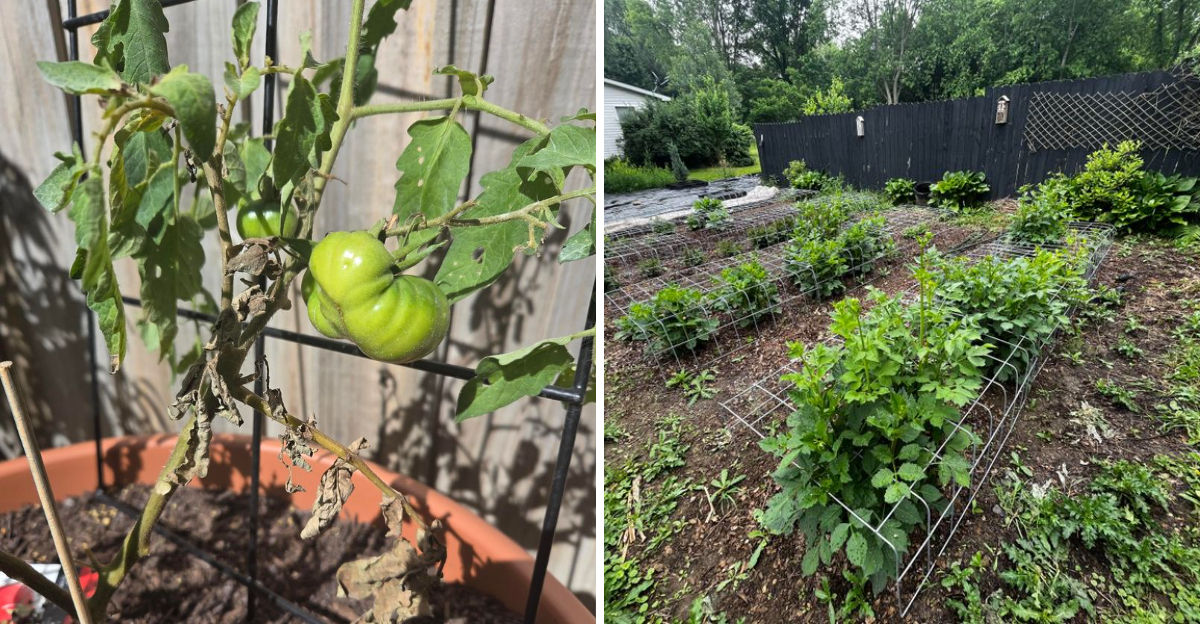
September beds that look sprawling, unstructured, and exhausted almost always trace back to these skipped tasks in July.
By the time the problem is obvious it is too late in the season to do much about it without cutting back plants that are still actively flowering or setting seed.
The window for keeping Michigan garden beds looking intentional and full through fall closes in July, and most gardeners do not realize it has closed until they are standing in front of a bed in early September wondering what happened.
These mid-season tasks take less time than most routine garden maintenance and produce results that hold the entire garden’s structure together through the back half of the year.
1. The July Bed Reset
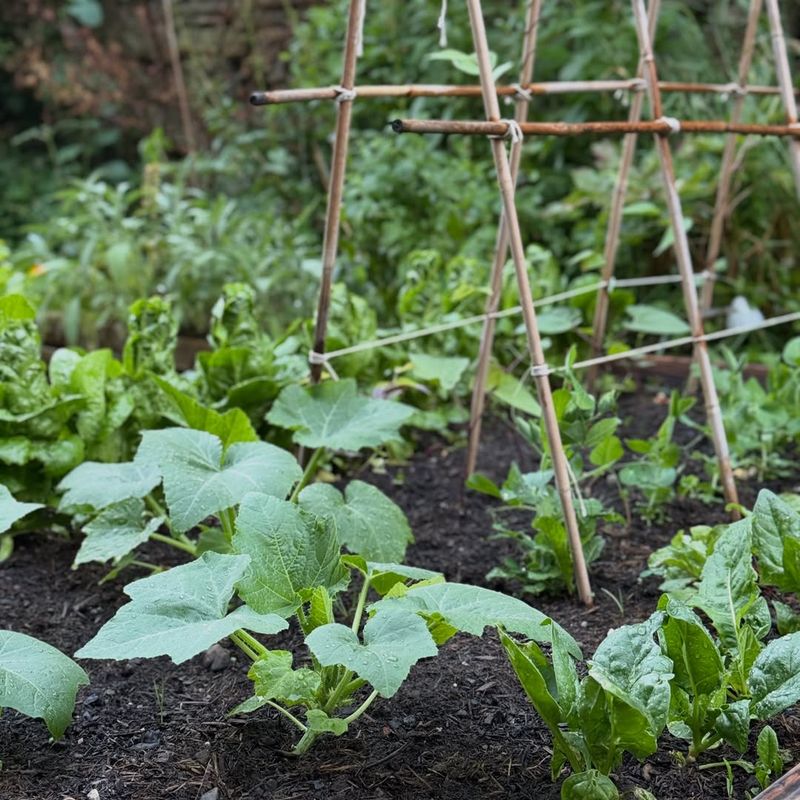
Picture walking out to your garden on a warm July morning and noticing that something just feels off. The plants have gotten bigger, but the bed looks messier, not better.
That is exactly what happens when the mid-season reset gets skipped. The July bed reset is a hands-on task that covers several small jobs at once.
You remove spent blooms, trim annuals that have started stretching, thin out crowded stems, guide any plants that are sprawling where they should not be, and add support to taller growth before stems start leaning.
None of these jobs are complicated, but together they keep the whole bed looking like it was planned with care.
Michigan summers are warm and humid enough that plants grow fast between late June and August. That growth is great for blooms, but without any shaping or guidance, the bed can turn into a tangle quickly.
Tall plants flop into shorter ones, bare lower stems get exposed, and the clean edges you worked hard to create in spring start to disappear.
Spending even one focused hour in July resetting the bed puts everything back on track. Think of it as a mid-season tune-up rather than a major overhaul.
Your plants are still strong and growing, which means they respond well to trimming and shaping right now rather than later.
2. Spent Blooms Push Plants Toward Seed

Most flowering plants are wired with one goal above everything else: make seeds. Once a bloom fades and starts forming a seed head, the plant shifts its energy away from making new flowers and puts it toward finishing that seed.
That shift is the reason beds start looking tired in late summer when no one has been removing the old blooms.
Deadheading, which is just the gardening word for snapping or cutting off spent flowers, interrupts that seed-making cycle.
For repeat bloomers like coneflowers, black-eyed Susans, petunias, and salvia, removing the faded flower signals the plant to try again. More blooms follow, and the bed stays colorful longer into the season.
Not every plant responds the same way, and that is worth knowing before you start snipping. Some annuals bloom in flushes no matter what, while others truly do slow down once they seed.
Observing your specific plants over a season or two helps you figure out which ones reward deadheading most.
Your Michigan Garden Changes Every Week. Your Plan Should Too.
Gardening in Michigan changes quickly throughout the season. Every Friday you’ll receive a simple weekly plan showing exactly what to plant, prune, fertilize, harvest, and protect so you never miss the right timing.
The technique is simple. Pinch or cut just below the faded bloom, back to the first set of healthy leaves or a side bud.
Do this every week or two throughout July and August, and the difference in your September bed will be noticeable. Consistent small efforts beat one big cleanup every single time.
3. Tired Annuals Need A Mid-Summer Trim
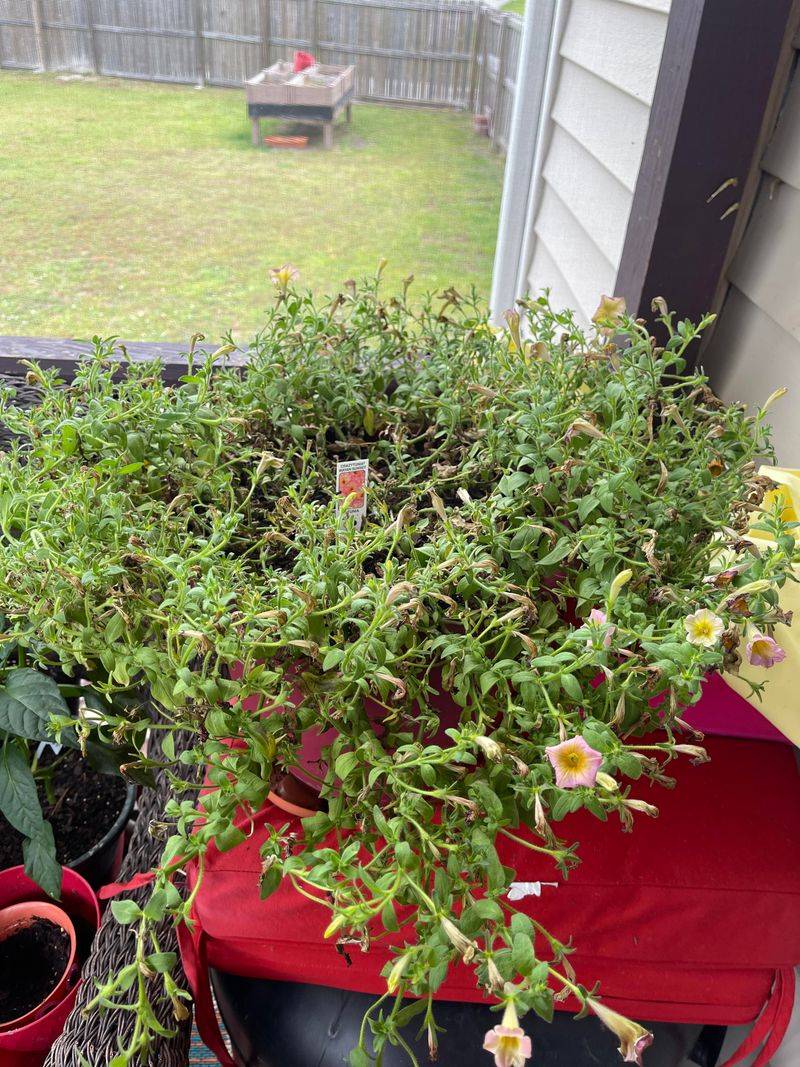
Petunias are a classic example of a plant that looks gorgeous in June and then starts to look like a tangled mess by August if no one steps in. The same goes for marigolds, zinnias, salvia, and impatiens.
These popular annuals put on a big show early, but without a midsummer trim, they stretch out, grow bare at the base, and stop producing the full, bushy look everyone planted them for.
A light to moderate cutback in July gives these plants a fresh start. Cutting petunias back by about one-third encourages new branching along the stems.
That new branching fills in gaps, hides the bare lower portions, and produces a fresh round of blooms before the season winds down. It feels a little drastic at first, but the results are worth it every time.
Zinnias and marigolds benefit from a slightly lighter touch. Removing spent blooms and snipping back any stems that have gone especially long or bare is usually enough to keep them looking tidy.
Salvia responds well to cutting the entire flower spike back once it finishes, which encourages a new spike to form.
The key is not to wait until September when the plants are fully stretched and stressed by heat. Trim in July when the plants still have plenty of growing season left to recover and fill back in beautifully before frost arrives.
4. Crowded Growth Traps Shade Inside The Bed
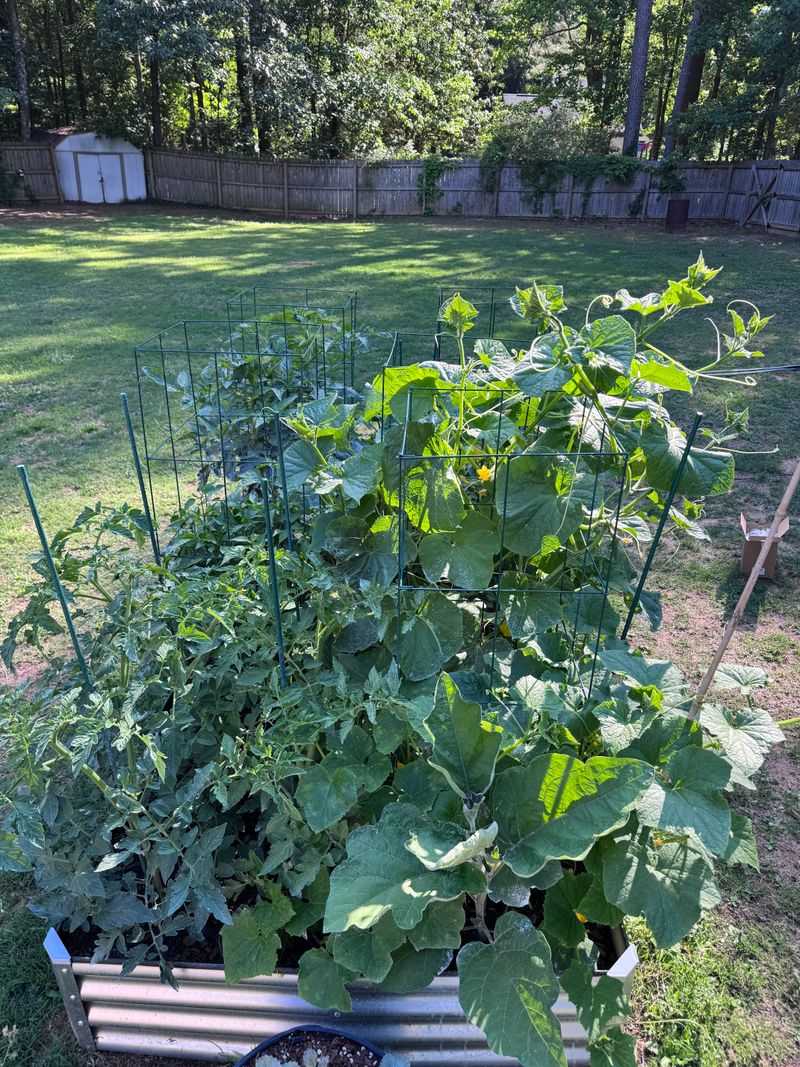
When plants grow close together and no one thins them out, something predictable happens: the stems inside the planting start reaching upward and outward searching for light.
That stretching is exactly what causes the leggy look that shows up so clearly by September. Crowded conditions create a chain reaction of problems. Lower leaves get shaded and eventually drop off, leaving bare stems at the base.
Weeds sneak into the gaps where thinned plants once were, blending into the greenery until they are hard to spot.
Airflow inside the bed drops, which can encourage powdery mildew and other fungal issues that Michigan gardeners deal with in humid summers.
Thinning is not about removing huge amounts of plant material. It is about selectively pulling or cutting a few stems here and there to open up space for light and air to move through.
Focus on stems that are crossing each other, growing inward, or pressing against a neighboring plant. Removing the worst offenders is usually enough to make a real difference.
After thinning, the remaining plants have more room to develop strong, upright stems rather than reaching and leaning. The bed looks less jammed, the lower foliage stays healthier longer, and weeds have fewer places to hide.
A little selective thinning in July saves a lot of frustration come September when the garden is supposed to look its best.
5. Tall Plants Need Support Before They Lean
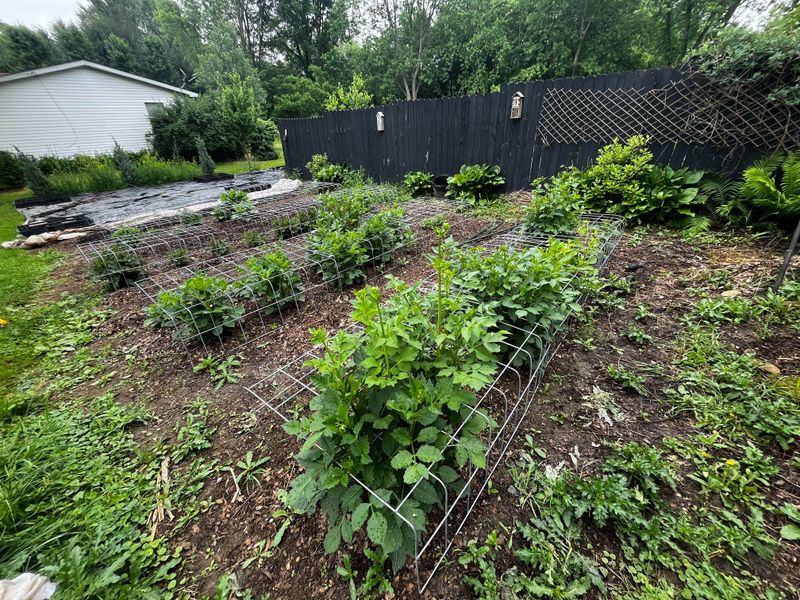
There is a narrow window in summer when staking tall plants is easy and effective. July is right in the middle of that window.
Wait too long, and the stems have already started leaning into pathways, falling across smaller plants, or bending in ways that leave permanent curves even after you add support.
Michigan gardens commonly include tall perennials like coneflowers, rudbeckia, garden phlox, and dahlias. All of these can reach heights that make them vulnerable to summer storms, heavy rain, and the sheer weight of their own blooms.
A good thunderstorm in August can flatten an unsupported bed in minutes.
Staking options range from simple bamboo stakes and soft garden twine to wire tomato cages and grow-through ring supports that let the plant grow up through the center. The best approach depends on the plant.
Single-stemmed plants like dahlias do well with an individual stake. Clumping perennials benefit more from a ring or cage that supports the whole group of stems at once.
The goal is to provide support that guides the plant upward without cinching the stem tightly. Loose ties and flexible supports work best because they allow the plant to move a little in the wind, which actually builds stronger stems over time.
Getting this done in July means your tall plants stand straight and proud all the way through September without any drama.
6. Weeds Make The Bed Look Fuller For The Wrong Reason
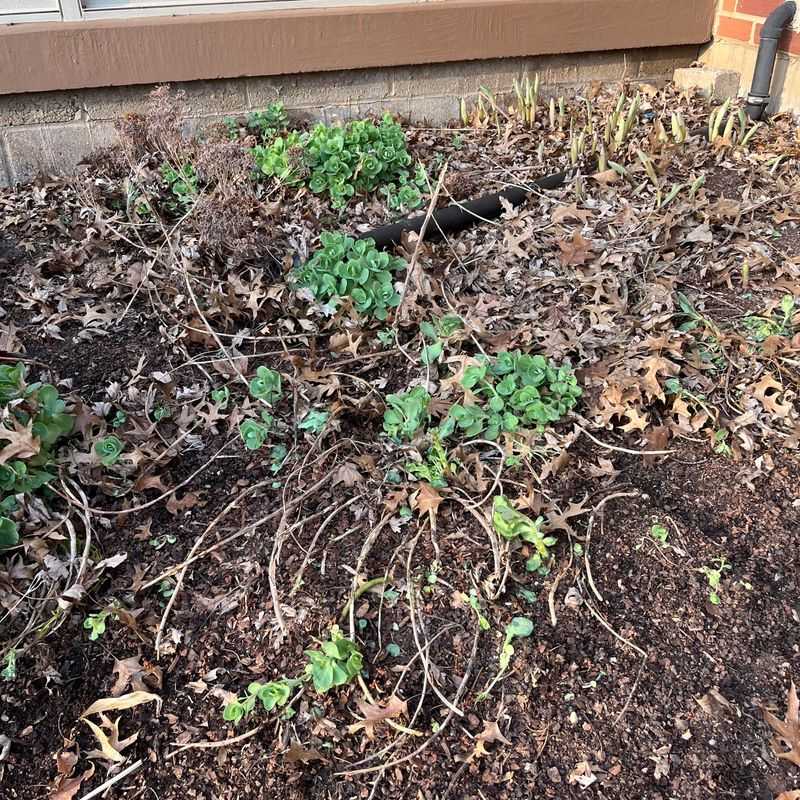
Here is something that catches a lot of gardeners off guard: a weedy bed in July can actually look pretty good at first glance. All that extra green fills in the spaces between plants, and from a distance the bed looks lush and full.
The problem is that the fullness is mostly weeds, and by September the deception falls apart completely.
Weeds are fast growers with deep root systems that pull water and nutrients away from your garden plants. As summer heats up and dry spells hit, the competition becomes more intense.
Your annuals and perennials are fighting for resources they need to bloom, while weeds are quietly winning that underground battle.
Beyond resource competition, weeds reduce airflow inside the bed. Poor airflow is one of the main reasons Michigan gardens struggle with fungal problems in humid July and August conditions.
Weeds also make the bed much harder to assess because they hide what is actually happening with your planted specimens.
Pulling weeds in July, before they go to seed, is one of the highest-value tasks you can do for a September garden. A weed that seeds in July can leave hundreds of seeds in the soil that will cause problems next spring.
A fresh layer of mulch after weeding slows new weed germination and holds soil moisture at the same time. It is one of the most practical moves in summer gardening.
7. Heavy Fertilizer Can Make Legginess Worse
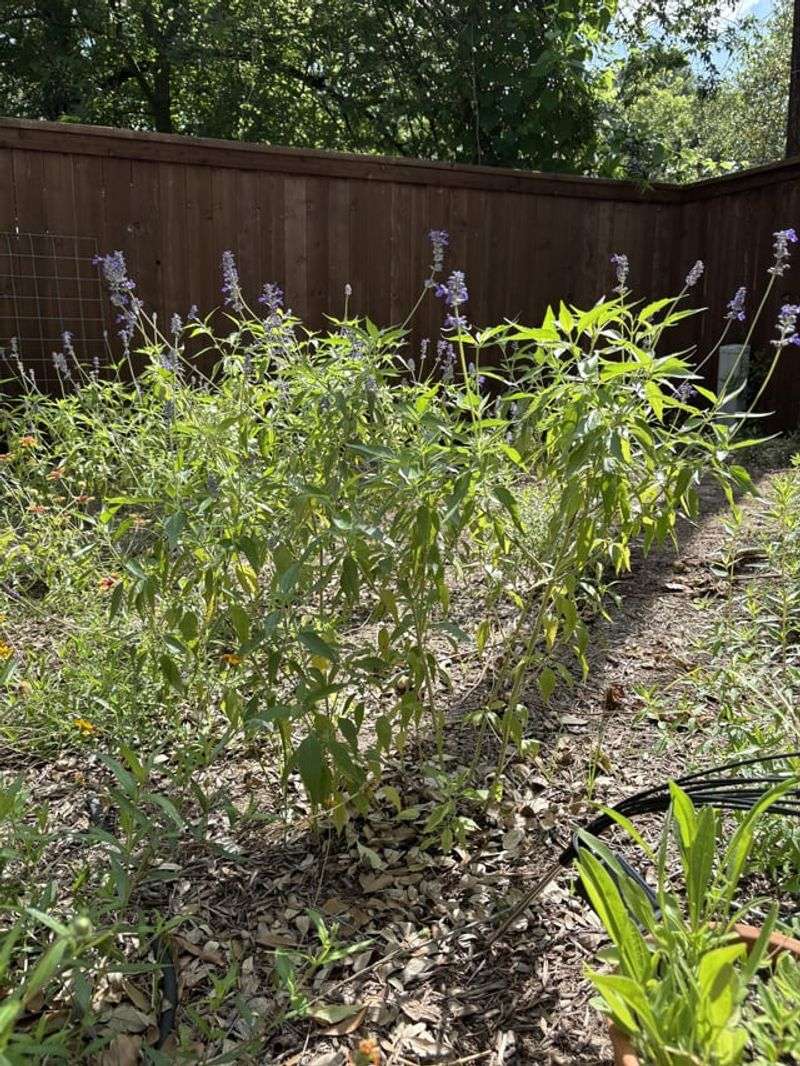
When a garden bed starts looking scraggly in July, the instinct for many gardeners is to feed it. More nutrients mean more growth, and more growth means a fuller bed, right?
Not exactly. Heavy fertilizer at the wrong time can actually make the legginess problem significantly worse rather than better.
High-nitrogen fertilizers push fast, soft, leafy growth. That kind of growth looks impressive for a week or two, but it tends to be weak-stemmed and floppy.
Plants that were already stretching toward light will stretch even faster. Blooms can become less frequent as the plant channels its energy into producing leaves instead of flowers. The bed ends up greener but messier.
A smarter approach in July is to focus on soil health rather than forcing more growth. Compost worked lightly into the top layer of soil improves moisture retention and feeds plants slowly without pushing a growth surge.
Mulch does similar work while also suppressing weeds. If you want to feed, a soil test from a Michigan State University Extension office can tell you exactly what your soil needs, which prevents both over-feeding and under-feeding.
Observation is also a powerful tool. A plant that looks stretched and pale may need more light or better airflow, not more fertilizer.
Matching the solution to the actual problem saves time, money, and effort while keeping the bed on track for a strong September finish.
8. Late Summer Heat Exposes Weak Structure
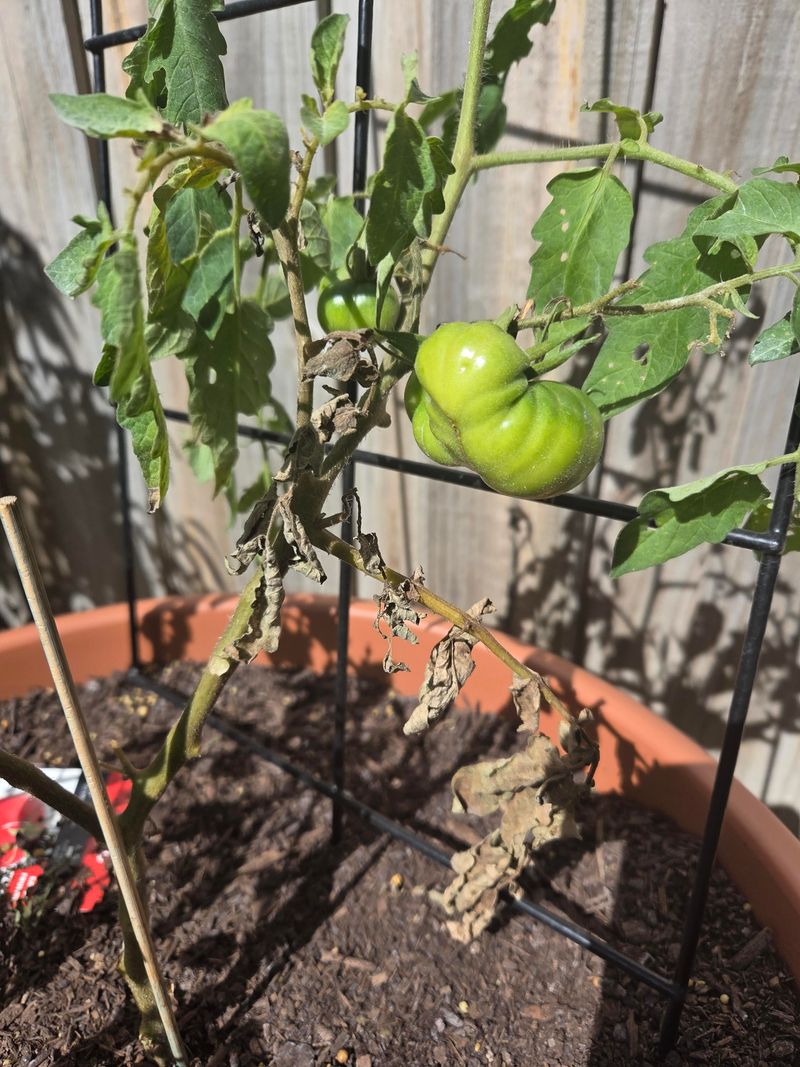
A garden bed can look acceptable in early July and fall apart by late August, and the reason usually comes down to structure.
Plants that were not trimmed, supported, or thinned earlier in the season hit a point where the accumulated stress of heat, storms, and rapid growth reveals every weak spot all at once.
Michigan summers bring a combination of conditions that test even well-maintained beds. Stretches of dry heat stress plants and cause leaf drop.
Sudden thunderstorms flatten stems that have grown tall without support. Fast growth during warm, humid spells creates lush-looking plants with soft, weak stems that cannot hold themselves upright when conditions change.
Structure in a garden bed is built over time through consistent maintenance. Trimming back stems in July encourages branching that creates a sturdier framework.
Thinning crowded areas allows the remaining stems to thicken up rather than stretching thin and weak. Supporting tall plants before they lean gives them a straight line to grow along rather than a curved one they can never fully correct.
By the time September arrives, the beds that received mid-season attention look polished and intentional. The ones that were left alone through July often look like they were never quite finished.
Heat and late-summer growth do not create the problem so much as they reveal problems that were already there, waiting to show up at the worst possible moment.
9. A Reset Keeps Plants From Burying Each Other
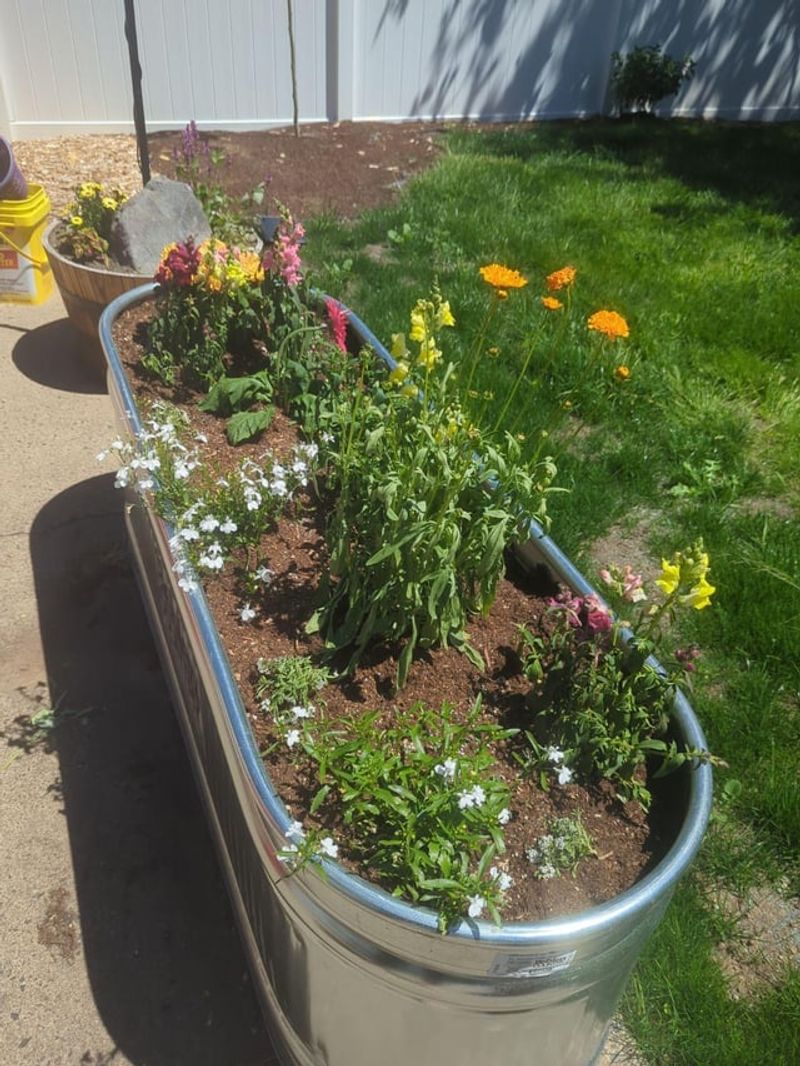
Fast-growing plants have no awareness of the smaller plants growing beside them. A robust coneflower or sprawling catmint does not slow down because a shorter salvia or low-growing sedum is right next to it.
Without some intervention in July, the bigger plants simply take over, and the front of the bed can disappear entirely under a canopy of taller growth.
This is especially common along the edges of beds where shorter plants are often used to create a tidy border. When a taller plant leans forward and covers that edging layer, the whole design loses its structure.
The bed stops looking layered and starts looking like one big green blob rather than a thoughtfully planted arrangement.
The fix is targeted and specific. You do not need to cut back everything in the bed, only the worst offenders that are actively shading or crowding their neighbors.
Trimming a few stems back by a third on an aggressive grower can open up enough space for smaller plants to get the light they need. It takes maybe ten minutes once you identify the problem areas.
Checking the front and edges of the bed in July is a habit worth building. Kneel down and look at the planting from a low angle to see which plants are casting shade on others.
That low-angle view shows you exactly where the small plants are struggling, and it guides your trimming decisions far better than looking straight down from above.
10. September Beds Are Shaped In July
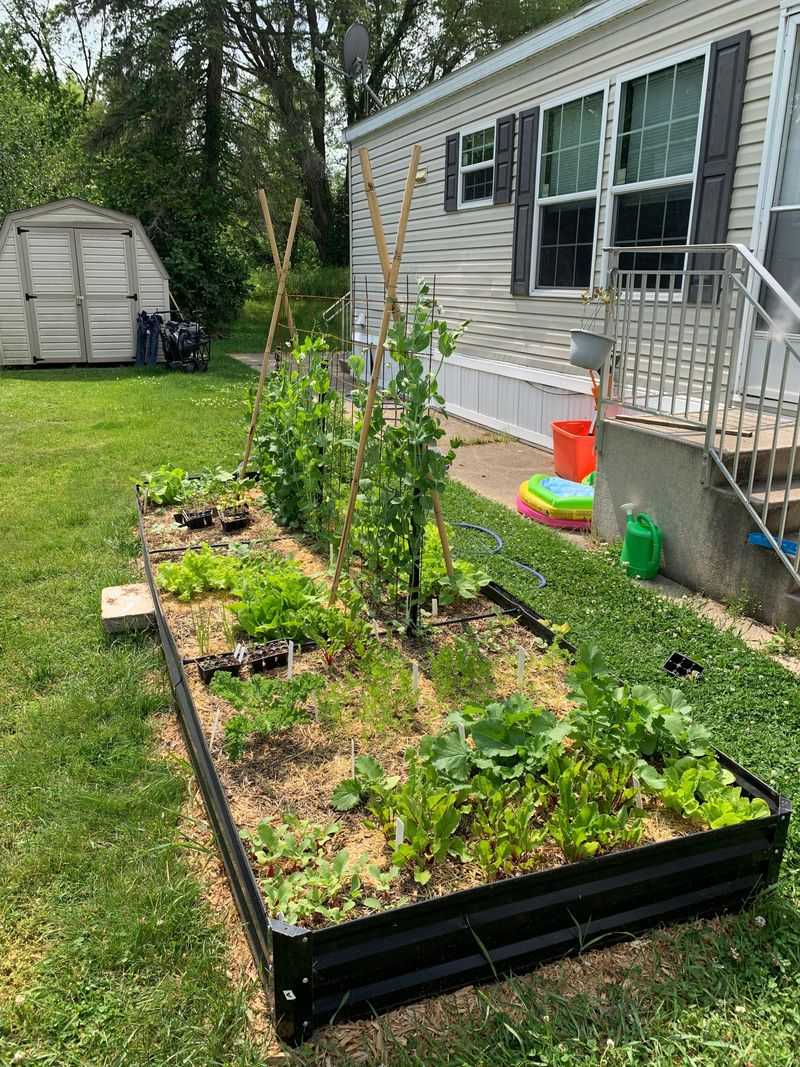
The best-looking September gardens did not get that way in September. The trimming, deadheading, staking, weeding, and thinning that happened back in July is what made that neat, full, colorful result possible.
September is when you enjoy the payoff, not when you start the work.
Michigan gardeners who treat July as the most important maintenance month of the season consistently end up with beds that hold their shape through the end of summer.
The plants have had time to recover from trimming, branch out into fuller shapes, and produce another round of blooms before cooler fall weather arrives. Everything looks intentional because it was guided at exactly the right time.
Skipping July maintenance is not a neutral choice. It sets off a chain of events where plants stretch, crowd each other, lose structural support, compete with weeds, and develop the kind of tangled, overgrown look that is very difficult to fix once September arrives.
Trying to cut back a large sprawling plant in September risks stressing it too late in the season for a real recovery.
The most practical takeaway for any Michigan gardener is simple: block off a few hours in mid-July every year and treat it as a standing appointment with your garden. Walk through the beds with clippers, a bucket for clippings, and a set of stakes.
That one session, done consistently year after year, is the single biggest factor in whether your garden looks great or just okay by the time fall rolls in.