What It Means When A Garter Snake Shows Up In Your California Garden
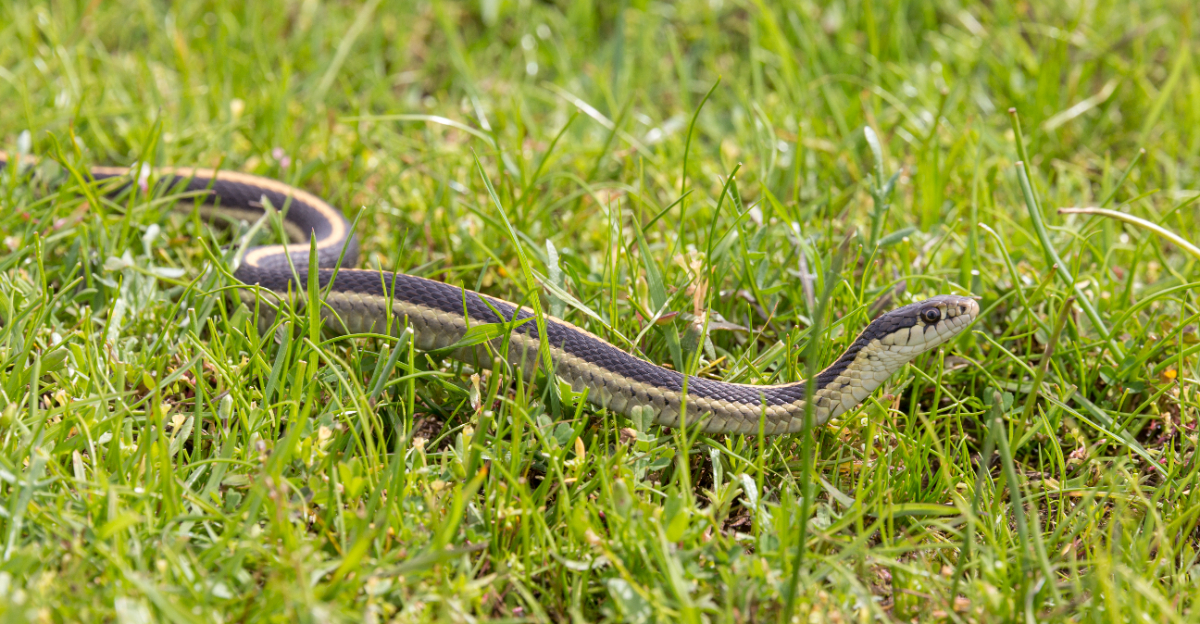
A garter snake appearing between your plants can be startling, especially if you rarely see snakes in the yard. But its presence often says more about the garden than most California homeowners realize.
These snakes tend to show up where food, cover, and comfortable conditions line up, which means a visit is rarely completely random.
You may notice one near a damp corner, beneath dense growth, or moving quietly along the edge of a bed before disappearing again.
That does not automatically mean there is a nest nearby or that more snakes are about to arrive. In many cases, the animal is simply passing through a space that happens to meet its needs.
If one keeps returning, though, your yard may be offering exactly the kind of habitat that makes it worth another visit.
1. Your California Garden May Be Full Of Easy Snake Snacks
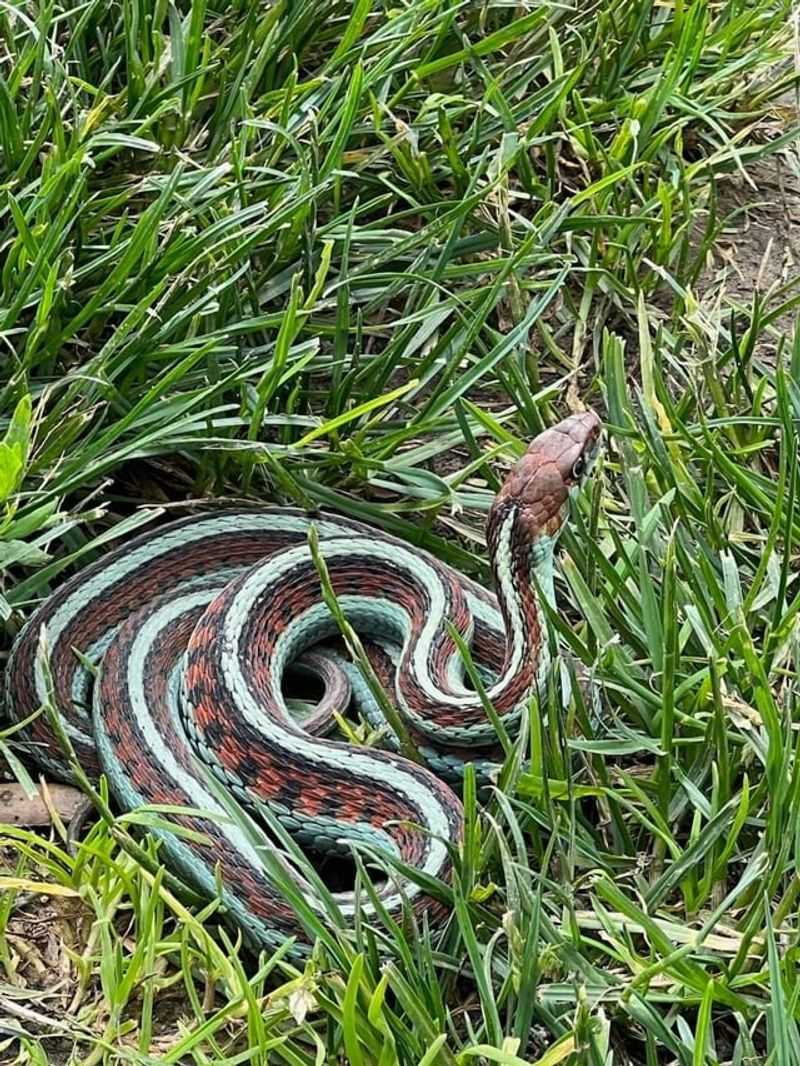
Food is almost always the number one reason any animal shows up somewhere new. Garter snakes are not picky eaters, and your garden could be a buffet for them without you even knowing it.
Earthworms are one of their favorite meals. If your soil is moist and rich, it is probably crawling with worms.
Healthy garden soil full of organic matter attracts loads of earthworms, and where worms go, garter snakes tend to follow.
Frogs and small toads are also on the menu. If you have noticed frogs hopping around near your plants or in shaded corners, a garter snake may have noticed them too.
Slugs, small fish in a pond, and even tiny mice can also attract them.
The point is that a well-maintained garden is often unintentionally full of natural snake food. You are not doing anything wrong.
You are actually doing a lot right by keeping your soil healthy and your garden full of life.
If you would rather not attract snakes, reducing excess moisture and keeping the lawn trimmed short can help limit the prey they hunt. But if you are okay with the occasional visitor, know that the snake is simply following its nose to a good meal.
Your garden smells like dinner to them, and that is honestly a compliment to your gardening skills.
2. Slugs And Small Pests Could Be Keeping It Around
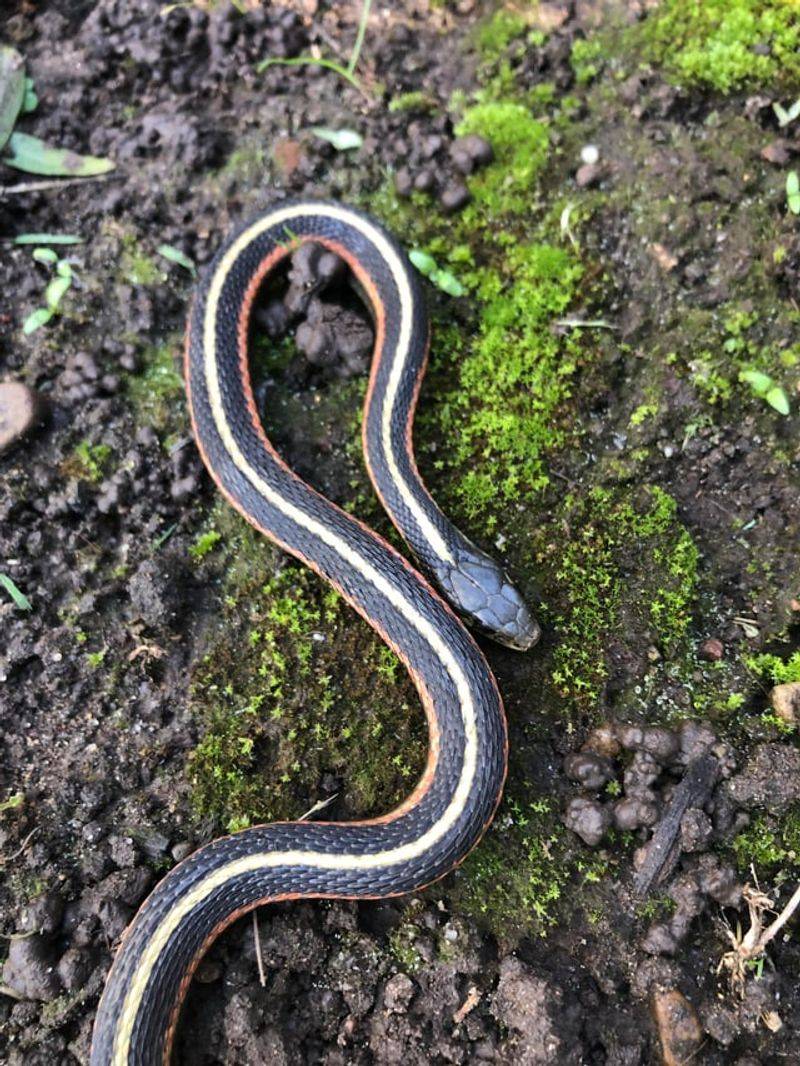
Slugs can wreak havoc on any California garden. They chew through leaves, damage seedlings, and leave behind a trail of slime that no gardener enjoys cleaning up.
Many people spend money on slug traps or pellets trying to control them.
Here is something interesting: garter snakes eat slugs. A snake that keeps coming back to your garden might be doing so because slugs are plentiful there.
It has found a reliable food source and sees no reason to leave.
Beyond slugs, garter snakes also eat small insects, grubs, and other soft-bodied creatures that can harm your plants. Having one patrol your garden is almost like having a free pest control service working around the clock.
Slug problems tend to get worse in wet or shaded areas. If you have a section of your garden that stays damp and is full of leafy plants, that is a prime slug zone.
Your California Garden Changes Every Week. Your Plan Should Too.
Gardening in California changes quickly throughout the season. Every Friday you’ll receive a simple weekly plan showing exactly what to plant, prune, fertilize, harvest, and protect so you never miss the right timing.
A garter snake exploring that area is likely on a hunting trip.
You can reduce slug populations yourself by removing boards, pots, and debris where they hide during the day. But if a garter snake is already handling the job, letting it do its thing might be the easiest solution.
It is a natural balance that has worked long before pesticides ever existed, and it still works well today in backyard gardens everywhere.
3. Cool Damp Spots Make Great Daytime Hideouts
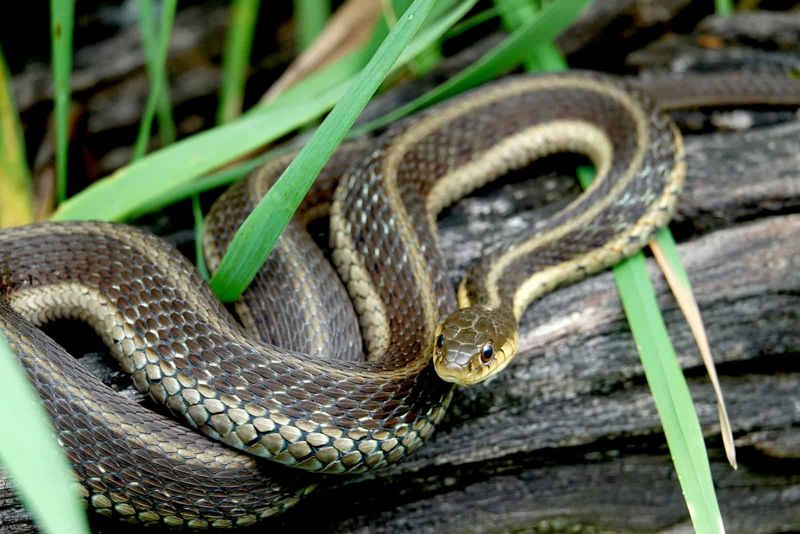
Garter snakes are cold-blooded, which means they rely on their environment to regulate their body temperature. On a hot afternoon, they need a cool, shaded spot to rest and avoid overheating.
Your garden might be offering exactly that.
Common hideout spots include under flat rocks, beneath old wood boards, inside compost bins, and under dense ground-level plants. Even the space under a garden pot or a loose stepping stone can become a favorite resting spot for a garter snake.
Finding a snake under something you move in the garden can feel startling. But the snake is not there to ambush you.
It is simply resting somewhere that feels safe and comfortable. Once disturbed, it will usually slither away quickly without any confrontation.
If you want to reduce the chance of surprise encounters, do a quick visual check before picking up items that have been sitting on the ground for a while. Tap the object first and give any hidden animals a moment to move away before you reach down.
On cooler mornings, you might catch a garter snake basking on a warm rock or sunny patch of soil. That is the opposite situation, where it is trying to warm up rather than cool down.
Both behaviors are completely normal. Your garden simply offers the range of temperatures a garter snake needs to stay comfortable throughout the day.
4. Water Features Can Bring Garter Snakes Closer
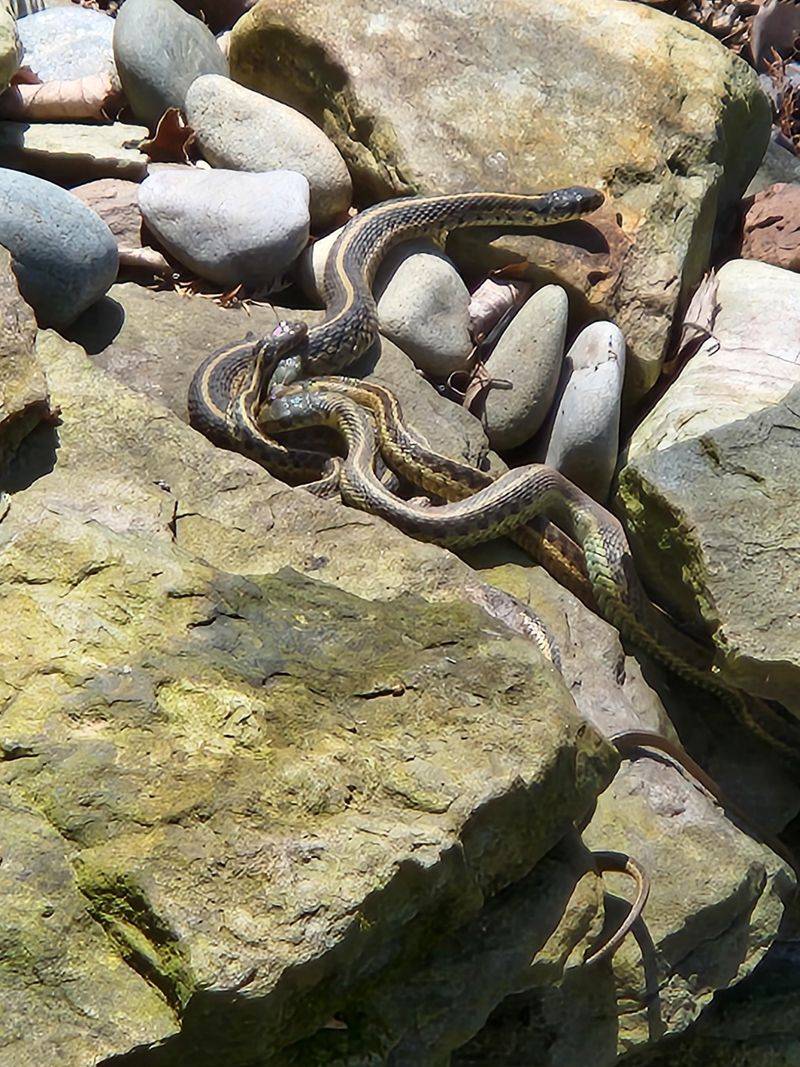
Water is a powerful magnet for wildlife of all kinds. If your garden has a pond, a birdbath, a small fountain, or even a consistently wet patch of soil, you have created a draw for garter snakes without realizing it.
Garter snakes are actually strong swimmers. Unlike many other snake species, they are comfortable in and around water.
They often hunt near the edges of ponds and streams, looking for small fish, tadpoles, and frogs. A backyard pond stocked with fish or full of tadpoles is basically a garter snake grocery store.
Even a dripping hose or an area near a sprinkler head that stays muddy can attract them. The moisture brings in worms and frogs, and the snakes follow the food chain right to your doorstep.
If you love your garden pond and do not mind the occasional snake visit, there is nothing to worry about. Garter snakes will not harm your pond plants, and they tend to blend in quietly near the water’s edge.
If you would prefer to keep them away from a specific water feature, try placing the pond in a more open area with less surrounding cover. Snakes feel safer when there is nearby vegetation to retreat into.
Reducing plant overgrowth directly around the pond edges can make the area feel less inviting to a snake looking for a sheltered hunting spot.
5. Dense Groundcover Gives Them A Safe Place To Rest
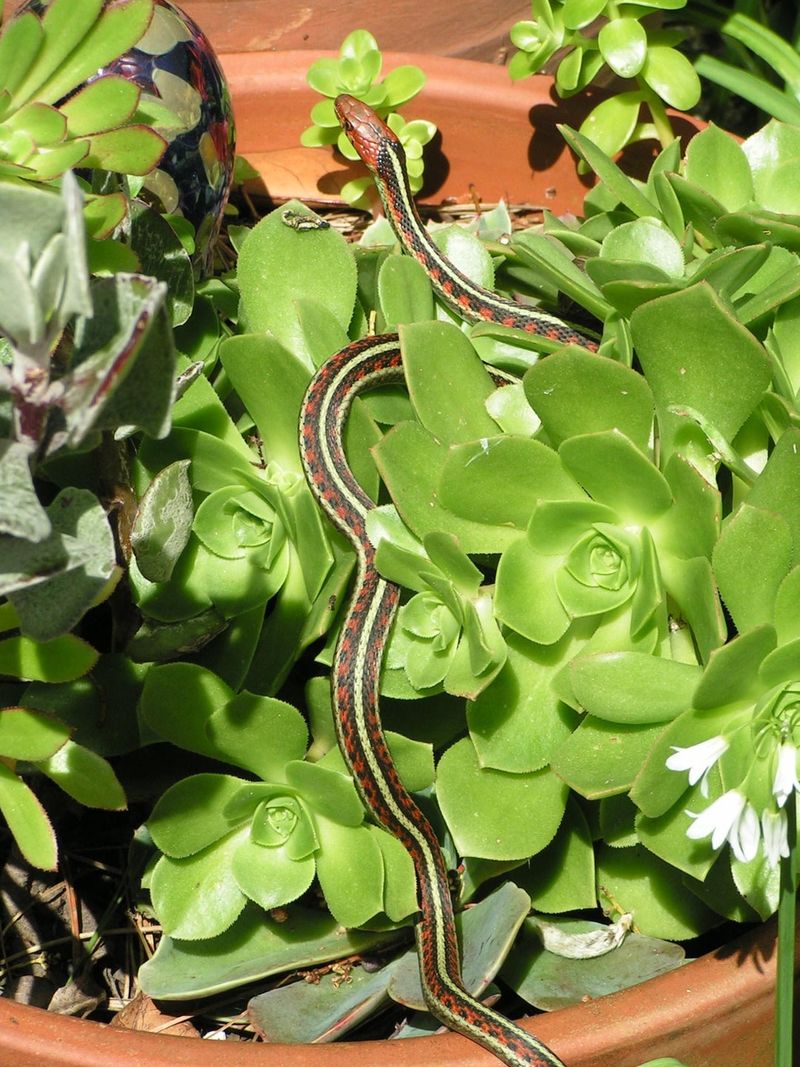
Thick, low-growing plants are like a luxury hotel for garter snakes. Dense groundcover such as ivy, creeping thyme, or low ornamental grasses gives them shelter from predators and a cool place to curl up during the day.
Birds, raccoons, and foxes all prey on garter snakes. So when a snake finds a patch of dense groundcover, it sees safety.
The thicker and more tangled the plants, the harder it is for a predator to spot them.
Gardens with a lot of mulch also attract garter snakes for similar reasons. A thick layer of wood chip mulch stays cool and moist underneath, making it a comfortable hiding spot.
You may never see the snake at all if it spends most of its time tucked beneath the mulch layer.
If you want to discourage snakes from settling in, consider switching to a thinner mulch layer or using gravel in areas where you spend a lot of time. Keeping groundcover trimmed back and not letting it grow too wild can also reduce the appeal.
On the other hand, if you are working to attract more wildlife to your yard, leaving some areas of dense groundcover intact is a great strategy.
It supports not just snakes but also beneficial insects, small lizards, and other creatures that make a garden ecosystem feel alive and thriving.
6. They Usually Want Prey, Not Trouble With People
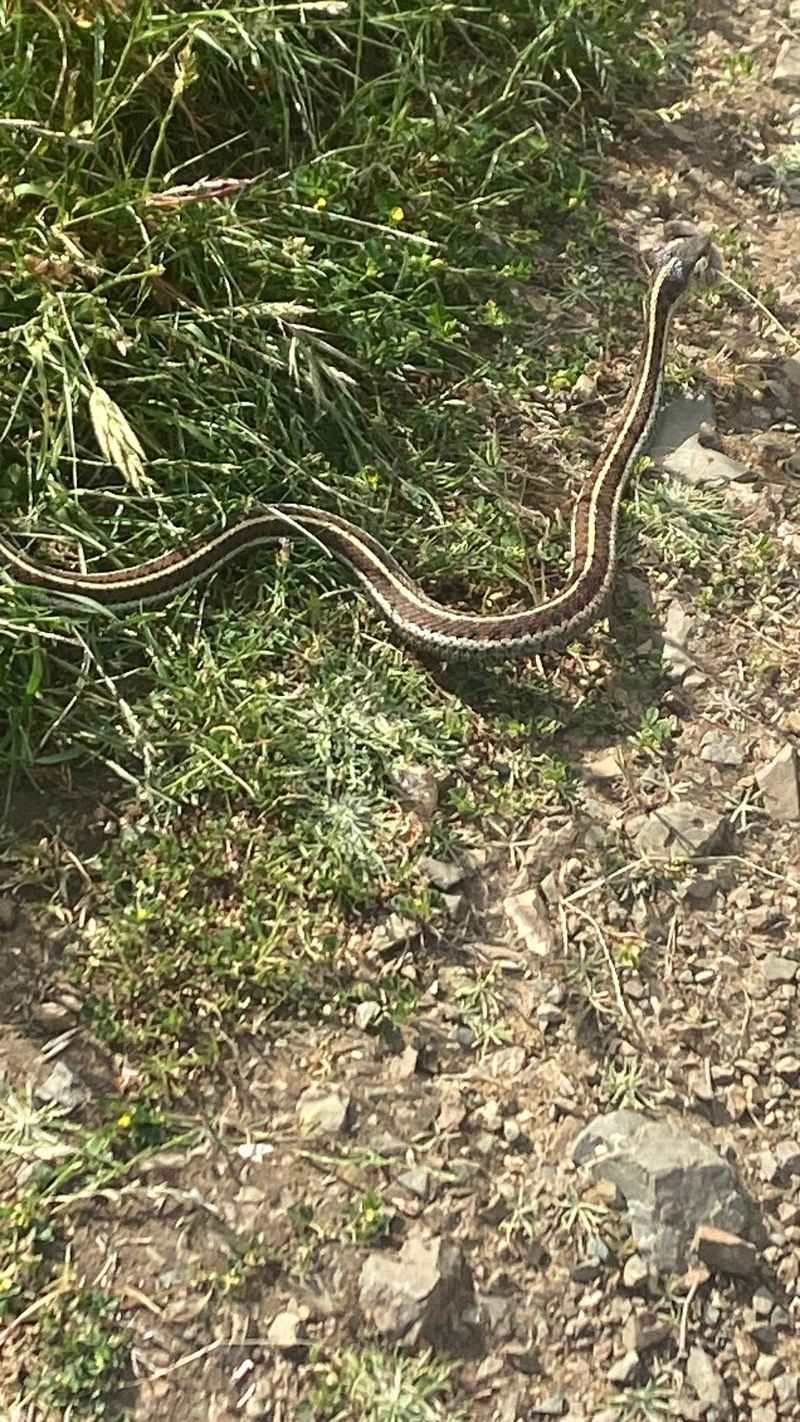
One of the biggest misconceptions about garter snakes is that they are aggressive. In reality, they are shy creatures that would much rather avoid a human encounter than start one.
When they sense vibrations from footsteps, they usually freeze or slip away before you even notice them.
A garter snake that holds its ground when you approach is not being threatening. It is likely just scared and hoping you will move on.
Most will flee given any chance to do so. If one does feel cornered, it might flatten its body, release a musky smell, or even make a small bluff strike.
But actual biting is rare and the teeth are tiny.
Children are often more curious about garter snakes than afraid of them, and that curiosity is fine as long as kids learn to look without grabbing. Picking up any wild snake can stress it out and cause it to bite defensively.
Teaching kids to observe from a short distance is a great lesson in respecting wildlife.
Most adults who have a bad reaction to seeing a garter snake are responding to surprise rather than real danger. Once you know what you are looking at, the fear tends to fade fast.
A slim, striped snake about the size of a pencil is not a threat to you. It is just a small animal trying to get through its day the same way you are.
7. A Garter Snake Can Actually Help With Garden Pests
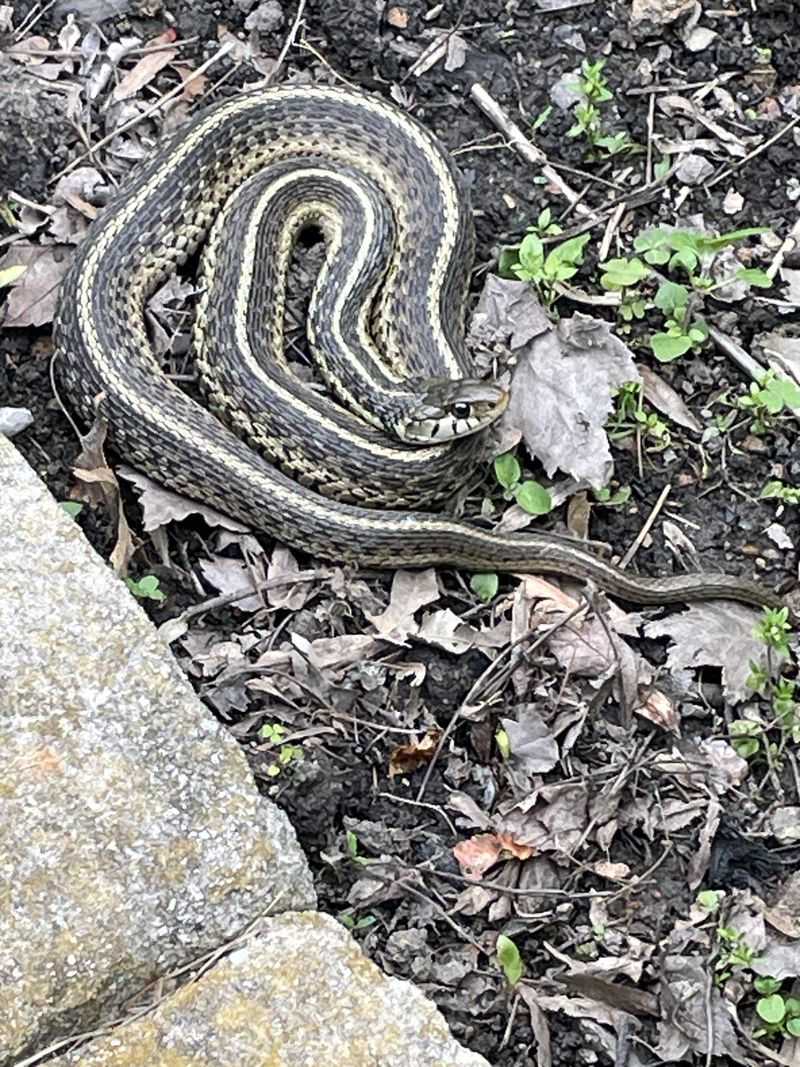
Most gardeners wage a constant battle against pests. Slugs, snails, grubs, and small rodents can all cause serious damage to vegetables, flowers, and seedlings.
Chemical solutions work, but they can also harm beneficial insects and the surrounding environment.
Garter snakes offer a completely natural alternative. They eat many of the same pests that frustrate gardeners, and they do it without any side effects.
No chemicals, no cost, no effort on your part. The snake just shows up and starts working.
Slugs are a particular specialty. Garter snakes can consume large numbers of them over time, which can noticeably reduce slug damage to your plants.
They also eat small mice and voles, which can tunnel through garden beds and gnaw on roots and bulbs.
Think of a garter snake as an unpaid garden helper. It does not require feeding, watering, or care.
It simply asks for a bit of shelter and a steady supply of natural prey, both of which a healthy garden already provides.
Many experienced gardeners in California actively encourage garter snakes to stay by leaving a flat rock in a sunny spot or a small pile of leaves in a corner. These simple additions make the yard more comfortable for the snake.
In return, the garden gets a natural pest manager that works every single day without any help from you.
8. Pets Are More Likely To Disturb Them Than You Are
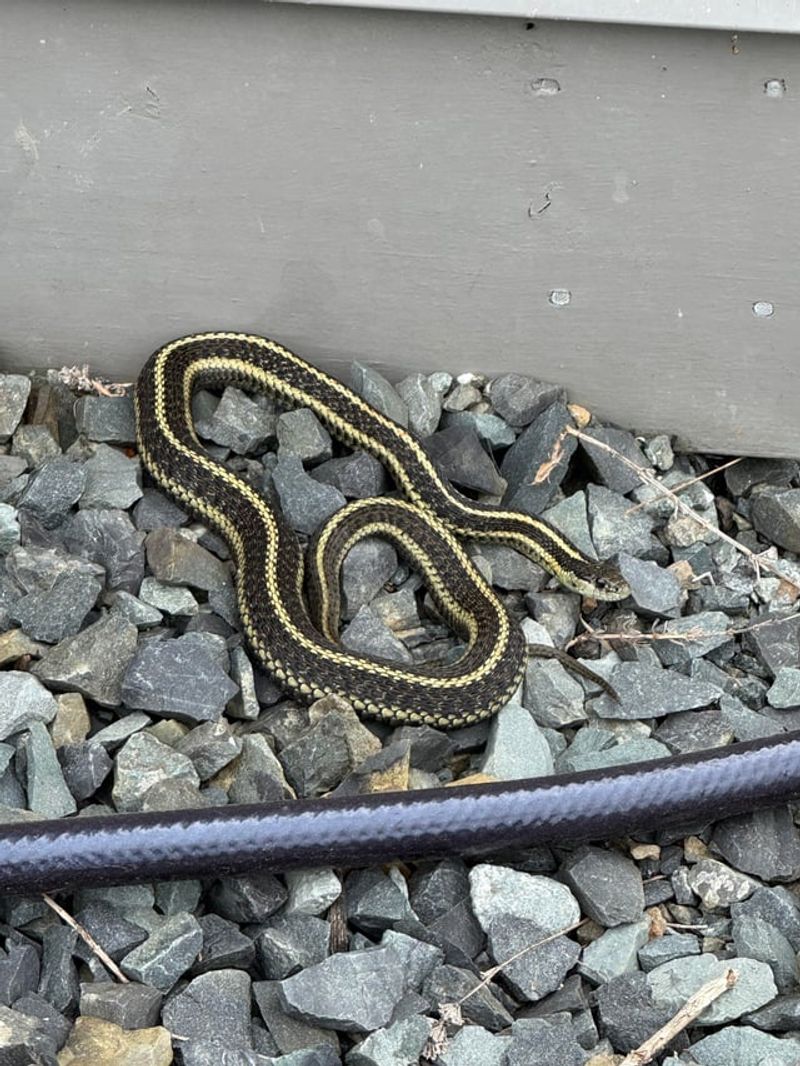
Dogs and cats are naturally curious animals, and a moving snake is almost impossible for them to ignore.
If you have pets that spend time outdoors, they are far more likely to encounter a garter snake than you are. And they are also more likely to cause a problem.
A dog that pounces on a garter snake may get a small defensive bite and a face full of musky smell. The bite is not dangerous, but it can be startling for both the pet and the owner.
Cats may bat at or chase a snake, which stresses the snake and can injure it.
If your dog or cat regularly explores the yard, it is worth training them to leave wildlife alone. A simple leave it command can go a long way.
Checking the yard before letting pets out in the early morning or evening, when snakes are more active, is also a smart habit.
The good news is that garter snakes are not a danger to healthy adult pets. They are too small to cause real harm.
However, a snake that feels cornered will defend itself, and repeated stress from pet interactions can cause a snake to leave the area or get hurt.
Keeping your pets calm around wildlife and teaching them to back off when they spot a snake makes the yard safer for everyone. It protects the pet, protects the snake, and keeps your garden peaceful.
9. Seeing One Often Means Your Yard Has Good Wildlife Habitat
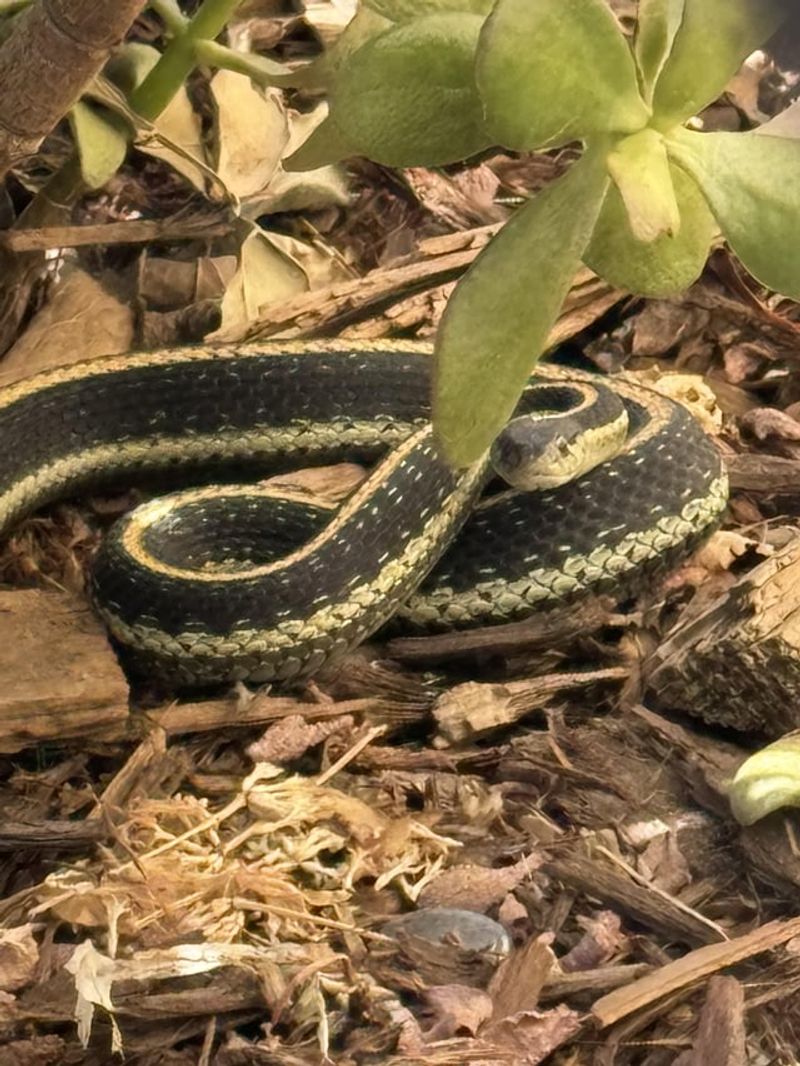
A garter snake is not just a random visitor. It is actually a sign that your yard is doing something right.
These snakes need food, water, shelter, and warmth to survive. If they are showing up, your garden is providing all of those things in good measure.
Ecologists sometimes call animals like garter snakes indicator species. That means their presence tells you something positive about the health of the surrounding environment.
A yard that supports garter snakes is also likely supporting healthy soil, a range of insects, and a functioning food web.
Gardens that are full of chemicals, heavily manicured, and stripped of natural cover tend to have very little wildlife. The fact that a snake chose your yard says your space has real ecological value.
That is worth feeling good about.
You can build on this by adding more native plants, reducing pesticide use, and leaving small wild corners where animals can shelter.
A log pile, a rock stack, or a patch of native grasses can all make your yard more welcoming to beneficial wildlife.
Seeing a garter snake regularly means your backyard is becoming a mini nature reserve. It is a small but meaningful contribution to local biodiversity.
In a world where natural habitats are shrinking, a garden that welcomes wildlife is genuinely valuable. Your snake is not a problem.
It is proof that your green space is alive, balanced, and thriving in all the right ways.