What Deep Watering Really Means For Texas Trees During This Heat Warning
Heat warnings expose a hidden crisis unfolding beneath your Texas lawn. While leaves wilt in the afternoon sun, roots are working through a much quieter struggle several feet underground.
Deep watering gets tossed around as if a five-minute hose spray counts. That habit trains roots to stay shallow, right where moisture evaporates fastest.
Real deep watering pushes moisture twelve to eighteen inches down, where a mature root system actually lives. This distinction separates trees that shrug off a heat wave from trees that wilt by noon.
Getting this right now, before the worst Texas heat arrives, protects root health for years down the line.
Water Needs To Reach Far Below The Surface To Actually Help A Tree
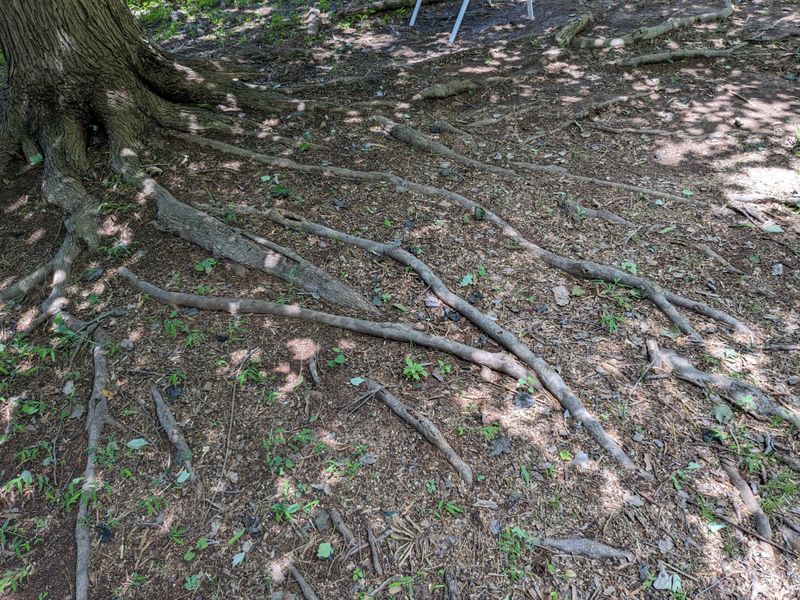
Roots go deeper than most Texas homeowners expect. Most people picture a tree’s roots as shallow, spreading just under the grass, but mature trees spread most of their water-absorbing roots in the top 12 to 24 inches of soil.
During a heat warning, the top layer of soil bakes fast. Surface moisture evaporates within hours on a scorching afternoon, leaving shallow roots with nothing to absorb.
Deep watering means getting moisture down past that dry crust. You want water reaching the active root zone, which sits well below the surface where soil stays cooler.
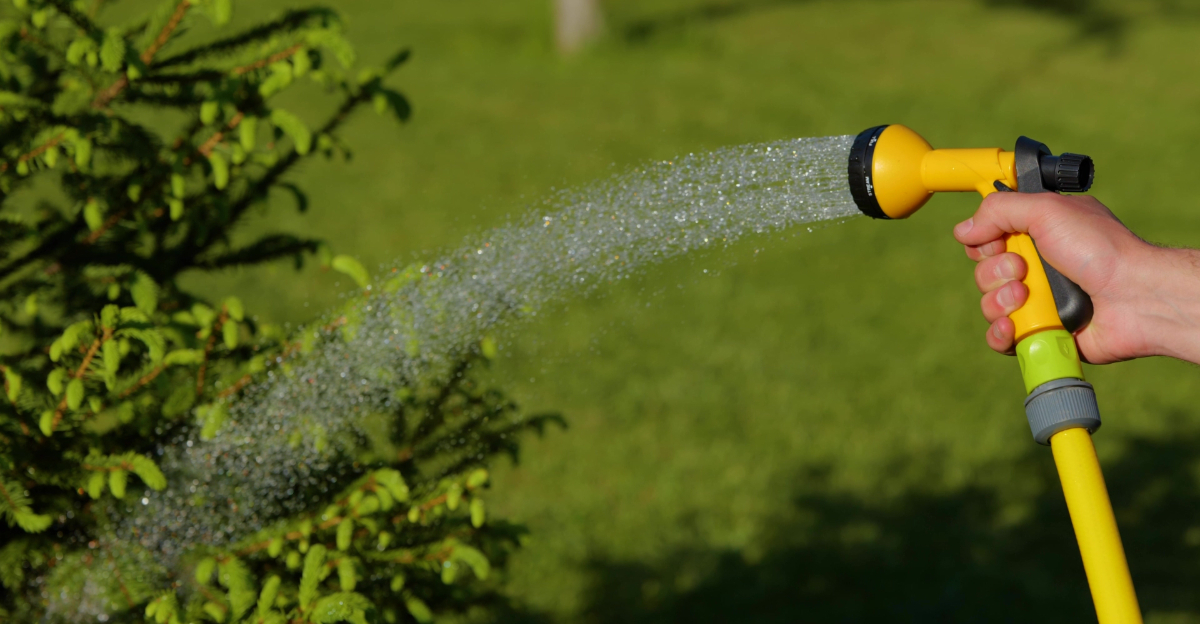
A slow, steady soak works best for this. Running a garden hose at low pressure for 30 to 45 minutes near the drip line gives water time to travel downward instead of running off.
Soaker hoses and drip systems do this job naturally. They release water slowly enough that the ground absorbs it before evaporation or runoff can steal it away.
Mulch helps seal the deal. A three-inch layer of wood chips around the base of a tree slows evaporation and keeps the soil cooler so water stays available longer.
The goal is not wet soil on top. The goal is moist soil at depth, where roots are actually feeding and where heat cannot reach as quickly.
Think of deep watering as a long, slow drink rather than a fast splash. Trees absorb water gradually, and patience during watering translates directly into stronger, more heat-resistant root systems.
Shallow Watering Leaves Roots Vulnerable During Extreme Heat
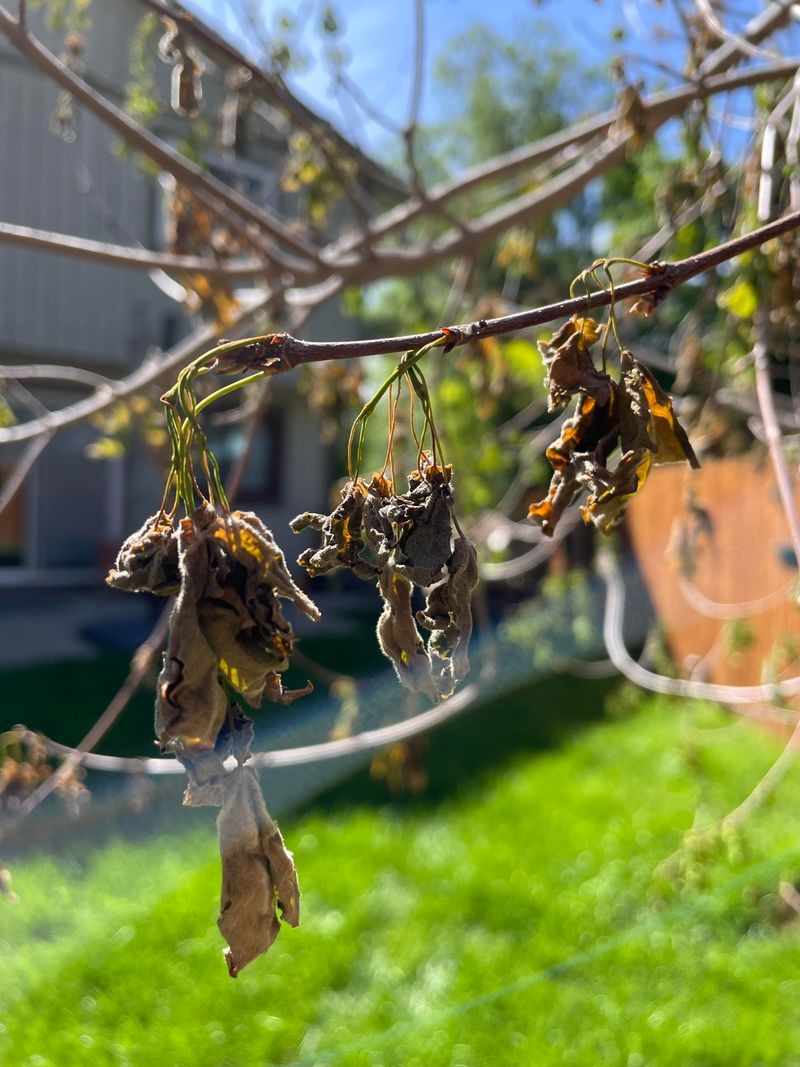
Frequent, light watering trains roots to stay near the surface. That sounds harmless, but surface roots are the first to suffer when Texas temperatures climb past 100 degrees.
When the top inch of soil dries out in an hour, those shallow roots lose access to moisture almost immediately. The tree responds by pulling water from its own leaves and branches.
Leaf curl, early leaf drop, and scorched edges are signs of a tree running low on internal moisture. Many homeowners mistake these symptoms for pest damage or disease.
Shallow watering is a hard habit to break because it looks like enough. The soil surface gets dark and wet, which feels like success, but two inches down the ground can be bone dry.
Roots follow water, so if moisture never goes deep, they cluster near the surface chasing every drop. That makes the entire tree more fragile during prolonged heat events.
Your Texas Garden Changes Every Week. Your Plan Should Too.
Gardening in Texas changes quickly throughout the season. Every Friday you’ll receive a simple weekly plan showing exactly what to plant, prune, fertilize, harvest, and protect so you never miss the right timing.
Switching to deep, infrequent watering encourages roots to grow downward. Deeper roots find cooler, moister soil pockets that persist even when the surface is cracked and pale.
A simple screwdriver test can reveal the truth: push a long screwdriver into the soil near the drip line after watering. If it meets resistance within four inches, the water did not go deep enough.
Knowing this changes how you approach the hose. Watering smarter, not faster, protects roots from the brutal ground-level heat that shallow soil absorbs all day long.
Root Depth Determines How Much Water A Tree Actually Needs
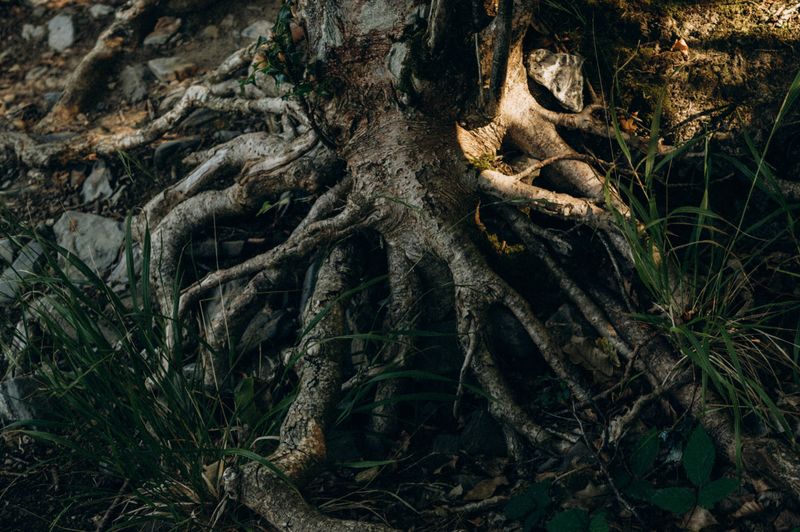
Not every tree needs the same amount of water. Root depth varies by species, age, and soil type, and those factors directly shape how much moisture a tree requires during a heat warning.
Young trees planted within the last two years have limited root systems. Their roots have not yet spread wide or pushed deep, so they need more frequent watering to stay hydrated.
Mature Texas natives like live oaks and cedar elms are built differently. Their roots can extend deep enough to tap into subsurface moisture that younger or non-native trees simply cannot reach.
Clay soil holds water longer than sandy soil. A tree growing in heavy clay may need less frequent watering than the same species planted in loose, sandy ground that drains fast.
Paying attention to soil type helps you calibrate your routine. Sandy soil may require watering every three days during a heat warning, while clay might hold moisture for five to seven days.
Tree size also matters more than most people realize. A large canopy means more leaf surface area losing moisture to the air, so bigger trees need more total water volume per session.
Matching water volume to root depth prevents both under-watering and waste. Giving a young tree the same long soak as a 40-year-old oak can lead to root rot and oxygen deprivation.
Understanding your tree’s root depth is the starting point for every smart watering decision you will make this summer.
Watering Frequency Matters Less Than Watering Depth
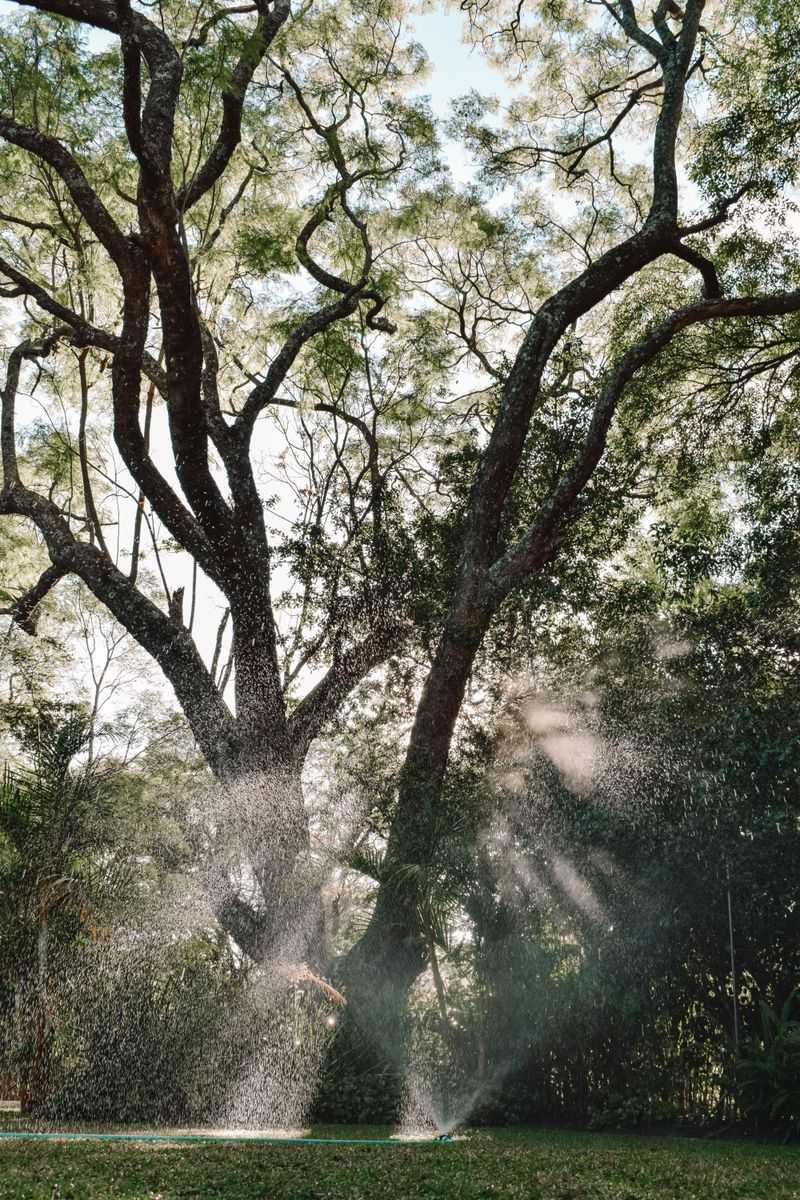
Watering every day feels responsible, especially during a heat warning. But daily shallow watering often does less good than two deep soaks spread across a full week.
Frequency without depth is like eating small snacks all day instead of a real meal. The tree stays technically hydrated but never builds the deep moisture reserves it needs to handle stress.
For Texas trees, deep watering done twice a week can outperform daily sprinkler runs. The key is making sure each session pushes water down 12 to 18 inches into the soil profile.
One easy method is the slow drip approach. Place a hose at the drip line, set it to a slow trickle, and let it run for 45 minutes to an hour on each side of the tree.
Watering in the early morning is the smartest timing choice. Morning watering reduces evaporation loss and gives the soil time to absorb moisture before midday heat peaks.
Evening watering is the second-best option if mornings are not possible. Avoid watering in the middle of the afternoon, when evaporation rates are highest and water barely reaches the roots.
Checking the soil before watering prevents overdoing it. Stick your finger or a thin rod six inches into the ground, and skip that session if it still feels moist.
Deep watering during a heat warning is not about watering more often. It is about watering with purpose, patience, and the right amount of time.
Signs A Tree Is Not Getting Enough Water
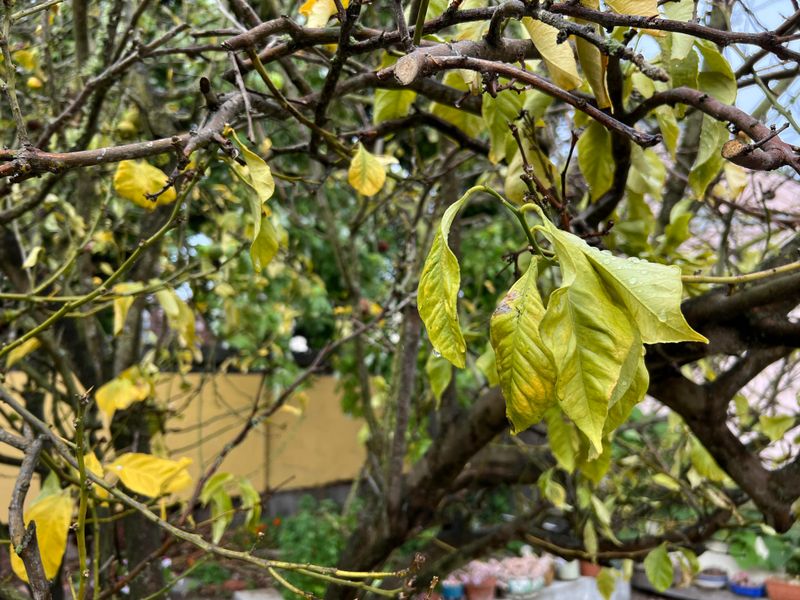
Trees talk through their leaves. When moisture runs low, the first signals appear in the canopy, and catching them early gives you time to act before serious damage sets in.
Leaf scorch is one of the most common signs. The edges of leaves turn brown and crispy while the center stays green, almost like someone held a flame near the tips.
Wilting that does not recover overnight is a red flag. Healthy trees may droop slightly during peak afternoon heat, but they should perk back up once temperatures drop in the evening.
Premature leaf drop is another clue. If a tree starts shedding leaves in July or early August, it is likely conserving energy by reducing the surface area losing moisture to the air.
Smaller-than-normal leaves can signal a slow, long-term drought response. The tree produces smaller leaves to reduce moisture loss, which is a smart survival tactic but a sign of ongoing stress.
Bark cracking or splitting near the base sometimes appears in severely parched trees. This usually indicates the wood has dried and contracted from prolonged lack of soil moisture.
Checking branch tips for dry, brittle growth is also helpful. When small branches at the outer edges of the canopy start to look brittle and bare, the root system is struggling to keep up.
Spotting these signs during a heat warning means it is time to rethink your deep watering routine before the damage becomes permanent.
Adjusting Your Watering Routine During A Heat Warning
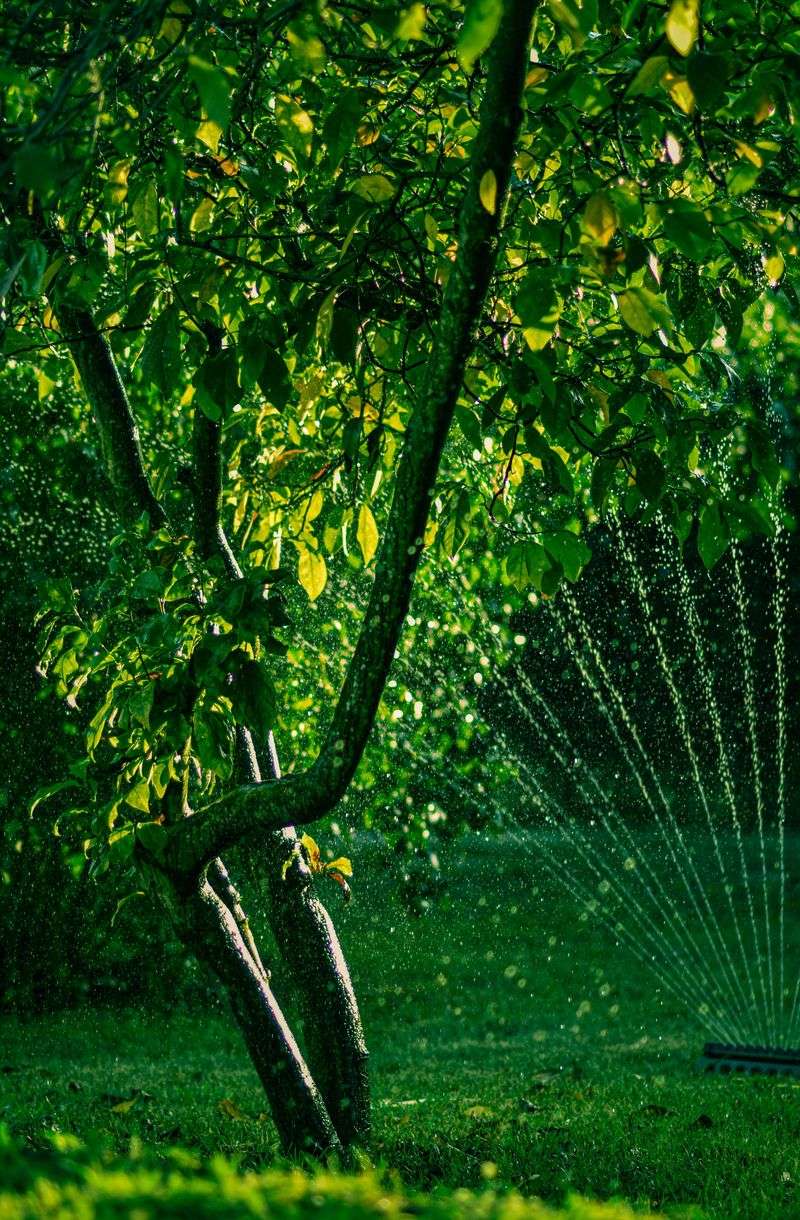
A heat warning is not business as usual for your Texas yard. When official heat alerts go out, trees need you to shift your routine fast, not next week.
Start by doubling your watering duration, not frequency. If you normally run a soaker hose for 20 minutes, push that to 40 minutes to ensure moisture travels deeper into the soil.
Add fresh mulch if your current layer has thinned. A thick, three-to-four-inch layer of organic mulch around the base acts like a lid, trapping moisture the soil would otherwise lose to the blazing sun.
Move your watering window to before 8 a.m. if possible. Early morning is when evaporation rates are lowest, meaning more of the water you apply actually reaches the roots instead of disappearing into the air.
Avoid fertilizing during a heat warning period. Fertilizer pushes new growth, and new growth demands more water, which puts extra strain on a tree already coping with heat stress.
Check newly planted trees twice as often. Young trees have smaller root systems and less stored moisture, so they become stressed faster than established ones during extreme heat events.
Consider a temporary drip line if hand watering feels inconsistent. Drip systems deliver water slowly and directly to the root zone, which is exactly what deep watering during a heat warning requires.
Adjusting your watering routine now protects trees that took years to grow, and that kind of effort pays off when the heat hits hard.