Why Camellia Sasanqua Is The North Carolina Shrub Gardeners Plant For Fall Color
There is a particular kind of gardener disappointment that hits right around late October in North Carolina.
The summer flowers are done, perennials are heading into dormancy, annuals have completely checked out, and the yard suddenly feels like it forgot what color looks like.
Enter Camellia sasanqua, which has absolutely no interest in following that script.
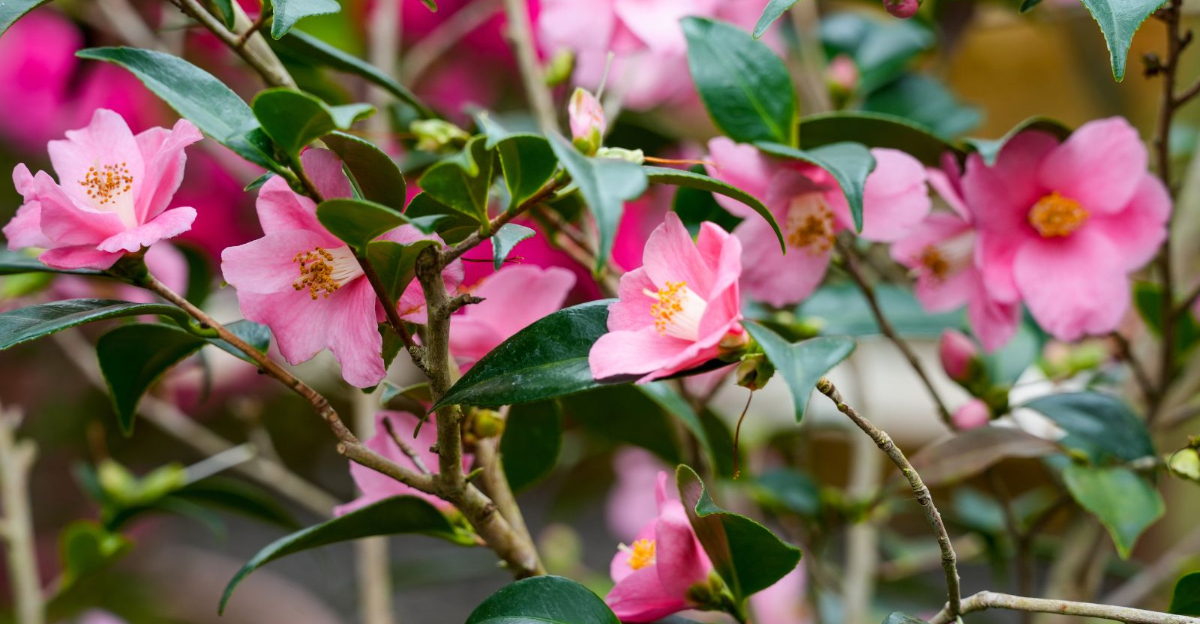
This broadleaf evergreen shrub from Japan produces genuinely showy blooms during late fall and into winter, right when practically everything else in the landscape has called it a season.
Glossy dark green leaves that look great year-round, a solid range of cultivars in different sizes and flower colors, and real usefulness across the Coastal Plain and Piedmont regions make this shrub one of the most valuable things a North Carolina gardener can plant for the quieter months ahead.
1. Late-Fall Blooms Bring Color As Many Other Plants Wind Down
By the time October and November roll around in North Carolina, most of the big summer performers have already taken their bow. Hydrangeas are done.
Crape myrtles have dropped their last petals. The garden can feel like it is holding its breath, waiting for spring to return.
Camellia sasanqua steps into that quiet space with flowers that open during late fall and can continue into winter, depending on the cultivar and growing conditions.
This timing is not accidental from a gardener’s perspective. Having a shrub that blooms when almost nothing else does gives a yard a focal point during a season that can otherwise feel visually flat.
A single sasanqua in full bloom near a front walkway or along a fence line stands out in a way it simply would not during the crowded color of summer.
Bloom timing does vary. Some cultivars open flowers earlier in fall, while others push blooms later into winter.
Weather patterns and local microclimates can shift the display by several weeks in either direction. Gardeners near the coast may see a different timeline than those in the Piedmont.
Choosing a cultivar with a known bloom season and placing it where it gets appropriate shelter can help maximize that late-season floral show.
The value here is not just the flowers themselves but the moment they arrive, filling a gap that few other ornamental shrubs are willing to fill in North Carolina landscapes.
2. Showy Flowers Come In White, Pink, Red, And Color Combinations
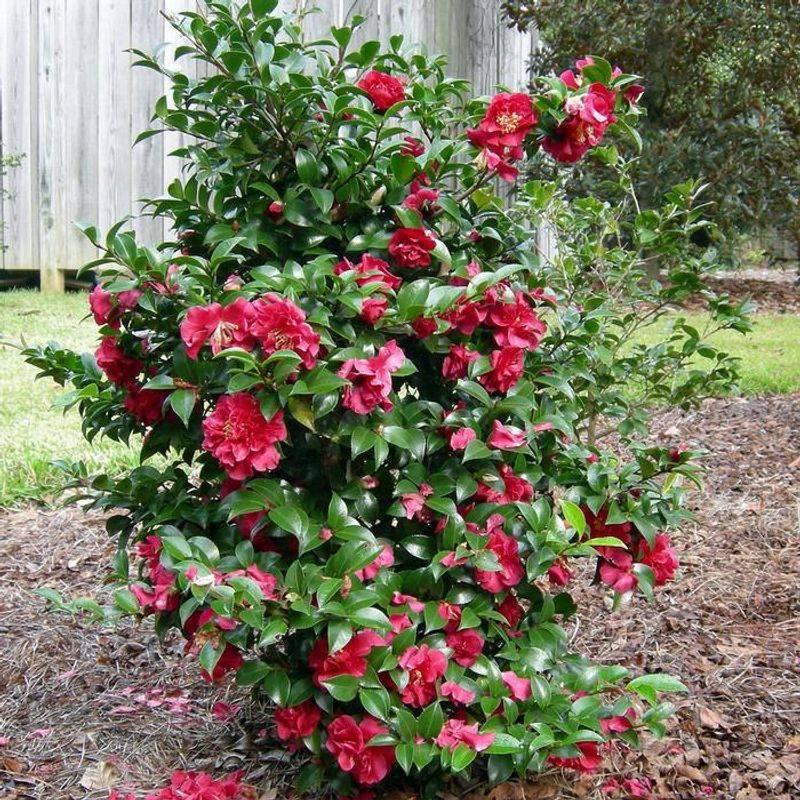
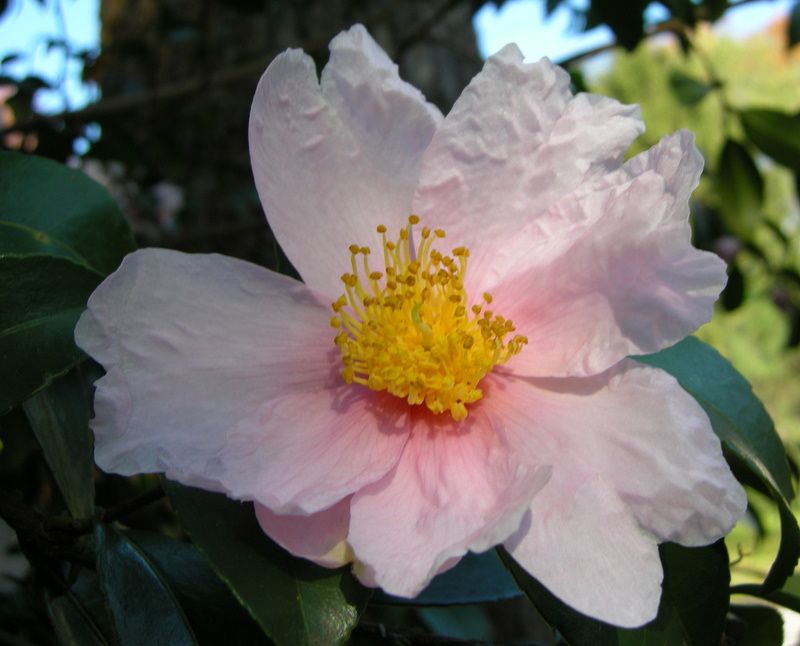
One of the first things gardeners notice when they start looking into sasanqua camellias is how many flower colors are actually available. Depending on the cultivar, blooms can range from clean white to soft blush pink, deeper rose shades, and rich red.
Some cultivars produce flowers with streaked or variegated petals, mixing colors in patterns that can look almost painted.
Flower size tends to run around two to three inches across, which is noticeable without being overwhelming. That scale works well in most residential landscapes, where a flower that is too large can feel out of proportion with the surrounding plantings.
Your North Carolina Garden Changes Every Week. Your Plan Should Too.
Gardening in North Carolina changes quickly throughout the season. Every Friday you’ll receive a simple weekly plan showing exactly what to plant, prune, fertilize, harvest, and protect so you never miss the right timing.
Single-form flowers have an open, simple look with visible stamens at the center, while double forms are fuller and more layered, resembling a small rose or peony in their structure.
Not every cultivar offers every color or form, so browsing selections at a local North Carolina nursery or checking reputable plant resources before purchasing makes good sense.
The variety available means that gardeners can match flower color to existing plantings, hardscape tones, or personal preference without much difficulty.
A white-flowering sasanqua against a dark fence reads very differently than a red-flowering selection beside a pale stone wall, and both can work beautifully depending on the setting.
Flower color is genuinely one of the more enjoyable decisions in choosing a sasanqua cultivar, since the options are broad enough to suit a wide range of landscape styles across North Carolina.
3. Flowering Can Continue For Four To Six Weeks
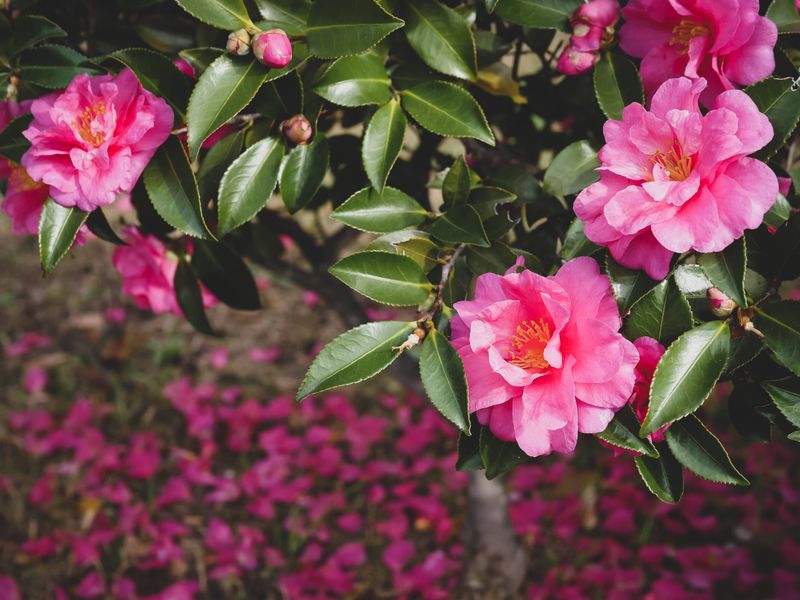
Getting a shrub to bloom for more than a few days in late fall feels like a small victory, so it helps to understand how sasanqua camellia actually delivers its extended display.
An individual plant can flower over a period of roughly four to six weeks, but that stretch of color does not come from a single flower holding on for weeks.
Instead, the plant produces a steady succession of buds that open and drop over time, keeping fresh blooms appearing throughout the season.
Each individual flower lasts only a few days before its petals fall. On a calm morning, you might find a light scatter of petals beneath the shrub, which is actually a sign that the plant is cycling through its buds as it should.
New flowers continue opening to replace the ones that drop, and that ongoing process is what creates the impression of a long bloom period.
The actual length of flowering on any individual plant will depend on the cultivar, the weather during that fall and winter season, and the site conditions. A warm spell can accelerate blooming while a hard freeze may interrupt the display temporarily.
North Carolina winters are variable enough that gardeners should expect some year-to-year differences rather than a perfectly consistent show each season.
Selecting a cultivar suited to local conditions and placing the shrub in a somewhat sheltered spot can help protect open flowers and developing buds from the most damaging temperature swings, giving the plant a better chance to complete its full bloom cycle.
4. Glossy Evergreen Leaves Provide Color Beyond The Blooming Season
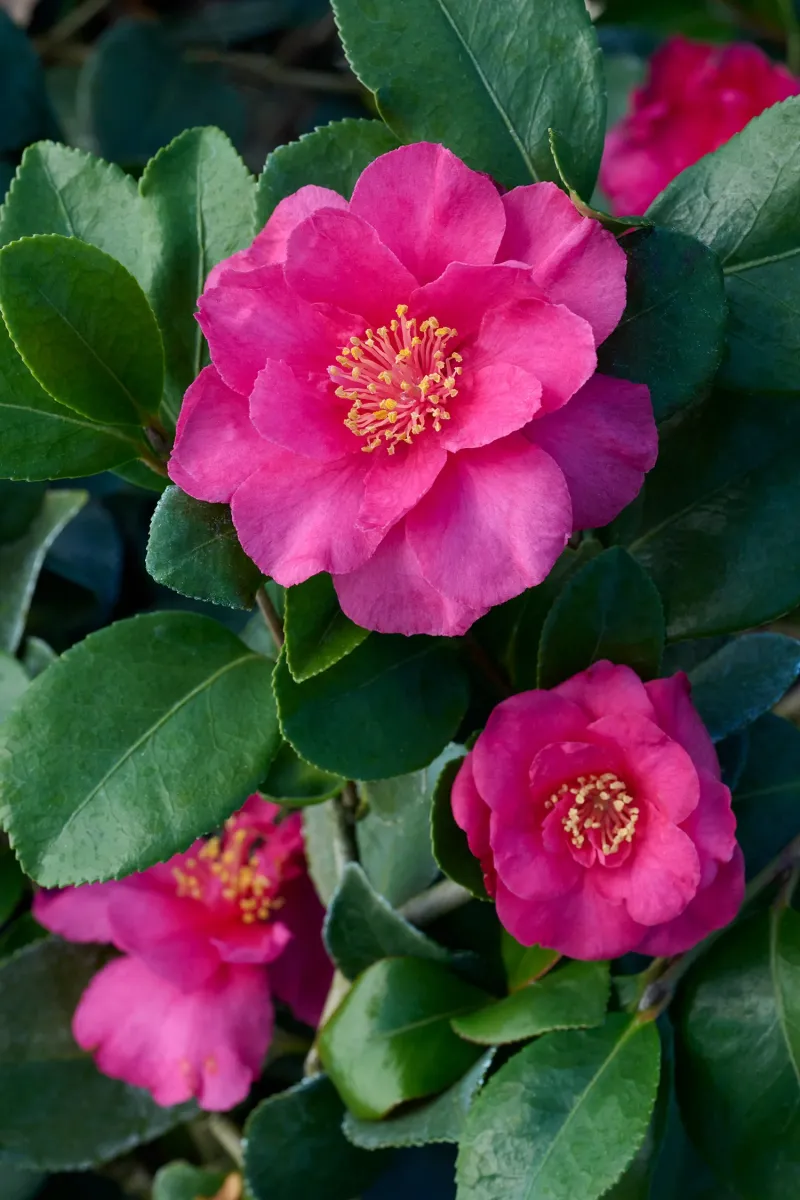
After the last flowers drop and winter settles in across North Carolina, many shrubs become a collection of bare sticks until spring. Sasanqua camellia does not follow that pattern.
Its leaves stay on the plant year-round, and they are genuinely attractive leaves worth noticing.
The foliage is dark green, glossy, and leathery in texture, with a surface that reflects light in a way that gives the plant a polished, finished look even on overcast winter days.
This evergreen quality is worth considering carefully before planting. A shrub that holds its foliage through winter provides visual structure and greenery at a time when the landscape can feel open and exposed.
Used as a hedge, foundation planting, or screen, sasanqua camellia keeps doing its job after flowering finishes, maintaining a sense of enclosure and order in the garden.
The foliage does not stay completely static throughout the year. New growth can emerge with a bronze tone before maturing to the characteristic dark green, adding a subtle seasonal variation to the plant’s appearance.
The leaves are also noticeably smaller than those of Camellia japonica, giving sasanqua a finer texture that works well in many landscape compositions.
For North Carolina gardeners who want a shrub that earns its space twelve months out of the year rather than just during its bloom window, the persistent glossy foliage of sasanqua camellia is a genuine asset that deserves as much attention as the flowers themselves.
5. Numerous Cultivars Offer Different Flowers And Plant Sizes
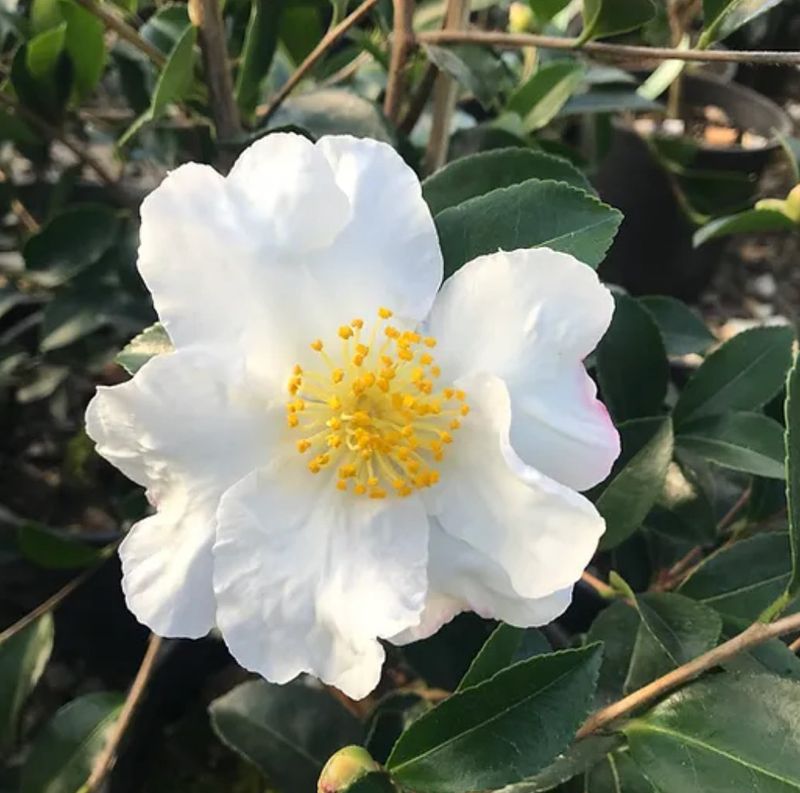
Choosing a sasanqua camellia is not a one-size-fits-all decision, and that is actually one of the reasons the species is so useful in North Carolina landscapes.
A wide range of cultivars has been developed over time, and they differ from one another in meaningful ways, including flower color, flower form, mature plant height, spread, and overall growth habit.
That variety gives gardeners real flexibility when matching a plant to a specific spot.
Dwarf cultivars are available for gardeners who need a lower-growing plant, whether for a foundation bed with limited vertical space, a container planting on a patio, or a spot near a walkway where a large shrub would become a problem over time.
Larger cultivars can reach heights that make them useful as screens or privacy plantings.
Some selections have a more upright habit while others spread wider, and understanding those differences before planting saves a lot of corrective pruning later.
When researching specific cultivars, relying on information from North Carolina Extension resources or reputable nurseries familiar with local conditions is a practical approach.
Cultivar performance can vary by region, and a selection that thrives along the North Carolina coast may behave differently in the Piedmont.
Some cultivars are better documented for cold hardiness, flower color stability, or disease resistance than others.
Taking the time to match the right cultivar to the right location, rather than simply choosing based on flower color alone, tends to produce better long-term results in the garden.
6. Its Growth Habit Works In Several Landscape Roles
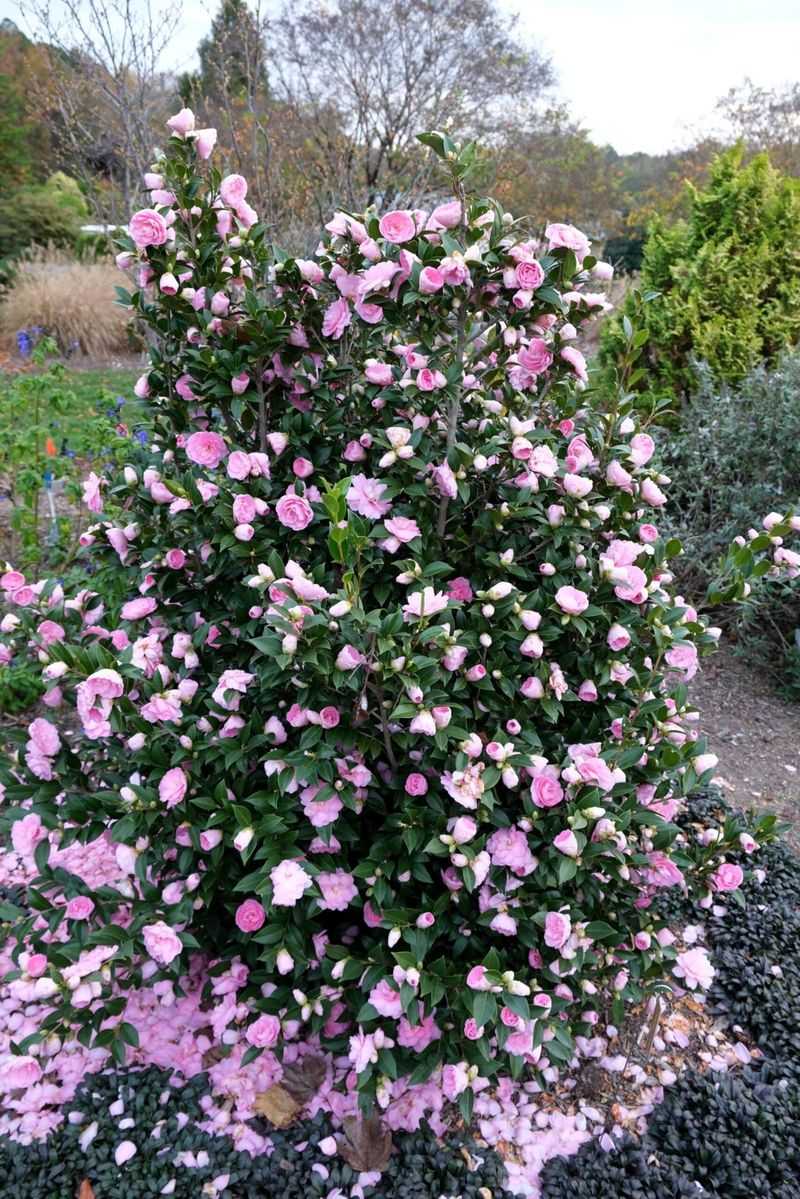
Flexibility in the landscape is something every gardener appreciates, and sasanqua camellia offers a reasonable amount of it depending on the cultivar and how the plant is managed.
The species as a whole can grow to somewhere in the range of six to fourteen feet tall and five to seven feet wide at maturity, though individual cultivars vary considerably from those general figures.
That range of mature size means the plant can serve some very different purposes depending on what a specific yard needs.
As a single accent plant, a well-chosen sasanqua in full bloom makes a strong focal point, especially during late fall when little else is flowering.
Planted in a row with consistent spacing, the same shrub can form a hedge or informal screen that provides privacy and evergreen structure throughout the year.
In larger yards, a sasanqua trained or pruned into a small tree form can add height and visual interest without taking up as much ground-level space as a full shrub.
Tall foundation planting is another common role, though this is where mature size really matters. A cultivar that reaches twelve feet at the base of a one-story home will eventually require significant pruning or will overwhelm the space entirely.
Checking the expected mature dimensions of a specific cultivar before placing it near a house, fence, or neighboring plants is a practical step that prevents problems down the road.
Sasanqua camellia rewards thoughtful placement with years of reliable performance in North Carolina landscapes.
7. It Is Suited To Much Of North Carolina’s Coastal Plain And Piedmont
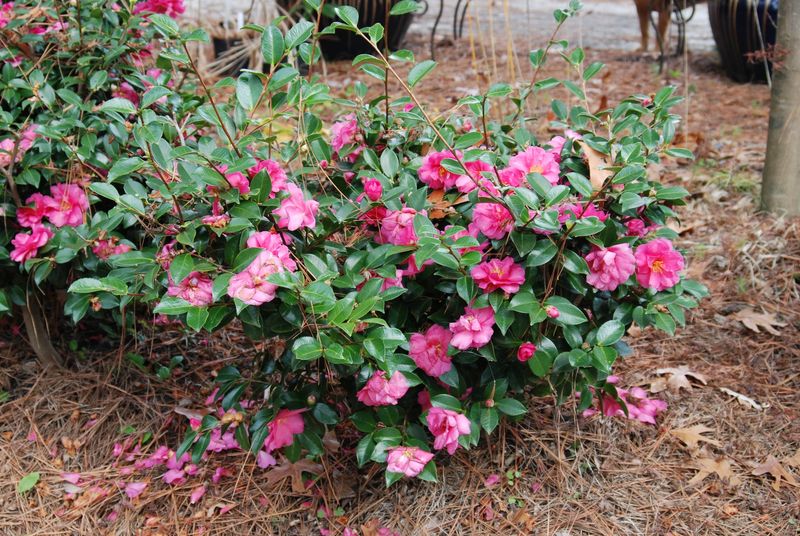
Regional fit matters a great deal when choosing a shrub, and sasanqua camellia has a reasonably well-defined comfort zone within North Carolina.
The species is generally suited to the Coastal Plain and Piedmont regions of the state, corresponding to USDA hardiness zones 7a through 9b.
Gardeners in those areas have a wider selection of cultivars to work with and can expect more reliable performance than those planting near the colder edges of its range.
North Carolina’s mountain region sits outside that range for most sasanqua cultivars, where winter temperatures can drop low enough to cause significant cold damage.
Gardeners in the foothills or transitional areas between the Piedmont and mountains may still have options, particularly if they can identify cultivars with stronger cold hardiness and choose planting locations that offer some natural wind protection.
A south-facing slope, a sheltered courtyard, or a spot near a masonry wall that retains daytime heat can make a meaningful difference in borderline locations.
Even within the Coastal Plain and Piedmont, exposure to cold winter winds and hard freezes can affect the plant, particularly open flowers and developing buds.
Winters are not always predictable, and a cold snap in late fall can interrupt a bloom display that was just getting started.
Siting the shrub where it receives some shelter from prevailing winter winds, without sacrificing adequate light, is a practical step that many experienced gardeners recommend for getting the most consistent seasonal performance from sasanqua camellia.
8. Flexible Light And Soil Tolerances Make Placement Easier
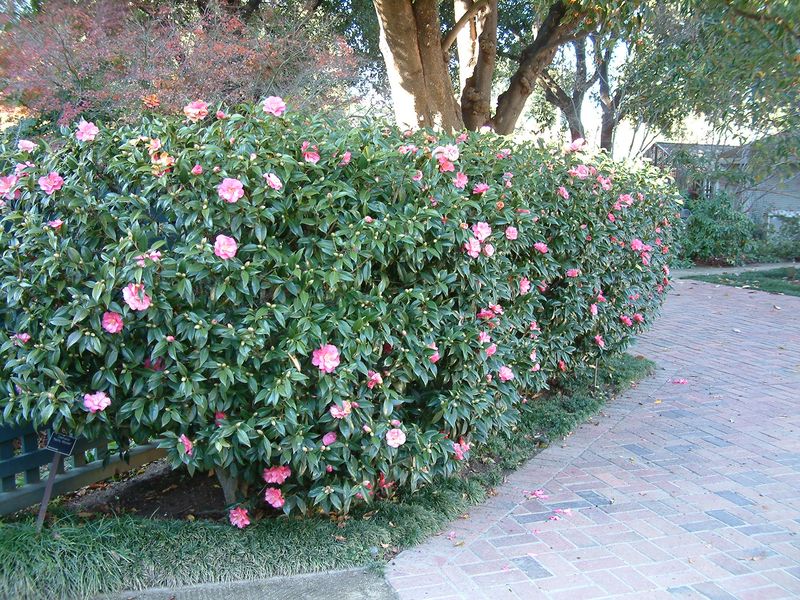
Finding the right spot for a new shrub involves balancing several factors at once, and sasanqua camellia has some genuine flexibility that makes that process a little more manageable.
The plant can grow in full sun through partial shade, which opens up more planting options than shrubs with very narrow light requirements.
That said, the shrub tends to appreciate some protection from harsh afternoon sun, particularly in warmer parts of North Carolina where intense summer heat can stress the foliage.
Soil adaptability is also a real advantage. Sasanqua camellia can grow in clay, loam, or sandy soils, which covers much of the soil variety found across the Coastal Plain and Piedmont.
The non-negotiable requirement is good drainage. Soggy or waterlogged soil is genuinely problematic for this plant and can lead to serious root issues over time.
Raised beds or slopes where water moves away from the root zone naturally are preferable to low spots where moisture collects after rain.
Soil pH is another factor worth checking before planting. Sasanqua camellia performs best in neutral to acidic soil and does not tolerate alkaline conditions well.
A simple soil test, available through North Carolina Cooperative Extension offices, can confirm whether the planting area falls within an acceptable range or needs amendment.
Newly planted shrubs also need consistent moisture during the establishment period, even though established plants can handle drier spells reasonably well.
Starting with good drainage, appropriate soil pH, and a site that balances light and shelter sets this shrub up for steady, long-term growth.