Stop Relying On Rain And Start Deep Watering Ohio Raised Beds Today
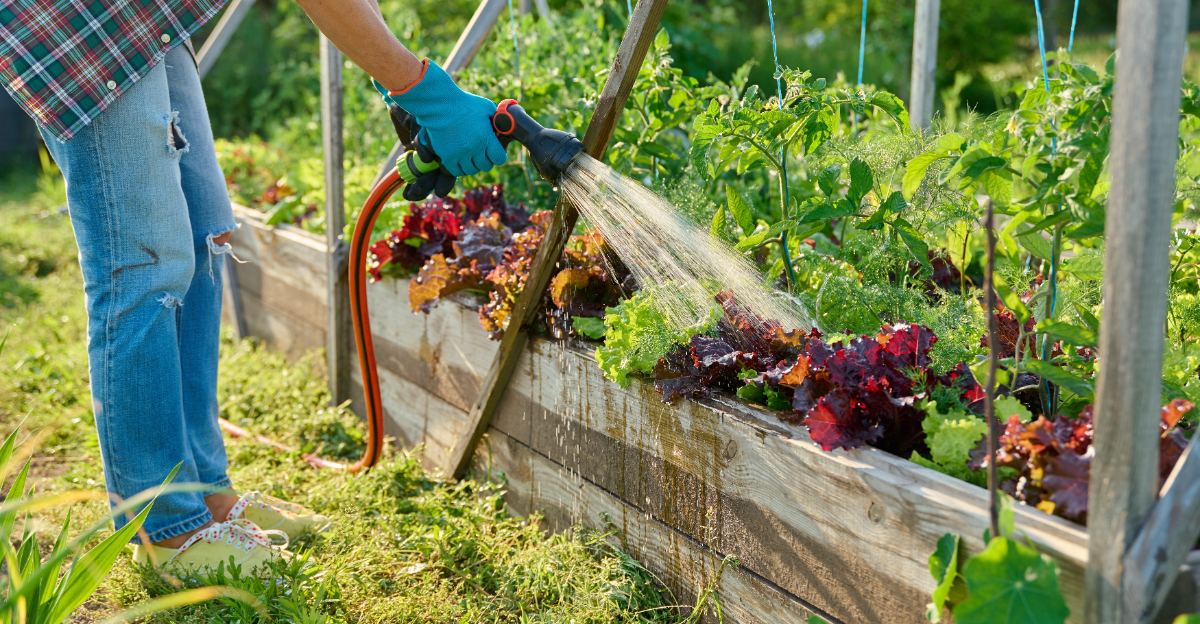
Ohio summers love to lie. A 40% chance of storms rolls in, your rain gauge sits empty, and your raised beds pay the price.
Tomato leaves start curling by Wednesday. You blame the heat. The real culprit is something most gardeners never think to check.
Guessing your way through July is a losing strategy. One dry week undoes a month of careful planting, and by August the damage shows in every wilted stem.
There’s one habit that turns unpredictable weather into a non-issue. It takes minutes to build into your routine, and your beds will thank you before the next heatwave hits.
The Hidden Cost Of Shallow Watering Habits

Shallow watering feels productive, but it is quietly working against you. Your plants get a sip when they need a long drink.
When water only reaches the top inch of soil, roots follow it upward. Roots that grow near the surface are fragile and heat-sensitive.
Surface-level roots cannot anchor plants well during wind or heavy rain. They also struggle to pull nutrients from deeper, richer soil layers.
A plant with shallow roots wilts faster on hot days. It needs watering more often, which actually wastes more water overall.
Deep watering Ohio raised beds pushes moisture six to eight inches down. Roots chase that water and grow stronger chasing it.
Stronger roots mean stronger plants, plain and simple. You spend less time at the hose and more time actually enjoying your garden.
Most gardeners do not realize their watering habits are the problem. They blame the heat, the soil, or the seeds instead.
Shallow watering also causes uneven moisture levels in your bed. Some spots stay soggy while others turn to dust within hours.
Fixing this habit does not require expensive equipment or extra hours. It just requires slowing down and letting water sink in properly.
Your garden is not failing because of bad luck. It is failing because the roots never got the chance to go deep.
Signs Your Raised Bed Soil Is Bone Dry
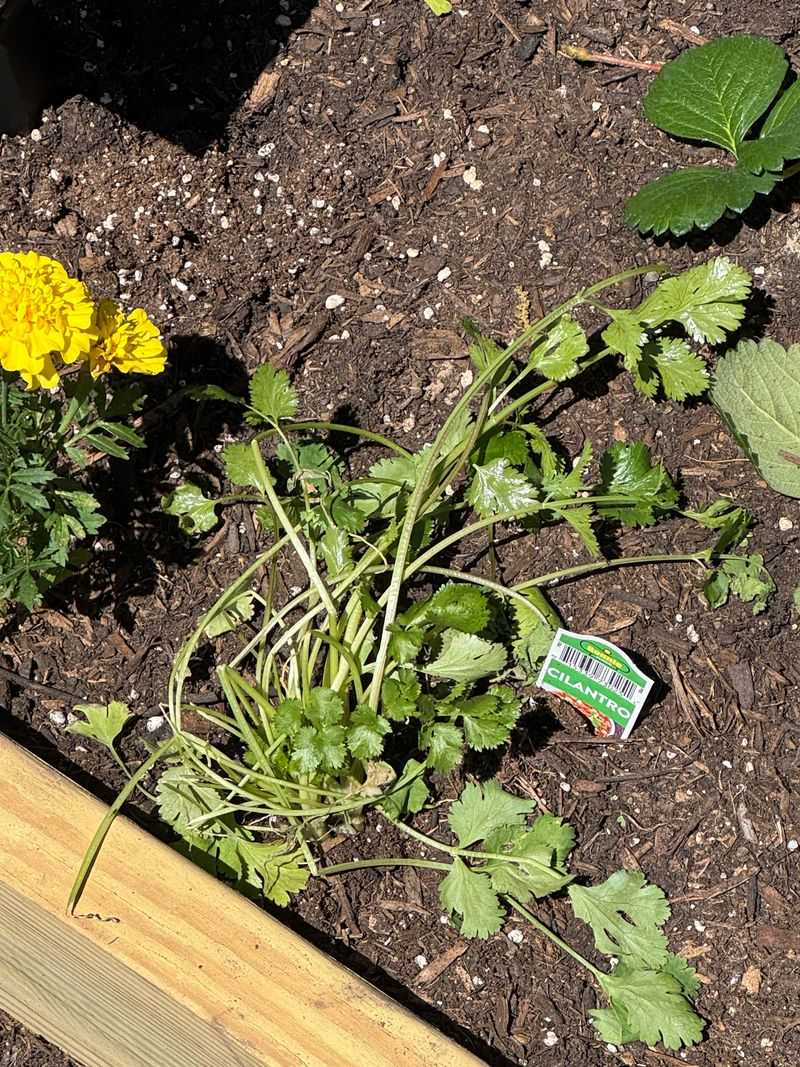
Dry soil has a way of hiding until it is almost too late. Knowing the signs early saves your plants from serious stress.
The first clue is color. Moist soil looks dark and rich, while dry soil turns pale, almost grayish or tan.
Stick your finger two inches into the soil. If it feels dry past your first knuckle, your bed needs water right now.
Cracking along the edges of your raised bed is another red flag. Soil that pulls away from the wood has lost serious moisture.
Wilting leaves in the morning are a strong warning sign. Plants that perk up in the morning but droop by noon are thirsty.
Yellowing lower leaves can also point to drought stress. The plant pulls water from older leaves to keep new growth alive.
Hard, compacted soil that resists a trowel is severely dehydrated. Properly moist soil should give way with gentle pressure from your hand.
Raised beds dry out faster than in-ground gardens. The exposed sides lose heat and moisture much more quickly on warm afternoons.
Your Ohio Garden Changes Every Week. Your Plan Should Too.
Gardening in Ohio changes quickly throughout the season. Every Friday you’ll receive a simple weekly plan showing exactly what to plant, prune, fertilize, harvest, and protect so you never miss the right timing.
Ohio summers bring stretches of dry heat that fool gardeners into thinking rain is coming. Check your soil every single day during those stretches.
A simple soil moisture meter is inexpensive and removes all guesswork. Accurate information helps you deep water Ohio raised beds at exactly the right moment.
Best Tools For Deep Watering Sessions
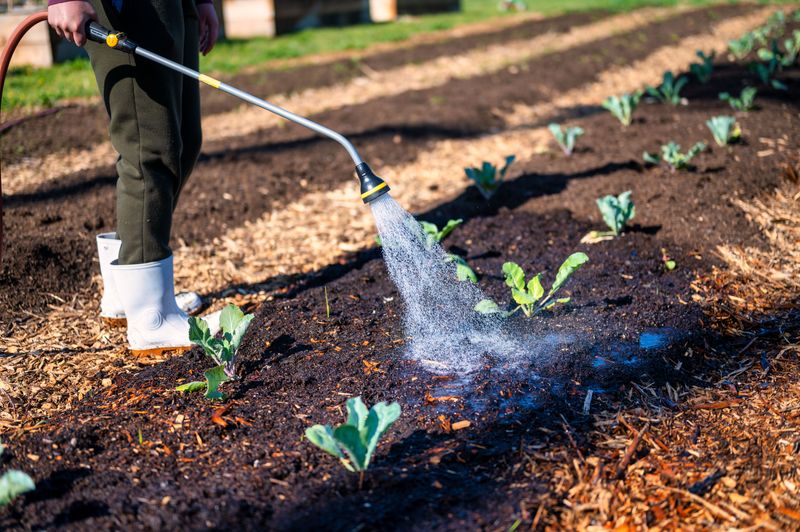
The right tool makes deep watering feel effortless instead of exhausting. Not every watering gadget on the market actually gets moisture where it belongs.
Soaker hoses are one of the best investments a raised bed gardener can make. They release water slowly along the entire length, soaking deep without runoff.
Drip irrigation systems take things a step further with targeted delivery. Each emitter sends water directly to a plant’s root zone with zero waste.
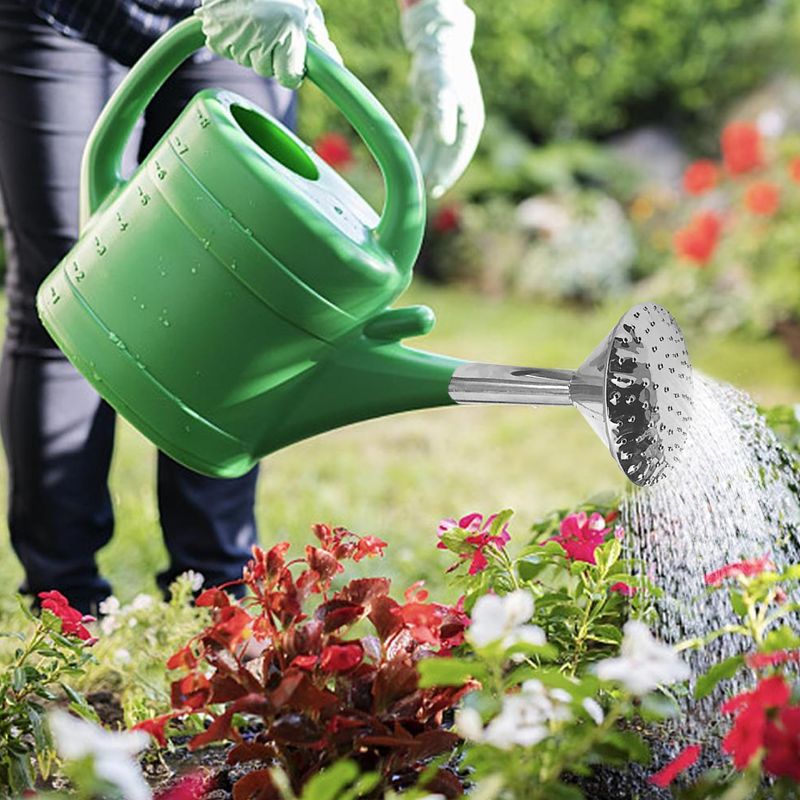
A long-necked watering can is perfect for smaller beds or seedlings. The narrow spout lets you aim precisely without flooding delicate young plants.
Avoid sprinklers for raised beds whenever possible. They wet foliage instead of roots, which invites fungal problems and wastes significant water to evaporation.
A good garden hose with an adjustable nozzle set to a gentle flow works well too. Hold it near the soil surface and water slowly for several minutes per plant.
Watering wands with a curved neck let you reach the soil without bending awkwardly. Your back will thank you after a long watering session.
Soil moisture meters pair beautifully with any of these tools. They confirm whether your watering session actually reached deep enough to matter.
Investing in quality tools upfront saves money on water bills later. Efficient delivery means less water used and healthier plants grown.
Deep watering Ohio raised beds becomes a satisfying routine when your tools are reliable. Good equipment turns a chore into something you actually look forward to doing.
Ideal Watering Frequency For Ohio Summers
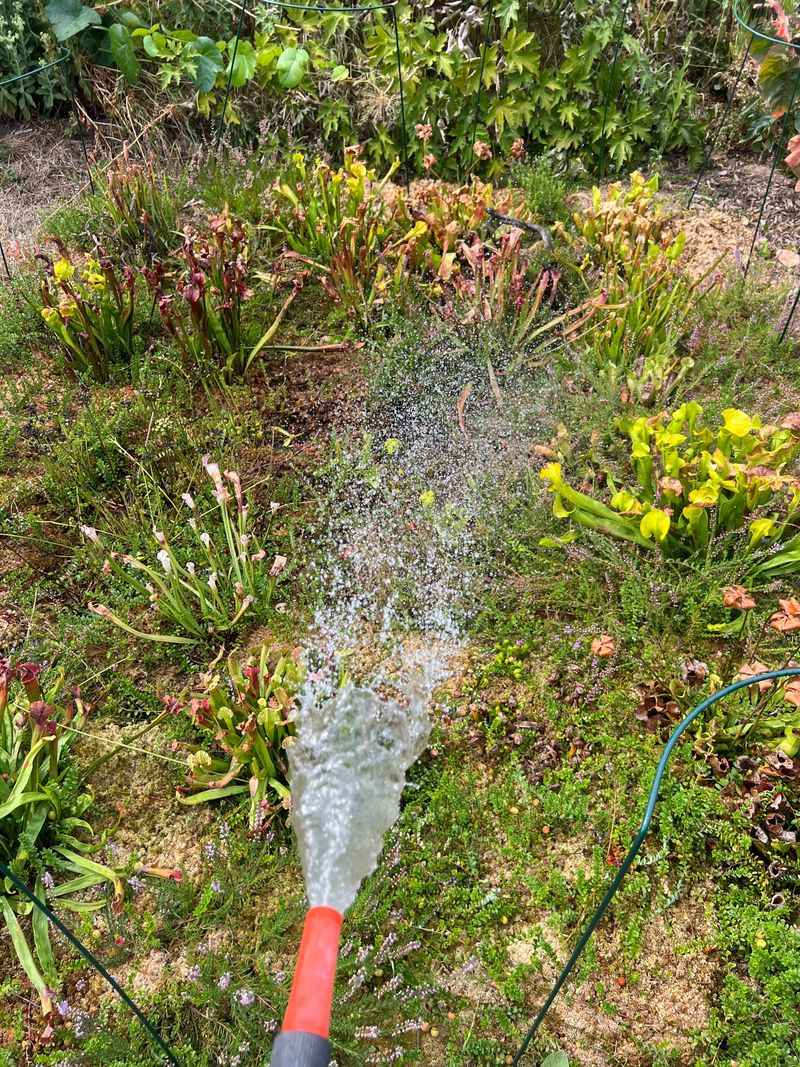
Ohio summers are not predictable, and your watering schedule should not be either. Flexibility beats a rigid calendar every single time.
During mild weeks with some cloud cover, watering every two to three days is usually enough. Your soil stays cooler and holds moisture longer under those conditions.
During heat waves above 85 degrees, daily watering becomes necessary for most raised beds. The elevated sides of a raised bed absorb heat and speed up moisture loss fast.
Morning is generally the best time to water your raised beds. Moisture soaks in before the afternoon heat can steal it through evaporation.
Evening watering is the second-best option if mornings are not possible. Just avoid getting water on the leaves, since wet foliage overnight encourages mildew growth.
Midday watering is the least effective choice of all three. Much of the water evaporates before it ever reaches the root zone.
Mulching your raised beds cuts watering frequency almost in half. A two-inch layer of straw or wood chips holds moisture in the soil for days longer.
After a real rainstorm, check the soil before assuming it is hydrated. Heavy rain often runs off quickly without soaking deep into a raised bed.
Track your local weather using a rain gauge instead of guessing. An inch of rain per week is the general benchmark for most vegetables.
Consistent deep watering Ohio raised beds on a smart schedule keeps plants productive all season. Healthy roots reward steady attention with steady harvests.
Building A Consistent Watering Routine
Consistency is the secret ingredient most gardeners forget about. Plants thrive on routine the same way people do.
Start by picking a specific time each day to check your raised beds. Morning works best, but the most important thing is showing up at the same time daily.
Keep a small garden notebook near your back door. Write down when you watered, how long you ran the hose, and what the weather looked like.
Patterns emerge quickly when you track your watering history. You will notice which beds dry out fastest and which hold moisture longer after a good soak.
Set a phone reminder if you tend to forget during busy weeks. A simple alarm labeled garden check takes two seconds to create and saves plants from stress.
Pair watering with another daily habit to make it stick. Water your beds right after morning coffee, and the two activities will naturally link together in your mind.
Automate when possible using a timer attached to your hose bib. Timers are an affordable option and water your beds even when life gets hectic.
Check your setup after the first few automated sessions. Timers can malfunction, and you want to catch problems before the plants pay the price.
Adjust your routine as the season changes. Late summer heat demands more frequent attention than the cooler days of early June.
Building a solid routine for deep watering Ohio raised beds is the single best thing you can do for your garden this season.
Protecting Roots During Dry Spells
Dry spells sneak up on Ohio gardeners every single summer. A week without rain can put serious stress on even healthy plants.
Mulch is your first and most powerful line of defense during a drought. Spread two to three inches of straw, shredded leaves, or wood chips across the soil surface.
Mulch acts like a blanket for your soil, slowing evaporation dramatically. Beds with good mulch coverage stay moist noticeably longer than bare soil beds.
During extended dry periods, water your raised beds deeply every other day at minimum. Surface moisture disappears fast when temperatures climb above 80 degrees.
Group your most water-hungry plants together in one raised bed. Tomatoes, cucumbers, and peppers all need consistent moisture and benefit from being watered as a cluster.
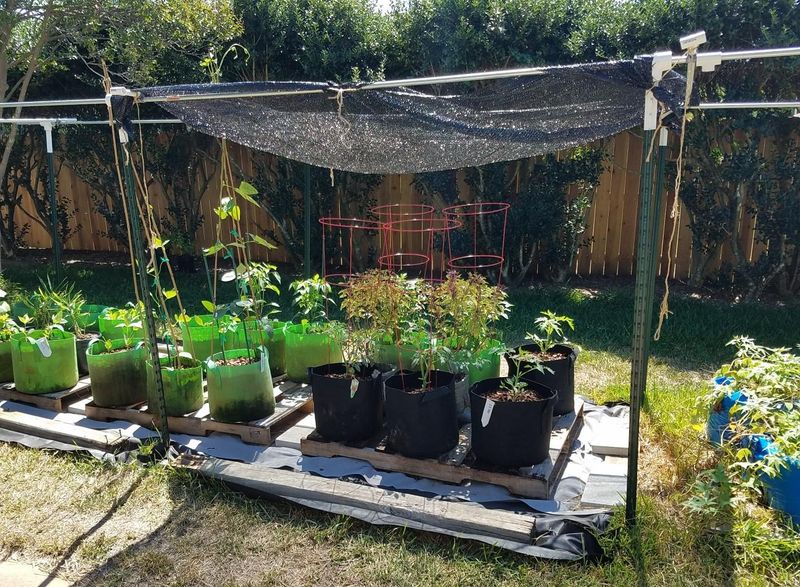
Shade cloth stretched over your beds during peak afternoon heat reduces moisture loss significantly. A 30% shade cloth keeps the soil cooler without blocking too much sunlight from your crops.
Avoid fertilizing heavily during a dry spell. Concentrated nutrients without enough moisture can burn root tips and cause additional plant stress.
Check the soil six inches down, not just at the surface. Roots live deep, and that is where moisture levels truly matter during a drought.
After a dry spell breaks, ease back into your normal schedule gradually. Flooding a stressed plant with too much water too fast can shock the root system.
Protecting your roots during tough stretches keeps your deep watering Ohio raised beds strategy working all summer long.