This Native Florida Tomato Is Replacing Patio Ornamentals In Florida Landscape
Florida patios know how to put on a show.
Crotons bring color. Bougainvillea spills over pots. Sweet potato vines race across rails like they own the place.
Then one scrappy little plant walks into the competition with a completely different trick.
At first, it does not look like patio royalty. Its leaves feel loose and wild. Its stems refuse to stay politely inside one pot. Tiny yellow flowers appear, followed by flashes of red tucked between the foliage.
That is when the patio suddenly takes notice.
What makes one humble tomato worthy of space normally reserved for ornamentals?
The answer goes beyond a bowl of fresh fruit.
Florida heat can make patio plants earn every inch of shade, every sip of water, and every spot near the rail. This one brings a strange mix of color, usefulness, personality, and serious enthusiasm.
Give it room, and your patio may feel less purely decorative. It might feel delicious too. And it does not act shy.
The little red secret comes next, soon.
Meet The Everglades Tomato
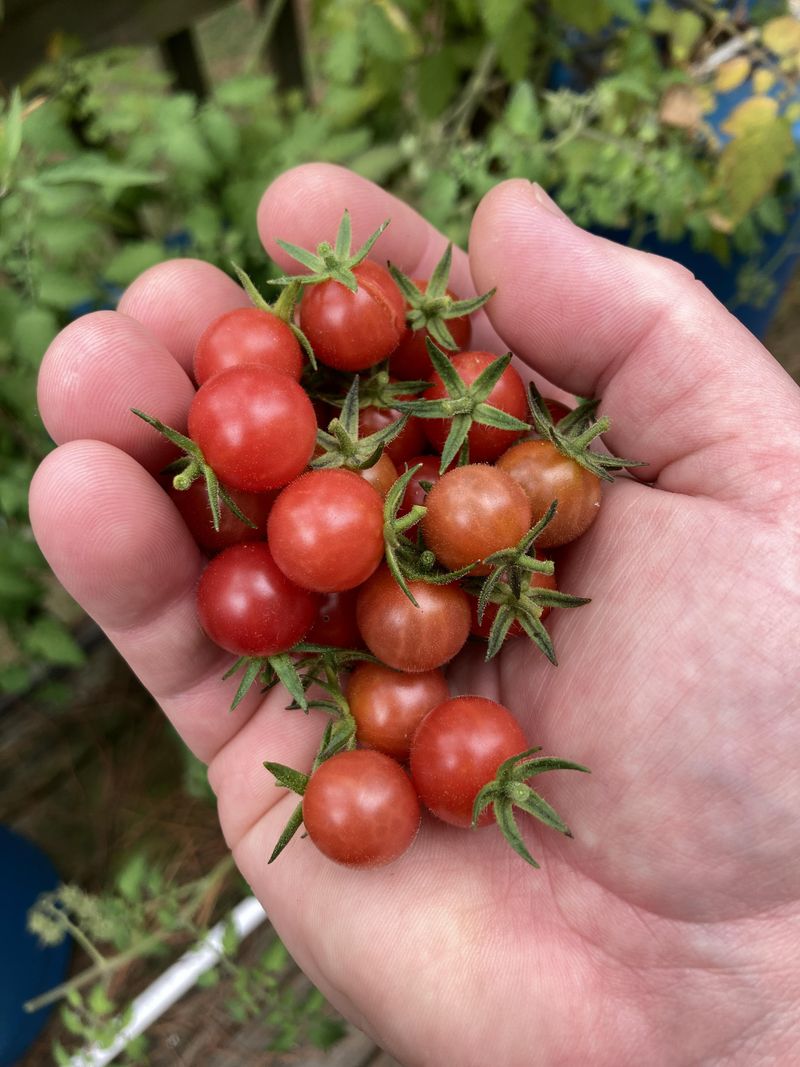
The Everglades tomato does not arrive with giant fruit or tidy manners. It wins attention another way.
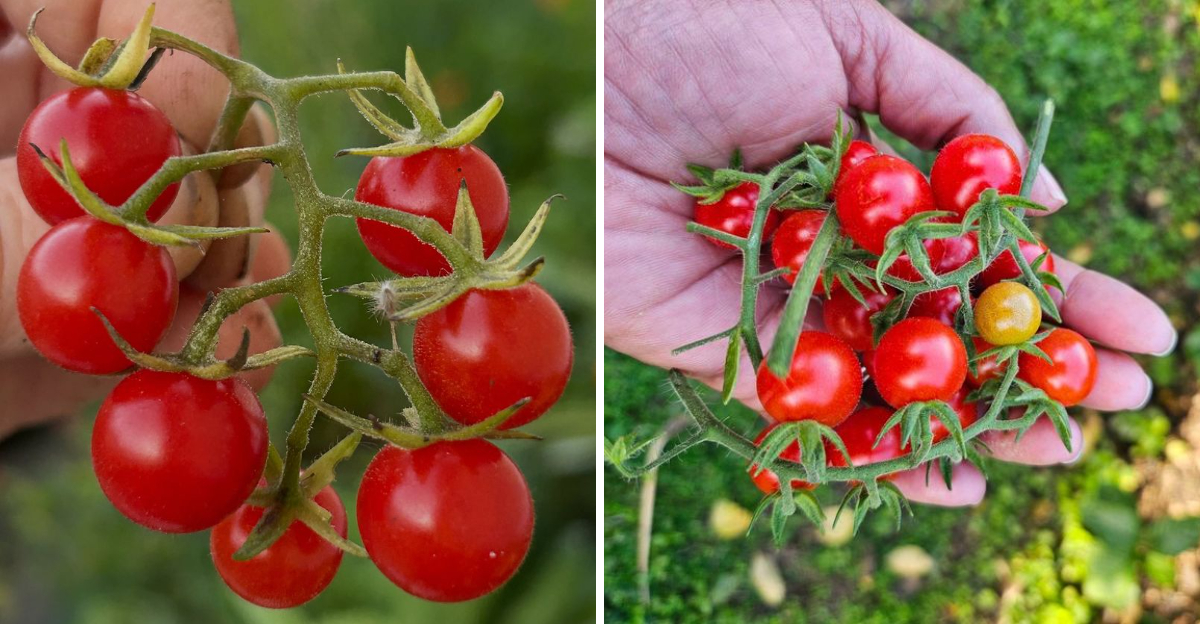
The fruit stays tiny, often around pea to marble size. What it lacks in bulk, it makes up for with bold flavor and a steady stream of red.
The plant itself behaves more like a rambler than a compact patio tomato. Long vines stretch through supports, slip between railings, and spill over container edges.
That loose habit gives the plant plenty of personality.
Botanically, the Everglades tomato has a complicated identity. It is often linked with the currant tomato, Solanum pimpinellifolium. Some references also point to possible hybrid ancestry with the common garden tomato.
For your patio, the practical part matters more.
This plant has earned a strong Florida following because it handles warm, humid conditions better than many large-fruited tomatoes. It can keep producing small fruit through stretches that make beefsteak types look deeply offended.
Do not expect one giant harvest all at once.
Instead, clusters ripen in waves. You pick a few today, more tomorrow, then somehow eat half of them before they reach the kitchen.
That is the Everglades tomato experience. Small fruit. Big vines. Very little interest in acting like a polite ornamental.
It may not arrive dressed for the patio, but it quickly becomes the guest everyone notices.
Let Tiny Fruit Handle Florida Summer
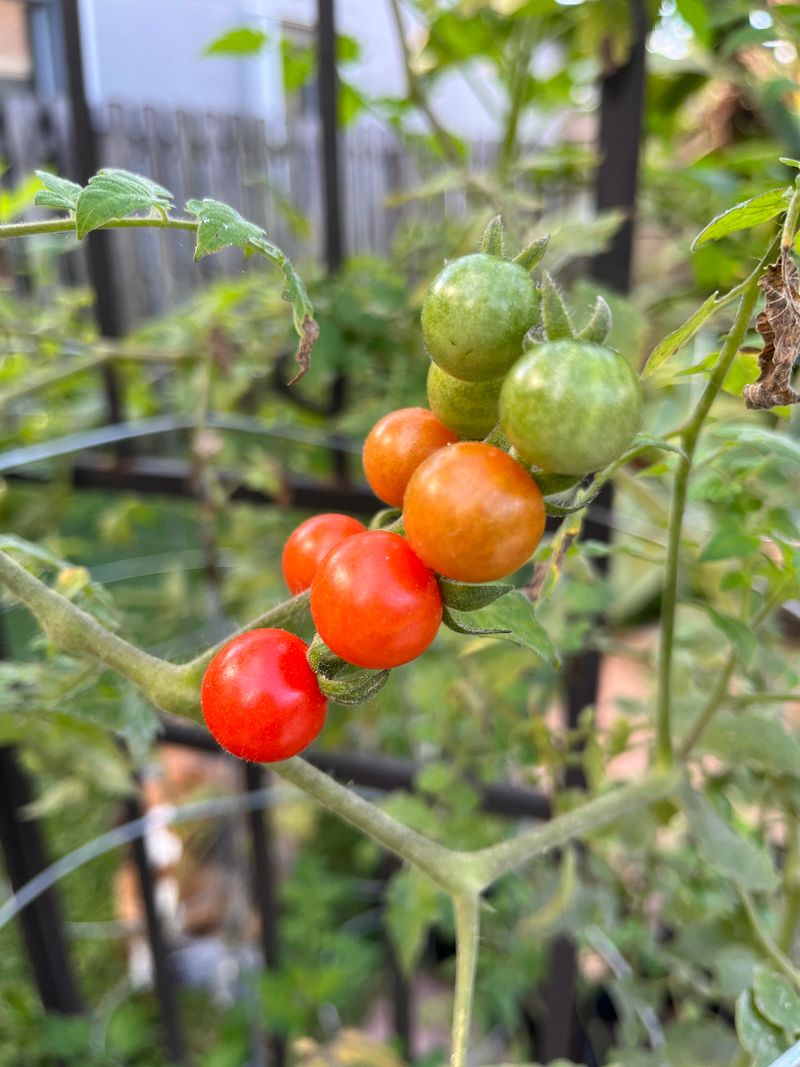
Florida summer can turn tomato season into a test of patience.
Large-fruited varieties often struggle once daytime heat climbs and warm nights refuse to cool down. Flowers may drop, fruit set can slow, and gardeners start giving the thermometer suspicious looks.
The Everglades tomato often handles that stretch with more confidence.
Its tiny fruit requires less plant energy than a large slicer. The plant also has a long Florida reputation for better performance through hot, humid weather.
That does not make it heatproof.
During the roughest weeks of July and August, flower set may still slow. A blazing patio can push almost any tomato past its comfort zone.
You can help without turning plant care into a second job.
Keep moisture steady. Give roots enough soil volume. Add afternoon shade where reflected heat becomes intense. Avoid huge swings between bone-dry soil and a soaked container.
Watch the plant rather than chase perfection.
A few quiet weeks do not mean the season is finished. Once nights ease up, flowers can return and new clusters may follow.
North Florida gardeners may see stronger spring and fall production. South Florida patios can stretch the warm-season schedule much longer.
This tomato plays the long game.
A beefsteak may demand ideal conditions. The Everglades type often seems more willing to negotiate.
In Florida, that little bit of flexibility can feel like winning the tomato lottery with very tiny tickets.
Use The Sprawl As Edible Greenery
Some patio plants stay exactly where you put them.
The Everglades tomato did not read that rule.
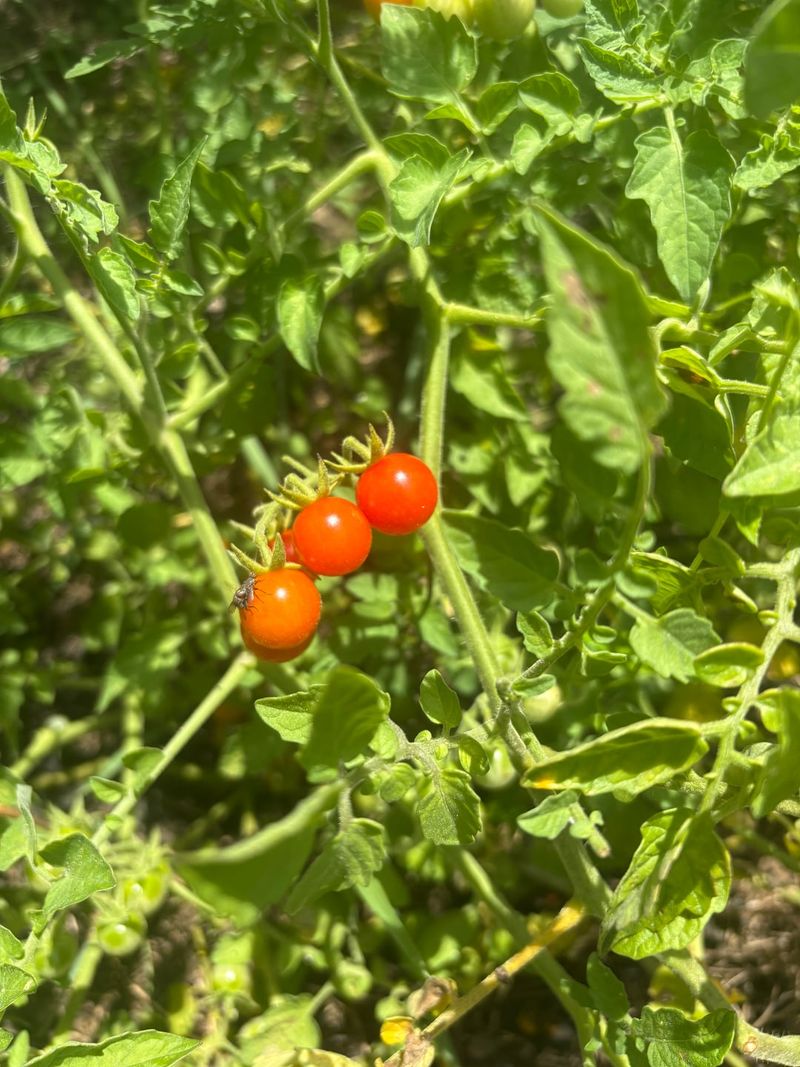
Its vines wander over pot rims, slip through rails, and reach toward any support within range. That wild habit can look messy in the wrong spot. In the right spot, it becomes part of the design.
Use the sprawl instead of fighting it.
Place a large container beside a railing, trellis, or open fence panel. Guide a few stems where you want them, then let the rest loosen up around the structure.
The foliage softens hard patio edges.
Tiny yellow flowers add little sparks of color. Red fruit appears between the leaves like someone tucked edible ornaments into the vines.
That is where the plant gets fun.
Guests may notice the greenery first. Then somebody spots the tomatoes, picks one, and suddenly your patio decor becomes an appetizer.
You can keep the shape relaxed or trim a few unruly stems.
Avoid constant pruning. The plant naturally wants room, and too much trimming can turn a low-effort feature into a weekly argument with a pair of clippers.
Give nearby plants some breathing space too.
A compact herb can sit near the base. A delicate ornamental may not enjoy a tomato vine draped across its entire social life.
Let the Everglades tomato be a little wild.
Patio style does not always need perfect symmetry. Sometimes it just needs snacks.
Cover A Trellis With Productive Growth
A standard tomato cage can look confident on planting day.
Then the Everglades tomato starts stretching.
This plant can send vines well beyond the neat circle of a small cage. A wider trellis, wire panel, bamboo grid, or sturdy railing usually gives it more useful territory.
Support does more than tidy the patio.
Raised vines get better airflow around the leaves. Fruit stays farther from damp soil. Harvest also becomes easier because you can spot ripe red clusters without crawling through a green jungle.
Set the support in place early.
Trying to thread a mature vine through a trellis can feel like untangling holiday lights after someone shook the box for fun.
Guide young stems loosely as they grow.
Soft ties, stretchy clips, or garden twine can hold vines without cutting into them. Leave a little room for stems to thicken.
Do not cinch them down like luggage on a roof rack.
Multiple plants need extra space. Give each one enough room for airflow and enough access for your hands at harvest time.
A patio wall can also work well with a panel mounted a short distance away.
That gives the vines somewhere to spread without pressing foliage flat against a hot surface.
With decent support, the plant starts to look intentional rather than unruly.
You still get the wild energy, just with better manners.
Even the most enthusiastic tomato can benefit from a little architectural supervision.
Harvest Tiny Tomatoes In Steady Waves
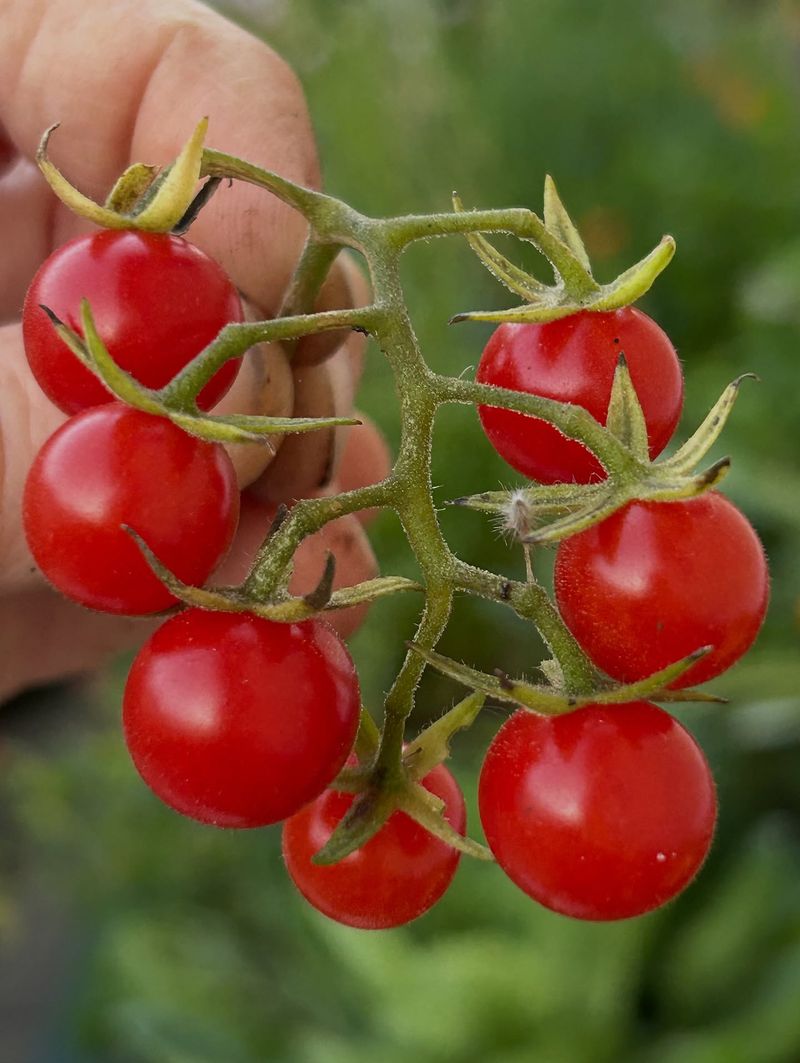
Everglades tomatoes have one annoying harvest problem.
They are very easy to eat before the bowl gets full.
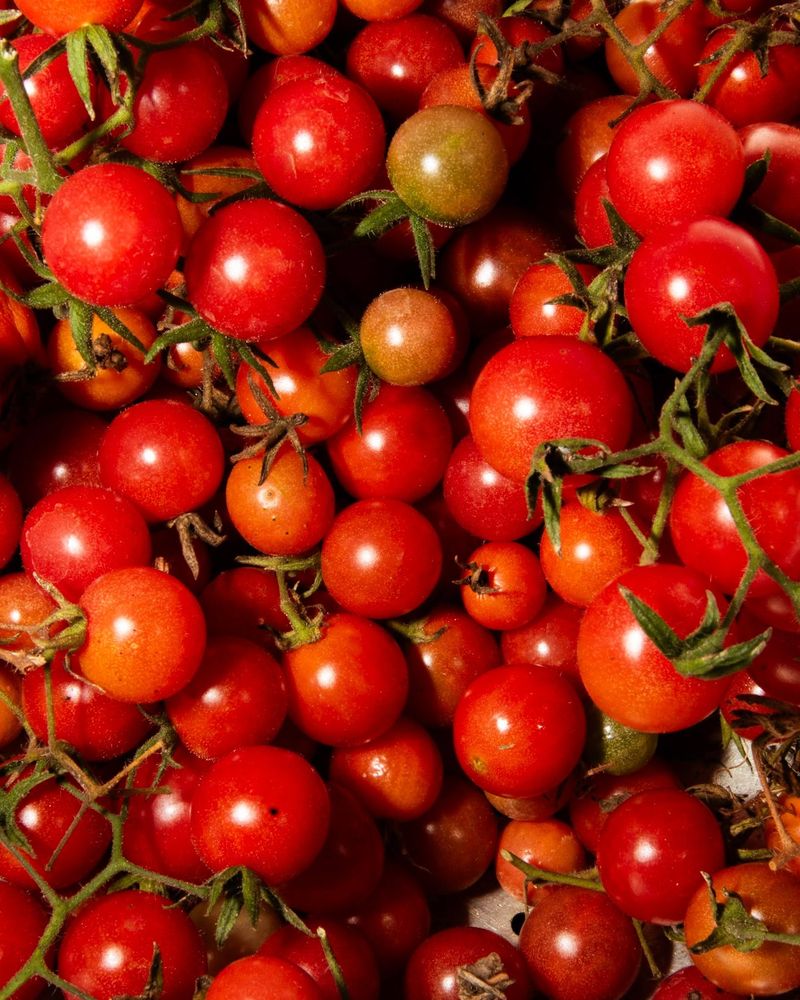
Ripe fruit turns a rich red and usually releases with little effort. Check the vines every day or two once clusters start to color.
That regular routine keeps overripe fruit from piling up.
It also gives you a reason to step outside with coffee and pretend you are only checking the plants.
The harvest rarely arrives as one dramatic mountain.
Instead, fruit ripens in waves. A handful appears today. Another cluster colors up tomorrow. By the weekend, the kitchen bowl finally looks respectable.
Flavor can vary with soil, water, and sun, but these tiny tomatoes often deliver a concentrated sweet-tart punch.
Their size makes them easy kitchen troublemakers.
Toss them into salads. Add them to salsa. Scatter them over eggs. Give them a quick sauté. Or eat them beside the plant and erase all evidence.
You do not need a complicated preservation plan either.
The rolling harvest makes it easier to use fruit as it ripens rather than face twenty pounds of tomatoes on one chaotic afternoon.
Keep a small container near the patio door.
That tiny habit makes harvest easier and stops ripe fruit from getting forgotten among the leaves.
Just do not expect the bowl to fill quickly.
Someone keeps snacking from it. The prime suspect may be you.
Let Summer Flowers Keep Working
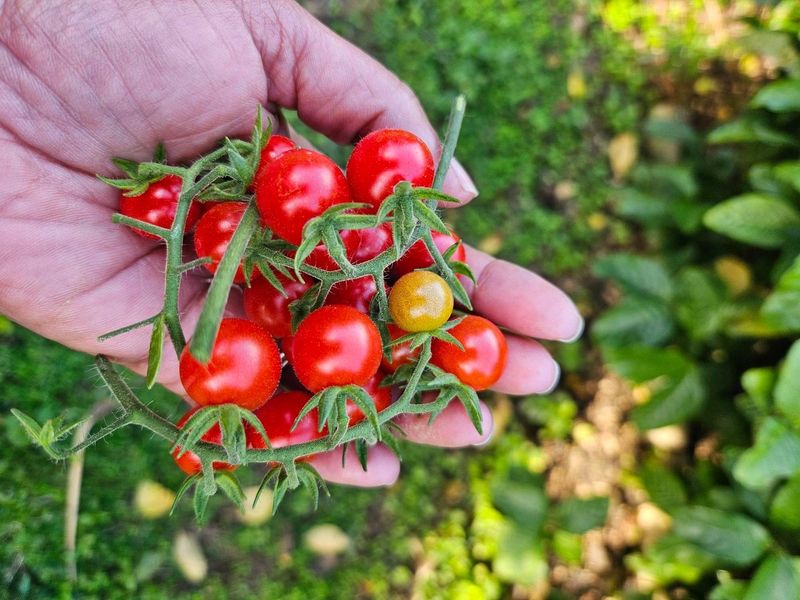
Before the red fruit arrives, the real show starts in yellow.
Small star-shaped flowers appear along the vines and hint at the next round of tomatoes. Each successful bloom can become another tiny snack.
Tomato flowers can pollinate themselves.
Wind and movement help shift pollen inside each bloom. Bees can add extra help, especially species that vibrate the flower and release pollen efficiently.
That gives your patio another reason to welcome pollinators.
Nearby flowers can provide extra forage and make the space more active. Avoid broad insect sprays around open blooms when possible, since those treatments can also affect helpful visitors.
Heat can interrupt the process.
Very high daytime temperatures and warm nights may reduce pollen performance. You might see flowers open normally, then drop without fruit behind them.
Do not panic over a few empty stems.
The plant can resume stronger fruit set after temperatures ease. A short midsummer pause may simply be Florida reminding everyone who controls the thermostat.
Keep water steady during hot stretches.
Dry roots add more stress at exactly the wrong time. Afternoon shade can also help container plants on patios that reflect intense heat from concrete or walls.
Watch the flower clusters instead of counting tomatoes alone.
They tell you what the plant is preparing next.
A vine full of yellow stars is basically a produce forecast.
No weather app required, and this forecast tastes much better.