Reasons Your California Hydrangea Flowers Are Turning Brown
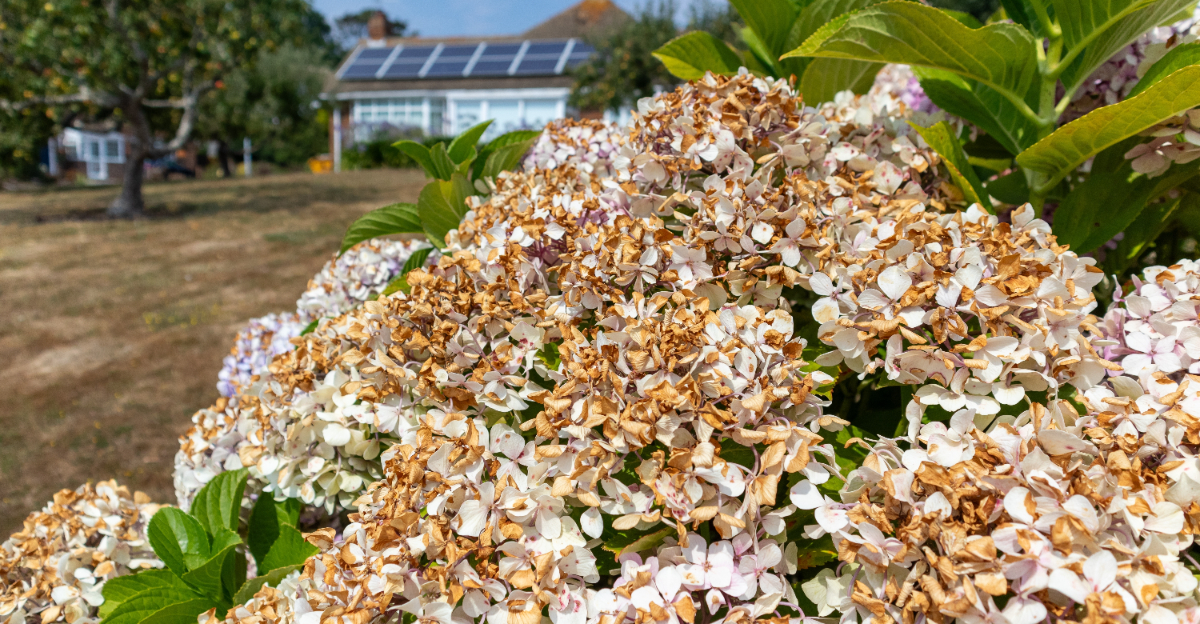
Your hydrangeas were the pride of the yard just days ago. Now the petals look scorched, curling at the edges like paper left too close to a flame.
California gardens throw a lot at these blooms. Heat waves roll in fast, soil dries out faster, and the coastal fog that once protected your flowers can vanish overnight.
Brown blooms rarely mean your plant is in trouble long term. Most causes trace back to small, everyday habits that quietly stress the flowers before you even notice.
Brown edges spread fast once triggered, but so does recovery once you know exactly what set them off.
1. Intense Afternoon Sun Scorches Delicate Petals
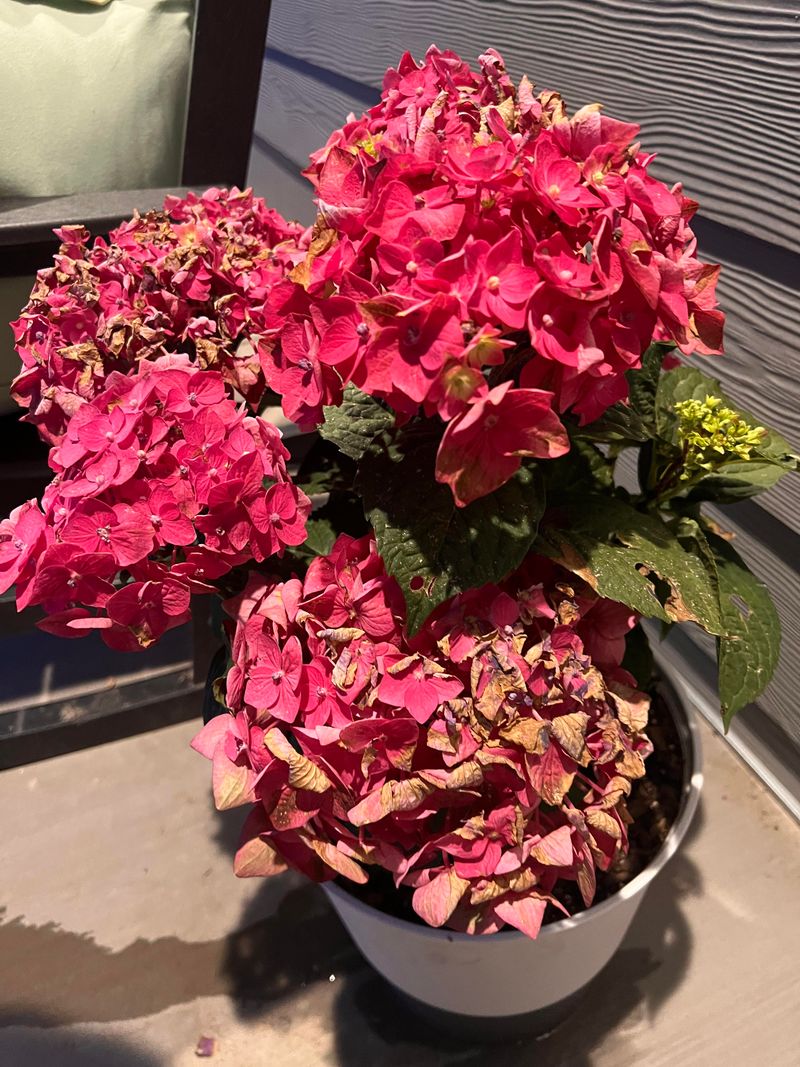
Sun damage hits fast. One blazing afternoon can turn soft pink petals into crispy brown edges overnight.
Hydrangeas are not built for harsh midday rays. They evolved in woodland settings with filtered, gentle light throughout the day.
In California, afternoon sun can push past 100 degrees. That level of heat breaks down the delicate cell walls inside each petal.
You will notice browning starting at the tips first. The damage then creeps inward until the whole flower looks toasted and sad.
The fix is simpler than you might expect. Move potted plants to a spot that gets morning sun and afternoon shade.
For plants in the ground, shade cloth makes a real difference. A 30 to 40 percent shade cloth blocks the worst of the heat without starving the plant of light.
East-facing garden beds are ideal for hydrangeas in warm climates. That positioning gives them bright morning energy and a cool afternoon rest.
Mulching around the base also helps. A thick layer of wood chips keeps roots cool and reduces stress on the whole plant.
Do not wait for the damage to get worse. Catching sun scorch early means your blooms have a real shot at recovery.
Healthy hydrangeas bounce back quickly once the stress source is removed. Protect them from that brutal afternoon heat and watch the color return.
2. Underwatering Leaves Blooms Wilted And Dry
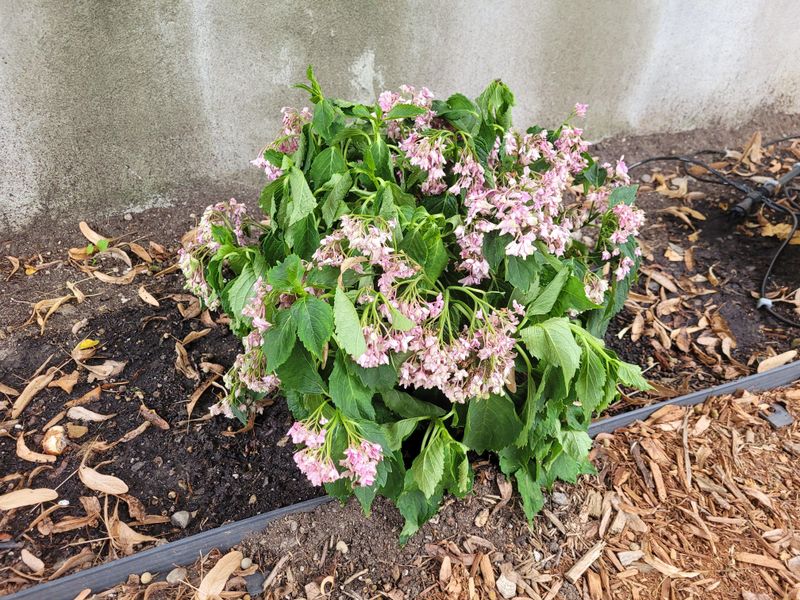
Thirsty plants send signals fast. Hydrangeas are dramatic about it, wilting and browning within just a day or two of missed watering.
California summers are long and punishing. Without consistent moisture, your hydrangea blooms go from lush to crispy in record time.
The large flower heads of hydrangeas need a surprising amount of water. Each bloom is essentially a cluster of tiny florets, all demanding hydration.
When water runs low, the plant pulls moisture away from blooms first. It prioritizes roots and stems, leaving flowers to dry out and brown.
Check the soil before you assume the plant is fine. Stick your finger two inches into the ground near the base of the plant.
If it feels dry at that depth, your hydrangea is already stressed. Water deeply and slowly to let moisture reach the root zone.
Shallow, quick watering is almost as bad as no watering at all. The roots never get what they need from a 30-second sprinkle.
Aim for deep watering sessions three times per week during hot stretches. Adjust based on rainfall and how fast your soil drains.
Your California Garden Changes Every Week. Your Plan Should Too.
Gardening in California changes quickly throughout the season. Every Friday you’ll receive a simple weekly plan showing exactly what to plant, prune, fertilize, harvest, and protect so you never miss the right timing.
Morning is the best time to water hydrangeas. Leaves dry out before evening, which reduces the risk of fungal problems down the line.
Consistency is the secret weapon here. Your blooms will stay vibrant and full when the roots always have access to steady moisture.
3. Shallow Watering Habits Take A Toll Over Time
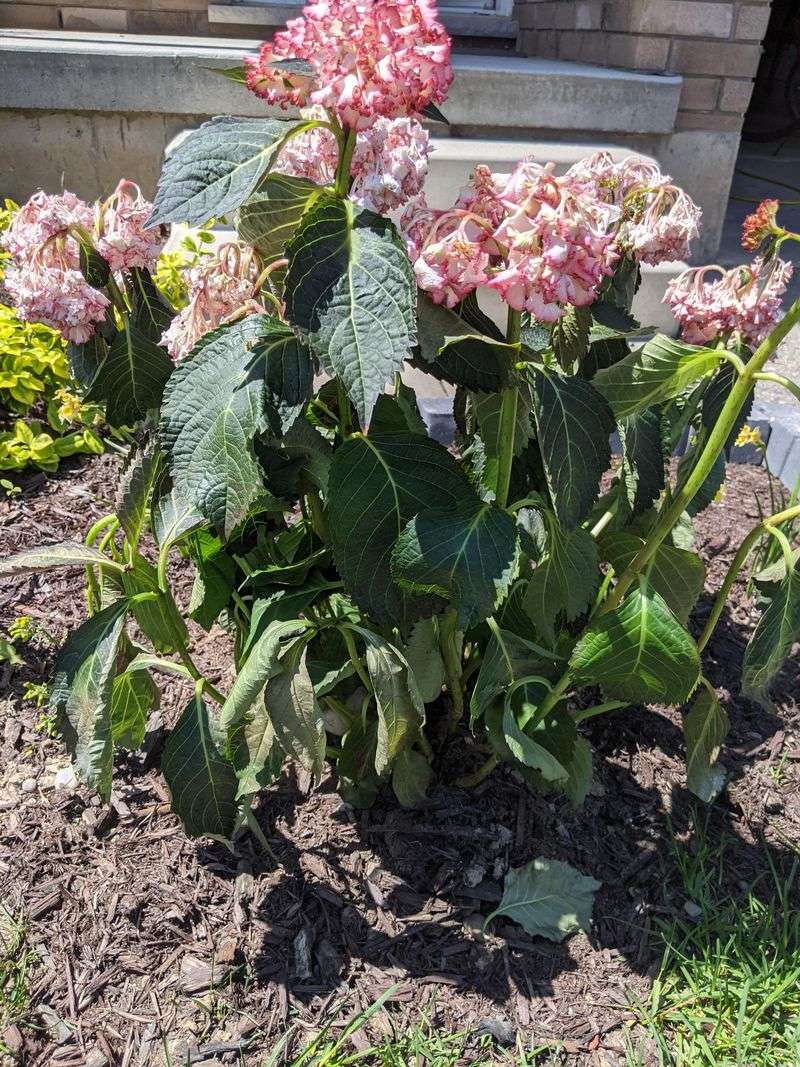
Watering every day sounds responsible. But if you are only wetting the top inch of soil, your hydrangeas are slowly suffering.
Shallow watering trains roots to stay near the surface. Surface roots are the first to dry out when temperatures spike.
Over weeks, this pattern creates a plant that looks okay but is secretly struggling. Then one hot day hits, and the blooms go brown fast.
Deep roots are resilient roots. When water soaks down eight to ten inches, roots follow it deeper into the cooler soil layers.
A simple test can reveal your watering depth. After a watering session, dig a small hole six inches deep and check for moisture.
If the soil is bone dry at that depth, you are not watering long enough. Slow down the flow and let water absorb gradually.
Drip irrigation systems are excellent for hydrangeas. They deliver water directly to the root zone over a longer period without runoff.
If you use a hose, water slowly at the base for at least five minutes per plant. Move the hose around to cover the full root area.
Raised beds and containers dry out faster than in-ground plants. Those setups may need watering every single day during California heat waves.
Breaking a bad watering habit takes about two weeks of consistency. Once roots go deep, your hydrangea flowers will hold their color much longer.
4. Heavy Fertilizer Doses Leave Their Mark
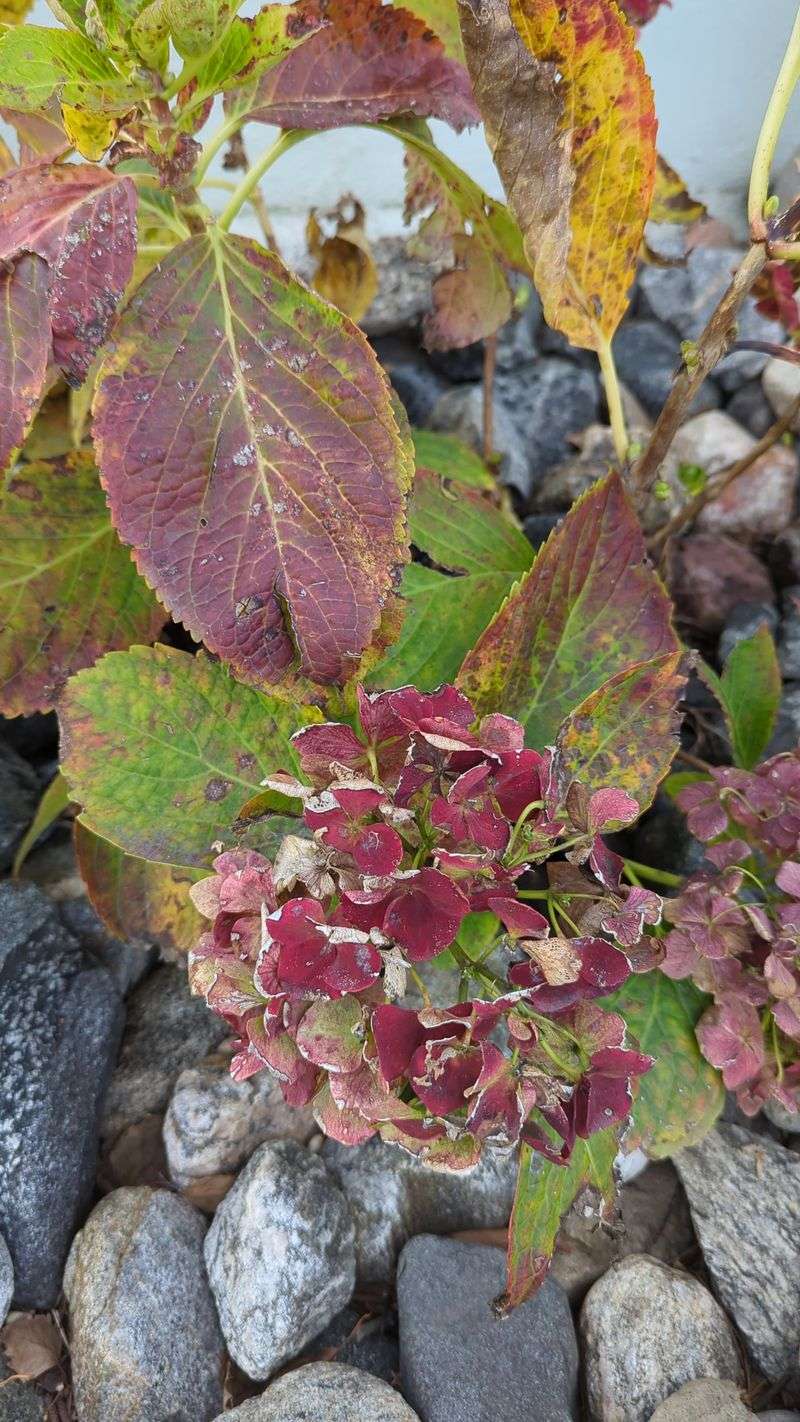
More fertilizer does not mean more flowers. In fact, too much fertilizer is one of the sneakiest causes of browning hydrangea blooms.
When you over-fertilize, salts build up in the soil. Those salts pull moisture away from roots in a process called fertilizer burn.
The damage shows up as brown tips on petals and leaves. It can look a lot like sun scorch, which makes it tricky to diagnose.
Hydrangeas are not heavy feeders compared to vegetables or roses. They do well with one or two light applications per growing season.
A balanced slow-release fertilizer works best for these plants. Look for something labeled 10-10-10 or a formula designed for flowering shrubs.
Avoid high-nitrogen products during bloom season. Too much nitrogen pushes leafy green growth at the expense of flower production and color.
If you suspect fertilizer burn, flush the soil with plain water. Run a slow, deep watering session for 20 to 30 minutes to push salts deeper down.
Do this flushing two or three times over a week. The goal is to dilute and drain the excess salt concentration around the roots.
Check your soil with a basic pH and nutrient test kit. Those kits are cheap and available at most garden centers across the state.
Getting the balance right means healthier roots, stronger stems, and blooms that hold their gorgeous color all season long.
5. Aphids And Spider Mites Drain The Color Away
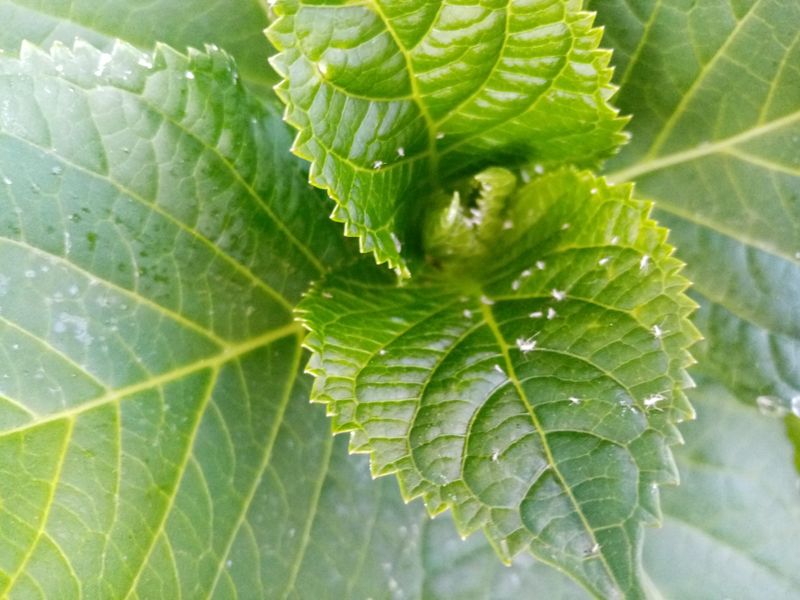
Tiny bugs, big damage. Aphids and spider mites are small enough to miss but powerful enough to ruin an entire bloom cycle.
Aphids cluster on new growth and flower stems. They pierce the plant tissue and suck out the sugary sap that fuels healthy blooms.
Spider mites prefer hot, dry conditions, which makes California gardens a perfect target. You might notice fine webbing on stems before you spot the mites themselves.
Both pests cause blooms to fade, brown, and look drained. They are quietly sapping the plant’s energy, one feeding session at a time.
Inspect your plants weekly during warm months. Flip leaves over and check the undersides where these pests love to hide and reproduce.
A strong blast of water from a garden hose knocks aphids off quickly. Repeat every few days to break the reproductive cycle before it spirals.
Neem oil spray is effective against both aphids and spider mites. Mix it according to the label and apply in the early morning or evening.
Avoid spraying in direct sunlight because neem oil can cause leaf burn. Consistent treatment over two weeks usually clears up most infestations.
Ladybugs are natural predators of aphids and can be purchased at many garden stores. Releasing them near affected plants gives you a chemical-free assist.
Catching pest problems early means your hydrangea flowers stay lush and colorful instead of fading into a sad, brown cluster of damage.
6. Aging Blooms Follow A Natural Fade
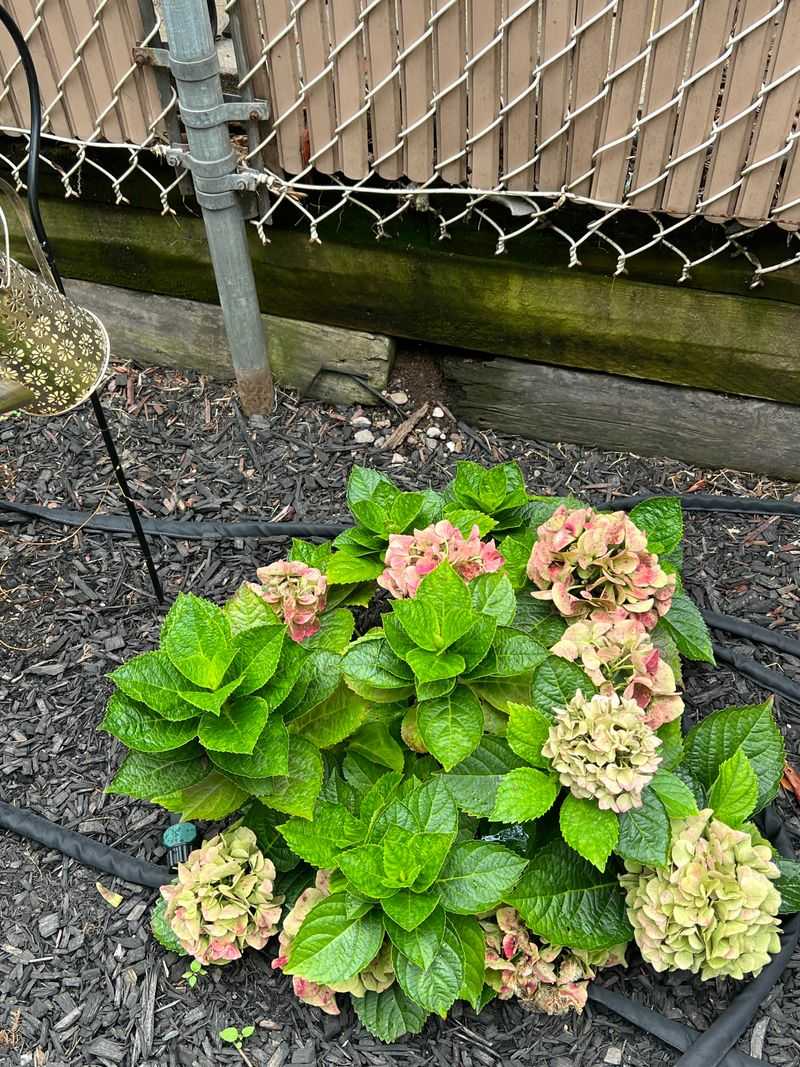
Not every brown bloom is a cry for help. Sometimes your hydrangea is simply doing what nature designed it to do.
All flowers age. Hydrangeas go through a natural cycle where blooms shift from vibrant color to green, then to papery tan or brown.
This process usually begins six to eight weeks after the initial bloom opens. Cooler nights and shorter days can speed up the timeline in fall.
Aging blooms are not a sign of a sick plant. They are actually a sign of a plant that successfully completed a full flower cycle.
One way to tell natural aging from damage is the texture. Naturally aged blooms feel papery and dry but not crispy or distorted.
Damaged blooms from heat or pests often look mushy, spotted, or unevenly brown. Natural fading is more uniform and gradual across the entire flower head.
You have two options when blooms start to fade. Remove them to encourage a second round of blooming, or leave them for winter texture and interest.
Dried hydrangea blooms look stunning in arrangements and wreaths. Many gardeners actually wait for the natural fade just to harvest them.
If you want to extend the bloom season, remove spent flowers just above the first set of healthy leaves. New buds often follow within a few weeks.
Embracing the natural cycle of your hydrangea flowers makes you a more relaxed and successful gardener overall.
7. Heat Waves Push Blooms Past Their Limit
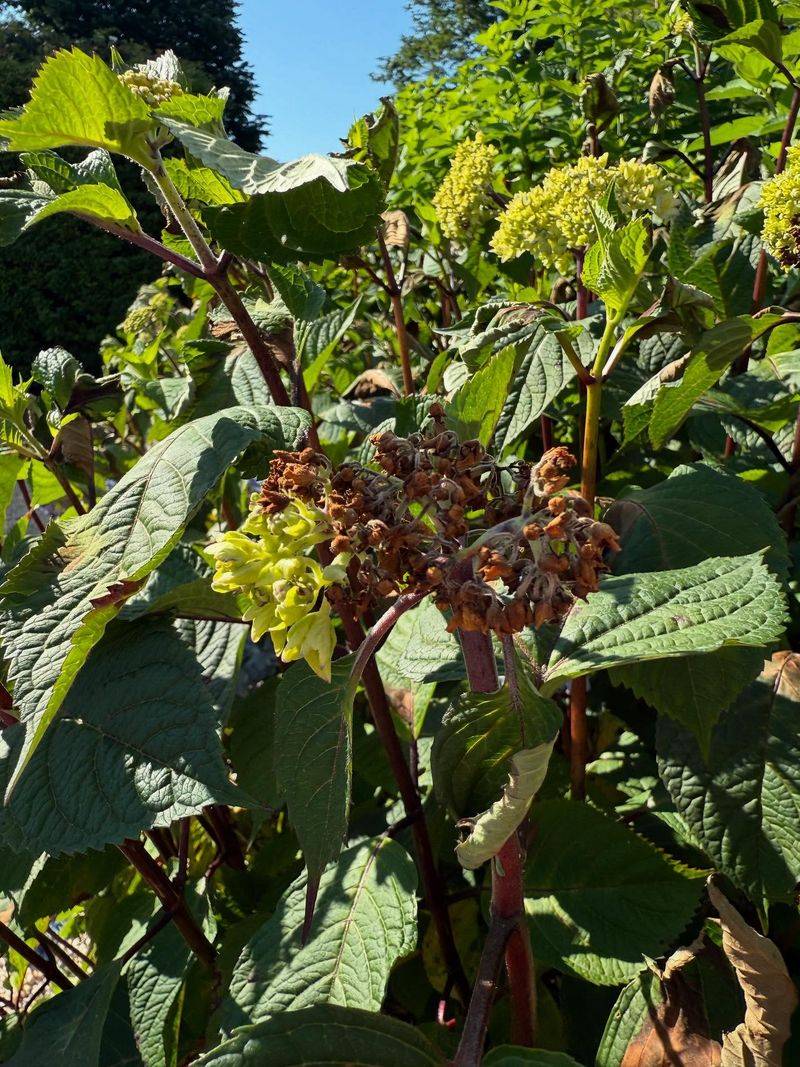
When a heat wave rolls through California, everything suffers. But hydrangeas take the hit especially hard because of their large, moisture-heavy blooms.
Once temperatures climb into the 90s, hydrangeas start showing stress fast, sometimes within hours instead of days.
Heat waves are different from regular hot days. Sustained high temperatures over multiple days give the plant no chance to recover overnight.
Nighttime temperatures matter just as much as daytime highs. When nights stay unusually warm, the plant gets no real chance to cool down and recover.
During a heat wave, increase your watering frequency immediately. Daily deep watering becomes essential rather than optional during those brutal stretches.
Shade cloth becomes your best friend during extreme heat events. Even a temporary setup using old bedsheets can protect blooms from the worst damage.
Misting the foliage in the early morning adds a small buffer against rising temperatures. Do not mist during peak heat because water droplets can magnify sun rays.
Move any potted hydrangeas indoors or into a shaded garage during heat emergencies. A few days of reduced light is far less damaging than heat stress.
After the heat wave passes, assess the damage calmly. Brown blooms can be removed, and the plant will often push out new growth within weeks.
Your California hydrangea flowers are resilient when given the right support during extreme conditions, and a little preparation goes a long way.
8. Transplant Shock Shows Up Weeks Later
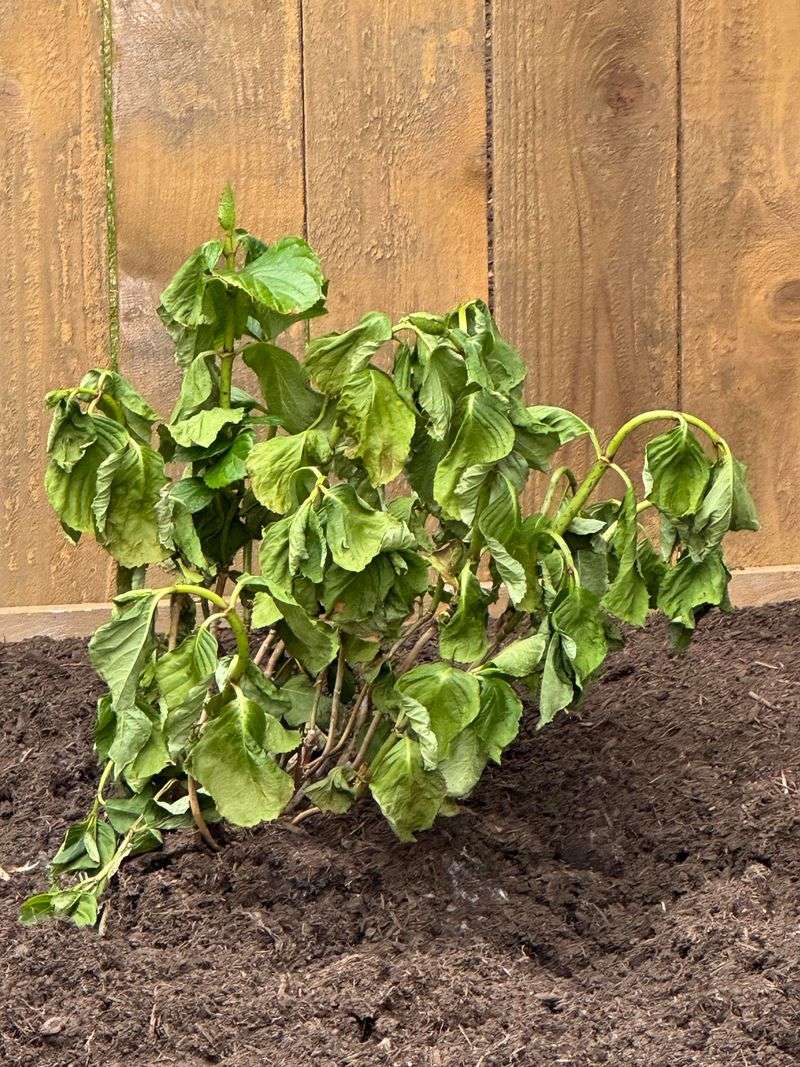
You planted it carefully, watered it right away, and thought everything was fine. Then three weeks later, the blooms started turning brown.
Transplant shock is sneaky like that. The damage does not always show up immediately after moving a plant to a new location.
When hydrangeas are transplanted, their root systems get disturbed. Broken or stressed roots cannot absorb water efficiently, even if the soil is moist.
The plant prioritizes survival over beauty. It pulls resources away from flowers first, which causes blooms to brown, droop, and eventually drop off.
Timing matters a lot with transplanting. Moving a hydrangea during hot summer months dramatically increases the risk of severe shock and browning.
Early spring or late fall are the safest windows for moving hydrangeas. Cooler temperatures give roots time to settle before heat stress kicks in.
When transplanting, keep as much of the root ball intact as possible. A wider, shallower hole is better than a deep narrow one for hydrangea roots.
Water the plant thoroughly before and after moving it. Soaking the root ball an hour before transplanting reduces immediate stress on the root system.
After planting, water deeply every day for the first two weeks. That consistent moisture helps new roots establish contact with the surrounding soil faster.
Patience is the real cure for transplant shock. Given time, proper watering, and some shade, your California hydrangea flowers will recover and thrive again.