The Late Summer Flowers Still Blooming In Texas In August
What if your Texas garden didn’t have to look faded and tired just because August arrived? Most gardens hit their visual low point during the hottest stretch of the year, and most Texas gardeners have come to accept that as simply the way things go.
The spring bloomers are finished, the summer performers are fading, and the garden is essentially in survival mode until fall brings some relief. But it doesn’t have to be that way.
There are flowers that bloom in August Texas heat not despite the conditions but because of them.
Plants that hit their stride right when everything else is winding down, pushing out color and drawing in pollinators at the moment when both are most needed and most appreciated.
Some of these are natives perfectly calibrated for the Texas summer. Others are heat loving performers that prove late summer gardening in Texas is not just possible but genuinely rewarding.
If you’ve written off August as a lost month for your garden, this list is about to change that.
1. Flame Acanthus
Some plants wait patiently all season, and Flame Acanthus is one of them. It saves its big show for the hottest weeks of the year.
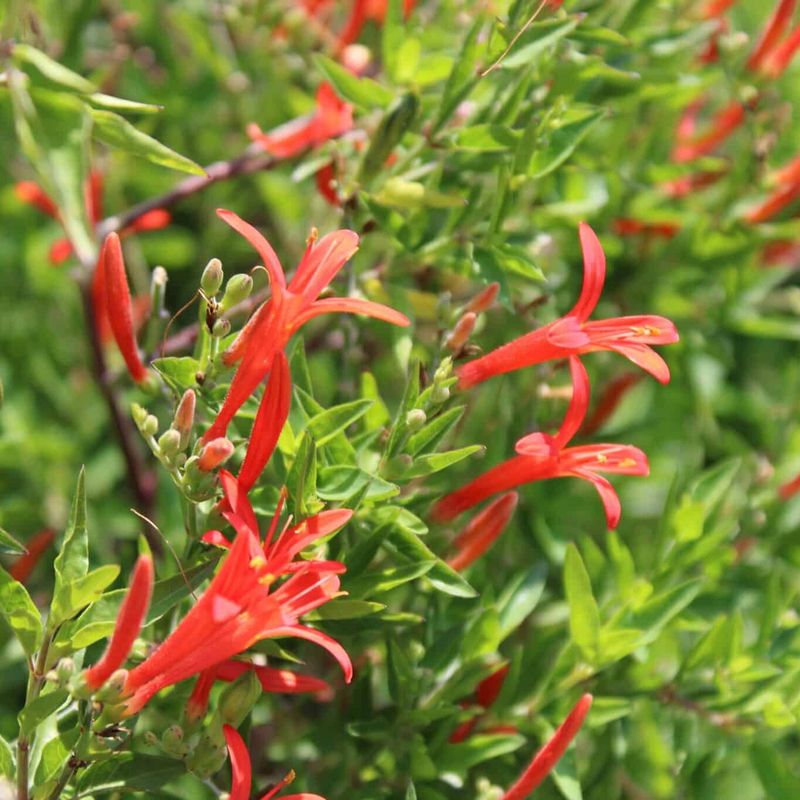
When July and August roll around, this shrub explodes with bright orange-red blooms shaped like tiny firecrackers.
Gardeners love it because it thrives on neglect. Poor soil, rocky ground, and long dry spells barely slow it down. While other plants droop and fade, Flame Acanthus keeps pumping out color day after day.
The tubular flowers act like magnets for hummingbirds. If you plant one near a window, you will get a front-row seat to their acrobatic visits. Butterflies stop by too, sipping nectar in the afternoon sun.
This native shrub grows into a loose, airy mound that reaches about three feet tall. It looks great tucked into a wild garden bed or used to fill a hot corner where nothing else survives.
Give it full sun and well-draining soil, and it asks for almost nothing in return. Water it a little when it is young, then step back and let it do its thing.
Here is a fun bit of trivia: the plant is sometimes called hummingbird bush because the birds adore it so much. In fall, it may drop its leaves, but it bounces back strong each spring.
For anyone wanting reliable August color, this is a smart choice. It handles drought, feeds wildlife, and shrugs off Texas heat like a pro. Few plants deliver this much punch when the calendar hits its warmest page.
2. Turk’s Cap
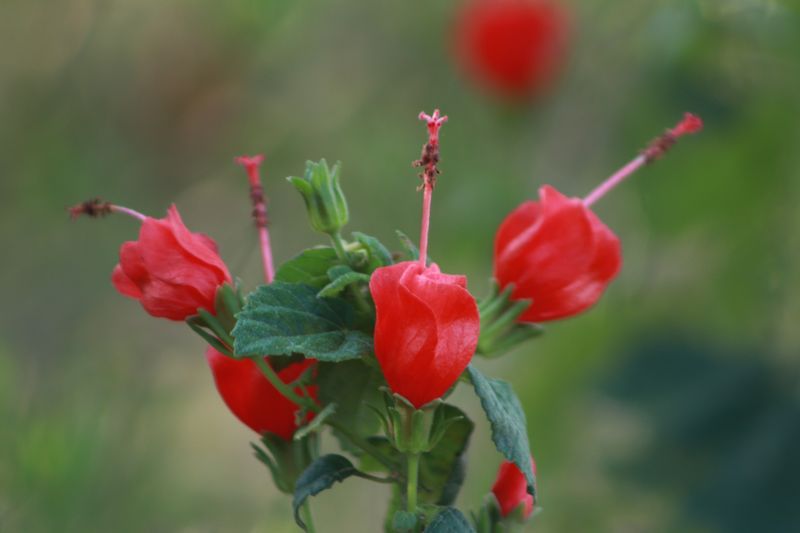
Picture a flower that looks like a tiny red turban that never fully opens, and you have Turk’s Cap. Those twisted, playful blooms make it one of the most charming plants in a Texas yard.
What sets it apart is where it grows. Most flowers beg for sunshine, but this one shines in shady, hot spots where other plants give up. Under trees or along a fence, it stays green and cheerful.
Your Texas Garden Changes Every Week. Your Plan Should Too.
Gardening in Texas changes quickly throughout the season. Every Friday you’ll receive a simple weekly plan showing exactly what to plant, prune, fertilize, harvest, and protect so you never miss the right timing.
From late summer into fall, the red flowers keep coming. Hummingbirds, butterflies, and bees rely on them for nectar during the toughest, driest weeks of the year.
The plant grows into a leafy shrub with big, soft, heart-shaped leaves. It can reach several feet tall and wide, filling in bare areas with ease.
Caring for it is simple. It handles clay soil, drought, and neglect without complaint. A little water during long dry spells keeps it looking its best, but it survives just fine on its own.
Later in the season, small red fruits appear. People say they taste a bit like watermelon, and birds enjoy them too. Some folks even use them to make jelly.
Because it works in shade, Turk’s Cap solves a common Texas problem: what to plant where the sun barely reaches. It rewards you with steady color and a busy parade of pollinators.
If your garden has a gloomy corner that always looks dull, this cheerful native could be the fix. It brings life, movement, and a splash of red exactly when the rest of the yard feels worn out from summer.
3. Mealy Blue Sage
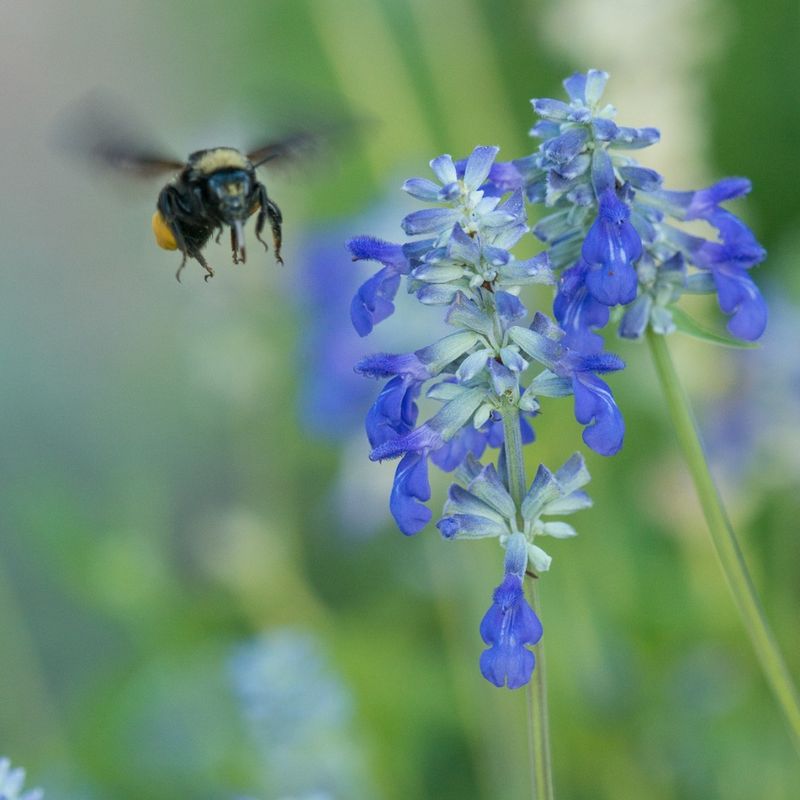
Blue flowers can be hard to find in a summer garden, which makes Mealy Blue Sage feel like a treasure. Its tall spikes of blue-violet blooms add a cool, calming color to hot Texas beds.
This perennial gets going in late spring and keeps flowering all the way into autumn. Even during the worst of August, the spikes stand tall and colorful.
It forms neat, low mounds that look tidy in a flower bed or along a walkway. Plant a few together and you get a soft carpet of purple that draws every bee in the neighborhood.
Toughness is its middle name. Sun, heat, drought, and even sticky humidity fail to knock it down. Once it settles in, it needs very little help from you.
Bees especially adore the spikes, and you will often see them bouncing from flower to flower. Butterflies join the party too, making the plant a busy hub of activity.
To keep it blooming strong, snip off the faded spikes now and then. This simple trick encourages fresh flowers to pop up quickly.
It grows well in almost any soil, including the rocky or clay ground that frustrates so many Texas gardeners. Good drainage keeps it happiest.
The silvery, slightly fuzzy look on the flowers is where the name mealy comes from. That soft texture only adds to its charm.
For a low-effort plant that delivers months of color and feeds pollinators through the heat, this sage earns its spot. It proves that even in scorching August, a Texas garden can wear a peaceful shade of blue.
4. Texas Lantana
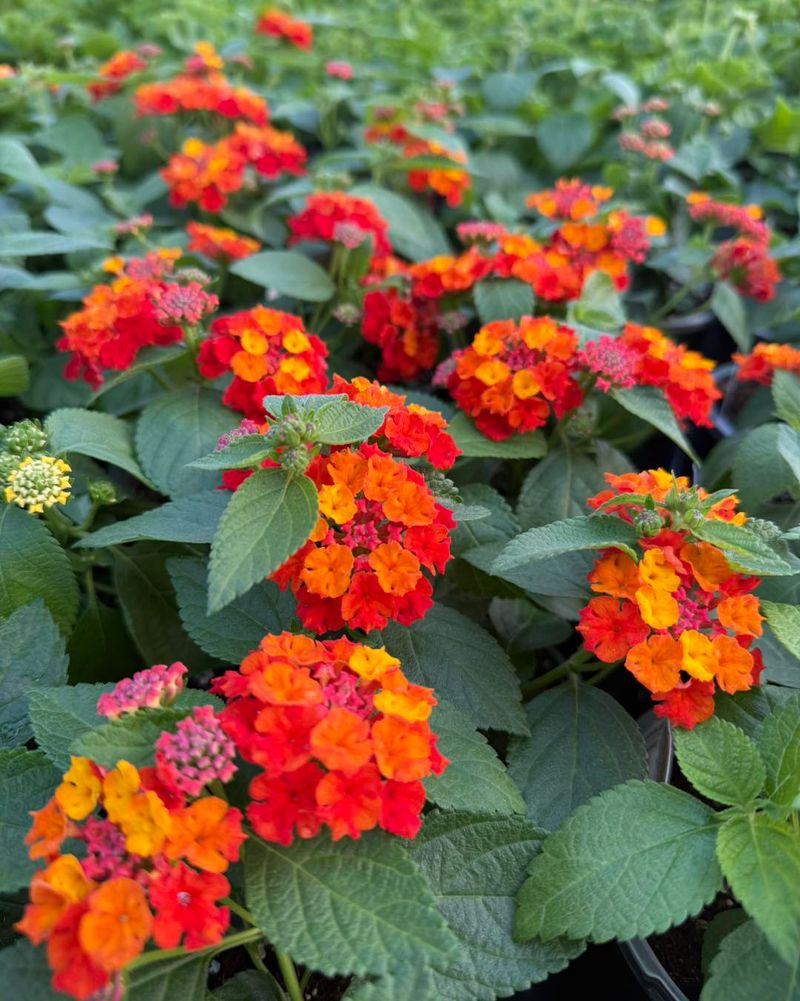
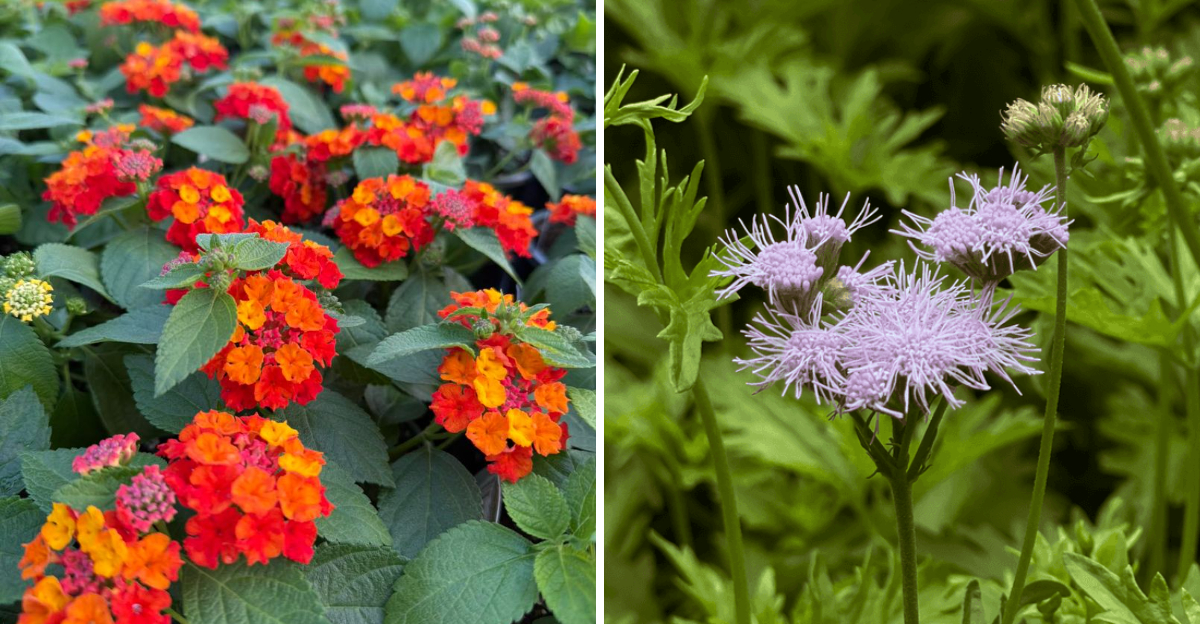
If you drive through the Texas countryside in summer, you have probably spotted the fiery orange and yellow clusters of Texas Lantana growing wild. This native plant turns roadsides and gardens into bright bursts of color.
Full sun and dry ground are exactly what it wants. The hotter and drier things get, the happier it seems, which makes it perfect for August in Texas.
Each cluster is packed with tiny flowers that shift from yellow to orange as they age. The mix gives the whole plant a warm, glowing look that stands out from far away.
Butterflies flock to it constantly. Watching them flutter over the blooms is one of the simple joys of growing this plant.
Care could not be easier. Once established, it barely needs watering and asks for almost no attention. It handles heat, drought, and poor soil like a champ.
It grows into a rounded, sprawling shrub that fills space fast. Plant it where you want quick, bold color without a lot of fuss.
One thing to know: the berries are not for eating, so keep an eye on curious kids and pets around them. The flowers, though, are pure delight.
Because it is native, it fits right into the local ecosystem and supports the bugs and birds that belong here. That makes it a smart, earth-friendly pick.
For gardeners tired of babying delicate plants through the heat, Texas Lantana is a breath of fresh air. It thrives on tough love and pays you back with nonstop color that lasts long after other flowers have called it quits.
5. Autumn Sage
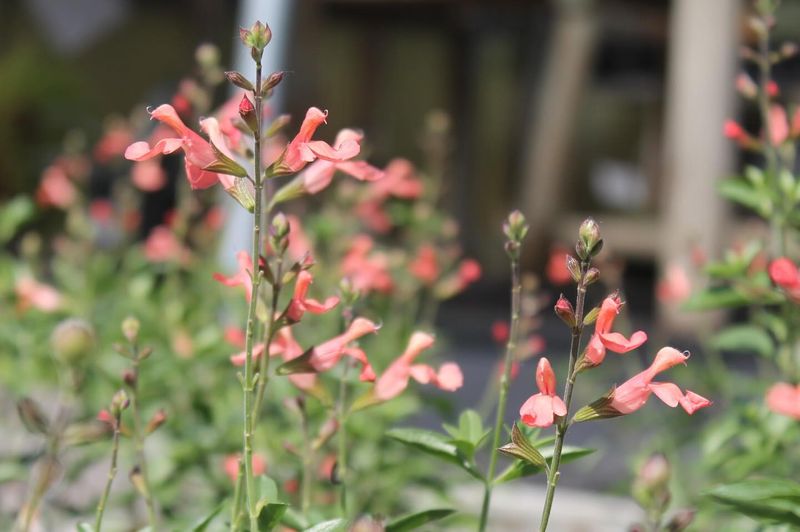
Do not let the name fool you. Autumn Sage does not wait for fall to show off. It flowers from spring all the way through the cooler months, making it one of the longest-blooming plants around.
Its small tubular flowers come in cheerful shades of red, pink, coral, and white. Hummingbirds treat these blooms like a favorite snack bar and visit again and again.
During the peak of summer, it might slow down just a little. But it never fully stops, and the moment temperatures ease even slightly, it bounces right back with fresh flowers.
Bees and butterflies love it too, so your garden stays buzzing with friendly visitors. The steady nectar supply is a big help when other flowers run dry.
This shrub stays compact and neat, usually growing two to three feet tall. It fits well in small beds, borders, or containers on a sunny porch.
Growing it is refreshingly simple. Give it sun and well-draining soil, and it thrives with only occasional watering. It shrugs off drought without complaint.
A quick trim after big flushes of blooms keeps it tidy and encourages even more flowers. That little bit of effort goes a long way.
Come from the rocky hills of Texas and Mexico, this plant is built for tough conditions. Its roots run deep, helping it find water when the ground bakes.
For anyone who wants steady color and happy hummingbirds without hard work, Autumn Sage is a winner. It quietly powers through the hardest weeks of summer and keeps the show going right up to the first frost.
6. Coneflower (Echinacea)
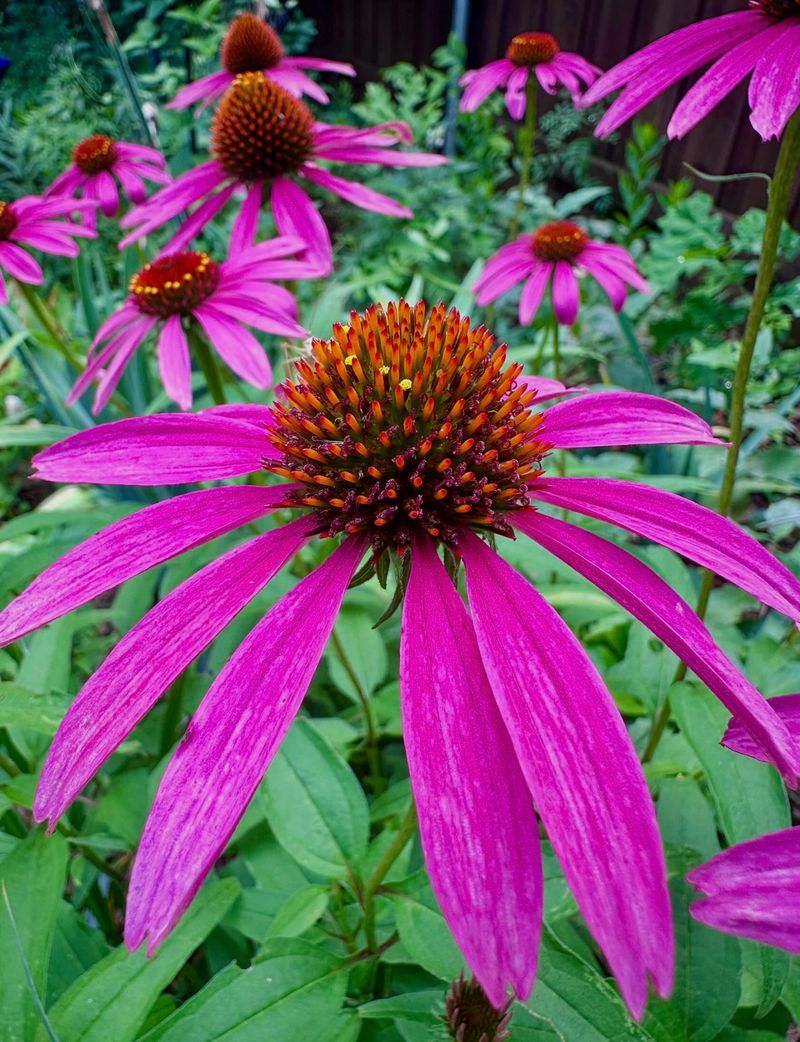
With their big, daisy-like petals and spiky centers, coneflowers look like they were designed to catch your eye. These cheerful blooms bring bold color to Texas gardens even when the heat cranks up.
Purple is the classic shade, but you can find them in pink, orange, yellow, and white too. The raised center adds a fun, textured look that pollinators cannot resist.
They are perennials, which means they return year after year without replanting. Once you get them going, they reward you season after season.
Heat and drought barely bother them. Their sturdy stems and tough roots let them stand tall through August while softer flowers fade away.
Butterflies, bees, and even birds gather around them. When the flowers finish, the seed heads feed hungry finches, so you get double the wildlife value.
Plant them in full sun and well-draining soil for the best results. They are not picky and handle average or poor ground just fine.
To keep the blooms coming, remove spent flowers during the season. If you leave a few at the end, the seeds will feed birds through fall and winter.
Here is a neat fact: people have used echinacea in herbal remedies for a very long time, which is part of why the plant became so popular worldwide.
Their strong stems make them great for cut flower bouquets too. Snip a few and bring that summer color indoors.
For a low-maintenance perennial that keeps looking good through the hottest weeks, coneflowers are hard to beat. They combine beauty, toughness, and wildlife appeal in one easygoing package that Texas gardeners can count on.
7. Shrubby Boneset
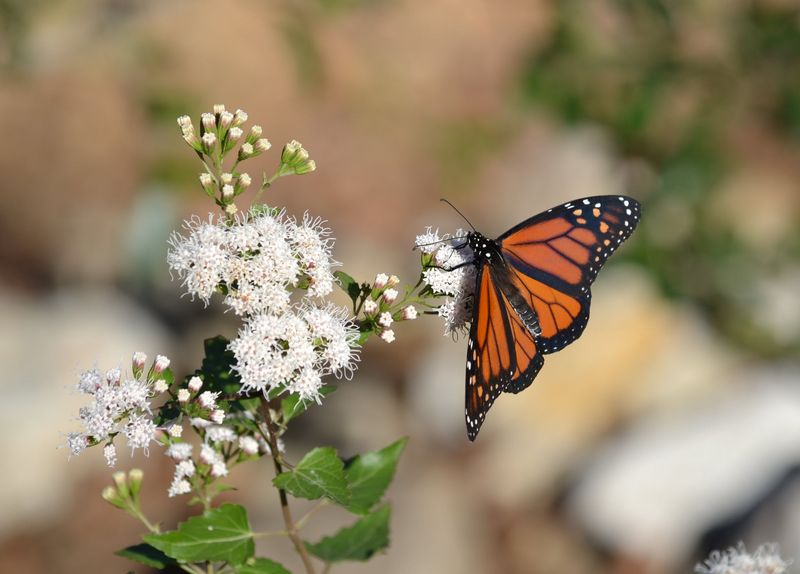
When most flowers have wrapped up for the year, Shrubby Boneset steps in with clouds of fluffy white blooms. Its sweet fragrance fills the late summer air and signals the shift toward fall.
This shrub is a true transitional star. As August fades into September, it keeps flowering when little else has anything left to offer.
The white sprays cover the plant like soft snow, creating a bright, airy look. Up close, the tiny flowers cluster together in delicate bunches.
Pollinators adore it. Bees and butterflies swarm the blooms, drawn by both the nectar and that pleasant honey-like scent.
It grows into a rounded shrub that fits nicely into borders or wild garden areas. The evergreen leaves keep it looking neat even outside of bloom time.
Toughness comes standard. It handles heat, drought, and rocky soil, making it a practical pick for Texas landscapes that see little rain.
Give it full sun to part shade and well-draining ground. Once settled, it needs very little care to keep performing.
Because it blooms so late, it acts as a bridge between summer and fall color. Planting it means your garden never has an awkward empty stretch.
The fragrance is one of its best surprises. On a warm evening, a single shrub can perfume a whole patio.
Native to Texas, it belongs in the local landscape and supports the insects that live here. That makes it both beautiful and helpful.
For gardeners who want their yard to stay lively right up until autumn arrives, this fragrant shrub is a smart addition. It quietly carries the color torch when the calendar turns.
8. Gregg’s Mistflower
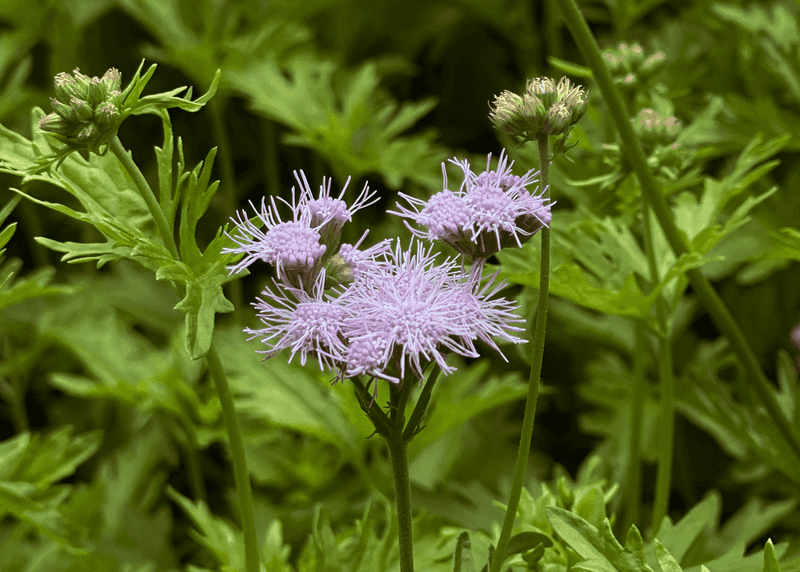
Butterfly lovers, this one is for you. Gregg’s Mistflower is famous for pulling in clouds of butterflies, especially migrating queens and monarchs, during the hottest stretch of the Texas year.
The fuzzy blue-purple flowers look soft and misty, which is exactly how the plant got its name. They give gardens a dreamy, hazy pop of cool color.
Built for extreme heat, this native perennial keeps producing blooms through midday sun and long dry spells. While others struggle, it just keeps going.
It spreads into a low, spreading patch that fills space nicely. Plant it where you want a butterfly hotspot, and you will not be disappointed.
The butterfly show is truly something to see. On a sunny afternoon, dozens may cover a single stand of flowers, wings opening and closing in slow motion.
Care is easy. Full sun and well-draining soil suit it best, and it needs only occasional watering once established.
Because it spreads, give it room to roam or trim it back to keep it in bounds. That energy is what makes it such a reliable bloomer.
Migrating monarchs rely on fall nectar sources during their long journey south, and this plant provides exactly that fuel at the right time.
It pairs beautifully with brighter flowers like lantana or coneflowers, creating a colorful buffet that pollinators cannot pass up.
For anyone who dreams of a yard alive with fluttering wings, Gregg’s Mistflower delivers in a big way. It thrives when Texas summer is at its harshest and turns your garden into a busy, magical butterfly stop that lasts well into September.