The Lawn Mowing Mistake Illinois Homeowners Should Avoid During Extreme Heat
August in Illinois turns lawns into a slow-motion disaster, and the cause is sitting in your garage.
It’s not drought. It’s not bugs. It’s a five-minute decision made before the mower even leaves the shed, one that feels like routine but works against you.
Grass doesn’t collapse all at once. First it dulls. Then it thins at the edges. Then whole patches turn the color of toast while the rest barely holds its color.
Neighbors blame the weather, but nobody blames the mower. That’s exactly why the damage keeps spreading unnoticed.
A Routine Task That Backfires In August
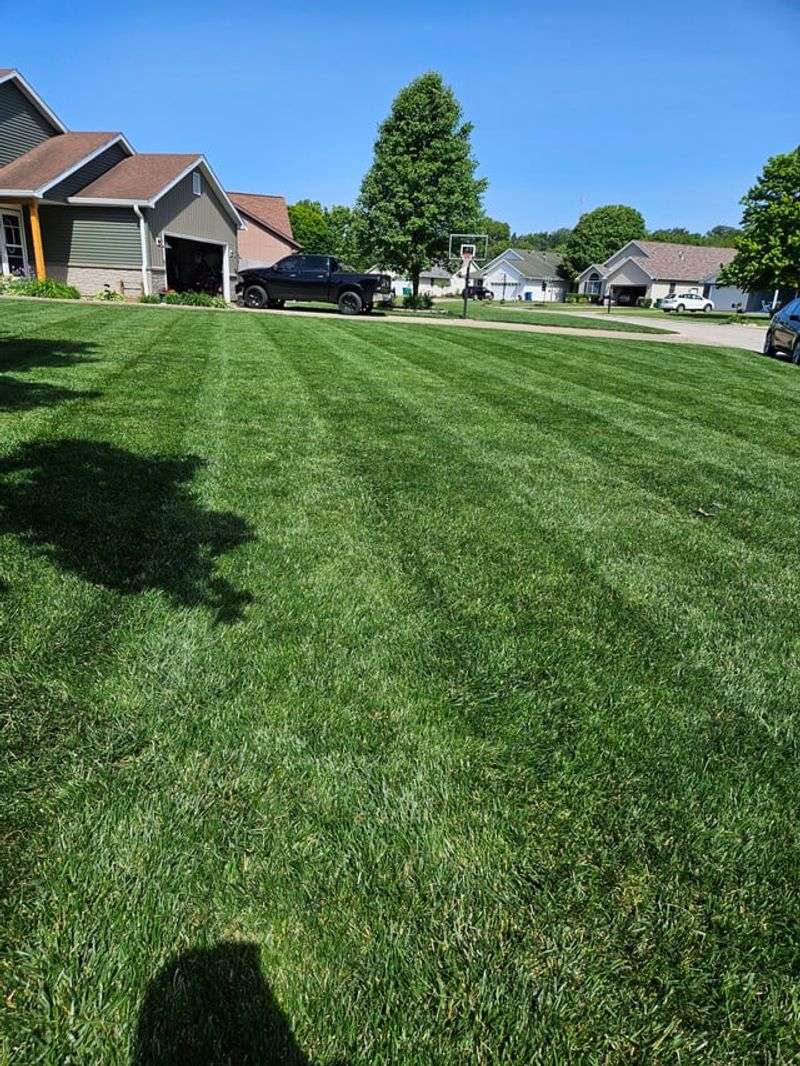
August in Illinois feels like standing inside an oven. Mowing your lawn during a heat wave seems responsible, but it can actually cause serious harm.
Most homeowners mow on a schedule without thinking about the weather. Sticking to a weekly routine during extreme heat is one of the biggest lawn care blunders out there.
When temperatures climb above 90 degrees, grass is already working overtime just to survive. Cutting it during that stress window adds another layer of trauma the turf simply cannot handle.
Cool-season grasses like Kentucky bluegrass and tall fescue, both common across Illinois, go semi-dormant in heat. Mowing them short during dormancy strips away the protective leaf blade that shades the soil below.
That shading effect is more important than most people realize. Exposed soil heats up fast, drying out roots and making recovery almost impossible without heavy watering.
The worst time to mow is midday, when pavement temperatures can exceed 120 degrees. Even evening cuts can stress turf if the blades are dull or set too low.
Skipping one or two mowing sessions during a heat wave is not laziness. Giving your lawn a break during the hottest stretch of the year is actually the smartest move you can make.
Your neighbors might raise an eyebrow at your slightly taller grass. But come September, your yard will be the greenest one on the block.
Short Grass Struggling Under High Temperatures
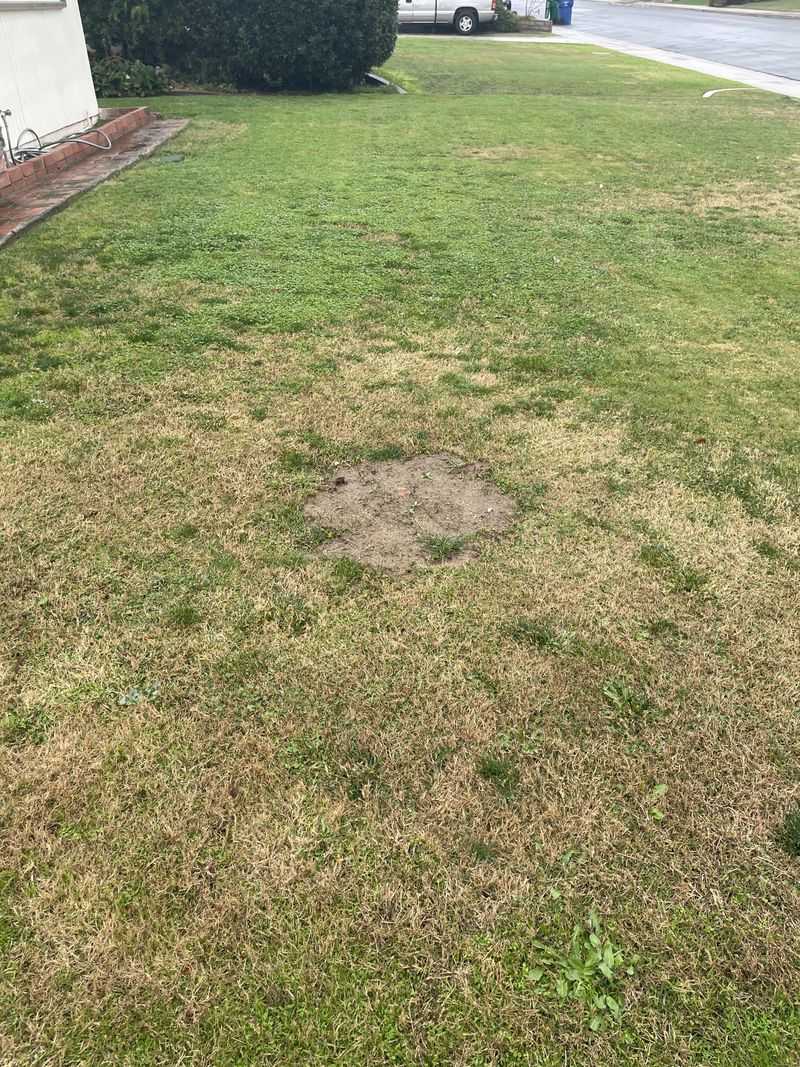
Cutting it too close during the hottest stretch strips away the one thing the turf needs most right now.
Short grass has less leaf surface to absorb sunlight for energy. Less leaf area means the plant struggles to produce the food it needs to stay healthy under heat stress.
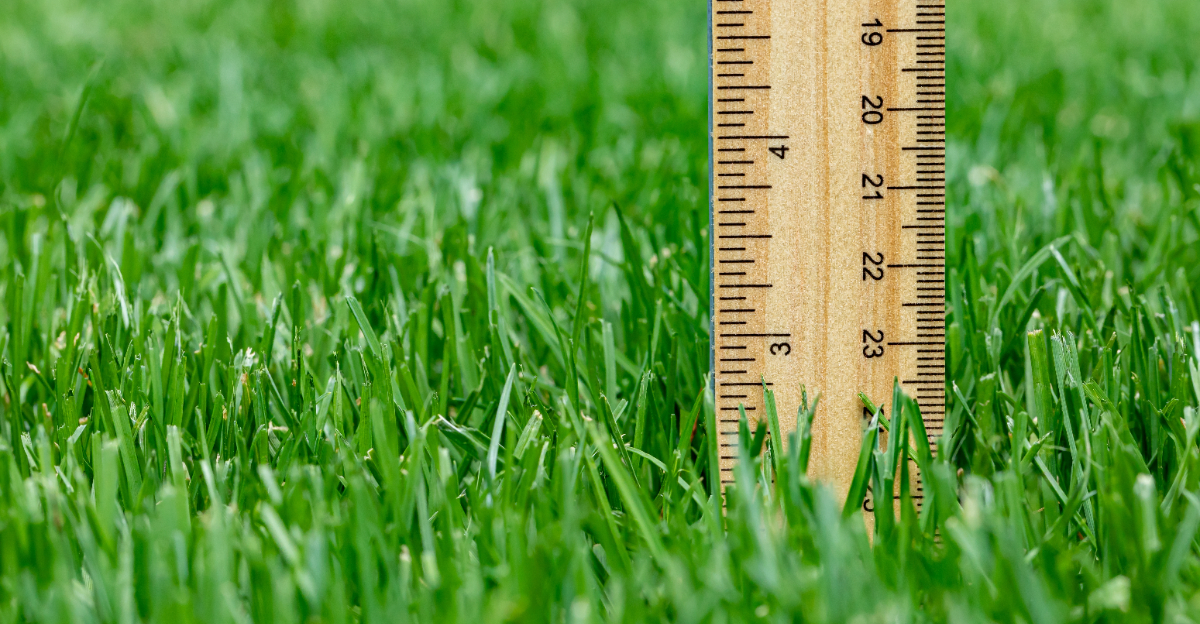
Turfgrass experts recommend leaving cool-season grasses at least three to four inches tall during summer. That extra height creates a canopy that keeps soil cooler and slows water evaporation dramatically.
Think of tall grass like a natural umbrella. It blocks direct sun from hitting the ground, which keeps root temperatures lower and moisture in the soil longer.
Short grass dries out faster because the soil beneath it is fully exposed. Once that top layer of soil bakes dry, shallow roots have nothing to drink from and begin to shrink back.
Scalped lawns also invite weeds. Bare patches left by dry short grass are prime real estate for crabgrass and other opportunistic plants that thrive in heat.
Your Illinois Garden Changes Every Week. Your Plan Should Too.
Gardening in Illinois changes quickly throughout the season. Every Friday you’ll receive a simple weekly plan showing exactly what to plant, prune, fertilize, harvest, and protect so you never miss the right timing.
The fix sounds almost too simple to believe. Just raise your mower deck two notches higher than your normal summer setting and your lawn will handle heat far better.
Taller grass is tougher grass. That extra inch or two of height could be the difference between a green lawn and a brown one by Labor Day.
The Real Damage Happening Below The Surface
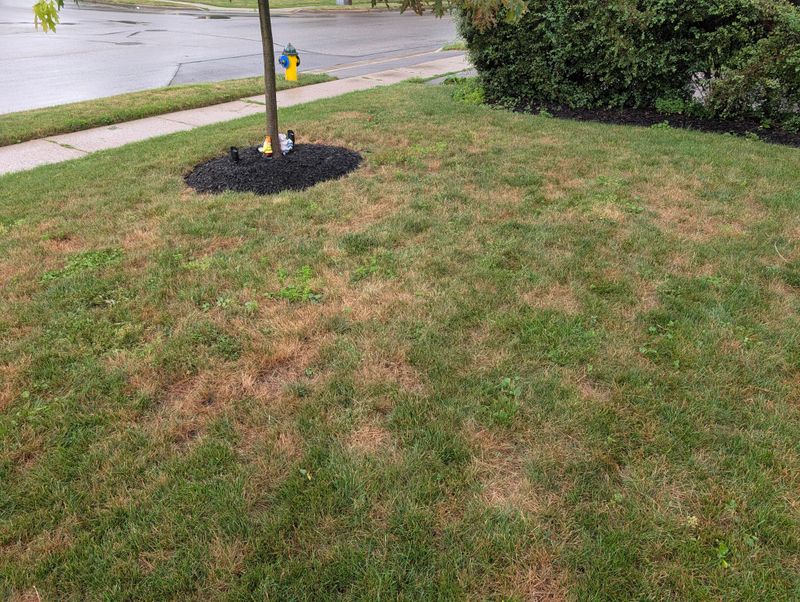
What you see on top of your lawn is only part of the story. The real drama during a heat wave is happening underground, where roots are fighting to stay alive.
Grass roots grow deep when conditions are right. Cool temperatures and consistent moisture push roots downward, giving the plant a strong anchor and access to water reserves.
Extreme heat reverses that process fast. Roots begin to pull back toward the surface, becoming shorter and more vulnerable to drought with every passing day of high temperatures.
Mowing too short during this period makes the damage worse. Removing leaf blades forces the plant to redirect energy from root maintenance to new leaf growth, weakening the entire system.
Soil temperatures above 85 degrees actually slow down root cell activity. At that point, the grass is essentially in survival mode, and any additional stress can push it past the point of recovery.
Compacted soil makes the underground situation even harder. Heat bakes compacted ground like concrete, cutting off oxygen and water movement to roots that desperately need both.
You cannot see this damage happening, which is why so many homeowners keep mowing like nothing is wrong. By the time the lawn turns brown, the root damage is already well underway.
Protecting the surface of your lawn protects what is below it. Healthy leaf height is not just about looks, it is the lawn’s best defense system against summer heat.
Signs Your Lawn Is Already Stressed
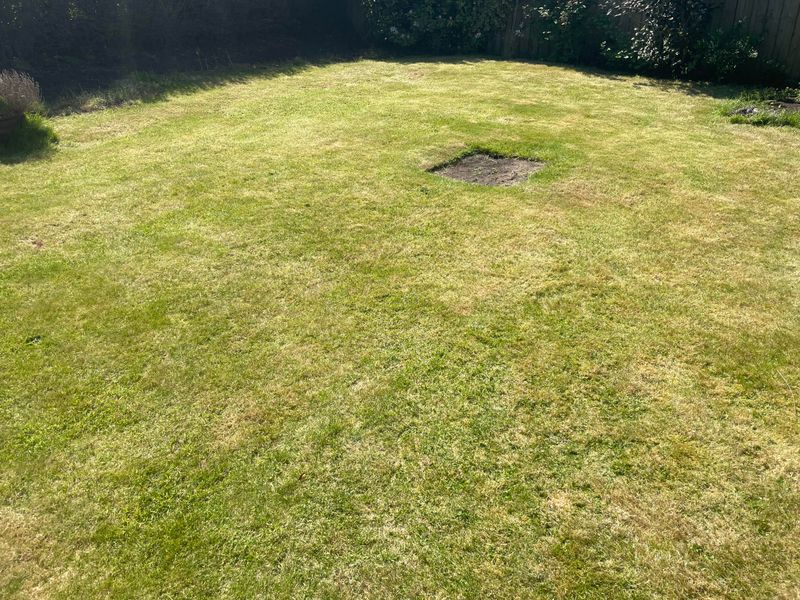
Your lawn talks to you, even if you have never stopped to listen. Learning to read its signals during a heat wave can save you from watching your yard turn into a dust bowl.
One of the earliest signs of heat stress is the footprint test. Walk across your lawn and look back. If your footprints stay visible for more than a few seconds, the grass lacks enough moisture to spring back.
Grass blades that curl inward or fold lengthwise are waving a red flag. That curling is the plant reducing its surface area to slow down water loss, a survival response to intense heat.
Color changes come next. Healthy turf is a rich green, but heat-stressed grass shifts toward a blue-gray or dull olive tone before it eventually goes brown.
Brown patches near pavement, driveways, or south-facing slopes are almost always heat stress zones. Those areas absorb and radiate extra heat, making them the first to suffer.
If your lawn feels crunchy underfoot, the situation is already serious. Crunching sounds mean the leaf cells have lost so much water that the tissue is beginning to collapse.
Spotting these signs early gives you a real chance to respond before permanent damage sets in. Adjusting your mowing schedule and watering deeply can stop the downward spiral quickly.
Ignoring the warning signs is where most homeowners go wrong. Your lawn is asking for help, and the answer starts with putting the mower away for a week.
Mowing Height Adjustments That Help
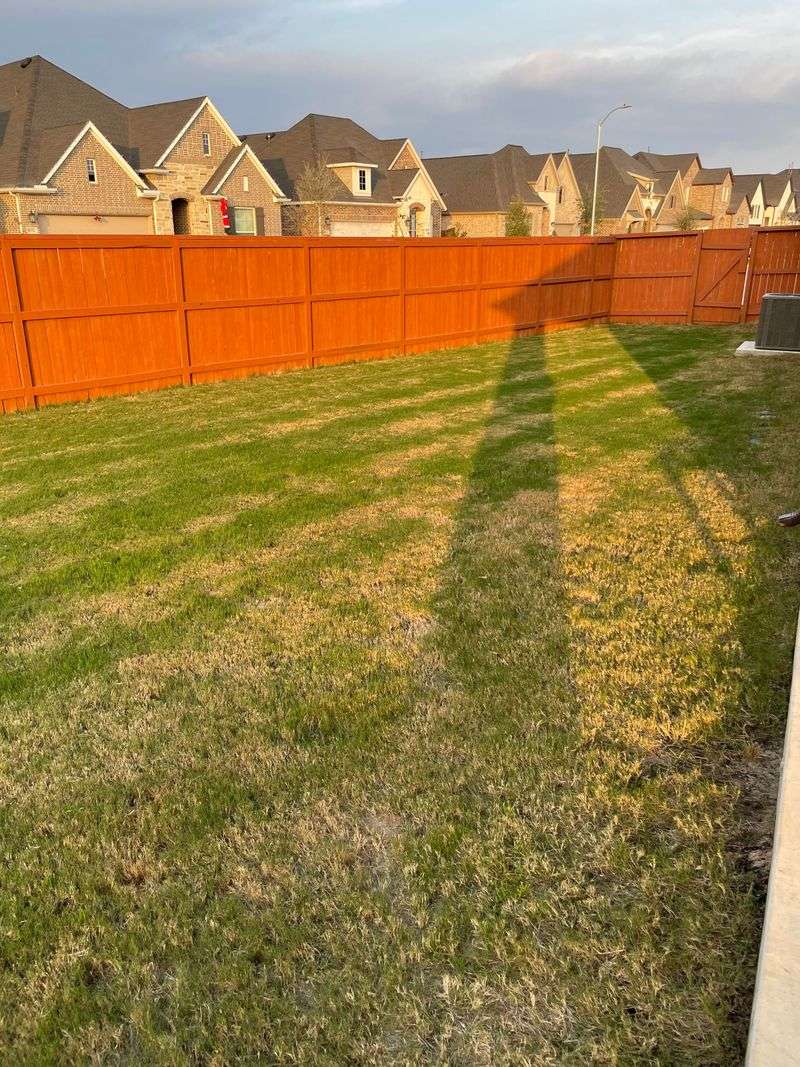
One small adjustment to your mower can make a massive difference during a summer heat wave. Raising the cutting deck is the single fastest fix available to any homeowner dealing with scorched turf.
Most mowers have a simple lever or dial that changes the cutting height. Moving it up just one or two settings takes about ten seconds and protects your lawn for weeks.
For cool-season grasses common across the Midwest, a summer mowing height of three and a half to four inches is ideal. That range gives grass enough leaf surface to feed itself while shading the soil below.
Avoid removing more than one-third of the grass blade in a single mowing session. Cutting more than that shocks the plant and forces it to spend energy on regrowth instead of root maintenance.
Sharp mower blades also matter more than most people think. Dull blades tear grass instead of cutting it cleanly, leaving ragged edges that dry out fast and invite disease.
Sharpening your blades once or twice per season is a simple task that pays off big. A clean cut heals faster and reduces stress on the plant during high-temperature periods.
Mow in the early morning when temperatures are lowest and the grass has had time to dry from overnight humidity. Afternoon mowing during a heat wave puts maximum stress on already struggling turf.
Small changes in technique add up to a healthier lawn all season long. Adjust the height, sharpen the blades, and let the grass breathe.
Recovery Tips For Heat Damaged Lawns
A heat-damaged lawn is not a lost cause, even when it looks past saving. With the right steps taken at the right time, most cool-season turf can bounce back strong before fall arrives.
Start by deep watering rather than frequent shallow watering. One long watering session that soaks six inches into the soil encourages roots to grow downward again toward moisture reserves.
The best time to water is early morning, between four and eight a.m. That window gives the grass time to absorb moisture before the midday heat can evaporate it away.
Avoid fertilizing a heat-stressed lawn with high-nitrogen products. Pushing rapid growth during extreme heat adds stress to a plant that is already struggling to keep its basic functions running.
Once temperatures drop below 85 degrees consistently, you can begin reseeding thin or bare patches. Fall is actually the best season for overseeding cool-season grasses in the Midwest because soil is warm and air is cool.
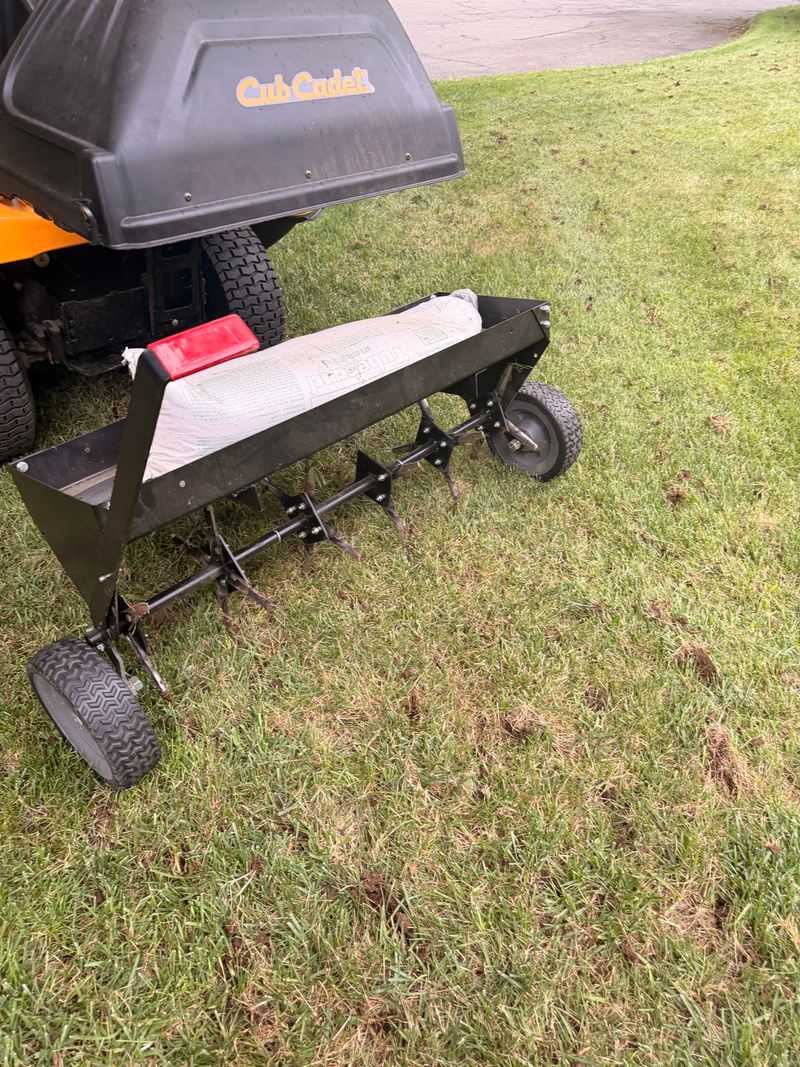
Core aeration in early September helps compacted soil breathe again. Pulling small plugs of soil from the lawn allows water, air, and nutrients to reach the root zone much more efficiently.
A light application of compost over bare areas can jump-start recovery without overwhelming the soil. Organic matter improves drainage, feeds beneficial microbes, and helps the lawn rebuild from the ground up.
Fixing the habit that caused the damage in the first place is step one of recovery. The rest is patience, water, and letting nature do its work.