The California Tree-Planting Rebates Most Homeowners Never Apply For
Planting a tree in California can feel like a surprisingly expensive backyard upgrade.
Between choosing the right species, getting it home, digging the hole, and keeping it happy through those first crucial months, the costs can add up faster than expected.
But there may be another piece of the tree-planting puzzle that many homeowners never think to check. That is where rebates enter the conversation.
Across California, programs tied to trees, landscaping, water use, neighborhood improvements, and environmental goals can sometimes put money back in homeowners’ pockets.
The tricky part is knowing what exists, who qualifies, and which opportunities are easy to miss.
Nobody wants to discover six months later that filling out a form could have made that new shade tree a little easier on the wallet. Ouch.
And because available programs can depend on location, timing, and local requirements, a quick search may uncover possibilities you had no idea were on the table.
Before paying full price for your next tree-planting project, it may be worth seeing what financial help could be hiding in plain sight.
1. Los Angeles Homeowners Can Get Free Shade Trees
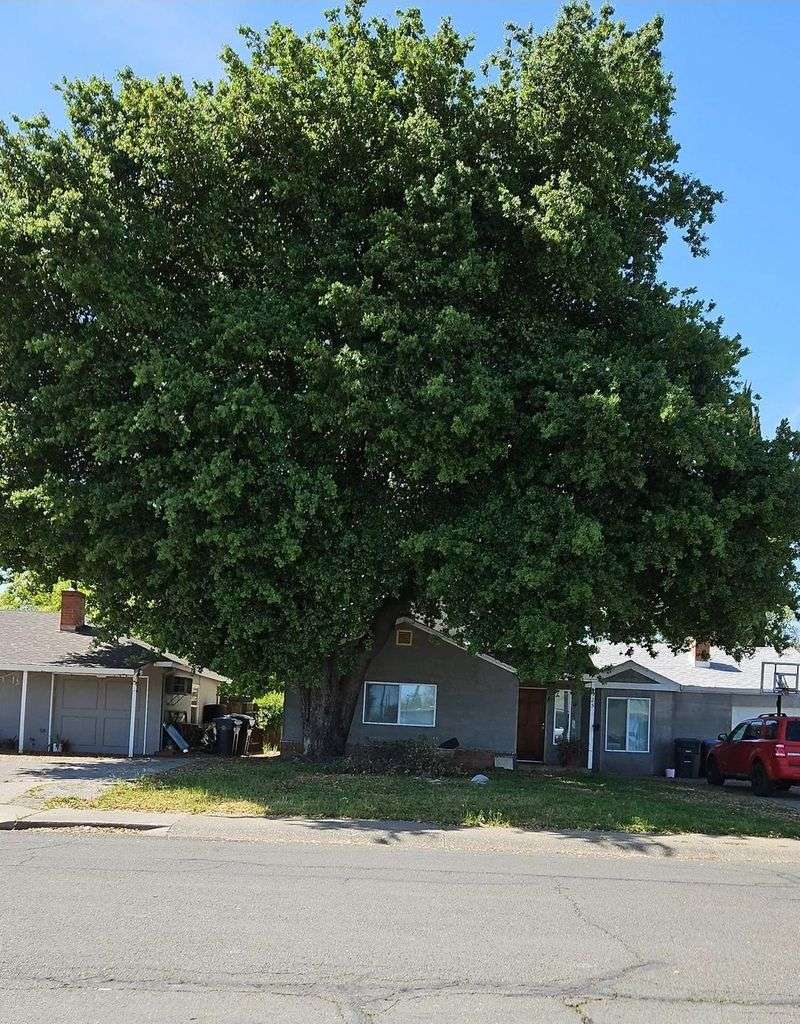
Every summer, the heat in Los Angeles gets harder to handle. Luckily, the city has a program that helps homeowners fight back with free trees.
The Los Angeles Department of Water and Power, known as LADWP, runs a free tree program that gives shade trees directly to customers.
Signing up is easier than most people think. You visit the program website, enter your address, and choose from a list of approved tree species.
The trees are often delivered or made available for pickup at local nurseries. Some programs even include planting services at no extra cost.
The goal of the program is to reduce urban heat and cut down on the energy needed to cool homes during hot months. Shade trees planted on the west or south side of a home can block direct sunlight and lower indoor temperatures naturally.
That means less time running the air conditioner.
LADWP has given away hundreds of thousands of trees over the years. Still, many eligible homeowners have never taken advantage of the offer.
The program is open to residential customers who meet basic requirements. Most single-family homes qualify without much trouble.
Checking the LADWP website or calling their customer service line is the fastest way to find out if you are eligible and what trees are currently available in your area.
2. SMUD Customers May Qualify For Free Trees Too
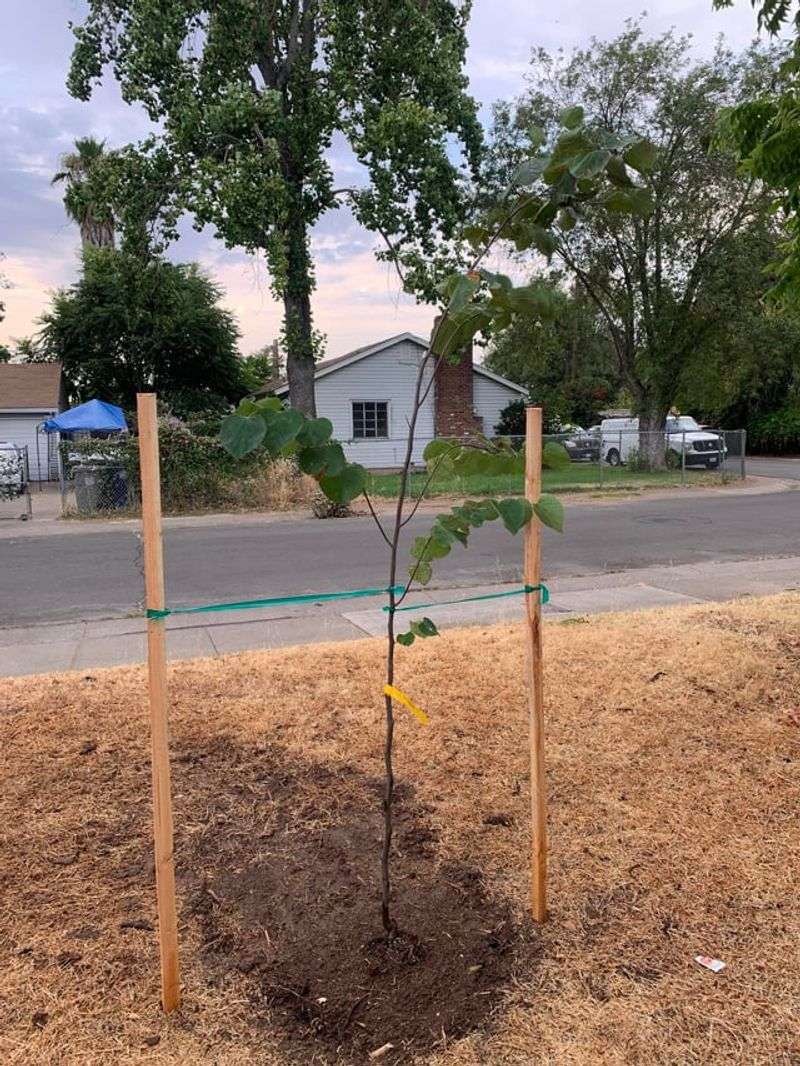
Not everyone knows that Sacramento’s utility company offers one of the most generous free tree programs in the state.
SMUD, the Sacramento Municipal Utility District, gives free trees to its residential customers as part of an ongoing effort to reduce energy use and cool neighborhoods.
Customers can request trees through SMUD’s website. The program typically offers several species to choose from, including fruit trees and shade trees.
Each household can usually receive a set number of trees per year. The trees are often small but healthy, and they grow quickly when planted in the right spot.
Your California Garden Changes Every Week. Your Plan Should Too.
Gardening in California changes quickly throughout the season. Every Friday you’ll receive a simple weekly plan showing exactly what to plant, prune, fertilize, harvest, and protect so you never miss the right timing.
What makes SMUD’s program stand out is the support it offers beyond just the tree itself. The utility provides planting guides, watering tips, and advice on where to place the tree for maximum energy savings.
A tree placed on the east or west side of a home can reduce cooling costs significantly over time.
Sacramento summers are intense, and shaded homes stay cooler without extra energy. SMUD has tracked the data and found that well-placed trees can cut air conditioning use noticeably.
That adds up to real savings on monthly bills. If you are a SMUD customer and have not requested your free trees yet, you may be leaving a valuable benefit unclaimed.
Visiting the SMUD website and searching for their shade tree program is a great place to start.
3. Turf Replacement Programs Can Come With Extra Tree Savings
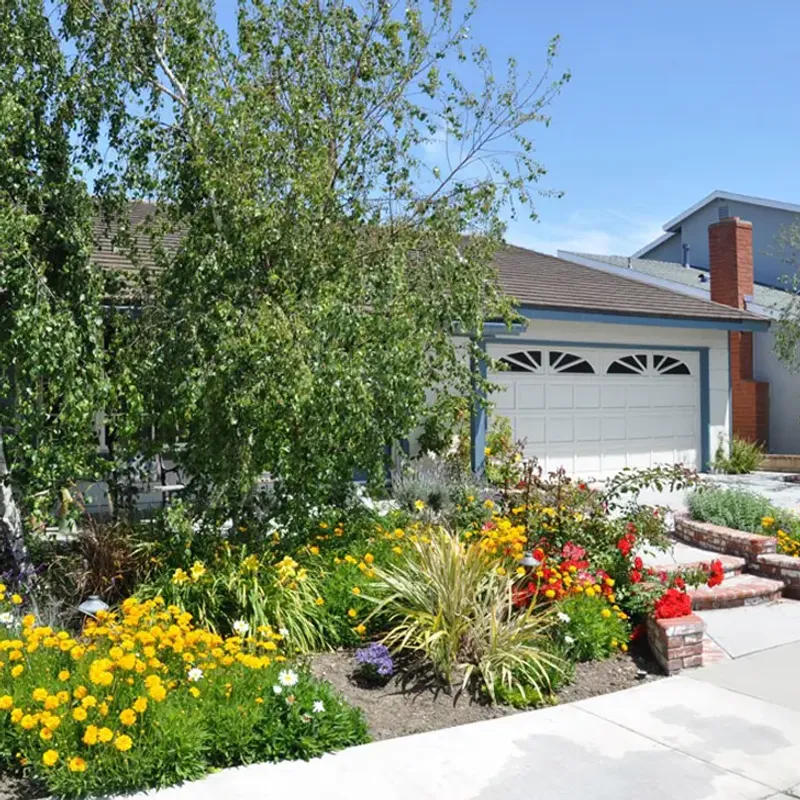
Swapping out a thirsty grass lawn for drought-tolerant plants is already a smart money move. But here is something many homeowners miss: some turf replacement programs also include free or discounted trees as part of the package deal.
Water districts across the state offer rebates when homeowners remove their lawns and replace them with water-saving landscaping. These rebates can range from a few hundred dollars to over a thousand, depending on the square footage removed.
Some programs sweeten the deal by offering free trees to complete the new landscape design.
Getting a tree through a turf replacement program usually requires a short application process. You submit photos of your existing lawn, describe your replacement plan, and wait for approval before starting work.
Once approved, you may be eligible to receive a free tree along with your cash rebate. The tree must typically be planted in a location that provides shade to the home or reduces water runoff.
Programs like these are run by local water agencies such as the Metropolitan Water District of Southern California. Each agency has its own rules, so checking your local water provider’s website is the best first step.
Combining a turf rebate with a free tree offer can stretch your savings even further. Many homeowners are surprised to learn how much money is available just by making a few changes to their yard setup.
4. Some Utilities Will Help You Pick The Right Tree
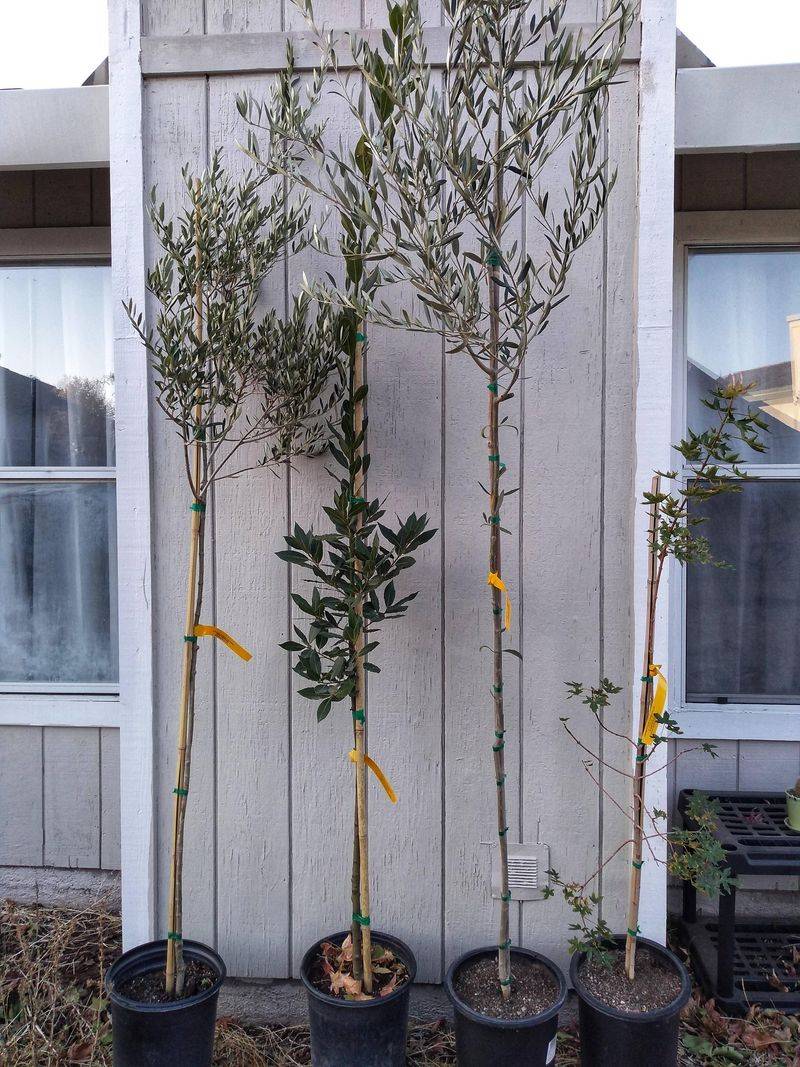
Picking the wrong tree for your yard can cause big headaches down the road. Roots can damage pipes, branches can interfere with power lines, and some trees need far more water than others.
That is why several utility companies now offer free tree selection guidance to help customers make smart choices.
Programs like Trees for a Green LA and similar utility-backed efforts often pair homeowners with trained arborists or planting consultants.
These experts review your yard, check for overhead wires, look at soil conditions, and help you pick a species that fits your space. This kind of personalized help is rare and genuinely useful.
Getting matched with the right tree matters more than most people realize. A fast-growing tree in the wrong spot can become a problem within a few years.
But a well-chosen tree planted in the right location can thrive for decades, provide real shade, and actually increase your property value.
Utility-backed tree selection programs are usually free to participate in. Some are available online through a simple quiz or checklist, while others connect you with a local expert by phone or in person.
If your utility company offers this service and you have not used it, you are skipping a step that could save you a lot of trouble.
Reach out to your local utility and ask specifically about tree selection support. You may be surprised by what is available.
5. Free Trees Often Come With Planting Location Rules
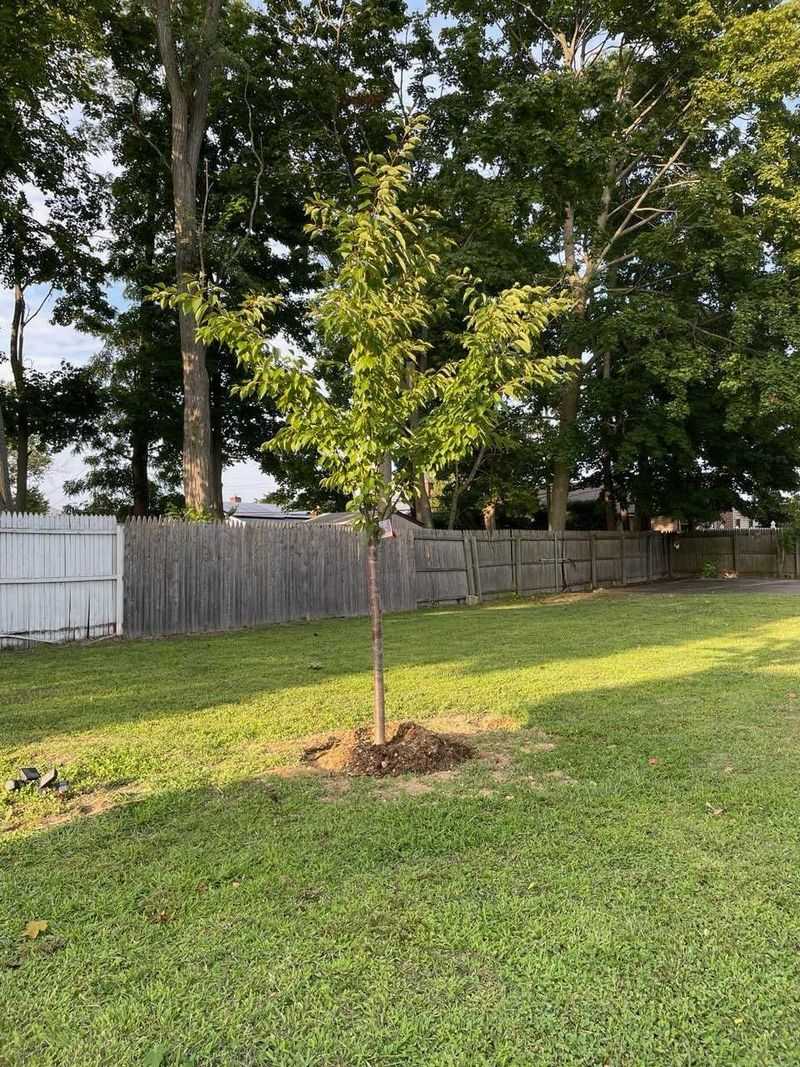
Free trees sound like a no-strings-attached deal, but most programs do come with a set of rules about where and how the tree must be planted. Understanding these requirements before you apply can save you from frustration later.
Most programs require that the tree be planted in a location where it will provide meaningful shade to a building or paved surface. Planting a tree in the back corner of your yard where it shades nothing may not meet program requirements.
Some programs specifically ask that the tree be placed on the south or west side of the home to maximize cooling benefits.
There are also rules about distance from structures, fences, and underground utilities. Trees planted too close to a house foundation or a sewer line can cause damage over time.
Program guidelines usually include a minimum distance from these features to protect both the homeowner and the utility infrastructure.
Some programs require a follow-up inspection or photo submission to confirm the tree was planted correctly.
Failing to meet these requirements can result in being asked to return the tree or being disqualified from future program participation.
Reading the fine print before you apply keeps everything smooth. Most programs publish their planting guidelines on their websites in plain language.
Taking ten minutes to review those rules before you pick up or receive your free tree is time well spent.
6. Shade Trees Can Lower Cooling Costs Over Time
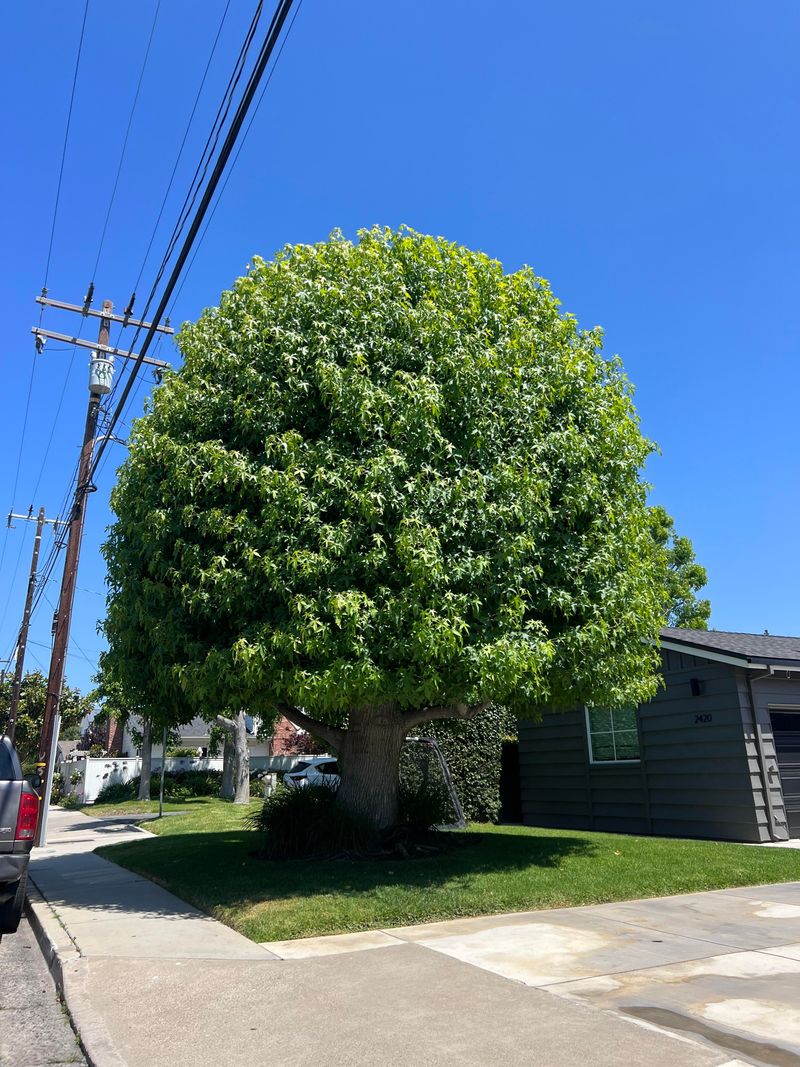
A well-placed shade tree is one of the most cost-effective home upgrades you can make, and it gets better every year as the tree grows. Studies from the U.S.
Department of Energy show that shading a home with trees can reduce cooling costs by 15 to 50 percent, depending on the climate and placement.
The science behind it is straightforward. When sunlight hits your roof and walls directly, it heats up the interior of your home.
An air conditioner then has to work harder to keep things cool. A shade tree blocks that direct sunlight before it ever reaches your home, reducing the heat load naturally.
Trees also cool the air around them through a process called transpiration. As a tree releases water through its leaves, it cools the surrounding air.
A cluster of trees in a neighborhood can lower outdoor temperatures by several degrees, which means less heat pressing against your home all day long.
The savings add up fast. A homeowner who spends $200 a month on cooling in summer could potentially save $30 to $100 per month with properly placed trees.
Over ten years, that is thousands of dollars. When those trees were received for free through a utility program, the return on investment is hard to beat.
Planting even one or two trees in the right spots around your home can make a real and lasting difference in your comfort and your budget.
7. Rebate Programs Change From City To City
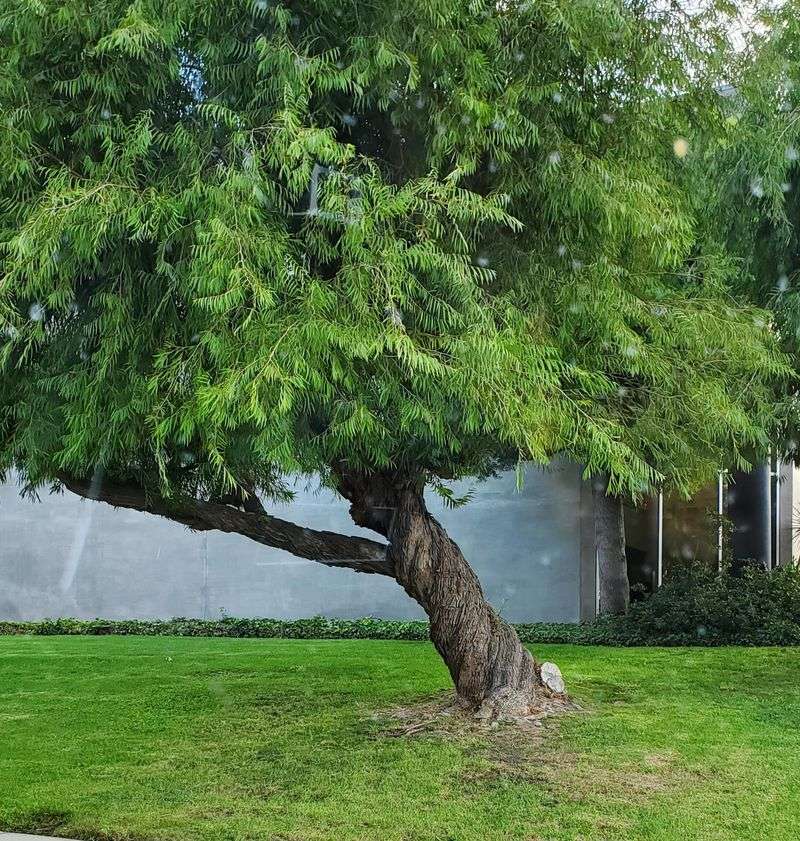
One of the trickiest things about tree rebate programs is that they are not the same everywhere. What is available in one city may not exist in the next town over.
Programs are funded locally, and budgets vary widely depending on the city, water district, or utility provider in your area.
Some cities offer rebates for purchasing and planting certain tree species on your own. Others give away trees directly through distribution events held at parks or community centers.
A few programs partner with local nurseries and offer discount vouchers instead of cash back. The format changes depending on who is running the program and how it is funded.
Keeping up with these changes takes a little effort, but it pays off. Many programs run out of funding before the year ends, so applying early gives you the best shot at claiming a benefit.
Some cities announce new programs in spring, right before planting season begins, so that is a good time to check for updates.
The best way to find what is available in your area is to search your city name along with phrases like “free tree program” or “tree planting rebate.”
You can also call your local water district or utility company directly and ask. Neighbors and community social media groups are another great source of tips about local programs.
Staying curious and checking in once a year can lead to real savings over time.