Oregon Late-Summer Geranium Cutback That Can Trigger Another Flush
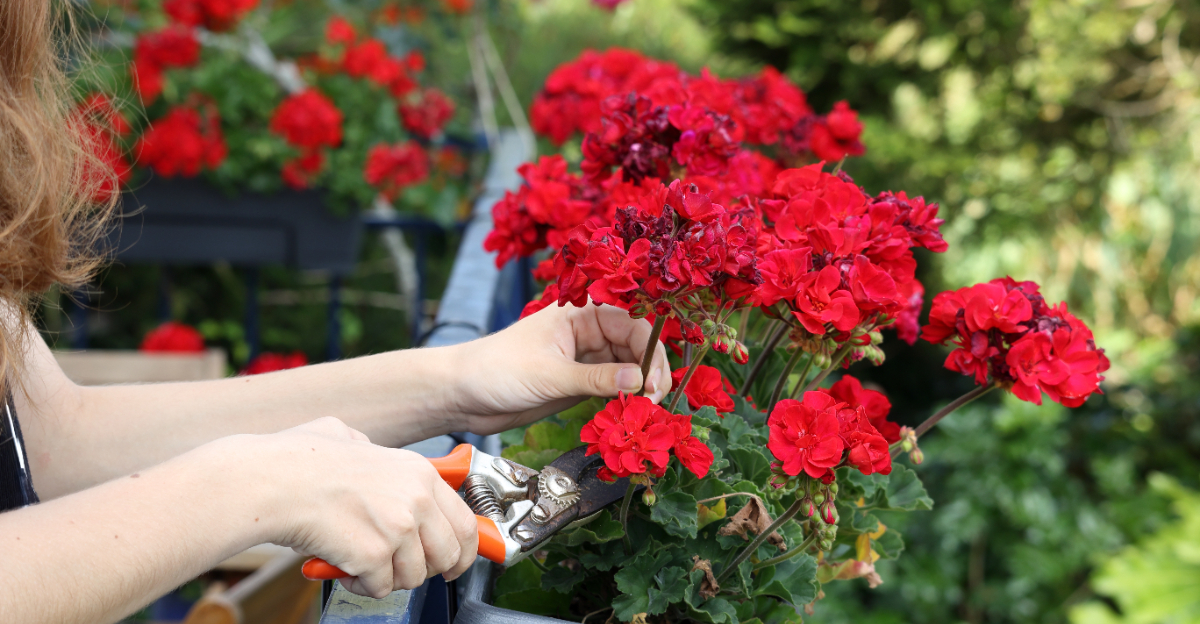
Late summer can make an Oregon garden feel like it is running out of steam. Geraniums that looked lively earlier in the season may start seeming less enthusiastic, and it is tempting to assume their best show is already behind them.
Not so fast. This stretch of the gardening calendar can still hold a few surprises, especially for anyone hoping to keep containers, borders, and patio pots looking colorful a little longer.
Geraniums are famous for putting on a cheerful display, but getting another burst before fall is not always about leaving them alone and crossing your fingers.
If only gardening were that convenient.
A late-summer cutback can be worth paying attention to, particularly as Oregon days begin inching toward cooler weather.
The trick is knowing when the moment is right and how to approach the plant without getting carried away with the pruners.
Before you declare the season finished, give those geraniums another glance. A carefully timed bit of attention could set the stage for one more lively show, giving summer a colorful little encore before autumn takes over.
1. Cutting Leggy Stems Back By About A Third
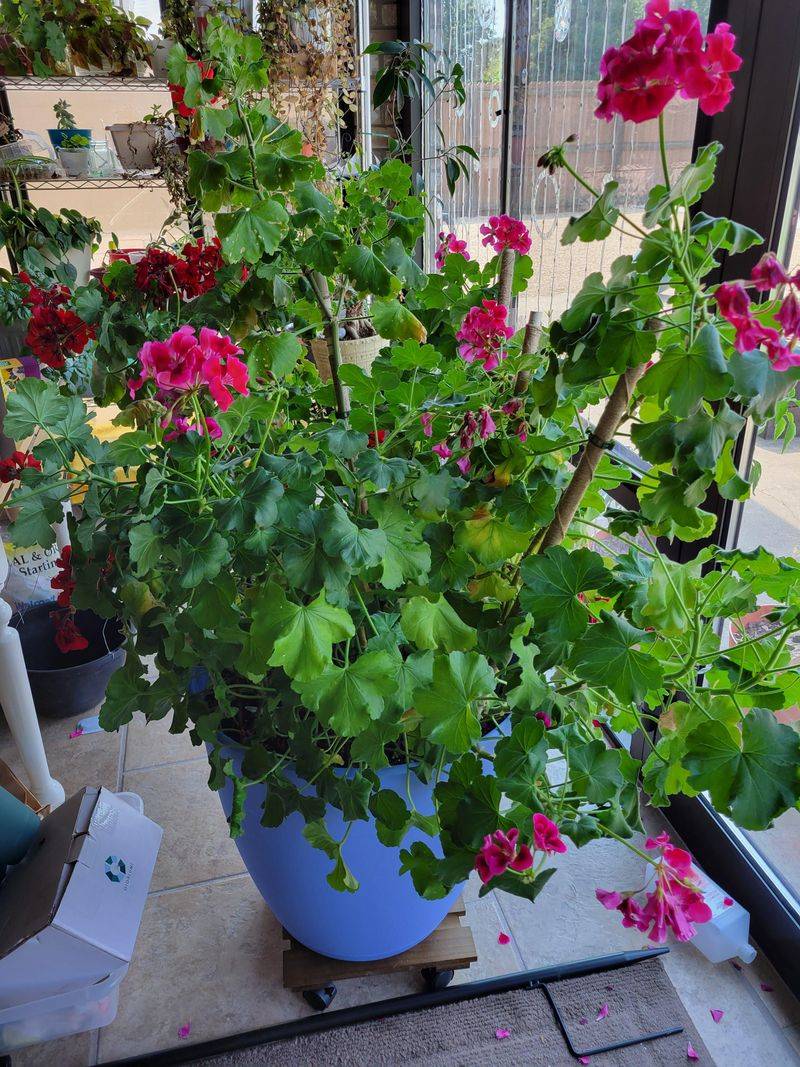
Long, stretchy stems are a sign your geraniums have been working hard all summer. They’ve been reaching for sunlight and pushing out blooms, and now they look a little worn out.
Cutting them back by about a third is one of the best things you can do to help them recover.
Start by looking at each stem carefully. Find where it looks strong and healthy, then measure about a third of the way down from the tip.
That’s your cutting point. Use clean, sharp scissors or pruning shears to make a smooth cut. A clean cut heals faster and reduces the chance of problems later.
Don’t be nervous about taking off that much growth. Geraniums are tough plants that handle trimming well.
Removing that upper third sends a signal to the plant to start pushing new growth from lower down the stem. That new growth is what carries fresh buds and blooms.
Work your way around the whole plant, trimming each stem back by about the same amount. Try to keep the shape balanced so one side doesn’t end up shorter than the other.
A balanced plant grows back more evenly and looks better overall.
After you’ve finished cutting, step back and take a look. The plant will look smaller, but that’s perfectly fine.
Within a week or two, you should start seeing new shoots popping up along the stems. That’s your sign that it’s working.
2. Snipping Just Above A Healthy Leaf Joint
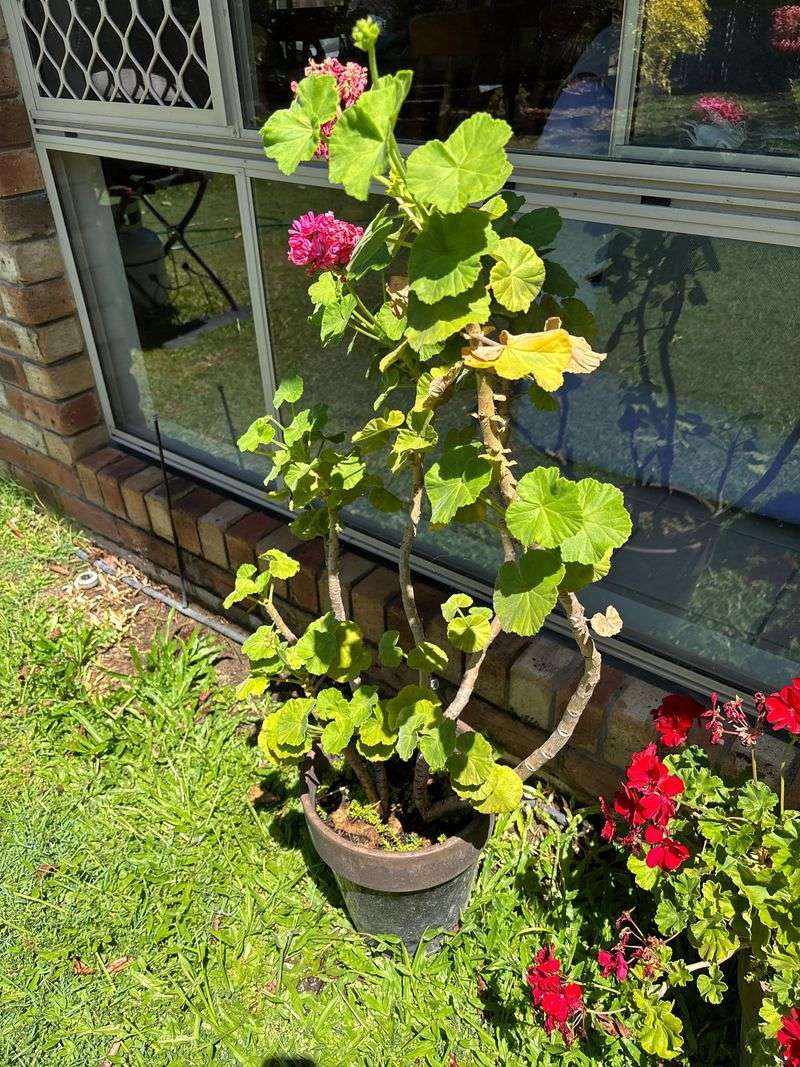
Where you make your cut matters just as much as how much you remove. Snipping in the right spot can mean the difference between a plant that bounces back quickly and one that struggles to recover.
The sweet spot is just above a healthy leaf joint. A leaf joint, also called a node, is the point on the stem where a leaf grows out. These spots are full of energy and potential.
Your Oregon Garden Changes Every Week. Your Plan Should Too.
Gardening in Oregon changes quickly throughout the season. Every Friday you’ll receive a simple weekly plan showing exactly what to plant, prune, fertilize, harvest, and protect so you never miss the right timing.
When you cut just above one, the plant uses that node as a launching pad for new growth. New shoots sprout right from that point, giving the plant a fuller, bushier look.
Try to cut about a quarter inch above the node. Cutting too close can damage the node.
Cutting too far above it leaves a stub that doesn’t do much good. A clean, angled cut just above the node is ideal.
Look for nodes that have healthy, green leaves attached. Avoid cutting above leaves that look yellow, spotted, or damaged.
Healthy nodes produce the strongest new growth, so it pays to be a little choosy about which ones you cut above.
Once you get the hang of spotting leaf joints, the whole process goes quickly. It becomes almost second nature after a few plants.
This one simple habit can dramatically improve how well your geraniums respond to a late-summer trim and how soon they start blooming again.
3. Removing Spent Blooms While You’re At It
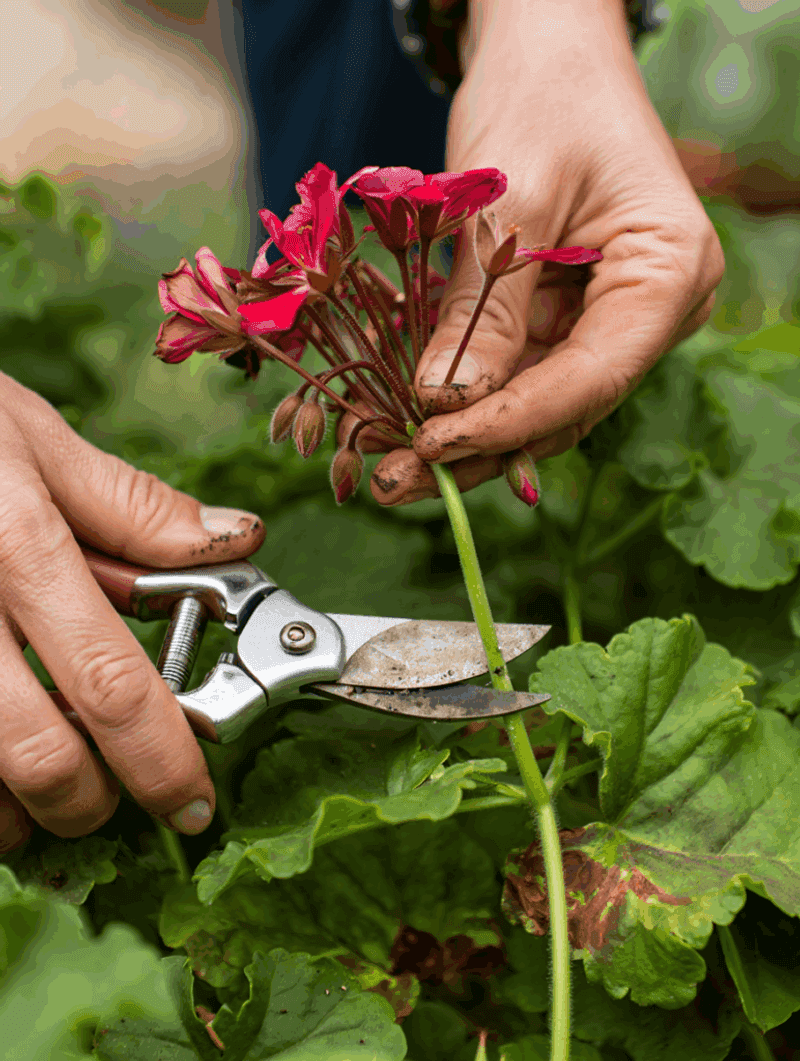
While you have your scissors out, go ahead and remove any flowers that have already faded.
Spent blooms, the ones that have turned brown or dropped their petals, are just sitting on the plant and using up energy. Taking them off frees that energy up for new growth.
This process is called deadheading, and it’s one of the easiest ways to encourage more blooms. When a plant sees that its flowers are gone, it gets the message to make more.
It’s almost like the plant is trying to finish what it started.
Look for flower clusters that have gone brown or look dried out. Pinch or snip them off at the base of their little stem, right where it meets the main stem.
Try to remove the whole flower head, not just the petals, since leaving the base behind can slow things down.
You might be surprised by how many spent blooms you find once you start looking. A plant that seems to have stopped blooming often has a lot of old flower heads still attached.
Clearing them all out can give the plant a surprisingly fresh look right away.
Doing this at the same time as your cutback is smart because you’re already handling the plant. Combining both tasks saves time and gives your geraniums a thorough refresh all at once.
It’s a small effort that pays off with a noticeably better-looking plant.
4. Taking Out Tired Growth Without Hacking The Plant
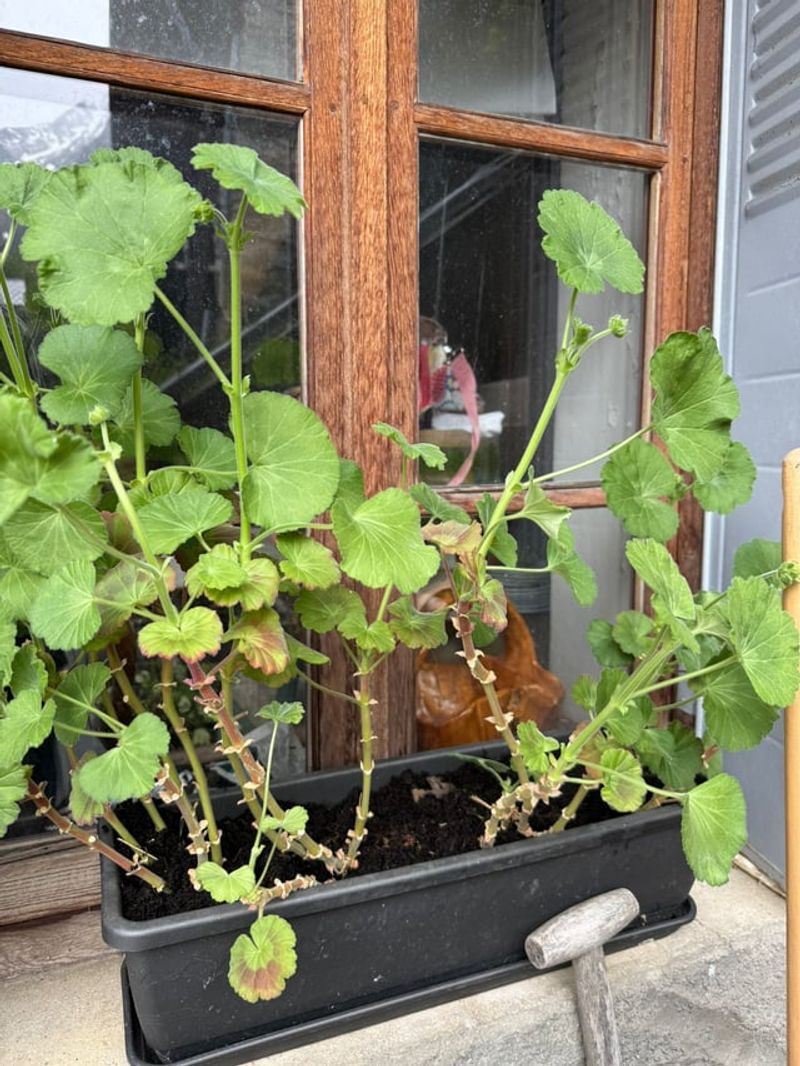
Not every stem needs to go. Some parts of your geranium are still healthy and full of life, and those should stay right where they are.
The goal is to remove the tired, worn-out growth while leaving the strong stuff alone.
Tired growth usually looks a certain way. Stems may be thin and weak, leaves might be yellowing, and the whole section may seem like it’s barely hanging on.
These parts aren’t going to produce good blooms, so removing them makes sense. It also improves airflow through the plant, which helps prevent fungal issues.
Go through the plant section by section. Gently move stems aside to get a clear look at what’s underneath.
Sometimes the most tired growth is hidden deep inside the plant where light doesn’t reach well. Removing those sections opens things up and lets light get to the healthier stems.
Be careful not to go overboard. Removing too much at once can stress the plant and slow down its recovery.
A light, targeted approach works better than an aggressive one. Think of it as editing rather than overhauling.
If you’re unsure whether to remove a stem, ask yourself if it looks like it has the energy to produce new growth. If the answer is no, it’s probably safe to take it out.
If it still looks reasonably healthy, leave it and let it keep contributing to the plant’s recovery and next flush of blooms.
5. A Light Cutback Can Wake Up Fresh Shoots
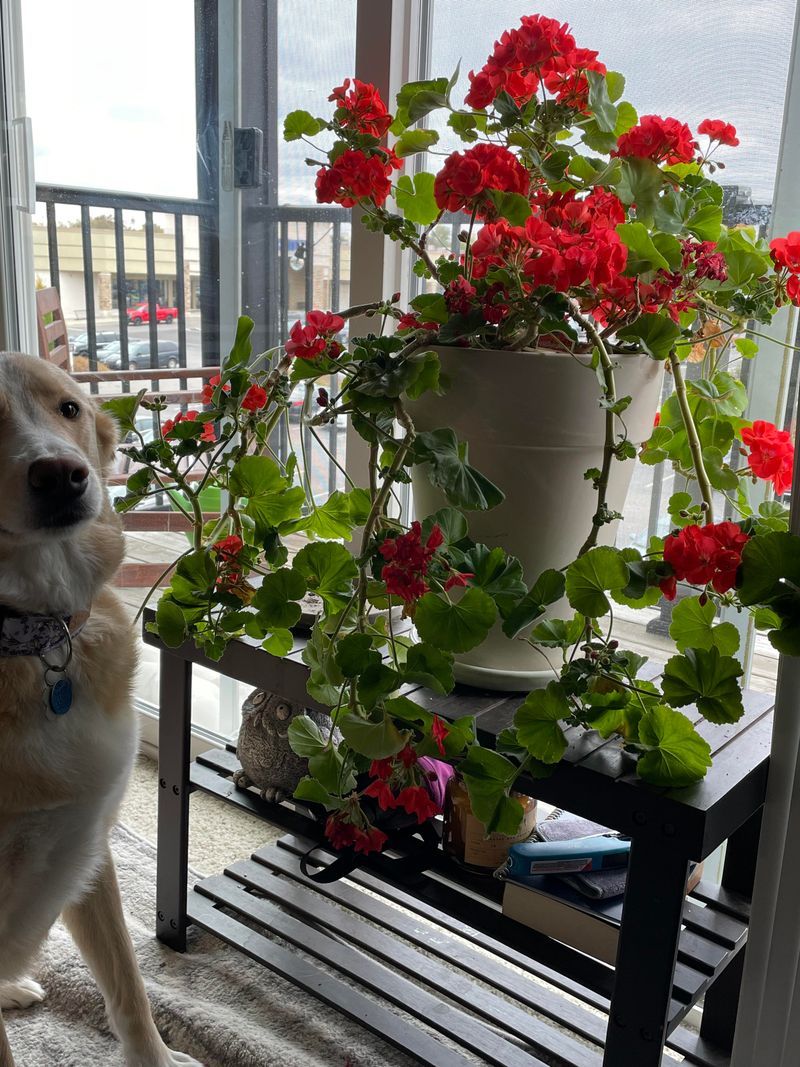
There’s something almost magical about watching new growth appear after a trim. A light cutback tells the plant that it’s time to start fresh, and geraniums respond to that message surprisingly fast.
Within days, you can sometimes spot tiny green shoots pushing out from the stems.
The science behind it is pretty simple. When you remove the top growth, the plant redirects its energy toward the buds that are waiting lower on the stem.
Those buds, sometimes called axillary buds, have been sitting there patiently. A trim is what finally gives them the green light to grow.
A light cutback works better than a heavy one in late summer. Taking too much off at once can slow the plant down instead of speeding it up.
Removing just enough, about a third or so, keeps the plant energized without overwhelming it.
Pay attention to the days after your trim. Check your plants every couple of days and look closely at the stems.
New shoots are small and easy to miss at first. They might look like tiny bumps or little green nubs before they fully open up into leaves and stems.
Seeing those first new shoots is one of the most satisfying moments in gardening. It confirms that your plant is responding well and that a second flush of blooms is on its way.
Give it a little time, keep the plant watered, and the reward will be worth the wait.
6. Fresh Growth Often Means More Buds To Follow
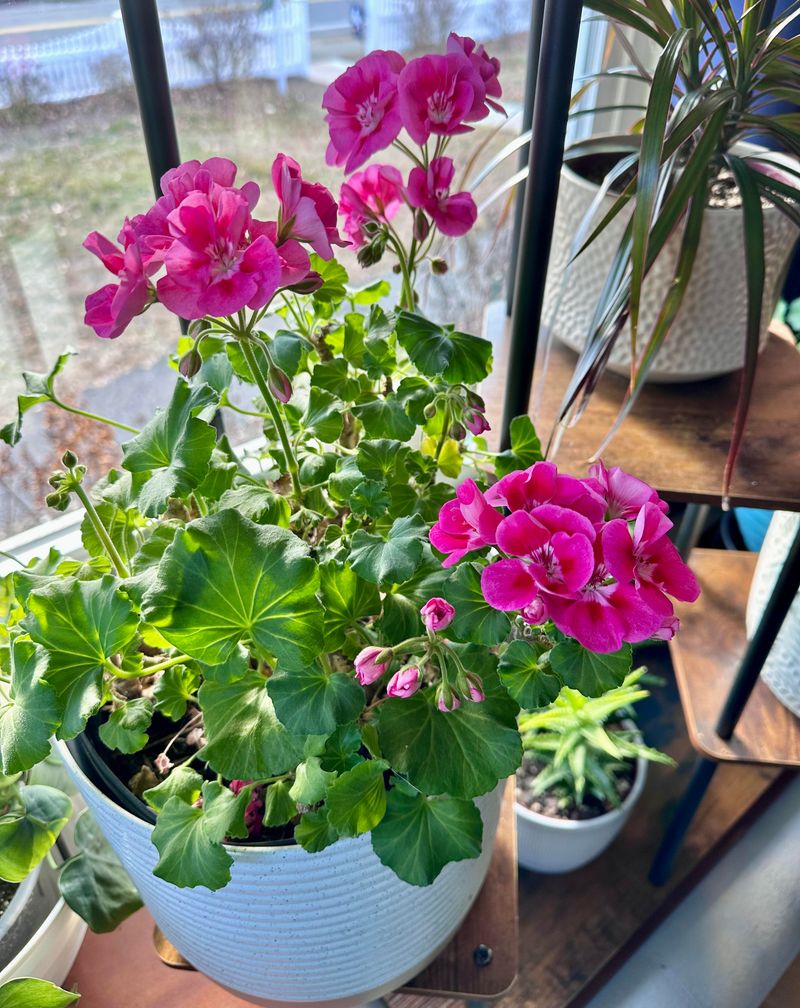
Once new shoots start appearing, flower buds are usually not far behind. Fresh growth on a geranium is a strong sign that the plant is getting ready to bloom again.
That second wave of color is exactly what makes a late-summer cutback so worth doing.
New stems grow quickly under good conditions. Warm days, plenty of sunlight, and regular watering all speed things along.
Within a few weeks of your trim, those fresh shoots can develop into full stems with flower buds forming at the tips. It’s a fast turnaround that feels almost like a reward for your effort.
The number of new buds you get depends on how healthy the plant was before the trim and how well you care for it afterward.
A plant that gets good sunlight, six or more hours a day, tends to produce more buds than one sitting in shade.
Feeding the plant with a balanced fertilizer after the cutback can also encourage more bud development.
Watch for the first signs of buds forming. They usually appear as small, tight clusters at the tips of new stems.
Once you spot them, you know the second flush is coming. It’s a fun thing to track, especially with kids who enjoy watching plants grow.
In Oregon’s mild late-summer climate, geraniums often have enough warm weeks left to complete a full second bloom before temperatures drop. Timing your cutback right gives them the best shot at pulling it off.
7. Skipping The Hard Chop Keeps Plants From Sulking
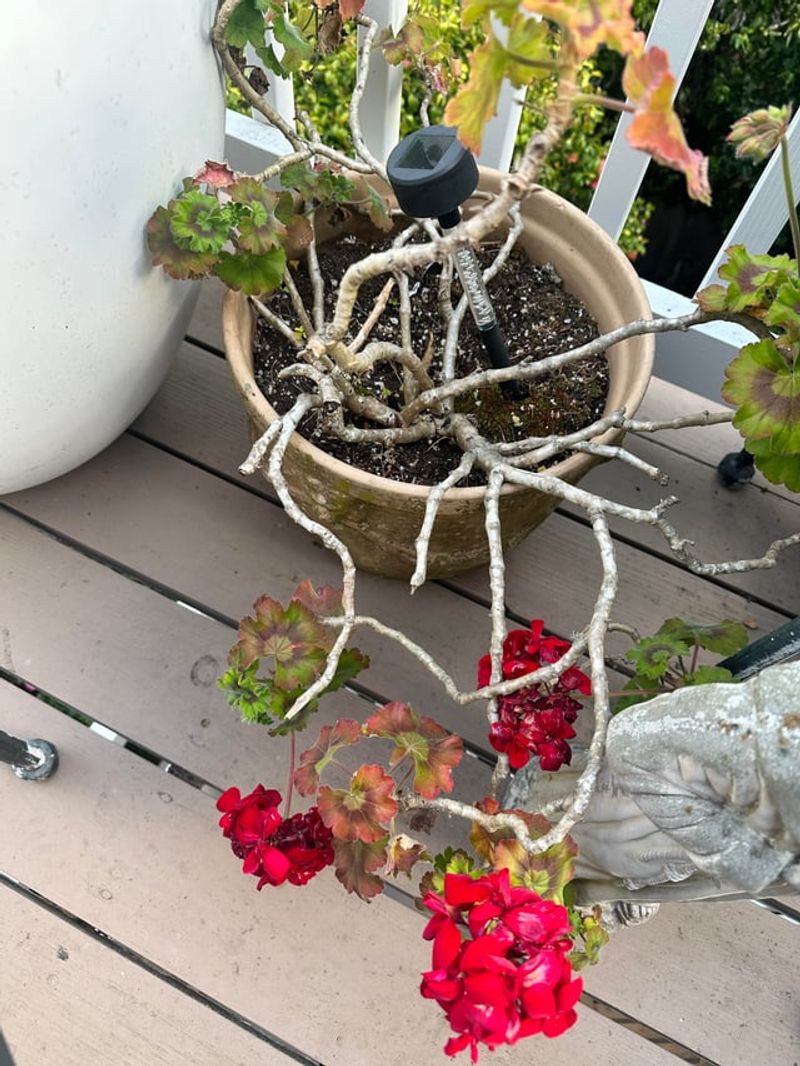
Some gardeners think that cutting back hard will produce faster, bigger results. But with geraniums in late summer, that approach can actually backfire.
A very heavy chop removes too much of the plant’s leafy surface, which is what the plant uses to make food from sunlight.
When a plant loses most of its leaves at once, it has to work extra hard just to survive. Instead of putting energy into new growth and buds, it focuses on recovering from the shock.
That can delay regrowth by several weeks, which isn’t ideal when the growing season is winding down.
A gentler approach keeps the plant happy and productive. Removing about a third of the growth is usually enough to stimulate fresh shoots without stressing the plant.
The remaining foliage keeps working, feeding the roots and supporting new growth at the same time.
Think of it like a haircut versus shaving your head. Both remove hair, but one is a lot more of a shock than the other.
Geraniums feel the same way about their stems and leaves. A tidy trim is refreshing. An extreme chop is stressful.
Stick to the lighter approach and your plants will reward you with faster, more consistent regrowth. They’ll look better sooner, bloom more reliably, and head into fall in much better shape.
Keeping the hard chop off the table is one of the smartest moves you can make for a successful second flush.
8. Giving Them Water Right After The Trim
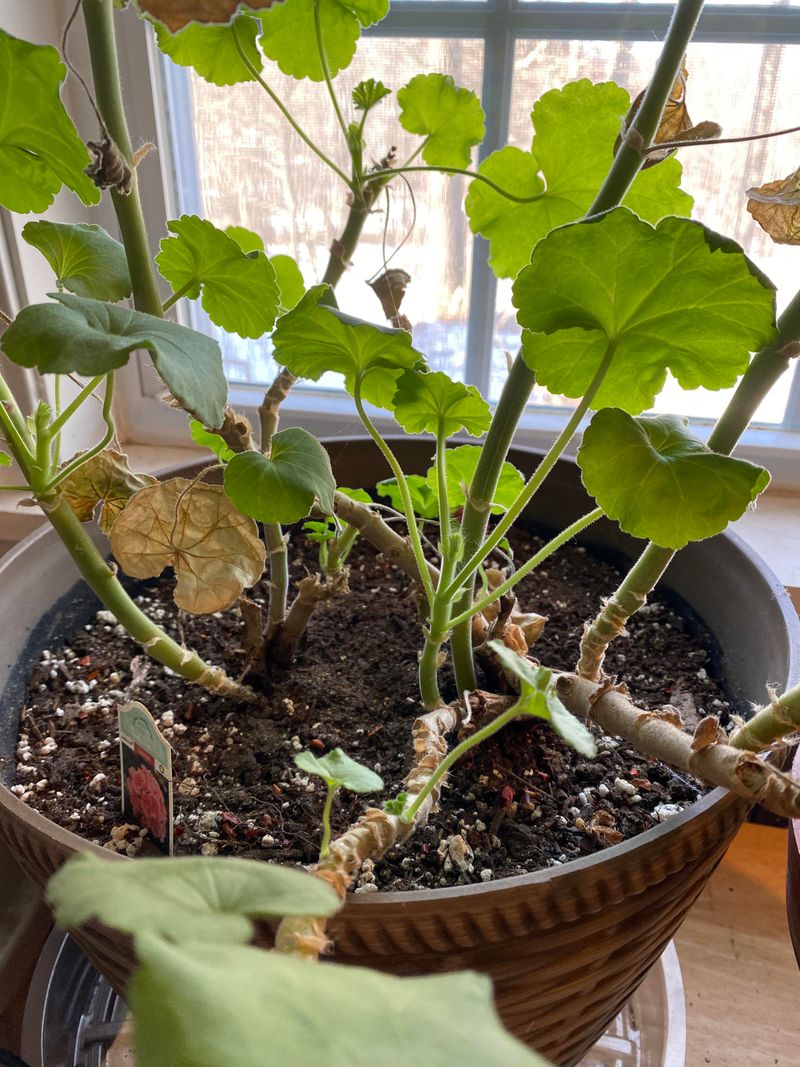
Watering right after a trim is one of the most important steps, and it’s one that’s easy to skip by accident. After cutting, a plant is working hard to seal its wounds and redirect energy toward new growth.
Having plenty of moisture available makes that process much smoother.
Give the plant a good, thorough watering right after you finish trimming. Don’t just sprinkle the surface.
Water deeply so the moisture reaches the roots. Roots are where the real action happens, and they need water to push nutrients up through the stems and into the new growth.
Be careful not to overwater, though. Soggy soil can cause root problems that set the plant back.
The goal is moist but well-drained soil. If water is pooling around the base of the plant and not soaking in, that’s a sign the drainage might need some attention.
For potted geraniums, water until it drains freely from the bottom of the pot. That’s a good sign that the root zone got a thorough drink.
Let the top inch or so of soil dry out a bit before watering again. Geraniums don’t love sitting in wet soil for long periods.
Keeping up with regular watering in the weeks after the trim helps the plant recover faster and push out new growth more quickly.
Pair that with a little fertilizer and good sunlight, and your geraniums should be blooming again before you know it. It’s a simple habit that makes a real difference.